
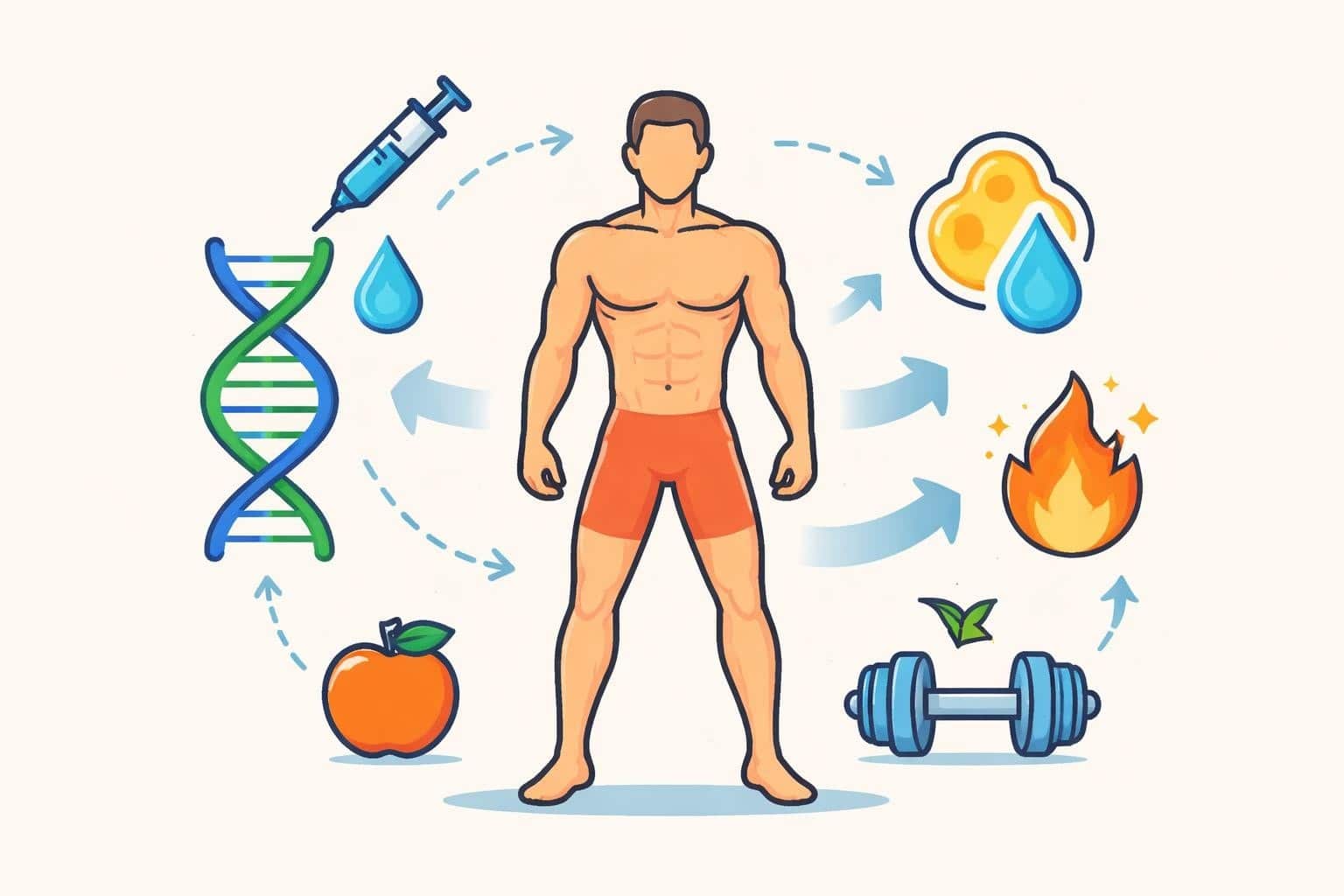
The search for effective weight management solutions has led researchers and health optimization enthusiasts to explore growth hormone-releasing peptides, with CJC 1295 emerging as a particularly promising option. This synthetic peptide analog of growth hormone-releasing hormone (GHRH) has garnered attention for its potential to support fat loss, improve body composition, and enhance metabolic function. Unlike traditional weight loss approaches that rely solely on caloric restriction or stimulants, CJC 1295 weight loss strategies work by optimizing the body's natural hormone production pathways, offering a physiologically sound approach to metabolic enhancement.
Understanding CJC 1295 and Its Mechanism of Action
CJC 1295 represents a significant advancement in peptide science, specifically designed to stimulate growth hormone (GH) secretion from the pituitary gland. According to research published on CJC-1295, this peptide was developed through strategic modifications to the GHRH molecule, incorporating Drug Affinity Complex (DAC) technology in certain formulations to extend its half-life and duration of action.
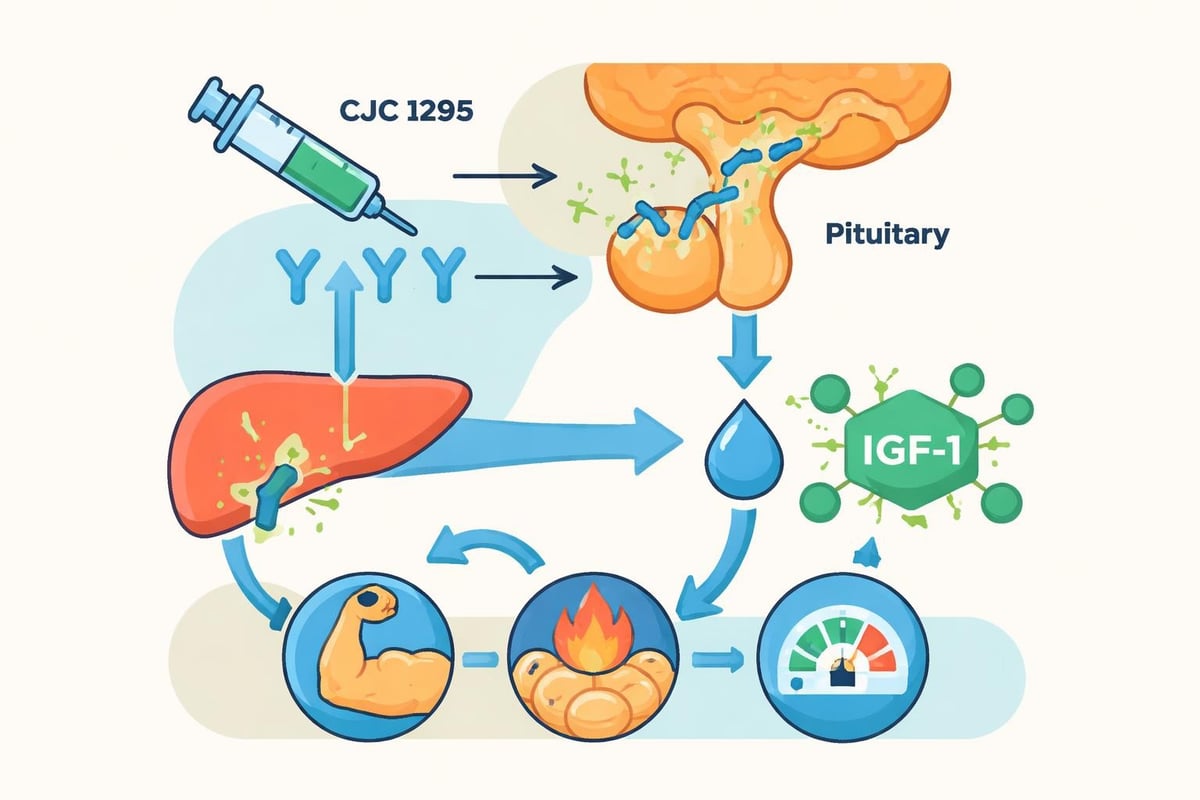
The peptide functions by binding to growth hormone-releasing hormone receptors in the anterior pituitary gland, triggering increased production and release of endogenous growth hormone. This mechanism differs fundamentally from direct growth hormone administration, instead supporting the body's natural pulsatile secretion patterns.
The DAC Technology Difference
CJC 1295 comes in two primary formulations: with DAC and without DAC. The DAC-containing version offers extended-release properties that maintain elevated growth hormone levels for several days following a single injection. The extended-release properties of CJC-1295 with DAC create sustained elevation of both GH and insulin-like growth factor-1 (IGF-1), which contributes to its metabolic benefits.
Key advantages of the DAC formulation include:
- Extended half-life ranging from 6 to 8 days
- Reduced injection frequency compared to non-DAC versions
- More stable growth hormone elevation
- Enhanced convenience for long-term protocols
The non-DAC version, often combined with other growth hormone secretagogues like ipamorelin, offers more flexibility in timing and can be used to mimic natural GH pulses more closely.
Clinical Evidence for CJC 1295 Weight Loss
The scientific foundation supporting cjc 1295 weight loss applications stems from multiple clinical investigations examining its effects on body composition and metabolic parameters. A Phase 2 clinical trial specifically evaluated CJC-1295 in HIV patients with visceral obesity, providing valuable data on its weight loss potential in a controlled setting.
Research has demonstrated that CJC 1295 administration leads to measurable increases in both growth hormone and IGF-1 levels. Studies investigating serum protein profiles in healthy adults showed significant elevations in these anabolic hormones, which directly correlate with enhanced lipolysis and improved metabolic function.
Body Composition Changes
The relationship between growth hormone elevation and fat loss involves several interconnected mechanisms:
- Enhanced lipolysis through activation of hormone-sensitive lipase
- Increased metabolic rate supporting greater caloric expenditure
- Preservation of lean muscle mass during caloric restriction
- Improved insulin sensitivity facilitating better nutrient partitioning
- Reduced visceral adiposity particularly in the abdominal region
| Metabolic Parameter | Effect of CJC 1295 | Timeframe |
|---|---|---|
| Growth Hormone Levels | 2-10x baseline elevation | 1-2 weeks |
| IGF-1 Concentration | 1.5-3x increase | 2-4 weeks |
| Fat Mass Reduction | 5-15% decrease | 8-12 weeks |
| Lean Mass Preservation | Maintained or increased | 4-12 weeks |
| Metabolic Rate | 10-20% elevation | 2-6 weeks |
These physiological changes create an optimal environment for sustainable fat loss while maintaining or even increasing lean tissue, addressing a common challenge with traditional calorie-restricted diets.
Optimal Dosing Protocols for Weight Loss
Establishing an effective cjc 1295 weight loss protocol requires understanding both the formulation being used and individual response variables. Dosing strategies differ significantly between DAC and non-DAC versions, with each offering distinct advantages depending on goals and lifestyle factors.
DAC Formulation Dosing
For CJC 1295 with DAC, typical protocols involve:
- Starting dose: 1-2 mg per week, divided into two injections
- Maintenance dose: 2-4 mg per week based on response
- Injection frequency: Twice weekly (e.g., Monday and Thursday)
- Duration: 8-16 week cycles with appropriate breaks
The extended half-life of the DAC version means less frequent administration while maintaining stable hormone elevations conducive to metabolic enhancement.
Non-DAC Formulation Dosing
CJC 1295 without DAC typically requires more frequent dosing to maintain optimal growth hormone levels:
- Standard dose: 100-200 mcg per injection
- Frequency: 1-3 times daily, preferably before meals or bedtime
- Optimal timing: Morning fasted state and pre-sleep for maximal GH response
- Synergistic combinations: Often paired with GHRP peptides for enhanced efficacy
Many practitioners recommend the CJC-1295 No DAC Ipamorelin blend for those seeking more physiologic GH pulses aligned with natural secretion patterns.
Combining CJC 1295 with Comprehensive Weight Loss Strategies
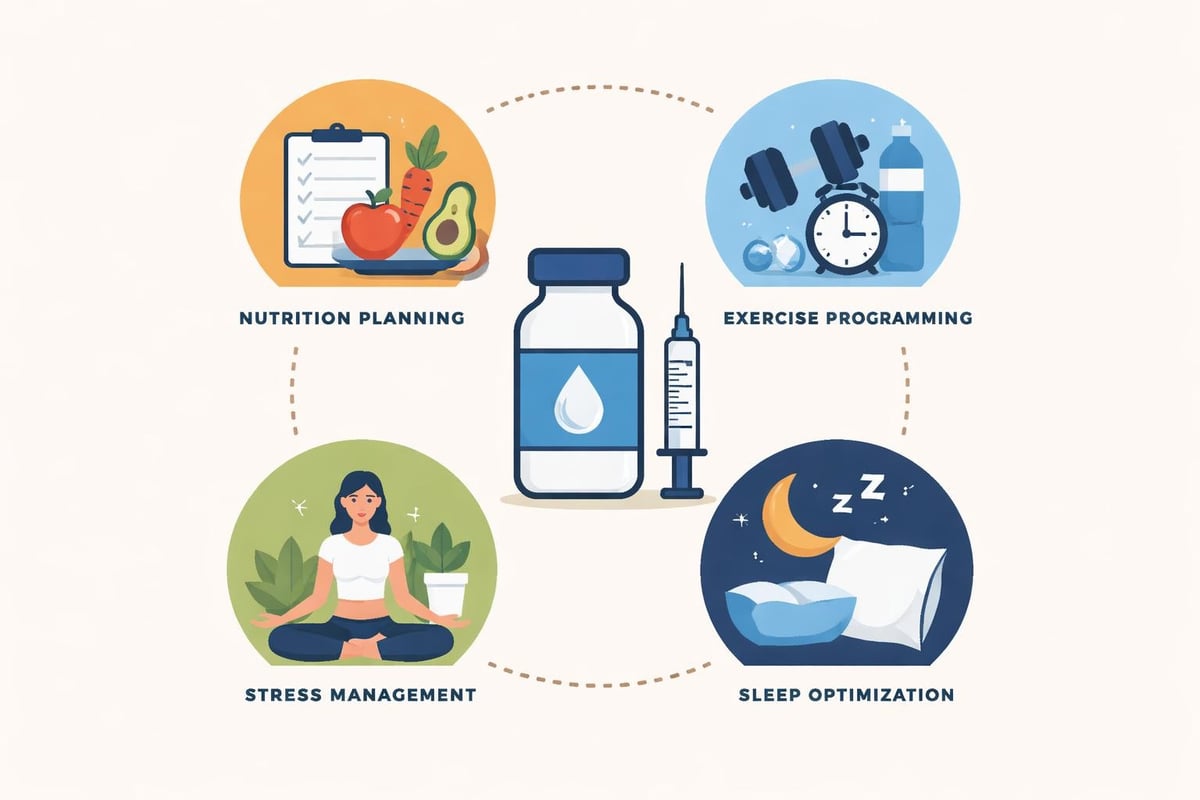
While CJC 1295 provides powerful metabolic support, optimal results emerge when integrated into a comprehensive approach addressing multiple aspects of weight management. The peptide functions as an amplifier of existing healthy behaviors rather than a standalone solution.
Nutrition plays a foundational role in any successful weight loss protocol. CJC 1295 enhances nutrient partitioning, directing calories toward muscle maintenance and away from fat storage, but dietary quality remains paramount. A structured approach emphasizing whole foods, adequate protein intake (1.0-1.5 grams per pound of lean body mass), and strategic carbohydrate timing maximizes the peptide's metabolic benefits.
Exercise Synergy
Physical activity amplifies the benefits of growth hormone elevation through complementary mechanisms:
- Resistance training stimulates additional GH release while building metabolically active tissue
- High-intensity interval training maximizes fat oxidation during elevated GH states
- Low-intensity steady-state cardio optimizes fat utilization without excessive cortisol elevation
- Recovery periods allow for tissue remodeling supported by enhanced GH availability
Training frequency recommendations:
| Training Type | Weekly Frequency | Duration per Session | Timing with CJC 1295 |
|---|---|---|---|
| Resistance Training | 3-5 sessions | 45-75 minutes | Post-injection window preferred |
| HIIT Cardio | 2-3 sessions | 20-30 minutes | Fasted morning optimal |
| LISS Cardio | 2-4 sessions | 30-45 minutes | Flexible timing |
| Active Recovery | Daily | 15-30 minutes | As needed |
The Mind-Body Connection in Weight Loss
Emerging research highlights the critical role of neural patterns and subconscious programming in long-term weight management success. The behavioral and psychological components of eating patterns often determine whether metabolic enhancements translate into sustained results.
Addressing these mental patterns requires dedicated focus. Oneleaf offers a neuroscience-based approach that complements peptide therapy by helping users reprogram their subconscious responses to food, stress, and cravings. This combination of optimized hormone levels through CJC 1295 and rewired neural pathways creates synergistic effects that traditional approaches often miss.
When growth hormone levels are optimized but stress-eating patterns remain unchanged, results plateau. Conversely, when mental patterns support healthy choices and hormonal signaling reinforces those decisions with enhanced metabolism and satiety, sustainable transformation becomes achievable.
Safety Considerations and Side Effect Profile
Understanding the safety profile of cjc 1295 weight loss protocols ensures informed decision-making and appropriate risk management. Clinical research has generally demonstrated favorable tolerability, though individual responses vary based on dosing, health status, and concurrent medications.
Common Side Effects
Most individuals tolerate CJC 1295 well, with side effects typically mild and transient:
- Injection site reactions (redness, swelling, discomfort)
- Temporary water retention, particularly in extremities
- Increased hunger in some users, decreased in others
- Mild headaches during initial adaptation period
- Flushing or warmth sensations post-injection
- Temporary changes in blood glucose regulation
These effects often diminish as the body adapts to elevated growth hormone levels over 2-4 weeks.
Important Contraindications
Certain populations should avoid or carefully consider CJC 1295 use:
- Active cancer patients (growth hormone may stimulate tumor growth)
- Individuals with proliferative diabetic retinopathy
- Those with acute critical illness or recent major surgery
- Pregnant or nursing women (insufficient safety data)
- People with known peptide allergies
Consultation with qualified healthcare providers familiar with peptide therapy remains essential before initiating any protocol.
Comparing CJC 1295 to Other Weight Loss Peptides
The peptide landscape offers multiple options for metabolic enhancement, each with distinct mechanisms and applications. Understanding how cjc 1295 weight loss effects compare to alternatives helps optimize selection based on individual goals and circumstances.
Growth Hormone Pathway Peptides
Several peptides work through growth hormone modulation but with different approaches:
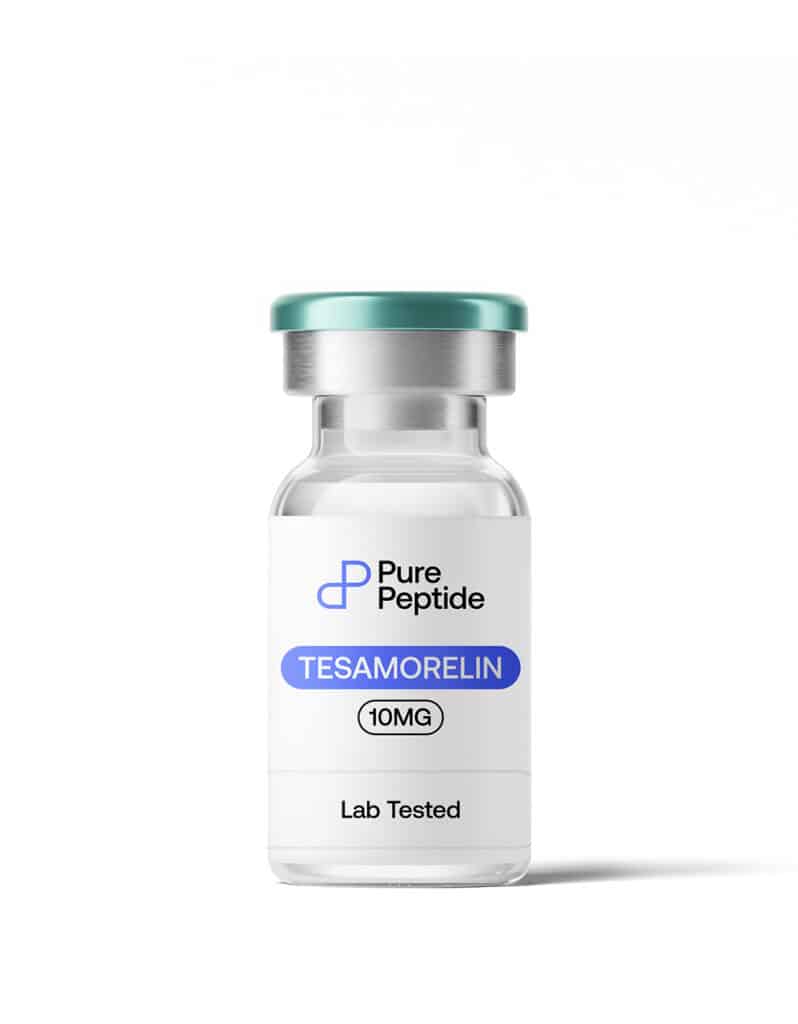
- Tesamorelin: FDA-approved GHRH analog specifically indicated for reducing visceral adipose tissue in HIV-associated lipodystrophy
- Ipamorelin: Growth hormone releasing peptide (GHRP) that synergizes with CJC 1295 for enhanced pulsatile GH secretion
- IGF-1 LR3: Direct IGF-1 analog bypassing the GH pathway for anabolic and metabolic effects
| Peptide | Primary Mechanism | Fat Loss Potency | Muscle Preservation | Injection Frequency |
|---|---|---|---|---|
| CJC 1295 (DAC) | GHRH analog, extended release | Moderate-High | High | 2x weekly |
| CJC 1295 (No DAC) | GHRH analog, short-acting | Moderate-High | High | 1-3x daily |
| Tesamorelin | GHRH analog, visceral fat focus | High (visceral) | Moderate-High | Daily |
| Ipamorelin | GHRP, GH secretagogue | Moderate | High | 1-3x daily |
Non-GH Pathway Options
Alternative peptides target different metabolic pathways entirely:
Retatrutide represents a newer class of multi-receptor agonists targeting GIP, GLP-1, and glucagon receptors simultaneously. Research on scientific perspectives suggests these mechanisms may produce more dramatic weight loss than GH-focused approaches, though with different side effect profiles and considerations.
The choice between peptides depends on individual factors including baseline hormone levels, body composition goals, tolerance for injection frequency, and budget considerations.
Real-World Application and Expected Timelines
Understanding realistic expectations for cjc 1295 weight loss helps maintain motivation and allows for appropriate protocol adjustments. Response patterns follow predictable phases, though individual variation exists based on starting condition, adherence, and supporting lifestyle factors.
Phase 1: Initial Adaptation (Weeks 1-3)
The first three weeks involve physiological adjustment to elevated growth hormone levels. Users typically experience:
- Gradual increase in energy and sleep quality
- Initial water retention that may mask early fat loss
- Developing consistency with injection timing and technique
- Baseline measurements for tracking progress
Visible changes remain minimal during this phase, though metabolic shifts are actively occurring at the cellular level.
Phase 2: Active Transformation (Weeks 4-8)
This period typically yields the most noticeable changes:
- Measurable reduction in body fat percentage (2-6% depending on starting point)
- Enhanced muscle definition as subcutaneous water decreases
- Improved recovery from training sessions
- Stabilization of appetite and energy patterns
- Visible changes in body composition measurements
Expected weekly progress during this phase:
- Fat loss: 0.5-1.5 pounds per week
- Waist circumference reduction: 0.25-0.75 inches per week
- Lean mass maintenance or slight increase

Phase 3: Refinement and Optimization (Weeks 9-16)
Extended protocols allow for continued improvement and fine-tuning:
- Total body fat reduction reaching 8-15% from baseline
- Establishment of new metabolic set point
- Optimization of dosing based on individual response
- Development of sustainable habits supporting long-term maintenance
Detailed dosage guidance and benefits suggest that extended protocols often yield superior results compared to shorter interventions, particularly for significant body composition transformation.
Quality Considerations and Sourcing
The efficacy and safety of any cjc 1295 weight loss protocol depends fundamentally on peptide quality, purity, and proper handling. Variability in manufacturing standards across suppliers means due diligence in sourcing remains critical.
Purity and Testing Standards
Premium peptides should meet rigorous quality benchmarks:
- Minimum purity: 98% or higher verified by HPLC testing
- Endotoxin levels: Below 1 EU/mg as measured by LAL testing
- Identity verification: Mass spectrometry confirmation of molecular structure
- Sterility: Confirmed through USP sterility testing protocols
- Documentation: Certificates of analysis (COA) provided for each batch
Substandard peptides may contain impurities, degradation products, or incorrect concentrations that compromise both safety and effectiveness. Third-party testing provides additional assurance beyond manufacturer claims.
Storage and Reconstitution
Proper handling preserves peptide integrity:
- Lyophilized powder storage: Refrigerated (2-8°C) or frozen (-20°C) until reconstitution
- Reconstitution solution: Bacteriostatic water maintains sterility for multiple doses
- Reconstituted storage: Refrigerated and used within 30 days
- Light protection: Amber vials or foil-wrapped storage prevents photodegradation
- Contamination prevention: Alcohol wipe injection ports, use fresh needles
These practices ensure the peptide maintains full potency throughout the protocol duration. For comprehensive access to quality-verified products, exploring Soma Peptide’s full catalog provides options meeting these rigorous standards.
Monitoring Progress and Adjusting Protocols
Successful cjc 1295 weight loss implementation requires systematic tracking and responsive protocol adjustment based on objective measurements and subjective feedback. Relying solely on scale weight misses important indicators of metabolic change and body composition improvement.
Essential Tracking Metrics
Quantitative measurements:
- Body weight (same time, same conditions weekly)
- Body fat percentage via bioimpedance or skinfold calipers
- Circumference measurements (waist, hips, thighs, arms)
- Progress photographs in consistent lighting and poses
- Training performance metrics (strength, endurance, recovery)
- Sleep quality scores and duration
- Fasting blood glucose and ketone levels (optional)
Qualitative indicators:
- Energy levels throughout the day
- Hunger and satiety patterns
- Mood stability and mental clarity
- Skin quality and appearance
- Joint comfort and mobility
- Overall sense of wellbeing
When to Adjust Dosing
Protocol modifications become necessary when response plateaus or side effects emerge:
Increase dosing if:
- Progress stalls after 3-4 weeks despite dietary adherence
- Energy and recovery remain suboptimal
- Laboratory GH/IGF-1 levels remain in lower-normal range
Decrease dosing if:
- Side effects become problematic or persistent
- Water retention becomes excessive
- Blood glucose regulation becomes impaired
- Laboratory values exceed optimal ranges
Cycling considerations:
Extended continuous use may lead to receptor downregulation or adaptation. Many protocols incorporate 4-8 week breaks after 12-16 week cycles to maintain sensitivity and prevent diminishing returns.
Integrating Additional Support Strategies
While cjc 1295 weight loss protocols provide significant metabolic advantages, complementary interventions often amplify results and support overall health optimization. A multifaceted approach addresses the complexity of human metabolism more comprehensively than single-modality interventions.
Nutritional Supplementation
Targeted supplementation supports the metabolic demands of enhanced growth hormone signaling:
- L-arginine and L-ornithine: Amino acids that may enhance GH secretion when combined with peptide therapy
- Magnesium: Supports insulin sensitivity and cellular energy production
- Omega-3 fatty acids: Anti-inflammatory effects support metabolic health
- Vitamin D: Optimizes hormone receptor sensitivity
- Adaptogenic herbs: Support stress management and cortisol regulation
Sleep Optimization
Growth hormone secretion peaks during deep sleep phases, making sleep quality critical for maximizing peptide benefits. Strategies include:
- Consistent sleep-wake timing aligned with circadian rhythms
- Cool, dark sleeping environment (65-68°F optimal)
- Limiting blue light exposure 2-3 hours pre-sleep
- Strategic timing of final CJC 1295 dose to coincide with natural GH pulses
- Stress management practices supporting parasympathetic activation
Stress Management
Chronic stress elevates cortisol, which antagonizes growth hormone's metabolic benefits and promotes fat storage, particularly visceral adiposity. Effective stress mitigation includes:
- Regular meditation or mindfulness practices reducing sympathetic nervous system activation
- Breathwork techniques supporting vagal tone and recovery
- Time in nature providing psychological restoration
- Social connection buffering stress response
- Cognitive reframing through approaches like those offered by neuroscience-based programs
The combination of optimized hormones through CJC 1295 and regulated stress response creates ideal conditions for body composition transformation.
Implementing cjc 1295 weight loss protocols represents a scientifically grounded approach to metabolic optimization, supported by clinical research and mechanistic understanding of growth hormone's role in body composition. Success requires quality peptides, appropriate dosing, comprehensive lifestyle support, and patient consistency as physiological changes unfold over weeks and months. Soma Peptide provides premium-grade peptides manufactured to the highest purity standards, ensuring you have the foundation necessary for effective protocols. Explore our complete selection of research peptides backed by rigorous quality control and third-party testing.