


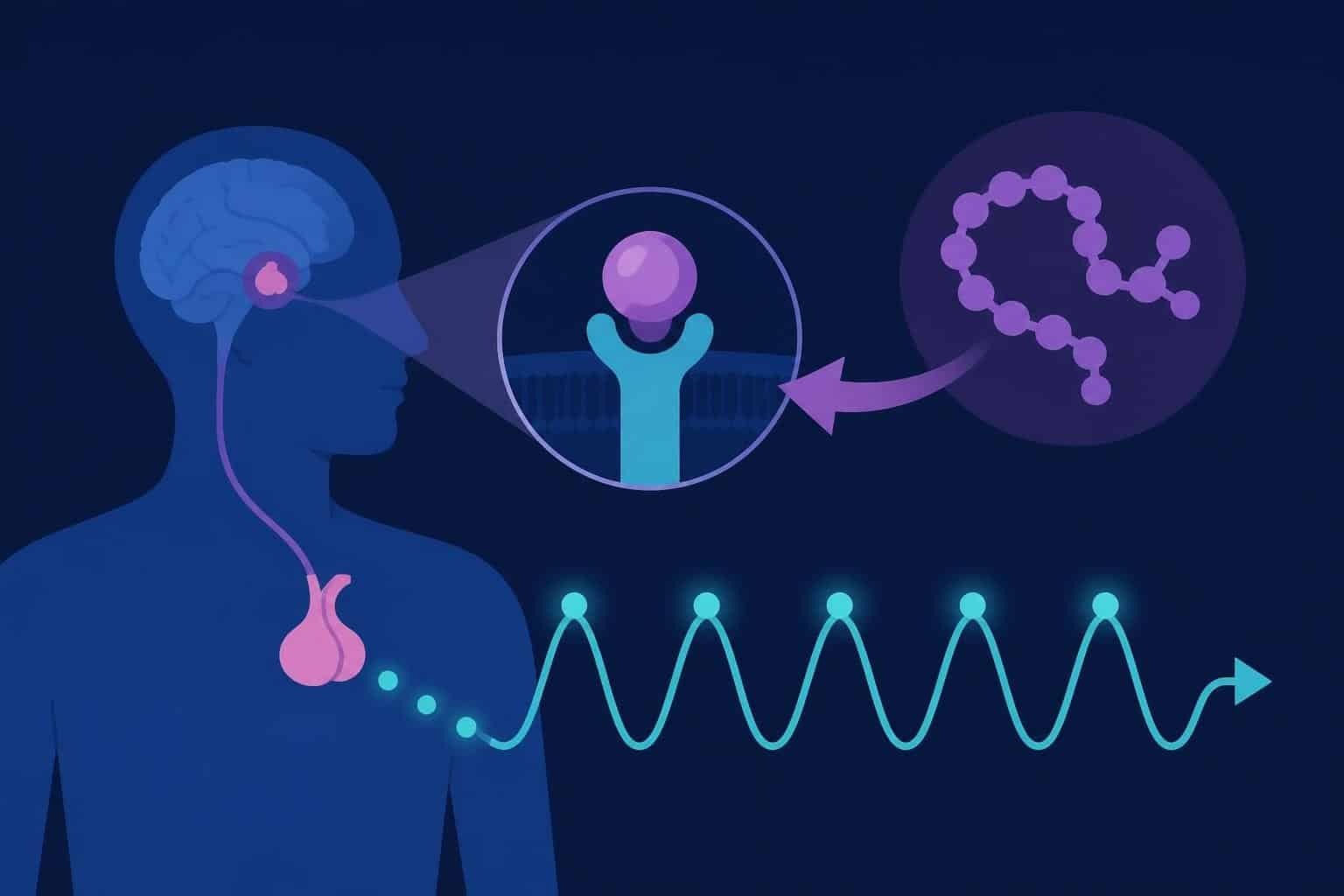
The peptide landscape has evolved considerably, with researchers and practitioners gaining deeper insights into compounds that influence growth hormone secretion. Among these, cjc without dac has emerged as a particularly nuanced option for those seeking to support natural hormone rhythms without extended pharmacological intervention. This modified growth hormone–releasing hormone analog offers a fundamentally different approach compared to its DAC-containing counterpart, preserving the body's inherent pulsatile patterns while still delivering measurable benefits for metabolic function, recovery, and body composition.
What Is CJC Without DAC
CJC without DAC, scientifically known as Modified GRF(1-29), represents a synthetic analog of the first 29 amino acids of growth hormone–releasing hormone (GHRH). The designation "without DAC" refers to the absence of Drug Affinity Complex, a chemical modification that dramatically extends the peptide's half-life.
Unlike its long-acting counterpart, this variant maintains a biological half-life of approximately 30 minutes following administration. This brief duration of action aligns more closely with the body's natural growth hormone release patterns, which occur in distinct pulses throughout the day and night.
Structural Modifications and Stability
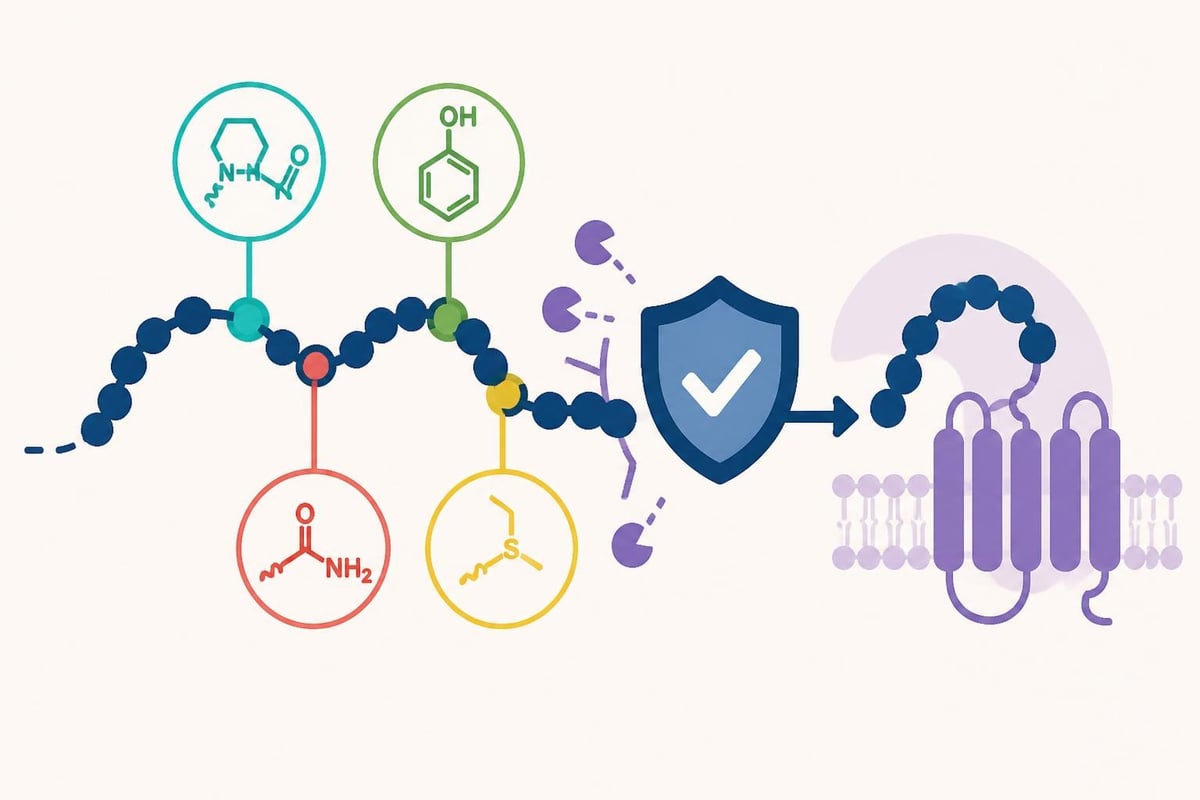
The peptide incorporates four specific amino acid substitutions compared to native GHRH(1-29). These modifications serve a critical function: enhancing resistance to enzymatic degradation while maintaining receptor affinity.
Key structural changes include:
- Substitution at position 2 (Ala to D-Ala) to prevent DPP-IV enzyme degradation
- Replacement at position 8 (Ala to Gln) for improved stability
- Modification at position 15 (Gly to Leu) to enhance potency
- Alteration at position 27 (Leu to Ala) for metabolic resistance
These targeted modifications ensure the peptide reaches GHRH receptors intact, despite its short circulating time. Research documented by the Peptide Science Institute demonstrates how these substitutions create a peptide that balances efficacy with physiological compatibility.
How CJC Without DAC Works
The mechanism of action centers on selective activation of growth hormone–releasing hormone receptors located on somatotroph cells in the anterior pituitary gland. Upon binding, the peptide triggers intracellular signaling cascades that culminate in growth hormone secretion.
What distinguishes cjc without dac from longer-acting variants is its temporal profile. The brief half-life means growth hormone elevation follows a pulse pattern rather than sustained elevation. This matters considerably for several physiological reasons.
Preserving Natural Pulsatility
The human endocrine system evolved to release growth hormone in distinct pulses, primarily during deep sleep and following specific physiological stimuli like exercise or fasting. Continuous elevation of growth hormone can lead to receptor desensitization and disruption of feedback mechanisms.
By mimicking natural secretion patterns, cjc without dac allows the hypothalamic-pituitary axis to maintain its regulatory function. The peptide amplifies existing pulses rather than creating artificial, sustained elevations.
| Comparison Factor | CJC Without DAC | CJC With DAC |
|---|---|---|
| Half-life | ~30 minutes | 6-8 days |
| Dosing Frequency | 2-3 times daily | Once or twice weekly |
| GH Pattern | Pulsatile elevation | Sustained elevation |
| Receptor Dynamics | Preserved sensitivity | Potential desensitization |
| Feedback Loop | Maintained | Potentially disrupted |
Understanding these pharmacological differences helps explain why practitioners often prefer the non-DAC version for protocols prioritizing physiological compatibility.
Benefits and Applications
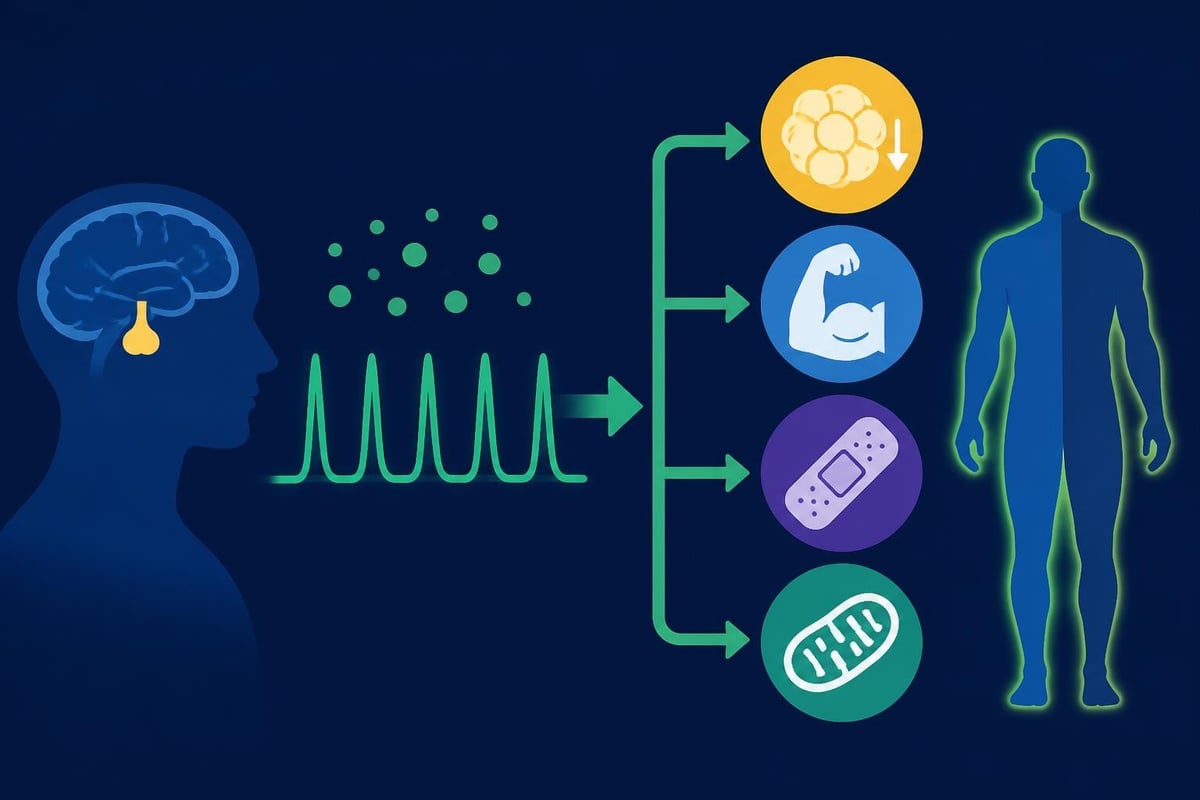
The pulsatile growth hormone release stimulated by cjc without dac translates into several observable benefits that align with natural hormone function. These effects emerge through both direct growth hormone action and secondary increases in insulin-like growth factor 1 (IGF-1).
Body Composition and Metabolic Support
Growth hormone plays a well-established role in lipolysis (fat breakdown) and protein synthesis. By enhancing natural GH pulses, the peptide supports favorable changes in body composition without pharmacologically overriding endocrine feedback.
Users commonly report:
- Enhanced fat oxidation, particularly in visceral adipose tissue
- Improved nitrogen retention supporting lean muscle preservation
- Better metabolic flexibility between fed and fasted states
- Increased resting energy expenditure
These effects occur gradually, reflecting the peptide's support of natural processes rather than forcing dramatic metabolic shifts.
Recovery and Tissue Repair
Growth hormone significantly influences tissue regeneration, cellular proliferation, and collagen synthesis. The enhanced pulsatile release associated with cjc without dac may support more efficient recovery from training stress and minor injuries.
Recovery-related benefits include:
- Accelerated soft tissue healing
- Enhanced sleep quality and architecture
- Improved connective tissue integrity
- Reduced recovery time between training sessions
- Better adaptation to resistance training
Research compiled at CJC-1295 Research highlights the peptide's role in supporting these regenerative processes through optimized hormone signaling.
Dosing Protocols and Administration
Proper dosing of cjc without dac requires understanding its pharmacokinetic profile and the body's natural growth hormone secretion patterns. The goal is strategic amplification of endogenous pulses rather than replacement therapy.
Standard Dosing Guidelines
Most protocols employ doses ranging from 100 to 200 micrograms per administration. The short half-life necessitates multiple daily doses to maintain consistent support for GH pulsatility.
Common dosing frequencies:
- Morning administration (upon waking)
- Pre-workout timing (30-60 minutes before training)
- Evening dose (before sleep)
Some practitioners prefer twice-daily protocols, focusing on morning and evening administration to target the body's two primary growth hormone peaks. The Peptide Protocol Wiki offers detailed guidance on these timing strategies.
Reconstitution and Storage
The peptide typically arrives as lyophilized powder requiring reconstitution with bacteriostatic water. Proper handling ensures peptide stability and potency throughout the protocol.
| Storage Stage | Temperature | Duration | Notes |
|---|---|---|---|
| Lyophilized | Room temp or refrigerated | 12-24 months | Keep away from light |
| Reconstituted | 2-8°C (refrigerated) | 30-45 days | Do not freeze |
| In-use vial | 2-8°C (refrigerated) | Use within draw period | Minimize light exposure |
Subcutaneous injection into abdominal fat tissue provides reliable absorption with minimal discomfort. Rotating injection sites prevents tissue irritation and maintains consistent pharmacokinetics.
Combination Protocols
While cjc without dac functions effectively as a standalone peptide, many protocols incorporate synergistic compounds to enhance growth hormone release through complementary pathways. These combinations aim to maximize physiological benefits while maintaining safety and tolerability.
Pairing with Growth Hormone Secretagogues
The most common combination pairs cjc without dac with ipamorelin, a selective ghrelin receptor agonist. This pairing works through distinct mechanisms that complement each other elegantly.
CJC without DAC stimulates the GHRH pathway, while ipamorelin activates ghrelin receptors. Together, they create a more robust growth hormone pulse than either compound alone. For those exploring this approach, the CJC-1295 NO DAC / Ipamorelin Blend offers precisely formulated ratios designed to maximize this synergistic effect.
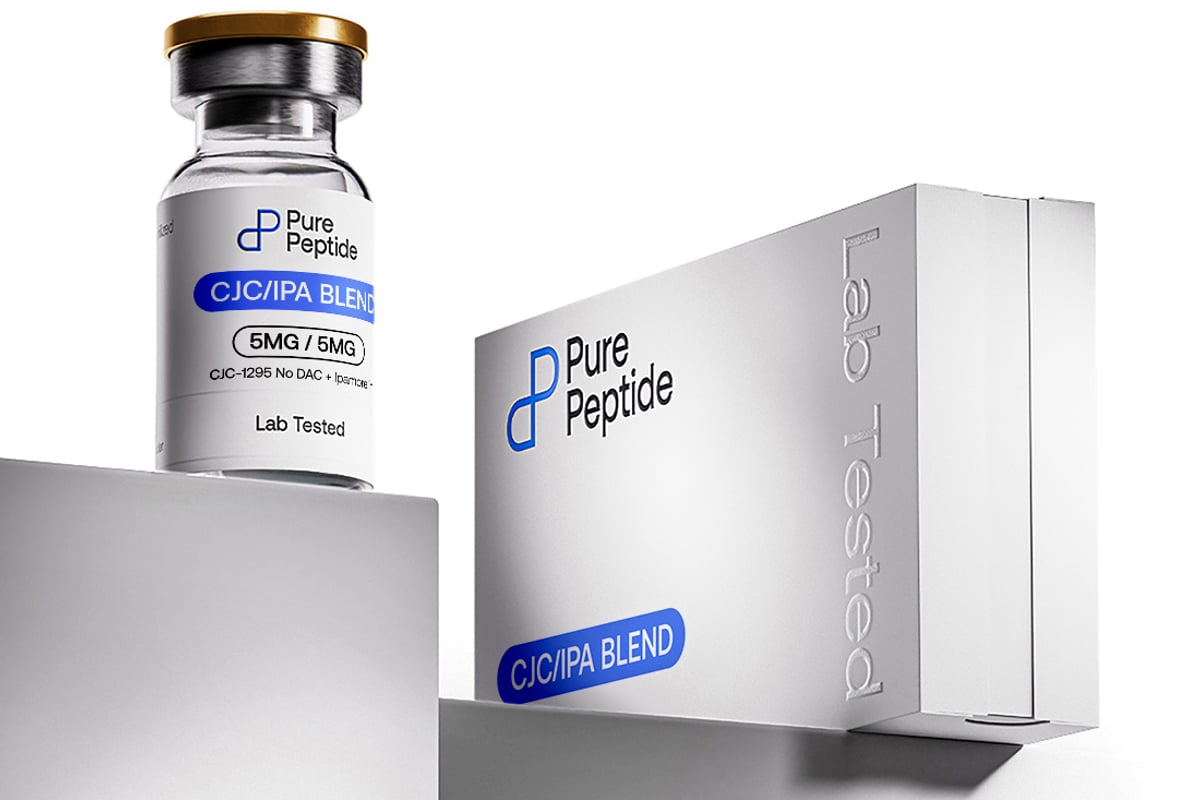
When combined, these peptides work through complementary pathways to promote natural, controlled rises in growth hormone levels while maintaining the body's regulatory feedback mechanisms.
Synergistic benefits of combination protocols:
- Amplified GH pulse amplitude
- Enhanced IGF-1 elevation
- Maintained pulsatile secretion pattern
- Reduced individual peptide doses
- Improved tolerability profile
The combination typically employs lower doses of each peptide than would be used individually, capitalizing on their synergistic action while minimizing potential side effects.
Stack Considerations
Beyond growth hormone secretagogues, some protocols incorporate peptides targeting different physiological pathways. Recovery-focused protocols might combine cjc without dac with tissue repair peptides, while metabolic protocols could include compounds supporting mitochondrial function.
When designing stacks, practitioners consider:
- Mechanism overlap or complementarity
- Injection timing to avoid interference
- Total peptide load and tolerability
- Individual response patterns
- Specific goal alignment
Detailed research design considerations are explored in resources like Peptide Limited’s comparison, which examines how peptide structure affects protocol development.
Safety Profile and Considerations
The safety profile of cjc without dac generally reflects its mechanism as a GHRH analog that works within physiological parameters. By preserving natural pulsatility rather than creating sustained supraphysiological elevations, it avoids some concerns associated with continuous growth hormone exposure.
Common Side Effects
Most users tolerate the peptide well, particularly at conservative doses. When side effects occur, they typically reflect temporary changes in hormone signaling rather than direct toxicity.
Reported side effects include:
- Transient water retention (mild, typically resolves)
- Slight headaches (especially in initial weeks)
- Flushing or warmth at injection site
- Temporary changes in appetite
- Mild joint discomfort (uncommon)
These effects often diminish with continued use as the body adapts to enhanced growth hormone pulsatility. Starting with lower doses and gradually increasing helps minimize initial reactions.
Contraindications and Precautions
Certain conditions warrant caution or contraindicate use entirely. Because cjc without dac influences growth hormone pathways, individuals with hormone-sensitive conditions should exercise particular care.
| Condition | Consideration | Recommendation |
|---|---|---|
| Active cancer | GH may support proliferation | Contraindicated |
| Diabetic complications | Altered glucose metabolism | Monitor closely |
| Pituitary disorders | Disrupted feedback loops | Medical supervision |
| Pregnancy/nursing | Unknown fetal/infant effects | Avoid use |
| Severe kidney disease | Altered peptide clearance | Dose adjustment or avoid |
Professional guidance becomes essential for individuals with complex medical histories. The peptide's influence on growth hormone makes medical oversight valuable for optimizing safety and efficacy.

Research and Clinical Evidence
The scientific foundation for cjc without dac rests on both direct research into Modified GRF(1-29) and broader studies examining GHRH analogs. While research continues to evolve, existing evidence supports several key claims regarding efficacy and safety.
Growth Hormone and IGF-1 Elevation
Multiple studies have documented the peptide's ability to stimulate measurable increases in both growth hormone and IGF-1. The magnitude of these increases varies based on dosing, timing, and individual factors like age and baseline hormone status.
Research detailed in the Peptide Protocol Wiki’s research overview demonstrates consistent GH pulse amplification following administration. Importantly, these studies show the pulsatile nature of the response, distinguishing it from sustained elevation patterns.
Key research findings:
- Dose-dependent GH pulse amplitude increases
- Preserved natural secretion rhythm
- Secondary IGF-1 elevation within physiological ranges
- No significant suppression of endogenous GHRH
- Maintained pituitary responsiveness over time
These findings support the peptide's characterization as a pulse amplifier rather than a replacement therapy.
Clinical Applications and Ongoing Research
While much research focuses on growth hormone deficiency contexts, emerging evidence explores applications in body composition, metabolic health, and recovery optimization. Clinical trials continue investigating optimal dosing, combination protocols, and long-term safety profiles.
Current research gaps identified by comprehensive databases like Peptide DB include:
- Long-term safety data beyond 6-12 month protocols
- Optimal dosing for specific applications (recovery vs. body composition)
- Individual response variability and predictive factors
- Comparative effectiveness against other GH-supporting interventions
- Effects across different age demographics
These gaps represent opportunities for continued investigation that will refine clinical protocols and deepen mechanistic understanding.
Comparing CJC With and Without DAC
The decision between cjc without dac and its DAC-containing counterpart fundamentally shapes protocol design, dosing frequency, and physiological effects. Understanding these differences enables informed selection aligned with specific goals and preferences.
Half-Life and Dosing Implications
The most obvious distinction lies in pharmacokinetics. The Drug Affinity Complex extends the peptide's half-life from approximately 30 minutes to 6-8 days, fundamentally altering administration schedules.
Practical dosing differences:
| Peptide Version | Typical Frequency | Total Weekly Injections |
|---|---|---|
| Without DAC | 2-3 times daily | 14-21 |
| With DAC | 1-2 times weekly | 1-2 |
This difference significantly impacts protocol adherence and convenience. The DAC version requires far fewer injections, which some find more sustainable long-term. However, the non-DAC version offers greater control and flexibility in timing around specific activities or goals.
Physiological Pattern Differences
Beyond convenience, the versions produce distinct growth hormone elevation patterns. Resources like Peptide DB’s comprehensive overview emphasize how these patterns influence downstream effects.
CJC without DAC maintains natural pulsatility, creating amplified peaks that still allow GH to return to baseline between administrations. This preserves receptor sensitivity and maintains hypothalamic-pituitary feedback loops.
The DAC version creates more sustained elevation, which may offer advantages for certain applications but potentially compromises some aspects of endocrine regulation. The choice depends on whether one prioritizes physiological mimicry or sustained hormone presence.
Sourcing and Quality Considerations
The therapeutic potential of cjc without dac depends entirely on peptide purity, proper amino acid sequence, and appropriate handling throughout the supply chain. Quality variance across suppliers makes informed sourcing critical for both safety and efficacy.
Purity Standards and Testing
Premium peptide suppliers employ rigorous testing protocols to verify identity, purity, and potency. High-performance liquid chromatography (HPLC) and mass spectrometry provide definitive analysis of peptide composition.
Key quality indicators include:
- Purity levels exceeding 98% (preferably >99%)
- Third-party testing verification
- Certificate of Analysis (COA) availability
- Proper storage conditions throughout distribution
- Transparent manufacturing processes
Research-grade peptides, such as those available through certified suppliers, maintain stringent quality control to ensure consistent results and minimize contamination risk.
Handling and Reconstitution
Even premium peptides require proper handling to maintain integrity. Temperature excursions, light exposure, and contamination during reconstitution can all compromise peptide potency.
Best practices include:
- Storing lyophilized powder in refrigerator or freezer
- Using sterile bacteriostatic water for reconstitution
- Injecting water slowly down vial wall to minimize foaming
- Gently swirling (not shaking) to dissolve peptide
- Refrigerating reconstituted peptide immediately
These seemingly minor details significantly impact the actual dose received and the reliability of protocol outcomes. Resources like Soma Peptide provide detailed guidance on proper handling procedures alongside their peptide offerings.
Individual Response Variability
Not everyone responds identically to cjc without dac, even at equivalent doses and timing. Multiple factors influence individual response patterns, from baseline hormone status to genetic variations in receptor sensitivity.
Factors Affecting Response
Age represents one of the most significant variables. Older individuals typically show greater relative responses to GHRH analogs, likely due to age-related decline in endogenous growth hormone production. Younger individuals with robust natural GH secretion may experience more modest amplification.
Other influential factors:
- Baseline IGF-1 levels and GH secretory capacity
- Body composition (particularly lean mass percentage)
- Sleep quality and circadian rhythm alignment
- Training status and exercise intensity
- Nutritional status and macronutrient intake
- Stress levels and cortisol patterns
These variables create individual response curves that may require protocol adjustments to optimize outcomes. Starting conservatively and titrating based on subjective and objective markers helps personalize protocols effectively.
Monitoring and Adjustment
Effective use of cjc without dac benefits from systematic monitoring of both subjective experiences and objective biomarkers. This data-driven approach enables informed adjustments that maximize benefits while maintaining safety.
Useful monitoring parameters include:
| Parameter | Assessment Method | Frequency |
|---|---|---|
| Body composition | DEXA or bioimpedance | Every 4-6 weeks |
| IGF-1 levels | Blood testing | Every 8-12 weeks |
| Fasting glucose | Blood testing | Monthly |
| Recovery markers | Subjective tracking | Weekly |
| Sleep quality | Subjective/wearable data | Daily |
These data points help identify whether the current protocol supports desired outcomes or requires modification. The iterative process of assessment and adjustment optimizes individual response over time.
Integration with Lifestyle Factors
The efficacy of cjc without dac doesn't exist in isolation from broader lifestyle factors. Sleep quality, nutrition adequacy, training intensity, and stress management all interact with peptide effects, either amplifying or diminishing outcomes.
Sleep Optimization
Growth hormone secretion concentrates heavily during slow-wave sleep, particularly in the first half of the night. Protocols using cjc without dac benefit enormously from sleep optimization that maximizes natural GH pulses.
Sleep enhancement strategies:
- Consistent sleep-wake timing to stabilize circadian rhythm
- Cool bedroom temperature (65-68°F optimal)
- Complete darkness or eye mask use
- Limiting blue light exposure 2-3 hours before bed
- Avoiding large meals within 3 hours of sleep
These practices create the physiological environment for robust natural GH secretion, which the peptide then amplifies. Poor sleep undermines peptide efficacy regardless of dosing precision.
Nutritional Considerations
Growth hormone's metabolic effects interact significantly with nutritional intake. Carbohydrate consumption suppresses GH secretion, while fasting states amplify it. Protein intake supports the anabolic effects downstream of elevated GH and IGF-1.
Strategic nutrition timing around cjc without dac administration may enhance outcomes. Many practitioners recommend administering doses in fasted states (morning upon waking, pre-workout after several fasting hours) to avoid blunting the GH response.
Adequate protein intake (1.6-2.2 grams per kilogram body weight daily) ensures the elevated protein synthesis signals translate into actual tissue building rather than being limited by substrate availability. For those interested in optimizing recovery alongside growth hormone support, tools like the peptide calculator can help determine appropriate dosing for complementary compounds.
Training Integration
Exercise represents a powerful growth hormone stimulus, creating natural pulses that can be amplified strategically with peptide administration. Pre-workout dosing capitalizes on this synergy, potentially enhancing both the acute hormonal response and subsequent recovery.
High-intensity resistance training and interval work create particularly robust GH pulses. Timing cjc without dac 30-60 minutes before these sessions may optimize the hormonal environment for both performance and adaptation.
Recovery days benefit from continued peptide administration to support tissue repair and regeneration processes initiated during training stress. This consistent support helps maintain positive nitrogen balance and accelerated healing throughout the training cycle.
Understanding cjc without dac requires appreciating its role as a physiological amplifier rather than a replacement or override of natural systems. Its ability to enhance growth hormone pulsatility while preserving endocrine feedback makes it a sophisticated tool for those seeking to optimize body composition, recovery, and metabolic health. When you're ready to explore premium-quality peptides backed by rigorous testing and purity standards, Soma Peptide offers the compounds and guidance you need to implement effective, science-based protocols that align with your health and performance goals.