



The world of peptide therapy has evolved dramatically over the past decade, with researchers and practitioners exploring increasingly specialized compounds designed to optimize human performance and health. Among the most discussed topics in this field are extreme peptides-potent bioactive sequences that push the boundaries of what peptide therapy can achieve. These compounds have garnered attention for their remarkable effects on muscle development, fat metabolism, cellular regeneration, and longevity. Understanding what makes certain peptides "extreme" and how to approach them safely requires a comprehensive look at their mechanisms, applications, and quality standards.
Understanding What Makes Peptides Extreme
Extreme peptides represent a category of bioactive compounds characterized by their pronounced physiological effects and specialized applications. Unlike basic supplemental peptides, these molecules demonstrate significant potency in targeting specific cellular pathways and biological processes.
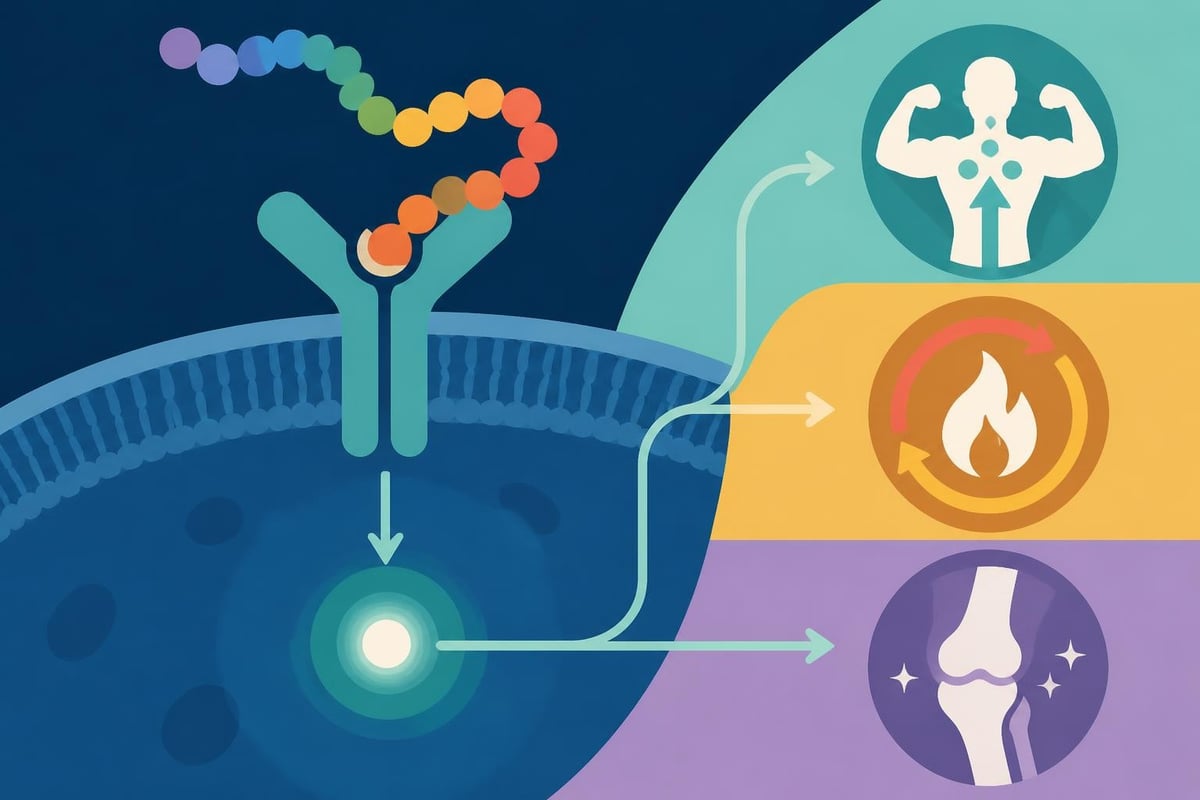
The term "extreme" doesn't necessarily imply danger-rather, it reflects the intensity of their action and the precision required in their use. These peptides typically work through highly specific receptor binding, triggering cascades of cellular responses that can dramatically influence metabolism, growth, and repair mechanisms.
The Science Behind Peptide Potency
Peptide potency depends on several critical factors that determine how effectively these molecules interact with target cells:
- Amino acid sequence specificity determines which receptors the peptide will bind to
- Molecular stability affects how long the peptide remains active in the body
- Bioavailability influences how much of the compound reaches target tissues
- Receptor affinity controls the strength of the biological response
When evaluating extreme peptides, researchers consider the compound's ability to produce measurable results at relatively low dosages. This efficiency stems from millions of years of evolutionary optimization, as peptides serve as the body's natural signaling molecules.
Categories of Extreme Peptides and Their Applications
The landscape of extreme peptides encompasses several distinct categories, each targeting different physiological systems and outcomes. Understanding these classifications helps practitioners and users select appropriate compounds for their specific goals.
Growth Hormone Secretagogues
These peptides stimulate the natural production and release of growth hormone, offering an alternative to direct hormone supplementation. Compounds in this category work by activating the ghrelin receptor and other pathways that signal the pituitary gland to increase output.
Popular examples include peptides that combine growth hormone-releasing hormone (GHRH) analogs with growth hormone-releasing peptides (GHRPs). Products like CJC-1295 exemplify this category, offering sustained elevation of growth hormone levels with minimal side effects.
| Peptide Type | Primary Mechanism | Typical Half-Life | Key Benefit |
|---|---|---|---|
| GHRH Analogs | Direct pituitary stimulation | 6-8 days | Sustained GH elevation |
| GHRP-6 | Ghrelin receptor agonist | 20 minutes | Appetite and muscle growth |
| Ipamorelin | Selective GH release | 2 hours | Clean GH pulse without prolactin |
| Hexarelin | Multi-receptor activation | 70 minutes | Strong GH response |
Recovery and Regeneration Compounds
Extreme peptides in the recovery category accelerate healing processes, reduce inflammation, and promote tissue regeneration at unprecedented rates. These compounds have attracted significant interest from athletes, practitioners, and individuals recovering from injuries.
The mechanisms involve stimulating angiogenesis (new blood vessel formation), modulating inflammatory responses, and enhancing cellular migration to injury sites. Research indicates these peptides can reduce recovery time by 40-60% compared to natural healing processes alone.
Metabolic Enhancement Peptides
This category includes compounds that dramatically influence fat metabolism, insulin sensitivity, and energy expenditure. Extreme peptides targeting metabolic pathways can facilitate significant body composition changes when combined with appropriate lifestyle interventions.
Some metabolic peptides work by mimicking natural hormones that regulate appetite and satiety, while others enhance mitochondrial function or increase thermogenesis. The effects can be profound, making proper dosing and monitoring essential. Understanding peptide safety protocols becomes critical when working with these powerful compounds.
Quality Standards and Purity Requirements
The effectiveness and safety of extreme peptides depend entirely on their quality and purity. Unlike simple supplements, peptides require sophisticated manufacturing processes and rigorous testing to ensure they meet therapeutic standards.
Manufacturing Excellence
High-quality peptide production involves solid-phase peptide synthesis (SPPS) or recombinant DNA technology, followed by extensive purification steps. The process includes:
- Initial synthesis using automated peptide synthesizers or biological expression systems
- Crude purification through precipitation and filtration
- High-performance liquid chromatography (HPLC) to achieve >98% purity
- Lyophilization (freeze-drying) for stability and shelf life
- Final analysis via mass spectrometry and amino acid analysis
Soma Peptide maintains stringent quality control throughout this process, ensuring each batch meets pharmaceutical-grade standards. The certificate of analysis provided with products offers transparency regarding purity, composition, and sterility.
Testing and Verification
Third-party testing represents the gold standard for peptide verification. Reputable suppliers submit samples to independent laboratories that perform:
- Mass spectrometry to confirm molecular weight and structure
- HPLC analysis to verify purity percentage
- Endotoxin testing to ensure absence of bacterial contaminants
- Sterility assays for injectable formulations
When sourcing extreme peptides, consumers should prioritize suppliers who provide comprehensive testing documentation. The American Medical Association emphasizes the importance of physician consultation when considering injectable peptides, highlighting quality verification as a critical safety measure.

Safety Considerations and Risk Management
Working with extreme peptides requires a comprehensive understanding of potential risks and appropriate mitigation strategies. While these compounds offer remarkable benefits, their potency demands respect and careful management.
Common Side Effects and Monitoring
Most peptide-related side effects remain mild and temporary, but awareness enables early detection and intervention. Typical experiences include:
- Injection site reactions (redness, mild swelling)
- Water retention during initial use
- Temporary changes in blood glucose levels
- Mild headaches or fatigue during adjustment period
- Increased hunger with certain growth hormone secretagogues
Serious adverse events are rare when using pharmaceutical-grade peptides at appropriate dosages. However, monitoring remains essential, particularly for individuals with pre-existing health conditions.
Contraindications and Precautions
Certain populations should exercise additional caution or avoid specific extreme peptides entirely:
Absolute contraindications include active cancer diagnoses (for growth-promoting peptides), pregnancy, and severe uncontrolled diabetes. Relative contraindications encompass cardiovascular disease, kidney dysfunction, and concurrent use of specific medications.
The Peptide Association’s safety guide provides detailed information on drug interactions and medical considerations that every user should review before beginning peptide therapy.
Dosing Protocols and Administration
Proper dosing represents one of the most critical aspects of working with extreme peptides. Unlike conventional supplements where dosing ranges are broad and forgiving, peptides require precision to achieve optimal results while minimizing risks.
Calculating Appropriate Dosages
Peptide dosing follows body weight-based calculations or standardized protocols depending on the specific compound. Tools like the peptide calculator help users determine accurate reconstitution ratios and injection volumes.
| Body Weight Range | Conservative Dose | Moderate Dose | Aggressive Dose |
|---|---|---|---|
| 120-150 lbs | 100-150 mcg | 200-250 mcg | 300-400 mcg |
| 151-180 lbs | 150-200 mcg | 250-300 mcg | 400-500 mcg |
| 181-220 lbs | 200-250 mcg | 300-400 mcg | 500-600 mcg |
| 221+ lbs | 250-300 mcg | 400-500 mcg | 600-750 mcg |
Starting with conservative doses allows assessment of individual response and tolerance. Gradual increases every 7-14 days optimize results while maintaining safety margins.
Injection Techniques and Best Practices
Subcutaneous injection remains the most common administration route for extreme peptides. Proper technique ensures consistent absorption and minimizes discomfort:
- Select injection sites with adequate subcutaneous fat (abdomen, thighs, upper arms)
- Rotate sites to prevent tissue damage or lipohypertrophy
- Use insulin syringes with 29-31 gauge needles for comfort
- Pinch skin gently and insert needle at 45-90 degree angle
- Inject slowly and withdraw needle smoothly
- Dispose of sharps in appropriate containers
Timing also matters significantly. Many extreme peptides work optimally when administered on an empty stomach, typically 30-60 minutes before meals or before bedtime to align with natural circadian rhythms.
Stacking and Combination Strategies
Advanced users often combine multiple peptides to create synergistic effects that exceed what individual compounds can achieve. This practice, known as "stacking," requires careful planning and understanding of complementary mechanisms.
Complementary Peptide Combinations
Effective stacks pair peptides with different but compatible mechanisms. Common strategies include:
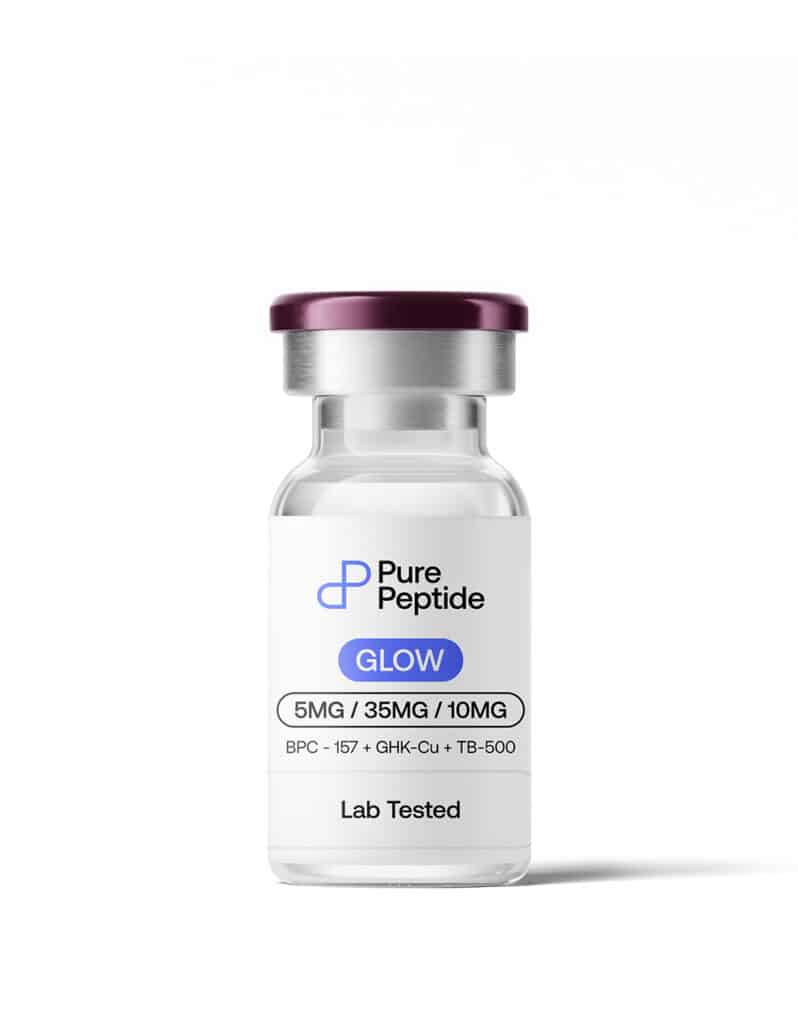
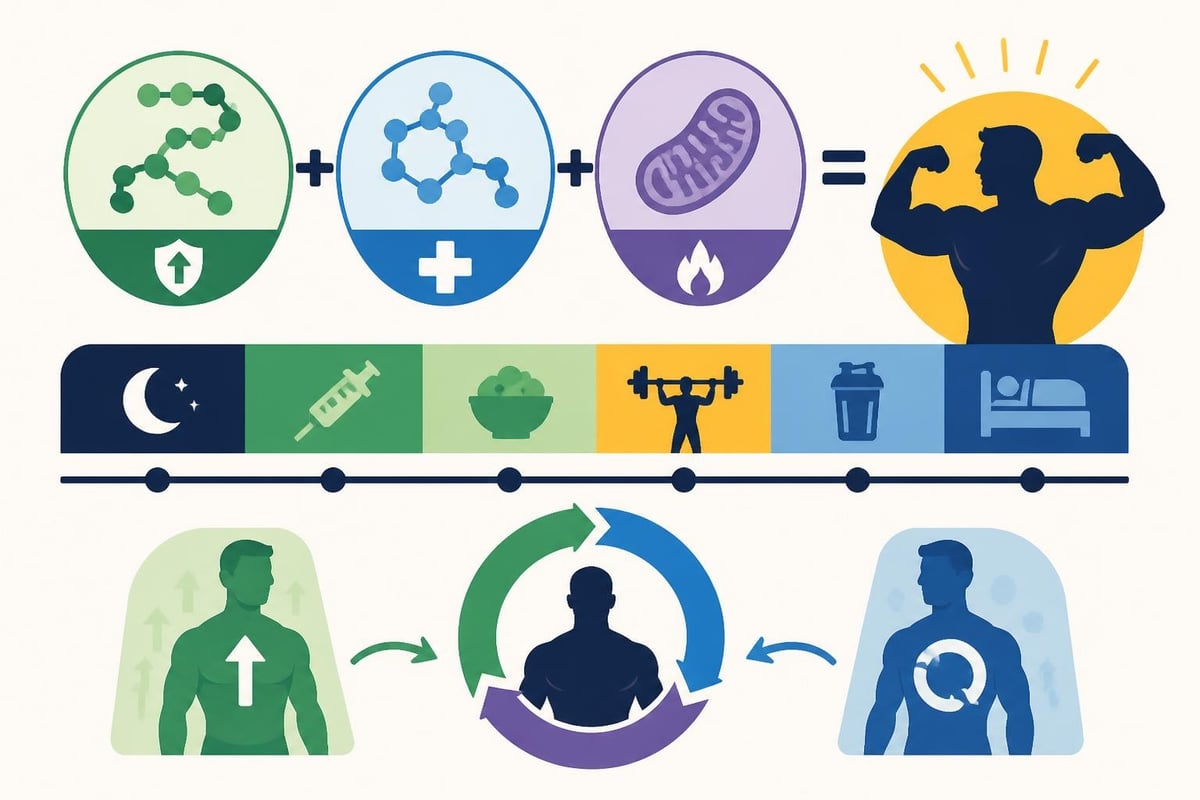
Growth and Recovery Stack: Combining growth hormone secretagogues with regeneration peptides creates an optimal environment for muscle development and repair. Products like BPC-157 TB-500 Blend exemplify this approach, offering combined benefits of tissue healing and growth support.
Metabolic Optimization Stack: Pairing fat-loss peptides with metabolic enhancers and mitochondrial support compounds can accelerate body composition changes. This strategy works particularly well when combined with structured nutrition and exercise programs.
Anti-Aging Stack: Combining peptides that support cellular regeneration, NAD+ production, and growth hormone optimization addresses aging from multiple angles. Compounds like NAD+ work synergistically with other longevity-focused peptides.
Timing and Cycling Considerations
Strategic timing maximizes the benefits of extreme peptides while preventing receptor desensitization:
- Morning protocols work well for metabolic and energy-enhancing compounds
- Pre-workout timing optimizes performance-enhancing peptides
- Evening administration suits growth hormone secretagogues and recovery peptides
- Cycling periods (8-12 weeks on, 4-6 weeks off) maintain receptor sensitivity
Understanding how to safely source peptides becomes particularly important when planning combination protocols, as quality consistency across multiple products directly impacts both safety and results.
Regulatory Landscape and Legal Considerations
The regulatory environment surrounding extreme peptides has evolved considerably in 2026, with increased scrutiny from regulatory agencies and changing classification of various compounds. Understanding the current legal framework helps users make informed decisions while remaining compliant.
FDA Status and Research Classifications
The Food and Drug Administration maintains distinct classifications for peptides based on their approval status and intended use. Some peptides carry full FDA approval for specific medical conditions, while others remain classified as research compounds not approved for human consumption.
Recent regulatory actions have impacted peptide availability, as discussed in PolitiFact’s analysis of peptide safety and FDA regulations. These changes reflect growing awareness of peptide therapy and efforts to ensure consumer protection.
Compounding Pharmacy Regulations
Many extreme peptides are available through licensed compounding pharmacies operating under state boards of pharmacy oversight. These facilities must adhere to:
- United States Pharmacopeia (USP) standards for compounding
- Current Good Manufacturing Practice (cGMP) requirements
- State-specific regulations governing prescription requirements
- Documentation and record-keeping protocols
Working with established suppliers who understand and comply with these regulations ensures access to legitimate, properly manufactured peptides.
Optimizing Results Through Lifestyle Integration
Extreme peptides deliver their most impressive results when integrated into a comprehensive health optimization strategy. While these compounds are powerful, they function as tools that amplify-rather than replace-foundational lifestyle practices.
Nutritional Synergy
Peptide effectiveness depends significantly on nutritional status and macronutrient timing. Strategic nutrition enhances peptide action through several mechanisms:
Protein intake should align with peptide protocols, with 0.8-1.2 grams per pound of body weight supporting anabolic processes triggered by growth peptides. Carbohydrate timing around peptide administration influences insulin sensitivity and growth hormone response. Micronutrient sufficiency ensures the enzymatic processes required for peptide metabolism function optimally.
Proper hydration deserves special attention, as many extreme peptides influence fluid balance and electrolyte distribution. Maintaining adequate water intake (0.5-1 ounce per pound of body weight) supports optimal peptide function.
Training and Recovery Protocols
Exercise selection and programming should complement peptide protocols rather than conflict with them. Considerations include:
- Resistance training maximizes the anabolic effects of growth-promoting peptides
- Recovery periods should be sufficient to allow peptide-enhanced repair processes
- Cardiovascular exercise enhances the metabolic effects of fat-loss peptides
- Sleep optimization amplifies the regenerative benefits of recovery peptides
The relationship between training stress and peptide support creates a powerful synergy. Products like TB-500 can significantly reduce recovery time between intense training sessions, allowing for increased training volume and faster progress.
Long-Term Use and Sustainability
Sustainable peptide use requires planning for extended timelines while maintaining effectiveness and safety. Unlike short-term interventions, long-term peptide protocols demand thoughtful approaches to prevent diminishing returns or adverse effects.
Receptor Sensitivity Management
Continuous exposure to extreme peptides can lead to receptor downregulation, where target cells become less responsive to the compound. Strategies to maintain sensitivity include:
- Implementing strategic breaks (off-cycles) every 8-12 weeks
- Rotating between peptides with similar but distinct mechanisms
- Using the minimum effective dose rather than maximum tolerated dose
- Incorporating receptor-sensitizing compounds or protocols
- Monitoring response markers to detect declining effectiveness
Progressive Protocol Adjustment
Successful long-term users adjust their peptide protocols as their physiology and goals evolve:
Initial phases focus on establishing baseline response and tolerance. Optimization phases refine dosing and timing based on individual response patterns. Maintenance phases reduce dosages to sustainable levels that preserve gains while minimizing cost and intervention burden.
Reviewing comprehensive resources like PeptideMark’s safety guide helps users understand the nuances of long-term peptide therapy and make informed adjustments over time.
Monitoring and Assessment Strategies
Objective measurement separates speculation from reality when working with extreme peptides. Comprehensive monitoring enables data-driven decisions about protocol adjustments and helps identify potential issues before they become problematic.
Biomarker Tracking
Regular laboratory testing provides insights into how extreme peptides affect various physiological systems:
| Biomarker Category | Specific Tests | Testing Frequency |
|---|---|---|
| Metabolic Health | Fasting glucose, HbA1c, lipid panel | Every 12 weeks |
| Hormonal Status | IGF-1, testosterone, thyroid panel | Every 8-12 weeks |
| Organ Function | Comprehensive metabolic panel, liver enzymes | Every 12 weeks |
| Inflammation | C-reactive protein, homocysteine | Every 16 weeks |
Baseline testing before beginning peptide therapy establishes reference points for comparison. Subsequent testing reveals how protocols affect these markers, enabling proactive adjustments.
Performance and Body Composition Metrics
Subjective and objective measurements track the practical outcomes of peptide use:
- Body composition analysis via DEXA, bioimpedance, or circumference measurements
- Strength progression through standardized performance tests
- Recovery metrics including resting heart rate and heart rate variability
- Subjective assessments of energy, sleep quality, and overall well-being
Maintaining detailed records allows pattern recognition and correlation between protocol changes and outcomes. Many users find that data tracking reveals insights that wouldn't be apparent through casual observation.
Emerging Research and Future Developments
The field of extreme peptides continues evolving rapidly, with new compounds, applications, and understanding emerging regularly. Staying informed about developments helps users make forward-looking decisions about their peptide protocols.
Novel Peptide Discoveries
Research institutions and biotechnology companies actively develop new peptides targeting previously unreachable biological pathways. Areas of particular interest in 2026 include:
Mitochondrial optimization peptides that enhance cellular energy production beyond what existing compounds achieve. Selective tissue targeting peptides designed to deliver benefits to specific organs or systems while minimizing systemic effects. Combination peptides that link multiple active sequences into single molecules for simplified administration and enhanced effects.
Resources like Peptipedia’s comprehensive database help researchers and practitioners stay current with the expanding universe of peptide compounds and their potential applications.
Advanced Delivery Systems
Innovation in peptide delivery addresses traditional limitations around bioavailability and administration convenience:
- Oral peptide formulations using protective encapsulation technologies
- Transdermal patches providing sustained release over 24-72 hours
- Nasal spray preparations for rapid absorption of certain compounds
- Time-release subcutaneous implants eliminating daily injections
These developments may transform how users interact with extreme peptides, making therapy more accessible and convenient while maintaining or improving effectiveness.
Building an Effective Peptide Protocol
Creating a personalized peptide protocol requires integrating multiple considerations into a coherent strategy aligned with individual goals, tolerance, and circumstances. The process involves several sequential steps that build upon each other.
Goal Definition and Compound Selection
Clear objectives guide appropriate peptide selection. Common primary goals include:
Muscle development and strength: Growth hormone secretagogues combined with recovery peptides create an optimal anabolic environment. Fat loss and metabolic health: Appetite-regulating and metabolism-enhancing peptides work synergistically with caloric management. Recovery and injury healing: Tissue regeneration peptides accelerate repair processes beyond normal healing rates. Anti-aging and longevity: Cellular optimization peptides address multiple aging mechanisms simultaneously.
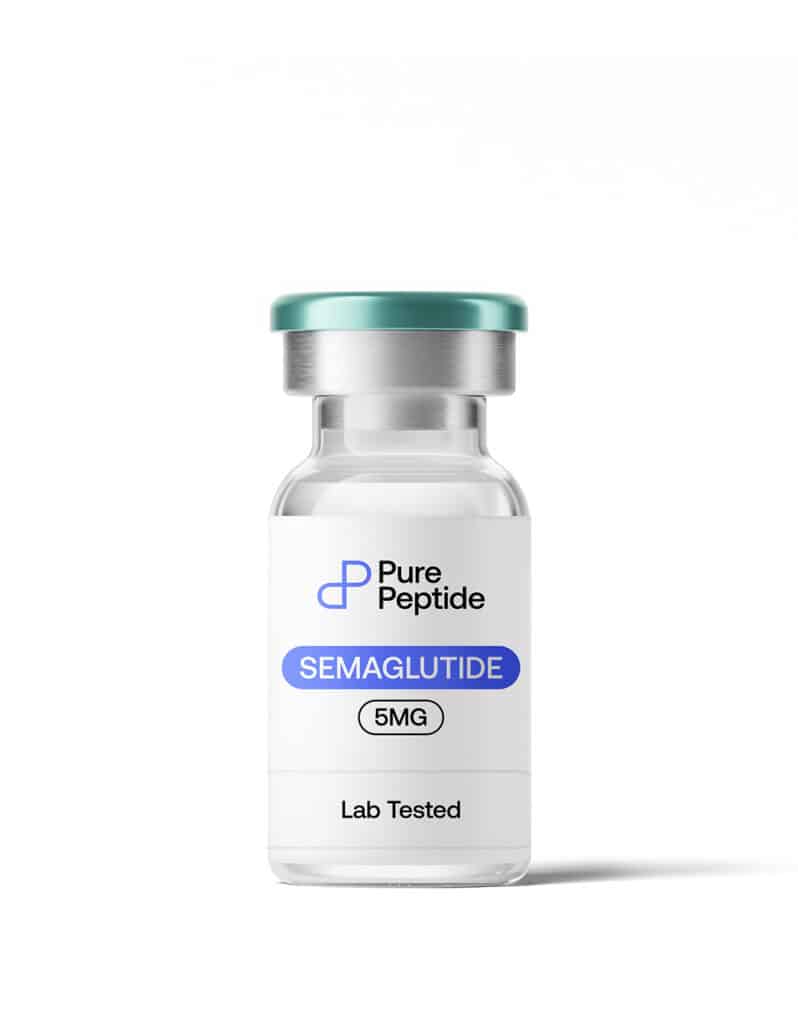
Products like Semaglutide exemplify targeted approaches to specific goals, in this case metabolic regulation and appetite control.
Protocol Design and Implementation
Effective protocols balance ambition with sustainability. Key design elements include:
Starting conservative with single peptides before progressing to combinations allows clear attribution of effects and side effects. Gradual dose escalation from minimum to optimal levels minimizes adaptation stress and identifies individual sweet spots. Strategic timing aligned with circadian rhythms and training schedules maximizes compound effectiveness.
Documentation throughout implementation captures valuable data about individual response patterns, side effects, and optimal protocols. This information becomes increasingly valuable over time as users develop sophisticated understanding of their unique physiology.
Successfully working with extreme peptides requires combining quality compounds with comprehensive knowledge, careful monitoring, and integration into broader health optimization strategies. The remarkable benefits these molecules offer become accessible when approached with appropriate respect, planning, and attention to safety protocols. Soma Peptide provides the pharmaceutical-grade peptides and comprehensive support needed to pursue your health and performance goals with confidence, backed by rigorous quality standards and advanced purification methods that ensure every product meets the highest efficacy and safety benchmarks.