

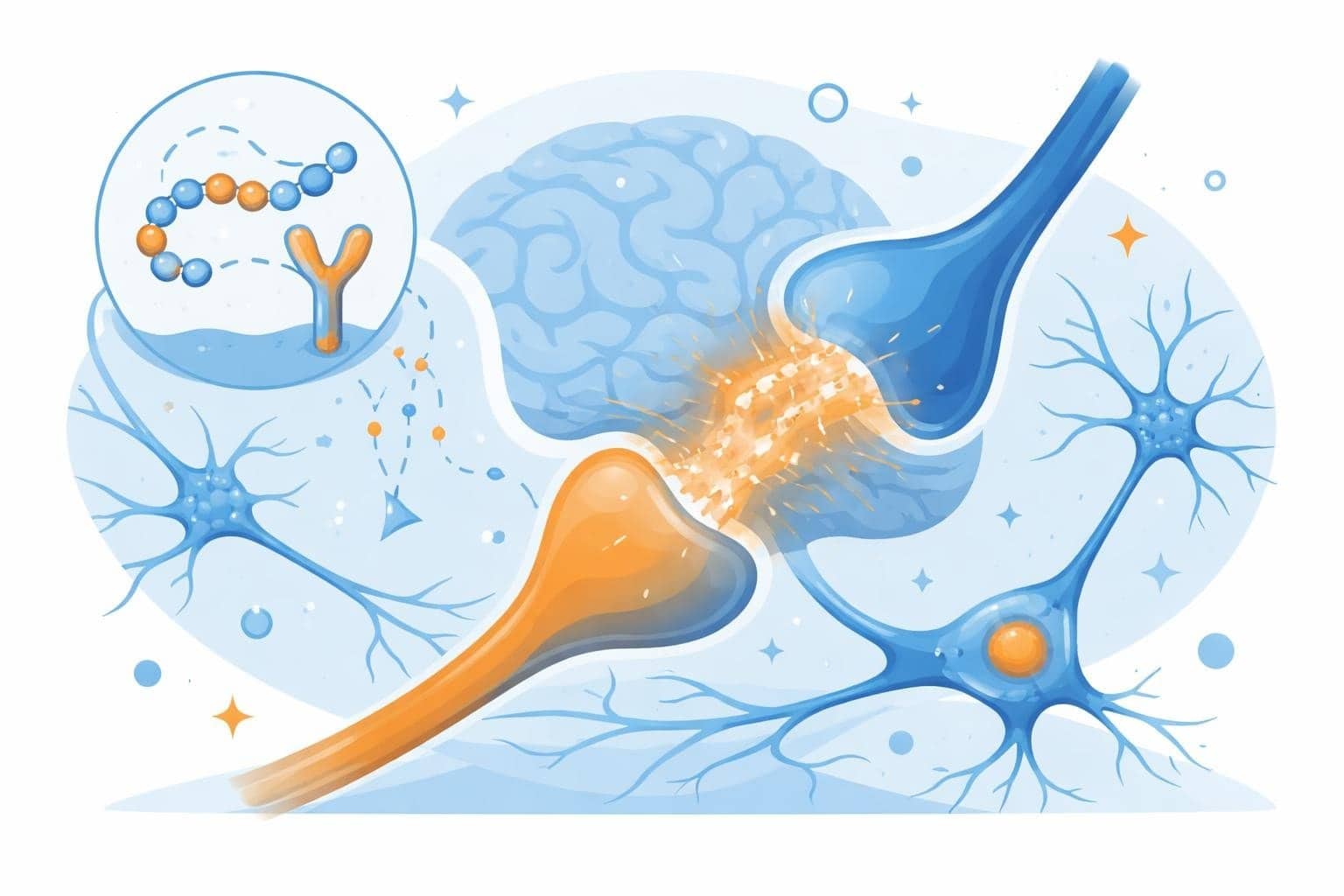
The intersection of peptide science and neuroscience has yielded remarkable compounds that support cognitive function and brain health. Among these innovative molecules, FGL peptide stands out as a synthetic derivative designed to mimic specific functions of neural cell adhesion molecules. This neuroprotective compound has garnered significant attention in research settings for its potential to enhance synaptic plasticity, support neuronal survival, and promote cognitive performance across various applications.
Understanding FGL Peptide Structure and Mechanism
FGL peptide represents a 15-amino acid sequence derived from the neural cell adhesion molecule (NCAM), specifically targeting the second fibronectin type III module. This synthetic peptide replicates the binding region responsible for NCAM's interaction with the fibroblast growth factor receptor (FGFR).
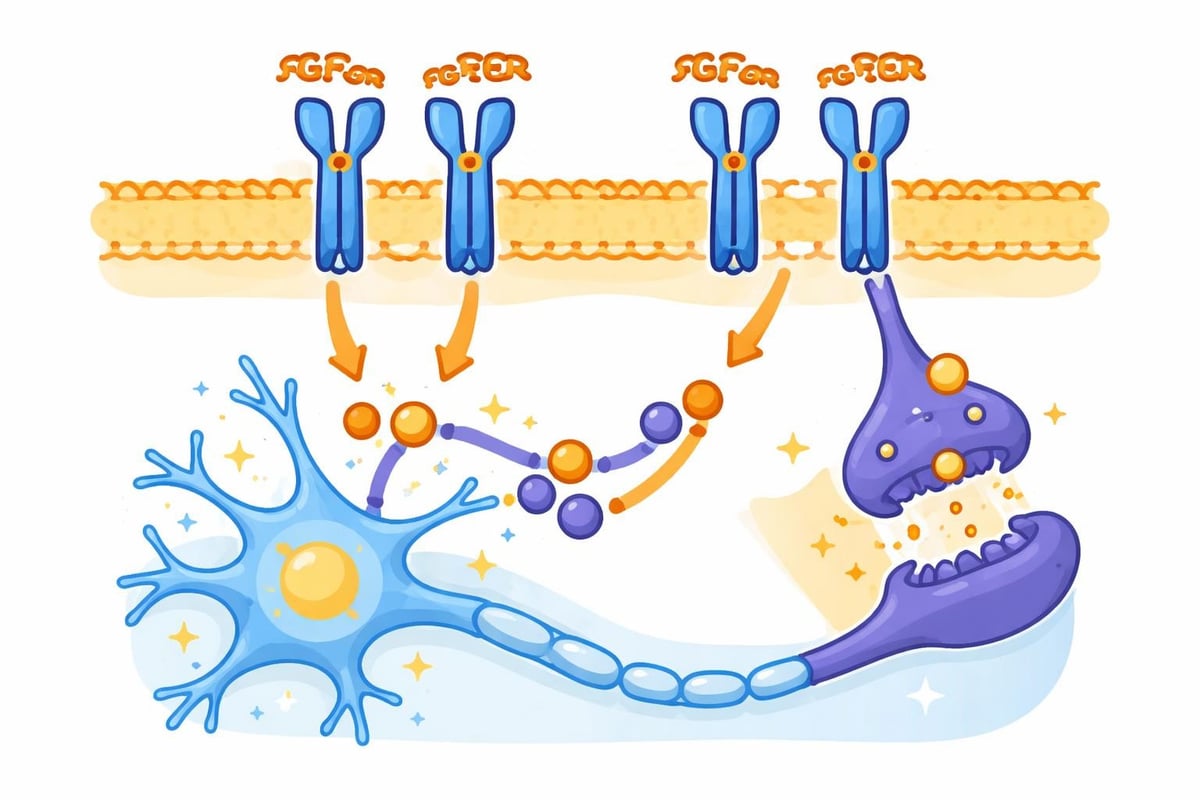
The molecular mechanism centers on receptor activation without requiring full NCAM expression. When FGL peptide binds to FGFR, it initiates downstream signaling cascades that promote neuronal survival and growth. This activation triggers multiple pathways simultaneously, including:
- MAPK/ERK pathway for cell proliferation and differentiation
- PI3K/Akt pathway for cell survival and metabolic regulation
- PLCγ pathway for calcium signaling and synaptic function
Unlike full-length NCAM proteins, FGL peptide offers several advantages in research applications. Its smaller molecular size enables better tissue penetration, while its synthetic nature allows for precise dosing and consistent biological activity. The detailed information on FGL peptide applications demonstrates its utility in studying neurite outgrowth and cellular interactions.
Receptor Interactions and Signaling Pathways
The specificity of FGL peptide binding creates targeted effects on neural tissue. Research indicates that the peptide selectively activates FGFR without stimulating other receptor systems, providing a clean signal for experimental purposes. This selectivity proves particularly valuable when isolating specific neural mechanisms.
Synaptic Plasticity and Cognitive Enhancement
One of the most compelling aspects of FGL peptide involves its influence on synaptic plasticity. Studies examining long-term plasticity facilitation demonstrate significant improvements in synaptic function within the dentate gyrus, a critical region for memory formation and pattern separation.
The dentate gyrus serves as the gateway to the hippocampus, processing incoming information before storage. Enhanced plasticity in this region correlates with improved learning capacity and memory consolidation. FGL peptide appears to strengthen synaptic connections through multiple mechanisms:
Dendritic Spine Modification
Research has shown that FGL peptide influences the morphology of dendritic spines, the small protrusions on dendrites where most excitatory synapses form. Investigations into synapse structure changes reveal that peptide treatment increases spine density and modifies spine shape toward more mature, mushroom-like formations associated with stable memory traces.
| Spine Type | Function | FGL Effect |
|---|---|---|
| Stubby | Immature connections | Decreased proportion |
| Thin | Learning-related plasticity | Moderate increase |
| Mushroom | Stable memory storage | Significant increase |
| Branched | Multi-synaptic integration | Enhanced formation |
These structural changes translate to functional improvements in synaptic transmission. The increased number of mature spines provides more stable platforms for neurotransmitter reception, while enhanced spine density creates additional connection points between neurons.
Long-Term Potentiation Enhancement
Long-term potentiation (LTP) represents the cellular basis of learning and memory. This process strengthens synaptic connections following repeated stimulation, allowing neurons to communicate more efficiently. FGL peptide facilitates LTP induction at lower stimulation thresholds and extends the duration of potentiation effects.
The peptide achieves this through calcium channel modulation and post-synaptic receptor trafficking. By increasing AMPA receptor insertion into synaptic membranes, FGL peptide enhances the response to glutamate release. This amplification creates more robust signals during learning episodes.
Neuroprotective Properties and Brain Health
Beyond plasticity enhancement, FGL peptide demonstrates significant neuroprotective effects against various insults. Research on ischemic protection shows that the peptide shields hippocampal neurons from oxygen deprivation damage, both in cell culture systems and living organisms.
The neuroprotective mechanisms involve several complementary strategies:
- Anti-apoptotic signaling through Bcl-2 pathway activation
- Oxidative stress reduction via antioxidant enzyme upregulation
- Calcium homeostasis maintenance during metabolic stress
- Mitochondrial function preservation under adverse conditions
These protective effects extend beyond acute injuries. Chronic neurodegenerative conditions characterized by gradual neuronal loss may benefit from FGL peptide's survival-promoting properties. The peptide supports existing neurons while potentially facilitating compensatory growth from remaining healthy cells.
Applications in Age-Related Cognitive Decline
Normal aging brings subtle changes in cognitive function, often related to reduced synaptic density and decreased plasticity. FGL peptide addresses these changes through its dual action on both survival and function. By simultaneously protecting existing synapses and promoting new connection formation, the peptide may help maintain cognitive capacity during aging.
Studies in aged animal models demonstrate improvements across multiple cognitive domains, including spatial memory, pattern recognition, and behavioral flexibility. These enhancements correlate with measurable increases in synaptic markers and dendritic complexity within memory-critical brain regions.

Research Applications and Therapeutic Potential
The unique properties of FGL peptide make it valuable for investigating neural mechanisms and exploring therapeutic possibilities. Researchers utilize this compound to study fundamental questions about brain plasticity, development, and repair.
Cognitive Deficit Models
Current understanding of FGL peptide applications highlights its potential relevance to conditions involving cognitive impairment. Autism spectrum disorders and Alzheimer's disease both feature disrupted synaptic function, though through different mechanisms. FGL peptide's ability to enhance plasticity and protect neurons makes it an interesting candidate for addressing these challenges.
In autism models, the peptide may help normalize synaptic balance and improve neural circuit function. For Alzheimer's research, the combination of neuroprotection and plasticity enhancement addresses multiple disease aspects simultaneously. While human applications remain investigational, preclinical data support continued exploration.
Neurite Outgrowth and Neural Development
During development and regeneration, neurons extend processes called neurites to form new connections. FGL peptide accelerates neurite outgrowth and guides proper path-finding. This property proves valuable for studying:
- Developmental neurobiology examining normal brain formation
- Nerve injury recovery investigating regrowth after damage
- Neural transplantation supporting graft integration
- Circuit formation understanding connectivity patterns
- Axon guidance exploring directional growth mechanisms
The peptide's effects on cell adhesion and migration further expand its research utility. By modulating how neurons interact with their environment, FGL peptide helps scientists understand the complex choreography of brain development.
Dosing Considerations and Administration Methods
Effective use of FGL peptide requires careful attention to dosing parameters and delivery methods. Research protocols typically employ doses ranging from low microgram to low milligram quantities per kilogram of body weight, depending on the specific application and delivery route.
Route-Specific Factors
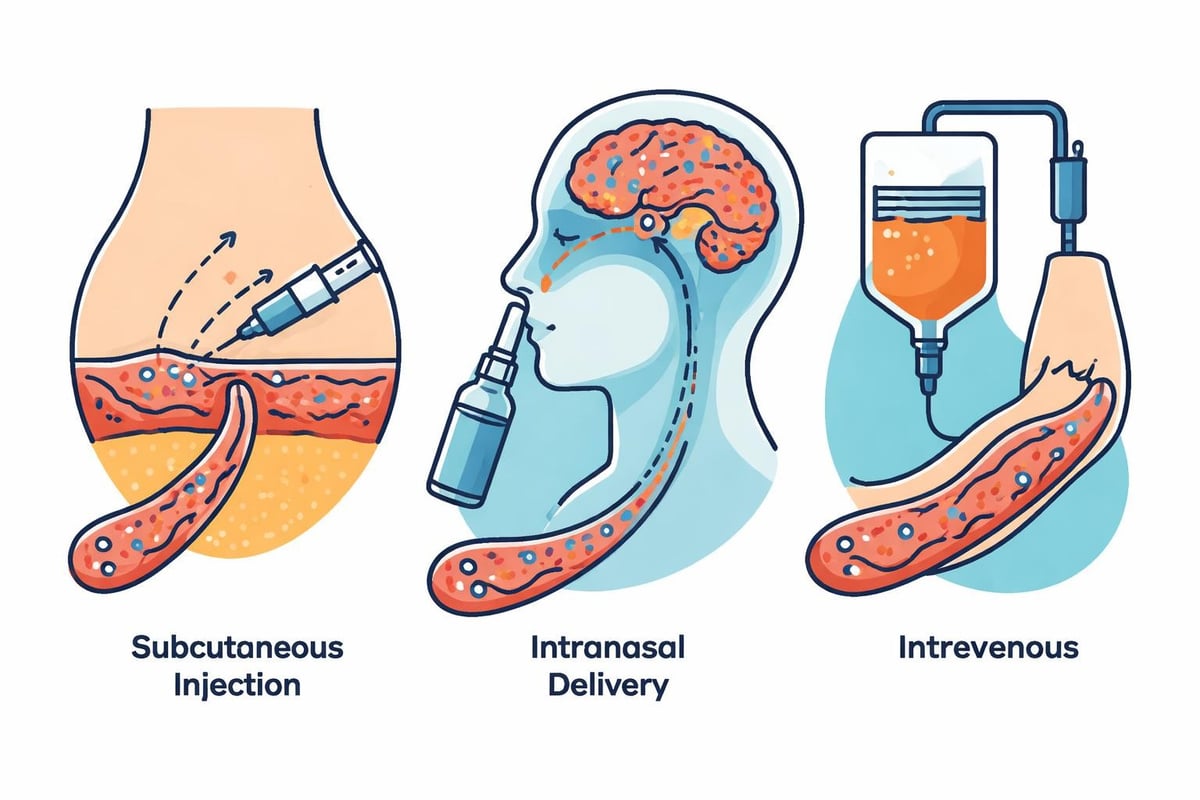
Different administration routes offer distinct advantages and limitations:
| Route | Advantages | Considerations |
|---|---|---|
| Subcutaneous | Steady absorption, simple protocol | Slower onset, variable bioavailability |
| Intranasal | Direct CNS access, non-invasive | Technique-dependent delivery |
| Intravenous | Precise dosing, rapid effects | Requires medical expertise |
| Intraperitoneal | Research standard, consistent uptake | Primarily laboratory use |
The blood-brain barrier presents a significant challenge for peptide delivery to neural tissue. While FGL peptide shows some penetration capacity, intranasal administration provides more direct access to brain regions. This route bypasses first-pass metabolism and utilizes olfactory pathways for CNS entry.
Timing and Frequency Protocols
Research designs typically implement daily administration over extended periods to achieve sustained effects. Single doses demonstrate acute effects on signaling pathways, but structural changes like dendritic remodeling require consistent exposure. Most protocols run from one to several weeks, with periodic assessment of outcomes.
The comprehensive guide to FGL peptide provides additional context for understanding dosing strategies and administration considerations. Researchers must balance adequate exposure for desired effects against practical limitations of their experimental systems.
Quality Standards and Peptide Purity
The effectiveness of any peptide depends critically on its purity and structural integrity. FGL peptide synthesis requires precise amino acid sequencing and proper folding to maintain biological activity. Impurities or sequence errors can dramatically alter binding properties and downstream effects.
Purification and Analysis Methods
High-performance liquid chromatography (HPLC) serves as the primary purification technique for research-grade peptides. This method separates the desired sequence from synthesis byproducts, truncated sequences, and impurity molecules. Purity levels should meet or exceed 95% for reliable experimental results.
Mass spectrometry confirms the molecular weight and sequence accuracy, while amino acid analysis verifies composition. These analytical techniques ensure that researchers work with the intended compound rather than variants that might produce inconsistent data.
Soma Peptide maintains rigorous quality standards through advanced purification methods and comprehensive testing. Similar attention to quality proves essential for any peptide application, whether for research purposes or therapeutic development. Products like Brain Blend and Semax demonstrate the importance of purity in cognitive enhancement applications.
Storage and Stability Considerations
Proper peptide storage preserves biological activity over time. Lyophilized FGL peptide remains stable at freezer temperatures for extended periods, while reconstituted solutions require refrigeration and timely use. Repeated freeze-thaw cycles degrade peptide structure, so aliquoting single-use portions prevents this issue.
Light exposure and oxidation also compromise peptide integrity. Amber vials and inert gas atmosphere during storage minimize these degradation pathways. Following manufacturer guidelines for storage conditions ensures consistent potency throughout the product's shelf life.
Integration with Other Neuroprotective Compounds
FGL peptide often appears in research protocols alongside complementary compounds that support brain health through different mechanisms. This multi-modal approach addresses various aspects of neural function simultaneously.
Synergistic Combinations
Certain peptides and compounds enhance FGL effects or provide additive benefits:
- Growth hormone peptides like HGH support overall tissue repair and metabolic health
- Copper peptides such as GHK-Cu offer antioxidant and anti-inflammatory properties
- Nootropic compounds complement cognitive enhancement through neurotransmitter modulation
- Neuropeptides with different receptor targets create comprehensive neural support
The background information on FGL peptide provides additional context for understanding how this compound fits within broader neuroprotective strategies. Researchers design protocols based on specific goals, selecting complementary agents that work through distinct pathways.
Mechanism Complementarity
Combining FGL peptide with compounds targeting different aspects of brain health creates synergistic effects. While FGL enhances plasticity and protects neurons through FGFR activation, other agents might modulate neurotransmitter systems, reduce inflammation, or support mitochondrial function. This comprehensive approach addresses the multifaceted nature of cognitive health and neurological function.
Research Limitations and Future Directions
Despite promising preclinical data, FGL peptide research faces several limitations that warrant consideration. Most studies employ animal models or cell culture systems, which may not fully reflect human neurobiology. Translation from these systems to human applications requires extensive validation and safety testing.
Current Knowledge Gaps
Several important questions remain unanswered:
- Long-term effects beyond experimental timeframes
- Individual variability in response and metabolism
- Optimal dosing for specific applications
- Interaction effects with medications and supplements
- Age-dependent responses across lifespan stages
Future research will likely address these gaps through systematic investigation of dose-response relationships, duration effects, and population-specific factors. Advanced imaging techniques and biomarker analysis may provide better tools for monitoring FGL effects in living systems.
Emerging Research Directions
New applications continue to emerge as scientists explore FGL peptide's properties. Potential areas include traumatic brain injury recovery, where enhanced plasticity and neuroprotection could support rehabilitation. Psychiatric conditions involving synaptic dysfunction might also benefit from FGL's effects on neural connectivity.
The field of regenerative medicine shows interest in FGL peptide for nerve repair and transplantation support. By promoting neurite outgrowth and survival in damaged tissue, the peptide could facilitate recovery from injuries previously considered permanent. These applications require extensive development but represent exciting possibilities.
Practical Considerations for Research Use
Laboratories working with FGL peptide must establish proper protocols for handling, storage, and administration. Standard operating procedures ensure consistency across experiments and protect compound integrity throughout the research process.
Laboratory Best Practices
Successful peptide research depends on attention to detail:
- Reconstitution using appropriate solvents at correct concentrations
- Sterile technique when preparing injectable solutions
- Accurate measurement with calibrated equipment like injection syringes
- Temperature control during storage and handling
- Documentation of batch numbers and preparation dates
These practices minimize variability and ensure reproducible results. Researchers should establish validation procedures to confirm peptide activity before beginning formal experiments. Simple bioassays or cell-based tests can verify that each batch performs as expected.
Regulatory and Ethical Considerations
Research involving bioactive peptides operates within regulatory frameworks designed to ensure safety and scientific rigor. Institutional review boards oversee protocols, while safety committees monitor compound handling. Researchers must maintain compliance with all applicable regulations and ethical guidelines.
Documentation requirements include detailed records of peptide sourcing, storage conditions, and experimental procedures. This transparency supports result reproducibility and facilitates peer review of published findings. Proper regulatory compliance protects both researchers and research subjects while advancing scientific knowledge responsibly.
FGL peptide represents a valuable tool for investigating synaptic plasticity, neuroprotection, and cognitive enhancement mechanisms. Its targeted effects on FGFR signaling and demonstrated benefits across multiple research models make it an important compound for neuroscience studies. Whether you're exploring cognitive enhancement, neuroprotection, or other peptide applications, Soma Peptide provides premium quality compounds backed by rigorous purity standards and comprehensive quality control. Our commitment to excellence ensures you receive peptides that meet the highest standards for your research and wellness goals.