






Follistatin 344 represents one of the most fascinating peptides in contemporary research, attracting attention from scientists, fitness enthusiasts, and medical professionals worldwide. This naturally occurring protein plays a critical role in muscle regulation by inhibiting myostatin, a growth factor that limits muscle development. As research continues to expand our understanding of follistatin 344, its potential applications in muscle growth, recovery, and therapeutic interventions have positioned it as a compound of significant interest within the peptide community.
Understanding Follistatin 344 Structure and Classification
Follistatin 344 is a glycoprotein consisting of 344 amino acids, making it the longer isoform compared to follistatin 315. The additional amino acid sequence at the C-terminus provides unique binding properties and distribution characteristics throughout the body. This structural difference significantly impacts how the peptide interacts with target proteins and tissues.
The molecular composition includes specific domains that enable high-affinity binding to members of the transforming growth factor-beta (TGF-β) superfamily. These domains create a three-dimensional structure that acts as a molecular trap for proteins like myostatin and activin.
Molecular Properties and Characteristics
According to detailed research on follistatin 344, the peptide exhibits specific molecular properties that distinguish it from other isoforms:
- Molecular weight of approximately 37.8 kDa
- Three follistatin domains (FS1, FS2, FS3)
- Heparin-binding capacity through the C-terminal domain
- High binding affinity for activin and myostatin
- Extended circulation time compared to shorter isoforms
The heparin-binding domain unique to the 344 variant allows the peptide to associate with cell surfaces and extracellular matrix components. This property influences tissue distribution and determines how long the peptide remains active in specific areas of the body.

Mechanism of Action and Biological Pathways
The primary mechanism through which follistatin 344 exerts its effects involves competitive antagonism of myostatin signaling. Myostatin, also known as growth differentiation factor 8 (GDF-8), functions as a negative regulator of muscle mass. By binding to myostatin with high affinity, follistatin 344 prevents this growth inhibitor from activating its receptors on muscle cells.
When myostatin cannot bind to activin receptor type IIB (ActRIIB), the downstream signaling cascade that normally suppresses muscle growth becomes inactive. This interruption allows muscle satellite cells to proliferate more freely and existing muscle fibers to increase in size through hypertrophy.
Cellular Signaling Pathways
The comprehensive mechanism of action reveals multiple levels of interaction:
| Pathway Component | Without Follistatin 344 | With Follistatin 344 |
|---|---|---|
| Myostatin binding | Activates ActRIIB receptors | Blocked by follistatin binding |
| SMAD2/3 phosphorylation | High levels (growth suppression) | Reduced levels (growth permissive) |
| Muscle protein synthesis | Limited by negative regulation | Enhanced through disinhibition |
| Satellite cell activation | Restricted proliferation | Increased activation potential |
The peptide also influences activin signaling, which affects multiple physiological processes beyond muscle regulation. Activin plays roles in cellular differentiation, inflammation modulation, and metabolic regulation. By binding activin, follistatin 344 may produce effects that extend beyond simple muscle growth enhancement.
Research into follistatin 344 mechanisms continues to reveal additional binding partners and regulatory functions. These discoveries suggest the peptide participates in complex feedback loops that maintain homeostasis across multiple organ systems.
Research Applications and Scientific Evidence
The scientific literature on follistatin 344 spans multiple research domains, from basic cellular biology to potential therapeutic applications. Animal studies have provided the most robust evidence for the peptide's effects on muscle mass and strength parameters.
Animal Research Findings
Studies in mice, cattle, and non-human primates have demonstrated significant muscle growth when follistatin 344 expression is increased through genetic manipulation or direct administration. These investigations have shown:
- Muscle mass increases of 15-30% in various animal models
- Enhanced muscle fiber cross-sectional area
- Improved muscle strength and contractile function
- Potential applications in muscle wasting conditions
- Effects on fat distribution and metabolic parameters
The research evidence for follistatin 344 highlights its role as a potent myostatin blocker capable of driving significant muscle hypertrophy in controlled experimental settings.
Human Research and Clinical Investigations
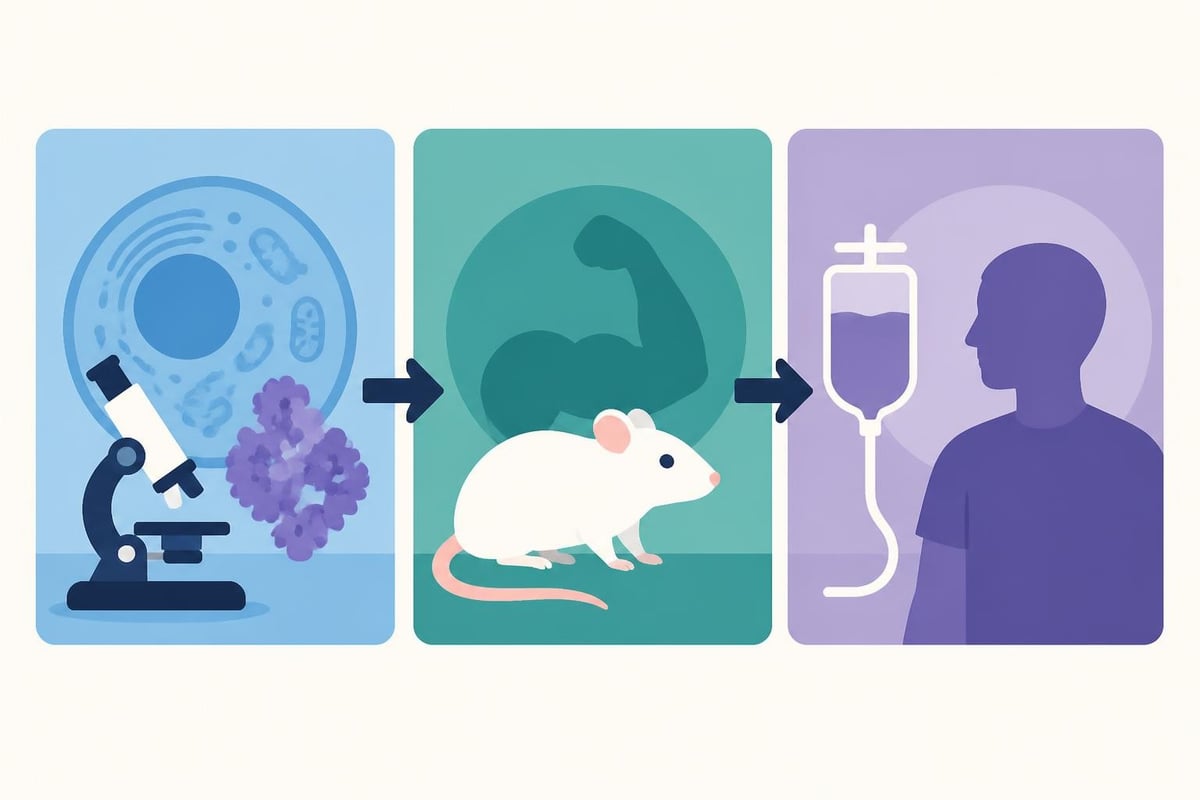
Human data on follistatin 344 remains limited but growing. Early gene therapy trials have explored follistatin delivery for conditions involving muscle wasting and weakness. These preliminary investigations have established basic safety parameters and provided proof-of-concept for therapeutic potential.
The academic bibliography documents over 30 indexed citations spanning various evidence tiers, including preprints, peer-reviewed articles, and systematic reviews. This expanding literature base reflects growing interest in the peptide's applications.
Current research priorities include:
- Establishing optimal dosing protocols for different objectives
- Clarifying long-term safety profiles in human subjects
- Identifying specific populations that might benefit most
- Understanding interactions with other growth factors
- Determining tissue-specific effects and distribution patterns
For those interested in muscle growth peptides, understanding the research context helps inform appropriate expectations and usage considerations.
Dosing Protocols and Administration Considerations
Research protocols involving follistatin 344 have employed various dosing strategies depending on study objectives and delivery methods. The peptide has been administered through intramuscular injection, subcutaneous injection, and gene therapy vectors in different experimental contexts.
Typical Research Dosing Ranges
Based on available research data and community reports, follistatin 344 dosing typically falls within specific ranges:
| Administration Route | Typical Dose Range | Frequency | Duration |
|---|---|---|---|
| Intramuscular | 100-200 mcg | 1-2 times weekly | 4-8 weeks |
| Subcutaneous | 100-200 mcg | 1-2 times weekly | 4-8 weeks |
| Gene therapy | Variable (one-time) | Single administration | Long-term expression |
The extended half-life of follistatin 344 compared to other peptides allows for less frequent administration. The heparin-binding properties contribute to tissue retention, potentially extending the duration of action beyond what serum half-life alone would suggest.
Reconstitution and Storage
Proper handling of follistatin 344 ensures maximum potency and stability. The peptide typically arrives as a lyophilized powder requiring reconstitution with bacteriostatic water before injection. Reconstituted solutions should be stored under refrigeration and used within appropriate timeframes to maintain peptide integrity.
Similar to other research peptides like CJC-1295 or BPC-157, proper preparation techniques are essential for optimal results. Using clean equipment, appropriate diluents, and sterile injection practices minimizes contamination risks and ensures accurate dosing.
Safety Profile and Potential Considerations
The safety profile of follistatin 344 remains under investigation, with limited long-term human data available. Animal studies have generally shown good tolerability at research doses, though several theoretical concerns warrant attention.
Reported Effects and Observations
Users and researchers have documented various effects during follistatin 344 administration:
Potential positive observations:
- Increased muscle fullness and definition
- Enhanced recovery between training sessions
- Improved muscle pump during exercise
- Possible effects on muscle hardness
- Localized growth when injected intramuscularly
Potential considerations:
- Limited human safety data
- Unknown long-term effects on myostatin regulation
- Theoretical concerns about excessive muscle growth
- Possible effects on other activin-related processes
- Individual response variability
The safety and evidence context emphasizes the investigational status of follistatin 344 and the need for cautious interpretation of available data.
Monitoring and Risk Management
Individuals using follistatin 344 for research purposes should implement appropriate monitoring strategies. Regular assessment of muscle development, strength parameters, and overall health markers helps track both desired effects and potential adverse responses.
Blood work monitoring might include:
- Comprehensive metabolic panel
- Liver function markers
- Kidney function parameters
- Hormone panels if concurrent use with other compounds
- Inflammatory markers
Similar monitoring approaches used with other peptides in the recovery category provide useful frameworks for tracking follistatin 344 effects over time.
Comparison with Related Compounds and Strategies
Follistatin 344 occupies a unique position within the broader landscape of muscle growth interventions. Understanding how it compares to other approaches helps clarify its potential role and appropriate applications.

Alternative Myostatin Modulation Approaches
Several strategies exist for influencing myostatin signaling beyond follistatin 344:
| Approach | Mechanism | Research Status | Application Method |
|---|---|---|---|
| Follistatin 344 | Direct myostatin binding | Limited human data | Injection |
| Follistatin 315 | Myostatin binding (shorter isoform) | Investigational | Injection |
| Anti-myostatin antibodies | Immune-based blocking | Clinical trials | Infusion |
| Myostatin gene editing | Genetic modification | Experimental | Gene therapy |
| Activin receptor antagonists | Receptor blocking | Research phase | Injection |
Each approach presents distinct advantages and limitations. Follistatin 344's naturally occurring status and dual activity against both myostatin and activin differentiate it from more targeted interventions.
Synergistic Considerations
Researchers and advanced users often explore combining follistatin 344 with complementary compounds to maximize results. Theoretical synergies might exist with:
- Growth hormone secretagogues for enhanced anabolic signaling
- Recovery peptides like TB-500 for tissue repair
- Metabolic optimization compounds for improved body composition
- Traditional resistance training for mechanical muscle stimulation
The comprehensive guide to follistatin 344 discusses these combination approaches and their theoretical rationales.
Practical Implementation Guidelines
Successful follistatin 344 implementation requires attention to multiple factors beyond simple dosing. Training protocols, nutrition strategies, and recovery practices all influence how effectively the peptide can contribute to desired outcomes.
Training Optimization
The muscle growth potential unlocked by follistatin 344 still requires appropriate mechanical stimulation through resistance training. Research suggests that myostatin inhibition creates a more permissive environment for growth, but adequate training stimulus remains essential.
Optimal training approaches might include:
- Progressive overload with gradually increasing weights
- Sufficient training volume to stimulate satellite cell activation
- Emphasis on compound movements for maximum muscle recruitment
- Appropriate rest intervals between sets for recovery
- Strategic deload periods to manage systemic fatigue
Nutritional Support Strategies
Enhanced muscle growth potential requires adequate nutritional support to provide building blocks for new tissue development. Protein intake, caloric surplus, and micronutrient sufficiency all contribute to maximizing follistatin 344 effects.
Key nutritional priorities include:
- Protein intake of 1.0-1.2 grams per pound of body weight
- Modest caloric surplus (200-500 calories above maintenance)
- Adequate hydration for cellular function and nutrient transport
- Sufficient micronutrients, particularly those supporting protein synthesis
- Strategic nutrient timing around training sessions
The relationship between peptide supplementation and nutritional optimization parallels considerations for other muscle growth compounds, where dietary support amplifies results.
Quality Standards and Sourcing Considerations
The effectiveness and safety of follistatin 344 depend heavily on peptide purity and quality. Synthesis methods, purification processes, and storage conditions all impact the final product's integrity and biological activity.
Purity and Testing Parameters
High-quality follistatin 344 should meet specific purity standards verified through independent testing. Key quality markers include:
| Quality Parameter | Target Specification | Testing Method |
|---|---|---|
| Peptide purity | ≥98% | HPLC analysis |
| Amino acid sequence | 100% correct sequence | Mass spectrometry |
| Bacterial endotoxins | <10 EU/mg | LAL testing |
| Heavy metals | Within safe limits | ICP-MS |
| Sterility | No microbial growth | USP sterility testing |
Reputable suppliers provide certificates of analysis documenting these quality parameters for each batch. Third-party testing adds additional verification and confidence in product quality.
Storage and Stability
Proper storage significantly affects follistatin 344 stability and potency. Lyophilized powder should be stored at -20°C or colder for maximum shelf life. Once reconstituted, the peptide requires refrigeration at 2-8°C and should typically be used within 2-4 weeks.
Exposure to heat, light, or repeated freeze-thaw cycles can degrade the peptide structure and reduce biological activity. Using appropriate storage containers, minimizing air exposure, and following proper handling procedures preserve peptide integrity throughout the usage period.
Individual Response Variability and Expectations
Response to follistatin 344 varies considerably between individuals due to genetic factors, training status, nutritional practices, and baseline myostatin levels. Understanding this variability helps establish realistic expectations and appropriate evaluation timelines.
Factors Influencing Individual Response
Multiple variables determine how effectively follistatin 344 produces observable results:
- Genetic variations in myostatin gene expression
- Baseline muscle mass and training advancement
- Androgen receptor sensitivity and hormone levels
- Training intensity and volume adequacy
- Nutritional sufficiency and caloric balance
- Sleep quality and recovery capacity
- Age and metabolic health status
Advanced trainees with years of training experience may see more modest absolute gains compared to newer trainees, though the relative enhancement above natural potential remains significant. Similarly, individuals with naturally lower myostatin expression may experience less dramatic effects than those with higher baseline levels.
Timeline for Observable Effects
Research and anecdotal reports suggest follistatin 344 effects become noticeable over specific timeframes:
Week 1-2: Minimal observable changes; possible increase in muscle fullness
Week 3-4: Initial strength improvements; enhanced muscle pump during training
Week 5-8: Measurable increases in muscle mass; visible changes in muscle definition
Week 8+: Continued progression; stabilization of effects
Patient evaluation over multiple weeks provides more accurate assessment than premature judgments based on short-term observations. Combining subjective assessments with objective measurements like body composition analysis, strength testing, and progress photos creates comprehensive tracking systems.
Advanced Considerations and Research Frontiers
The evolving understanding of follistatin 344 continues to reveal new dimensions of its biological activity and potential applications. Current research explores several frontier areas that may expand future usage contexts.
Emerging Research Directions
Scientists are investigating follistatin 344 in contexts beyond simple muscle growth:
- Metabolic regulation: Effects on insulin sensitivity and glucose metabolism
- Bone health: Potential influences on bone density and strength
- Cardiovascular function: Impacts on cardiac muscle and vascular health
- Aging interventions: Role in age-related muscle loss prevention
- Disease applications: Therapeutic potential for muscular dystrophies
These expanding research directions suggest follistatin 344 may have broader applications than initially recognized. As studies progress, new protocols and usage contexts will likely emerge based on accumulated evidence.
Gene Therapy Applications
One of the most exciting frontiers involves gene therapy delivery of follistatin. Rather than requiring repeated injections, gene therapy approaches aim to induce sustained follistatin expression through a single treatment. Early trials in muscular dystrophy patients have explored this approach with encouraging preliminary results.
The gene therapy model presents distinct advantages and challenges compared to traditional peptide administration. While offering convenience and sustained effects, it requires more complex regulatory approval pathways and raises different safety considerations regarding permanent or long-lasting genetic modifications.
Integration with Comprehensive Health Strategies
Follistatin 344 performs optimally when integrated into comprehensive health and fitness strategies rather than used in isolation. The peptide functions as one tool among many for achieving body composition and performance goals.
Holistic Optimization Framework
Successful integration involves attention to multiple health pillars:
Training foundation: Progressive resistance training with appropriate volume, intensity, and frequency
Nutritional optimization: Adequate protein, calories, and micronutrients supporting muscle development
Recovery protocols: Sufficient sleep, stress management, and recovery modalities
Supplementation strategy: Complementary compounds like GHK-Cu for additional benefits
Health monitoring: Regular assessment of biomarkers and progress metrics
This framework recognizes that peptide supplementation amplifies results from fundamental practices rather than replacing them. The FAQ section addresses common questions about integrating peptides into broader health strategies.
Long-Term Sustainability
Consideration of long-term sustainability ensures that approaches remain practical and maintainable over extended periods. While follistatin 344 research protocols typically span 4-8 weeks, some users explore longer durations or repeated cycles with appropriate breaks.
Sustainable implementation requires:
- Periodic assessment of cost-benefit ratios
- Regular evaluation of health markers
- Adjustment of protocols based on response patterns
- Integration with lifestyle practices that support long-term health
- Realistic goal-setting aligned with individual circumstances
The same principles guiding sustainable use of other peptides in the Soma Peptide shop apply to follistatin 344 implementation.
Follistatin 344 represents a powerful tool for muscle growth enhancement through its unique mechanism of myostatin inhibition and activin binding. Understanding its structure, mechanisms, research evidence, and practical implementation considerations enables informed decision-making about its potential role in body composition and performance optimization strategies. Whether you're exploring muscle growth peptides for the first time or seeking to expand your current protocol, Soma Peptide offers premium quality compounds with rigorous purity testing and expert support to help you achieve your goals safely and effectively.