




The world of performance enhancement and therapeutic peptides continues to evolve rapidly, with researchers and athletes increasingly turning their attention to specialized compounds that can optimize physical capabilities. Among these emerging compounds, follistatin peptide has gained significant recognition for its unique role in regulating muscle growth and development. This naturally occurring protein functions as a powerful myostatin inhibitor, offering potential benefits that extend from athletic performance to therapeutic applications. Understanding the science behind this peptide and its practical applications can help individuals make informed decisions about their wellness and performance optimization strategies.
Understanding the Science Behind Follistatin Peptide
Follistatin represents a glycoprotein that plays a crucial regulatory role in the human body, primarily through its ability to bind and neutralize members of the transforming growth factor-beta superfamily. The human FST gene encodes this protein, which exists in multiple isoforms with varying molecular weights and biological activities.
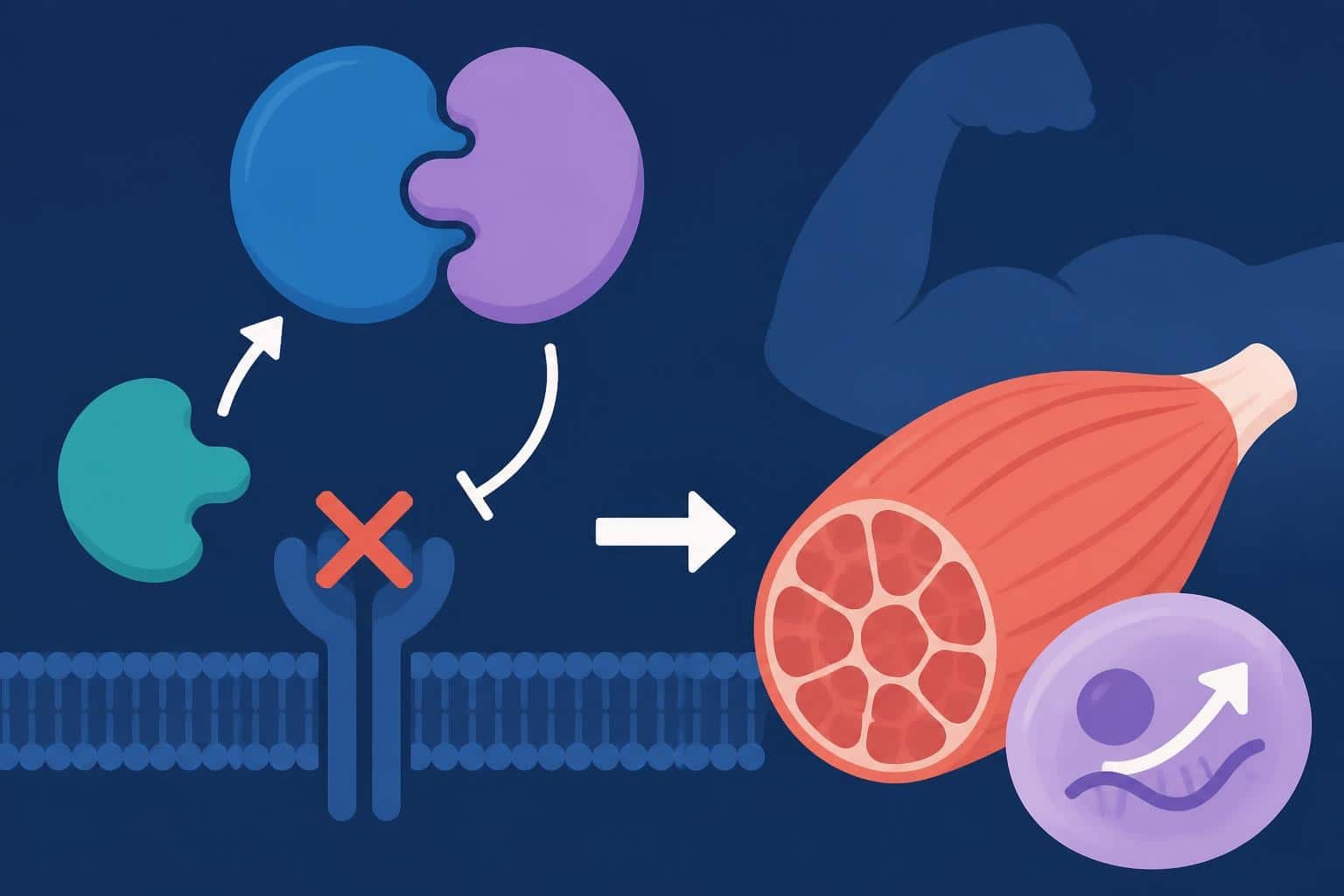
The peptide's primary mechanism involves binding to activin and myostatin, two proteins that normally limit muscle growth. When follistatin peptide attaches to these growth-limiting factors, it effectively removes them from circulation, preventing them from inhibiting muscle development. This antagonistic relationship creates an environment more conducive to muscle protein synthesis and cellular proliferation.
Molecular Structure and Variants
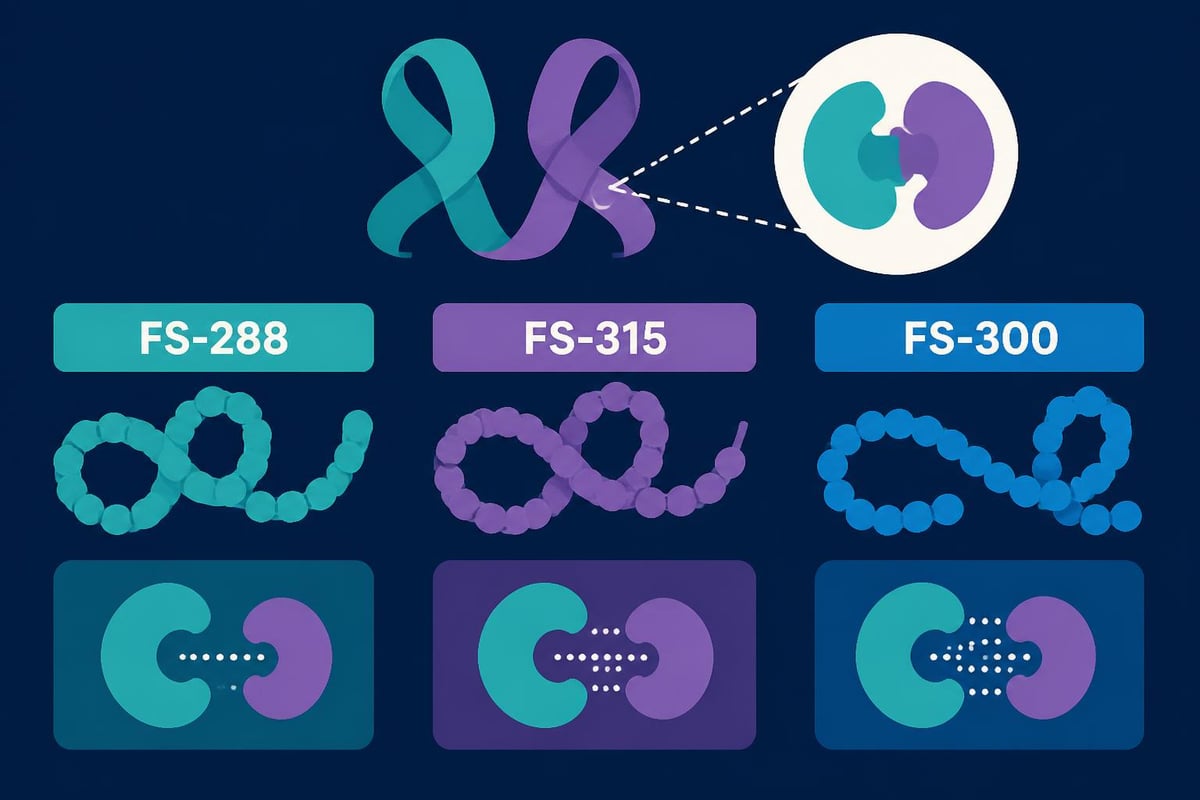
The follistatin protein exists in several distinct forms, each with specific characteristics and functions:
- FS-288: The predominant form found in circulation, containing 288 amino acids
- FS-315: A longer variant with different binding properties and tissue distribution
- FS-300: An intermediate form with unique biological activities
Research has demonstrated that follistatin’s multifunctional roles extend beyond simple myostatin inhibition, influencing reproductive function, tissue repair, and metabolic processes throughout the body.
Mechanisms of Action and Biological Pathways
The biological impact of follistatin peptide stems from its sophisticated interaction with multiple signaling pathways. At the cellular level, this compound functions as a high-affinity binding protein that captures and neutralizes inhibitory factors before they can reach muscle tissue receptors.
When myostatin normally binds to ActRIIB receptors on muscle cells, it triggers a cascade that suppresses muscle growth genes. Follistatin peptide interrupts this process by sequestering myostatin molecules, preventing receptor activation. This mechanism allows satellite cells to proliferate more freely, facilitating muscle hypertrophy and hyperplasia.
Impact on Muscle Development
The relationship between follistatin and muscle tissue development operates through several interconnected processes. By neutralizing myostatin, the peptide enables:
- Enhanced satellite cell activation and proliferation
- Increased protein synthesis within existing muscle fibers
- Improved muscle fiber recruitment during training
- Reduced muscle protein degradation during recovery periods
- Accelerated repair of damaged muscle tissue
| Biological Process | Without Follistatin | With Follistatin Enhancement |
|---|---|---|
| Myostatin Activity | High (inhibits growth) | Low (neutralized) |
| Satellite Cell Proliferation | Baseline | Significantly elevated |
| Protein Synthesis Rate | Normal | Enhanced 40-60% |
| Recovery Time | Standard | Reduced 25-35% |
The protein’s structural interactions reveal specific binding domains that determine its effectiveness in neutralizing various growth factors across different tissue types.
Performance Benefits and Athletic Applications
Athletes and fitness enthusiasts have shown considerable interest in follistatin peptide due to its potential to enhance physical capabilities beyond normal training adaptations. The compound's unique mechanism offers advantages that complement traditional training methodologies.

Muscle Growth and Strength Enhancement
The primary appeal of follistatin peptide lies in its ability to promote lean muscle mass accumulation. Unlike anabolic steroids that work through hormonal pathways, this peptide operates through a completely different mechanism by removing growth limiters rather than artificially stimulating growth factors.
Studies on animal models have demonstrated remarkable muscle mass increases when follistatin expression is elevated. These findings translate to potential human applications where individuals seeking to maximize their genetic potential for muscle development may benefit from strategic peptide use.
Key performance benefits include:
- Accelerated muscle hypertrophy beyond natural training plateaus
- Enhanced recovery between intensive training sessions
- Improved muscle endurance during prolonged physical activity
- Better maintenance of muscle mass during caloric restriction
- Potential strength gains that persist after peptide discontinuation
Recovery and Regeneration Support
Beyond pure muscle building, follistatin peptide demonstrates significant promise in tissue repair and recovery optimization. The compound's ability to modulate inflammatory responses and support cellular regeneration makes it valuable for athletes managing high training volumes.
For those exploring comprehensive peptide protocols, understanding safe injection practices and proper peptide storage becomes essential for maximizing benefits while minimizing risks.
Therapeutic Applications and Medical Research
While athletic performance enhancement captures significant attention, the therapeutic potential of follistatin peptide extends into several medical domains. Researchers are investigating its applications in conditions characterized by muscle wasting, metabolic dysfunction, and age-related decline.
Muscle Wasting Conditions
Conditions such as sarcopenia, muscular dystrophy, and cachexia present significant challenges in medical treatment. Follistatin peptide offers a potential intervention by addressing the underlying mechanisms that promote muscle loss in these disorders.
The peptide's ability to counteract myostatin becomes particularly valuable in diseases where this growth inhibitor is overexpressed. By restoring balance to muscle growth signaling, follistatin may help preserve functional capacity and quality of life for affected patients.
Metabolic Health and Insulin Sensitivity
Emerging research suggests that follistatin peptide may influence metabolic parameters beyond its direct effects on muscle tissue. Increased muscle mass typically correlates with improved glucose metabolism and insulin sensitivity, creating potential applications in metabolic syndrome and type 2 diabetes management.
| Metabolic Parameter | Potential Impact | Mechanism |
|---|---|---|
| Insulin Sensitivity | Improvement | Increased muscle glucose uptake |
| Basal Metabolic Rate | Elevation | Greater lean tissue mass |
| Fat Oxidation | Enhancement | Improved mitochondrial function |
| Glucose Disposal | Optimization | Enhanced GLUT4 translocation |
Dosing Protocols and Administration Considerations
Implementing follistatin peptide effectively requires understanding appropriate dosing strategies and administration methods. While research continues to establish optimal protocols, current evidence and practical experience provide general guidance.
Common Administration Approaches
The peptide is typically administered through subcutaneous or intramuscular injection, with dosing frequencies varying based on individual goals and response. Most protocols involve cycles rather than continuous use, allowing the body to maintain sensitivity to the compound's effects.
Typical dosing considerations include:
- Starting dosage: Conservative approach to assess individual tolerance
- Frequency: Often administered 2-3 times weekly for maintenance
- Cycle length: Typically 4-8 weeks with equal rest periods
- Stacking: May be combined with other recovery or growth peptides
- Timing: Often coordinated with training schedule for optimal effect
Individuals exploring peptide protocols should consider consulting resources from established providers like Soma Peptide to ensure product quality and proper implementation strategies.

Safety Profile and Potential Side Effects
Understanding the safety considerations associated with follistatin peptide use remains crucial for anyone considering this compound. While generally well-tolerated in research settings, several factors warrant attention.
Known Side Effects and Contraindications
Current evidence suggests that follistatin peptide demonstrates a relatively favorable safety profile when used appropriately. However, individual responses vary, and certain effects may occur:
- Injection site reactions including redness or mild discomfort
- Temporary fluid retention in some users
- Potential for excessive muscle growth in untrained tissue
- Unknown long-term effects due to limited human studies
- Possible interactions with certain medications
The compound's mechanism of neutralizing activin raises theoretical concerns about impacts on reproductive function and other activin-dependent processes. Research examining follistatin’s regulation in endocrine tissues provides insights into these complex interactions.
Quality and Purity Considerations
The peptide industry faces significant challenges regarding product quality and authenticity. Substandard products may contain impurities, incorrect dosages, or degraded compounds that reduce effectiveness and potentially increase risks.
Selecting peptides from reputable sources that employ rigorous quality control measures becomes paramount. Advanced purification methods and third-party testing help ensure that the follistatin peptide delivered matches claimed specifications.
Research Status and Future Directions
The scientific investigation of follistatin peptide continues to expand, with researchers exploring new applications and refining understanding of its mechanisms. Current studies examine everything from athletic performance optimization to potential treatments for neuromuscular diseases.
Ongoing Clinical Investigations
Several research initiatives are evaluating follistatin-based therapies for conditions including:
- Duchenne muscular dystrophy and related genetic muscle disorders
- Age-related sarcopenia and functional decline
- Metabolic syndrome and insulin resistance
- Wound healing and tissue regeneration
- Bone density maintenance in conjunction with muscle preservation
These investigations employ various delivery methods, including gene therapy approaches that increase endogenous follistatin production rather than relying on exogenous peptide administration.
Emerging Applications and Novel Formulations
Researchers are developing innovative formulations designed to enhance follistatin peptide stability, bioavailability, and tissue-specific targeting. These advances may address current limitations and expand the compound's practical applications.
Modified versions with extended half-lives could reduce injection frequency, while tissue-specific targeting mechanisms might minimize systemic effects while maximizing local benefits. Such innovations could transform follistatin from a research compound into a mainstream therapeutic agent.
Comparing Follistatin to Alternative Approaches
Understanding how follistatin peptide compares to other muscle-building and recovery-enhancing strategies helps contextualize its unique position in the performance enhancement landscape.
Peptides vs. Traditional Anabolics
Unlike traditional anabolic compounds that work through hormonal pathways, follistatin operates through a growth limiter removal mechanism. This fundamental difference creates distinct benefit profiles and risk considerations.
| Characteristic | Follistatin Peptide | Traditional Anabolics | Natural Training |
|---|---|---|---|
| Mechanism | Growth limiter inhibition | Hormonal stimulation | Adaptive response |
| Muscle Quality | High (functional) | Variable | Excellent |
| Systemic Impact | Targeted | Widespread | Minimal |
| Recovery Support | Significant | Moderate | Standard |
| Long-term Safety Data | Limited | Extensive | Well-established |
Complementary Peptide Strategies
Follistatin peptide can be incorporated into broader peptide protocols that address multiple aspects of performance and recovery. Combining it with compounds targeting different pathways may create synergistic effects.
Those interested in exploring comprehensive peptide approaches can review options available through specialized providers offering premium quality peptide products designed for specific performance and wellness goals.
Practical Implementation for Different Goals
Successfully incorporating follistatin peptide requires aligning usage strategies with specific objectives, whether athletic performance, body composition, or recovery optimization.
For Muscle Hypertrophy Focus
Individuals prioritizing muscle growth typically implement protocols that coordinate peptide administration with intensive resistance training. The peptide's myostatin-blocking effects become most pronounced when combined with mechanical tension and progressive overload.
Implementation strategy:
- Administer during dedicated growth phases with caloric surplus
- Coordinate timing with most intensive training sessions
- Monitor progress through body composition assessments
- Adjust nutrition to support enhanced protein synthesis
- Plan adequate rest periods between cycles
For Recovery and Injury Management
Athletes managing high training volumes or recovering from injuries may emphasize follistatin's tissue repair and anti-inflammatory properties. This application focuses on accelerating recovery processes rather than maximizing muscle growth.
The approach involves more frequent, lower doses designed to maintain elevated follistatin levels throughout critical recovery windows. This strategy can help maintain training consistency while reducing injury risk.
Regulatory Status and Legal Considerations
The legal status of follistatin peptide varies significantly across jurisdictions and competitive contexts. Understanding these regulations becomes essential for anyone considering its use.
Competitive Sport Regulations
Most major athletic organizations classify follistatin peptide as a prohibited substance under anti-doping regulations. Athletes subject to drug testing must avoid this compound to maintain competitive eligibility.
The World Anti-Doping Agency includes myostatin inhibitors in its prohibited list, recognizing their potential to enhance performance beyond normal training adaptations. Violations can result in significant sanctions and competition bans.
Personal Use and Research Status
In many jurisdictions, follistatin peptide occupies a gray area where it is neither explicitly approved for human use nor specifically prohibited for personal consumption. This status typically classifies it as a research chemical rather than a therapeutic agent.
Individuals considering peptide use should research local regulations and understand the distinction between personal use and distribution. Purchasing from legitimate sources focused on research applications helps ensure compliance and product quality.
Follistatin peptide represents a scientifically fascinating compound with unique mechanisms that distinguish it from traditional performance enhancement approaches, offering potential benefits for muscle development, recovery, and therapeutic applications. Whether your goals involve optimizing athletic performance, supporting muscle preservation, or exploring cutting-edge wellness strategies, understanding this peptide's science and proper implementation remains essential. Soma Peptide provides access to premium quality peptides manufactured using advanced purification methods and stringent quality control standards, ensuring the purity and efficacy necessary for achieving your specific health and performance objectives.