The peptide research community has witnessed remarkable growth in recent years, with GHK-Cu emerging as one of the most studied compounds for tissue repair and skin rejuvenation. As more individuals and researchers seek ghk cu peptide for sale, understanding the science, quality standards, and practical applications becomes essential for making informed purchasing decisions. This tripeptide, naturally occurring in human plasma, has demonstrated impressive capabilities in wound healing, collagen synthesis, and anti-aging applications, making it a cornerstone of modern regenerative protocols.
Understanding GHK-Cu Peptide Structure and Function
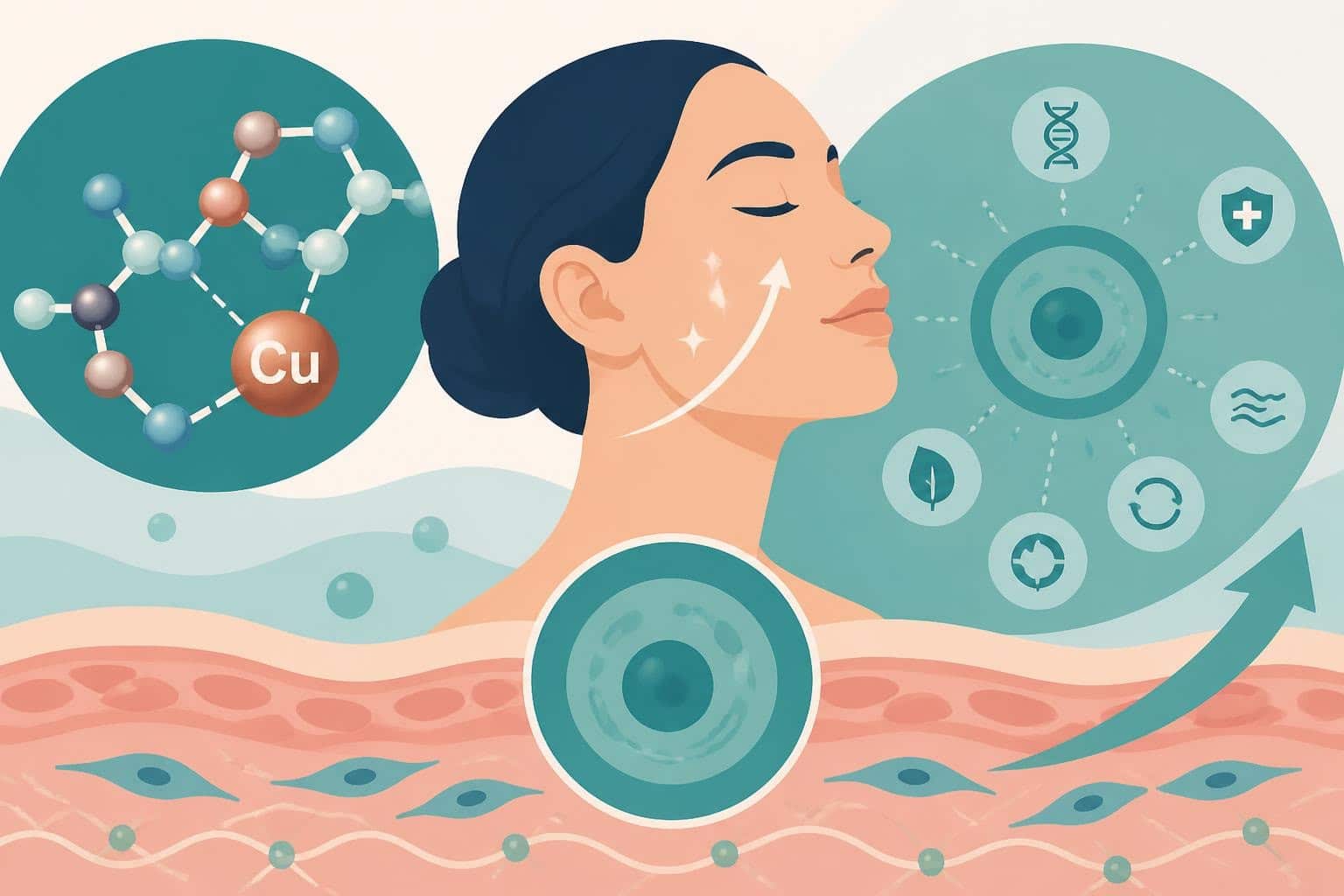
GHK-Cu consists of three amino acids (glycine-histidine-lysine) bound to a copper ion, creating a complex with unique biological activities. This molecular structure enables the peptide to interact with cellular receptors and influence gene expression in profound ways.
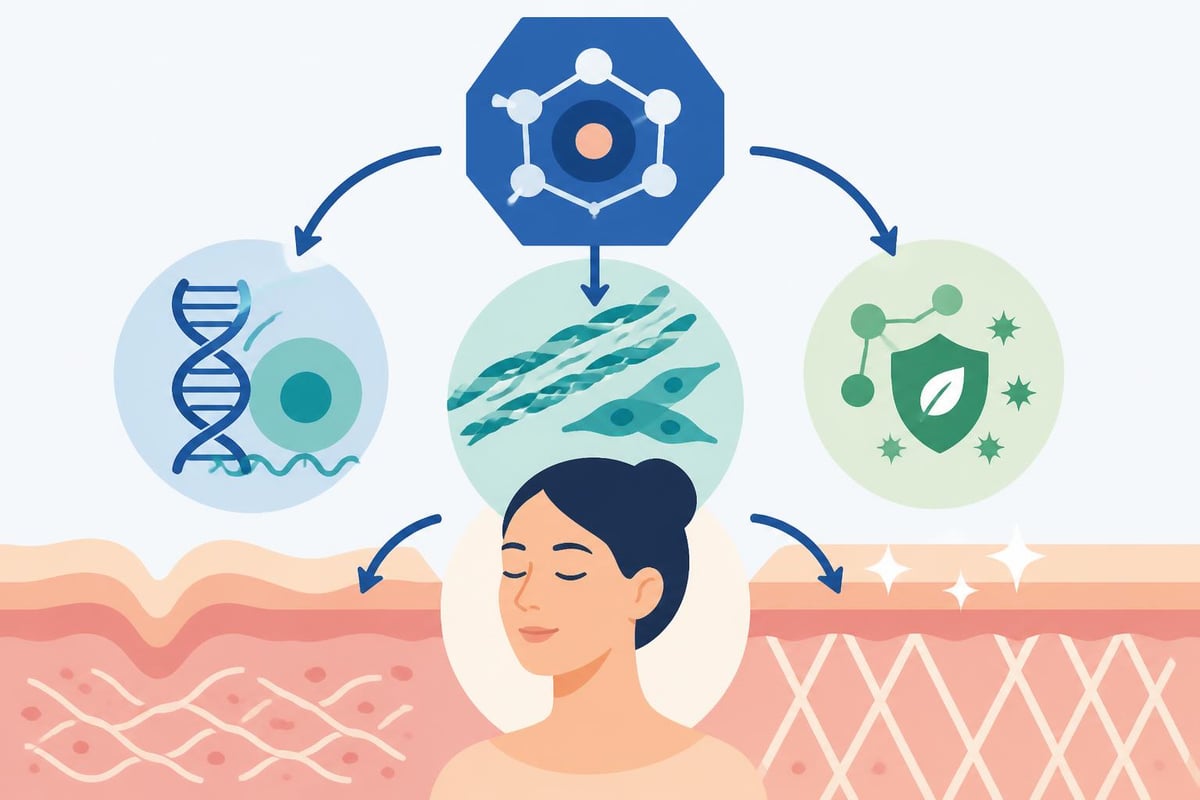
The copper-binding mechanism of GHK-Cu allows it to modulate over 4,000 genes, affecting processes related to tissue remodeling, antioxidant activity, and inflammation control. Research has shown that GHK-Cu concentrations naturally decline with age, dropping from approximately 200 ng/mL at age 20 to about 80 ng/mL by age 60.
Biological Mechanisms of Action
GHK-Cu operates through multiple pathways simultaneously:
- Collagen stimulation: Increases production of types I and II collagen
- Metalloproteinase regulation: Balances tissue breakdown and synthesis
- Antioxidant activation: Enhances cellular defense mechanisms
- Growth factor modulation: Influences VEGF and other regenerative signals
- Anti-inflammatory effects: Reduces excessive cytokine production
These mechanisms work synergistically to promote tissue repair and cellular rejuvenation. The peptide's ability to attract immune cells while simultaneously reducing inflammation creates an optimal environment for healing.
Quality Standards for GHK-Cu Peptide Products
When searching for ghk cu peptide for sale, quality assessment represents the most critical factor in product selection. Premium peptides undergo rigorous purification processes and testing protocols that separate pharmaceutical-grade compounds from inferior alternatives.
Purity Metrics and Testing Requirements
| Quality Parameter | Minimum Standard | Premium Standard |
|---|---|---|
| Peptide Purity | 95% | 98-99%+ |
| Heavy Metal Content | <10 ppm | <5 ppm |
| Bacterial Endotoxins | <5 EU/mg | <1 EU/mg |
| Sterility Testing | Required | Required |
| HPLC Verification | Certificate | Full Spectrum |
The purity percentage directly correlates with efficacy and safety. Impurities can include residual solvents, synthesis byproducts, or degraded peptide fragments that reduce effectiveness and potentially cause adverse reactions.
Third-party testing provides independent verification of manufacturer claims. Certificates of Analysis (CoA) should include:
- High-Performance Liquid Chromatography (HPLC) results
- Mass spectrometry confirmation
- Amino acid sequencing data
- Sterility and endotoxin testing results
- Storage stability documentation
Reputable suppliers maintain consistent testing protocols and willingly share documentation with customers. If you're evaluating potential sources, the Soma Peptide FAQ section addresses common quality concerns and testing procedures.
Research Applications and Evidence Base
The scientific literature supporting GHK-Cu has expanded considerably over the past decade. Clinical studies on GHK-Cu demonstrate effectiveness across multiple therapeutic areas, with dermatological applications showing particularly robust results.
Documented Benefits in Research Settings
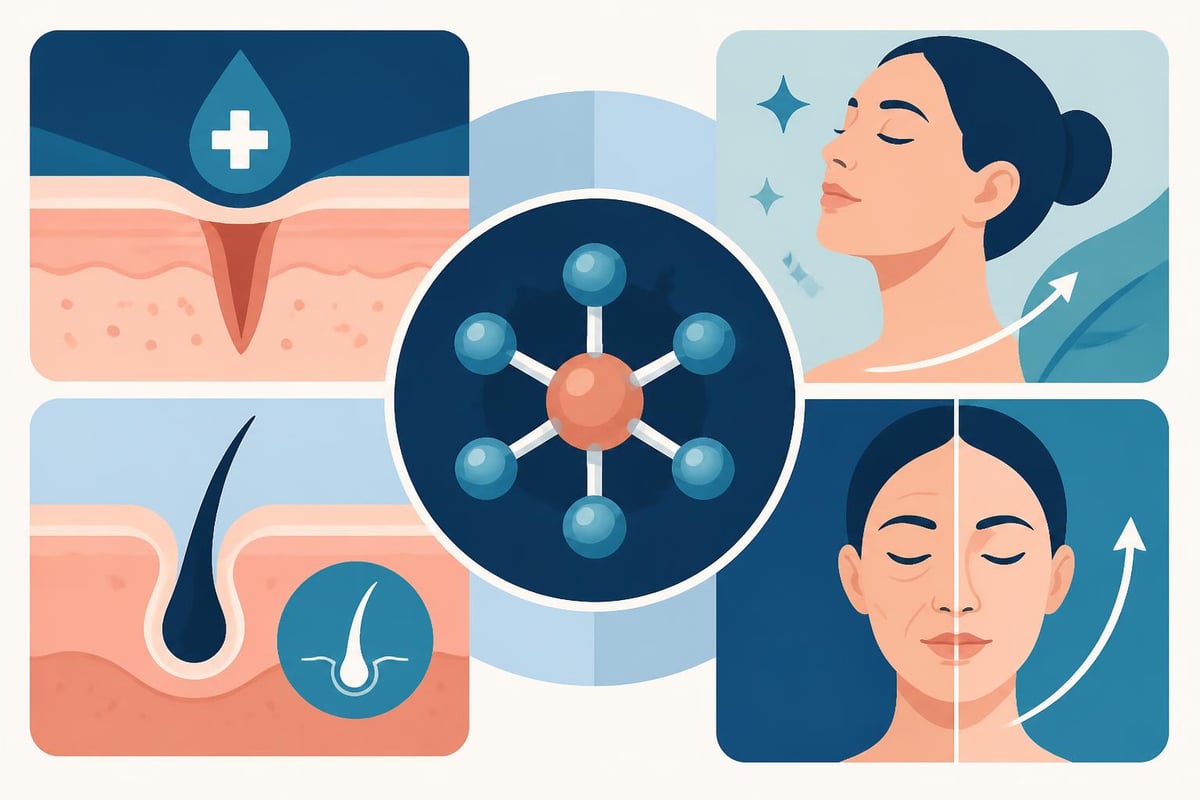
Human studies have documented improvements in skin thickness, elasticity, and overall appearance when GHK-Cu is applied topically or administered subcutaneously. One notable study showed a 70% reduction in fine lines after 12 weeks of treatment, while another demonstrated enhanced wound closure rates in surgical patients.
The comprehensive safety profile of GHK-Cu indicates minimal adverse effects when properly dosed. Most reported side effects remain mild and transient, including temporary injection site reactions or minor skin sensitivity with topical applications.
Wound healing applications have shown:
- Accelerated epithelialization rates
- Improved tensile strength of healed tissue
- Reduced scar formation
- Enhanced angiogenesis in damaged areas
Beyond dermatology, research explores GHK-Cu's potential in hair growth stimulation, nerve tissue regeneration, and systemic anti-aging protocols. The peptide's influence on stem cell activity and DNA repair mechanisms suggests broader applications may emerge as research continues.
Dosing Protocols and Administration Methods
Determining appropriate dosage when purchasing ghk cu peptide for sale requires understanding both research protocols and practical application methods. Dosing varies significantly based on administration route and intended outcomes.
Topical Application Guidelines
Topical formulations typically contain GHK-Cu concentrations between 0.05% and 2%. Lower concentrations (0.05-0.1%) suit daily maintenance protocols, while higher concentrations (1-2%) target specific concerns or intensive treatment periods.
Application frequency ranges from once daily to twice daily, with most protocols recommending evening application to align with natural cellular repair cycles. Topical GHK-Cu penetrates the dermis effectively when formulated with appropriate carrier compounds.
Injectable Protocols
Subcutaneous injection represents the most direct delivery method for systemic effects. Research protocols commonly employ:
- Dosage range: 0.5-3 mg per administration
- Frequency: 2-5 times weekly
- Duration: 8-12 week cycles
- Injection sites: Abdomen, thigh, or upper arm
The peptide calculator tool helps researchers determine precise reconstitution ratios and dosing volumes based on product concentration and target dosages.
| Administration Route | Typical Dose | Frequency | Primary Benefits |
|---|---|---|---|
| Topical (Face) | 0.1-2% solution | 1-2x daily | Skin rejuvenation |
| Subcutaneous | 1-2 mg | 3-5x weekly | Systemic anti-aging |
| Mesotherapy | 0.5-1 mg | Weekly | Targeted skin treatment |
Starting with conservative doses allows assessment of individual response before escalating to higher amounts. The peptide's excellent safety profile permits flexible dosing adjustments based on observed results.
Reconstitution and Storage Best Practices
Proper handling extends the viability and potency of GHK-Cu peptide products. Most ghk cu peptide for sale arrives in lyophilized (freeze-dried) powder form, requiring reconstitution before use.
Reconstitution Process
Bacteriostatic water serves as the preferred reconstitution medium for most applications. The preservative content (typically 0.9% benzyl alcohol) inhibits bacterial growth in multi-dose vials. Standard reconstitution ratios depend on the initial peptide quantity:
- Calculate desired concentration based on dosing protocol
- Add bacteriostatic water slowly down the vial side
- Allow powder to dissolve naturally without shaking
- Gently swirl if needed to complete dissolution
- Store immediately under proper conditions
Sterile technique prevents contamination during reconstitution. Alcohol swabs, clean work surfaces, and proper syringe handling maintain product integrity.
Storage Requirements
Pre-reconstitution storage:
- Temperature: -20°C (freezer)
- Duration: Up to 24 months
- Protection: Shield from light and humidity
Post-reconstitution storage:
- Temperature: 2-8°C (refrigerator)
- Duration: 30-60 days with bacteriostatic water
- Container: Amber glass vials minimize light exposure
Temperature fluctuations degrade peptide bonds over time. Maintaining consistent cold storage preserves molecular structure and biological activity. Never freeze reconstituted peptides, as ice crystal formation damages the delicate peptide chains.
Selecting Reputable Suppliers
The marketplace for ghk cu peptide for sale includes numerous vendors with varying quality standards and business practices. Distinguishing premium suppliers from substandard sources protects both investment and safety.
Supplier Evaluation Criteria
Manufacturing transparency serves as a primary indicator of supplier credibility. Legitimate operations disclose:
- Source laboratories and manufacturing facilities
- Quality control procedures and testing frequency
- Batch tracking and lot number systems
- Product handling and shipping protocols
Customer reviews provide real-world insights into product effectiveness and supplier reliability. The Soma Peptide reviews section demonstrates the value of verified customer feedback in purchase decisions.
Red Flags in Peptide Suppliers
- Prices significantly below market averages
- Missing or incomplete CoA documentation
- Vague product descriptions without specifications
- Poor customer service responsiveness
- Lack of secure payment processing
- No clear return or quality guarantee policies
Premium suppliers invest in quality assurance because peptide research demands consistent, reliable compounds. The marginal cost difference between budget and pharmaceutical-grade products pales compared to the importance of authentic, Soma Peptide.

Regulatory Considerations and Legal Status
Understanding the regulatory landscape surrounding peptides helps researchers and consumers navigate purchasing decisions responsibly. GHK-Cu occupies a unique position in regulatory frameworks across different jurisdictions.
Current Regulatory Classification
In the United States, GHK-Cu falls under the category of research chemicals when sold for non-cosmetic purposes. The FDA does not approve peptides for human consumption outside approved pharmaceutical applications, though topical cosmetic use follows different regulations.
Cosmetic applications of GHK-Cu in skincare products are permitted when:
- Products meet FDA cosmetic safety standards
- Claims remain within cosmetic boundaries
- Ingredients comply with permitted substance lists
- Manufacturing follows Good Manufacturing Practices (GMP)
Research use requires appropriate institutional oversight and adherence to scientific protocols. The peptide safety considerations outlined by expert sources emphasize informed decision-making.
International Variations
Regulatory approaches vary globally:
- European Union: Cosmetic use permitted; research use follows standard protocols
- Australia: Therapeutic Goods Administration (TGA) regulates peptide sales
- Canada: Health Canada oversight applies to therapeutic claims
- United Kingdom: MHRA guidelines govern distribution and use
Researchers should verify local regulations before purchasing peptides to ensure compliance with applicable laws and guidelines.
Combining GHK-Cu with Other Peptides
Advanced protocols often incorporate multiple peptides to target complementary pathways. GHK-Cu synergizes effectively with several other research compounds, creating enhanced outcomes beyond single-peptide approaches.
Synergistic Peptide Combinations
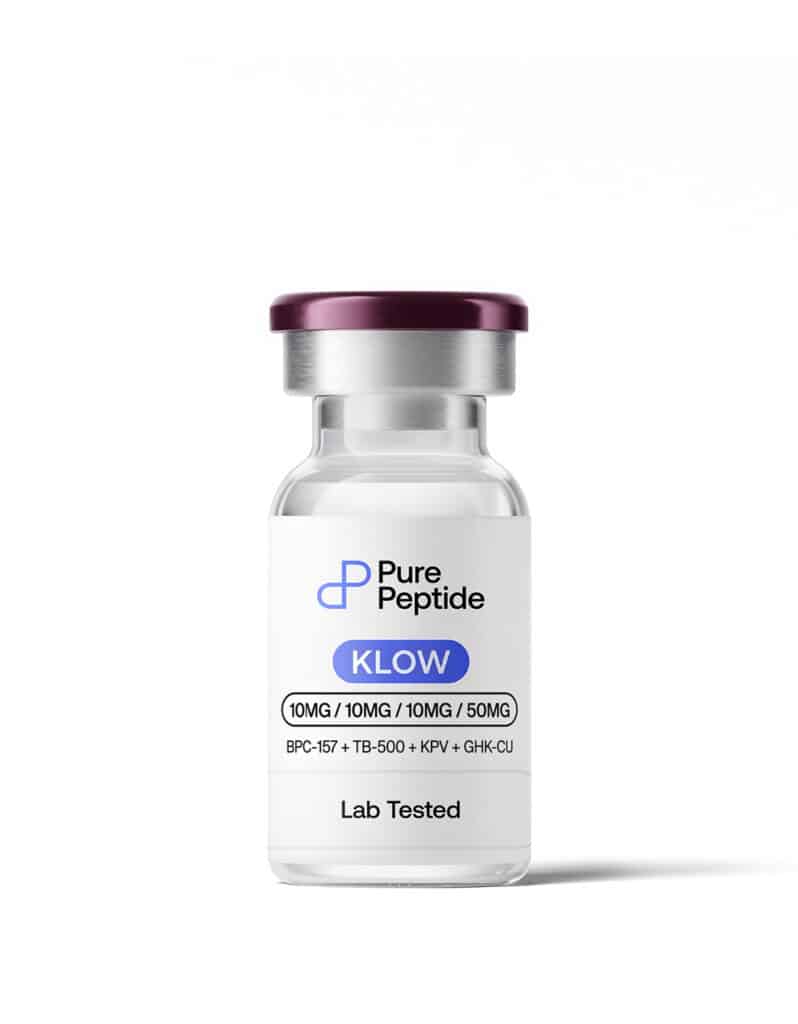
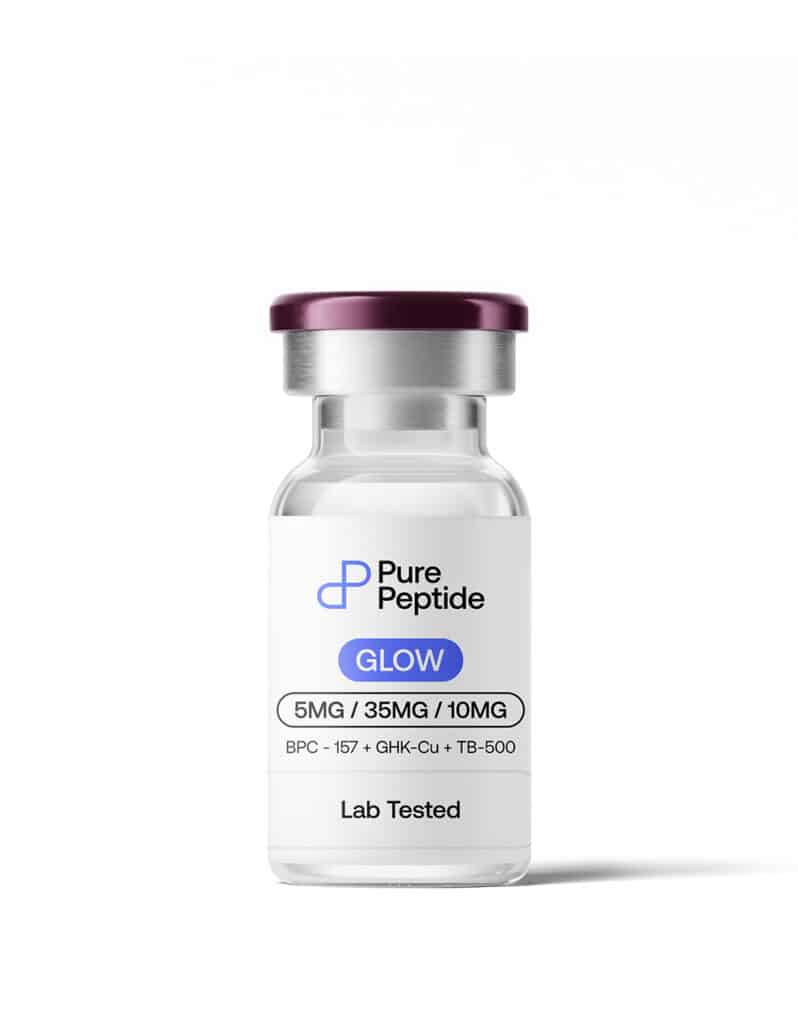
The BPC-157 and TB-500 blend represents one popular combination for comprehensive tissue repair. When paired with GHK-Cu, this stack addresses:
- Systemic healing (BPC-157)
- Cellular migration and differentiation (TB-500)
- Collagen synthesis and skin quality (GHK-Cu)
Stacking considerations:
- Maintain individual peptide dosing schedules
- Monitor combined effects carefully
- Allow adaptation periods between protocol changes
- Document responses for optimization
Other compatible peptides include thymosin alpha-1 for immune function, epithalon for cellular aging, and various growth hormone secretagogues for metabolic support.
Cost Analysis and Value Assessment
Pricing for ghk cu peptide for sale varies based on purity, quantity, and supplier positioning. Understanding cost structures helps researchers budget appropriately while maintaining quality standards.
Price Range Expectations
| Quantity | Purity Level | Typical Price Range |
|---|---|---|
| 50 mg | 98%+ | $45-$75 |
| 100 mg | 98%+ | $80-$130 |
| 200 mg | 98%+ | $145-$230 |
| 500 mg | 98%+ | $320-$485 |
Bulk purchasing reduces per-milligram costs but requires proper long-term storage capabilities. Calculate actual usage needs before committing to large quantities, as peptide degradation occurs even under optimal storage conditions.
Value factors beyond price:
- Verified purity through independent testing
- Consistent batch quality and availability
- Responsive customer support
- Secure packaging and shipping methods
- Satisfaction guarantees or replacement policies
The lowest price rarely represents the best value when quality and reliability factors are considered. Investing in premium-grade peptides ensures research validity and personal safety.
Practical Integration into Research Protocols
Implementing GHK-Cu effectively requires systematic planning and consistent execution. Whether pursuing skin rejuvenation, wound healing, or anti-aging goals, structured protocols optimize outcomes.
Protocol Design Elements
Baseline assessment establishes starting measurements for tracking progress:
- Photographic documentation (for visible changes)
- Skin elasticity measurements
- Subjective quality of life indicators
- Specific target metrics (wound size, wrinkle depth, etc.)
Progressive evaluation at regular intervals (typically every 4 weeks) tracks response patterns and informs protocol adjustments. The molecular data on GHK-Cu helps researchers understand expected timelines for various applications.
Optimization Strategies
Enhance GHK-Cu effectiveness through complementary approaches:
- Nutritional support: Adequate protein, vitamin C, zinc, and copper
- Lifestyle factors: Quality sleep, stress management, hydration
- Topical adjuncts: Retinoids, antioxidants, peptide serums
- Systemic support: Anti-inflammatory protocols, metabolic optimization
Consistent application matters more than aggressive dosing. Peptide responses accumulate gradually, with optimal results typically emerging after 8-12 weeks of sustained use.
Advanced Applications and Emerging Research
The research landscape for GHK-Cu continues expanding into novel therapeutic areas. Recent studies explore applications beyond traditional wound healing and skin rejuvenation, opening new possibilities for this versatile peptide.
Neurodegenerative Research
Preliminary investigations examine GHK-Cu's neuroprotective properties and potential role in cognitive health. The peptide's ability to modulate neuroinflammation and support neuronal survival suggests promise for brain health applications, though human studies remain limited.
Hair Regeneration Protocols
Dermatological research demonstrates GHK-Cu's capacity to stimulate hair follicle growth and improve hair thickness. The mechanisms involve:
- Increased blood flow to follicles
- Enhanced follicular cell proliferation
- Reduced follicle inflammation
- Improved scalp tissue quality
Topical application directly to the scalp shows particular promise, with some protocols incorporating microneedling to enhance penetration. The comprehensive guide to GHK-Cu mechanisms details these emerging applications.
Systemic Anti-Aging Approaches
Beyond skin applications, researchers explore GHK-Cu's potential for systemic longevity benefits. The peptide's influence on gene expression patterns associated with aging suggests broader anti-aging effects may extend to:
- Vascular health and endothelial function
- Immune system modulation
- Mitochondrial function optimization
- DNA repair enhancement
Long-term studies tracking biomarkers of aging will clarify these potential applications as research progresses through 2026 and beyond.
Monitoring Progress and Adjusting Protocols
Effective use of ghk cu peptide for sale requires systematic progress tracking and protocol optimization based on observed results. Individual responses vary, making personalized adjustments essential for optimal outcomes.
Objective Measurement Methods
Photographic documentation provides visual evidence of changes over time. Maintain consistent:
- Lighting conditions
- Camera angles and distances
- Facial expressions (for skin applications)
- Time of day for images
Quantitative measurements add objective data to subjective observations. Skin elasticity meters, wrinkle depth analyzers, and other assessment tools quantify improvements that might otherwise go unnoticed.
Response Indicators
Positive responses typically manifest as:
- Improved skin texture and firmness
- Reduced appearance of fine lines
- Enhanced wound healing rates
- Better recovery from minor injuries
- Increased skin hydration and glow
If expected results don't materialize within 8-10 weeks, consider protocol modifications including dosage adjustments, administration route changes, or combination approaches with complementary compounds.
Common Questions and Practical Guidance
Researchers frequently encounter similar questions when first working with GHK-Cu peptides. Addressing these common concerns facilitates successful protocol implementation and troubleshooting.
Timing and Scheduling
Optimal administration times depend on the specific protocol and administration route. Evening applications for topical use align with natural cellular repair cycles during sleep. Injectable protocols show flexibility, though consistent timing supports stable blood levels.
Morning administration may suit individuals who prefer active monitoring of acute responses. Split dosing (dividing daily amounts into multiple administrations) can maintain more consistent peptide levels throughout the day.
Managing Side Effects
While GHK-Cu demonstrates excellent tolerability, minor reactions occasionally occur:
- Mild injection site redness (resolves within hours)
- Temporary skin sensitivity with topical applications
- Rare allergic responses (discontinue if suspected)
- Initial purging phase with skin applications (temporary)
Reducing dosage typically resolves mild reactions while maintaining therapeutic benefits. The detailed safety review provides comprehensive guidance on risk management.
Product Selection Considerations
When evaluating various ghk cu peptide for sale options, prioritize verified purity over promotional claims. Request recent CoA documentation and verify testing dates align with current production batches. Suppliers offering contact support demonstrate commitment to customer success and transparency.
GHK-Cu peptide represents a well-researched compound with substantial evidence supporting its applications in tissue repair, skin rejuvenation, and anti-aging protocols. Quality, proper dosing, and consistent application form the foundation of successful outcomes. Whether you're beginning your first GHK-Cu protocol or optimizing existing approaches, Soma Peptide provides pharmaceutical-grade peptides backed by rigorous testing, transparent documentation, and expert support to help you achieve your research and wellness goals with confidence.