The naturally occurring tripeptide glycyl-L-histidyl-L-lysine-copper, commonly known as GHK-Cu, has emerged as one of the most extensively studied peptides in regenerative medicine and anti-aging research. Originally discovered in human plasma in the 1970s, this small copper-binding molecule has demonstrated remarkable abilities to influence gene expression, promote tissue repair, and support healthy aging processes. As research continues to expand our understanding of peptide therapeutics, the ghk cu peptide stands out for its multifaceted mechanisms and broad-spectrum applications across dermatology, wound healing, and cellular regeneration.
Understanding GHK Cu Peptide Structure and Function
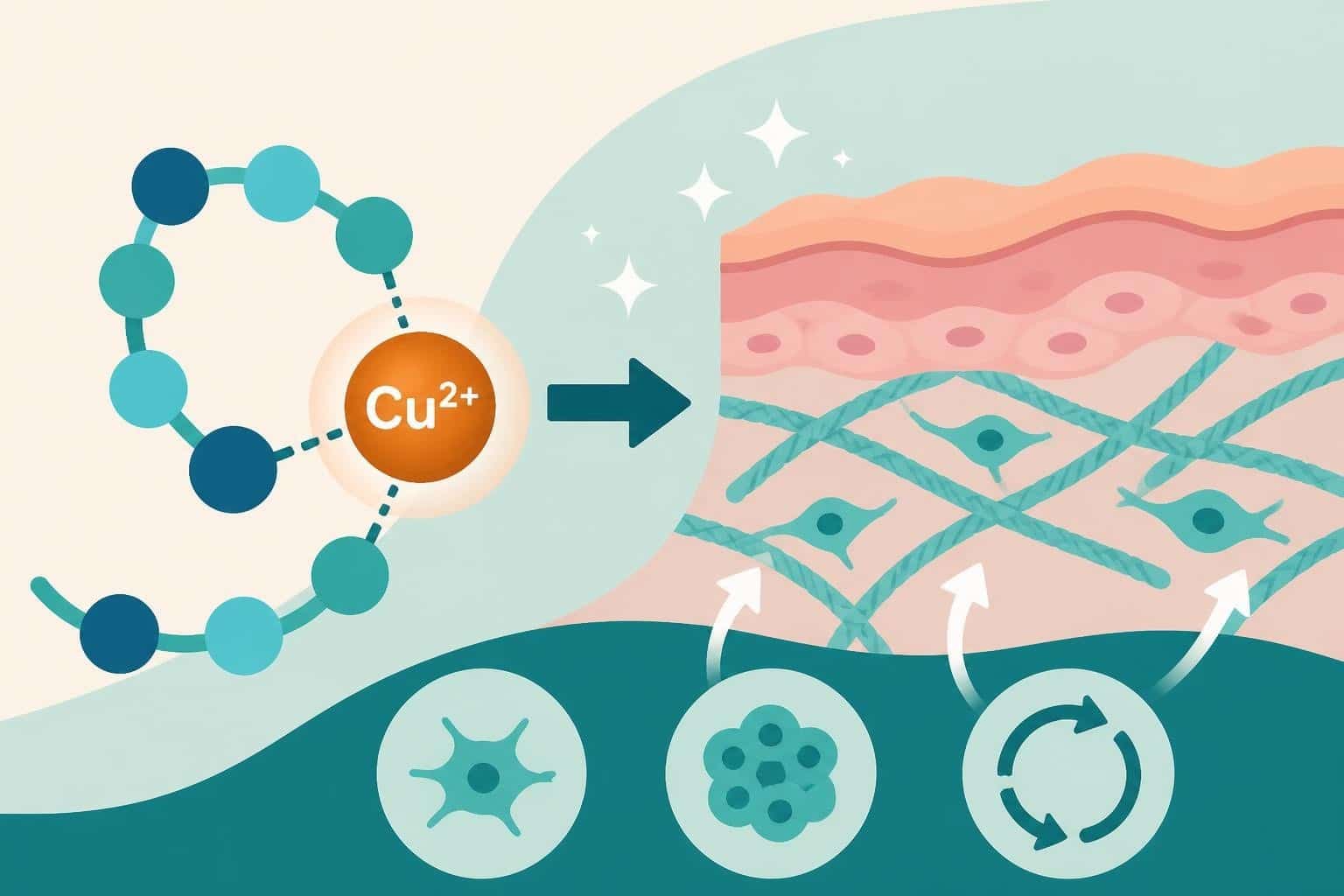
The ghk cu peptide consists of three amino acids-glycine, histidine, and lysine-that form a specific sequence with high affinity for copper ions. This copper-binding capability is central to the peptide's biological activity, as the copper complex enables numerous enzymatic reactions and cellular processes that would otherwise remain dormant.
Natural Occurrence and Biological Decline
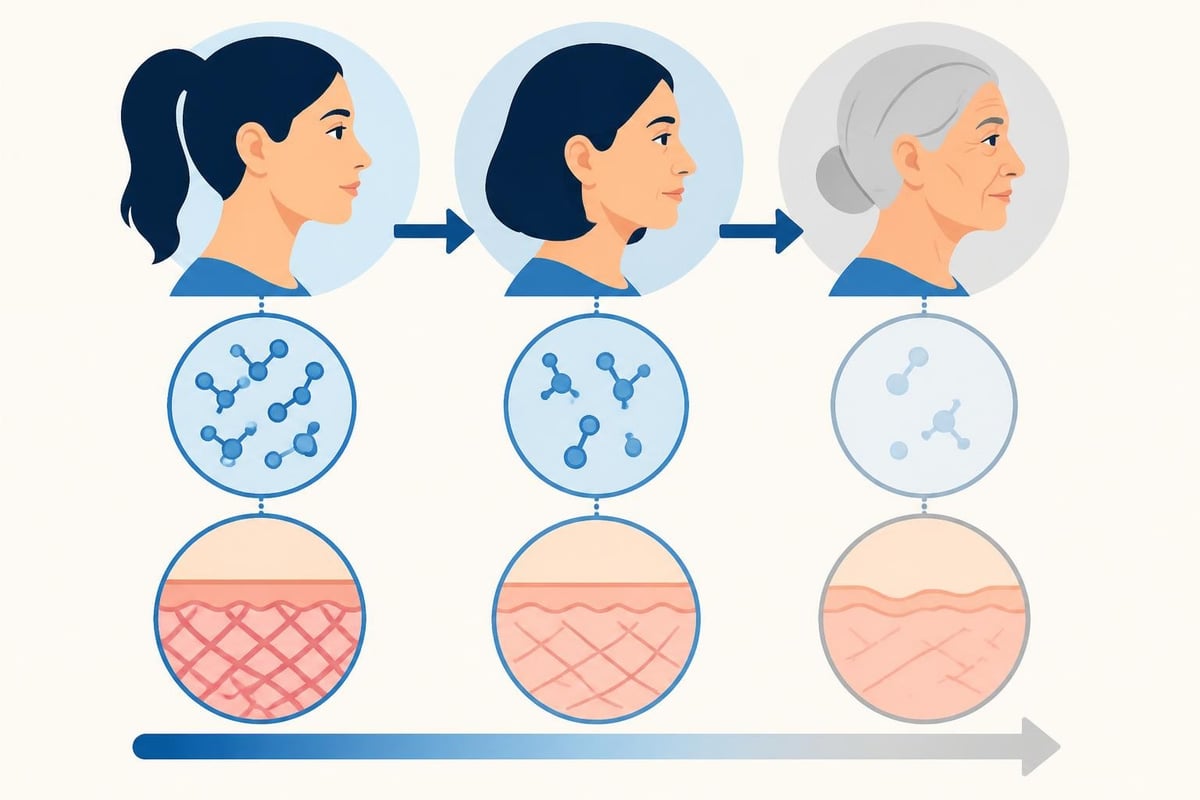
GHK-Cu occurs naturally in human plasma, saliva, and urine, with concentrations that decline significantly with age. Research indicates that plasma levels of this peptide drop from approximately 200 ng/mL at age 20 to around 80 ng/mL by age 60. This age-related decline correlates with visible signs of aging and decreased regenerative capacity, suggesting that maintaining optimal levels may support healthy tissue function.
The peptide's presence in various bodily fluids indicates its systemic importance beyond localized tissue effects. As concentrations diminish over time, the body's capacity for tissue repair, collagen synthesis, and inflammatory regulation may become compromised, contributing to the visible and functional changes associated with aging.
Mechanisms of Action at the Cellular Level
The ghk cu peptide exerts its effects through multiple interconnected pathways that influence gene expression, protein synthesis, and cellular behavior. Understanding these mechanisms provides insight into why this relatively small molecule can produce such diverse biological outcomes.
Gene Expression Modulation
Research on GHK-Cu’s molecular mechanisms has revealed that the peptide can influence the expression of thousands of genes, with particularly strong effects on genes related to collagen production, tissue remodeling, and oxidative stress response. This broad genetic influence allows the peptide to coordinate complex repair processes across multiple cell types simultaneously.
The copper complex acts as a signaling molecule that enters cells and interacts with nuclear transcription factors. This interaction upregulates genes responsible for:
- Collagen type I and III synthesis
- Elastin production
- Glycosaminoglycan formation
- Antioxidant enzyme activity
- Metalloproteinase regulation
Collagen and Extracellular Matrix Support
One of the most well-documented effects of the ghk cu peptide is its ability to stimulate fibroblast activity and enhance collagen deposition. Fibroblasts are the primary cells responsible for producing the extracellular matrix components that give skin its structural integrity and elasticity.
Studies have demonstrated that GHK-Cu treatment increases both collagen synthesis and the organization of collagen fibers into properly structured networks. This dual action addresses both quantity and quality of collagen, supporting skin firmness, elasticity, and overall structural integrity.
| Collagen Effect | Mechanism | Observed Outcome |
|---|---|---|
| Increased Synthesis | Upregulation of COL1A1 and COL3A1 genes | Higher collagen density in dermis |
| Improved Organization | Enhanced lysyl oxidase activity | Better fiber alignment and strength |
| Balanced Degradation | MMP regulation | Controlled remodeling without excess breakdown |
Applications in Skin Health and Anti-Aging
The cosmetic and dermatological applications of the ghk cu peptide have generated substantial interest due to compelling research evidence and observable clinical outcomes. The peptide's multi-targeted approach addresses several aging mechanisms simultaneously.
Wrinkle Reduction and Skin Firmness
Clinical studies examining topical application of GHK-Cu have consistently shown improvements in fine lines, wrinkles, and skin firmness. Evidence on GHK-Cu for skin aging demonstrates that regular use over 8-12 weeks can produce measurable changes in skin thickness, elasticity, and texture.
The peptide works by increasing dermal density through enhanced collagen production while also promoting better organization of the existing extracellular matrix. This creates a scaffolding effect that physically supports the skin's surface, reducing the appearance of wrinkles and improving overall tone.
Skin Regeneration and Wound Healing
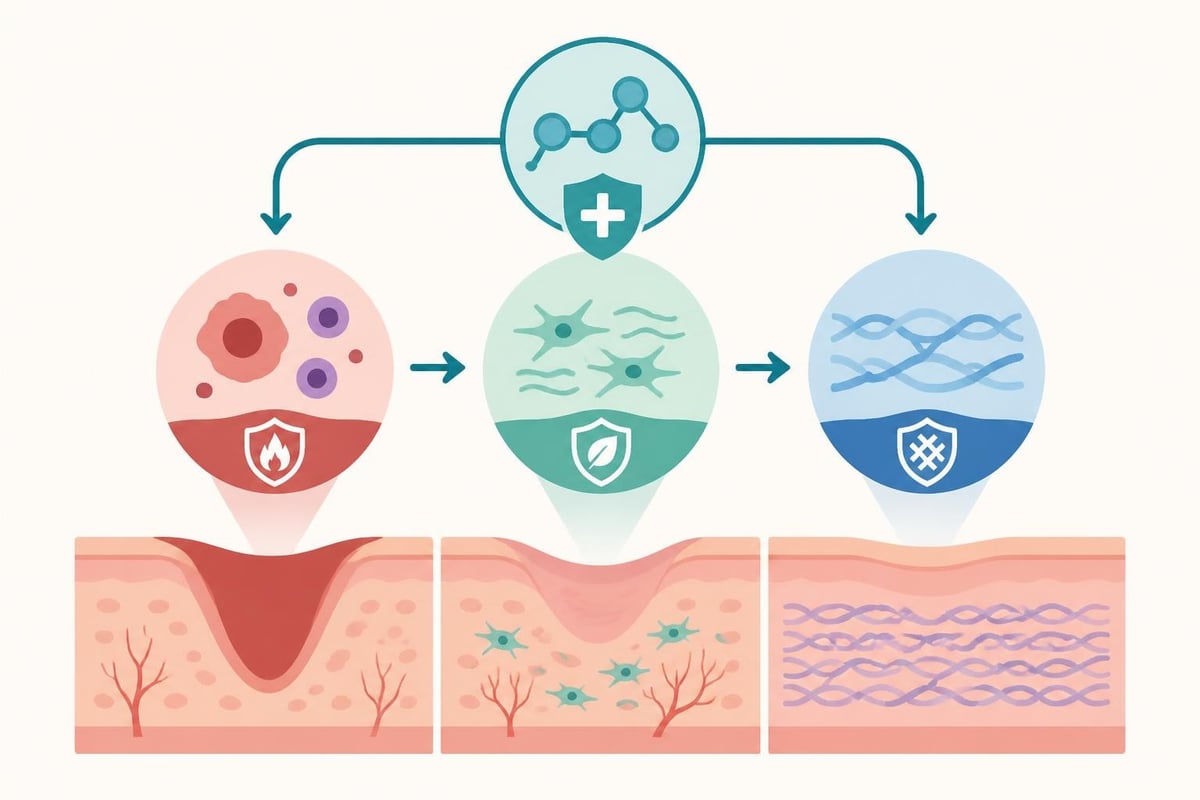
Beyond cosmetic applications, the ghk cu peptide has demonstrated significant potential in wound healing and tissue regeneration. The peptide accelerates the healing process through multiple mechanisms including enhanced angiogenesis, increased growth factor production, and improved immune cell recruitment.
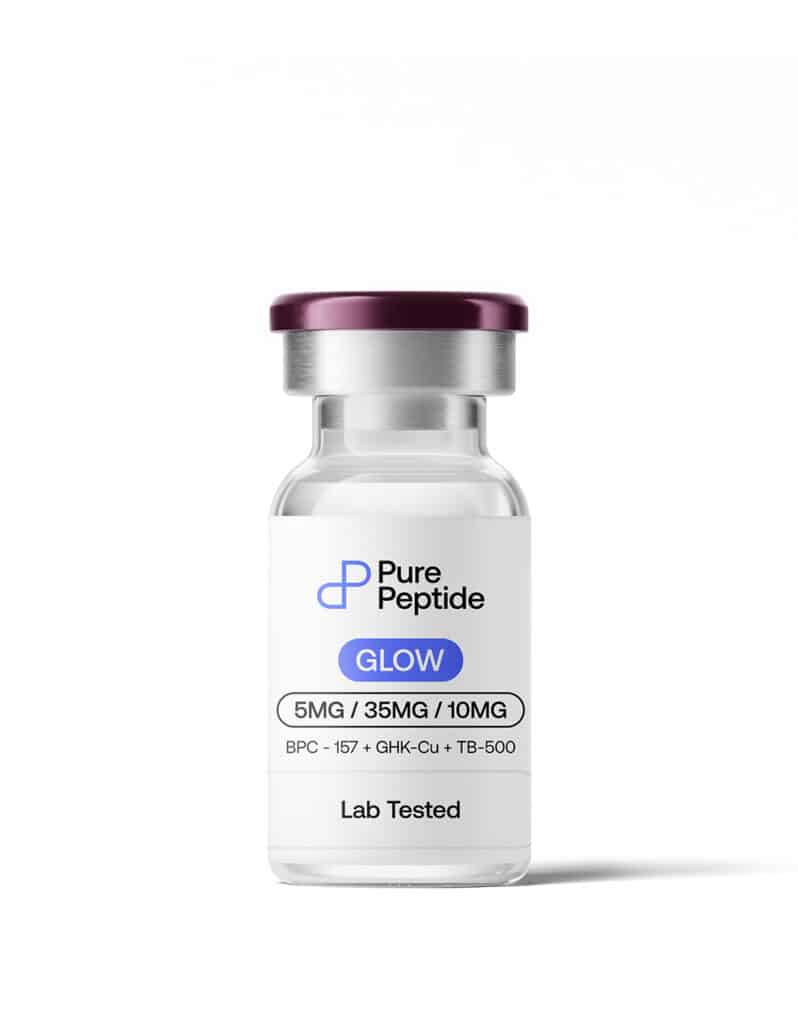
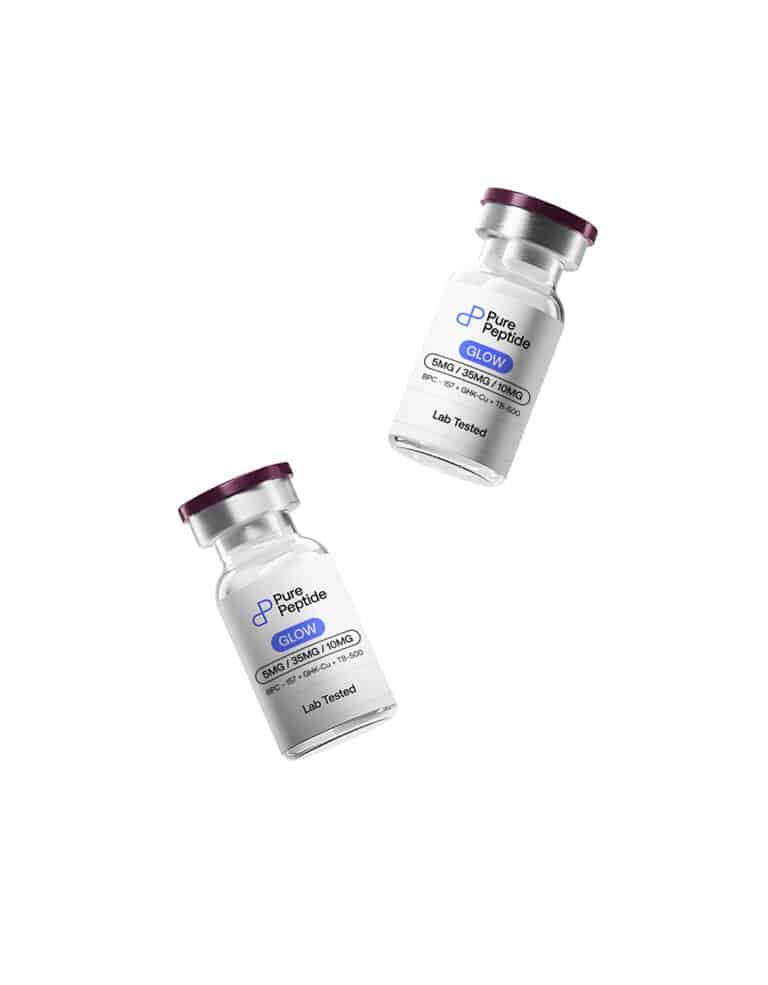
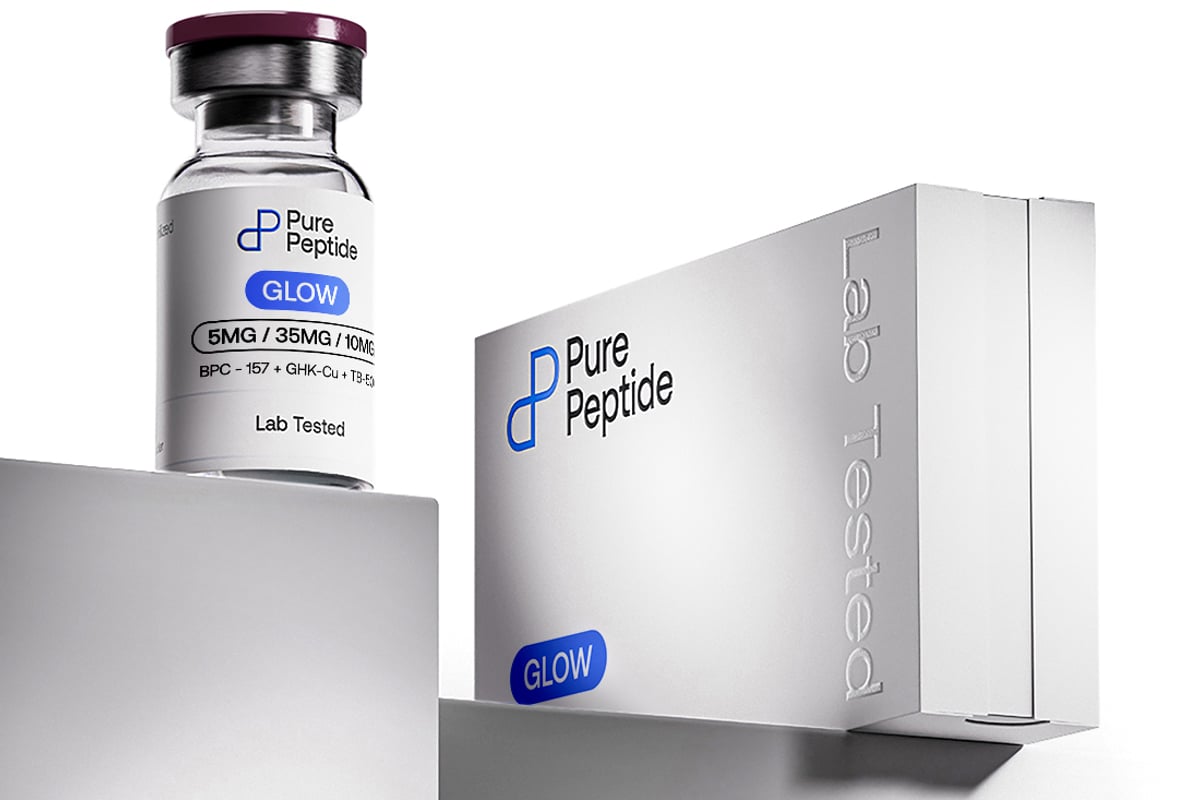
For individuals seeking comprehensive regenerative support, products that combine GHK-Cu with other healing peptides can provide synergistic benefits. The Glow Blend combines GHK-Cu with TB-500 and BPC-157, creating a formulation that addresses multiple aspects of tissue repair and skin renewal simultaneously.
Photoaging and Sun Damage Protection
Ultraviolet radiation causes substantial damage to skin through oxidative stress, collagen degradation, and DNA damage. Research indicates that the ghk cu peptide can help mitigate some of these effects through its antioxidant properties and ability to stimulate repair processes.
The peptide enhances the expression of antioxidant enzymes including superoxide dismutase and catalase, which neutralize free radicals generated by UV exposure. Additionally, GHK-Cu helps repair existing damage by promoting the replacement of damaged collagen with newly synthesized proteins.
Hair Growth and Follicle Health
An emerging area of research examines the ghk cu peptide's effects on hair follicles and its potential to support hair growth and thickness. Studies on GHK-Cu applications have identified several mechanisms through which the peptide may benefit hair health.
Follicle Stem Cell Activation
Hair follicles contain stem cells that cycle through growth, regression, and resting phases. The ghk cu peptide appears to influence these cycles by promoting the transition from resting to active growth phases, potentially extending the anagen (growth) period.
Research shows that GHK-Cu can increase the size of hair follicles and stimulate the proliferation of dermal papilla cells, which play a crucial role in hair growth regulation. These effects suggest potential applications for individuals experiencing thinning hair or premature follicle regression.
Scalp Health and Inflammation Control
Chronic inflammation in the scalp can disrupt normal hair cycling and contribute to follicle miniaturization. The anti-inflammatory properties of the ghk cu peptide help create a healthier environment for hair growth by reducing inflammatory cytokines and promoting balanced immune responses.
The peptide's ability to improve microcirculation also supports follicle health by ensuring adequate nutrient and oxygen delivery to actively growing hair.
Research Evidence and Clinical Studies
The scientific foundation supporting the ghk cu peptide is extensive, with peer-reviewed studies on GHK-Cu spanning decades of research across multiple disciplines. This body of evidence provides confidence in the peptide's mechanisms and potential applications.
In Vitro and Animal Studies
Laboratory studies have established fundamental mechanisms through which GHK-Cu operates at the cellular level. Research using cultured human fibroblasts has demonstrated dose-dependent increases in collagen synthesis, with optimal effects observed at concentrations between 1-10 micromolar.
Animal studies have shown that GHK-Cu accelerates wound closure rates, improves tensile strength of healing tissue, and reduces scar formation compared to controls. These findings have been replicated across multiple species and wound models, suggesting robust and translatable effects.
Human Clinical Trials
Clinical trials in human subjects have evaluated both topical and systemic administration of the ghk cu peptide. Current evidence on GHK-Cu benefits and safety indicates that the peptide is well-tolerated with minimal adverse effects reported across studies.
A notable trial examining topical application in photoaged skin found significant improvements in:
- Fine line depth reduction (measured by profilometry)
- Skin elasticity improvement (measured by cutometry)
- Increased collagen density (confirmed by biopsy)
- Enhanced overall appearance (assessed by clinical grading)
These objective measurements, combined with subjective assessments, demonstrate clinically meaningful outcomes that align with mechanistic predictions.
Administration Methods and Bioavailability
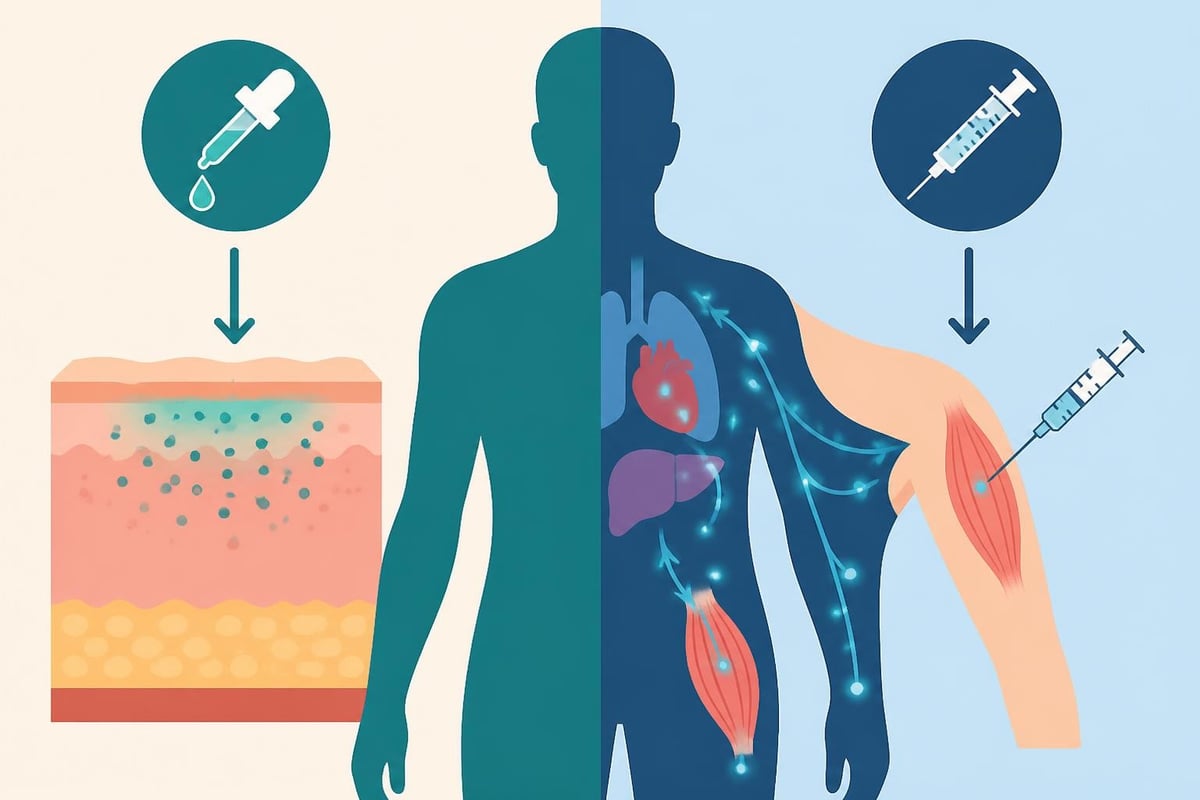
The ghk cu peptide can be administered through various routes, each offering distinct advantages and considerations regarding absorption, distribution, and practical application.
Topical Application
Topical formulations represent the most common delivery method for cosmetic and dermatological applications. Modern formulations incorporate penetration enhancers and delivery systems that improve the peptide's ability to cross the stratum corneum and reach target cells in the dermis.
| Application Method | Advantages | Considerations |
|---|---|---|
| Serums | High concentration, targeted delivery | Requires consistent application |
| Creams | Sustained release, moisturizing base | Lower concentration per application |
| Masks | Intensive treatment, occlusion effect | Less frequent use pattern |
Subcutaneous Injection
Subcutaneous administration allows for systemic distribution of the ghk cu peptide, potentially addressing internal tissue repair and systemic anti-aging processes. This method achieves higher bioavailability compared to topical application and may be appropriate for individuals seeking comprehensive regenerative support.
Injectable forms require proper reconstitution, storage, and administration technique. Those interested in exploring peptide therapeutics can find premium quality options through specialized suppliers like Soma Peptide, which maintains rigorous quality standards and purity testing.
Dosing Considerations and Protocols
Optimal dosing of the ghk cu peptide varies based on administration route, intended application, and individual factors. Understanding appropriate dosing helps maximize benefits while maintaining safety.
Topical Dosing Guidelines
For topical applications, concentrations typically range from 0.5% to 3% in finished products. Higher concentrations do not necessarily produce proportionally greater effects, as receptor saturation and penetration limitations create a practical ceiling for topical efficacy.
Application frequency generally follows a once or twice daily schedule, with consistent use over 8-12 weeks required to observe significant changes in skin parameters. Patience and consistency are essential, as collagen remodeling occurs gradually over time.
Injectable Dosing Protocols
Subcutaneous injection protocols for the ghk cu peptide typically involve doses between 1-5 mg per administration, delivered 2-3 times weekly. Some protocols employ daily dosing during initial phases, transitioning to maintenance frequencies after achieving desired outcomes.
Cycling strategies may be employed to maintain receptor sensitivity and optimize long-term results. A common approach involves 8-12 week active phases followed by 4-week breaks, though individual responses and goals should guide protocol design.
Safety Profile and Contraindications
The ghk cu peptide demonstrates a favorable safety profile across research studies, with minimal adverse effects reported in both topical and systemic applications. However, understanding potential considerations and contraindications remains important for informed decision-making.
Reported Adverse Effects
Clinical trials and user reports indicate that the ghk cu peptide is generally well-tolerated. Topical applications occasionally produce mild, transient reactions including:
- Temporary redness or irritation at application sites
- Mild tingling sensations
- Rare allergic sensitivity reactions
These effects typically resolve without intervention and do not require treatment discontinuation in most cases.
Special Populations and Precautions
Pregnant or breastfeeding individuals should avoid non-essential peptide use due to limited safety data in these populations. Those with copper metabolism disorders should consult healthcare providers before using copper-binding peptides, as these conditions may create contraindications.
Individuals taking medications that affect wound healing or immune function should discuss potential interactions with qualified healthcare professionals. While specific drug interactions have not been extensively documented, theoretical considerations warrant professional guidance.
Combination Strategies and Synergistic Effects
The ghk cu peptide can be effectively combined with other peptides, growth factors, and skincare actives to create synergistic protocols that address multiple aging mechanisms simultaneously.
Complementary Peptide Combinations
Combining GHK-Cu with other regenerative peptides can enhance overall outcomes by targeting different aspects of tissue repair and regeneration. For example, pairing GHK-Cu with peptides that stimulate growth hormone release or enhance cellular metabolism may provide comprehensive anti-aging support.
Research on peptide combinations suggests that strategic pairing can produce effects greater than the sum of individual components, though optimal combinations remain an active area of investigation.
Integration with Skincare Actives
The ghk cu peptide integrates well with conventional skincare ingredients including:
- Vitamin C: Enhances collagen synthesis through complementary pathways
- Retinoids: Provides additional gene expression modulation
- Hyaluronic acid: Supports hydration and peptide delivery
- Niacinamide: Offers anti-inflammatory and barrier-supporting effects
Sequencing and timing of application can affect interaction and absorption. Generally, water-based peptide serums should be applied before heavier creams or oils to optimize penetration.
Quality Considerations and Product Selection
The efficacy of the ghk cu peptide depends heavily on product quality, including peptide purity, proper formulation, and appropriate storage. Selecting high-quality sources ensures optimal results and safety.
Purity and Testing Standards
Premium peptide suppliers employ rigorous testing protocols including high-performance liquid chromatography (HPLC) to verify identity and purity. Products should ideally demonstrate purity levels exceeding 98%, with accompanying certificates of analysis available for verification.
Soma Peptide maintains stringent quality control standards and provides comprehensive testing documentation, ensuring that products meet pharmaceutical-grade specifications for purity and efficacy.
Formulation Stability
The ghk cu peptide requires proper formulation to maintain stability and activity. Factors affecting stability include:
- pH levels: Optimal stability occurs at slightly acidic to neutral pH
- Temperature: Refrigeration extends shelf life for both powder and reconstituted forms
- Light exposure: Amber or opaque containers protect against photodegradation
- Oxidation: Antioxidant additives help preserve peptide integrity
Future Directions and Emerging Research
Ongoing research continues to expand our understanding of the ghk cu peptide's potential applications and mechanisms. Emerging areas of investigation may reveal additional therapeutic possibilities.
Systemic Anti-Aging Applications
While much research has focused on skin and hair, new studies are examining the peptide's potential systemic effects on organ function, cognitive health, and longevity pathways. The peptide's ability to modulate gene expression across multiple tissue types suggests possible applications beyond dermatology.
Tissue-Specific Targeting
Advanced delivery systems may enable more precise targeting of the ghk cu peptide to specific tissues or cellular populations. Nanoparticle encapsulation, targeted conjugation, and controlled-release formulations represent promising approaches for enhancing therapeutic specificity.
Personalized Dosing Strategies
As understanding of individual variation in peptide response improves, personalized dosing protocols based on genetic factors, baseline biomarkers, and treatment goals may become standard practice. This precision approach could optimize outcomes while minimizing unnecessary exposure.
Practical Implementation Guidelines
Successfully incorporating the ghk cu peptide into health and wellness routines requires attention to practical details including storage, preparation, and consistent application.
Storage and Handling
Proper storage preserves peptide potency and extends usable life. Lyophilized (freeze-dried) powder should be stored at 2-8°C (refrigerated) or -20°C (frozen) for extended periods. Reconstituted solutions require refrigeration and typically maintain stability for 30-60 days depending on formulation.
Avoid repeated freeze-thaw cycles, as these can degrade peptide structure and reduce biological activity. Single-use vials or appropriate aliquoting practices help maintain quality throughout the usage period.
Application Techniques for Optimal Results
For topical applications, cleansed skin provides the best absorption surface. Apply the ghk cu peptide serum to slightly damp skin, as moisture can enhance penetration. Allow adequate absorption time (3-5 minutes) before layering additional products.
For injectable administration, proper technique ensures comfort and efficacy:
- Reconstitute with bacteriostatic water using aseptic technique
- Select injection sites with adequate subcutaneous tissue
- Rotate injection locations to prevent tissue irritation
- Use appropriate needle size (typically 27-31 gauge)
- Inject slowly and withdraw needle at the same angle as insertion
The ghk cu peptide represents a scientifically validated approach to supporting tissue regeneration, collagen production, and healthy aging processes through well-characterized mechanisms and extensive research evidence. Whether you're exploring topical applications for skin health or considering systemic protocols for comprehensive regenerative support, understanding this peptide's multifaceted properties enables informed decisions aligned with your wellness goals. Soma Peptide offers premium quality GHK-Cu and complementary peptide formulations backed by rigorous purity testing and quality standards, providing the foundation for effective and safe peptide protocols.