The pursuit of effective anti-aging and tissue regeneration solutions has led researchers to explore a remarkable tripeptide that naturally occurs in human plasma, saliva, and urine. This compound, known as glycyl-L-histidyl-L-lysine-copper(II), or more commonly as GHK-Cu, has emerged as one of the most studied peptides in regenerative medicine and cosmetic science. Originally discovered in the 1970s by Dr. Loren Pickart, this copper-binding peptide has demonstrated impressive capabilities in wound healing, skin rejuvenation, and tissue remodeling. As we age, the natural concentration of this peptide declines significantly in our bodies, correlating with visible signs of aging and reduced healing capacity.
Understanding the Science Behind GHK-Cu
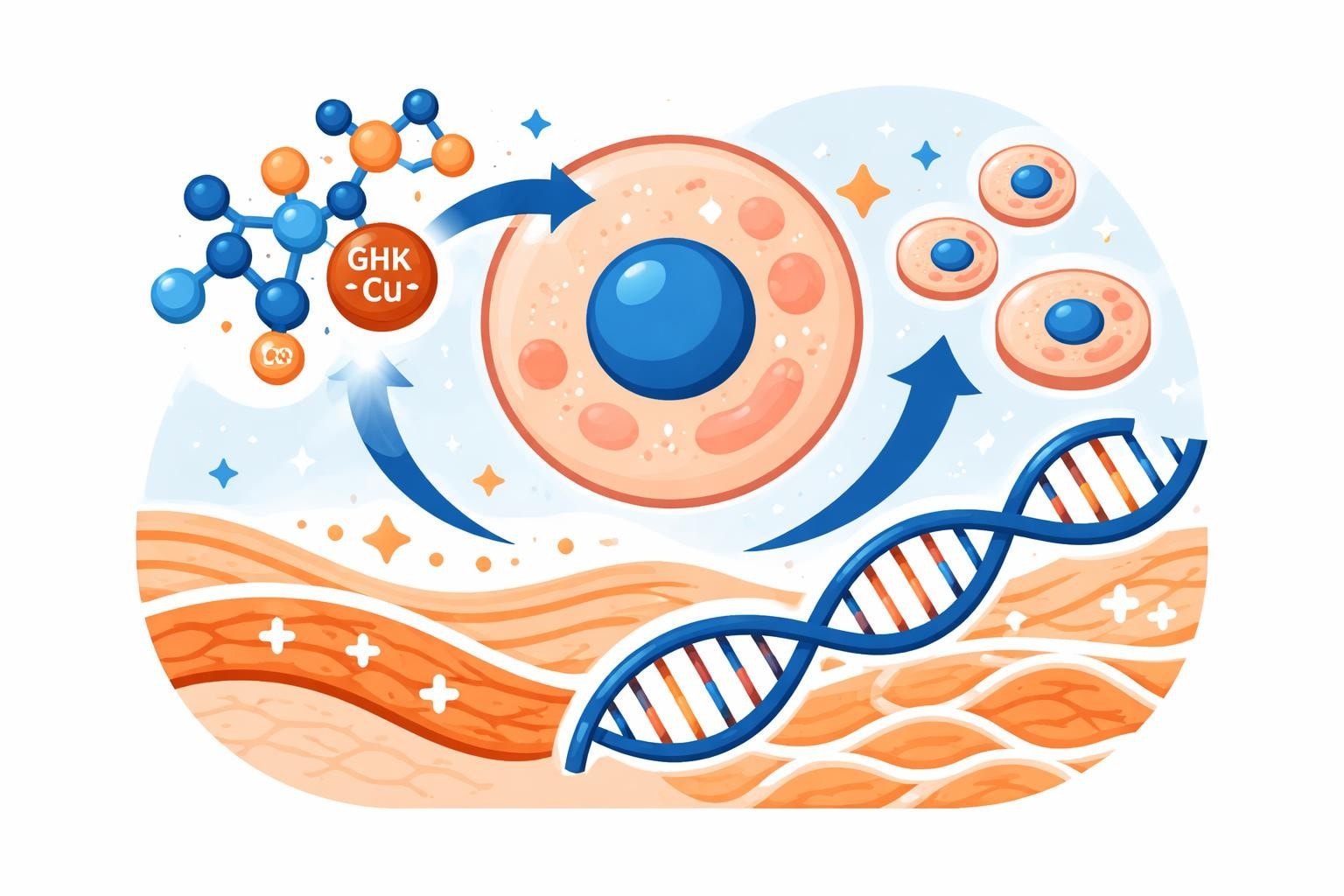
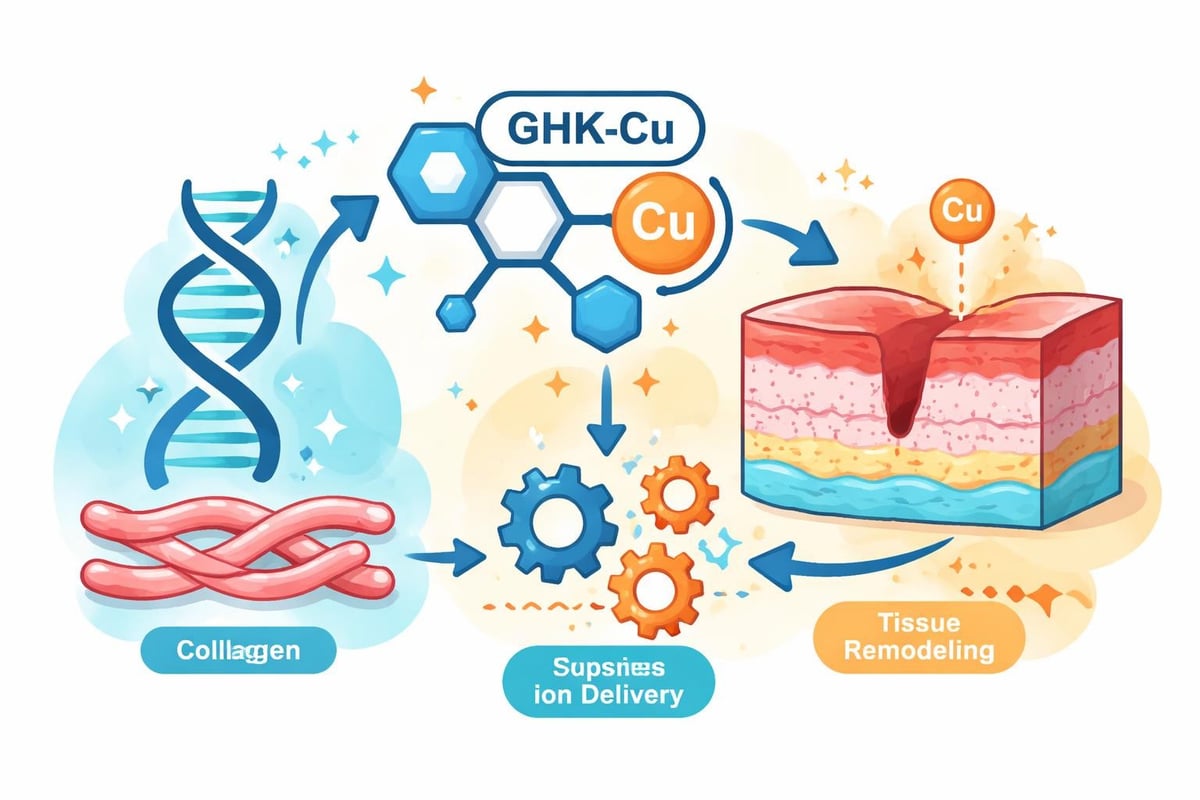
GHK-Cu represents a unique class of peptides that combines three amino acids with a copper ion, creating a powerful signaling molecule that influences multiple biological pathways. The copper component plays an essential role in the peptide's effectiveness, as copper itself is a critical cofactor for various enzymes involved in tissue repair and antioxidant defense systems.
The molecular structure of ghk cu allows it to penetrate the dermis effectively, where it interacts with cellular receptors and triggers cascading biological responses. This peptide functions as a signal molecule, communicating with cells to initiate repair processes, enhance protective mechanisms, and modulate gene expression patterns associated with youthful cellular function.
Mechanisms of Action at the Cellular Level
Research has identified several distinct pathways through which ghk cu exerts its biological effects. The peptide influences gene expression related to tissue remodeling and anti-inflammatory responses, as documented in peer-reviewed studies on GHK-Cu’s regenerative actions.
Key mechanisms include:
- Stimulation of collagen and elastin production in fibroblasts
- Activation of wound healing through increased angiogenesis
- Modulation of metalloproteinases that break down damaged tissue
- Enhancement of antioxidant enzyme production
- Regulation of inflammatory responses at wound sites
The peptide's ability to chelate copper ions enables it to participate in redox reactions that neutralize harmful free radicals while simultaneously delivering copper to enzymatic pathways that require this essential mineral. This dual action provides both protective and regenerative benefits.
Clinical Evidence for Skin Rejuvenation
The cosmetic and dermatological applications of ghk cu have been extensively studied, with numerous clinical trials demonstrating measurable improvements in skin appearance and structure. Clinical trial results on GHK-Cu efficacy have shown significant enhancements in skin firmness, density, and overall texture.
Collagen and Elastin Synthesis
One of the most well-documented effects of ghk cu involves its stimulation of collagen synthesis. In controlled studies, topical application of this peptide increased collagen production by up to 70% in some subjects, while simultaneously promoting elastin formation. These structural proteins form the scaffolding that maintains skin firmness and elasticity.
| Study Parameter | Baseline | After 12 Weeks | Improvement |
|---|---|---|---|
| Skin Thickness | 1.2mm | 1.45mm | +20.8% |
| Wrinkle Depth | 0.8mm | 0.52mm | -35% |
| Skin Elasticity | 42% | 58% | +38% |
| Collagen Density | 100% | 167% | +67% |
The improvements observed in clinical settings typically become noticeable within 4-6 weeks of consistent use, with optimal results appearing after 12 weeks of application. Similar to how BPC-157 supports tissue repair, ghk cu demonstrates comprehensive regenerative effects.
Reduction of Fine Lines and Wrinkles
Multiple studies have quantified ghk cu's ability to reduce the appearance of fine lines and wrinkles. In one notable trial, subjects using a formulation containing 2% ghk cu experienced a 36% reduction in fine line depth and a 28% improvement in overall skin clarity compared to placebo groups.
The peptide achieves these results through multiple simultaneous actions: increasing dermal thickness, improving moisture retention, enhancing microcirculation, and remodeling the extracellular matrix. This multi-targeted approach explains why ghk cu often produces more comprehensive results than single-mechanism treatments.
Wound Healing and Tissue Repair Applications
Beyond cosmetic applications, ghk cu has demonstrated remarkable potential in accelerating wound closure and improving healing outcomes. Medical-grade formulations have been used in clinical settings to support recovery from surgical procedures, burns, and chronic wounds.
Acceleration of Wound Closure Rates
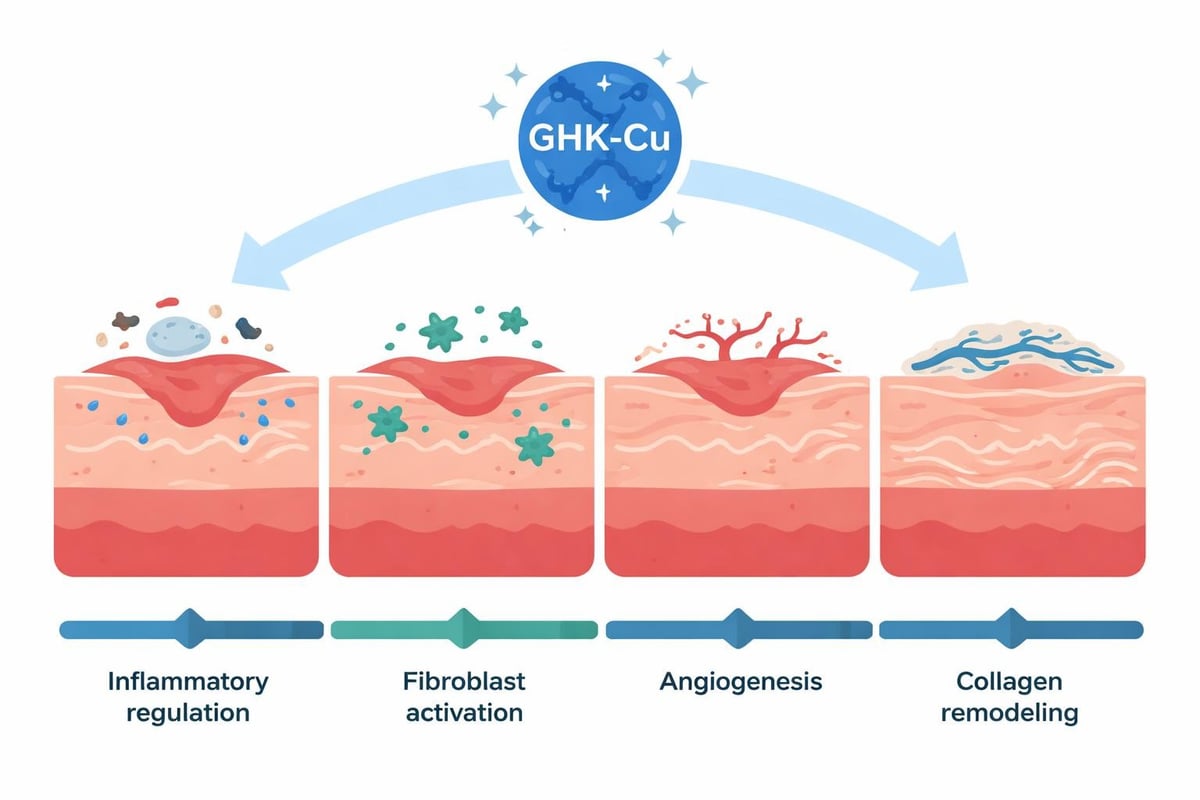
Research indicates that ghk cu application can reduce healing time by 30-40% in various wound types. The peptide promotes several critical aspects of the healing process:
- Inflammatory Phase Optimization: Modulates immune cell recruitment to prevent excessive inflammation
- Proliferative Enhancement: Stimulates fibroblast migration and keratinocyte proliferation
- Remodeling Support: Improves collagen organization and scar quality
- Angiogenic Stimulation: Promotes new blood vessel formation to ensure adequate nutrient delivery
The peptide's influence on metalloproteinases helps clear damaged tissue while preventing excessive degradation of newly formed structures. This balanced approach results in faster healing with improved cosmetic outcomes.
Scar Reduction Properties
One particularly valuable characteristic of ghk cu involves its ability to improve scar appearance and texture. By modulating the wound remodeling phase, the peptide helps organize collagen fibers in patterns that more closely resemble normal skin architecture rather than the disordered structures typical of scar tissue.
Studies have shown that wounds treated with ghk cu formulations develop scars that are less raised, less pigmented, and more flexible than untreated controls. This makes the peptide particularly valuable for post-surgical care and cosmetic procedures.
Hair Growth and Follicle Stimulation
An emerging area of ghk cu research involves its effects on hair follicles and hair growth patterns. Evidence-focused guides on GHK-Cu’s skin benefits have documented its influence on follicle signaling and hair density.
Mechanisms in Hair Follicle Biology
The peptide influences hair growth through several pathways that affect follicle health and cycling. Ghk cu has been shown to enlarge hair follicles, prolong the anagen (growth) phase, and improve follicle anchoring in the dermis.
Hair growth benefits include:
- Increased follicle size leading to thicker hair shafts
- Extended growth phase duration
- Improved blood supply to follicular units
- Enhanced stem cell activity in the follicle bulge region
- Reduction of inflammatory signals that can trigger premature shedding
Clinical observations suggest that ghk cu may be particularly effective for individuals experiencing age-related hair thinning rather than pattern baldness driven primarily by hormonal factors. The peptide appears to address the structural and metabolic changes in aging follicles.
Optimal Usage Protocols and Dosing
Understanding proper application methods and dosing strategies maximizes ghk cu effectiveness while maintaining safety. Detailed information on GHK-Cu’s pharmacokinetics provides insights into absorption patterns and optimal concentrations.
Topical Application Guidelines
For cosmetic applications, ghk cu is typically formulated at concentrations ranging from 0.5% to 3%, with 1-2% being most common in commercial products. Higher concentrations do not necessarily produce proportionally better results and may increase the risk of copper-related skin discoloration in sensitive individuals.
Application frequency typically follows this pattern:
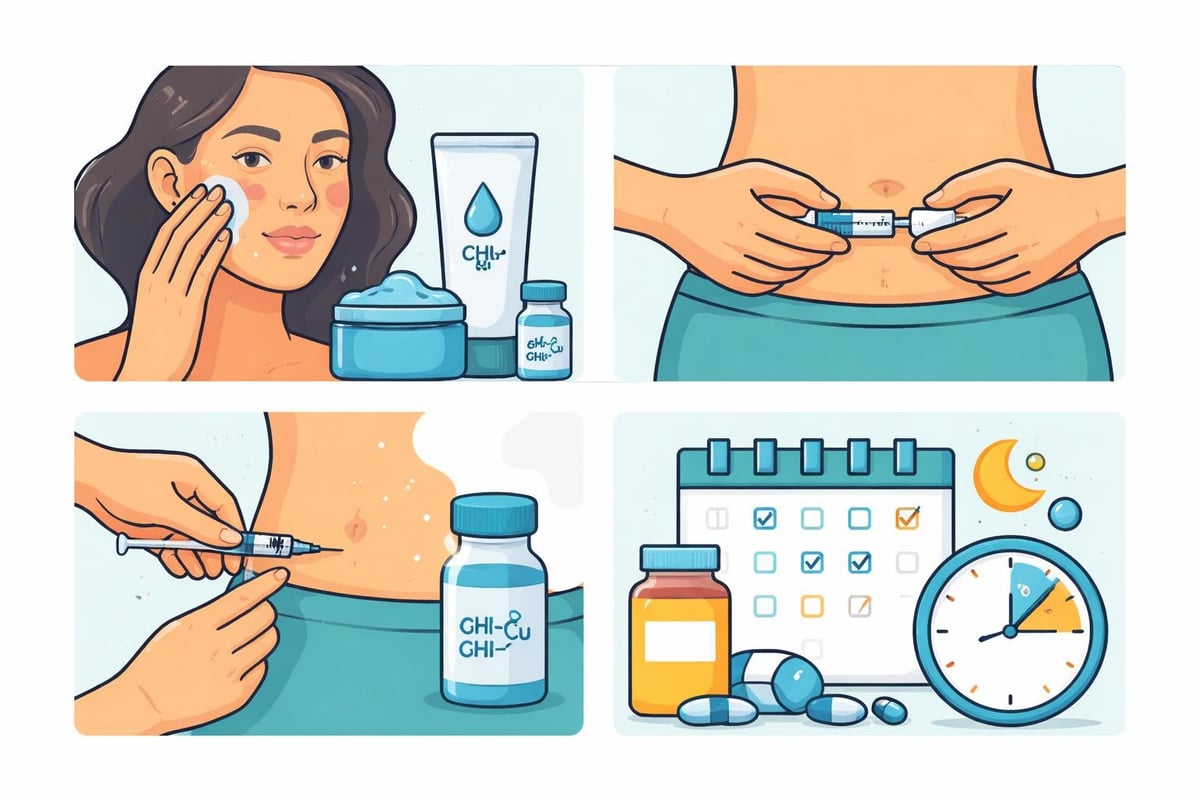
- Initial Phase (Weeks 1-4): Twice daily application to clean skin
- Maintenance Phase (Week 5+): Once daily or every other day application
- Treatment Cycles: Some protocols recommend 12-week cycles followed by 2-week breaks
The peptide penetrates most effectively when applied to slightly damp skin after cleansing. Many users combine ghk cu with other peptides like Epitalon to address multiple aspects of aging simultaneously.
Injectable and Subcutaneous Applications
While less common for cosmetic purposes, subcutaneous administration of ghk cu has been studied for wound healing and systemic anti-aging effects. Research protocols have used doses ranging from 0.5mg to 2mg daily, administered via subcutaneous injection.
Injectable applications require careful consideration of copper accumulation and should only be undertaken under medical supervision. The systemic approach may offer advantages for widespread tissue effects but comes with different safety considerations compared to topical use.
Safety Profile and Adverse Effects
The safety record of ghk cu has been extensively evaluated across multiple clinical trials. Analysis of GHK-Cu’s safety profile presents data on adverse event frequencies from various trials.
Common Side Effects and Management
When used topically at recommended concentrations, ghk cu demonstrates excellent tolerability with minimal adverse effects. The most commonly reported issues include:
| Side Effect | Frequency | Severity | Management |
|---|---|---|---|
| Mild Irritation | 3-5% | Minimal | Reduce frequency |
| Temporary Redness | 2-4% | Minimal | Subsides within hours |
| Slight Tingling | 5-8% | Minimal | Normal sensation |
| Skin Discoloration | <1% | Mild | Discontinue use |
Serious adverse effects are extremely rare in topical applications. The peptide has been used safely in clinical settings for over two decades without significant safety concerns emerging.
Contraindications and Precautions
Certain populations should exercise caution or avoid ghk cu usage. Individuals with Wilson's disease or other copper metabolism disorders should not use this peptide due to the copper component. Pregnant or nursing women should consult healthcare providers before use, as peptide safety data in these populations remains limited.
People taking copper-chelating medications should discuss potential interactions with their physician, as ghk cu could theoretically interfere with treatment efficacy. Those with a history of copper sensitivity or reactions to copper-containing compounds should perform patch testing before widespread application.
Synergistic Combinations and Enhanced Protocols
Many practitioners and researchers have explored combining ghk cu with complementary peptides and compounds to enhance overall outcomes. The peptide's mechanisms complement those of several other therapeutic agents.
Peptide Combinations
Stacking ghk cu with other regenerative peptides can address multiple aging pathways simultaneously. Popular combinations include:
GHK-Cu + Growth Hormone Secretagogues: This pairing addresses both structural regeneration and metabolic optimization. While ghk cu rebuilds collagen matrices, compounds like those available at Soma Peptide’s shop can enhance cellular energy and protein synthesis.
GHK-Cu + TB-500: The combination of ghk cu with TB-500 provides comprehensive tissue repair support, with each peptide contributing distinct but complementary mechanisms. TB-500 enhances cell migration and reduces inflammation, while ghk cu focuses on structural protein synthesis.
GHK-Cu + Antioxidant Support: Pairing the peptide with vitamin C, vitamin E, or NAD+ precursors like NAD+ can enhance its antioxidant effects and provide cofactors necessary for optimal enzymatic function.
Skincare Ingredient Synergies
When incorporated into comprehensive skincare routines, ghk cu works particularly well alongside certain ingredients. Hyaluronic acid provides hydration that allows better peptide penetration, while retinoids and ghk cu together address aging through different cellular pathways. However, some practitioners recommend alternating application times to prevent potential interactions.
Alpha hydroxy acids can enhance ghk cu absorption by gently exfoliating the stratum corneum, but should be used cautiously to avoid irritation. Many successful protocols apply AHAs in the evening and ghk cu in the morning to maximize benefits while minimizing sensitivity.
Research Applications and Future Directions
The scientific community continues to explore new applications for ghk cu beyond its established uses. Comprehensive guides on GHK-Cu’s molecular profile provide foundational understanding of ongoing research directions.
Emerging Research Areas
Current investigations are examining ghk cu's potential in several novel applications:
- Neuroprotection: Preliminary studies suggest possible protective effects against oxidative damage in neural tissues
- Bone Healing: Research into the peptide's influence on osteoblast activity and bone remodeling
- Systemic Anti-Aging: Studies exploring broader longevity effects beyond skin and wound healing
- Athletic Recovery: Investigation of ghk cu's role in exercise-induced tissue damage repair
These emerging areas remain in early research stages, but initial findings have generated interest in the peptide's potential beyond traditional applications.
Gene Expression Modulation
One of the most fascinating aspects of ghk cu involves its influence on gene expression patterns. Research has identified over 4,000 genes whose expression is modulated by this peptide, with effects including activation of genes associated with tissue repair and suppression of genes linked to inflammation and fibrosis.
This broad influence on genetic activity suggests that ghk cu functions as a master regulator of cellular aging processes, potentially explaining its diverse beneficial effects across multiple tissue types and biological systems.
Quality Considerations and Product Selection
Not all ghk cu products offer equivalent quality or effectiveness. Understanding key quality markers helps consumers make informed decisions when selecting formulations.
Purity and Formulation Standards
High-quality ghk cu products should meet several criteria:
- Peptide Purity: Minimum 98% purity verified by third-party testing
- Copper Complex Stability: Properly stabilized copper-peptide bonds
- pH Optimization: Formulated at pH levels supporting peptide stability (typically 5.5-6.5)
- Preservation System: Appropriate preservatives preventing bacterial contamination without degrading the peptide
Premium suppliers implement advanced purification methods and stringent quality control standards to ensure product consistency and efficacy. Companies like Soma Peptide prioritize these quality measures to deliver reliable formulations.
Storage and Stability
Ghk cu stability depends significantly on storage conditions. The peptide remains most stable when:
- Stored at refrigerated temperatures (2-8°C) for long-term preservation
- Protected from direct light exposure
- Kept in airtight containers to prevent oxidation
- Used within recommended timeframes after reconstitution
Properly stored ghk cu maintains potency for 6-12 months in lyophilized form and 30-60 days after reconstitution, depending on specific formulation characteristics. Discoloration or unusual odors indicate degradation and warrant product replacement.
Comparative Analysis with Other Anti-Aging Peptides
Understanding how ghk cu compares to other popular peptides helps contextualize its role in comprehensive anti-aging protocols. Each peptide class offers distinct advantages for specific applications.
GHK-Cu vs. Other Copper Peptides
While ghk cu is the most studied copper peptide, other copper-binding peptides exist. GHK-Cu distinguishes itself through extensive clinical validation, superior tissue penetration, and broader biological effects. Its three-amino-acid structure provides optimal size for cellular uptake while maintaining stability.
Positioning in Comprehensive Peptide Protocols
Ghk cu excels in structural regeneration and antioxidant support, making it complementary rather than competitive with metabolic peptides. Those interested in comprehensive approaches might explore customer experiences documented in reviews to understand how different peptides work together.
For individuals focused on weight management, peptides like Semaglutide or Tirzepatide address metabolic pathways, while ghk cu supports tissue health during weight loss to maintain skin elasticity and minimize sagging.
Practical Implementation Strategies
Successfully incorporating ghk cu into daily routines requires understanding practical application techniques and realistic expectation setting.
Building an Effective Routine
A typical ghk cu protocol follows this structure:
Morning Application:
- Cleanse skin thoroughly with gentle, pH-balanced cleanser
- Apply antioxidant serum if using complementary products
- Apply ghk cu serum to face, neck, and target areas
- Wait 5-10 minutes for absorption
- Follow with moisturizer and sunscreen
Evening Application:
- Remove makeup and cleanse skin
- Apply any exfoliating treatments (on alternate days)
- Apply ghk cu to target areas
- Follow with night cream or occlusive moisturizer
Consistency proves more important than concentration when using ghk cu. Regular application at moderate concentrations typically produces better long-term results than sporadic use of high-concentration formulations.
Tracking Progress and Results
Documenting progress helps maintain motivation and adjust protocols as needed. Effective tracking methods include:
- Weekly photographs under consistent lighting conditions
- Monthly skin texture assessments using tactile feedback
- Quarterly professional skin analysis if available
- Journaling subjective observations about skin feel and appearance
Most users notice initial improvements in skin hydration and radiance within 2-3 weeks, with structural changes becoming apparent after 6-8 weeks of consistent use. Maximal benefits typically manifest after 12-16 weeks of regular application.
GHK-Cu represents a scientifically validated approach to skin regeneration and tissue repair, with decades of research supporting its efficacy and safety. Whether you're addressing visible signs of aging, supporting wound healing, or optimizing overall skin health, this copper peptide offers multiple pathways to meaningful improvements. For those ready to experience the regenerative benefits of premium-quality peptides backed by rigorous quality standards, Soma Peptide provides access to pharmaceutical-grade formulations designed to deliver consistent, reliable results for your health and wellness goals.