


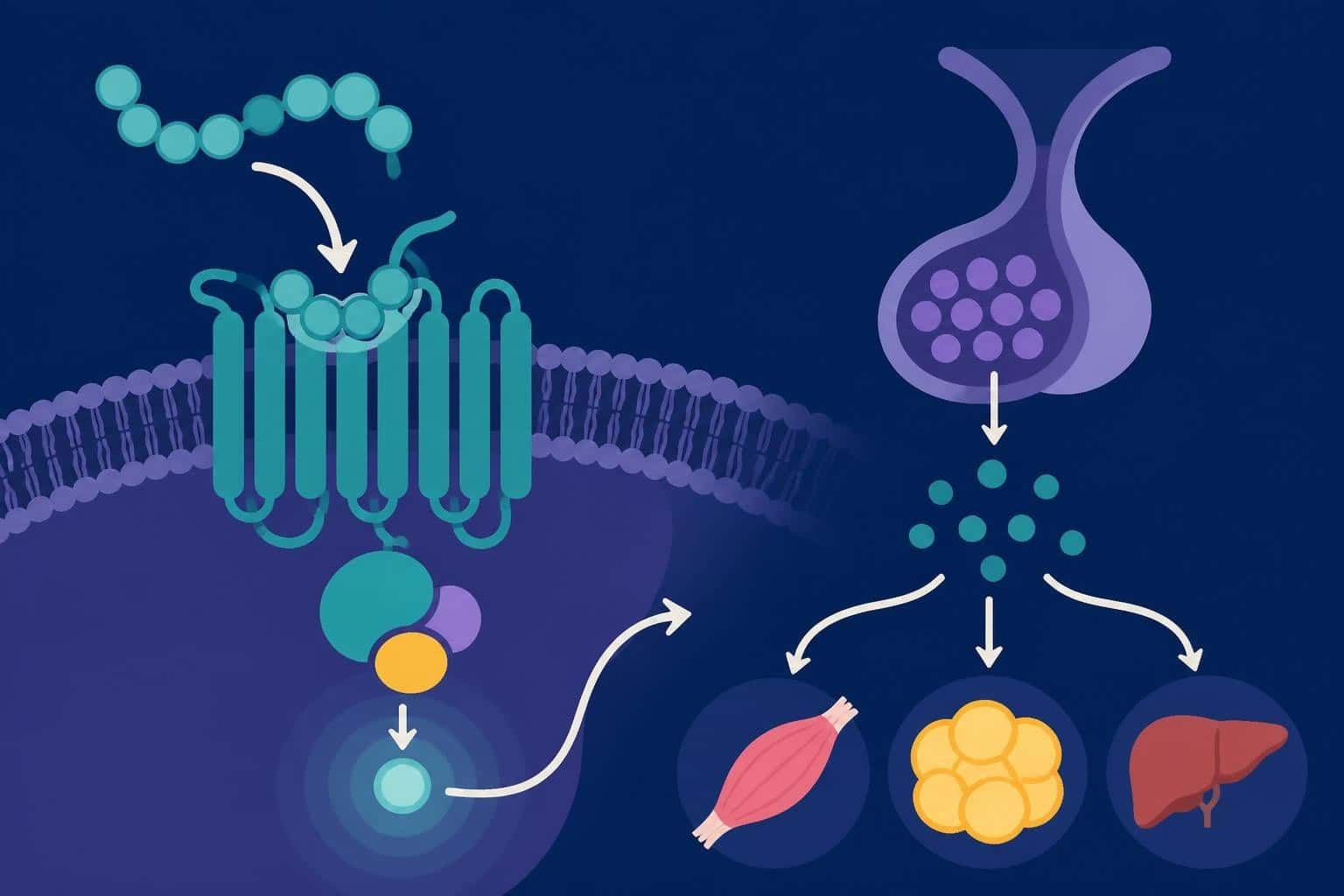
Growth hormone-releasing peptides have revolutionized the understanding of how targeted amino acid sequences can influence physiological processes. Among these compounds, GHRP-6 peptide stands out as one of the earliest and most extensively studied synthetic hexapeptides designed to stimulate growth hormone (GH) secretion. Originally developed in the 1980s, this peptide has become a cornerstone in research exploring GH modulation, metabolic function, and tissue repair. Its ability to selectively bind to ghrelin receptors has opened new pathways for understanding how peptide-based interventions can support various aspects of human health and performance.
Understanding GHRP-6 Peptide Structure and Function
GHRP-6 peptide consists of six amino acids arranged in a specific sequence that enables it to interact with the growth hormone secretagogue receptor (GHS-R), also known as the ghrelin receptor. This synthetic compound mimics the action of ghrelin, often called the "hunger hormone," which plays multiple roles beyond appetite regulation.
The molecular structure of GHRP-6 allows it to cross biological barriers more efficiently than larger proteins. Its sequence is His-D-Trp-Ala-Trp-D-Phe-Lys-NH2, with the D-amino acids providing enhanced stability against enzymatic degradation. This design feature ensures prolonged activity within the body after administration.
Receptor Binding and Signaling Pathways
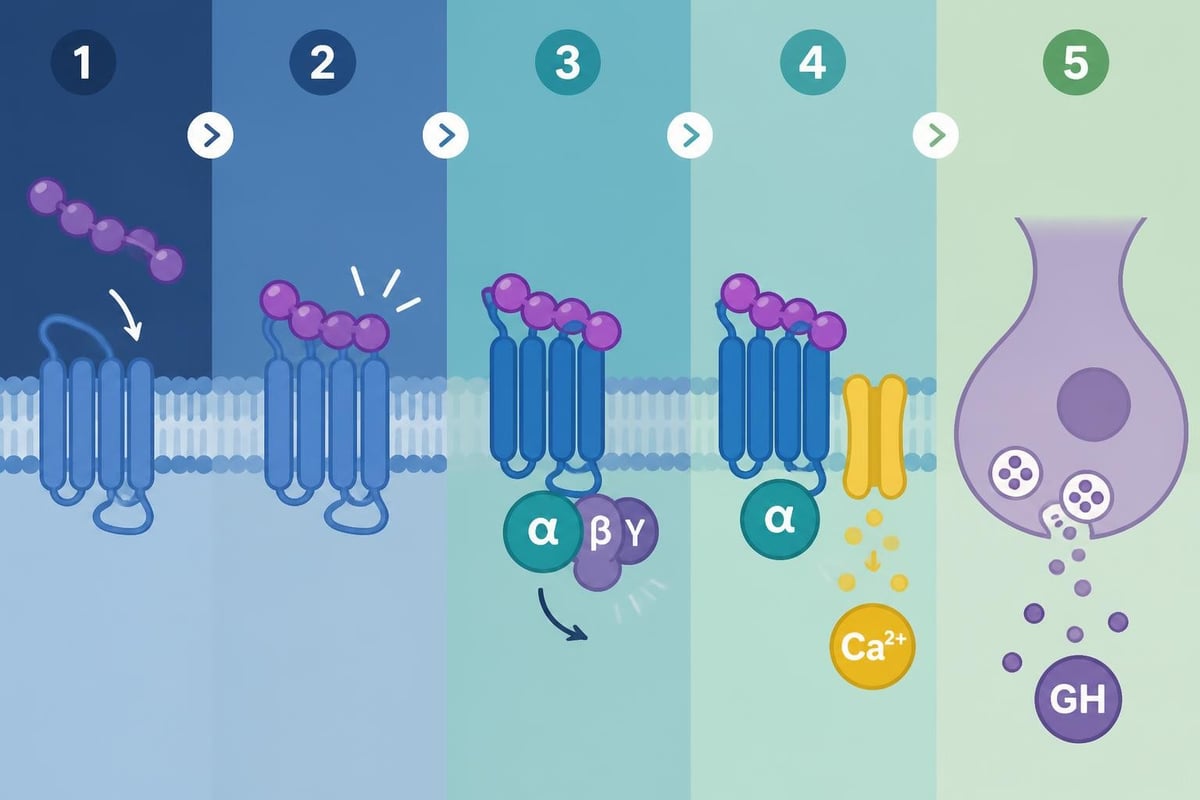
When GHRP-6 peptide binds to GHS-R1a receptors located primarily on somatotroph cells in the anterior pituitary gland, it triggers a cascade of intracellular signaling events. Research has documented how this binding activates phospholipase C, leading to increased intracellular calcium levels and subsequent growth hormone release.
The receptor activation follows these key steps:
- Receptor Recognition: GHRP-6 approaches and docks with the GHS-R1a receptor
- Conformational Change: The receptor undergoes structural modification
- G-Protein Activation: Intracellular signaling proteins are recruited
- Calcium Mobilization: Calcium ions flood into the cell
- GH Release: Secretory granules fuse with cell membranes, releasing growth hormone into circulation
Unlike growth hormone-releasing hormone (GHRH), which works through different receptors, GHRP-6 peptide operates through a complementary pathway. This distinction matters because combining GHRP-6 with GHRH analogs can produce synergistic effects, with total GH output exceeding the sum of individual responses.
Growth Hormone Secretion Patterns and Pulsatility
One of the most significant characteristics of GHRP-6 peptide is its ability to induce pulsatile growth hormone release that closely resembles natural physiological patterns. The body normally releases GH in discrete pulses throughout the day, with the largest surges occurring during deep sleep.
Studies examining GHRP-6’s pharmacodynamics have shown that administered doses trigger GH peaks within 30 to 60 minutes, followed by a gradual return to baseline over several hours. This pulsatile pattern is crucial because continuous, non-pulsatile GH exposure can lead to receptor desensitization.
| Time Point | GH Level Response | Physiological Effect |
|---|---|---|
| 0-15 min | Baseline to Early Rise | Initial receptor activation |
| 15-30 min | Rapid Increase | Peak receptor occupancy |
| 30-60 min | Maximum Peak | Highest GH concentration |
| 60-120 min | Gradual Decline | Receptor clearance |
| 120-240 min | Return to Baseline | System reset |
The magnitude of GH response varies based on several factors including age, body composition, nutritional status, and time of day. Younger individuals typically show more robust responses, while obesity and insulin resistance can blunt the GH-releasing effect.
Dose-Dependent Responses
GHRP-6 peptide demonstrates dose-dependent effects on growth hormone secretion. Research protocols have explored various dosing ranges, with most studies utilizing amounts between 1 mcg/kg and 2 mcg/kg of body weight. Higher doses generally produce greater GH peaks, though there appears to be a ceiling effect where additional increases yield diminishing returns.
The timing of administration significantly influences outcomes. Taking GHRP-6 on an empty stomach optimizes absorption and receptor availability. Consuming food, particularly carbohydrates and fats, shortly before administration can reduce effectiveness because elevated glucose and fatty acids suppress GH secretion through negative feedback mechanisms.
Metabolic Effects and Body Composition
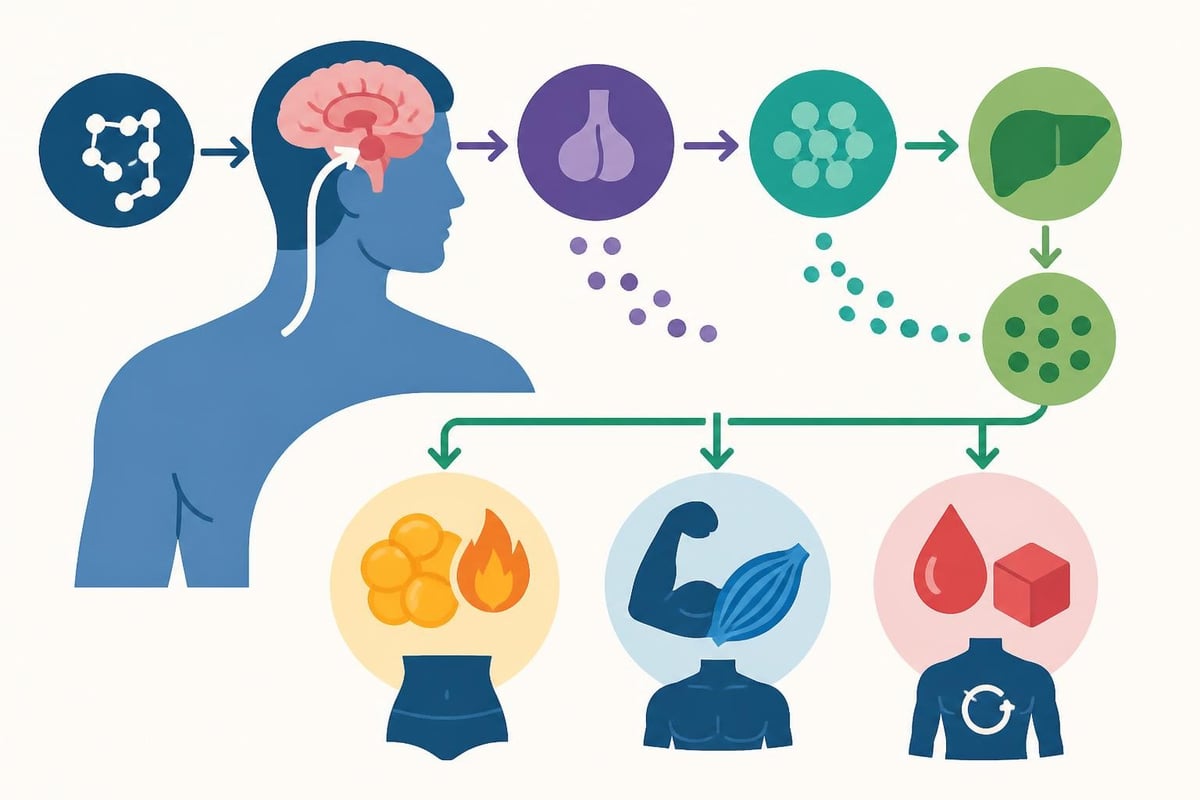
Beyond stimulating growth hormone release, GHRP-6 peptide influences multiple metabolic pathways that affect energy utilization, nutrient partitioning, and tissue development. The downstream effects of increased GH levels create a cascade of metabolic changes mediated primarily through insulin-like growth factor 1 (IGF-1) production in the liver.
Key metabolic effects include:
- Enhanced lipolysis: Growth hormone activates hormone-sensitive lipase, breaking down stored triglycerides into free fatty acids for energy
- Improved protein synthesis: Increased amino acid uptake and incorporation into muscle tissue
- Glucose metabolism shifts: Reduced glucose uptake in muscle while preserving it for the brain
- Nitrogen retention: Better preservation of lean body mass during caloric restriction
Research has shown that GHRP-6’s influence on metabolism extends beyond simple GH elevation. The peptide also exhibits ghrelin-like properties, including appetite stimulation through hypothalamic pathways. This dual action distinguishes it from some other growth hormone secretagogues.
Impact on Lean Muscle Mass
The anabolic environment created by GHRP-6 peptide supports muscle tissue development through multiple mechanisms. Elevated GH and IGF-1 levels promote satellite cell activation, the specialized cells responsible for muscle repair and growth following exercise-induced damage.
IGF-1 specifically enhances:
- Muscle fiber hypertrophy (increase in fiber size)
- Myonuclear addition (incorporation of new nuclei for protein synthesis capacity)
- Improved nutrient delivery through enhanced capillary density
- Reduced muscle protein breakdown during catabolic states
When combined with resistance training and adequate protein intake, the growth hormone elevation from GHRP-6 can create favorable conditions for muscle development. However, the peptide itself does not build muscle directly; rather, it optimizes the hormonal environment for training adaptations to occur.
Recovery Enhancement and Tissue Repair
One area where GHRP-6 peptide has attracted considerable research interest is its potential to support recovery from physical stress and tissue damage. Growth hormone and IGF-1 play essential roles in healing processes, influencing collagen synthesis, immune function, and cellular regeneration.
The recovery benefits manifest through several biological pathways. Increased GH levels stimulate fibroblast proliferation and collagen deposition at injury sites. This enhanced collagen production supports connective tissue integrity in tendons, ligaments, and joint structures. Meanwhile, research into GHRP-6’s effects has documented improved wound healing metrics in various experimental models.
For those focused on recovery from intense training, GHRP-6 peptide may offer support through mechanisms including reduced inflammation markers, enhanced glycogen replenishment, and improved sleep quality. The GH pulses it induces during evening administration can augment the natural nocturnal GH surge, potentially deepening restorative sleep stages.
Companies specializing in peptide therapies recognize the importance of recovery optimization. Soma Peptide provides access to various compounds designed to support tissue repair and healing, with stringent quality control ensuring product purity and efficacy.
Sleep Quality and Nocturnal Recovery
Sleep represents a critical window for recovery processes, and growth hormone plays a pivotal role in these restorative functions. GHRP-6 peptide administered before bedtime can enhance the natural GH pulse that occurs during slow-wave sleep, potentially amplifying recovery benefits.
| Recovery Marker | GH Influence | GHRP-6 Effect |
|---|---|---|
| Deep Sleep Duration | Promotes slow-wave stages | May extend restorative phases |
| Protein Synthesis | Peaks during sleep | Enhanced through elevated GH/IGF-1 |
| Tissue Repair | Accelerated during rest | Supported by collagen stimulation |
| Immune Function | Strengthened overnight | Improved through GH-mediated pathways |
The relationship between GH and sleep operates bidirectionally. While sleep triggers GH release, GH itself influences sleep architecture. This creates a positive feedback loop where GHRP-6 administration may improve both GH output and sleep quality simultaneously.
Appetite Modulation and Nutritional Considerations
A distinctive characteristic of GHRP-6 peptide is its significant impact on appetite regulation. Unlike some other growth hormone secretagogues, GHRP-6 produces notable hunger stimulation through its ghrelin-mimetic properties. This effect results from activation of the same receptors that natural ghrelin uses to signal hunger to the hypothalamus.
Clinical observations of GHRP-6 have documented increased food intake following administration, with effects most pronounced during the 30 to 90-minute window after dosing. For individuals seeking to increase caloric intake, such as those recovering from illness or trying to build muscle mass, this appetite stimulation can be beneficial.
Nutritional timing strategies include:
- Pre-meal administration: Leveraging appetite stimulation to increase food consumption
- Empty stomach dosing: Optimizing GH response before the appetite effect triggers eating
- Strategic feeding windows: Consuming nutrient-dense meals when hunger peaks
- Macronutrient selection: Prioritizing protein during elevated appetite phases
Conversely, those using GHRP-6 peptide primarily for fat loss must carefully manage this hunger response. Planning meals in advance, focusing on high-satiety foods, and understanding the temporal pattern of appetite stimulation helps maintain dietary adherence while benefiting from the peptide's metabolic effects.
Safety Profile and Considerations
The safety profile of GHRP-6 peptide has been evaluated across numerous research studies spanning several decades. Comprehensive reviews of GHRP-6 research indicate that the compound is generally well-tolerated when used at appropriate dosages and frequencies.
Common experiences reported in research contexts include:
- Mild water retention due to increased aldosterone and cortisol secretion
- Temporary increases in hunger and appetite
- Possible tingling sensations or numbness in extremities
- Slight elevations in prolactin levels
- Transient changes in blood glucose regulation
Most of these effects are mild and resolve without intervention. The peptide does not appear to cause the severe side effects associated with supraphysiological doses of synthetic growth hormone, primarily because it works through natural GH pulsatility rather than constant elevation.

Contraindications and Precautions
Certain populations should exercise caution or avoid GHRP-6 peptide entirely. Individuals with active cancer should not use growth hormone secretagogues, as GH and IGF-1 can potentially accelerate cell division in existing tumors. Those with diabetic retinopathy face similar concerns due to IGF-1's effects on retinal blood vessel growth.
Pregnancy and lactation represent periods when GHRP-6 use is not recommended due to insufficient safety data in these populations. Additionally, anyone with a history of pituitary tumors or acromegaly should avoid compounds that stimulate GH secretion.
Protocol Design and Administration Strategies
Effective use of GHRP-6 peptide requires thoughtful protocol design that accounts for dosing, timing, frequency, and individual response variations. Research examining optimal protocols has identified several key principles that maximize benefits while minimizing unwanted effects.
Frequency considerations:
- Daily single dose: Simple approach, typically before bed
- Twice daily: Morning and evening to match natural GH pulses
- Three times daily: Maximum frequency, often used in research settings
- Cycling patterns: Alternating periods of use and rest to prevent receptor desensitization
The administration route significantly impacts pharmacokinetics and effectiveness. Subcutaneous injection remains the most common and well-studied method, offering reliable absorption and predictable timing of effects. Injection sites should be rotated to prevent lipodystrophy or localized reactions.
Combining GHRP-6 with Other Compounds
Many protocols incorporate GHRP-6 peptide alongside complementary compounds to achieve synergistic effects. Combining it with a GHRH analog like CJC-1295 creates a powerful dual-pathway stimulation of growth hormone release. While GHRP-6 works through ghrelin receptors, GHRH analogs activate separate receptors, and their combined use can produce GH elevations greater than either compound alone.
| Combination Strategy | Mechanism | Potential Benefit |
|---|---|---|
| GHRP-6 + GHRH Analog | Dual receptor activation | Enhanced GH pulse amplitude |
| GHRP-6 + Recovery Peptide | GH release + direct tissue repair | Comprehensive recovery support |
| GHRP-6 + Metabolic Support | GH optimization + cellular energy | Improved body composition outcomes |
When designing combination protocols, understanding the distinct mechanisms of each compound prevents redundancy and optimizes the hormonal environment for specific goals. Research into various peptide applications continues to reveal new synergistic possibilities.
Quality Standards and Sourcing Considerations
The effectiveness and safety of any peptide therapy depends fundamentally on product quality. GHRP-6 peptide, like all synthetic peptides, requires sophisticated manufacturing processes to ensure correct amino acid sequencing, appropriate purity levels, and absence of contaminants.
Critical quality markers include:
- Purity percentage: High-quality products typically exceed 98% purity
- Peptide content: Actual amount of active compound versus filler materials
- Sterility testing: Verification of absence of bacterial or fungal contamination
- Endotoxin levels: Measurement of bacterial byproducts that can cause adverse reactions
- Heavy metal screening: Detection of potentially toxic elements
Advanced analytical techniques such as high-performance liquid chromatography (HPLC) and mass spectrometry verify peptide identity and purity. Reputable suppliers provide certificates of analysis (COAs) from third-party laboratories documenting these quality parameters.
Proper Handling and Storage
Maintaining GHRP-6 peptide stability requires appropriate storage conditions. Lyophilized (freeze-dried) powder remains stable for extended periods when stored at refrigerated temperatures, typically retaining potency for 12 to 24 months when properly sealed and protected from light.
Once reconstituted with bacteriostatic water, the peptide solution has a shorter shelf life. Refrigeration at 2-8°C (36-46°F) is essential, and the solution should typically be used within 30 days for optimal potency. Freezing reconstituted peptides is generally discouraged as freeze-thaw cycles can damage the molecular structure.
Research Applications and Future Directions
The scientific exploration of GHRP-6 peptide continues to expand beyond its original development as a growth hormone secretagogue. Contemporary research examines applications ranging from age-related muscle loss to cardiac protection, revealing the peptide's diverse biological activities.
Emerging research areas include:
- Neuroprotection: Potential benefits for brain health through GH/IGF-1 pathways
- Bone density: Effects on osteoblast activity and mineralization
- Immune modulation: Influence on thymic function and immune cell populations
- Gastroprotection: Direct protective effects on stomach lining independent of GH release
- Cardiovascular function: Potential improvements in cardiac output and vascular health
The gastroprotective properties of GHRP-6 deserve particular attention as they appear to operate through mechanisms separate from growth hormone stimulation. This suggests the peptide may offer benefits beyond those attributable solely to GH elevation.
Comparative Analysis with Other GH Secretagogues
GHRP-6 represents one member of a larger family of growth hormone-releasing peptides. Understanding how it compares to related compounds helps inform selection decisions based on specific goals and tolerance profiles.
Compared to GHRP-2, GHRP-6 peptide produces stronger appetite stimulation but potentially slightly lower GH peaks. Ipamorelin, a newer secretagogue, offers more selective ghrelin receptor activation with minimal appetite or cortisol effects but may produce smaller GH elevations than GHRP-6. Hexarelin demonstrates the strongest GH-releasing potency but also shows greater desensitization with chronic use.
Each peptide occupies a distinct niche, with GHRP-6 offering a balance of robust GH stimulation, well-characterized safety profile, and decades of research backing. Its appetite-stimulating properties make it particularly suitable for individuals who need to increase food intake alongside their recovery or muscle-building efforts.
GHRP-6 peptide stands as a well-researched compound with multiple mechanisms supporting growth hormone optimization, metabolic function, and recovery processes. When used thoughtfully with attention to dosing, timing, and quality sourcing, it offers a targeted approach to enhancing the body's natural hormonal patterns. Whether you're exploring peptide therapies for the first time or seeking to optimize an existing protocol, Soma Peptide provides premium-quality compounds backed by rigorous testing and purity standards to support your health and performance goals.