



Glutamine peptides represent a significant advancement in nutritional supplementation, offering enhanced bioavailability and stability compared to free-form glutamine. These specialized compounds combine glutamine with other amino acids to create dipeptides and polypeptides that deliver targeted benefits for athletes, clinical patients, and individuals focused on optimal health. Understanding the science behind glutamine peptides reveals why they have become essential components in both medical nutrition and sports performance protocols.
The Science Behind Glutamine Peptides
Glutamine peptides differ fundamentally from standard glutamine supplements through their molecular structure and delivery mechanism. While free-form glutamine exists as a single amino acid, peptides bond glutamine to other amino acids, creating stable compounds that resist degradation during processing and digestion.
Chemical Structure and Stability
The peptide bond formation significantly improves glutamine stability in solution, addressing one of the primary limitations of free-form glutamine. Research on glutamine dipeptides in clinical nutrition demonstrates how these compounds maintain integrity in liquid formulations, making them ideal for enteral nutrition applications where shelf stability is critical.
Key structural advantages include:
- Enhanced solubility in aqueous solutions
- Resistance to heat degradation during manufacturing
- Protection from rapid metabolism in the gastrointestinal tract
- Improved compatibility with other nutrients in formulations

Absorption and Bioavailability
The human intestine contains specialized transport mechanisms for peptides that differ from free amino acid carriers. This distinct absorption pathway allows glutamine peptides to bypass competition with other amino acids, potentially leading to more efficient uptake. The dipeptide and tripeptide transporters in the intestinal epithelium actively shuttle these compounds into circulation, where they can be utilized by target tissues.
| Comparison Factor | Free Glutamine | Glutamine Peptides |
|---|---|---|
| Solution Stability | Poor | Excellent |
| Heat Tolerance | Low | High |
| Absorption Pathway | Amino Acid Transporters | Peptide Transporters |
| Competition for Uptake | High | Low |
| Clinical Application | Limited | Extensive |
Clinical Applications and Medical Research
Medical professionals have increasingly recognized the therapeutic potential of glutamine peptides across diverse clinical scenarios. The applications extend from intensive care nutrition to supporting patients with compromised digestive function.
Enteral Nutrition Support
Clinical evidence for enteral nutritional support with glutamine highlights its role in maintaining intestinal barrier function and supporting immune response in critically ill patients. Glutamine peptides offer particular advantages in this context because they remain stable in liquid feeding formulas that must be stored and delivered over extended periods.
Hospital nutrition protocols increasingly incorporate glutamine peptides for patients recovering from surgery, managing inflammatory bowel conditions, or experiencing chemotherapy-related intestinal damage. The peptides support enterocyte proliferation and maintain tight junction integrity, both critical for preventing bacterial translocation and systemic inflammation.
- Pre-operative nutritional optimization protocols
- Post-surgical recovery feeding regimens
- Cancer patient supportive nutrition
- Inflammatory bowel disease management
- Critical care metabolic support
Intestinal Barrier Protection
Recent advances in understanding glutamine peptides’ role in intestinal barrier protection have revealed multiple mechanisms through which these compounds maintain gut integrity. The peptides serve as preferred fuel sources for enterocytes, the cells lining the intestinal wall, while simultaneously providing substrate for glutathione synthesis, the body's master antioxidant.
Mechanisms of gut protection:
- Direct fuel provision for enterocyte metabolism
- Upregulation of tight junction proteins
- Enhancement of mucin production
- Support for immune cell function in gut-associated lymphoid tissue
- Reduction of oxidative stress in intestinal epithelium
Sports Performance and Athletic Recovery
Athletes and fitness enthusiasts represent a growing demographic utilizing glutamine peptides for performance enhancement and recovery optimization. The physiological demands of intense training create substantial glutamine requirements that may exceed dietary intake and endogenous production.
Muscle Preservation and Growth
Glutamine comprises approximately 60% of the free amino acid pool in skeletal muscle, making it critically important for muscle protein synthesis and preventing catabolism during periods of metabolic stress. Research on glutamine-derived peptides in sports nutrition demonstrates their effectiveness in maintaining positive nitrogen balance and supporting anabolic processes.
The peptide form offers distinct advantages for athletes who require rapid nutrient delivery around training windows. The enhanced absorption characteristics mean glutamine reaches muscle tissue more efficiently, potentially improving recovery kinetics and reducing the duration of post-exercise muscle soreness.

Immune System Support
Intense training suppresses immune function temporarily, creating a window of vulnerability to infections. Glutamine serves as primary fuel for lymphocytes and other immune cells, and maintaining adequate glutamine availability supports optimal immune response even during heavy training periods.
| Training Phase | Glutamine Demand | Supplementation Benefit |
|---|---|---|
| Base Building | Moderate | Immune support |
| High Volume | High | Recovery enhancement |
| Competition Taper | Lower | Maintaining readiness |
| Off-Season | Moderate | General wellness |
Athletes incorporating glutamine peptides into their nutrition protocols report fewer upper respiratory tract infections and improved training consistency. Similar to compounds like BPC-157, which supports tissue repair, glutamine peptides contribute to comprehensive recovery strategies.
Preparation Methods and Quality Considerations
The manufacturing process significantly impacts glutamine peptide quality, bioavailability, and therapeutic effectiveness. Advanced production techniques ensure proper peptide bond formation while maintaining amino acid integrity.
Enzymatic and Chemical Synthesis
Two primary methodologies exist for creating glutamine peptides: enzymatic synthesis using proteolytic enzymes, and chemical synthesis employing protective groups to control bond formation. Enzymatic methods often produce more natural peptide profiles with fewer by-products, though chemical synthesis allows precise control over dipeptide composition.
Production quality factors:
- Source amino acid purity
- Synthesis environment control
- Purification methodology
- Stability testing protocols
- Contamination screening
The physiological functions described in comprehensive reviews of glutamine peptide preparation and analysis underscore the importance of manufacturing excellence. Companies like Soma Peptide employ rigorous quality control measures to ensure each batch meets stringent purity standards, similar to the processes used for other premium peptides in their recovery category.
Analytical Verification
Modern analytical techniques verify peptide identity, purity, and potency throughout the manufacturing process. High-performance liquid chromatography (HPLC), mass spectrometry, and amino acid analysis provide comprehensive characterization of the final product.
- Raw material qualification and testing
- In-process monitoring during synthesis
- Final product purity verification
- Stability testing under various conditions
- Microbiological screening for contaminants
Dosing Strategies and Administration
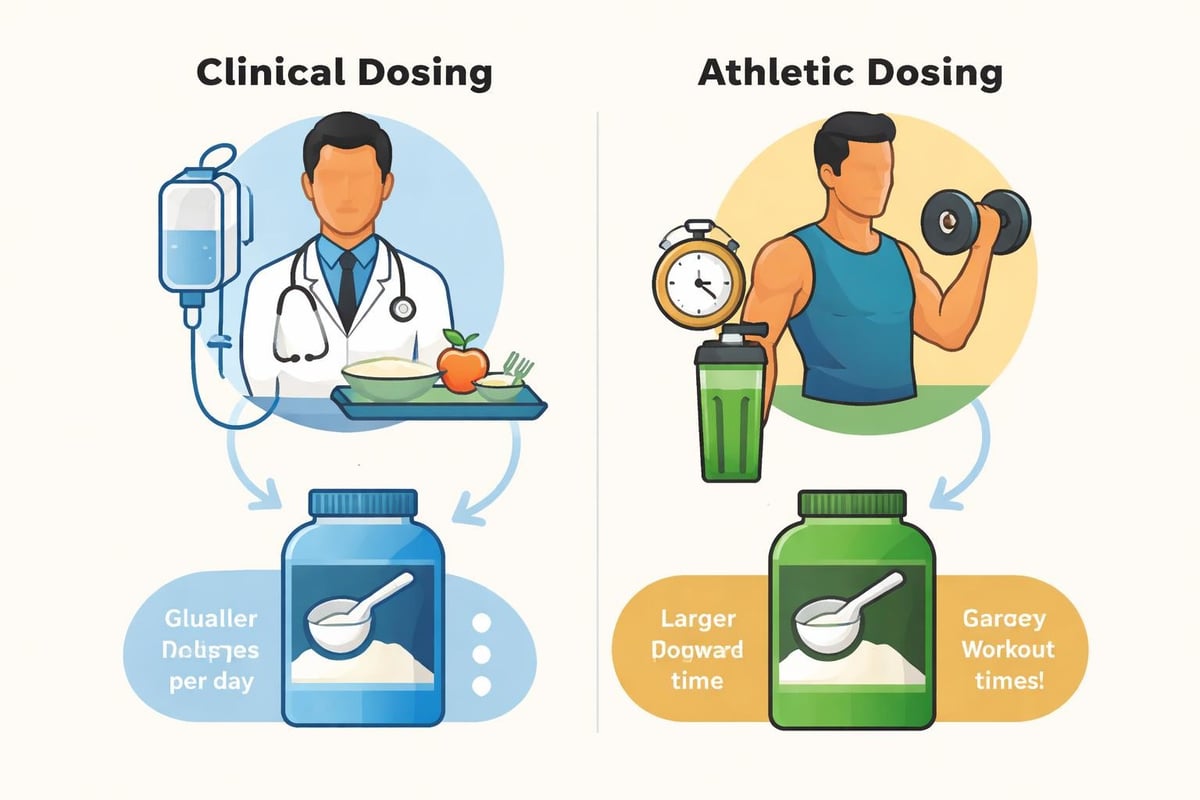
Optimal glutamine peptide dosing varies based on application, individual characteristics, and specific health or performance goals. Clinical protocols differ substantially from athletic supplementation approaches, though both rely on understanding absorption kinetics and tissue requirements.
Clinical Dosing Protocols
Medical applications typically employ higher doses integrated into complete nutritional formulations. Enteral feeding formulas may contain 15-30 grams of glutamine equivalents per day, delivered continuously or in divided doses to match metabolic requirements. The Medical Subject Headings entry for glutamine provides context for understanding its biological roles that inform dosing decisions.
Critically ill patients may receive glutamine peptides as part of comprehensive metabolic support aimed at preventing muscle wasting, supporting immune function, and maintaining intestinal integrity during periods when oral intake is impossible or inadequate.
Athletic Supplementation Approaches
Athletes typically consume 5-15 grams of glutamine peptides daily, often divided between post-workout and before-bed doses to optimize recovery and overnight muscle protein synthesis. Timing considerations align with the metabolic demands of training and the body's circadian rhythm of protein turnover.
Optimal timing windows:
- Immediately post-workout (combined with other recovery nutrients)
- Before bed (supporting overnight recovery)
- Upon waking (breaking the overnight fast)
- During extended endurance events (maintaining plasma glutamine)
Many athletes combine glutamine peptides with other recovery-focused supplements from providers specializing in premium quality peptides, creating comprehensive protocols that address multiple aspects of adaptation and repair.
Comparing Glutamine Forms
Understanding the distinctions between various glutamine delivery systems helps consumers and practitioners select the most appropriate form for specific applications. Each format offers unique advantages and potential limitations.
Free-Form Glutamine Versus Peptides
Free-form L-glutamine remains widely available and cost-effective, making it suitable for general supplementation when stability and rapid absorption are less critical. However, its instability in solution and susceptibility to degradation limit its utility in medical nutrition and certain athletic applications.
| Feature | Free Glutamine | Glutamine Peptides |
|---|---|---|
| Cost | Lower | Higher |
| Stability | Poor in solution | Excellent |
| Absorption Speed | Moderate | Enhanced |
| Clinical Utility | Limited | Extensive |
| Manufacturing Complexity | Simple | Advanced |
Glutamine peptides justify their premium pricing through superior performance characteristics, particularly in demanding applications requiring consistent delivery and maximum bioavailability. The additional processing and quality control measures ensure reliable therapeutic outcomes.
Integration with Other Peptide Therapies
Progressive health optimization protocols often combine multiple peptide therapies to achieve synergistic benefits. Glutamine peptides complement other specialized compounds targeting specific physiological systems. For instance, individuals using anti-aging peptides may incorporate glutamine peptides to support cellular health and tissue regeneration at the foundational level.
The comprehensive approach to peptide therapy recognizes that optimal health results from addressing multiple biological pathways simultaneously rather than focusing narrowly on single mechanisms. Similar to how marine peptides offer unique benefits for skin and connective tissue, glutamine peptides provide foundational support for gut health and metabolic function.
Safety Profile and Considerations
Glutamine peptides demonstrate excellent safety profiles across diverse populations when used appropriately. Decades of clinical use and extensive research have established clear guidelines for safe implementation.
Contraindications and Precautions
While generally well-tolerated, certain conditions warrant modified approaches or medical supervision when using glutamine peptides. Individuals with severe liver disease may require adjusted dosing due to altered ammonia metabolism, as glutamine serves as an ammonia carrier in certain metabolic pathways.
Populations requiring special consideration:
- Advanced liver cirrhosis patients
- Individuals with rare metabolic disorders affecting glutamine metabolism
- Those taking medications that interact with amino acid metabolism
- Patients with kidney disease requiring modified protein intake
Healthcare providers should evaluate individual circumstances before recommending therapeutic glutamine peptide doses, particularly in clinical populations with complex medical histories. The encyclopedia entry on glutamine provides additional context for understanding its physiological effects and potential side effects.
Interaction Considerations
Glutamine peptides generally integrate well with other nutritional supplements and medications. However, practitioners should consider total protein and amino acid intake when designing comprehensive supplementation protocols to avoid exceeding optimal ranges for nitrogen balance and kidney function.
Athletes combining multiple supplements should account for glutamine content across all products to prevent unintended overconsumption. Working with qualified professionals ensures protocols remain within safe and effective ranges while achieving desired outcomes.
Future Research Directions
The expanding understanding of glutamine peptide biochemistry continues revealing novel applications and optimization strategies. Current research trajectories promise even more targeted and effective therapeutic approaches.
Targeted Delivery Systems
Emerging technologies explore encapsulation methods and targeted delivery systems that could further enhance glutamine peptide bioavailability and tissue-specific uptake. Nanoparticle carriers, liposomal formulations, and pH-sensitive coatings represent potential innovations that may improve therapeutic outcomes.
Research institutions worldwide investigate how structural modifications to peptide chains might enhance stability, absorption, or specific biological activities. These investigations may yield next-generation compounds with superior performance characteristics for particular applications.
Personalized Nutrition Applications
The intersection of nutrigenomics and peptide therapy suggests future protocols may incorporate genetic testing to identify individuals who would benefit most from glutamine peptide supplementation. Polymorphisms affecting glutamine synthesis, metabolism, or utilization could guide personalized dosing recommendations.
- Genetic screening for glutamine metabolism variants
- Biomarker-guided dosing adjustments
- Microbiome analysis for gut health optimization
- Performance phenotyping in athletic populations
- Disease-specific protocol development
Practical Implementation Strategies
Successfully incorporating glutamine peptides into health optimization or clinical protocols requires thoughtful planning and consistent execution. Both individual users and healthcare practitioners benefit from structured implementation approaches.
Building Effective Protocols
Starting with moderate doses and gradually increasing based on response allows individuals to assess tolerance and optimize benefits. Tracking relevant metrics such as recovery markers, digestive comfort, immune resilience, or clinical parameters provides objective feedback for protocol refinement.
Protocol development steps:
- Establish baseline measurements and goals
- Select appropriate glutamine peptide products from verified sources
- Determine initial dosing based on application and body weight
- Monitor response and adjust as needed
- Integrate with complementary interventions for synergistic benefits
Quality sourcing remains paramount, as peptide purity and manufacturing standards directly impact therapeutic outcomes. Selecting suppliers with transparent testing protocols and consistent quality ensures reliable results over time.
Monitoring and Adjusting
Regular assessment of progress toward health or performance goals allows data-driven protocol modifications. Athletes might track training volume tolerance, recovery speed, or illness frequency, while clinical populations monitor disease-specific markers and quality of life indicators.
The iterative process of implementation, assessment, and refinement leads to increasingly personalized and effective glutamine peptide utilization. This approach mirrors best practices across peptide therapy more broadly, where individual response variability necessitates customized protocols rather than one-size-fits-all recommendations.
Glutamine peptides offer scientifically supported benefits across clinical, athletic, and general health applications through their superior stability, bioavailability, and therapeutic effectiveness. Whether supporting recovery from illness, enhancing athletic performance, or optimizing gut health, these specialized compounds provide advantages over traditional glutamine supplementation. Soma Peptide delivers premium quality glutamine peptides and comprehensive peptide solutions, manufactured with rigorous quality control to ensure maximum purity and effectiveness for your health optimization goals.