


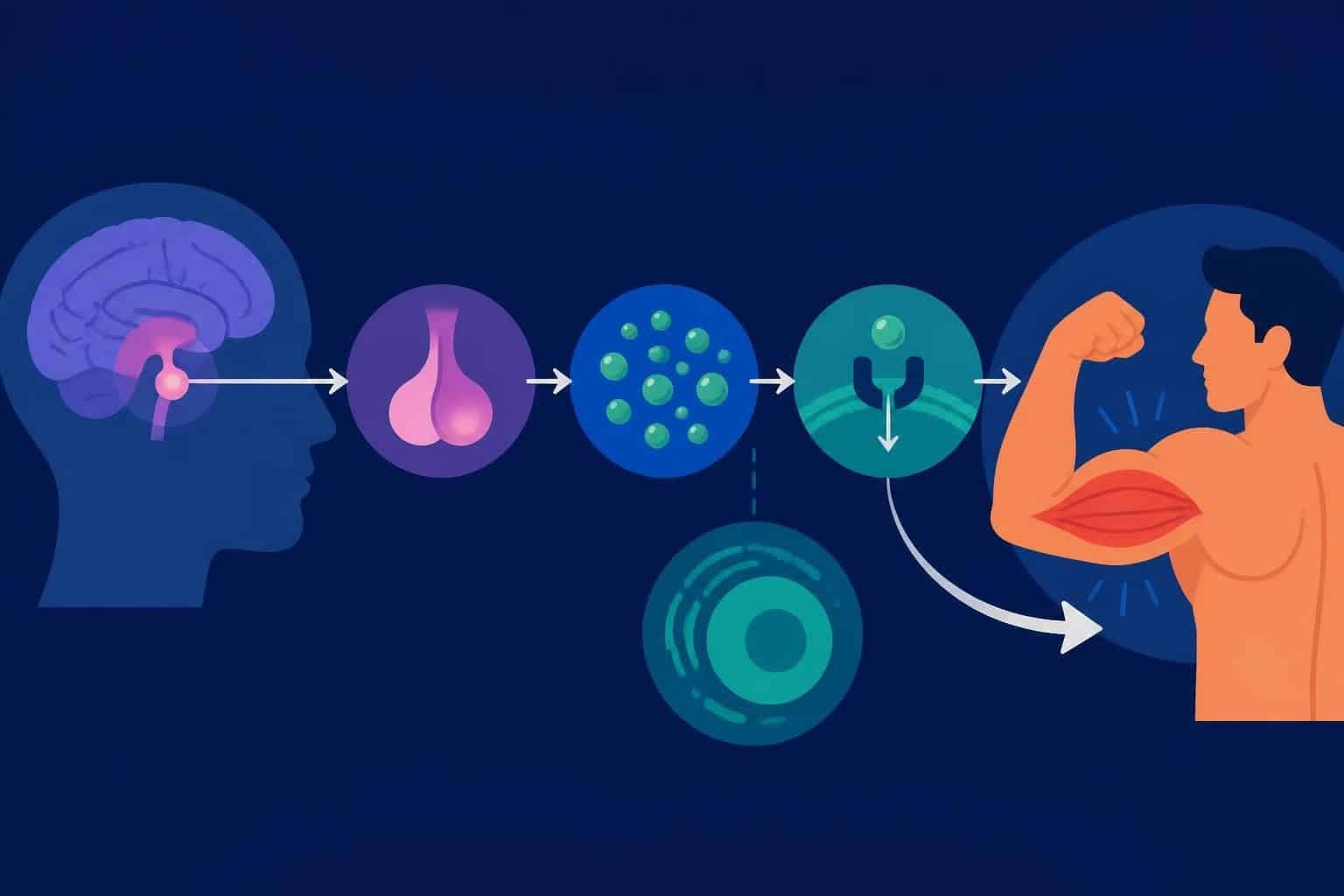
The relationship between human growth hormone and therapeutic peptides has become a focal point in modern wellness and performance optimization. As more individuals seek evidence-based approaches to support muscle development, recovery, and longevity, understanding the mechanisms and applications of hgh and peptides has never been more critical. These compounds work through distinct yet complementary pathways to influence metabolic function, tissue repair, and overall physiological performance.
Understanding Growth Hormone and Peptide Signaling
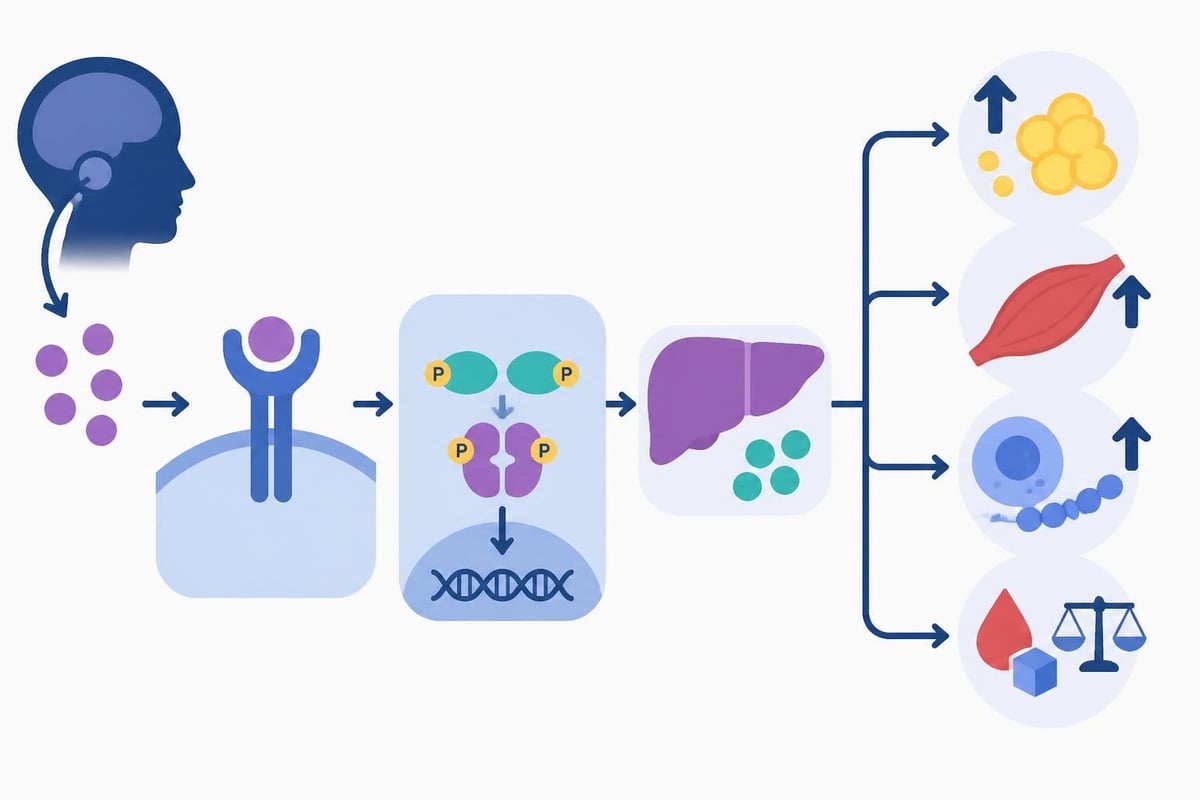
Human growth hormone (HGH) is a 191-amino acid protein secreted by the anterior pituitary gland. It plays a fundamental role in regulating metabolism, cellular growth, and tissue regeneration throughout life. Growth hormone influences protein synthesis, fat metabolism, and glucose regulation through both direct receptor binding and indirect mechanisms mediated by insulin-like growth factor 1 (IGF-1).
Peptides that influence growth hormone represent a diverse category of compounds, each with specific mechanisms of action. Unlike synthetic HGH, which directly replaces endogenous hormone, growth hormone-releasing peptides (GHRPs) and growth hormone-releasing hormone (GHRH) analogs stimulate the body's natural production pathways. This distinction has significant implications for physiological response patterns, regulatory considerations, and practical applications.
The Pituitary-Peptide Connection
The hypothalamic-pituitary axis governs growth hormone secretion through a sophisticated feedback system. Natural GHRH signals the pituitary to release stored growth hormone, while somatostatin inhibits this release. Research into growth hormone-releasing peptides has identified synthetic compounds that can amplify these natural signaling pathways, creating controlled elevations in circulating GH levels.
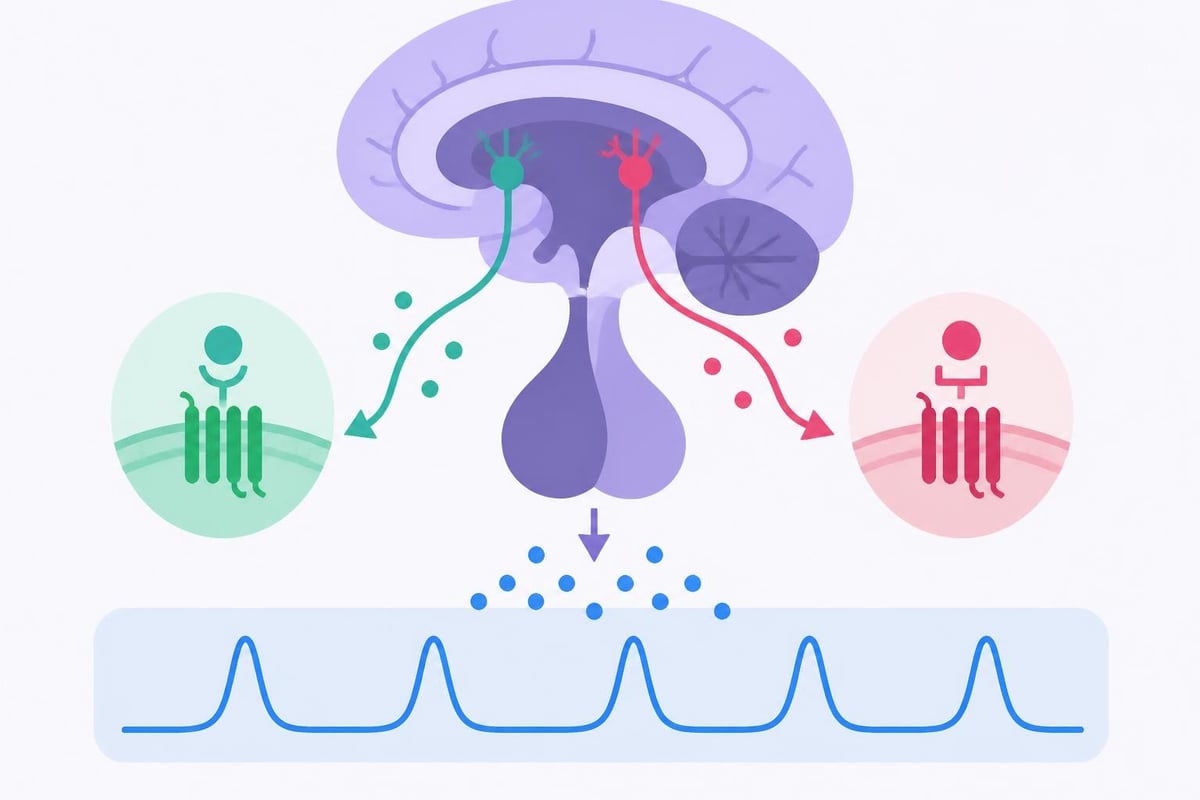
These signaling peptides bind to specific receptors that differ from those targeted by GHRH itself. The ghrelin receptor, also known as the growth hormone secretagogue receptor (GHS-R), responds to certain peptide structures by triggering both growth hormone release and appetite regulation. This dual mechanism explains why hgh and peptides often produce distinct metabolic effects beyond simple hormone elevation.
Categories of Growth Hormone-Influencing Peptides
Understanding the classification system for hgh and peptides helps clarify their diverse applications and mechanisms. These compounds fall into several major categories based on their structural characteristics and receptor interactions.
| Peptide Category | Primary Mechanism | Example Compounds | Half-Life Range |
|---|---|---|---|
| GHRH Analogs | Stimulate pituitary GHRH receptors | CJC-1295, Tesamorelin, Sermorelin | 30 min – 8 days |
| GHRPs | Activate ghrelin receptors | Ipamorelin, Hexarelin, GHRP-2 | 30 min – 2 hours |
| Hybrid Compounds | Dual receptor activation | CJC-1295/Ipamorelin blends | Variable |
| Synthetic HGH | Direct hormone replacement | Somatropin | 2-4 hours |
GHRH Analogs and Their Applications
Growth hormone-releasing hormone analogs represent modified versions of the body's natural 44-amino acid GHRH molecule. Peptide databases document how these modifications enhance stability and extend biological activity beyond that of native GHRH, which has a half-life of only minutes.
Tesamorelin, an FDA-approved GHRH analog, demonstrates this category's therapeutic potential. Originally developed for HIV-associated lipodystrophy, it stimulates physiological GH pulses that promote fat metabolism without the sustained elevation associated with direct hormone administration. When discussing Tesamorelin and similar compounds, it's essential to recognize how their pulsatile stimulation pattern mimics natural circadian rhythms.
CJC-1295 exists in two forms: with and without drug affinity complex (DAC). The DAC-modified version extends half-life to approximately one week through albumin binding, while the No DAC variant maintains activity for several hours. This pharmacokinetic difference influences dosing protocols and the pattern of GH elevation.
Growth Hormone Secretagogues
Growth hormone secretagogues (GHS) operate through ghrelin receptor activation rather than GHRH pathways. This alternative mechanism provides complementary effects when combined with GHRH analogs, explaining the popularity of blended formulations in hgh and peptides protocols.
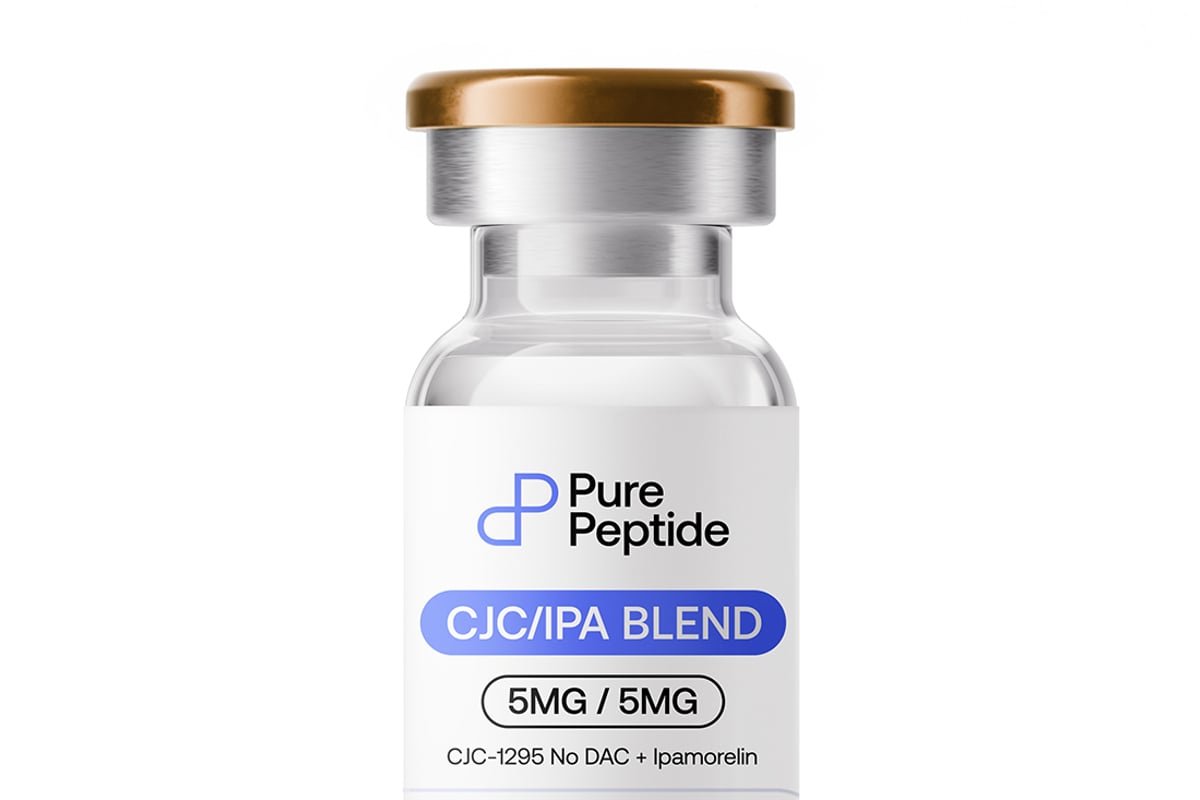
The CJC-1295 (No DAC) and Ipamorelin combination exemplifies synergistic peptide design. By engaging both GHRH receptors and ghrelin receptors simultaneously, this blend creates a more robust GH pulse than either compound alone. The complementary pathways amplify natural release mechanisms while maintaining physiological feedback controls.
Key characteristics of common secretagogues include:
- Ipamorelin: Selective ghrelin receptor agonist with minimal impact on cortisol or prolactin
- GHRP-2: Potent GH release with moderate increases in appetite and cortisol
- GHRP-6: Strong GH stimulation with pronounced appetite enhancement
- Hexarelin: Powerful secretagogue with potential desensitization at sustained doses
Mechanisms Driving Physiological Outcomes
The effects attributed to hgh and peptides extend far beyond simple hormone elevation. Growth hormone influences metabolism through multiple receptor-mediated pathways, creating diverse outcomes across different tissue types.
Direct and IGF-1-Mediated Effects
Growth hormone exerts some effects through direct binding to GH receptors in target tissues, while others occur through IGF-1 produced primarily in the liver. This dual mechanism creates distinct temporal patterns of biological activity.
Direct GH effects typically include:
- Lipolysis and fat mobilization
- Insulin antagonism and glucose regulation
- Acute metabolic shifts
IGF-1-mediated effects generally involve:
- Protein synthesis and muscle anabolism
- Cartilage and bone growth
- Cellular proliferation and tissue repair
Current evidence on peptide HGH suggests these mechanisms work in concert to produce the metabolic, body composition, and recovery benefits associated with optimized GH levels. Understanding this distinction helps explain why peptide-induced GH elevation often produces outcomes different from those seen with direct hormone administration.
Body Composition and Metabolic Impact
One of the most studied applications of hgh and peptides involves body composition modification. Growth hormone promotes lipolysis through hormone-sensitive lipase activation, particularly targeting visceral adipose tissue. Simultaneously, IGF-1 signaling enhances amino acid uptake and protein synthesis in muscle tissue.
This dual mechanism creates a favorable partitioning effect where calories are preferentially directed toward lean tissue maintenance rather than fat storage. Clinical research demonstrates that GHRH analogs can reduce visceral fat accumulation while preserving or increasing lean body mass, even in caloric deficit conditions.
Safety Profiles and Quality Considerations
As interest in hgh and peptides continues expanding, safety and quality assurance have become paramount concerns. The regulatory landscape varies significantly by jurisdiction, and product quality varies widely across suppliers.
Regulatory Status and Legal Framework
The legal status of growth hormone and related peptides depends heavily on intended use and geographic location. Understanding the legal and safety aspects of these compounds requires careful attention to regulatory frameworks.
In the United States, synthetic HGH (somatropin) is a prescription medication approved only for specific medical conditions. Using or distributing HGH for performance enhancement, anti-aging, or off-label purposes violates federal law. Growth hormone-releasing peptides occupy a more complex regulatory space, with some approved for specific conditions while others remain investigational.
Research peptides sold "for laboratory research only" represent a category that exists in regulatory gray areas. These products are not intended for human consumption and lack FDA approval for therapeutic use. Consumers should recognize these distinctions and consult qualified healthcare providers before considering any peptide protocol.
Purity Standards and Testing
The efficacy and safety of hgh and peptides depend fundamentally on manufacturing quality and purity levels. Contaminants, degradation products, and incorrect amino acid sequences can dramatically alter biological activity and safety profiles.
| Quality Indicator | Target Standard | Testing Method | Importance |
|---|---|---|---|
| Peptide Purity | ≥98% | HPLC Analysis | Ensures correct compound concentration |
| Endotoxin Levels | <1.0 EU/mg | LAL Testing | Prevents inflammatory responses |
| Sterility | No growth | USP <71> | Prevents infection from injection |
| Sequence Accuracy | 100% match | Mass Spectrometry | Confirms correct peptide structure |
Advanced purification methods including high-performance liquid chromatography (HPLC) and lyophilization are essential for achieving pharmaceutical-grade quality. Soma Peptide employs rigorous testing protocols and advanced purification techniques to ensure each peptide meets or exceeds these stringent standards, providing customers with compounds that deliver consistent, reliable results.
Third-party testing provides additional verification of quality claims. Certificates of analysis (COAs) should document purity percentages, endotoxin levels, and structural verification through mass spectrometry. Comprehensive peptide research databases emphasize the importance of quality verification in achieving predictable outcomes.
Practical Applications and Protocol Design
Implementing effective hgh and peptides protocols requires understanding dosing strategies, timing considerations, and individual response variability. While specific recommendations should come from qualified healthcare providers, general principles guide protocol development.
Dosing Strategies and Administration
Growth hormone-releasing peptides typically require subcutaneous injection for optimal bioavailability. Oral administration is generally ineffective due to peptide degradation in the digestive system. Proper injection technique and needle selection contribute to both safety and efficacy.
Common dosing patterns include:
- Fasted morning administration: Capitalizes on natural cortisol awakening response
- Pre-workout timing: Supports acute metabolic effects during training
- Pre-sleep dosing: Aligns with natural nocturnal GH pulse
- Multiple daily doses: Maintains more consistent GH elevation
GHRH analogs and secretagogues often show optimal results when administered on an empty stomach, as elevated blood glucose and fatty acids can blunt GH response. Timing doses at least two hours after meals and avoiding food intake for 30-60 minutes post-injection generally maximizes effectiveness.
Cycling and Long-Term Considerations
Unlike direct HGH administration, peptide-based protocols generally maintain receptor sensitivity better over extended periods. However, comparative analyses of HGH versus peptides suggest that even growth hormone secretagogues may benefit from strategic cycling approaches.
Typical cycling strategies involve:
- Continuous protocols: Daily administration for 3-6 months followed by 1-2 month breaks
- Weekday-only approaches: Five days on, two days off to maintain sensitivity
- Pulsed high-dose cycles: Short intensive periods followed by longer rest phases
Individual response varies based on baseline GH status, age, body composition, and metabolic health. Younger individuals with robust natural GH production may see diminished benefits compared to older adults experiencing age-related declines in endogenous hormone levels.
Combining Peptides for Synergistic Effects
The concept of peptide "stacking" involves combining multiple compounds to achieve complementary or synergistic outcomes. While hgh and peptides focused on growth hormone pathways form one category, other peptides target different physiological systems entirely.

Recovery and Tissue Repair Combinations
Pairing growth hormone-influencing peptides with compounds that support tissue healing creates protocols addressing both anabolic signaling and recovery mechanisms. For example, combining a GHRH analog with BPC-157 or TB-500 addresses muscle growth and tissue repair through independent pathways.
BPC-157, a stable gastric peptide, supports healing through mechanisms distinct from growth hormone pathways, including modulation of growth factor expression and nitric oxide systems. When used alongside GH-releasing peptides, this combination may accelerate recovery from training stress or injury while simultaneously supporting lean tissue development.
Metabolic Enhancement Protocols
Some advanced protocols combine hgh and peptides with compounds targeting metabolic efficiency and mitochondrial function. These combinations address energy production, substrate utilization, and cellular resilience through multiple mechanisms.
Metabolic support peptides that complement GH pathways include compounds affecting glucose metabolism, fat oxidation, and mitochondrial biogenesis. These combinations create comprehensive metabolic optimization protocols that extend beyond simple hormone modulation.
Age-Related Considerations and Longevity Applications
Growth hormone levels decline progressively with age, decreasing approximately 14% per decade after peak levels in early adulthood. This age-related decline, termed somatopause, correlates with changes in body composition, muscle mass, bone density, and metabolic function.
Natural GH Decline Patterns
Understanding baseline GH status helps contextualize potential benefits from hgh and peptides interventions. Younger individuals with robust endogenous production may experience different outcomes compared to middle-aged or older adults with diminished natural secretion.
Age-related changes in GH physiology:
- Peak secretion occurs during adolescence and early twenties
- Decline begins around age 30 at approximately 1-2% annually
- Pulse amplitude decreases more than pulse frequency
- Sleep-associated GH peaks become less pronounced
- IGF-1 levels decline in parallel with GH reduction
These patterns suggest that peptide-based strategies for supporting physiological GH levels may offer greater relative benefit as individuals age. Detailed peptide profiles and mechanisms help clarify how these compounds might address age-related hormonal changes.
Anti-Aging and Longevity Research
The relationship between growth hormone, aging, and longevity remains an active research area with nuanced findings. While GH plays essential roles in tissue maintenance and metabolic health, excessive elevation may not universally promote longevity based on animal model studies.
Current evidence suggests that maintaining GH levels within physiological ranges, rather than supraphysiological elevation, aligns best with healthy aging outcomes. Peptide-based approaches that stimulate natural secretion patterns may therefore offer advantages over direct hormone replacement in longevity-focused protocols.
Side Effect Profiles and Risk Management
While generally considered to have favorable safety profiles compared to direct HGH administration, hgh and peptides are not without potential adverse effects. Understanding these risks enables informed decision-making and appropriate monitoring.
Common Adverse Effects
Most side effects associated with growth hormone-releasing peptides are mild and transient. These typically include:
- Injection site reactions: Redness, swelling, or irritation at injection sites
- Water retention: Temporary fluid accumulation, particularly in hands and feet
- Increased hunger: Particularly with ghrelin receptor agonists like GHRP-6
- Headaches: Occasional occurrence, usually resolving within days
- Numbness or tingling: Carpal tunnel-type symptoms from fluid retention
These effects often diminish as the body adapts to therapy or can be managed through dose adjustment. Starting with lower doses and gradually increasing allows assessment of individual tolerance.
Monitoring and Medical Oversight
Responsible use of hgh and peptides includes appropriate medical monitoring and baseline assessment. Key markers to evaluate include:
| Biomarker | Baseline Value | Monitoring Frequency | Clinical Significance |
|---|---|---|---|
| IGF-1 | Individual reference range | Every 3-6 months | Indicates GH axis activity |
| Fasting Glucose | <100 mg/dL | Every 3-6 months | Monitors insulin sensitivity |
| HbA1c | <5.7% | Every 6 months | Long-term glucose control |
| Thyroid Function | Within normal range | Annual | GH can affect thyroid metabolism |
| Lipid Panel | Individual targets | Every 6 months | Tracks metabolic effects |
Working with knowledgeable healthcare providers ensures appropriate monitoring and dose adjustment based on individual response and biomarker changes. This oversight minimizes risks while maximizing potential benefits from hgh and peptides protocols.
Quality Sourcing and Product Selection
The proliferation of peptide suppliers has created significant variability in product quality, pricing, and customer support. Selecting reputable sources requires evaluating multiple factors beyond simple cost considerations.
Evaluating Supplier Credibility
Reliable peptide suppliers demonstrate commitment to quality through transparent practices and verifiable standards. Key indicators of credibility include:
- Publication of third-party testing results and certificates of analysis
- Clear documentation of storage and handling requirements
- Responsive customer support with technical knowledge
- Appropriate disclaimers regarding research-only status
- Secure payment processing and data protection
- Educational resources demonstrating expertise
Comprehensive peptide information resources help consumers understand quality standards and make informed sourcing decisions. Comparing multiple suppliers based on these criteria protects against substandard products that may be ineffective or potentially harmful.
Storage and Handling Best Practices
Maintaining peptide stability requires proper storage conditions from manufacturing through reconstitution and use. Most lyophilized peptides remain stable at room temperature for short periods but benefit from refrigeration or freezing for long-term storage.
Optimal storage guidelines:
- Store lyophilized peptides at 2-8°C (refrigerated) or -20°C (frozen)
- Protect from light exposure using amber vials or foil wrapping
- Reconstitute with bacteriostatic water for multi-dose applications
- Store reconstituted peptides refrigerated at 2-8°C
- Use reconstituted solutions within 14-28 days depending on specific peptide
- Never freeze reconstituted peptides
- Inspect for clarity and particulates before each use
Following these protocols preserves peptide integrity and ensures consistent dosing throughout the product's usable life.
Future Directions in Peptide Research
The field of therapeutic peptides continues evolving rapidly, with new compounds, delivery methods, and applications emerging regularly. Understanding these developments helps contextualize the current state of hgh and peptides while anticipating future innovations.
Next-Generation Compounds
Research into novel growth hormone-releasing peptides focuses on improving selectivity, stability, and convenience. Oral bioavailable formulations represent a significant development goal, potentially eliminating injection requirements. Modified peptide structures with extended half-lives could reduce dosing frequency while maintaining efficacy.
Emerging peptide categories address GH-related pathways through innovative mechanisms. Some compounds target downstream signaling components rather than hormone release itself, potentially offering more precise metabolic effects with reduced systemic impact.
Personalized Peptide Protocols
Advances in genetic testing and metabolic profiling may enable increasingly personalized approaches to hgh and peptides therapy. Individual variations in GH receptor sensitivity, metabolic pathways, and baseline hormone levels could guide optimized protocol design.
Biomarker-driven dosing adjustments, timing optimization based on circadian genetics, and combination protocols tailored to specific goals represent the frontier of personalized peptide medicine. As research progresses and technology improves, these individualized approaches may become standard practice.
Understanding the complex relationship between hgh and peptides empowers individuals to make informed decisions about these powerful compounds. From growth hormone-releasing mechanisms to quality standards and practical applications, the science behind these therapeutic tools continues advancing rapidly. Whether seeking to support body composition goals, enhance recovery, or address age-related changes, working with premium quality peptides from trusted sources makes all the difference. Soma Peptide provides rigorously tested, pharmaceutical-grade peptides backed by advanced purification methods and comprehensive quality control, ensuring you receive compounds that meet the highest standards for safety and efficacy.