

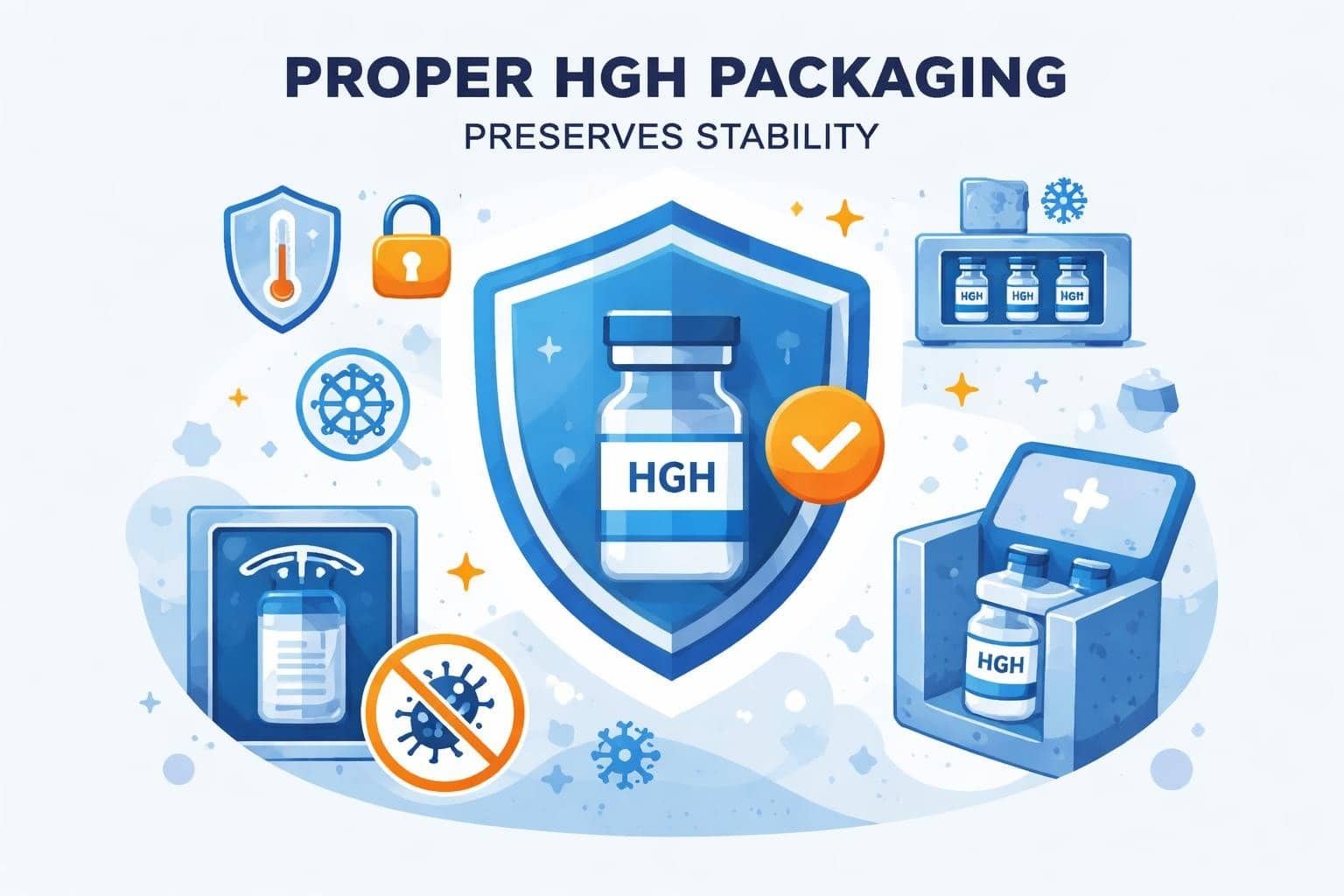
Human growth hormone packaging represents a critical component in maintaining peptide integrity, potency, and therapeutic effectiveness. The proper containment and preservation of these delicate biological compounds requires specialized materials, precise environmental controls, and stringent quality assurance protocols. As the peptide industry continues to expand in 2026, understanding the nuances of hgh packaging becomes essential for manufacturers, distributors, and end users who demand maximum efficacy from their products.
Understanding HGH Packaging Requirements
The packaging of human growth hormone differs significantly from conventional pharmaceutical products due to the molecule's inherent instability and susceptibility to degradation. HGH consists of 191 amino acids arranged in a specific sequence, creating a three-dimensional structure that can be disrupted by temperature fluctuations, light exposure, and moisture.
Proper hgh packaging must address multiple stability challenges simultaneously. The primary concern involves protecting the peptide from oxidation, which occurs when oxygen molecules interact with specific amino acid residues. Secondary considerations include preventing aggregation, where individual HGH molecules clump together and lose biological activity.
Primary Container Systems
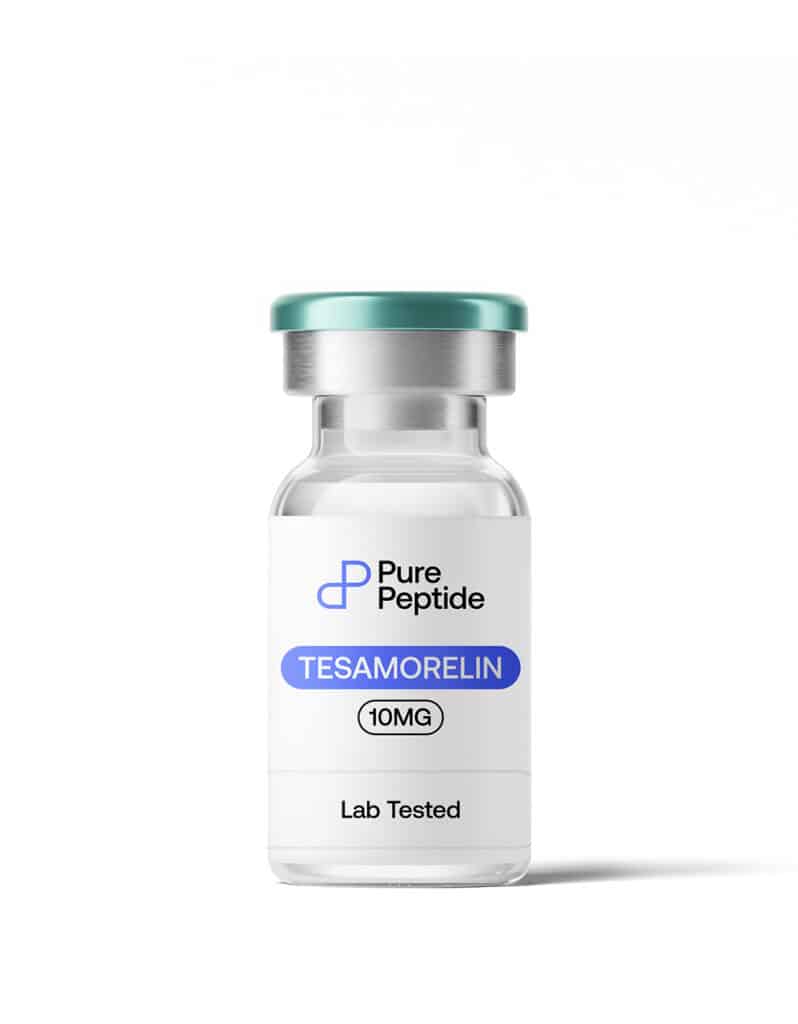
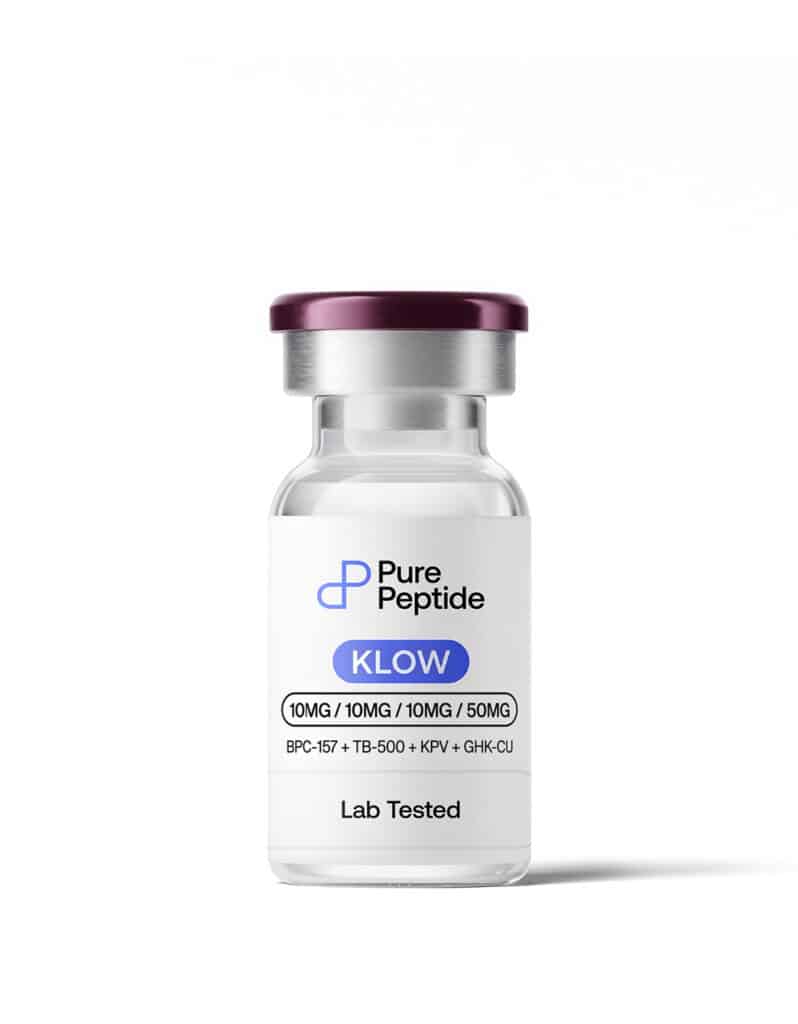
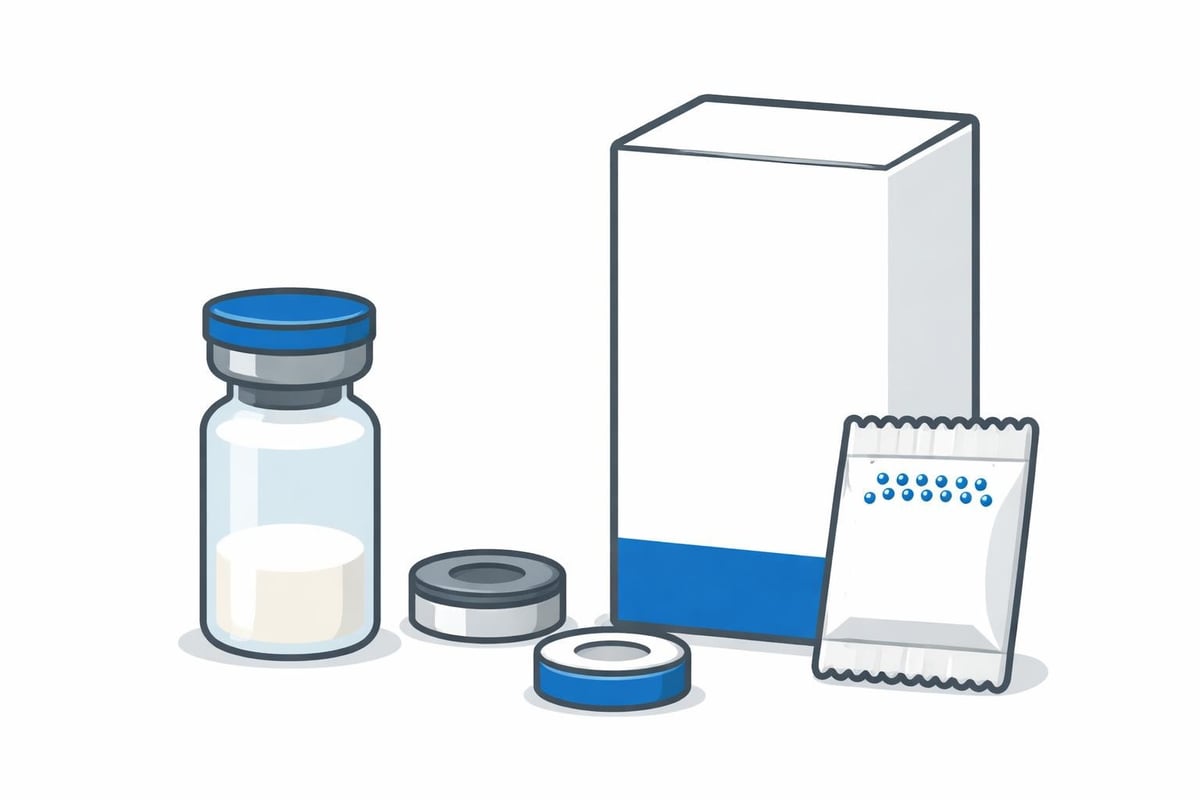
Most manufacturers utilize borosilicate glass vials as the primary container for hgh packaging applications. This material choice stems from several advantageous properties:
- Chemical inertness: Glass does not react with peptide formulations
- Impermeability: Prevents gas exchange that could degrade the product
- Transparency: Allows visual inspection for particulate matter
- Sterilization compatibility: Withstands autoclave temperatures without deformation
The selective packaging of human growth hormone at the cellular level provides insights into how biological systems naturally protect these molecules, informing commercial packaging approaches.
Lyophilization and Packaging Integration
Lyophilization, or freeze-drying, represents the gold standard for hgh packaging stability. This process removes water content from the peptide formulation while maintaining molecular structure, creating a shelf-stable powder that reconstitutes when mixed with bacteriostatic water.
The lyophilization process integrates directly with packaging considerations. Vials must be partially sealed during freeze-drying to allow moisture vapor escape while preventing contamination. Once the process completes, specialized equipment crimps aluminum seals over rubber stoppers to create an airtight closure.
Packaging Material Selection
| Material Component | Function | Quality Specification |
|---|---|---|
| Borosilicate Glass | Primary barrier | Type I pharmaceutical grade |
| Butyl Rubber Stopper | Seal integrity | Low extractables, sterilizable |
| Aluminum Flip-Off Cap | Tamper evidence | Corrosion-resistant coating |
| Desiccant Packets | Moisture control | Food-grade silica gel |
Different suppliers offer varying specifications for human growth hormone packaging, with pharmaceutical-grade options providing the highest purity assurances. These standards ensure that packaging materials do not leach compounds into the peptide solution.
Companies like Soma Peptide prioritize advanced purification methods that work in conjunction with superior packaging to deliver maximum product stability. Their comprehensive peptide offerings demonstrate how proper packaging extends shelf life and maintains efficacy.
Storage Conditions and Temperature Control
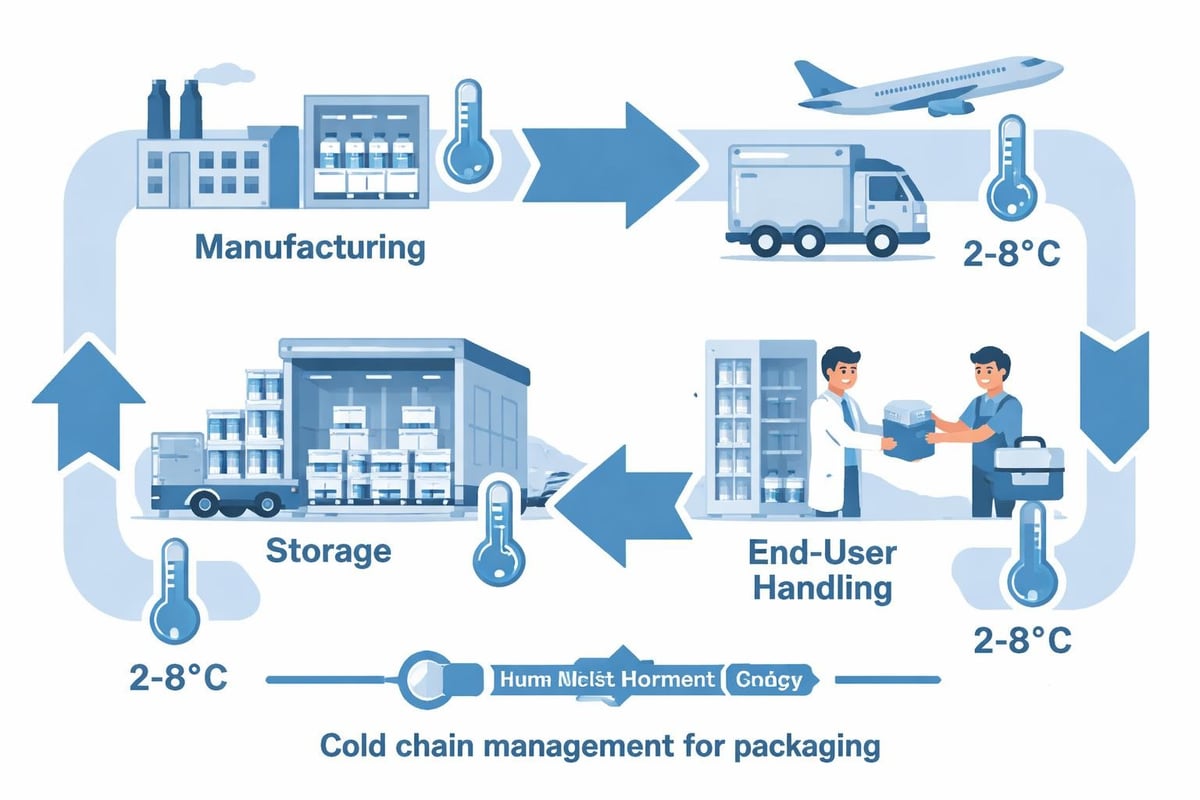
Temperature management within hgh packaging systems directly impacts product longevity and therapeutic potency. Lyophilized HGH typically requires storage between 2°C and 8°C (36°F to 46°F), though some formulations remain stable at room temperature for limited periods.
Packaging must clearly communicate storage requirements through labeling and documentation. Temperature-sensitive indicators increasingly appear on premium hgh packaging to alert users if products have experienced temperature excursions during shipping or storage.
Reconstitution Considerations
Once reconstituted with bacteriostatic water, HGH solutions demonstrate reduced stability compared to lyophilized forms. The packaging should include clear instructions regarding:
- Proper reconstitution technique to minimize agitation and foam formation
- Storage duration limits after mixing (typically 14-28 days refrigerated)
- Visual inspection criteria for detecting contamination or degradation
- Safe disposal methods for used vials and injection materials
Users should also maintain proper injection supplies and sterile preparation materials to prevent contamination during administration.
Regulatory Compliance in HGH Packaging
Regulatory frameworks governing hgh packaging vary across jurisdictions but generally align with pharmaceutical standards. In the United States, the FDA requires compliance with Current Good Manufacturing Practices (cGMP), which specify container closure integrity testing, extractables and leachables studies, and stability protocols.
The European Medicines Agency (EMA) enforces similar requirements through the European Pharmacopoeia, while Health Canada maintains its own standards for therapeutic products. These regulations ensure that packaging materials do not compromise product safety or efficacy.
Quality Control Testing
Manufacturers implement rigorous testing protocols to validate hgh packaging performance:
- Container closure integrity testing: Verifies seal effectiveness using vacuum decay or helium leak detection
- Extractables and leachables analysis: Identifies potential contaminants migrating from packaging materials
- Stability studies: Demonstrates product shelf life under defined storage conditions
- Sterility assurance: Confirms absence of microbial contamination
Research facilities often source high-purity growth hormone preparations with documented packaging specifications for experimental applications. These products typically include comprehensive certificates of analysis detailing purity, potency, and storage stability data.
Labeling Standards and Information Requirements
Effective hgh packaging incorporates comprehensive labeling that communicates essential product information to healthcare providers and end users. The label must balance regulatory compliance with practical usability, presenting critical data in a clear, accessible format.
Mandatory Label Elements
Each hgh packaging unit should display specific information categories:
Product Identification
- Generic and proprietary names
- Concentration and total content
- Lot or batch number
- Expiration date
Storage Instructions
- Temperature requirements
- Light protection needs
- Handling precautions
- Post-reconstitution stability
Safety Information
- Contraindications
- Warnings and precautions
- Adverse reaction potential
- Emergency contact details
The lyophilized growth hormone products available for research purposes demonstrate industry-standard labeling practices that ensure proper handling and storage.
Packaging Innovations for Enhanced Stability
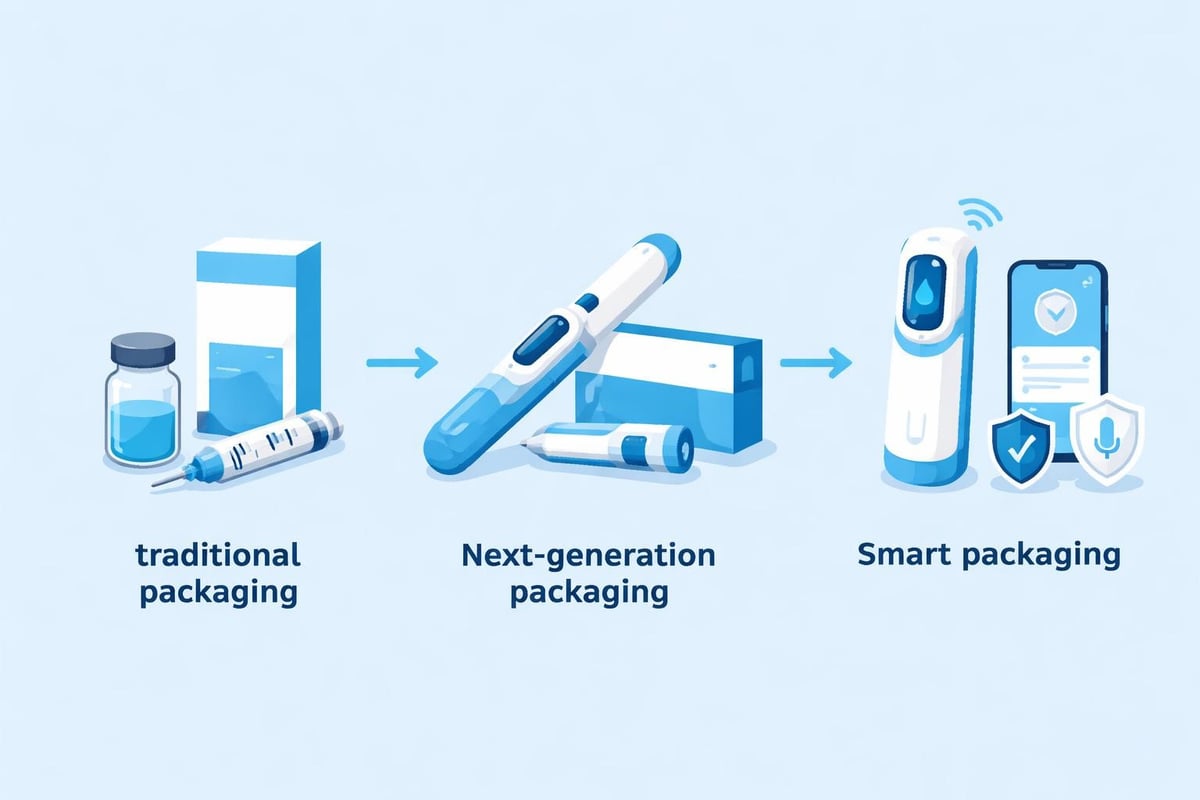
Advances in hgh packaging technology continue to improve product stability and user convenience. Recent innovations focus on reducing degradation pathways while simplifying administration protocols.
Pre-filled Syringe Systems
Some manufacturers now offer HGH in pre-filled syringes, eliminating reconstitution steps and reducing contamination risk. These systems incorporate:
- Dual-chamber designs separating lyophilized powder from diluent
- Spring-loaded mixing mechanisms for gentle reconstitution
- Integrated needles for immediate administration
- Protective packaging preventing light and moisture exposure
This approach particularly benefits patients managing conditions requiring frequent dosing, though traditional vial packaging remains prevalent for research applications.
Smart Packaging Solutions
Digital integration represents an emerging frontier in hgh packaging. Technologies under development include:
- RFID tags for supply chain tracking and authentication
- Temperature logging devices that record storage condition history
- NFC-enabled labels linking to digital product information
- Tamper-evident features using serialization and verification systems
Secondary and Tertiary Packaging Considerations
Beyond the primary container, hgh packaging requires protective secondary and tertiary layers that safeguard products during distribution and storage. These outer packaging components serve both functional and regulatory purposes.
Secondary packaging typically consists of printed cartons that hold individual vials along with package inserts, desiccant packets, and protective cushioning. The carton material must provide:
- Light barrier properties to prevent photodegradation
- Structural integrity to protect glass vials from impact
- Moisture resistance to maintain internal humidity levels
- Printing compatibility for regulatory information and branding
| Packaging Level | Primary Function | Material Examples |
|---|---|---|
| Primary | Direct product contact | Borosilicate glass vials |
| Secondary | Product protection and information | Coated paperboard cartons |
| Tertiary | Distribution and shipping | Corrugated shipping containers |
| Quaternary | Palletization and bulk transport | Stretch wrap, pallet systems |
Tertiary packaging addresses distribution challenges, utilizing corrugated containers with temperature-controlled shipping solutions. Specialty courier services maintain cold chain integrity during transit, employing insulated shipping boxes with gel packs or dry ice.
Counterfeiting Prevention Through Packaging
The high value of growth hormone products makes them attractive targets for counterfeiters. Sophisticated hgh packaging incorporates multiple security features to protect patients and preserve brand integrity.
Authentication Technologies
Modern anti-counterfeiting measures embedded in hgh packaging include:
- Holographic seals that display unique optical patterns
- Microprinting visible only under magnification
- Chemical taggants detectable through specialized scanning
- Blockchain verification linking physical products to digital records
These security layers work synergistically, creating authentication barriers that counterfeiters cannot economically replicate. Healthcare providers and patients should verify packaging integrity before use, examining seals, lot numbers, and manufacturer markings for consistency.
Companies committed to quality, like those offering specialized peptide blends and advanced formulations, invest heavily in packaging security to protect customers from fraudulent products.
Environmental Considerations in Packaging Design
Sustainability concerns increasingly influence hgh packaging design decisions. While maintaining product integrity remains paramount, manufacturers seek opportunities to reduce environmental impact through material selection and waste reduction.
Recyclability and Waste Reduction
Glass vials offer inherent recyclability advantages over plastic alternatives, though recycling programs for pharmaceutical packaging face practical challenges due to contamination concerns. Some initiatives address this through:
- Material minimization reducing packaging components to essential elements
- Recyclable paperboard for secondary packaging replacing plastic materials
- Biodegradable cushioning substituting for synthetic foam protectors
- Take-back programs facilitating proper disposal of used medical products
Balancing environmental responsibility with product protection requirements represents an ongoing challenge in hgh packaging development. Regulatory constraints and sterility requirements limit options compared to general consumer products.
Cost-Benefit Analysis of Premium Packaging
Investing in superior hgh packaging yields significant returns through reduced product loss, enhanced stability, and improved patient outcomes. Organizations must weigh upfront packaging costs against potential savings from extended shelf life and decreased waste.
Premium packaging materials typically increase per-unit costs by 15-30% compared to standard options. However, this investment delivers measurable benefits:
Financial Returns
- Extended shelf life reducing inventory turnover requirements
- Decreased spoilage from temperature excursions
- Lower customer complaint rates and return expenses
- Enhanced brand reputation supporting premium pricing
Clinical Benefits
- Improved therapeutic outcomes from maintained potency
- Reduced adverse events from contamination prevention
- Better patient compliance through user-friendly designs
- Consistent dosing accuracy supporting treatment protocols
Research applications particularly benefit from premium peptide packaging that ensures experimental reproducibility and data validity.
Handling and Storage Best Practices
Even superior hgh packaging cannot compensate for improper handling and storage practices. End users must follow established protocols to maintain product integrity from receipt through administration.
Storage Protocol Checklist
Organizations handling growth hormone products should implement comprehensive storage procedures:
- Designate refrigerated storage spaces exclusively for peptide products
- Monitor and document temperature conditions continuously
- Segregate products by lot number and expiration date
- Implement first-expired-first-out (FEFO) inventory rotation
- Train personnel on proper handling techniques
- Maintain backup refrigeration capacity for emergency situations
- Establish clear protocols for temperature excursion management
The recovery peptides and weight loss formulations available through specialized suppliers typically include detailed storage guidance specific to each product formulation.
Package Insert Documentation
Comprehensive package inserts represent a critical component of complete hgh packaging systems. These documents provide healthcare professionals and patients with essential information supporting safe, effective product use.
Effective package inserts organize information hierarchically, presenting the most critical safety data prominently while maintaining accessibility for detailed technical specifications. Standard sections include:
Required Information Sections
Description: Product composition, mechanism of action, and pharmacological classification
Clinical Pharmacology: Absorption, distribution, metabolism, and elimination characteristics
Indications and Usage: Approved therapeutic applications and patient populations
Dosage and Administration: Reconstitution instructions, dosing guidelines, and administration techniques
Contraindications: Absolute restrictions on product use
Warnings and Precautions: Risk information requiring clinical consideration
Adverse Reactions: Known side effects with frequency data
Drug Interactions: Potential interactions with other medications
Storage and Handling: Environmental requirements and stability information
Package inserts should employ clear language accessible to non-specialist readers while maintaining scientific accuracy. Visual aids, including reconstitution diagrams and administration techniques, enhance comprehension and compliance.
Future Directions in HGH Packaging Technology
Emerging technologies promise to revolutionize hgh packaging over the coming years. Several development areas show particular promise for enhancing product stability, user convenience, and safety.
Nanomaterial Integration
Researchers explore incorporating nanomaterials into packaging systems to actively stabilize peptide formulations. These advanced materials might:
- Scavenge oxygen molecules preventing oxidative degradation
- Regulate moisture levels within sealed containers
- Release stabilizing compounds in response to environmental changes
- Provide real-time monitoring of product condition
Personalized Packaging Solutions
As precision medicine advances, hgh packaging may evolve toward individualized systems supporting personalized dosing regimens. This could include:
- Custom vial sizes matching specific patient protocols
- Integrated dosing calculators accounting for patient parameters
- Smart delivery systems tracking administration schedules
- Connected health integration linking packaging to electronic health records
Companies offering diverse peptide options, including specialized blends and innovative formulations, position themselves to adopt these emerging packaging technologies as they mature.
Understanding the complexities of hgh packaging enables informed decisions that protect product integrity and therapeutic effectiveness. From material selection through storage protocols, each packaging element contributes to maintaining the delicate stability of these powerful peptide compounds. When you're ready to experience peptides packaged with uncompromising quality standards, Soma Peptide delivers premium products supported by advanced purification methods and rigorous quality control, ensuring maximum potency and efficacy for your health and wellness goals.