Cellular health depends on intricate biochemical processes that sustain energy production, DNA repair, and metabolic function. NAD peptide has emerged as a powerful intervention for supporting these fundamental processes, particularly as natural levels decline with age. Understanding the mechanisms behind NAD+ (nicotinamide adenine dinucleotide) and its peptide-based precursors offers valuable insights for those seeking enhanced recovery, longevity, and overall wellness. This article explores the science, benefits, and practical applications of nad peptide supplementation for optimizing cellular function in 2026.
Understanding NAD Peptide and Cellular Function
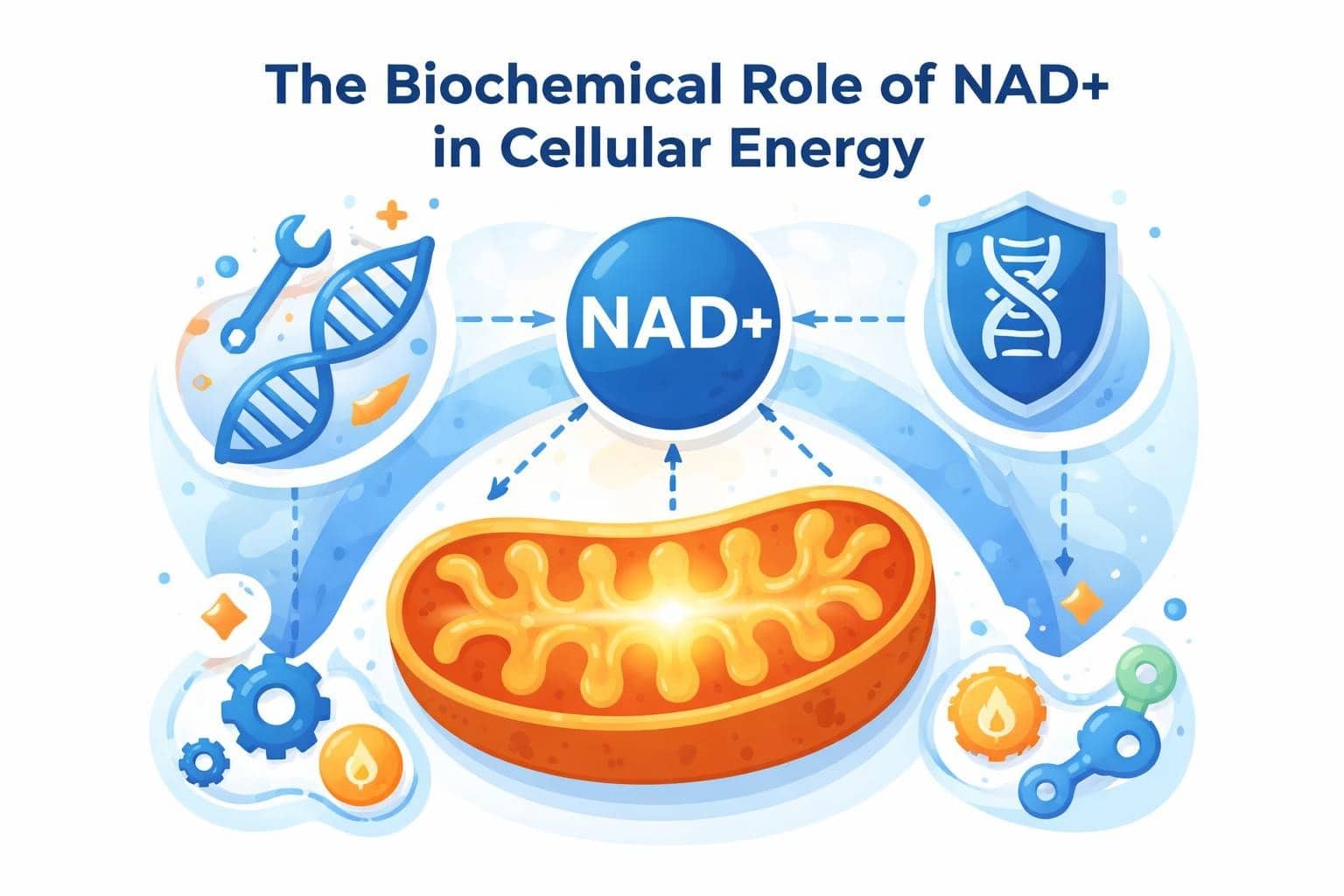
NAD+ serves as a critical coenzyme in every cell of the human body, facilitating hundreds of metabolic reactions essential for survival. The molecule exists in oxidized (NAD+) and reduced (NADH) forms, cycling between states as it transfers electrons during cellular respiration. Research on NAD⁺ synthesis and cellular functions demonstrates its involvement in energy metabolism, gene expression, and cellular signaling pathways.
The Role of NAD in Energy Production
Mitochondria rely on NAD+ to convert nutrients into adenosine triphosphate (ATP), the universal energy currency of cells. Without adequate NAD+ levels, mitochondrial function deteriorates, leading to decreased energy output and accumulation of metabolic waste products. This decline manifests as fatigue, reduced exercise capacity, and impaired recovery from physical stress.
Key functions of NAD+ in cellular metabolism include:
- Glycolysis and the citric acid cycle regulation
- Electron transport chain facilitation
- ATP synthesis optimization
- Redox balance maintenance
- Metabolic substrate utilization
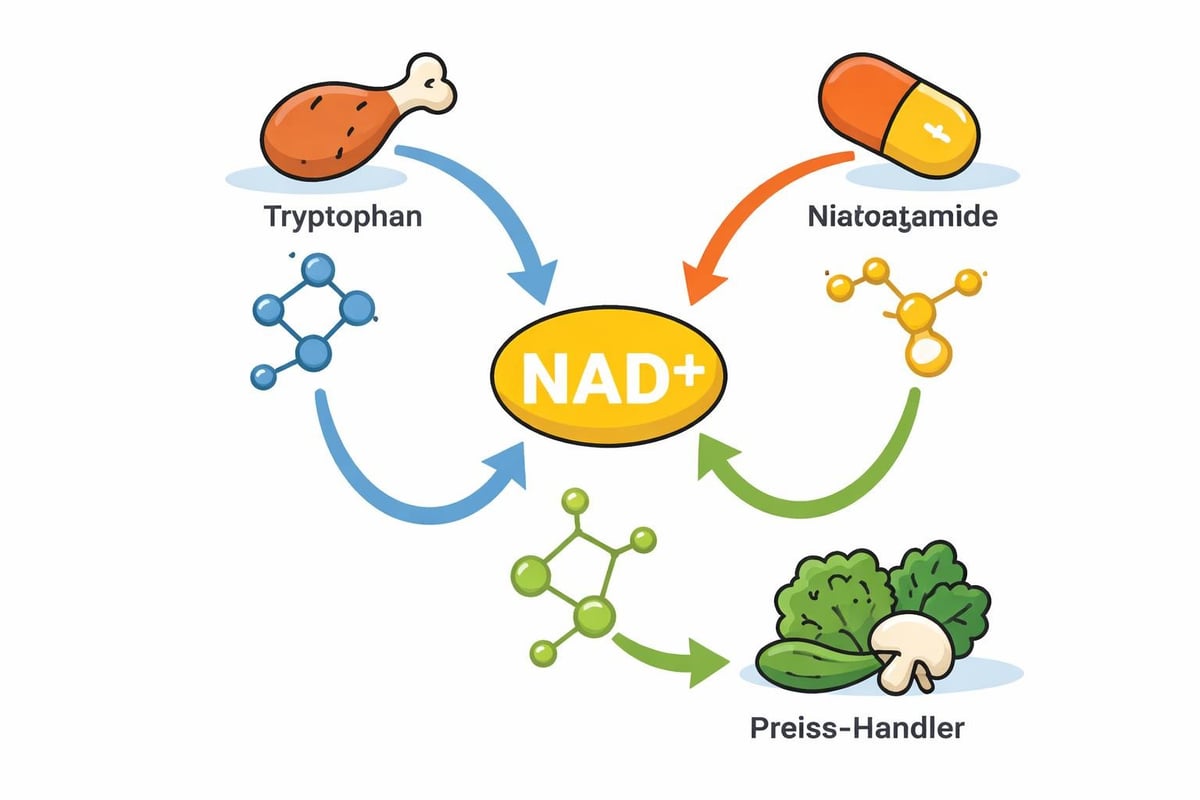
The nad peptide approach focuses on delivering precursors or enhancing endogenous NAD+ biosynthesis pathways. As individuals age beyond their thirties, NAD+ levels can decline by approximately 50% or more, creating a cellular energy deficit that affects multiple organ systems simultaneously.
Scientific Evidence for NAD Peptide Benefits
Clinical research has expanded significantly in recent years, with systematic reviews on NAD⁺ supplementation for anti-aging providing comprehensive analysis of both preclinical and human studies. The evidence base continues to strengthen as researchers investigate optimal dosing protocols and delivery mechanisms for NAD+ restoration.
Anti-Aging and Cellular Repair Mechanisms
NAD+ activates sirtuins, a family of proteins crucial for DNA repair, inflammation control, and stress resistance. These NAD-dependent deacetylases regulate gene expression patterns associated with longevity and metabolic health. When NAD+ availability decreases, sirtuin activity diminishes, potentially accelerating cellular aging processes.
| NAD+ Function | Mechanism | Observed Benefits |
|---|---|---|
| DNA Repair | PARP enzyme activation | Enhanced genomic stability |
| Mitochondrial Biogenesis | SIRT1/SIRT3 activation | Improved energy production |
| Circadian Rhythm | CLOCK gene regulation | Better sleep quality |
| Inflammation Control | SIRT6 activity | Reduced chronic inflammation |
Research demonstrates that nad peptide interventions may support these protective mechanisms, potentially slowing age-related decline in cellular function. The connection between NAD+ levels and biological aging markers has positioned these compounds as promising tools for longevity optimization.
Physical Performance and Recovery Enhancement
Athletes and fitness enthusiasts increasingly recognize nad peptide supplementation as a recovery optimization strategy. Clinical trials investigating NMN supplementation effects on physical performance in healthy adults have shown promising results for aerobic capacity and muscle function improvements.
The mechanisms underlying these performance benefits include:
- Enhanced oxygen utilization through improved mitochondrial efficiency
- Faster metabolic waste clearance via optimized cellular respiration
- Reduced oxidative stress during high-intensity exercise
- Improved muscle protein synthesis through metabolic signaling
- Accelerated tissue repair via enhanced NAD-dependent processes
Those exploring recovery peptides often combine NAD+ precursors with compounds specifically designed for tissue healing and inflammation reduction. This synergistic approach addresses multiple recovery pathways simultaneously.
NAD Peptide Forms and Delivery Methods
The bioavailability and efficacy of nad peptide supplementation depend heavily on the specific form and delivery method selected. Different precursors offer varying conversion efficiency, absorption rates, and tissue distribution patterns.
Precursor Compounds and Conversion Pathways
Nicotinamide Riboside (NR) converts to NAD+ through a two-step enzymatic process involving nicotinamide riboside kinases. This pathway bypasses certain rate-limiting steps in NAD+ biosynthesis, potentially offering advantages for rapid restoration of cellular NAD+ pools.
Nicotinamide Mononucleotide (NMN) requires conversion to NR before cellular uptake in most tissues, though recent research suggests direct NMN transporters may exist. The molecule demonstrates good stability and has been extensively studied in clinical populations.
Nicotinamide (NAM) enters the salvage pathway directly but may be subject to feedback inhibition at high doses. This form represents the most economical option but potentially requires higher doses for equivalent NAD+ elevation.
Optimal Dosing and Administration Protocols
Effective nad peptide protocols vary based on individual factors including age, metabolic health, and specific goals. Most clinical studies have utilized dosages ranging from 250mg to 1000mg daily, administered in single or divided doses.
Timing considerations for NAD+ precursor supplementation:
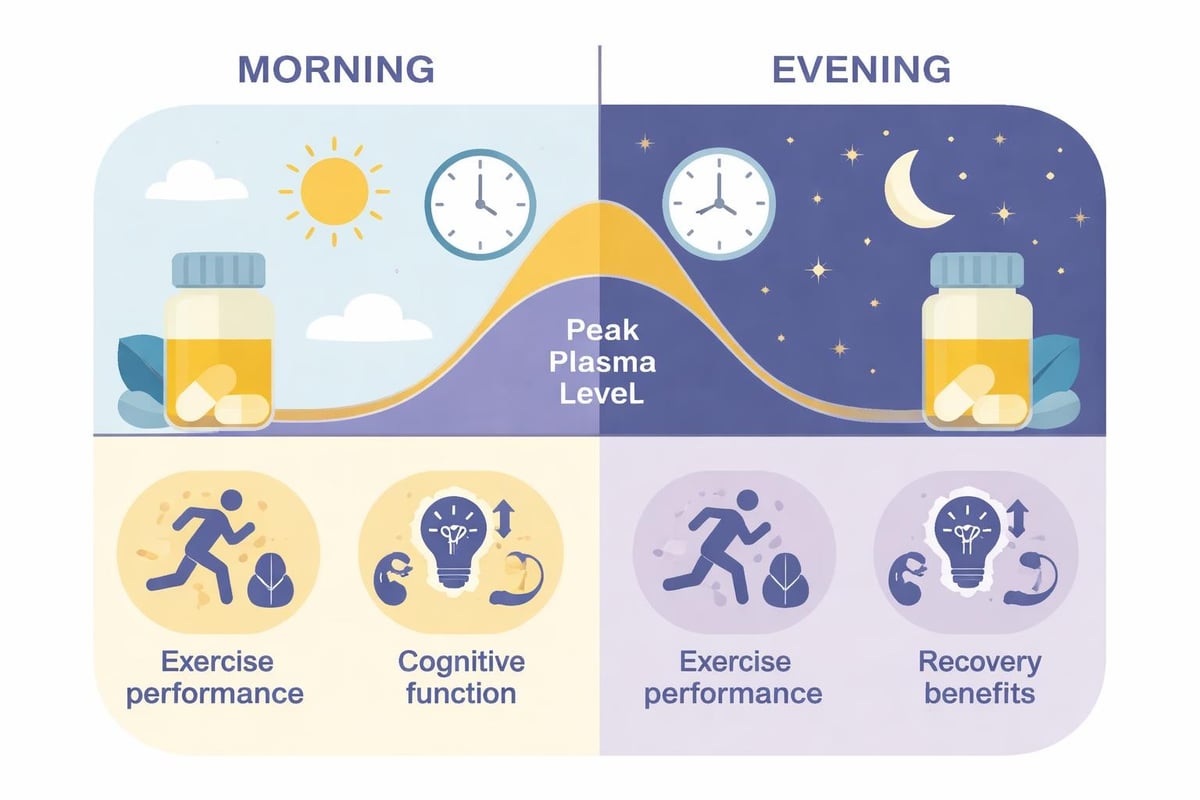
- Morning administration may align with circadian NAD+ fluctuations
- Pre-workout dosing could enhance exercise performance
- Evening supplementation might support overnight recovery processes
- Consistent daily timing optimizes steady-state NAD+ levels
Those interested in anti-aging peptides should consider how NAD+ precursors complement other longevity-focused interventions. Synergistic combinations often produce superior results compared to single-compound approaches.
Synergistic Combinations and Protocol Optimization
Advanced nad peptide protocols frequently incorporate complementary compounds that enhance NAD+ utilization or support related metabolic pathways. Understanding these synergies allows for more sophisticated intervention strategies.
Metabolic Enhancement Strategies
Resveratrol and other sirtuin activators work synergistically with NAD+ precursors by ensuring adequate NAD+ availability while simultaneously activating NAD-dependent enzymes. This dual approach maximizes the functional benefits of elevated cellular NAD+ pools.
Complementary compounds for NAD+ optimization include:
- Pterostilbene for enhanced sirtuin activation
- Quercetin for senescent cell clearance
- Trimethylglycine for methylation support
- Alpha-lipoic acid for mitochondrial protection
- Coenzyme Q10 for electron transport chain function
The BPC-157 and TB-500 combination represents another recovery-focused approach that may complement nad peptide protocols by addressing tissue repair through different molecular mechanisms. These peptides work on growth factor signaling and cellular migration pathways.
Integration with Weight Management Protocols
NAD+ plays crucial roles in metabolic regulation, influencing insulin sensitivity, fat oxidation, and energy expenditure. Combining nad peptide supplementation with targeted weight management interventions may enhance metabolic flexibility and support healthy body composition.
| Metabolic Pathway | NAD+ Influence | Weight Management Impact |
|---|---|---|
| Lipolysis | Enhanced fat breakdown | Increased fat utilization |
| Insulin Signaling | Improved glucose uptake | Better blood sugar control |
| Thermogenesis | Mitochondrial uncoupling | Higher energy expenditure |
| Appetite Regulation | Hypothalamic function | Improved satiety signaling |
Individuals exploring weight loss peptides may find that nad peptide supplementation supports their metabolic goals through complementary mechanisms. The compound's effects on energy metabolism and mitochondrial function create favorable conditions for fat loss while preserving lean muscle mass.
Safety Considerations and Quality Standards
The purity and quality of nad peptide products significantly impact both safety and efficacy. Contamination, degradation, or inaccurate dosing can compromise results and potentially introduce health risks.
Purity Testing and Quality Assurance
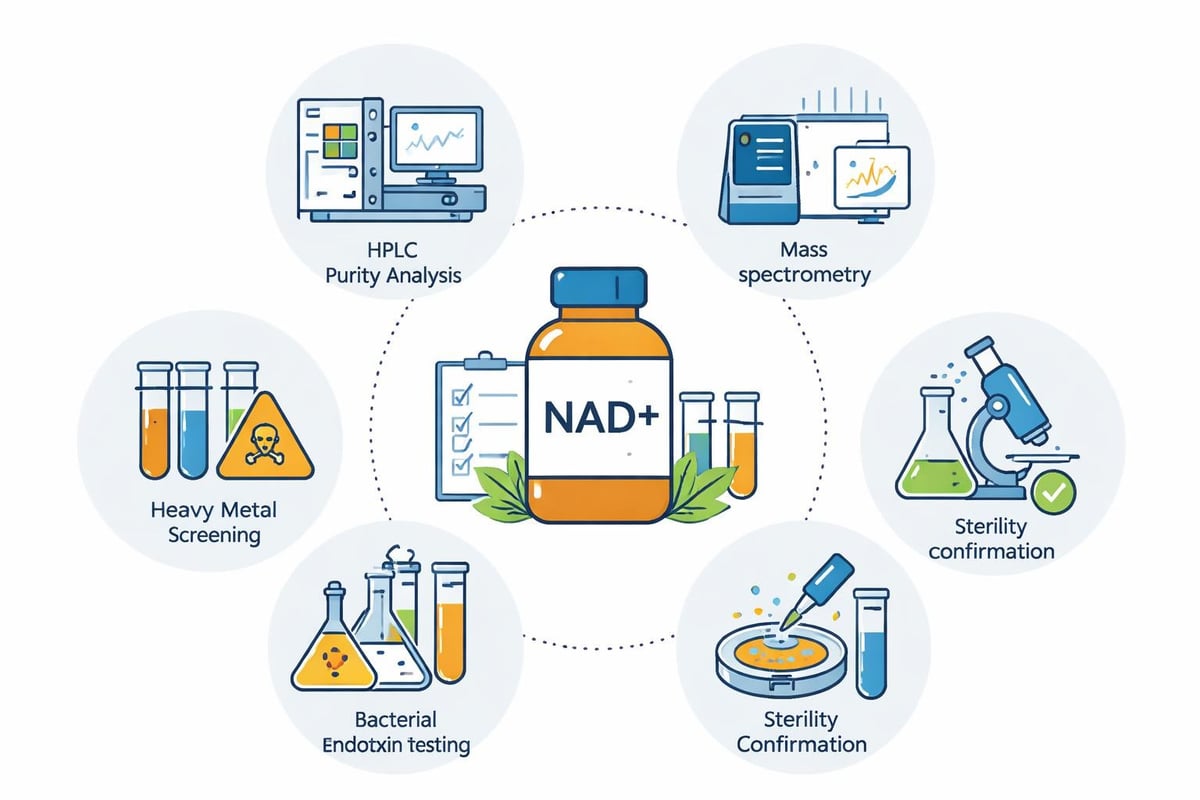
Premium nad peptide suppliers employ multiple analytical techniques to verify product identity, purity, and potency. High-performance liquid chromatography (HPLC), mass spectrometry, and third-party testing ensure compliance with pharmaceutical-grade standards.
Critical quality control parameters include:
- Minimum purity thresholds (typically 98% or higher)
- Absence of heavy metal contamination
- Bacterial endotoxin testing
- Accurate concentration verification
- Sterility assurance for injectable formulations
Companies like Soma Peptide maintain rigorous quality control standards through advanced purification methods and comprehensive testing protocols. This commitment to quality ensures customers receive peptides that meet the highest purity and efficacy benchmarks.
Potential Interactions and Contraindications
While nad peptide supplementation demonstrates favorable safety profiles in clinical studies, certain populations should exercise caution or consult healthcare providers before beginning protocols. Individuals with active malignancies, pregnant or nursing women, and those taking specific medications may require modified approaches.
Considerations for safe nad peptide use:
- Monitor for flushing or mild gastrointestinal effects initially
- Start with lower doses to assess individual tolerance
- Maintain consistent timing to minimize circadian disruption
- Track subjective and objective response markers
- Adjust dosing based on individual response patterns
Practical Applications Across Demographics
Different populations derive distinct benefits from nad peptide supplementation based on their unique physiological states and health optimization goals. Tailoring protocols to individual needs maximizes outcomes while minimizing unnecessary interventions.
Athletes and Performance Optimization
Competitive athletes and serious fitness enthusiasts utilize nad peptide supplementation to support training adaptations, enhance recovery capacity, and maintain peak performance during demanding competition schedules. The metabolic demands of intense training create substantial NAD+ consumption, potentially depleting cellular reserves.
Pre-competition protocols typically emphasize maintaining stable NAD+ levels rather than initiating supplementation immediately before events. Chronic supplementation allows for metabolic adaptations that enhance performance capacity over weeks and months rather than producing acute effects.
Age-Related Decline Prevention
Individuals in their forties and beyond often experience noticeable decreases in energy, recovery capacity, and overall vitality that correlate with declining NAD+ levels. Proactive nad peptide supplementation during this transitional period may help maintain youthful metabolic function and delay age-related deterioration.
The preventive approach focuses on sustaining cellular NAD+ pools before severe depletion occurs, potentially preserving mitochondrial health and genomic stability. This strategy aligns with broader longevity optimization frameworks that emphasize early intervention over reactive treatment.
Cognitive Function and Neuroprotection
Brain tissue exhibits particularly high metabolic demands and NAD+ consumption rates. Neuronal energy deficits contribute to cognitive decline, mood disturbances, and neurodegenerative disease progression. NAD+ restoration may support neuronal health through multiple protective mechanisms.
Cognitive benefits associated with nad peptide supplementation:
- Enhanced mental clarity and focus
- Improved memory formation and recall
- Better stress resilience and mood stability
- Neuroprotective effects against oxidative damage
- Support for healthy brain aging patterns
Emerging Research and Future Directions
The scientific understanding of nad peptide applications continues to evolve rapidly as researchers investigate novel delivery systems, combination protocols, and tissue-specific effects. Developments in 2026 have expanded the therapeutic potential beyond initial applications.
Novel Delivery Technologies
Researchers are developing advanced formulations that enhance bioavailability and target specific tissues more effectively. Liposomal encapsulation, sublingual delivery systems, and tissue-selective prodrugs represent promising innovations that may improve nad peptide efficacy while reducing required dosages.
Transdermal delivery methods under investigation could bypass first-pass metabolism and provide more consistent plasma levels throughout the day. These technologies may offer advantages for individuals who experience gastrointestinal side effects from oral supplementation.
Personalized NAD+ Optimization
Genetic variations in NAD+ biosynthesis enzymes, transporters, and utilization pathways create individual differences in supplementation requirements and responses. Pharmacogenomic testing may eventually guide personalized nad peptide protocols optimized for individual genetic profiles.
Biomarker monitoring through specialized testing can track NAD+ levels in blood cells, providing objective feedback for protocol adjustments. This data-driven approach replaces trial-and-error methods with precision optimization based on measurable outcomes.
Implementation Strategies for Optimal Results
Successfully incorporating nad peptide supplementation requires thoughtful planning, consistent execution, and periodic assessment of outcomes. Strategic implementation maximizes benefits while minimizing cost and complexity.
Starting Your NAD+ Protocol
Step-by-step protocol initiation:
- Establish baseline measurements for energy, recovery, and relevant biomarkers
- Select appropriate precursor form based on individual factors and goals
- Begin with conservative dosing (250-500mg daily) to assess tolerance
- Maintain consistent administration timing for 4-6 weeks minimum
- Monitor subjective improvements and any adverse reactions
- Adjust dosing based on individual response patterns
- Consider complementary compounds for synergistic effects
- Reassess periodically and modify protocol as needed
Integration with existing supplement regimens requires consideration of potential interactions and optimal spacing between different compounds. Most individuals find morning administration of nad peptide works well with typical supplement schedules.
Tracking Progress and Outcomes
Objective measurement provides valuable feedback for protocol optimization. While comprehensive NAD+ testing remains relatively specialized, several accessible markers can indicate metabolic improvements.
Practical metrics for monitoring nad peptide effects:
- Subjective energy levels throughout the day
- Recovery time between training sessions
- Sleep quality and morning refreshment
- Cognitive performance and mental clarity
- Body composition changes over time
- Exercise performance benchmarks
Those working with healthcare providers may access more sophisticated testing including metabolic panels, inflammatory markers, and specialized longevity biomarkers that reflect NAD+ status indirectly.
NAD peptide supplementation represents a scientifically supported approach to maintaining cellular energy production, supporting healthy aging, and optimizing recovery capacity as natural levels decline with age. The evidence base continues to strengthen as clinical research expands our understanding of optimal protocols and applications. Whether you're focused on performance enhancement, longevity optimization, or metabolic health, Soma Peptide provides premium-quality peptides with verified purity and potency to support your health goals through advanced purification methods and rigorous quality control standards.