Palmitoyl tripeptide-1, commonly known as pal ghk, represents a significant advancement in peptide technology for skin health and regeneration. This modified form of the naturally occurring GHK tripeptide incorporates a palmitic acid chain that dramatically enhances its ability to penetrate the skin barrier and stimulate cellular repair mechanisms. As researchers continue to uncover the extensive biological activities of this compound, pal ghk has emerged as one of the most promising peptides for addressing visible signs of aging, supporting tissue repair, and enhancing overall skin quality through multiple mechanisms of action.
Understanding Pal GHK Structure and Function
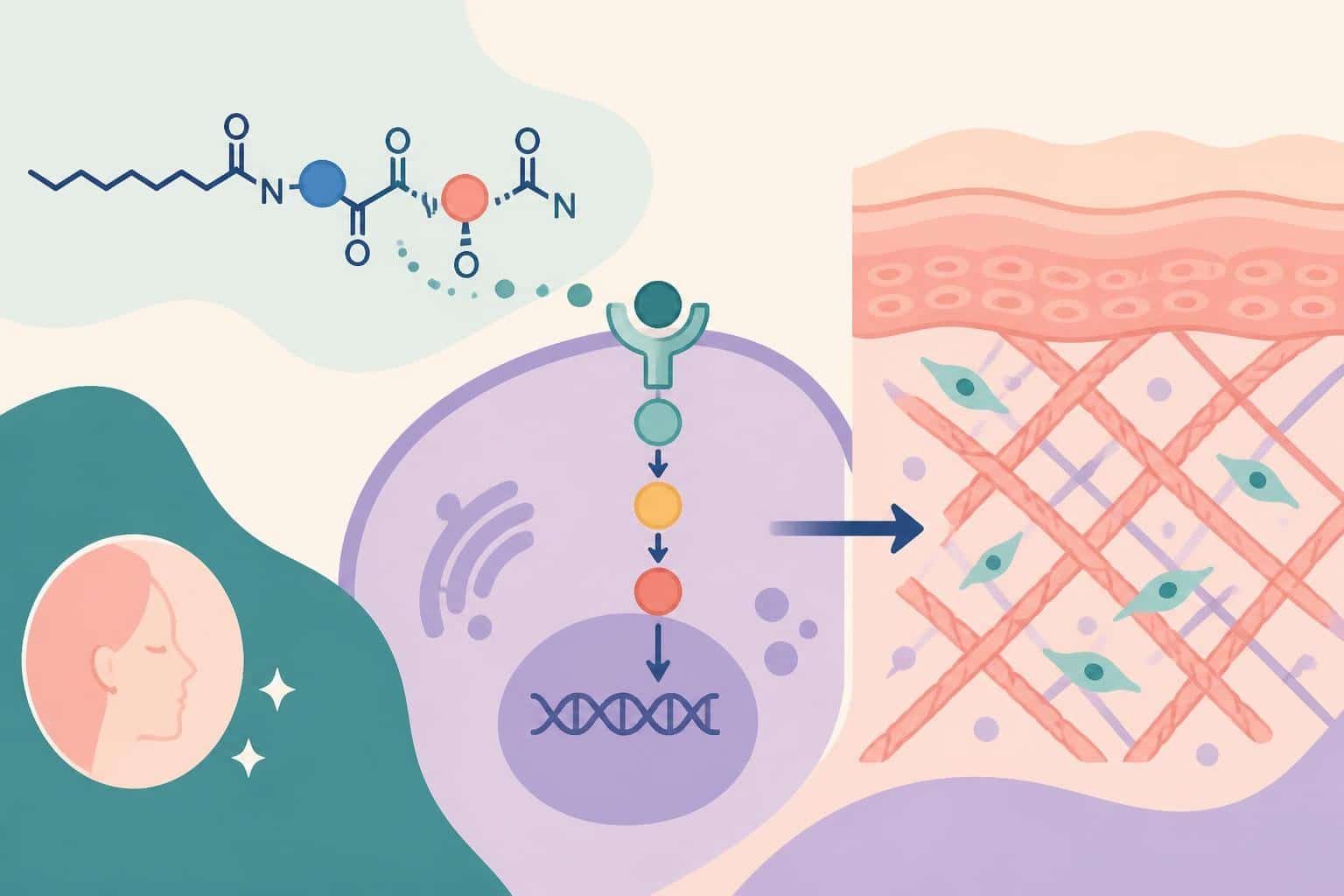
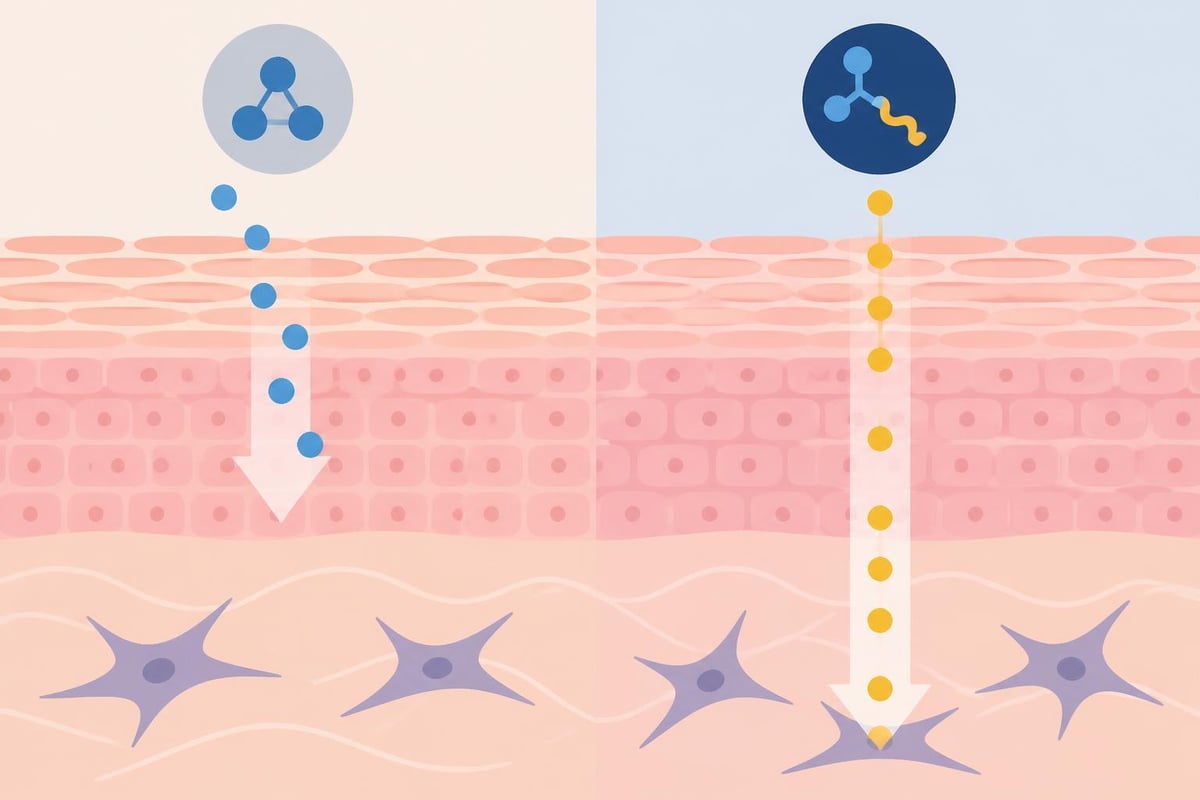
Pal ghk consists of the tripeptide sequence glycyl-L-histidyl-L-lysine (GHK) attached to a palmitic acid moiety. This structural modification serves a critical purpose beyond the basic amino acid sequence. The lipophilic palmitic acid tail dramatically increases the peptide's ability to traverse the lipid-rich stratum corneum, the outermost protective layer of skin that typically presents a significant barrier to topical compounds.
The original GHK peptide has been recognized since the 1970s for its remarkable tissue remodeling properties. However, its application was limited by poor skin penetration when applied topically. By adding the palmitoyl group, scientists created a delivery system that maintains the biological activity of GHK while solving the permeability challenge.
Molecular Mechanisms of Action
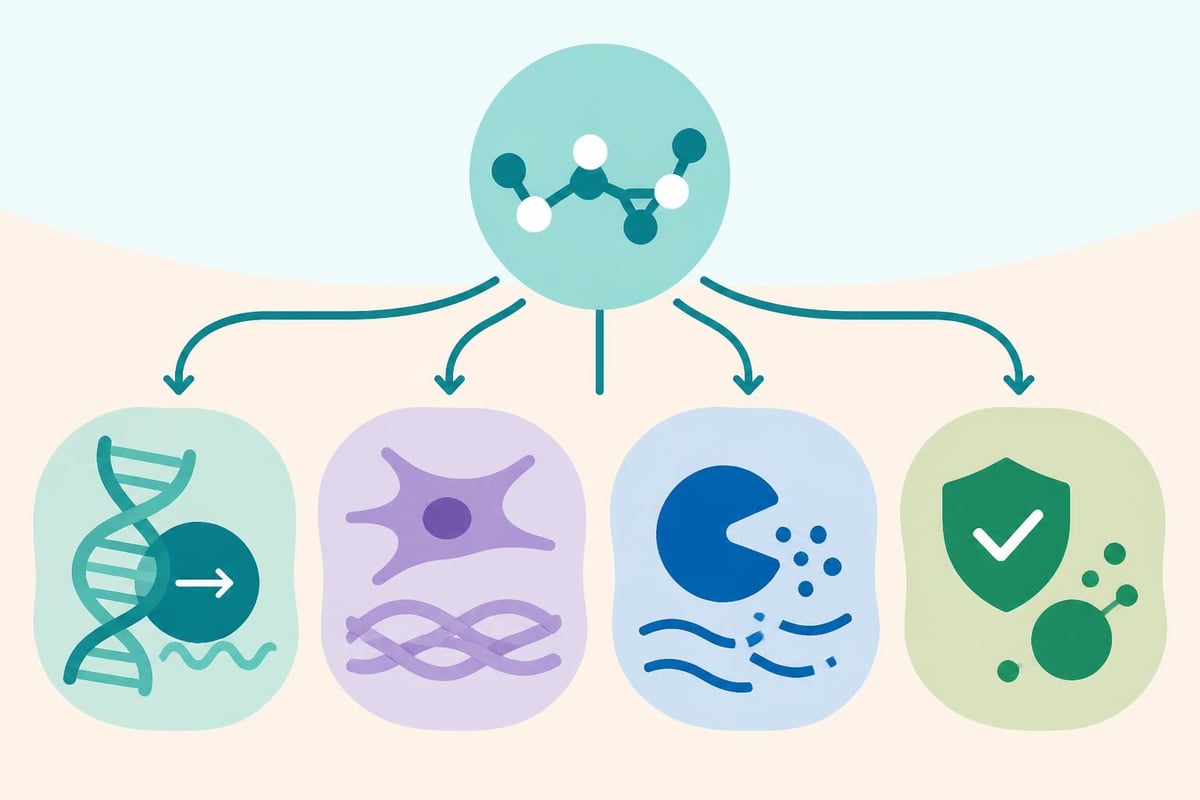
Once pal ghk penetrates the skin, it exerts its effects through several interconnected pathways:
- Gene expression modulation affecting over 4,000 human genes
- Extracellular matrix protein synthesis including collagen types I and III
- Matrix metalloproteinase regulation to balance tissue remodeling
- Growth factor stimulation particularly TGF-beta signaling
- Antioxidant enzyme upregulation reducing oxidative stress
Research has demonstrated that GHK peptide influences gene expression patterns associated with tissue repair, moving cells toward a more youthful phenotypic state. This comprehensive regulatory activity distinguishes pal ghk from simpler peptides that may only target a single pathway.
Clinical Research and Efficacy Evidence
The scientific literature on pal ghk has expanded considerably over the past decade, with studies examining both its fundamental mechanisms and practical applications in skin health. A clinical trial on anti-aging cosmetics containing Palmitoyl-GHK-R4 demonstrated significant improvements in crow's feet depth and overall skin hydration after regular application.
Collagen Production Enhancement
One of the most well-documented effects of pal ghk involves its stimulation of collagen synthesis. Type I collagen, which comprises approximately 80% of dermal collagen, decreases by roughly 1% annually after age 25. This progressive loss contributes directly to skin thinning, reduced elasticity, and wrinkle formation.
Studies measuring collagen production in fibroblast cultures exposed to pal ghk have shown increases ranging from 30% to over 100% compared to untreated controls. The peptide appears to work by upregulating collagen gene transcription rather than simply stabilizing existing collagen molecules.
| Research Metric | Pal GHK Effect | Unmodified GHK |
|---|---|---|
| Skin Penetration | 3-4x higher | Baseline |
| Collagen I Synthesis | 70-100% increase | 40-60% increase |
| Wrinkle Depth Reduction | 25-35% | 15-20% |
| Hydration Improvement | Significant | Moderate |
Wrinkle Reduction and Skin Texture
Beyond collagen stimulation, pal ghk influences wrinkle depth through multiple complementary mechanisms. Experimental research on pal ghk’s effects on wrinkle depth has revealed its role in regulating trans-epidermal water loss (TEWL), a critical factor in maintaining skin plumpness and reducing the appearance of fine lines.
The peptide enhances the production of glycosaminoglycans, particularly hyaluronic acid, which can hold up to 1,000 times its weight in water. This increased moisture retention creates a visible plumping effect that reduces the depth of existing wrinkles while preventing new ones from forming.
Enhanced Delivery Through Lipophilic Modification
The addition of the palmitic acid chain to GHK fundamentally changes its pharmacokinetic properties. Studies on transdermal delivery of Pal-GHK conjugated with arginine oligomers have demonstrated that these modifications can further enhance skin permeability while maintaining biological activity.
Penetration Enhancement Strategies
Soma Peptide formulations benefit from understanding these delivery mechanisms:
- Lipid solubility allows passage through sebaceous pathways
- Molecular size optimization maintains activity while enabling transport
- pH-dependent charge facilitates interaction with skin lipids
- Synergistic carrier systems enhance overall bioavailability
The lipophilic nature of pal ghk means it integrates more readily into cream and serum formulations containing other lipid-soluble compounds. This compatibility allows formulators to create comprehensive products that address multiple aspects of skin aging simultaneously.
Applications in Skin Restoration and Anti-Aging
The versatility of pal ghk extends across numerous applications in aesthetic medicine and dermatological care. The role of Pal-GHK in cell restoration emphasizes its potential for comprehensive skin health improvement rather than targeting isolated concerns.
Photoaging Reversal
Chronic ultraviolet exposure damages skin through multiple mechanisms including direct DNA damage, free radical generation, and degradation of extracellular matrix proteins. Pal ghk addresses photoaging by:
- Stimulating repair of UV-damaged collagen networks
- Increasing antioxidant enzyme expression (superoxide dismutase, catalase)
- Reducing inflammatory cytokine production
- Supporting proper wound healing in photo-damaged tissue
Studies examining before-and-after measurements in individuals with moderate to severe photoaging have documented improvements in skin thickness, elasticity, and overall texture after 12-16 weeks of consistent pal ghk application.
Scar Remodeling and Tissue Repair
The tissue remodeling properties of pal ghk extend to scar improvement and wound healing. The peptide promotes a balanced approach to matrix remodeling, stimulating beneficial collagen production while regulating the excessive deposition that characterizes hypertrophic scars.
In wound healing contexts, pal ghk appears to accelerate the transition from inflammatory to proliferative phases, reducing overall healing time and improving the cosmetic outcome. This makes it particularly valuable for post-procedure skincare following laser treatments, chemical peels, or other resurfacing techniques.
Dosing Protocols and Application Methods
Understanding proper application of pal ghk ensures optimal results while maintaining safety. The peptide's stability and delivery characteristics influence how it should be formulated and used.
Topical Concentration Guidelines
Research-backed topical formulations typically incorporate pal ghk at concentrations between 2-5 parts per million (ppm) in finished products. Higher concentrations don't necessarily produce proportionally better results and may increase the risk of irritation in sensitive individuals.
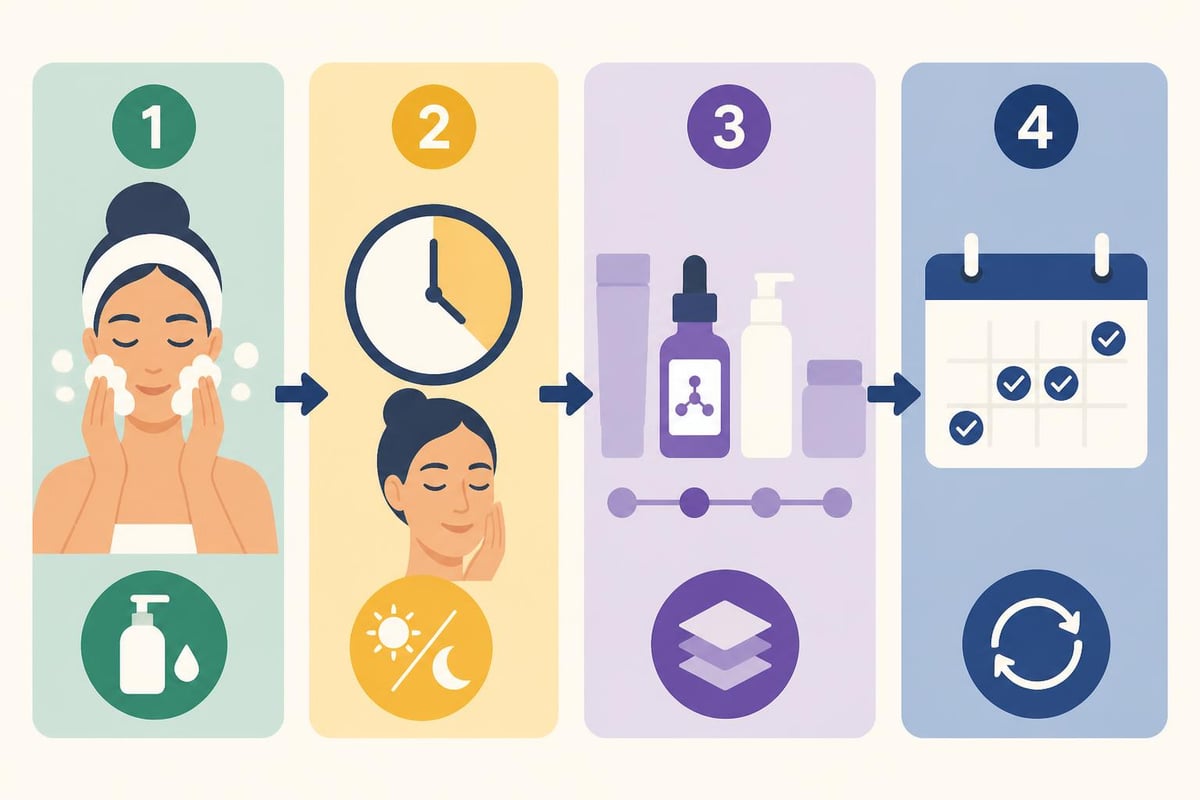
Application frequency recommendations:
- Daily use: Once or twice daily application to clean skin
- Layering order: Apply after cleansing, before heavier moisturizers
- Treatment duration: Minimum 8-12 weeks for visible results
- Maintenance protocol: Continued use maintains benefits
When incorporating pal ghk into a broader peptide regimen, users should consider potential synergies and contraindications. Those interested in comprehensive peptide protocols should understand proper handling and administration techniques.
Formulation Considerations
The stability of pal ghk varies depending on the formulation matrix. Key factors affecting peptide integrity include:
| Factor | Optimal Range | Impact on Stability |
|---|---|---|
| pH | 4.5-6.5 | Higher pH may degrade peptide bonds |
| Temperature | Below 77°F | Heat accelerates degradation |
| Light exposure | Opaque containers | UV light breaks peptide bonds |
| Preservative system | Gentle, broad-spectrum | Must not react with peptide |
Proper storage extends the effective lifespan of pal ghk products. Users should keep formulations in cool, dark locations and avoid introducing contaminants through repeated handling.
Comparing Pal GHK to Other Anti-Aging Peptides
The peptide landscape includes numerous compounds targeting skin health, each with distinct mechanisms and evidence bases. Comprehensive profiles of Pal-GHK highlight its unique position among anti-aging actives.
Palmitoyl Pentapeptide-4 (Matrixyl)
While both pal ghk and palmitoyl pentapeptide-4 stimulate collagen production, they employ different mechanisms. Matrixyl primarily activates transforming growth factor-beta receptors, while pal ghk works through broader gene expression modulation affecting thousands of genes simultaneously.
Copper Peptides
Unmodified GHK has strong affinity for copper ions, forming a complex (GHK-Cu) with additional wound healing properties. Pal ghk maintains some copper-binding ability while offering superior penetration. Some formulations combine both forms to leverage their complementary benefits.
Acetyl Hexapeptide-8 (Argireline)
Unlike pal ghk's matrix-building approach, acetyl hexapeptide-8 works by reducing muscle contraction intensity, similar to botulinum toxin but with much milder effects. These peptides can be used together, addressing both dynamic and static wrinkles through different mechanisms.
Safety Profile and Considerations
The safety record of pal ghk in topical applications appears favorable based on available data. Research summaries on GHK peptide note that while early-stage research is promising, continued clinical trials will further establish safety parameters across diverse populations.
Reported Side Effects
Documented adverse reactions to topical pal ghk remain rare and generally mild:
- Temporary redness or warmth at application sites
- Minor irritation in individuals with very sensitive skin
- Occasional purging as skin cell turnover increases
- Transient dryness during initial treatment weeks
These effects typically resolve within 1-2 weeks as skin adapts to increased cellular activity. Starting with lower concentrations and gradually increasing frequency allows tolerance to develop.
Contraindications and Precautions
Certain situations warrant caution or medical consultation before using pal ghk:
- Active skin infections: Wait until infection clears
- Open wounds: May accelerate healing but consult healthcare provider
- Pregnancy/nursing: Insufficient safety data for these populations
- Autoimmune conditions: Immune modulation effects require medical oversight
Those using prescription retinoids should introduce pal ghk gradually, as both compounds increase cell turnover and may cause excessive dryness when combined too quickly.
Integration with Comprehensive Anti-Aging Strategies
Pal ghk delivers optimal results when incorporated into a holistic approach to skin health. Research on pal ghk structure and applications emphasizes that peptides work synergistically with other evidence-based interventions.
Complementary Skincare Actives
Combining pal ghk with other proven ingredients creates comprehensive treatment protocols:
- Vitamin C (L-ascorbic acid): Enhances collagen synthesis, provides antioxidant protection
- Retinoids: Increase cell turnover, complement peptide effects
- Niacinamide: Strengthens skin barrier, reduces inflammation
- Hyaluronic acid: Provides additional hydration, plumps skin
Layering order matters when using multiple actives. Apply pal ghk-containing serums before heavier creams but after pH-dependent actives like vitamin C or retinoids.
Lifestyle Factors Affecting Results
Even the most effective topical treatments cannot fully compensate for lifestyle factors that accelerate aging:
Sun protection remains the single most important anti-aging intervention. Daily broad-spectrum SPF 30+ sunscreen prevents the UV damage that pal ghk works to repair.
Nutrition provides the raw materials for collagen synthesis. Adequate protein intake, vitamin C, copper, and zinc support the cellular processes pal ghk stimulates.
Sleep quality affects growth hormone secretion and cellular repair mechanisms. Poor sleep undermines the regenerative processes that peptides attempt to enhance.
Future Research Directions and Emerging Applications
The scientific understanding of pal ghk continues to evolve as researchers explore new applications and refine delivery methods. Comprehensive overviews of pal ghk research indicate several promising areas for future investigation.
Enhanced Delivery Systems
Next-generation formulations may incorporate:
- Nanoparticle encapsulation protecting peptides from degradation
- Microneedle patches delivering peptides directly to dermis
- Cyclodextrin complexes improving stability and penetration
- Liposomal carriers mimicking natural skin lipid structures
These technologies could further enhance the already impressive penetration properties of pal ghk, allowing lower concentrations to achieve comparable effects.
Combination Peptide Therapies
Research exploring synergistic peptide combinations may identify optimal ratios and sequences for maximum benefit. For example, alternating pal ghk with peptides targeting different pathways might produce superior results to either compound alone.
Those interested in exploring various peptide options can browse the extensive peptide selection available from specialized suppliers offering premium quality compounds.
Systemic Applications
While topical use dominates current applications, researchers are investigating whether systemic administration of GHK variants could benefit wound healing, bone repair, or other regenerative processes. These applications require substantially more safety data before clinical implementation.
Quality Considerations for Pal GHK Products
Not all peptide products deliver equivalent results. Manufacturing processes, purity standards, and formulation expertise significantly impact efficacy and safety.
Purity and Authentication
High-quality pal ghk products should meet stringent purity standards, typically 98% or higher. Reputable suppliers provide:
- Certificate of Analysis (COA) from independent laboratories
- Mass spectrometry verification confirming molecular identity
- HPLC purity testing quantifying actual peptide content
- Endotoxin screening ensuring absence of bacterial contamination
The quality control standards maintained by specialized peptide suppliers ensure researchers and consumers receive authentic, properly handled compounds.
Stability Testing and Shelf Life
Properly formulated pal ghk products maintain activity for 12-24 months when stored correctly. Stability testing should document peptide concentration over time under various storage conditions. Products showing significant degradation before the stated expiration date indicate formulation or manufacturing deficiencies.
Users should be suspicious of pal ghk products offered at prices significantly below market rates, as these may contain insufficient active ingredient or poor-quality synthesis byproducts.
Pal ghk represents a scientifically validated approach to supporting skin health through enhanced collagen production, improved barrier function, and comprehensive cellular rejuvenation. When properly formulated and consistently applied, this modified peptide delivers measurable improvements in visible signs of aging while supporting fundamental skin structure. For those seeking premium quality peptides backed by rigorous testing and purity standards, Soma Peptide offers an extensive selection of compounds designed to support your anti-aging, recovery, and wellness goals with uncompromising quality assurance.