



The intersection of peptide science and metabolic health has produced remarkable therapeutic breakthroughs, with semaglutide standing as one of the most significant innovations. As a synthetic GLP-1 receptor agonist, peptide science semaglutide represents a sophisticated approach to addressing obesity, type 2 diabetes, and cardiovascular risk factors. This long-acting peptide has transformed treatment paradigms by leveraging the body's natural regulatory mechanisms to achieve sustained clinical outcomes. Understanding the molecular foundations, clinical applications, and practical considerations surrounding this compound provides valuable insights for researchers, healthcare professionals, and individuals exploring advanced metabolic therapies.
Understanding the Molecular Foundation of Peptide Science Semaglutide
Semaglutide belongs to the glucagon-like peptide-1 (GLP-1) receptor agonist class, designed to mimic the action of endogenous GLP-1, a hormone naturally produced in the intestinal L-cells. The peptide structure consists of 31 amino acids with specific modifications that distinguish it from native GLP-1. These modifications include an amino acid substitution at position 8 and the attachment of a C-18 fatty diacid chain through a spacer, which enables albumin binding and extends the compound's half-life significantly.
Structural Modifications and Pharmacokinetics
The extended half-life of peptide science semaglutide, approximately one week, results from several key structural adaptations:
- Albumin binding through the fatty acid side chain creates a depot effect
- Resistance to DPP-4 degradation via amino acid substitution at position 8
- Reduced renal clearance due to the larger molecular complex formed with albumin
- Sustained plasma concentrations enabling once-weekly administration
These pharmacokinetic properties represent a substantial advancement over earlier GLP-1 receptor agonists that required daily or twice-daily dosing. The development of semaglutide marked a pivotal moment in peptide therapeutics, demonstrating how rational drug design can optimize both efficacy and patient compliance.
Mechanisms of Action and Physiological Effects
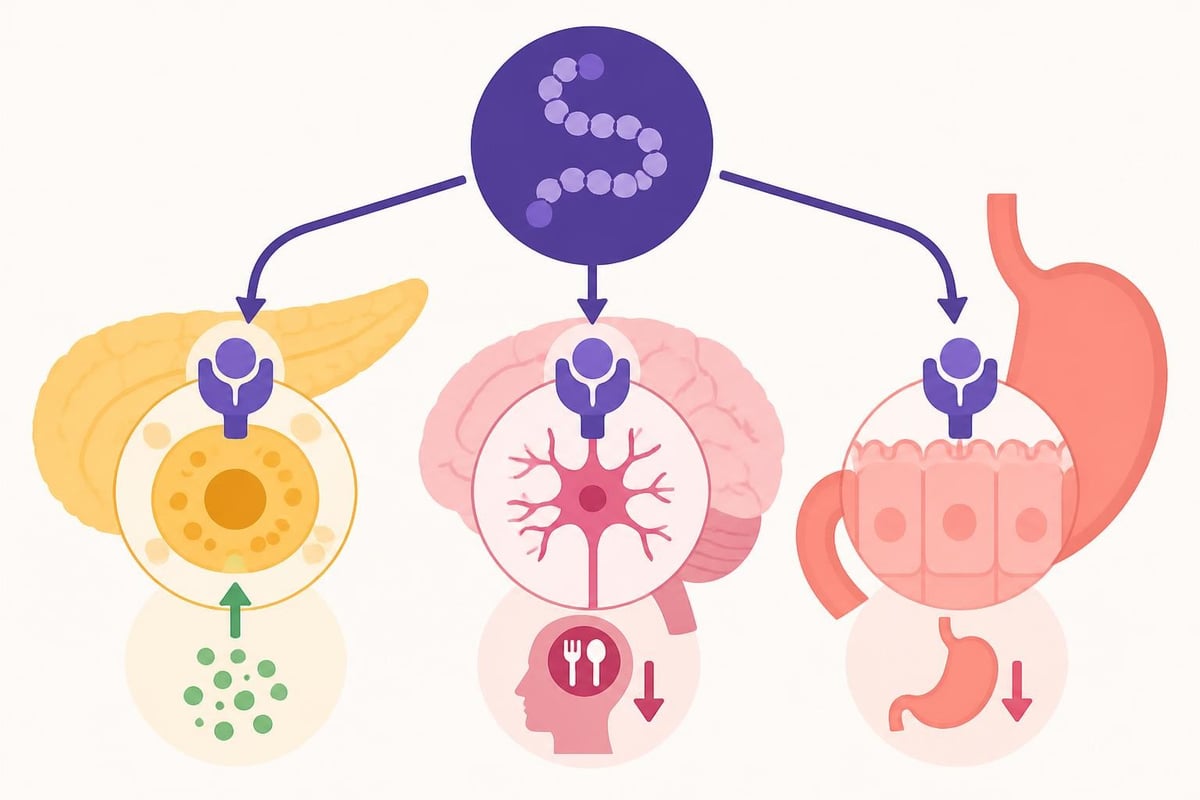
The therapeutic impact of peptide science semaglutide extends across multiple organ systems through GLP-1 receptor activation. These receptors are distributed throughout the body, including pancreatic beta cells, the central nervous system, cardiovascular tissue, and the gastrointestinal tract. When semaglutide binds to these receptors, it initiates a cascade of metabolic responses that collectively improve glucose homeostasis and promote weight reduction.
Glucose Regulation and Insulin Dynamics
In pancreatic beta cells, peptide science semaglutide stimulates glucose-dependent insulin secretion, meaning insulin release occurs primarily when blood glucose levels are elevated. This glucose-dependent mechanism significantly reduces hypoglycemia risk compared to insulin or sulfonylureas. Simultaneously, the compound suppresses glucagon secretion from pancreatic alpha cells, further contributing to glycemic control by reducing hepatic glucose output.
The dual action on insulin and glucagon creates a favorable metabolic environment:
| Metabolic Parameter | Effect of Semaglutide | Clinical Benefit |
|---|---|---|
| Fasting glucose | Reduction of 20-40 mg/dL | Improved baseline control |
| Postprandial glucose | Reduction of 40-60 mg/dL | Reduced glycemic excursions |
| HbA1c | Reduction of 1.0-1.8% | Long-term glycemic improvement |
| Insulin sensitivity | Improved responsiveness | Enhanced metabolic flexibility |
Central Nervous System Effects on Appetite
Beyond glycemic control, peptide science semaglutide exerts profound effects on appetite regulation through central GLP-1 receptors located in the hypothalamus and brainstem. These regions govern satiety signals, food reward processing, and energy homeostasis. According to comprehensive research on semaglutide’s mechanism of action, the compound reduces hunger, increases feelings of fullness, and modifies food preferences by dampening reward responses to high-calorie foods.
The appetite suppression mechanism involves multiple pathways that work synergistically to reduce caloric intake without requiring conscious restriction.
Clinical Applications and Therapeutic Outcomes
Peptide science semaglutide has received regulatory approval for two primary indications: type 2 diabetes management and chronic weight management. Clinical trial data spanning thousands of participants have established robust evidence for its efficacy across diverse patient populations. The SUSTAIN and STEP trial programs provided the foundational evidence supporting these approvals, demonstrating consistent benefits regardless of baseline characteristics.
Type 2 Diabetes Management
For individuals with type 2 diabetes, semaglutide offers superior glycemic control compared to many existing therapies. The compound has demonstrated HbA1c reductions exceeding those achieved with metformin, sulfonylureas, and several other GLP-1 receptor agonists. Clinical trials have shown that approximately 70-80% of patients achieve target HbA1c levels below 7% when treated with therapeutic doses.
Key diabetes management benefits include:
- Significant HbA1c reduction without increased hypoglycemia risk
- Weight loss averaging 10-15 pounds over 6-12 months
- Cardiovascular risk reduction in high-risk populations
- Potential preservation of beta cell function
- Simplified dosing schedule improving adherence
Weight Loss and Obesity Treatment
The weight loss effects of peptide science semaglutide have generated substantial clinical and public interest. In the STEP trials, participants without diabetes achieved average weight reductions of 15-17% of baseline body weight over 68 weeks, far exceeding results from traditional weight loss medications. These outcomes position semaglutide as one of the most effective pharmaceutical interventions for obesity currently available.

The magnitude of weight loss achieved with peptide science semaglutide approaches that seen with certain bariatric surgical procedures, offering a non-invasive alternative for many individuals. For those exploring comprehensive weight loss peptide options, understanding the comparative efficacy and mechanisms of different compounds remains essential for informed decision-making.
Dosing Protocols and Administration Considerations
Successful outcomes with peptide science semaglutide depend on appropriate dosing strategies that balance efficacy with tolerability. The standard approach involves gradual dose escalation over several weeks, allowing the gastrointestinal system to adapt and minimizing side effects. This titration schedule differs slightly between diabetes and weight management indications but follows similar principles.
Standard Titration Schedule
The typical escalation protocol begins with a low starting dose and increases monthly until reaching the therapeutic target:
- Week 1-4: 0.25 mg once weekly (initiation dose)
- Week 5-8: 0.5 mg once weekly (first increase)
- Week 9-12: 1.0 mg once weekly (diabetes maintenance or weight loss intermediate)
- Week 13-16: 1.7 mg once weekly (higher weight loss dose)
- Week 17+: 2.4 mg once weekly (maximum weight loss dose)
For diabetes management, many patients achieve adequate glycemic control at 0.5-1.0 mg weekly, while weight management typically requires higher doses approaching 2.4 mg weekly. The slow escalation minimizes gastrointestinal adverse effects, which represent the most common tolerability challenge with peptide science semaglutide.
Administration Technique and Storage
Proper handling ensures optimal therapeutic benefit and safety. Semaglutide formulations require refrigeration between 36-46°F until first use, after which they may be stored at room temperature for up to 56 days. Subcutaneous injection can be administered in the abdomen, thigh, or upper arm, with rotation between sites recommended to prevent lipodystrophy.
Side Effect Profile and Safety Considerations
While peptide science semaglutide demonstrates favorable efficacy, understanding its side effect profile enables appropriate patient selection and management strategies. The most frequently reported adverse effects involve the gastrointestinal system, reflecting the compound's influence on gastric motility and satiety signaling. These effects are typically most prominent during dose escalation and often diminish with continued use.
Common Gastrointestinal Effects
Nausea represents the most prevalent side effect, affecting approximately 40-50% of users during initial titration. Other gastrointestinal symptoms include:
- Diarrhea or constipation affecting 20-30% of patients
- Vomiting occurring in 15-20% of users
- Abdominal discomfort or bloating
- Acid reflux or dyspepsia
- Reduced appetite (therapeutic but can be excessive)
Research examining self-reported side effects in online communities reveals that real-world experiences sometimes differ from clinical trial data, with some individuals reporting prolonged gastrointestinal symptoms or effects not captured in formal studies.
Serious Adverse Events and Contraindications
Although rare, several serious safety concerns warrant consideration. Peptide science semaglutide carries warnings regarding:
| Concern | Incidence | Management Strategy |
|---|---|---|
| Pancreatitis | 0.2-0.5% | Discontinue if suspected, monitor amylase/lipase |
| Gallbladder disease | 1-2% | Evaluate for cholelithiasis, surgical consultation if needed |
| Thyroid C-cell tumors | Theoretical (animal data) | Contraindicated with personal/family history MEN 2 |
| Diabetic retinopathy | Increased early worsening | Monitor in diabetes patients with existing retinopathy |
| Acute kidney injury | Rare, volume depletion | Ensure adequate hydration, monitor renal function |
The compound is contraindicated in patients with a personal or family history of medullary thyroid carcinoma or multiple endocrine neoplasia syndrome type 2 (MEN 2) due to animal study findings, though human relevance remains uncertain.

Comparative Analysis with Other Metabolic Peptides
The peptide therapeutic landscape has expanded considerably, with several compounds targeting metabolic dysfunction through related but distinct mechanisms. Understanding how peptide science semaglutide compares to alternatives helps clinicians and patients select optimal interventions based on individual goals, tolerability, and response patterns.
GLP-1 Receptor Agonists
Within the GLP-1 agonist class, semaglutide demonstrates superior weight loss efficacy compared to earlier agents like liraglutide and dulaglutide. The extended half-life enables weekly dosing versus daily administration, improving adherence. A detailed comparative analysis of GLP-1 peptides shows that structural modifications among these compounds significantly impact their clinical profiles.
Liraglutide, for instance, requires daily injection and produces average weight loss of 8-10%, while semaglutide's weekly dosing achieves 15-17% reduction at maximum doses.
Dual and Triple Agonists
Newer peptide therapeutics have moved beyond single receptor targeting. Tirzepatide, a dual GIP/GLP-1 receptor agonist, has shown weight loss results slightly exceeding semaglutide in head-to-head trials. Retatrutide, a triple agonist targeting GLP-1, GIP, and glucagon receptors, represents the next generation with potential for even greater metabolic benefits. These multi-receptor agonists expand the therapeutic toolkit, though their long-term safety profiles continue to be established.
For individuals focused on comprehensive metabolic optimization, understanding the full spectrum of available peptides allows for strategic selection based on specific needs.
Practical Implementation and Patient Selection
Successful integration of peptide science semaglutide into treatment plans requires careful patient selection, realistic expectation setting, and ongoing support. Not every individual will experience identical results, and several factors influence therapeutic outcomes. Healthcare providers must evaluate multiple criteria when considering semaglutide as a treatment option.
Ideal Candidate Characteristics
Patients most likely to benefit from peptide science semaglutide share several characteristics:
- BMI ≥27 with weight-related comorbidities or BMI ≥30 for weight management
- Type 2 diabetes with inadequate glycemic control on other medications
- Motivation for lifestyle modification alongside pharmacotherapy
- Tolerance for gastrointestinal side effects during initiation
- Ability to adhere to weekly injection schedule
- No contraindications (thyroid malignancy history, pregnancy, gastroparesis)
Conversely, certain populations may not be suitable candidates. Individuals with a history of severe gastrointestinal disorders, those planning pregnancy, or patients with extensive diabetic retinopathy require careful risk-benefit assessment.
Supporting Lifestyle Modifications
Peptide science semaglutide works most effectively when combined with evidence-based lifestyle interventions. While the compound reduces appetite and promotes satiety, dietary quality and physical activity patterns significantly influence outcomes. Nutrition counseling emphasizing protein intake, micronutrient adequacy, and balanced macronutrient distribution helps prevent lean mass loss during weight reduction.
Recommended lifestyle components include:
- Protein intake of 1.2-1.6 g/kg to preserve muscle mass
- Resistance training 2-3 times weekly to maintain strength
- Adequate hydration to support renal function and minimize side effects
- Regular monitoring of body composition, not just scale weight
- Sleep optimization supporting metabolic health and recovery
For those incorporating peptide therapies into broader health optimization protocols, resources like the peptide calculator can assist with dosing precision and reconstitution procedures.
Emerging Research and Future Directions
The scientific understanding of peptide science semaglutide continues to evolve as researchers investigate new applications, combination therapies, and long-term outcomes. Several active research areas promise to expand the therapeutic utility of this compound beyond its current indications. Clinical trials are exploring semaglutide's potential in conditions ranging from non-alcoholic fatty liver disease to addiction and cognitive function.
Cardiovascular Outcomes Research
The SELECT trial demonstrated that semaglutide reduces major adverse cardiovascular events in patients with established cardiovascular disease and obesity, independent of diabetes status. This 20% relative risk reduction positions the compound as a cardioprotective agent, expanding its value proposition beyond metabolic effects alone. Detailed analysis using hybrid randomized and real-world data designs helps researchers understand cardiovascular benefits across diverse populations.
These findings suggest that peptide science semaglutide may become a cornerstone therapy in cardiovascular risk reduction strategies, particularly for individuals with metabolic syndrome.
Combination Peptide Strategies
Emerging protocols investigate combining semaglutide with other peptides to enhance specific outcomes. Pairing GLP-1 agonists with growth hormone secretagogues, for example, may preserve lean mass during weight loss while maintaining metabolic benefits. Other combinations target complementary pathways, such as adding peptides that support tissue repair and recovery during metabolic transformation.
Understanding how different peptides interact and complement each other requires sophisticated modeling approaches, including tools that facilitate peptide sequence conversion and analysis for computational research.
Public Perception and Real-World Experiences
Beyond clinical trial data, understanding how individuals experience peptide science semaglutide in real-world settings provides valuable context. Social media platforms, online forums, and patient communities have become rich sources of experiential information, revealing patterns not always captured in formal research settings. Analysis of semaglutide discussions on social media shows evolving public sentiment and common themes in user experiences.
Common Real-World Observations
Patients frequently report several consistent experiences:
- Initial appetite suppression is profound but may normalize somewhat over time
- Food preferences shift toward lighter, less calorie-dense options
- Portion sizes naturally decrease without conscious restriction
- Energy levels may fluctuate during dose adjustments
- Individual response varies significantly in both efficacy and side effects
These real-world insights complement clinical data by highlighting the subjective experience of treatment, which influences adherence and satisfaction. Healthcare providers benefit from understanding these patterns when counseling patients about realistic expectations.
Access and Cost Considerations
Despite demonstrated efficacy, access to peptide science semaglutide remains limited by cost and insurance coverage variability. Brand-name formulations can exceed $1,000 monthly without insurance, creating substantial barriers for many individuals. Coverage policies vary widely among insurers and by indication, with diabetes applications generally receiving broader coverage than weight management.
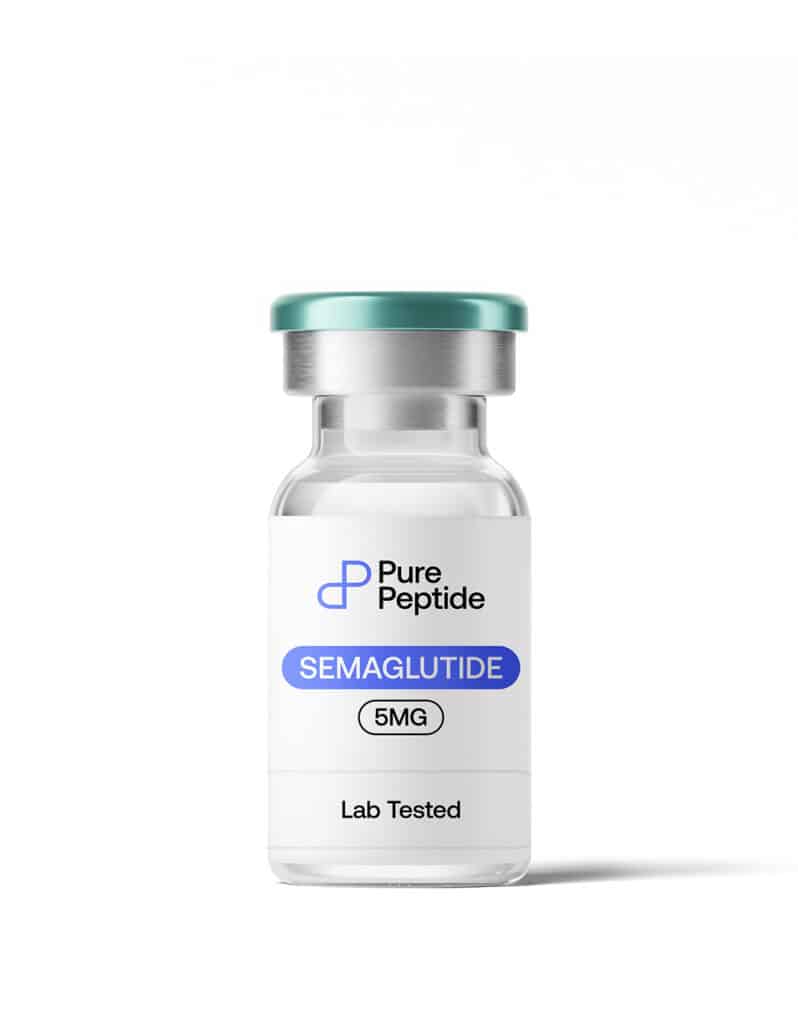
For individuals seeking high-quality peptide therapies with transparent sourcing and rigorous quality control, exploring options through specialized providers ensures access to properly manufactured and tested compounds. Premium peptide suppliers implement comprehensive quality assurance protocols including HPLC verification, sterility testing, and purity certification.
Quality Control and Purity Standards
The therapeutic efficacy and safety of peptide science semaglutide depend critically on manufacturing quality, purity levels, and proper handling throughout the supply chain. Peptide synthesis involves complex chemical processes that must be carefully controlled to ensure the final product matches specifications. Impurities, degradation products, or improper storage can compromise both effectiveness and safety.
Manufacturing and Verification Standards
High-quality semaglutide production requires:
- Solid-phase peptide synthesis (SPPS) with sequential amino acid coupling
- High-performance liquid chromatography (HPLC) for purity verification
- Mass spectrometry confirming molecular weight and structure
- Sterility testing ensuring absence of microbial contamination
- Endotoxin testing to verify safety for injection
Reputable suppliers maintain purity levels exceeding 98%, with comprehensive certificates of analysis documenting batch-specific quality metrics. These standards ensure that users receive peptides that perform as expected without contaminants that could cause adverse reactions.
Storage and Stability Considerations
Proper storage preserves peptide integrity throughout the product lifecycle. Lyophilized (freeze-dried) semaglutide remains stable for extended periods when stored at appropriate temperatures, typically 2-8°C for long-term storage. Once reconstituted with bacteriostatic water, the solution must be refrigerated and used within specified timeframes to prevent degradation.
Temperature excursions, repeated freeze-thaw cycles, and exposure to light can compromise peptide structure and reduce potency. Following manufacturer guidelines for handling and storage ensures optimal therapeutic outcomes.
Peptide science semaglutide represents a powerful tool in modern metabolic medicine, offering clinically proven benefits for weight management, glycemic control, and cardiovascular risk reduction. Understanding its mechanisms, applications, and practical considerations empowers informed decision-making for those seeking advanced therapeutic solutions. Soma Peptide provides premium quality peptides manufactured to the highest purity standards, supporting your health optimization goals with rigorous quality control and transparent sourcing. Explore our comprehensive peptide offerings to discover how cutting-edge peptide science can support your metabolic health journey.