The peptides market has experienced remarkable growth in recent years, with more individuals seeking peptides direct from suppliers to support their health and wellness goals. Whether you're researching peptides for muscle recovery, weight management, or anti-aging benefits, understanding how to source these compounds safely and effectively is paramount. The shift toward purchasing peptides direct has empowered consumers with greater transparency, competitive pricing, and access to premium-quality products that meet rigorous testing standards.
Understanding the Peptides Direct Marketplace
The concept of obtaining peptides direct refers to purchasing these bioactive compounds straight from manufacturers or authorized distributors, eliminating intermediaries that can compromise product quality or inflate costs. This direct-to-consumer model has transformed how researchers, wellness enthusiasts, and healthcare practitioners access peptide therapies.
What Makes Direct Sourcing Advantageous
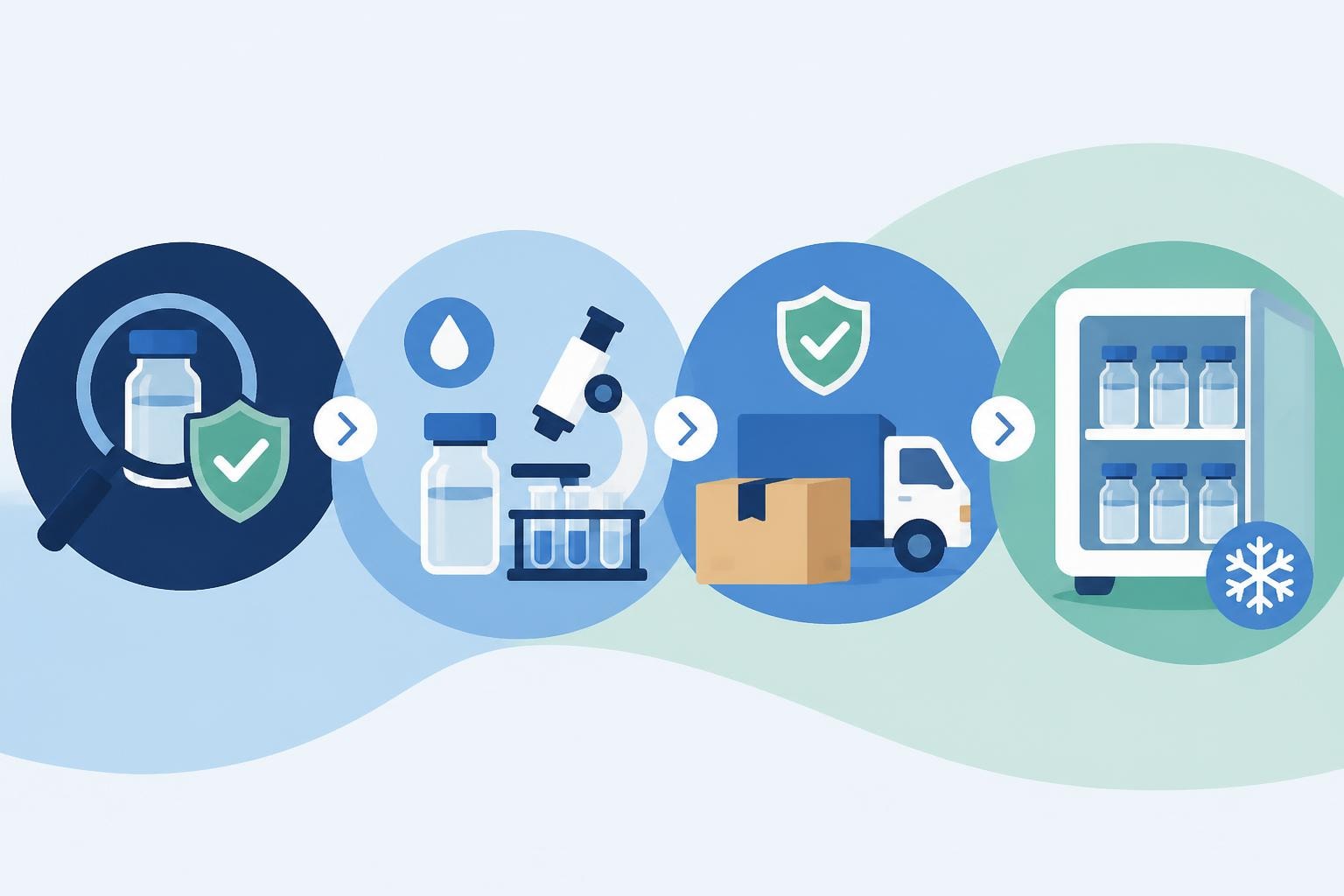
When you source peptides direct, you gain several distinct advantages over traditional retail channels. Direct suppliers typically maintain tighter quality control throughout the production process, from synthesis to packaging. This oversight ensures that each batch meets specific purity thresholds and potency requirements.
The direct model also provides:
- Complete traceability of products from laboratory to delivery
- Access to certificates of analysis (COAs) for every batch
- Competitive pricing without markup from multiple distributors
- Better customer support from knowledgeable staff familiar with the products
- Fresher inventory with shorter storage times
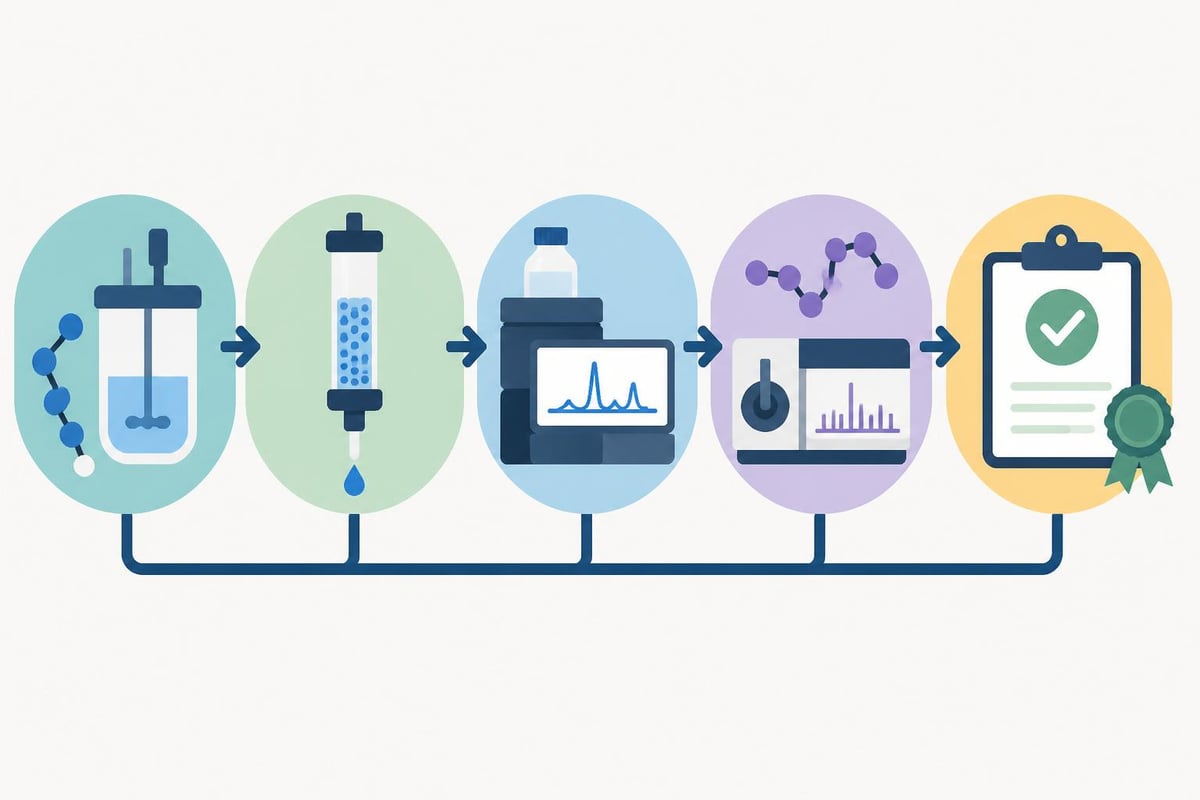
Many reputable suppliers who offer peptides direct invest heavily in advanced purification methods and quality testing to ensure their products meet pharmaceutical-grade standards. This commitment to excellence distinguishes premium suppliers from less scrupulous operators in the marketplace.
Evaluating Quality Standards for Direct Peptide Suppliers
Not all suppliers offering peptides direct maintain the same quality standards. Discerning buyers must develop a framework for evaluating potential sources before making purchasing decisions.
Key Quality Indicators to Verify
Purity levels represent the most critical specification when assessing peptides direct from any supplier. Premium peptides should consistently achieve purity levels of 98% or higher, verified through high-performance liquid chromatography (HPLC) testing.
| Quality Metric | Minimum Standard | Premium Standard |
|---|---|---|
| Purity Level | 95% | 98%+ |
| Testing Method | HPLC | HPLC + Mass Spec |
| COA Availability | Upon Request | Automatically Provided |
| Batch Testing | Random Sampling | Every Batch |
| Storage Conditions | Room Temperature | Temperature-Controlled |
Beyond purity, examine how suppliers handle manufacturing processes. The best sources of peptides direct utilize cutting-edge synthesis techniques that minimize contamination risks and maximize consistency across batches.
Transparency and Documentation
Legitimate suppliers providing peptides direct willingly share comprehensive documentation about their products. This transparency should include:
- Third-party testing results from independent laboratories
- Detailed product specifications including molecular weight and sequence
- Proper storage and handling instructions to maintain stability
- Clear labeling with batch numbers for traceability
- Reconstitution guidelines when applicable
Suppliers who hesitate to provide this information or offer vague responses to quality inquiries should raise immediate red flags. The proper injection sites and storage protocols become meaningless if the underlying product quality is questionable.
Popular Peptide Categories Available Direct
The diversity of peptides direct offerings has expanded significantly, with suppliers now stocking comprehensive catalogs that address various wellness objectives. Understanding these categories helps buyers identify the most appropriate compounds for their specific needs.
Performance and Recovery Peptides
Athletes and fitness enthusiasts frequently seek peptides direct for performance enhancement and accelerated recovery. Compounds like BPC-157 and TB-500 have gained considerable attention for their potential regenerative properties.
These peptides work through distinct mechanisms:
- BPC-157 supports tissue repair and reduces inflammation
- TB-500 promotes cell migration and differentiation
- Ipamorelin stimulates growth hormone release without affecting cortisol
- CJC-1295 extends growth hormone secretion periods
When sourcing these compounds peptides direct, verify that the supplier provides detailed dosage protocols and reconstitution instructions specific to each peptide's molecular structure.
Weight Management Solutions
The weight loss peptide category has witnessed explosive growth, with more individuals seeking peptides direct for metabolic support. Modern GLP-1 receptor agonists have revolutionized approaches to weight management.
Semaglutide and Tirzepatide represent the latest generation of weight management peptides available direct to consumers through research chemical suppliers. These compounds modulate appetite signals and improve insulin sensitivity, though they require careful administration under appropriate guidance.

Anti-Aging and Longevity Peptides
Longevity-focused individuals increasingly turn to peptides direct for compounds that address cellular aging processes. Epitalon, for instance, has attracted significant research interest for its potential effects on telomere length and circadian rhythm regulation.
NAD+ precursors and related compounds support cellular energy production and DNA repair mechanisms, while growth hormone secretagogues may help maintain youthful body composition as natural production declines with age.
Safety Considerations When Purchasing Peptides Direct
Acquiring peptides direct carries responsibility for proper handling, storage, and use. Safety should always take precedence over cost savings or convenience when selecting suppliers and using these compounds.
Reconstitution and Administration Best Practices
Most peptides direct arrive in lyophilized (freeze-dried) powder form, requiring reconstitution with bacteriostatic water before administration. This process demands precision and sterile technique.
Follow these essential steps:
- Clean your workspace thoroughly with alcohol wipes
- Use sterile bacteriostatic water specifically designed for peptide reconstitution
- Calculate the correct volume based on desired concentration
- Inject water slowly down the vial wall, avoiding direct contact with powder
- Swirl gently rather than shaking to preserve peptide structure
- Store properly according to manufacturer specifications
For detailed guidance on administration, many suppliers offering peptides direct provide comprehensive resources. The MOTS-C dosage protocol exemplifies the type of specific information buyers should expect from quality suppliers.
Storage and Stability Requirements
Peptides direct from reputable suppliers typically include storage recommendations on product labels. Generally, lyophilized peptides remain stable at room temperature for short periods, but optimal long-term storage occurs at -20°C to -80°C.
Once reconstituted, most peptides require refrigeration between 2°C and 8°C and should be used within 30 days. Some peptides may have shorter stability windows, making proper labeling and rotation essential for those maintaining multiple compounds.
| Peptide State | Storage Temperature | Typical Stability Period |
|---|---|---|
| Lyophilized | -20°C to -80°C | 1-2 years |
| Lyophilized | 2°C to 8°C | 3-6 months |
| Reconstituted | 2°C to 8°C | 14-30 days |
| Reconstituted | Room Temperature | 24-48 hours |
Navigating Pricing and Value Propositions
The cost of peptides direct varies considerably based on compound complexity, purity levels, and supplier business models. Understanding pricing structures helps buyers identify fair market rates and avoid both overpriced products and suspiciously cheap offerings that may indicate quality compromises.
Factors Influencing Peptide Pricing
Synthesis complexity significantly impacts the cost of peptides direct. Shorter chains with simple sequences cost less to manufacture than complex multi-chain structures requiring sophisticated coupling techniques and extensive purification.
Purity levels also affect pricing. Peptides tested to 99% purity through multiple analytical methods command premium prices compared to those verified only to 95% through basic HPLC analysis.
Volume discounts represent another consideration when purchasing peptides direct. Suppliers often reduce per-unit costs for bulk orders, though buyers must balance savings against stability concerns and storage requirements.
Comparing Value Across Suppliers
Price alone provides insufficient basis for selecting peptides direct suppliers. Total value encompasses product quality, testing rigor, customer support, and shipping reliability.
Consider these value factors:
- Testing transparency and willingness to share COAs
- Customer service responsiveness and technical knowledge
- Shipping methods that maintain temperature control
- Return policies for damaged or contaminated products
- Educational resources supporting safe, effective use
A moderately higher price from a supplier offering superior testing, storage, and support often delivers better value than rock-bottom pricing from questionable sources. The comprehensive product selection at Soma Peptide demonstrates how premium suppliers balance competitive pricing with uncompromising quality standards.

Regulatory Landscape and Legal Considerations
The regulatory environment surrounding peptides direct sales varies significantly across jurisdictions and continues evolving as authorities develop frameworks for these compounds. Buyers must understand applicable regulations in their locations before making purchases.
Research Chemical Classification
Many peptides sold direct to consumers fall under "research chemical" designation, indicating they're intended for laboratory research rather than human consumption. This classification allows legal distribution while placing responsibility on buyers for appropriate use.
Important regulatory distinctions:
- Research peptides vs. FDA-approved medications
- Import regulations for international purchases
- State-specific restrictions on particular compounds
- Professional licensing requirements for certain applications
- Customs considerations for cross-border transactions
Reputable suppliers offering peptides direct clearly state that their products are for research purposes and include appropriate disclaimers about intended use. They also refuse sales to individuals in jurisdictions where specific compounds face restrictions.
Customs and International Shipping
Buyers ordering peptides direct from international suppliers should research customs regulations thoroughly. Some countries maintain strict controls on peptide imports, requiring special permits or prohibiting certain compounds entirely.
Working with suppliers experienced in international shipping helps navigate these complexities. They understand documentation requirements, appropriate shipping declarations, and packaging methods that comply with international regulations while protecting product integrity during transit.
Building Relationships with Direct Suppliers
Establishing long-term relationships with trusted peptides direct suppliers offers numerous advantages beyond individual transactions. These partnerships can provide access to new compounds, preferential pricing, and valuable insights about emerging research.
Communication and Technical Support
Quality suppliers offering peptides direct invest in knowledgeable customer service teams capable of addressing technical questions about products, protocols, and applications. This expertise proves invaluable when selecting appropriate compounds or troubleshooting administration issues.
Don't hesitate to ask detailed questions:
- Specific testing methodologies used for verification
- Optimal reconstitution volumes for desired concentrations
- Expected stability timelines under various storage conditions
- Compatibility with other compounds in research protocols
- Availability of related supplies like bacteriostatic water
Suppliers who welcome these inquiries and provide thoughtful, detailed responses demonstrate commitment to customer success rather than merely processing transactions.
Loyalty Programs and Exclusive Access
Many established suppliers offering peptides direct reward repeat customers through loyalty programs, early access to new products, or exclusive educational content. These benefits can substantially enhance the overall value proposition over time.
Some programs offer:
- Accumulating purchase credits toward future orders
- Priority notification about new compound availability
- Enhanced customer support with dedicated representatives
- Special pricing on select products or during promotional periods
- Access to research summaries and application guides
Building these relationships requires consistent communication, timely feedback about products and experiences, and professional engagement with supplier staff. The investment in relationship development typically pays dividends through improved service, better pricing, and access to harder-to-source compounds.
Emerging Trends in Direct Peptide Sourcing
The peptides direct marketplace continues evolving rapidly, with several trends reshaping how consumers access these compounds and what they expect from suppliers.
Enhanced Testing and Verification
Advanced analytical techniques have become more accessible and affordable, enabling suppliers offering peptides direct to implement more rigorous testing protocols. Beyond standard HPLC analysis, many now routinely perform mass spectrometry, amino acid analysis, and endotoxin testing on every batch.
This testing evolution benefits consumers through greater confidence in product authenticity and purity. Sophisticated buyers increasingly demand comprehensive COAs showing multiple verification methods rather than single-test results.
Customization and Specialized Formulations
Some suppliers now offer custom peptide synthesis services, allowing buyers to request specific sequences, modifications, or purity levels beyond standard catalog offerings. While these custom peptides direct typically require longer lead times and higher costs, they enable more precise research applications.
Specialized formulations combining multiple peptides or including novel delivery mechanisms represent another emerging trend. These products aim to enhance convenience, improve stability, or optimize bioavailability compared to traditional preparations.
Educational Resources and Community Building
Leading peptides direct suppliers increasingly recognize that educated customers make better decisions and achieve superior results. Consequently, many invest heavily in educational content, protocol databases, and community forums.
These resources might include:
- Detailed compound monographs explaining mechanisms and applications
- Dosage calculators for precise concentration determination
- Video tutorials demonstrating reconstitution and administration
- Research literature compilations from peer-reviewed sources
- User communities for sharing experiences and insights
Access to comprehensive peptide information and support resources distinguishes suppliers committed to customer success from those focused solely on transactions.
Verification Strategies for First-Time Buyers
Individuals new to purchasing peptides direct face information overload and difficulty distinguishing legitimate suppliers from problematic operators. Developing systematic verification strategies reduces risks and improves outcomes.
Initial Research and Due Diligence
Before placing first orders for peptides direct, conduct thorough background research on potential suppliers. Search for independent reviews, check business registration details, and verify contact information authenticity.
Red flags to watch for:
- Lack of verifiable business information or physical address
- Unwillingness to provide product testing documentation
- Pressure tactics or aggressive sales approaches
- Suspiciously low pricing compared to market averages
- Poor website security or unprofessional presentation
- Vague product descriptions without technical specifications
Conversely, positive indicators include transparent business practices, readily available COAs, professional customer service, and active engagement with the research community.
Starting with Smaller Test Orders
Even when dealing with apparently reputable suppliers offering peptides direct, consider starting with smaller orders to verify product quality, shipping reliability, and customer service responsiveness before committing to larger purchases.
This cautious approach allows you to:
- Evaluate packaging quality and temperature maintenance during shipping
- Review actual COAs against promised specifications
- Test product reconstitution and visual appearance
- Assess customer service responsiveness to questions
- Verify billing accuracy and transaction security
Successful test orders build confidence for larger purchases, while problems identified early prevent more significant losses or complications.
Understanding how to source peptides direct empowers you to make informed decisions about product quality, supplier reliability, and safe usage practices. Whether you're researching compounds for recovery, weight management, or longevity, the direct purchasing model offers transparency and value when you work with reputable suppliers. Soma Peptide combines rigorous testing standards, comprehensive product selection, and exceptional customer support to ensure you receive premium-quality peptides backed by complete documentation and expert guidance.