

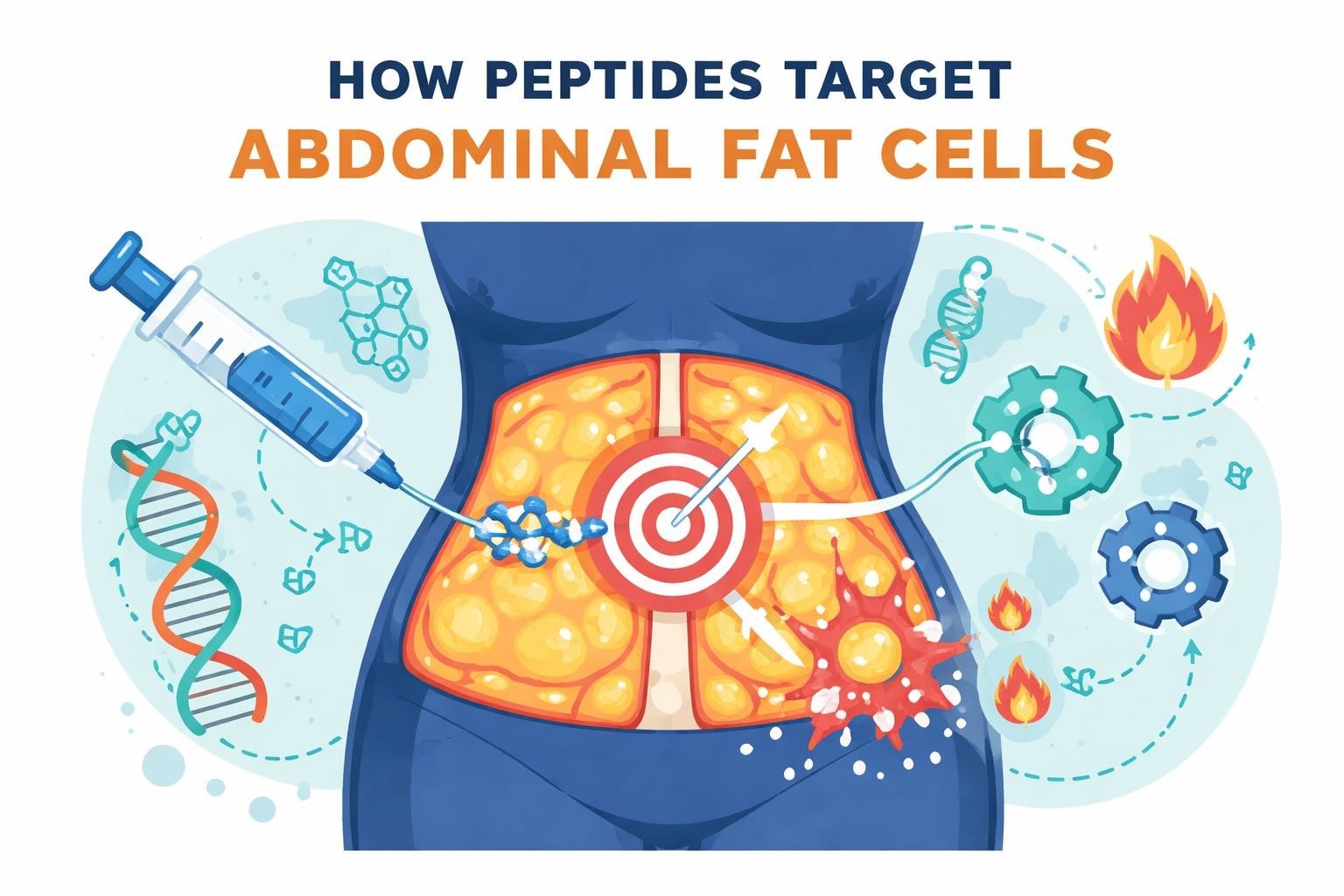
Stubborn abdominal fat remains one of the most frustrating challenges for individuals pursuing optimal health and body composition. While traditional diet and exercise methods provide foundational benefits, many people discover that belly fat proves particularly resistant to conventional approaches. Peptide therapy has emerged as a scientifically-supported strategy that specifically targets visceral and subcutaneous fat deposits in the midsection. These specialized amino acid chains work through precise biological mechanisms to enhance fat metabolism, regulate appetite, and optimize hormonal balance. Understanding how peptides for belly fat function can empower you to make informed decisions about incorporating these compounds into your wellness regimen.
Understanding Peptides and Fat Loss Mechanisms
Peptides are short chains of amino acids that serve as signaling molecules throughout the human body. These compounds communicate instructions to cells, tissues, and organs, triggering specific biological responses. When it comes to fat reduction, certain peptides interact with receptors that control metabolism, growth hormone production, and lipolysis.
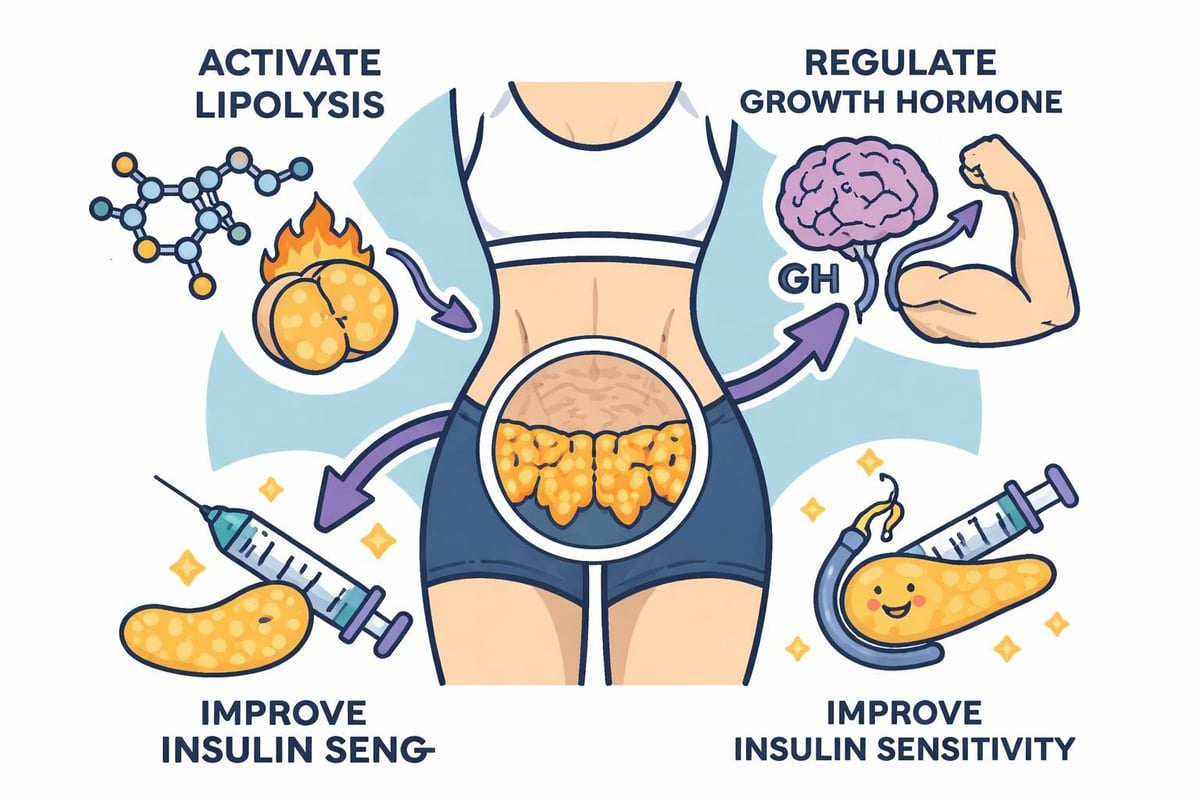
The effectiveness of peptides for belly fat stems from their ability to target multiple pathways simultaneously. Unlike simple stimulants or appetite suppressants, these compounds work at a cellular level to enhance your body's natural fat-burning processes. They can increase growth hormone secretion, improve insulin sensitivity, boost metabolic rate, and promote the breakdown of stored triglycerides.
Why Belly Fat Requires Specialized Approaches
Abdominal fat differs significantly from fat stored in other body regions. Visceral fat, which surrounds internal organs, releases inflammatory compounds and hormones that interfere with metabolic health. This type of fat is particularly stubborn because it contains a higher density of cortisol receptors and responds differently to standard weight loss interventions.
Key characteristics of abdominal fat:
- Higher concentration of alpha-2 adrenergic receptors that inhibit fat breakdown
- Increased sensitivity to stress hormones like cortisol
- Greater resistance to insulin signaling
- More pronounced inflammatory marker production
- Deeper integration with metabolic syndrome risk factors
Peptide therapy addresses these specific challenges by modulating hormone levels and cellular signaling pathways that conventional approaches cannot reach. The targeted mechanisms of peptides for weight loss make them particularly effective for addressing resistant abdominal fat deposits.
Top Peptides for Targeting Abdominal Fat
Different peptides offer distinct mechanisms and benefits for reducing belly fat. Selecting the appropriate compound depends on individual goals, current health status, and specific metabolic challenges.
Growth Hormone Secretagogues
Growth hormone plays a central role in body composition, and its decline with age contributes to increased abdominal fat accumulation. Several peptides stimulate natural growth hormone production, leading to enhanced lipolysis and improved muscle-to-fat ratios.
CJC-1295 represents one of the most studied growth hormone-releasing hormones. This peptide extends the half-life of growth hormone pulses, creating sustained elevation in GH levels. When combined with other peptides, CJC-1295 demonstrates enhanced effectiveness for fat reduction.
Ipamorelin functions as a selective growth hormone secretagogue that mimics ghrelin without increasing appetite. This peptide stimulates GH release while avoiding the cortisol and prolactin elevation associated with other compounds. Research indicates that Ipamorelin specifically promotes lipolysis in adipose tissue, making it valuable for targeting belly fat.
The combination of Sermorelin and GHRP-2 peptides creates synergistic effects on endogenous growth hormone production. This approach enhances the body's natural hormone rhythms rather than replacing them, supporting sustainable fat loss while preserving lean muscle mass.
| Peptide | Primary Mechanism | Belly Fat Impact | Typical Duration |
|---|---|---|---|
| CJC-1295 | GH pulse extension | Sustained lipolysis | 8-12 weeks |
| Ipamorelin | Selective GH release | Direct fat targeting | 8-16 weeks |
| Tesamorelin | GHRH analog | Visceral fat reduction | 12-26 weeks |
| AOD-9604 | HGH fragment | Abdominal fat metabolism | 12-16 weeks |
Tesamorelin for Visceral Fat Reduction
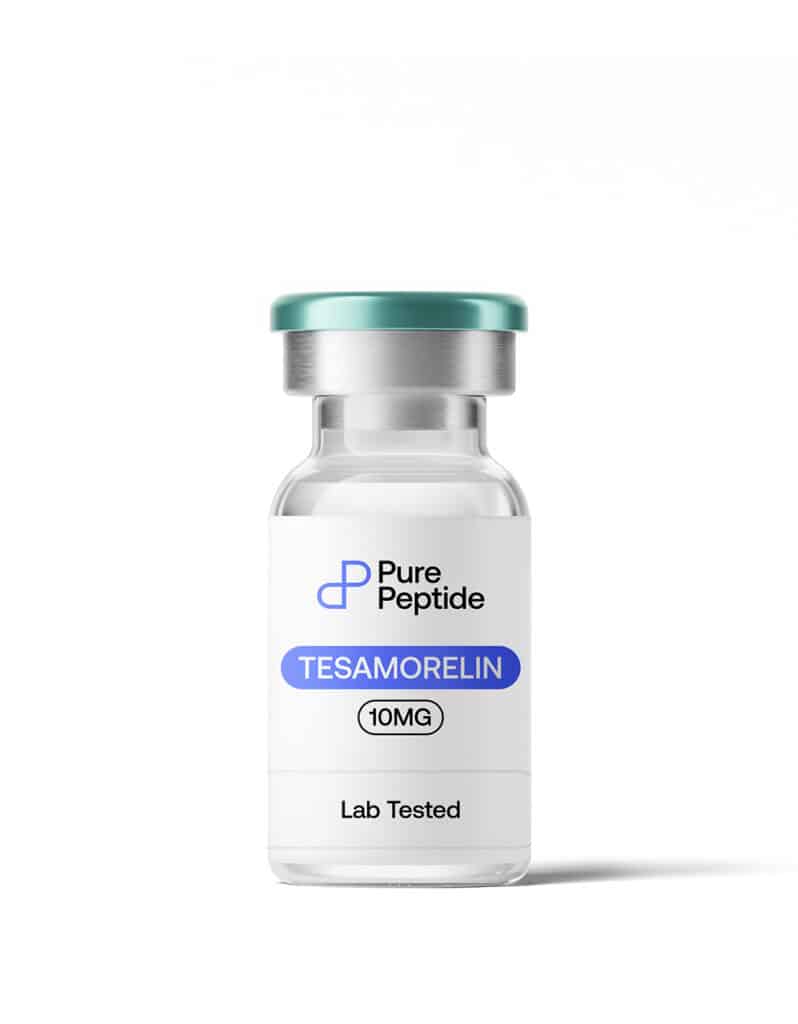
Tesamorelin has garnered significant attention for its remarkable ability to reduce visceral abdominal fat. Originally developed to address lipodystrophy in HIV patients, this growth hormone-releasing hormone analog demonstrates powerful effects specifically on belly fat deposits. Studies on Tesamorelin and visceral fat show reductions of up to 15-20% in abdominal fat over six months of treatment.
The peptide works by stimulating pituitary production of growth hormone, which then triggers metabolic changes that preferentially target visceral adipose tissue. Unlike some fat loss interventions that reduce overall body weight indiscriminately, Tesamorelin specifically addresses the most metabolically harmful fat deposits.
AOD-9604: The Targeted Fat Fragment
AOD-9604 represents a modified fragment of human growth hormone specifically designed to promote fat loss without affecting blood sugar or stimulating tissue growth. This peptide’s unique mechanism involves stimulating lipolysis while simultaneously inhibiting lipogenesis, creating a dual-action approach to fat reduction.
Research demonstrates that AOD-9604 particularly targets abdominal fat stores, making it one of the most specific peptides for belly fat available. The compound mimics the fat-reducing effects of growth hormone without the potential side effects associated with full GH supplementation.
Benefits of AOD-9604:
- Selective fat metabolism enhancement
- No impact on blood glucose levels
- Minimal effect on IGF-1 production
- Direct targeting of abdominal adipose tissue
- Compatible with various dietary approaches
Metabolic Hormone Receptor Agonists
A newer class of peptides for belly fat includes compounds that activate multiple metabolic hormone receptors simultaneously. These multi-agonist peptides represent cutting-edge developments in obesity medicine and fat loss therapy.
GLP-1 and Multi-Receptor Agonists
Glucagon-like peptide-1 (GLP-1) agonists have revolutionized weight management by addressing multiple aspects of metabolism. These peptides slow gastric emptying, enhance insulin secretion, reduce appetite, and promote satiety through central nervous system pathways.
Semaglutide has demonstrated exceptional results for overall weight loss and specifically reduces abdominal fat through sustained appetite regulation and metabolic optimization. Clinical trials show average weight reductions of 15-20% over one year, with significant decreases in waist circumference measurements.
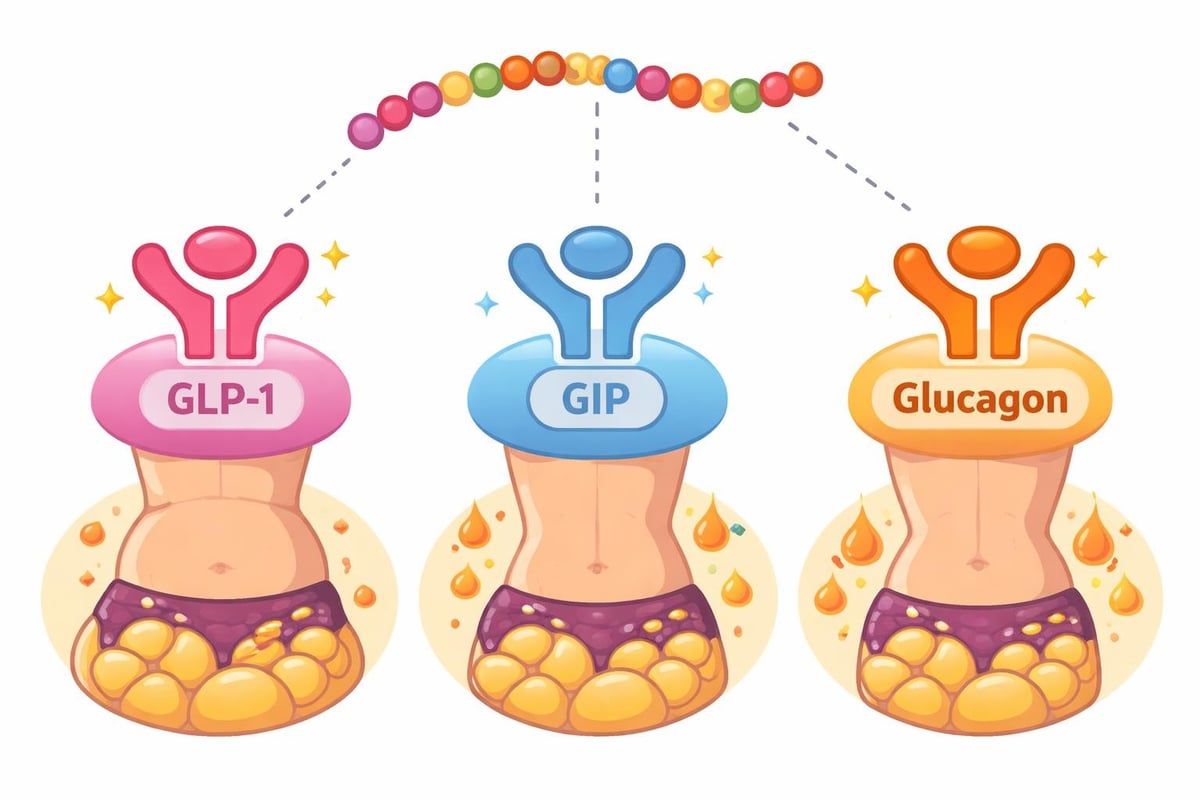
The development of dual and triple agonist peptides represents the next frontier in peptide therapy for belly fat. These compounds activate multiple receptors including GLP-1, GIP, and glucagon pathways to create synergistic metabolic effects.
Retatrutide: Triple Receptor Activation
Retatrutide activates GLP-1, GIP, and glucagon receptors, creating a comprehensive metabolic intervention. Early clinical data suggests this triple agonist produces superior weight loss compared to single-receptor agonists, with particular effectiveness for reducing visceral abdominal fat.
The multi-pathway approach addresses fat accumulation from several angles: enhanced energy expenditure through glucagon activation, improved insulin sensitivity via GIP signaling, and reduced caloric intake through GLP-1 effects. This comprehensive mechanism makes peptides for belly fat like Retatrutide particularly promising for individuals with significant abdominal obesity.
Pemvidutide and Dual Agonism
Pemvidutide combines GLP-1 and glucagon receptor activation to promote both appetite reduction and increased energy expenditure. The glucagon component specifically enhances hepatic fat oxidation and improves metabolic rate, complementing the appetite-suppressing effects of GLP-1 activation.
This dual mechanism proves especially effective for reducing liver fat and visceral adipose tissue, two components closely associated with metabolic syndrome and cardiovascular risk. The compound's effects on lipid profiles and abdominal fat distribution make it a valuable tool in comprehensive metabolic health strategies.
Optimizing Peptide Therapy for Maximum Belly Fat Reduction
Successfully implementing peptides for belly fat requires more than simply administering the compounds. Strategic planning, proper dosing protocols, and complementary lifestyle factors significantly influence outcomes.
Dosing Protocols and Administration
Peptide effectiveness depends heavily on appropriate dosing schedules and administration techniques. Most peptides require subcutaneous injection, with timing coordinated to natural hormone rhythms or metabolic windows.
Standard protocol considerations:
- Start with conservative doses to assess individual response
- Gradually increase to therapeutic levels over 2-4 weeks
- Time injections to optimize natural hormone patterns
- Maintain consistent administration schedules
- Monitor progress through body composition measurements
- Adjust protocols based on individual response patterns
Growth hormone secretagogues typically perform best when administered before bedtime to align with natural GH pulse patterns. Conversely, GLP-1 agonists can be taken at various times depending on specific compound half-lives and individual appetite patterns.
Proper reconstitution using bacteriostatic water ensures peptide stability and sterility. Using appropriate injection syringes with the correct needle gauge minimizes discomfort and ensures accurate dosing.
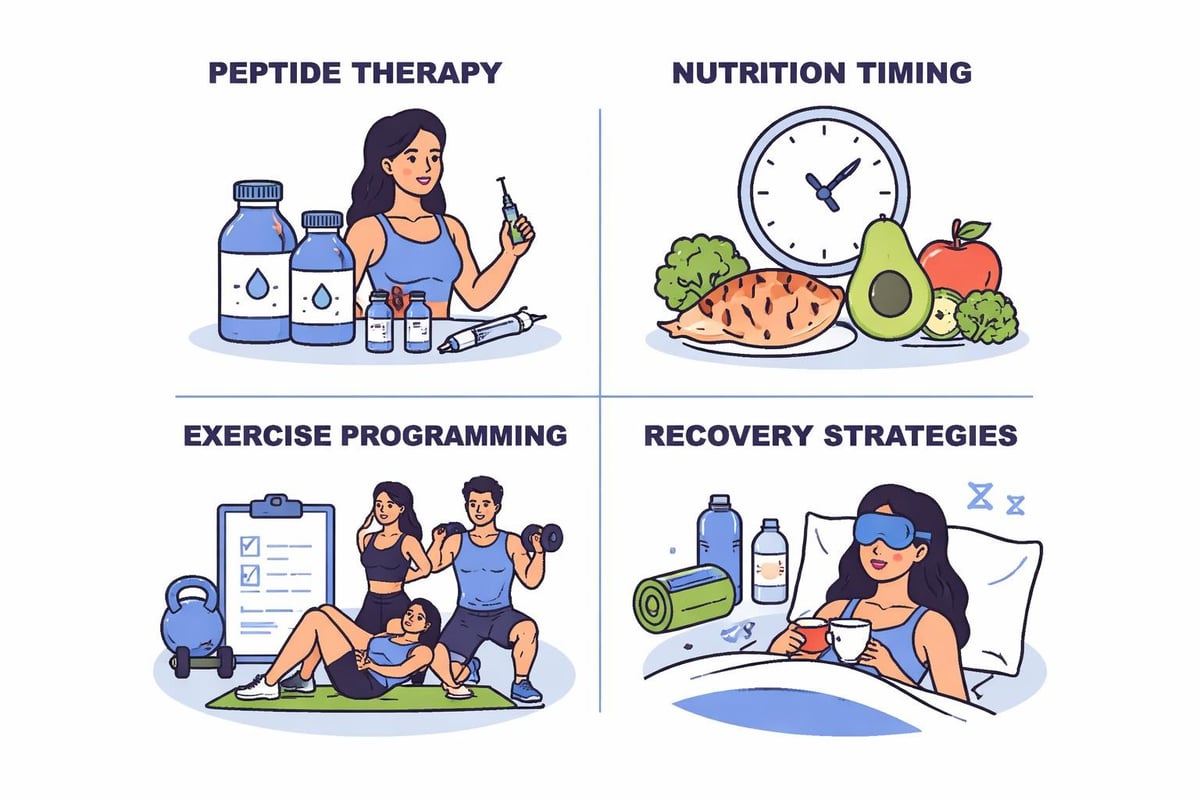
Complementary Nutritional Strategies
Peptides for belly fat work most effectively when combined with strategic nutritional approaches. While these compounds enhance fat metabolism independently, dietary choices can amplify or diminish their effects.
High-protein intake supports the muscle-preserving effects of growth hormone-stimulating peptides while promoting satiety. Research suggests consuming 1.6-2.2 grams of protein per kilogram of body weight optimizes body composition changes during peptide therapy.
Carbohydrate timing becomes particularly important with growth hormone secretagogues. Elevated blood glucose can blunt GH release, making it advantageous to avoid carbohydrate consumption for 2-3 hours before administering GH-stimulating peptides.
| Nutritional Factor | Recommendation | Rationale |
|---|---|---|
| Protein intake | 1.6-2.2 g/kg body weight | Preserves lean mass, enhances satiety |
| Pre-injection fasting | 2-3 hours for GH peptides | Optimizes hormone release |
| Omega-3 fatty acids | 2-4 grams daily | Reduces inflammation, supports fat metabolism |
| Fiber consumption | 30-40 grams daily | Enhances GLP-1 response, improves satiety |
| Hydration | 3-4 liters daily | Supports metabolic processes, peptide distribution |
Exercise Integration
Physical activity creates synergistic effects with peptide therapy for belly fat reduction. Both resistance training and cardiovascular exercise enhance peptide effectiveness through multiple mechanisms.
Resistance training increases insulin sensitivity, stimulates growth hormone release, and builds muscle tissue that elevates resting metabolic rate. When combined with GH-stimulating peptides, strength training can dramatically accelerate improvements in body composition and abdominal fat reduction.
High-intensity interval training (HIIT) particularly complements peptides for belly fat by creating metabolic stress that amplifies growth hormone secretion and fat oxidation. Sessions of 20-30 minutes, 2-4 times weekly, produce significant additional benefits without requiring excessive time commitment.
Moderate-intensity steady-state cardio performed in a fasted state can enhance fat utilization when using peptides like AOD-9604 or CJC-1295. This approach takes advantage of elevated growth hormone levels and optimized fat metabolism to preferentially burn abdominal fat stores.
Safety Considerations and Monitoring
Responsible use of peptides for belly fat requires attention to safety protocols, quality sourcing, and appropriate health monitoring. Understanding potential considerations helps ensure optimal outcomes while minimizing risks.
Quality and Purity Standards
Peptide effectiveness and safety depend critically on compound purity and proper manufacturing. Substandard products may contain contaminants, incorrect concentrations, or degraded peptides that fail to produce intended effects.
Advanced purification methods and stringent quality control measures ensure peptides maintain their structural integrity and biological activity. Third-party testing verifies peptide content, confirms absence of contaminants, and validates proper formulation. When selecting peptides for belly fat reduction, prioritizing quality over price protects both health and investment.
Medical Supervision and Monitoring
While many peptides demonstrate excellent safety profiles, medical oversight enhances outcomes and identifies potential issues early. Baseline health assessments establish starting points for measuring progress and ensure no contraindications exist.
Recommended monitoring parameters:
- Body composition analysis (DEXA or bioimpedance)
- Waist circumference measurements
- Fasting glucose and insulin levels
- Lipid panel (cholesterol, triglycerides)
- Liver function markers
- IGF-1 levels (for GH-stimulating peptides)
- Blood pressure monitoring
Regular follow-up assessments every 4-8 weeks allow protocol adjustments based on individual response patterns. Some individuals experience rapid improvements, while others require longer treatment durations or dosage modifications to achieve optimal belly fat reduction.
Potential Interactions and Contraindications
Certain medical conditions and medications may influence peptide therapy appropriateness. Individuals with active cancer, uncontrolled diabetes, or severe cardiac conditions should exercise particular caution and seek specialized medical guidance.
GLP-1 agonists require careful monitoring in individuals with history of pancreatitis or thyroid disorders. Growth hormone-stimulating peptides warrant consideration of IGF-1 levels and screening for conditions that might be affected by elevated growth hormone.
Medications that affect blood glucose, blood pressure, or hormone levels may require adjustment when initiating peptides for belly fat. Collaborative care between prescribing physicians ensures all therapeutic interventions work harmoniously.
Realistic Expectations and Timeline
Understanding typical response patterns and timelines helps maintain realistic expectations and supports sustained commitment to peptide therapy protocols. Results vary based on individual factors including starting body composition, age, hormone levels, and lifestyle consistency.
Expected Progress Markers
Most individuals begin noticing subtle changes in body composition within 4-6 weeks of initiating peptides for belly fat. Early improvements often include reduced bloating, slight waist circumference decreases, and enhanced muscle definition.
Significant belly fat reduction typically becomes evident between 8-16 weeks, with continued improvements over 6-12 months of consistent therapy. The rate of fat loss depends heavily on the specific peptide protocol, dosing strategy, and complementary lifestyle factors.
Typical timeline for belly fat reduction:
- Weeks 1-4: Metabolic optimization, improved energy, subtle composition changes
- Weeks 4-8: Noticeable waist circumference reduction, improved muscle tone
- Weeks 8-16: Significant abdominal fat loss, enhanced body composition
- Months 4-6: Substantial transformation, optimized hormone balance
- Months 6-12: Continued refinement, maintenance protocol establishment
Patience and consistency prove essential, as peptide therapy works through natural biological processes rather than producing immediate dramatic changes. The gradual approach supports sustainable results and allows the body to adapt to improved metabolic function.
Individual Variability Factors
Response to peptides for belly fat varies considerably between individuals based on numerous factors. Age significantly influences outcomes, with younger individuals often experiencing faster initial changes due to higher baseline hormone levels and metabolic flexibility.
Starting body composition affects both absolute and relative results. Individuals with higher initial body fat percentages may see more dramatic total weight loss, while leaner individuals might experience slower but more targeted abdominal fat reduction.
Genetic factors influence receptor sensitivity, hormone production capacity, and fat distribution patterns. Some people demonstrate exceptional response to specific peptides while showing minimal reaction to others, highlighting the value of personalized protocol development.
Lifestyle consistency dramatically impacts outcomes. Individuals who maintain disciplined nutrition, regular exercise, adequate sleep, and stress management achieve superior results compared to those who rely solely on peptide administration without supporting lifestyle modifications.
Combining Peptides for Enhanced Results
Strategic combination of multiple peptides can create synergistic effects that exceed results from single-compound protocols. Understanding which peptides complement each other allows development of comprehensive approaches to belly fat reduction.
GH Secretagogue Stacks
Combining different growth hormone-stimulating peptides creates complementary pulses that more closely mimic natural hormone patterns. Pairing a GHRH analog like CJC-1295 with a ghrelin mimetic like Ipamorelin produces robust GH elevation through dual pathway activation.
This combination approach stimulates both the pituitary production mechanisms and the hypothalamic signaling pathways, creating more substantial and sustained growth hormone increases. The enhanced GH levels translate to superior fat metabolism, particularly in stubborn abdominal deposits.
Multi-Pathway Metabolic Optimization
Combining growth hormone secretagogues with metabolic peptides addresses fat accumulation through multiple independent mechanisms. Pairing compounds like how peptide therapy helps lower body fat percentage demonstrates the value of comprehensive approaches.
A protocol might include a GH-stimulating peptide for enhanced lipolysis and muscle preservation alongside a GLP-1 agonist for appetite regulation and insulin sensitivity. This dual approach attacks belly fat from both metabolic acceleration and caloric reduction perspectives.
Recovery and Anti-Aging Synergies
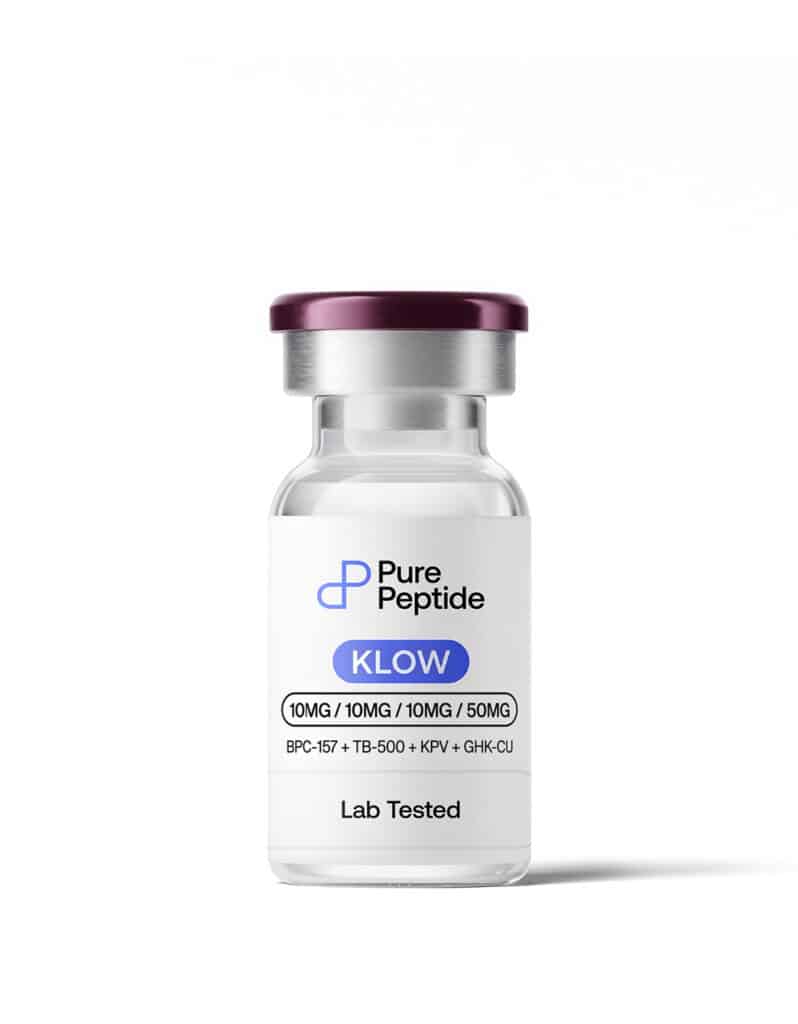
Incorporating peptides with recovery and cellular regeneration properties supports the overall transformation process while addressing belly fat. Compounds like BPC-157 enhance tissue repair, reduce inflammation, and support gut health, all of which contribute to improved metabolic function and body composition.
The anti-inflammatory effects of certain peptides help reduce the chronic inflammation associated with visceral fat, creating a more favorable metabolic environment for fat loss. This comprehensive approach addresses both symptoms and underlying causes of abdominal fat accumulation.
Peptides for belly fat represent a scientifically-validated approach to addressing one of the most challenging aspects of body composition. By targeting specific metabolic pathways, hormone systems, and cellular processes, these compounds offer solutions that complement traditional diet and exercise methods. Whether you're interested in exploring peptide options or ready to begin your transformation, Soma Peptide provides premium-quality compounds backed by rigorous testing and quality assurance standards to support your health and wellness goals.