



Growth hormone plays a crucial role in human physiology, influencing everything from muscle development and fat metabolism to cellular repair and longevity. As natural production declines with age, many individuals seek methods to optimize their growth hormone levels safely and effectively. Peptides for growth hormone have emerged as a sophisticated approach to stimulating the body's natural production mechanisms rather than introducing synthetic hormones directly. These specialized peptide sequences work by targeting specific receptors in the pituitary gland, triggering controlled release of endogenous growth hormone through physiological pathways.
Understanding Growth Hormone-Releasing Peptides
Growth hormone-releasing peptides represent a class of synthetic compounds designed to stimulate the body's natural growth hormone production. Unlike direct hormone replacement, these peptides work by mimicking naturally occurring signals that tell the pituitary gland to increase growth hormone secretion. This approach maintains the body's regulatory feedback systems while enhancing output.
The science behind growth hormone-releasing peptides demonstrates their unique mechanisms of action. These compounds bind to specific receptors on pituitary cells, initiating a cascade of biochemical signals that culminate in growth hormone release. The process preserves natural pulsatile patterns, which is critical for optimal physiological effects.
Key advantages of peptide-based approaches include:
- Preservation of natural feedback mechanisms
- Reduced risk of receptor downregulation
- Ability to customize dosing protocols
- Lower incidence of side effects compared to synthetic hormones
- Maintained pulsatile secretion patterns
Classification of Growth Hormone Peptides
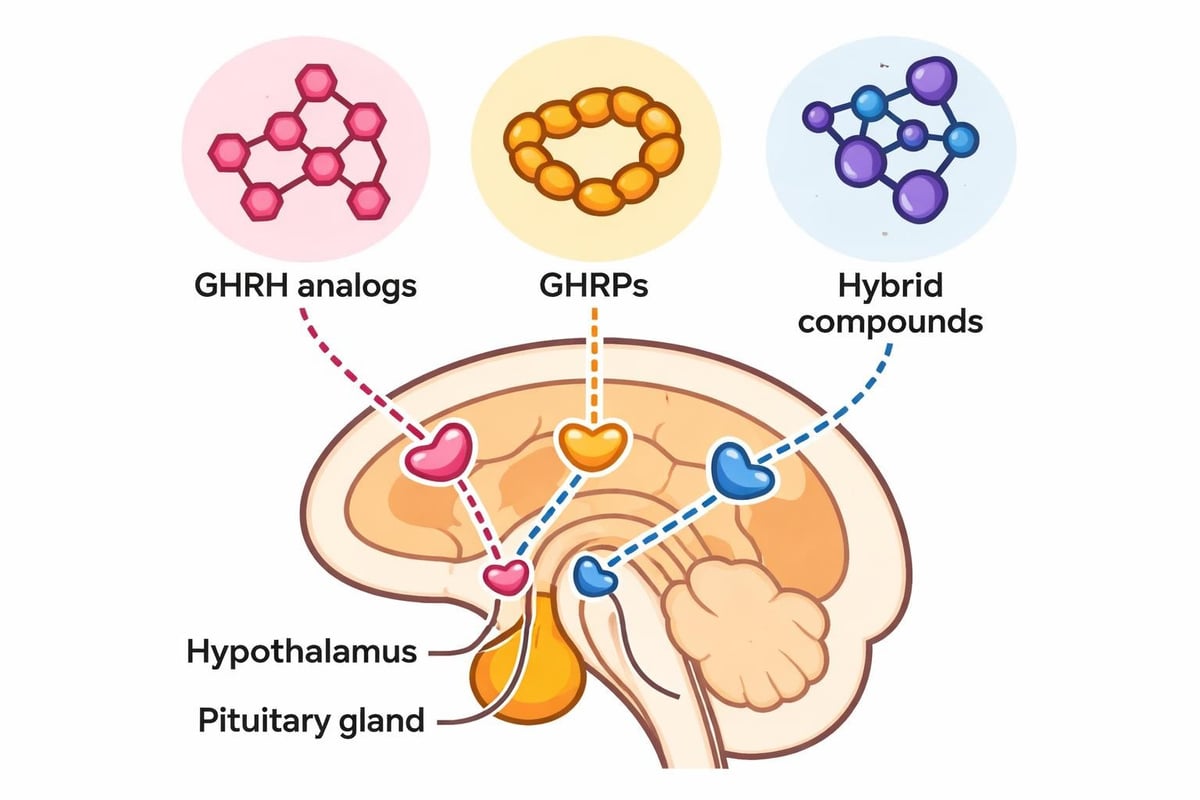
Peptides for growth hormone fall into distinct categories based on their mechanisms and structures. Understanding these classifications helps users select appropriate compounds for specific goals.
| Peptide Class | Primary Mechanism | Key Characteristics |
|---|---|---|
| GHRH Analogs | Direct GHRH receptor activation | Mimics natural growth hormone-releasing hormone |
| GHRPs | Ghrelin receptor activation | Stimulates hunger and GH release simultaneously |
| Hybrid Peptides | Multiple receptor pathways | Combines benefits of different mechanisms |
Growth hormone-releasing hormone (GHRH) analogs like Sermorelin work by directly stimulating GHRH receptors on pituitary somatotroph cells. This produces a predictable growth hormone response that closely mirrors natural physiological patterns. These peptides typically demonstrate excellent safety profiles due to their biomimetic nature.
Growth hormone-releasing peptides (GHRPs) represent a different approach. Research on synthetic GHRPs reveals their ability to activate ghrelin receptors, producing potent growth hormone secretion independent of GHRH pathways. This dual-mechanism approach often yields stronger responses than GHRH analogs alone.
Mechanisms Behind Peptide-Induced Growth Hormone Release
The physiological processes governing how peptides for growth hormone function involve complex endocrine signaling. When administered, these peptides enter the bloodstream and travel to target tissues, primarily the pituitary gland and hypothalamus. Their molecular structures allow them to bind with high specificity to designated receptors.
Upon binding, conformational changes in receptor proteins trigger intracellular signaling cascades. These cascades involve secondary messengers like cyclic AMP and calcium ions, which activate protein kinases and transcription factors. The result is increased synthesis and secretion of growth hormone from specialized pituitary cells called somatotrophs.
Receptor Activation and Signal Transduction
Different peptides activate distinct receptor pathways, creating varied physiological responses. GHRH receptors belong to the G-protein coupled receptor superfamily, utilizing adenylyl cyclase activation to increase intracellular cAMP levels. This elevation triggers protein kinase A activation, ultimately leading to growth hormone gene transcription and peptide release.
Ghrelin receptors, targeted by GHRPs, employ similar G-protein mechanisms but with distinct downstream effects. These receptors also influence appetite regulation and energy metabolism, explaining why certain growth hormone peptides produce hunger sensations alongside growth hormone release.
The signal transduction process involves:
- Peptide binding to extracellular receptor domain
- Conformational change in receptor structure
- G-protein activation and GTP binding
- Adenylyl cyclase stimulation or calcium channel modulation
- Secondary messenger accumulation (cAMP, IP3, calcium)
- Protein kinase activation
- Gene transcription and protein synthesis
- Growth hormone vesicle exocytosis
This multi-step process ensures precise regulation and allows for amplification of the initial peptide signal. A single peptide molecule can trigger the release of numerous growth hormone molecules, creating significant physiological effects from relatively small doses.
Common Peptides for Growth Hormone Optimization
Several specific peptides have gained recognition for their efficacy in stimulating growth hormone production. Each offers distinct advantages, pharmacokinetics, and applications based on individual needs and goals.
Sermorelin and GHRH Analogs
Sermorelin contains the first 29 amino acids of naturally occurring GHRH, representing the biologically active portion of the full 44-amino acid hormone. This truncated sequence maintains full receptor-binding capability while offering improved stability and manufacturing efficiency. Studies on GHRH peptides demonstrate consistent growth hormone elevation with minimal side effects.
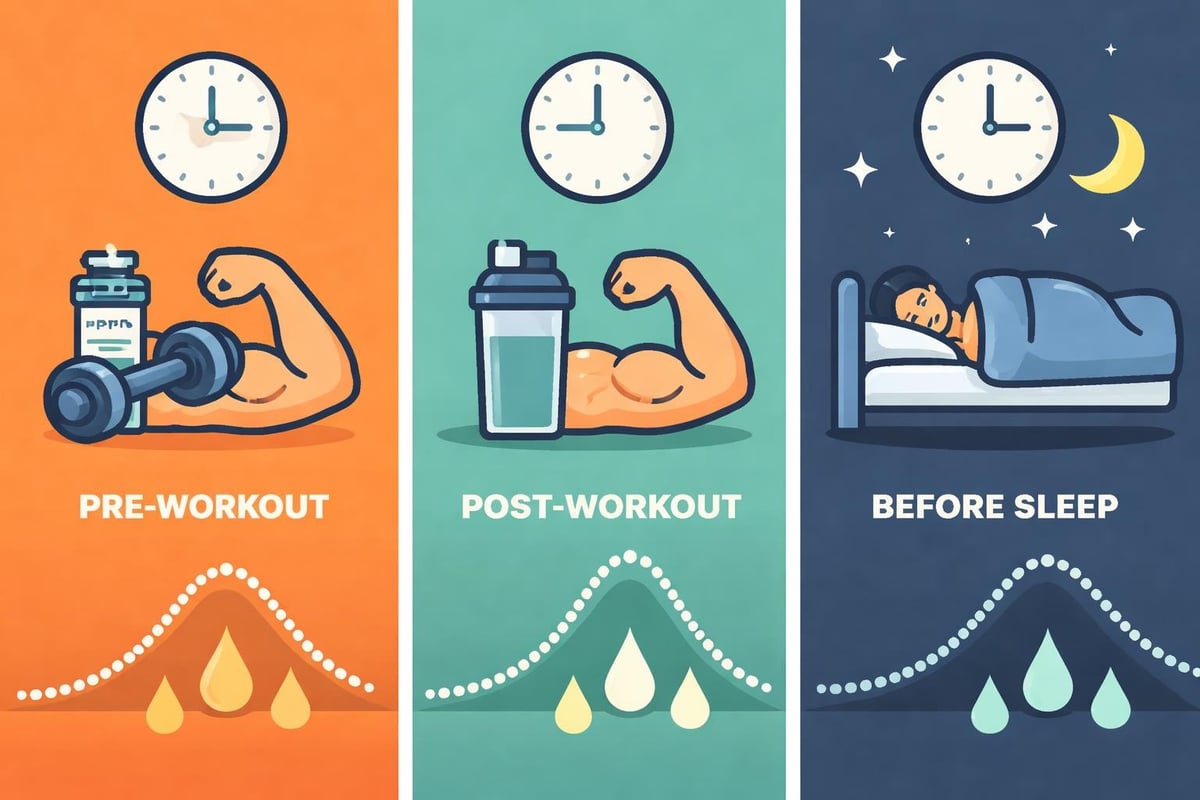
The peptide's effects typically manifest within 30-60 minutes of administration, with peak growth hormone levels occurring approximately 90 minutes post-injection. This timing aligns well with natural nocturnal growth hormone surges when administered before bedtime.
GHRP-2 and GHRP-6
These second-generation growth hormone secretagogues represent significant advancements in peptide technology. GHRP-2 produces robust growth hormone release with moderate appetite stimulation, while GHRP-6 generates stronger hunger signals alongside comparable growth hormone elevation. Both compounds demonstrate potent GH-releasing activity across diverse populations.
| Peptide | GH Release Potency | Appetite Effect | Half-Life | Typical Dosing |
|---|---|---|---|---|
| GHRP-2 | High | Moderate | 20-30 minutes | 100-300 mcg |
| GHRP-6 | High | Strong | 20-30 minutes | 100-300 mcg |
| Ipamorelin | Moderate-High | Minimal | 2 hours | 200-300 mcg |
| Tesamorelin | Moderate | None | 26-38 minutes | 2 mg |
Ipamorelin
Ipamorelin represents a refinement of earlier GHRP compounds, offering selective growth hormone release without significantly affecting cortisol, prolactin, or appetite. This selectivity makes it particularly attractive for individuals seeking growth hormone optimization without unwanted hormonal side effects. The peptide demonstrates consistent efficacy across multiple daily administrations without desensitization.
Applications and Benefits
Peptides for growth hormone serve multiple therapeutic and performance-enhancement purposes. Their versatility stems from growth hormone's widespread physiological effects across numerous organ systems and metabolic processes.
Body Composition Enhancement
Growth hormone exerts powerful effects on fat metabolism and muscle protein synthesis. By elevating growth hormone levels through peptide administration, users often experience improved body composition characterized by reduced adipose tissue and increased lean muscle mass. These changes occur through multiple mechanisms including enhanced lipolysis, increased protein synthesis, and improved nutrient partitioning.
The fat-loss effects prove particularly pronounced in visceral adipose tissue, the metabolically active fat surrounding internal organs. This targeted fat reduction carries significant health implications beyond aesthetics, potentially improving insulin sensitivity and cardiovascular risk markers.
Body composition benefits include:
- Enhanced lipolysis and fat oxidation
- Increased lean muscle tissue development
- Improved nitrogen retention
- Better nutrient partitioning toward muscle growth
- Reduced visceral adiposity
- Enhanced metabolic rate
Recovery and Tissue Repair
Growth hormone plays essential roles in tissue healing and regeneration. Elevated levels support faster recovery from training, injuries, and surgical procedures. The hormone stimulates collagen synthesis, enhances bone density, and promotes cellular proliferation in damaged tissues. Athletes and active individuals particularly value these recovery-supporting properties.
Beyond acute injury repair, peptides for growth hormone support ongoing tissue maintenance and cellular turnover. This continuous renewal process helps preserve joint health, skin quality, and connective tissue integrity throughout aging.
Anti-Aging and Longevity Support
Declining growth hormone production represents one hallmark of aging. Levels typically peak during adolescence and progressively decrease thereafter, contributing to various age-related changes. Strategic peptide use may help counteract some aspects of this decline, potentially supporting healthier aging trajectories.
Research suggests growth hormone optimization through peptides may benefit multiple aging markers. Users report improvements in skin thickness and elasticity, enhanced energy levels, better sleep quality, and improved cognitive function. While these peptides don't stop aging, they may help maintain more youthful physiological function. For comprehensive anti-aging support, advanced peptide protocols often combine growth hormone peptides with other specialized compounds.
Safety Considerations and Proper Usage
Responsible use of peptides for growth hormone requires understanding proper administration techniques, dosing protocols, and potential risks. While these compounds generally demonstrate favorable safety profiles compared to synthetic growth hormone, they still demand respect and careful implementation.
Administration Protocols
Most growth hormone peptides require subcutaneous injection for optimal bioavailability. Proper injection techniques ensure consistent absorption and minimize discomfort or complications. Common injection sites include abdominal tissue, thighs, and posterior arm regions.
Timing significantly influences peptide efficacy. Growth hormone release naturally occurs in pulsatile fashion, with peak secretion during deep sleep. Administering peptides before bedtime often enhances this natural surge, potentially maximizing benefits. Pre-workout administration represents another popular strategy, leveraging growth hormone's metabolic and recovery-supporting effects during and after training.
Optimal administration practices:
- Rotate injection sites to prevent tissue damage
- Use sterile technique throughout preparation and injection
- Store peptides according to manufacturer specifications
- Reconstitute with appropriate bacteriostatic water
- Time doses to align with natural GH rhythms
- Start with conservative doses and adjust based on response
Dosing Strategies
Effective dosing varies considerably based on specific peptides, individual goals, and user characteristics. Conservative starting doses allow assessment of individual response and tolerance before escalating. Most protocols involve multiple daily administrations to maintain elevated growth hormone levels throughout 24-hour periods.
Cycling strategies may help prevent receptor desensitization and maintain long-term efficacy. Many users implement 5-day-on, 2-day-off schedules or monthly cycling patterns. These breaks potentially preserve receptor sensitivity and prevent adaptation.
Potential Side Effects and Contraindications
While generally well-tolerated, peptides for growth hormone can produce side effects in some users. Common mild effects include injection site reactions, temporary water retention, and transient numbness or tingling in extremities. These typically resolve with continued use or dose adjustments.
More significant concerns include potential impacts on glucose metabolism and insulin sensitivity. Growth hormone antagonizes insulin action, potentially raising blood glucose levels. Individuals with diabetes or insulin resistance require careful monitoring when using these peptides. The safety considerations around peptide hormones deserve thorough review before beginning any protocol.
Contraindications and precautions:
- Active cancer or history of malignancy (growth hormone may promote cell proliferation)
- Uncontrolled diabetes or severe insulin resistance
- Pregnancy or breastfeeding
- Acute critical illness
- Retinopathy or vision disorders
- Carpal tunnel syndrome (may worsen with fluid retention)
Selecting Quality Peptides
The therapeutic benefits of peptides for growth hormone depend critically on product quality and purity. Contaminated, degraded, or incorrectly synthesized peptides produce unreliable results and potential health risks. Discerning users prioritize verified quality when sourcing these compounds.
Purity Standards and Testing
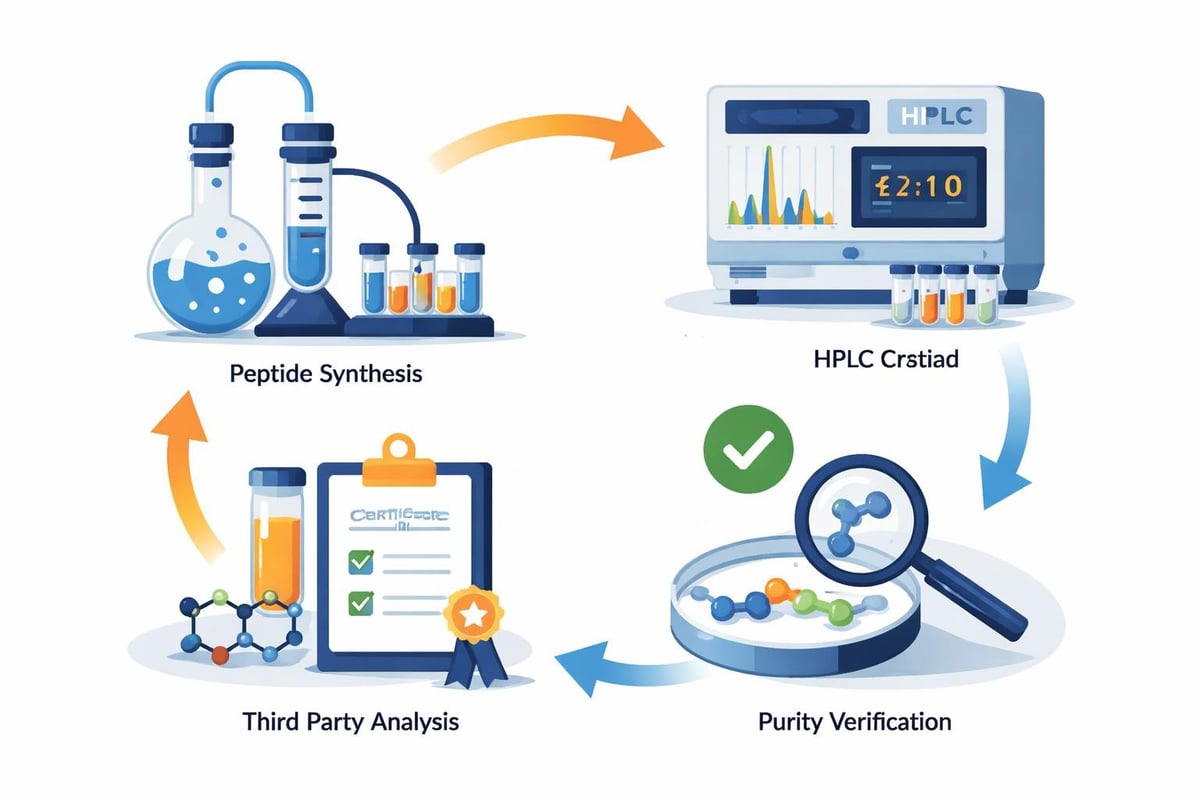
Premium peptide manufacturers employ high-performance liquid chromatography (HPLC) to verify purity levels. Quality products typically demonstrate 98% or higher purity, with clear certificates of analysis documenting actual test results. Mass spectrometry provides additional verification of correct molecular structure and composition.
Third-party testing adds another layer of quality assurance, providing unbiased verification of manufacturer claims. Reputable suppliers willingly provide testing documentation and maintain transparent quality control processes. Soma Peptide exemplifies this commitment through rigorous testing protocols and detailed product specifications.
Storage and Handling
Proper storage preserves peptide integrity and potency. Lyophilized (freeze-dried) peptides remain stable at room temperature for limited periods but achieve optimal longevity when refrigerated or frozen. Once reconstituted with bacteriostatic water, peptides require refrigeration and typically maintain stability for several weeks.
Exposure to heat, light, and repeated freeze-thaw cycles degrades peptide structures, reducing efficacy. Following manufacturer storage recommendations ensures maximum potency throughout the product's usable life.
| Storage Condition | Lyophilized Peptides | Reconstituted Peptides |
|---|---|---|
| Room Temperature | 2-4 weeks | Not recommended |
| Refrigerated (2-8°C) | 6-12 months | 2-4 weeks |
| Frozen (-20°C) | 1-2 years | Not recommended |
| Freeze-Thaw Cycles | Minimize | Avoid completely |
Combining Peptides for Enhanced Results
Many experienced users employ multiple peptides for growth hormone simultaneously, leveraging synergistic mechanisms to enhance overall effectiveness. Strategic combinations can produce greater growth hormone elevation than single compounds while potentially reducing individual peptide doses.
GHRH and GHRP Combinations
Combining GHRH analogs with GHRPs represents the most popular stacking strategy. These peptides work through complementary pathways-GHRH directly stimulates growth hormone release while GHRPs amplify this signal and reduce somatostatin inhibition. Research on growth hormone peptides demonstrates synergistic effects when these classes are combined.
A typical protocol might pair Sermorelin with Ipamorelin, administered simultaneously before bedtime. This combination produces robust growth hormone elevation exceeding either compound alone while maintaining excellent tolerability.
Integration with Other Peptides
Beyond growth hormone-specific peptides, comprehensive protocols often incorporate compounds targeting complementary pathways. Specialized formulations may combine growth hormone peptides with metabolic enhancers, recovery supporters, or cognitive optimizers for comprehensive physiological support.
Coordination with qualified healthcare providers ensures safe, effective implementation of complex peptide protocols. Professional guidance helps optimize timing, dosing, and combination strategies while monitoring for potential interactions or adverse effects.
Regulatory and Legal Considerations
The regulatory landscape surrounding peptides for growth hormone varies significantly across jurisdictions. In the United States, these compounds occupy a complex legal space. While not approved by the FDA for most therapeutic uses, they remain available through various channels including research chemical suppliers and compounding pharmacies operating under specific circumstances.
Key regulatory points:
- Peptides are classified differently than traditional pharmaceuticals
- Prescription requirements vary by jurisdiction and intended use
- Athletic organizations typically prohibit growth hormone-releasing peptides
- Quality standards and oversight differ markedly between suppliers
- Legal status continues evolving as regulatory agencies adapt policies
Understanding local regulations ensures compliance and protects against potential legal complications. The classification and regulation of peptide hormones continues developing as these compounds gain mainstream awareness and usage.
Monitoring Progress and Adjusting Protocols
Successful peptide for growth hormone protocols require ongoing assessment and refinement. Individual responses vary considerably based on genetics, age, lifestyle factors, and baseline hormone levels. Systematic monitoring identifies what works best for each person while detecting potential issues early.
Biomarkers and Testing
While direct growth hormone measurement proves challenging due to its pulsatile nature, surrogate markers provide useful insights. Insulin-like growth factor 1 (IGF-1) serves as the primary indicator of growth hormone activity, remaining more stable throughout the day and accurately reflecting growth hormone exposure over time.
Regular IGF-1 testing every 4-8 weeks during initial protocol optimization helps establish effective dosing and timing. Once stable, less frequent monitoring maintains oversight without excessive testing costs. Additional markers including fasting glucose, hemoglobin A1c, and lipid panels provide complementary information about metabolic effects.
Subjective Assessments
Beyond laboratory testing, subjective factors offer valuable feedback about protocol effectiveness. Users should track sleep quality, energy levels, recovery capacity, body composition changes, and overall well-being. Systematic journaling or tracking apps help identify patterns and correlations.
Metrics worth monitoring:
- Sleep duration and quality ratings
- Workout performance and recovery
- Body weight and composition measurements
- Energy and mood assessments
- Joint comfort and flexibility
- Skin quality and appearance
Combining objective laboratory data with subjective experience creates comprehensive understanding of protocol effectiveness, enabling informed adjustments that optimize outcomes.
Peptides for growth hormone represent sophisticated tools for optimizing natural hormone production through physiological pathways. Understanding their mechanisms, applications, and proper implementation empowers users to make informed decisions aligned with their health and performance goals. When sourced from reputable suppliers and used responsibly under appropriate guidance, these compounds offer compelling benefits for body composition, recovery, and healthy aging. Soma Peptide provides premium-quality growth hormone peptides backed by rigorous testing and purity standards, supporting your journey toward optimized physiology with products you can trust.