


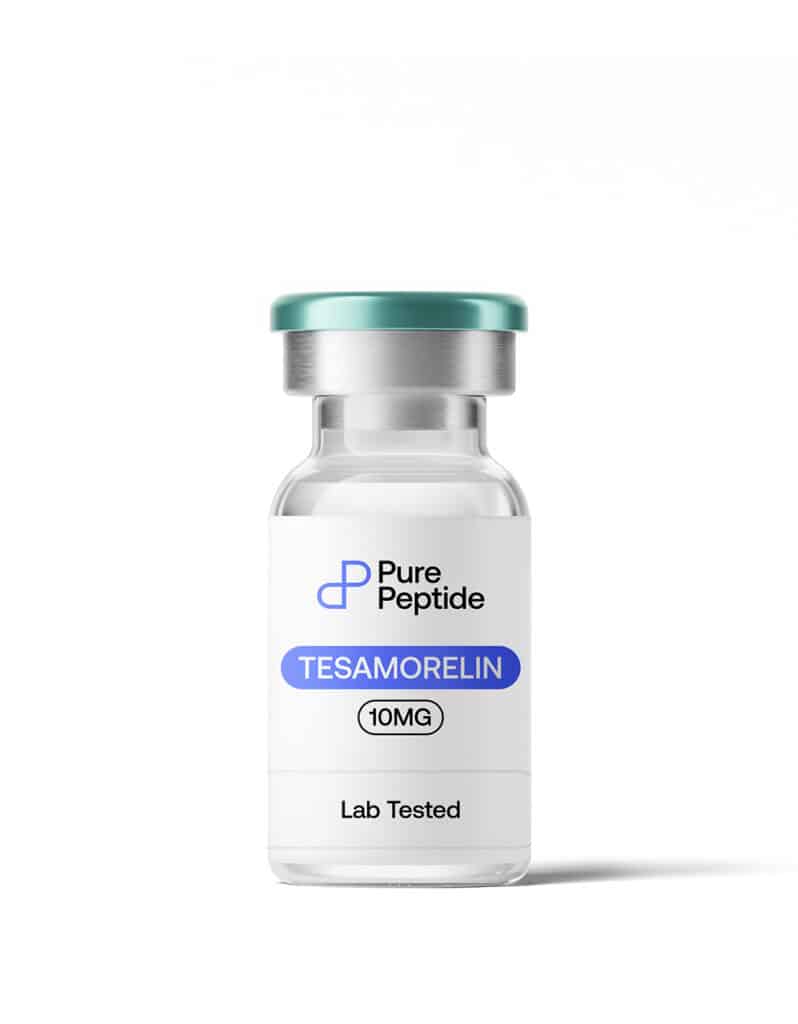
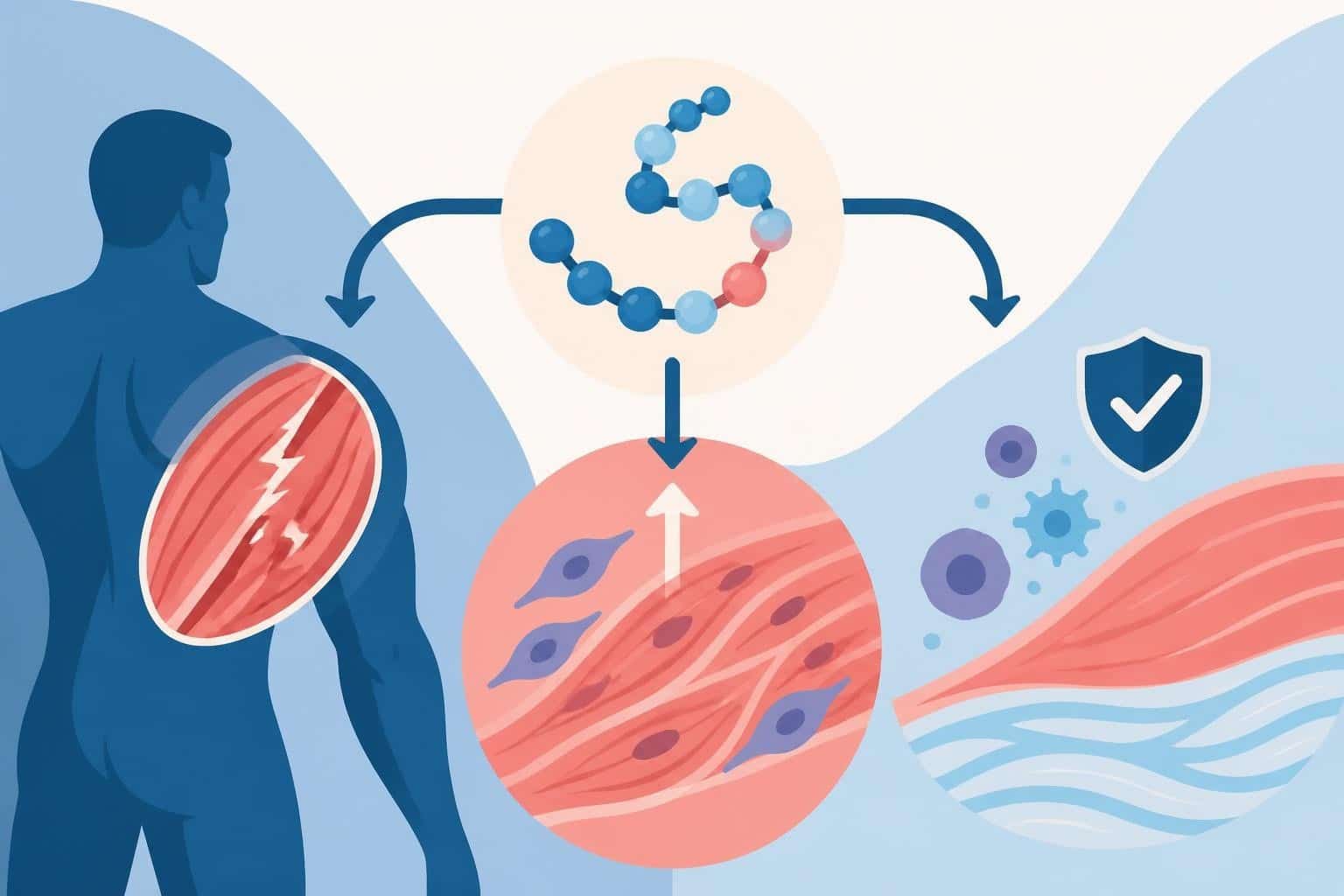
Recovery represents one of the most critical yet often overlooked aspects of athletic performance and general wellness. Whether you're pushing through intense training sessions, rehabilitating from an injury, or simply managing the wear and tear of daily physical activity, the body's ability to repair and regenerate damaged tissue determines how quickly you can return to peak performance. Peptides for recovery have emerged as powerful tools in this healing process, offering targeted support for tissue repair, inflammation management, and accelerated recovery timelines. These short chains of amino acids work at the cellular level to optimize the body's natural healing mechanisms, providing benefits that extend far beyond traditional recovery methods.
Understanding the Science Behind Recovery Peptides
Peptides are naturally occurring biological molecules composed of short chains of amino acids linked by peptide bonds. Unlike complete proteins, which contain hundreds or thousands of amino acids, peptides typically consist of 2 to 50 amino acids, making them small enough to penetrate cellular membranes and interact directly with specific receptors throughout the body.
The human body produces numerous peptides as part of its normal physiological processes, particularly during periods of stress, injury, or physical exertion. These endogenous peptides signal various cellular processes, including tissue repair, inflammation modulation, and immune system activation.
Mechanisms of Action in Tissue Repair
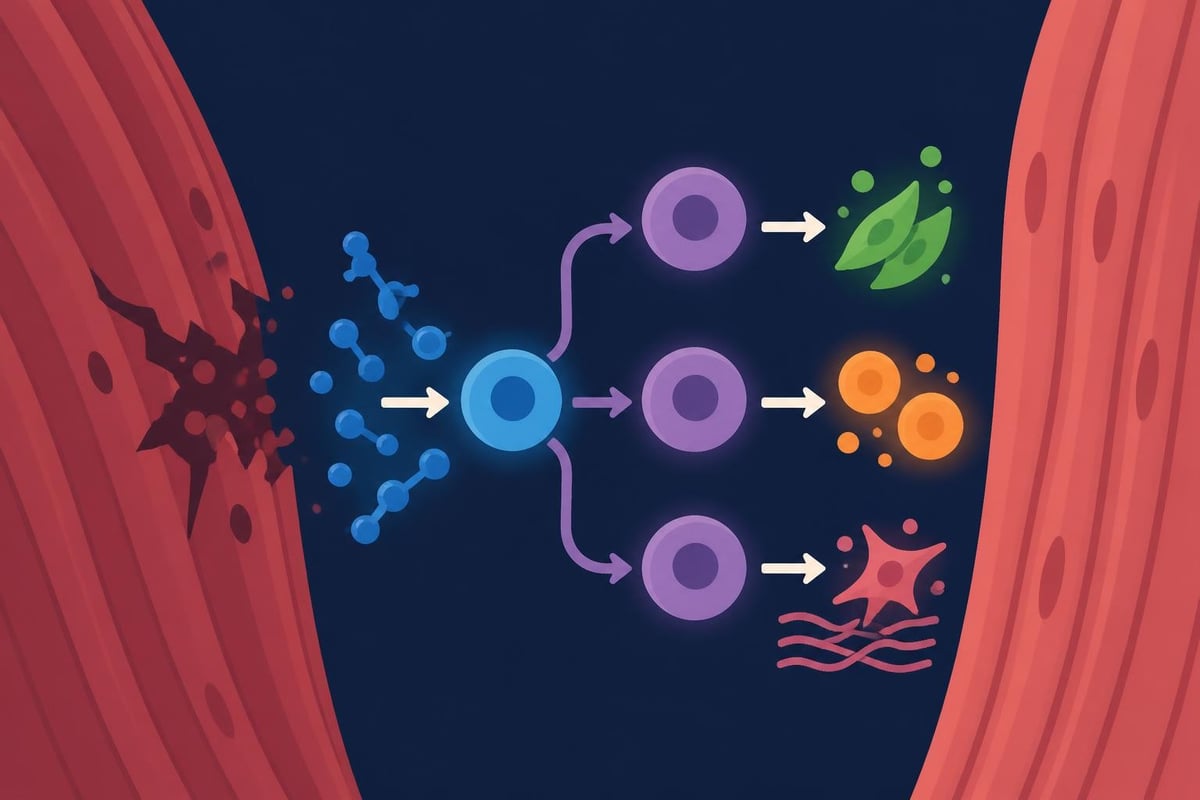
When you experience muscle damage from exercise or injury, your body initiates a complex cascade of healing responses. Peptides for recovery work by enhancing and accelerating these natural processes through several distinct mechanisms.
Key recovery mechanisms include:
- Enhanced angiogenesis (formation of new blood vessels)
- Accelerated fibroblast migration to injury sites
- Upregulation of growth factors that promote healing
- Modulation of inflammatory responses to prevent chronic inflammation
- Improved collagen synthesis for structural tissue repair
- Enhanced cellular migration and proliferation at wound sites
Research has demonstrated that specific peptides can dramatically reduce recovery times by optimizing these biological pathways. According to detailed analysis of top recovery peptides, certain compounds show remarkable efficacy in accelerating healing across multiple tissue types, from muscle and tendons to ligaments and even the gastrointestinal tract.
Primary Peptides Used for Enhanced Recovery
The landscape of recovery peptides includes several well-researched compounds, each with unique properties and applications. Understanding the specific benefits of individual peptides helps optimize recovery protocols for particular needs and goals.
BPC-157: The Body Protection Compound
Body Protection Compound 157 (BPC-157) stands as one of the most extensively studied peptides for recovery applications. This pentadecapeptide sequence, derived from a protective gastric protein, has shown remarkable healing properties across multiple tissue types.
BPC-157 demonstrates its recovery-enhancing effects through several pathways. The compound promotes angiogenesis by stimulating vascular endothelial growth factor (VEGF) production, which facilitates blood vessel formation at injury sites. This increased vascularization delivers essential nutrients and oxygen to damaged tissues, accelerating the healing timeline.
The peptide also exhibits powerful anti-inflammatory properties without suppressing the immune response. This balanced approach allows the body to resolve inflammation naturally while preventing the chronic inflammatory states that can delay healing and cause additional tissue damage.
| Tissue Type | BPC-157 Application | Expected Timeline |
|---|---|---|
| Muscle strains | Direct healing support | 2-4 weeks |
| Tendon injuries | Collagen synthesis enhancement | 4-8 weeks |
| Ligament damage | Structural repair acceleration | 6-12 weeks |
| Gut lining | Mucosal healing | 2-6 weeks |
TB-500: Thymosin Beta-4 Fragment
Thymosin Beta-4 (TB-500) represents another cornerstone of peptide-based recovery protocols. This naturally occurring peptide plays crucial roles in cellular differentiation, migration, and tissue remodeling.
TB-500's primary mechanism involves upregulating actin, a protein essential for cell structure and movement. By increasing actin availability, TB-500 promotes cellular migration to injury sites, enabling faster tissue repair and regeneration. The peptide also demonstrates neuroprotective properties and supports blood vessel formation.
Athletes and active individuals often turn to TB-500 for its versatility in addressing various injury types. The compound shows particular promise for chronic injuries that have proven resistant to conventional treatment approaches, as explored in comprehensive sports recovery research.
TB-500 recovery benefits:
- Reduced acute and chronic inflammation
- Enhanced flexibility and range of motion
- Improved muscle tone and endurance
- Accelerated healing of tendon and ligament injuries
- Decreased recovery time between training sessions
Synergistic Peptide Combinations
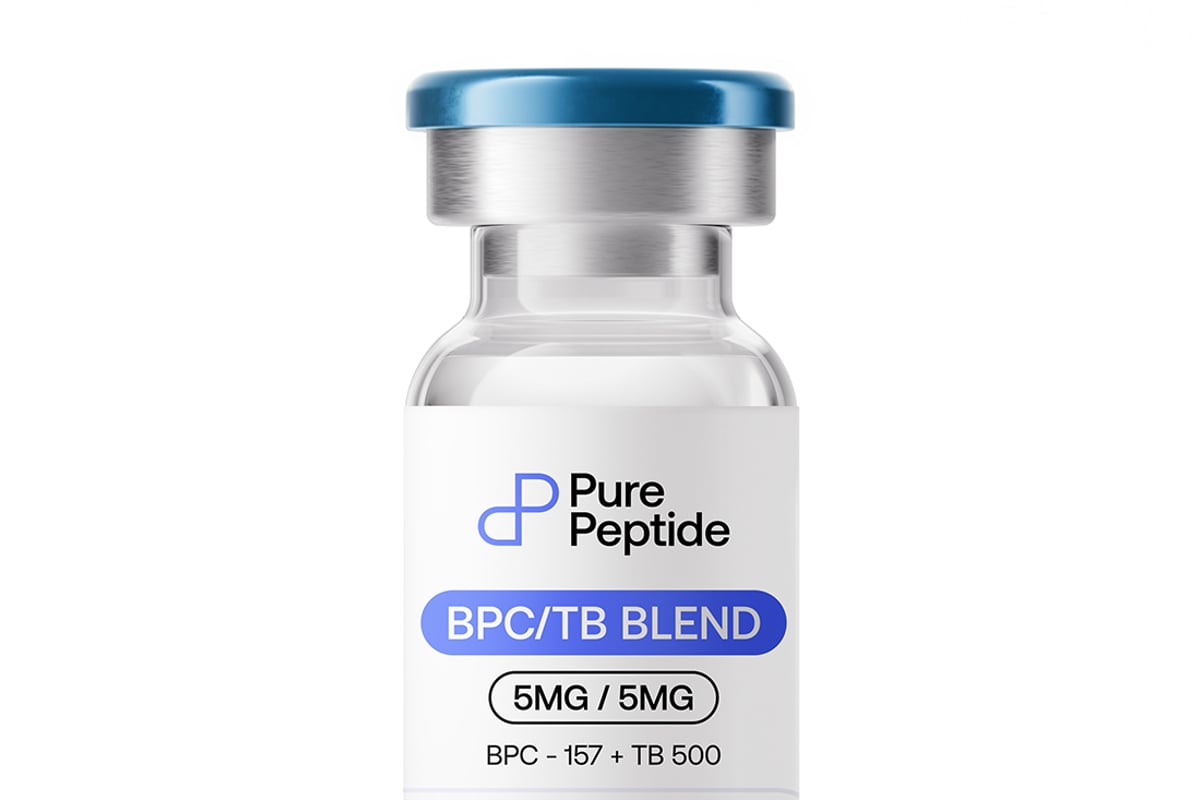
Many practitioners and researchers have observed enhanced effects when combining specific peptides for recovery. The simultaneous use of BPC-157 and TB-500 has gained particular attention for their complementary mechanisms of action.
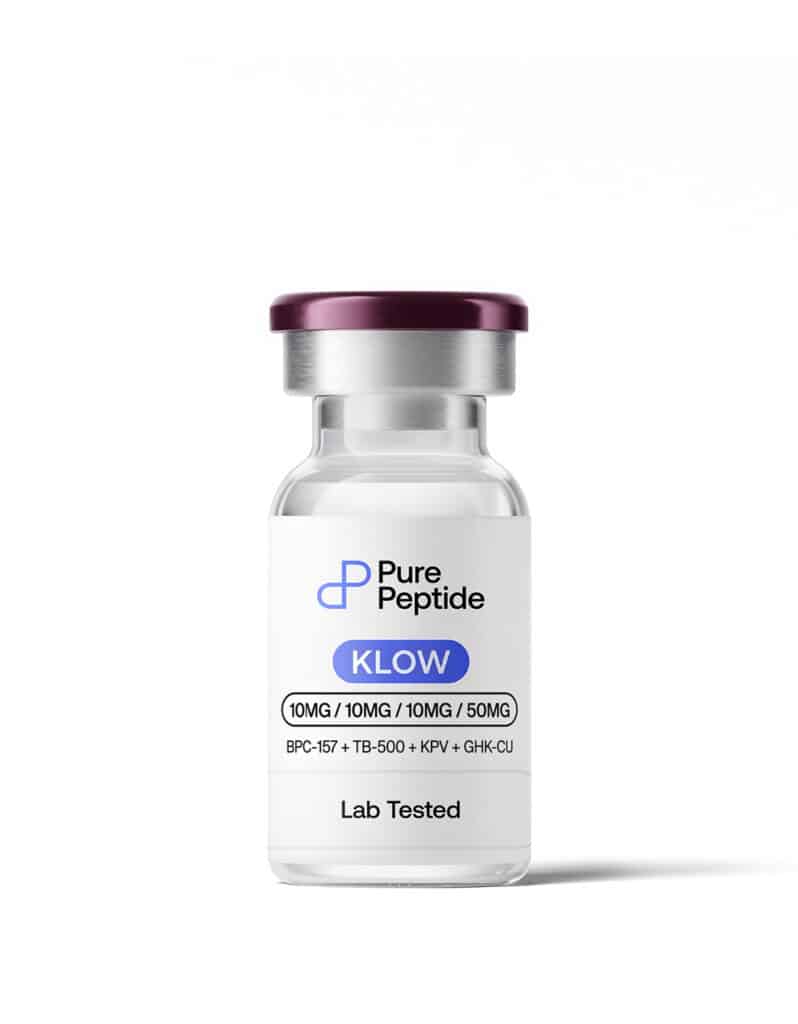
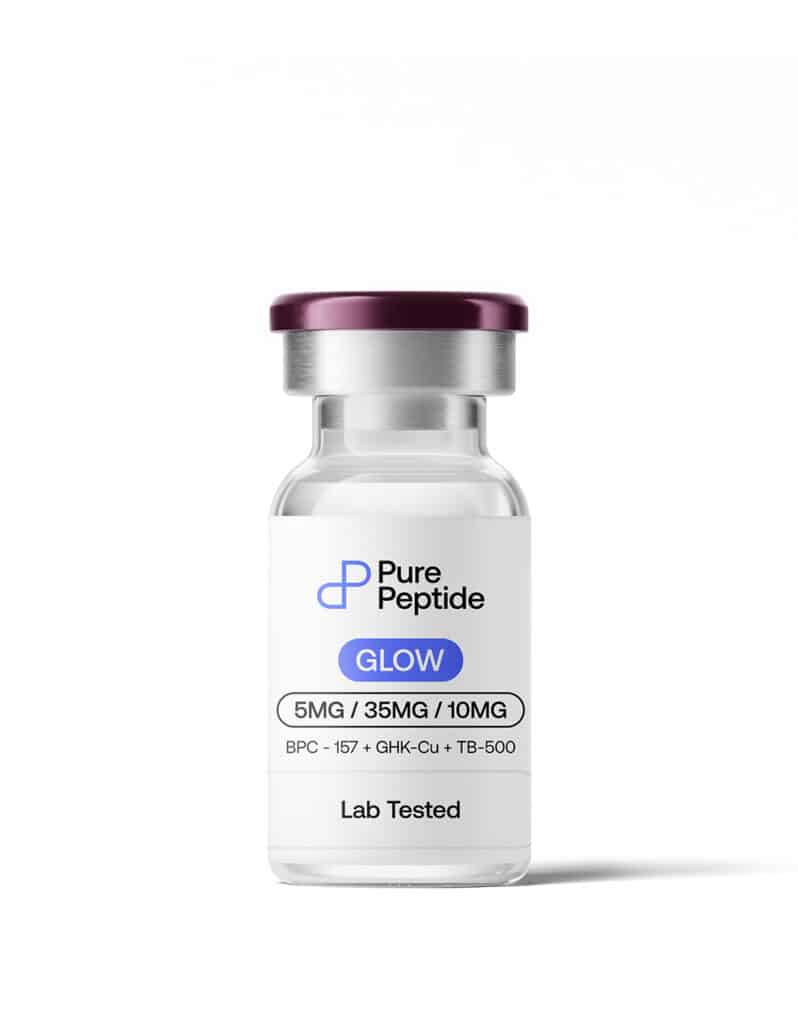
While BPC-157 focuses primarily on angiogenesis and localized tissue repair, TB-500 emphasizes cellular migration and systemic healing responses. Together, these peptides create a comprehensive recovery environment that addresses multiple aspects of tissue regeneration simultaneously. When seeking to maximize recovery outcomes, individuals often turn to formulations that combine these powerful compounds to create a multi-faceted healing response.
Application Protocols and Dosing Strategies
Implementing peptides for recovery requires understanding appropriate dosing schedules, administration methods, and protocol duration. These factors significantly influence outcomes and determine the effectiveness of recovery interventions.
Dosing Considerations
Optimal dosing varies based on the specific peptide, injury severity, individual body weight, and recovery goals. Most recovery peptides demonstrate dose-dependent responses, meaning higher doses within safe ranges typically produce more pronounced effects.
For BPC-157, common dosing ranges fall between 250-500 micrograms per day, administered in single or divided doses. More severe injuries may warrant higher doses, while maintenance protocols often use lower amounts. TB-500 typically requires loading phases with higher doses (2-5 milligrams twice weekly) followed by maintenance phases with reduced frequency.
Standard protocol structure:
- Assessment Phase – Evaluate injury severity and recovery needs (1-3 days)
- Loading Phase – Implement higher doses to saturate tissues (2-4 weeks)
- Maintenance Phase – Reduce frequency while maintaining therapeutic levels (4-8 weeks)
- Evaluation Phase – Assess progress and adjust protocol as needed (ongoing)
Administration Methods
Recovery peptides require subcutaneous or intramuscular injection for optimal bioavailability. Oral administration proves largely ineffective due to peptide degradation in the digestive system. Subcutaneous injection, performed into fatty tissue areas like the abdomen or thigh, remains the most common and accessible method.
Some practitioners advocate for localized injection near injury sites, particularly with BPC-157, based on the theory that higher local concentrations may enhance healing. However, research suggests systemic administration provides comparable benefits due to peptide circulation throughout the body.
Those new to peptide protocols should familiarize themselves with proper reconstitution techniques and sterile injection practices. Using quality supplies from trusted sources ensures safety and efficacy throughout the recovery process.

Specific Recovery Applications and Use Cases
Peptides for recovery address a wide spectrum of healing needs, from acute sports injuries to chronic degenerative conditions. Understanding specific applications helps target peptide selection to individual circumstances.
Muscle Recovery and Growth
Intense resistance training creates microscopic tears in muscle fibers, triggering adaptation and growth through the repair process. Recovery peptides enhance this natural cycle by accelerating protein synthesis, reducing inflammation, and improving nutrient delivery to damaged muscle tissue.
Athletes using peptides for recovery from heavy training often report decreased muscle soreness, faster strength gains, and improved training capacity. The enhanced recovery allows for increased training volume and frequency without accumulating excessive fatigue or injury risk.
According to medically reviewed guidance on healing and recovery, specific peptides demonstrate particular efficacy for muscle tissue, with documented improvements in both recovery speed and tissue quality.
Tendon and Ligament Injuries
Connective tissue injuries present unique challenges due to limited blood supply and slow natural healing rates. Tendons and ligaments consist primarily of collagen fibers, requiring specific growth factors and cellular signals for proper repair.
Recovery peptides address these challenges by promoting collagen synthesis, enhancing blood flow to poorly vascularized areas, and supporting proper fiber alignment during healing. This comprehensive approach reduces the risk of incomplete healing or scar tissue formation that compromises long-term function.
Common tendon/ligament applications:
- Achilles tendinopathy
- Rotator cuff strains
- Tennis elbow (lateral epicondylitis)
- Patellar tendinitis
- ACL/MCL injuries
Joint Health and Cartilage Support
Joint injuries and degenerative conditions affect millions of individuals, often limiting mobility and quality of life. While cartilage tissue has minimal regenerative capacity, certain recovery peptides demonstrate promising effects on joint health and function.
GHK-Cu, a copper-binding peptide, shows particular promise for tissue remodeling and regeneration. Its ability to stimulate collagen production and support healthy inflammatory responses makes it valuable for joint health applications. Combined with compounds focused on acute healing, comprehensive joint support protocols emerge.
Safety Considerations and Potential Side Effects
Understanding the safety profile of peptides for recovery ensures responsible use and helps individuals make informed decisions about implementation. While generally well-tolerated, recovery peptides do carry some considerations worth noting.
Side Effect Profile
Most individuals using recovery peptides experience minimal side effects when following appropriate protocols. The most commonly reported effects include minor injection site reactions such as redness, swelling, or temporary discomfort. These typically resolve quickly and don't indicate safety concerns.
Some users report mild fatigue or lethargy during initial protocol phases, particularly with TB-500. This generally subsides as the body adapts to the peptide. Headaches and dizziness occur occasionally but remain relatively rare.
| Side Effect | Frequency | Severity | Management |
|---|---|---|---|
| Injection site reaction | Common | Mild | Rotate sites, proper technique |
| Temporary fatigue | Occasional | Mild-Moderate | Adequate rest, dose adjustment |
| Headache | Rare | Mild | Hydration, reduce dose |
| Dizziness | Rare | Mild | Monitor, medical consultation |
Contraindications and Precautions
Certain populations should exercise additional caution or avoid recovery peptides altogether. Individuals with active cancer or history of malignancy should consult oncology specialists before using peptides that promote cellular proliferation and angiogenesis.
Pregnant or nursing women should avoid recovery peptides due to insufficient safety data in these populations. Those with autoimmune conditions may need specialized medical oversight, as peptides affecting immune function could theoretically influence disease processes.
Optimizing Recovery Beyond Peptide Protocols
While peptides for recovery offer powerful therapeutic benefits, they function most effectively as part of comprehensive recovery strategies. Combining peptide protocols with evidence-based recovery practices creates synergistic effects that maximize healing outcomes.
Nutritional Support for Enhanced Recovery
Adequate protein intake provides the amino acid building blocks necessary for tissue repair. Recovery peptides optimize how the body uses these nutrients, but insufficient dietary protein limits their effectiveness. Most active individuals benefit from 1.6-2.2 grams of protein per kilogram of body weight daily.
Micronutrients also play crucial roles in recovery processes. Vitamin C supports collagen synthesis, zinc aids wound healing, and omega-3 fatty acids modulate inflammation. Ensuring adequate micronutrient status through diet or supplementation enhances peptide efficacy.
Recovery nutrition priorities:
- Adequate total protein (1.6-2.2g/kg body weight)
- Strategic meal timing around training
- Sufficient vitamin C (200+ mg daily)
- Anti-inflammatory omega-3 fatty acids
- Proper hydration (minimum 3-4 liters daily)
Sleep and Stress Management
Recovery occurs primarily during sleep, when growth hormone secretion peaks and cellular repair processes accelerate. Peptides for recovery enhance these natural cycles but cannot compensate for chronic sleep deprivation. Prioritizing 7-9 hours of quality sleep nightly maximizes peptide effectiveness.
Chronic stress elevates cortisol, creating a catabolic environment that opposes recovery. Implementing stress management practices like meditation, breathing exercises, or nature exposure supports the healing environment peptides help create.
Active Recovery and Movement
Complete rest isn't always optimal for recovery. Light movement promotes blood flow, reduces muscle stiffness, and supports lymphatic drainage without creating additional tissue damage. Activities like walking, swimming, or gentle yoga complement peptide protocols by maintaining circulation to healing tissues.
Progressive loading strategies allow gradual reintroduction of stress to healing tissues, stimulating adaptation without risking re-injury. Peptides for recovery support this progressive approach by accelerating tissue strengthening during graduated loading phases.

Quality and Sourcing Considerations
The therapeutic effects of recovery peptides depend entirely on product purity and quality. The peptide market includes varying quality levels, making informed sourcing decisions critical for safety and efficacy.
Purity Standards and Testing
Pharmaceutical-grade peptides undergo rigorous testing to verify amino acid sequences, measure purity levels, and detect contaminants. High-quality recovery peptides typically demonstrate 98%+ purity, confirmed through high-performance liquid chromatography (HPLC) testing.
Third-party laboratory verification provides additional assurance of product quality. Certificates of analysis (COAs) documenting purity testing should be readily available from reputable suppliers. These documents confirm that products meet stated specifications and remain free from harmful contaminants.
Storage and Handling
Proper storage preserves peptide integrity and ensures consistent potency throughout use. Most recovery peptides require refrigeration at 2-8°C after reconstitution, with some requiring freezer storage (-20°C) for long-term preservation of lyophilized powder.
Reconstituted peptides typically maintain stability for 2-4 weeks when properly refrigerated, though specific timelines vary by compound. Exposure to heat, light, or repeated temperature fluctuations degrades peptide structures, reducing therapeutic effects.
Storage best practices:
- Store lyophilized powder in freezer until ready to use
- Use bacteriostatic water for reconstitution
- Refrigerate reconstituted peptides immediately
- Protect from direct light exposure
- Use within recommended timeframes
- Avoid repeated freeze-thaw cycles
Future Directions in Recovery Peptide Research
The field of peptide therapeutics continues evolving rapidly, with ongoing research exploring new compounds, applications, and delivery methods. Understanding emerging trends provides perspective on where recovery science is heading.
Novel Peptide Development
Researchers continue identifying and synthesizing new peptides with potential recovery applications. Advanced computational modeling, as discussed in recent peptide cyclization research, enables more efficient peptide design and optimization for specific therapeutic targets.
Machine learning approaches also contribute to peptide development. Unified peptide language models can predict peptide properties and behaviors, accelerating the discovery process and potentially identifying compounds with superior recovery-enhancing effects.
Delivery System Innovation
Current injection-based delivery methods, while effective, present barriers to widespread adoption. Research into alternative delivery systems including transdermal patches, intranasal administration, and oral formulations with enhanced bioavailability could expand accessibility.
Targeted delivery systems that concentrate peptides at specific injury sites represent another promising direction. Nanoparticle carriers and ligand-linked peptides could potentially enhance local tissue concentrations while minimizing systemic exposure.
Personalized Recovery Protocols
Advances in biomarker testing and genetic analysis may enable increasingly personalized peptide protocols. Individual variations in peptide metabolism, receptor sensitivity, and healing capacity suggest that customized approaches could optimize outcomes beyond standardized protocols.
Integration with wearable technology and recovery metrics could also refine peptide applications. Real-time monitoring of inflammation markers, muscle protein synthesis rates, or tissue healing status might inform dynamic protocol adjustments for enhanced effectiveness.
Integrating Peptides into Training Programs
Athletes and fitness enthusiasts seeking to optimize performance often wonder how to best incorporate peptides for recovery into existing training structures. Strategic integration maximizes benefits while maintaining training progression.
Periodization Considerations
Training periodization divides the annual plan into distinct phases with different volume and intensity characteristics. Recovery peptides can be strategically deployed during high-volume phases when accumulated fatigue becomes limiting, or during injury rehabilitation periods when returning to training.
Some athletes implement peptide protocols during recovery weeks or deload periods, using the reduced training stress to maximize healing and tissue remodeling. Others prefer continuous low-dose protocols that provide consistent recovery support throughout the training year.
Competitive Use Regulations
Athletes subject to anti-doping regulations must carefully consider the legal status of recovery peptides. Many peptides, including BPC-157 and TB-500, appear on the World Anti-Doping Agency (WADA) prohibited list under various categories.
Competitive athletes should consult with sports medicine professionals and review current regulations before implementing any peptide protocol. Non-competitive individuals face fewer restrictions but should still prioritize quality sourcing and responsible use.
Making Informed Decisions About Recovery Peptides
Deciding whether to implement peptides for recovery requires weighing potential benefits against costs, commitment requirements, and individual circumstances. A structured decision-making approach helps ensure alignment with personal goals and values.
Evaluating Your Recovery Needs
Consider the severity and chronicity of your recovery challenges. Acute minor injuries often respond well to conventional recovery methods, while chronic or severe conditions may benefit more substantially from peptide interventions.
Training volume and intensity also influence recovery needs. Athletes training multiple sessions daily face greater recovery demands than recreational exercisers, potentially justifying more aggressive recovery support.
Questions to guide decision-making:
- What specific recovery challenges am I facing?
- Have conventional recovery methods proven insufficient?
- Am I committed to proper protocol execution and monitoring?
- Do I have access to quality peptide sources?
- What are my timeline expectations for results?
- How do costs align with my wellness investment priorities?
Working with Healthcare Professionals
While many individuals successfully implement recovery peptide protocols independently, medical oversight provides additional safety and optimization. Healthcare providers familiar with peptide therapeutics can help design protocols, monitor progress, and adjust approaches based on individual responses.
Functional medicine practitioners, sports medicine physicians, and anti-aging specialists often possess specialized knowledge about recovery peptides. These professionals can order relevant laboratory testing, evaluate contraindications, and provide personalized guidance.
Recovery represents the foundation of sustainable athletic performance and long-term physical health, making optimization strategies essential for anyone pursuing fitness goals or healing from injury. Peptides for recovery offer science-backed support for tissue repair, inflammation management, and accelerated healing timelines when implemented as part of comprehensive recovery protocols. If you're ready to explore how premium-quality peptides can enhance your recovery and performance, Soma Peptide provides rigorously tested compounds backed by advanced purification methods and stringent quality standards to support your wellness journey.