


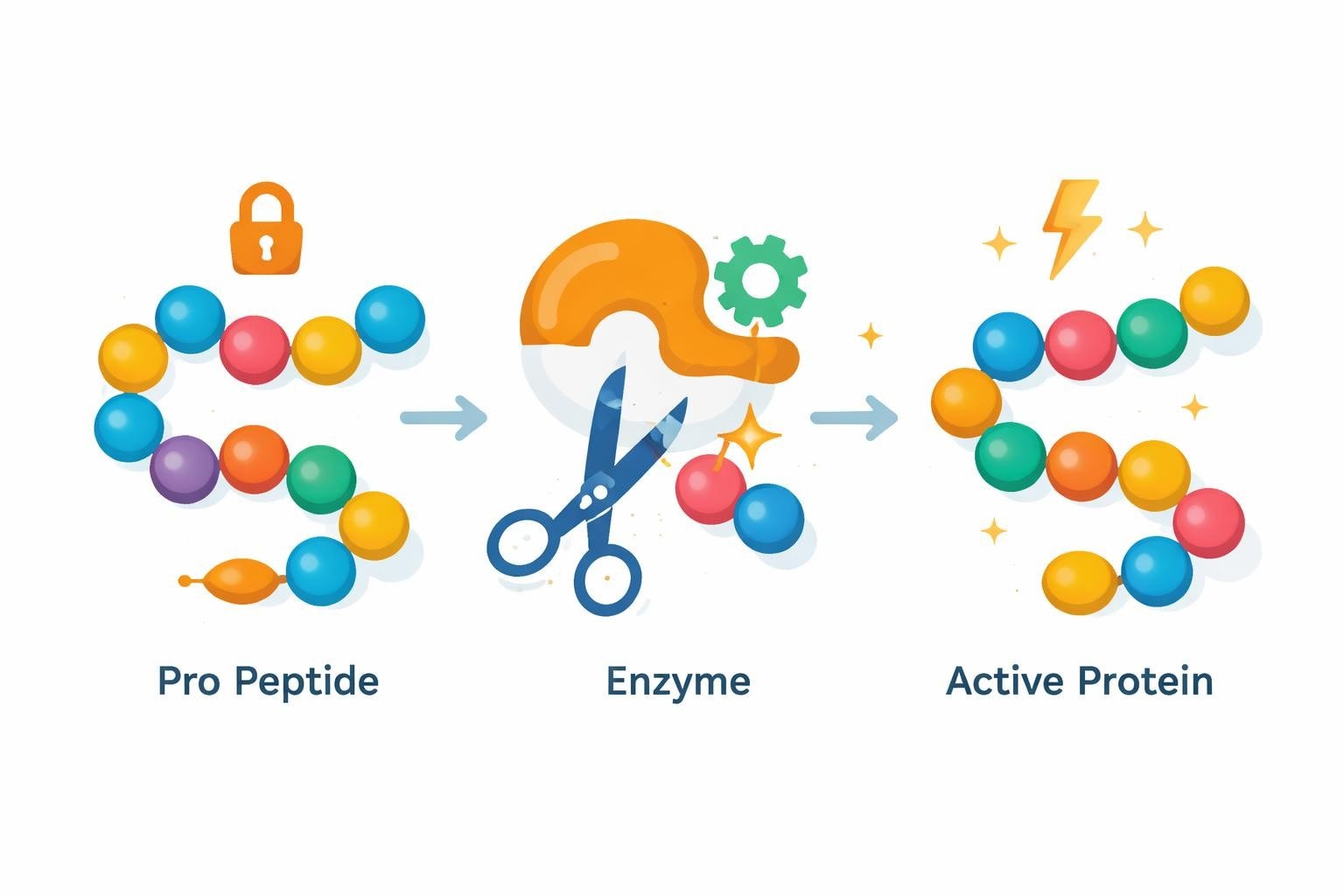
The world of peptide science continues to reveal remarkable insights into how our bodies regulate complex biological processes. Among the most fascinating discoveries is the pro peptide, a protein precursor that plays a crucial role in everything from hormone regulation to cellular signaling. Understanding these molecular precursors opens doors to advanced therapeutic applications and wellness optimization strategies that are transforming modern health science.
Understanding Pro Peptide Structure and Function
A pro peptide represents an inactive form of a protein or peptide that requires specific processing to become biologically active. These protein precursors contain additional amino acid sequences that must be cleaved or modified before the mature, functional protein can perform its intended role within the body.
The structural composition of a pro peptide typically includes the active peptide sequence along with additional amino acid residues. These extra sequences serve multiple purposes during protein synthesis and transport. They act as molecular chaperones, ensuring proper folding and preventing premature activation that could damage cellular structures.
Why Cells Produce Pro Peptides
The production of proteins in their inactive pro peptide form represents an elegant biological safety mechanism. This approach allows cells to:
- Control activation timing precisely when and where the active protein is needed
- Prevent unwanted reactions by keeping potentially harmful proteins inactive during transport
- Facilitate proper protein folding through structural guidance from pro-sequences
- Enable efficient cellular transport to specific locations before activation
- Regulate protein concentration through controlled processing mechanisms
This regulated approach proves especially critical for digestive enzymes, hormones, and signaling molecules that could cause cellular damage if activated prematurely.
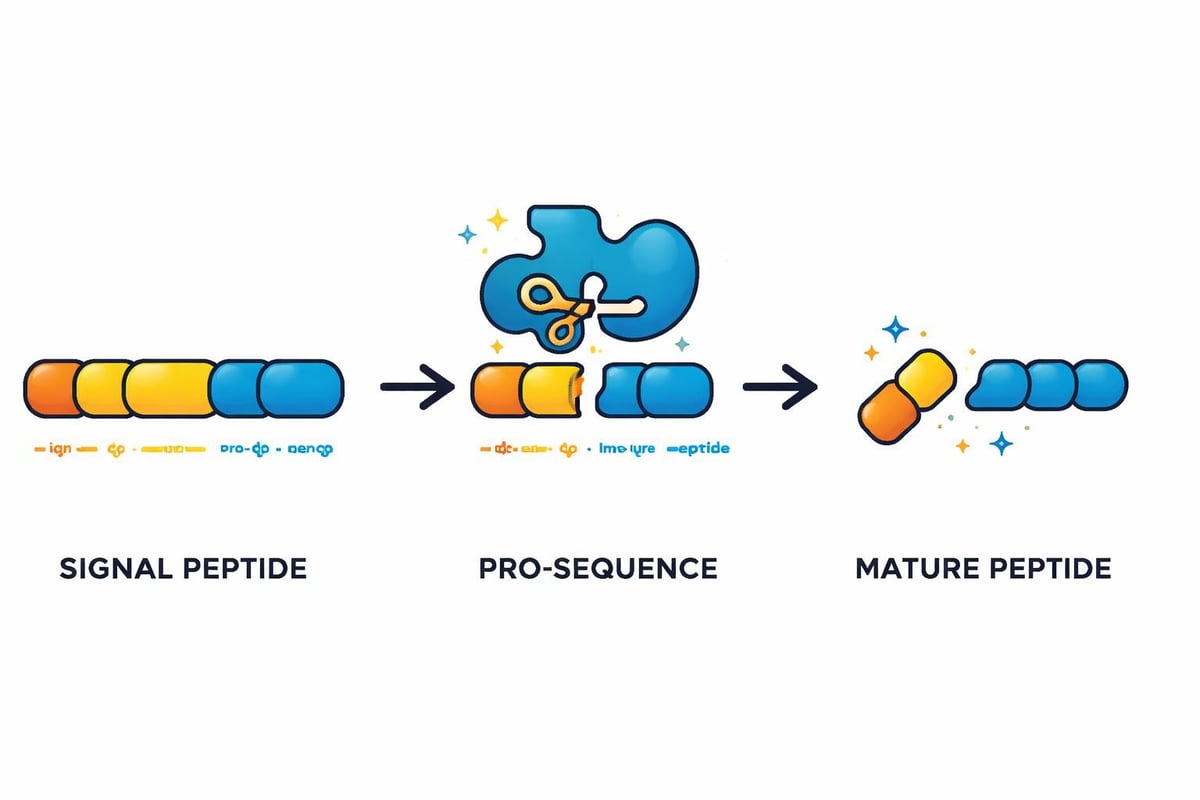
The Biological Processing of Pro Peptides
The transformation from pro peptide to active protein involves sophisticated enzymatic machinery. Specific proteases recognize cleavage sites within the pro-sequence and precisely remove these regulatory portions. This processing typically occurs in designated cellular compartments or extracellular environments where the active protein is needed.
Different types of pro peptide molecules undergo distinct processing pathways. Signal peptides direct proteins to specific cellular locations and are cleaved during translocation. Pro-sequences may be removed in the endoplasmic reticulum, Golgi apparatus, or secretory vesicles. Some pro peptides require multiple processing steps involving several different enzymes to achieve full activation.
| Pro Peptide Type | Processing Location | Primary Function |
|---|---|---|
| Signal Peptides | ER Membrane | Cellular Targeting |
| Pro-hormones | Secretory Vesicles | Hormone Regulation |
| Pro-enzymes | Activation Site | Controlled Catalysis |
| Growth Factor Precursors | Extracellular Matrix | Signal Modulation |
The timing and location of pro peptide cleavage directly impact biological outcomes. Research on synthetic pro-peptide design demonstrates how optimizing these sequences can enhance protein production and secretion efficiency.
Pro Peptides in Therapeutic Applications
The pharmaceutical and wellness industries have recognized the tremendous potential of pro peptide technology. By leveraging the natural processing mechanisms that activate these molecules, researchers develop more effective therapeutic strategies with enhanced bioavailability and targeted action.
Cancer Treatment Innovations
Modern oncology increasingly explores peptide-based interventions. Studies examining peptides in effective cancer therapies highlight how pro peptide molecules can be engineered to activate specifically within tumor microenvironments, minimizing systemic side effects while maximizing therapeutic impact.
The pro peptide approach allows for targeted drug delivery systems that remain inactive during circulation and activate only upon encountering specific tumor-associated enzymes. This precision represents a significant advancement over traditional chemotherapy approaches.
Neurological Health and BDNF
Brain-derived neurotrophic factor (BDNF) exists initially as a pro peptide called proBDNF. The conversion process from proBDNF to mature BDNF profoundly influences neuroplasticity, cognitive function, and mood regulation. Research examining altered expression of BDNF and its pro-peptide reveals important connections between these molecules and psychiatric health.
Understanding pro peptide processing in neurological contexts opens possibilities for therapeutic interventions targeting:
- Cognitive enhancement through optimized BDNF activation
- Mood disorder treatment via balanced proBDNF/BDNF ratios
- Neuroprotection against age-related cognitive decline
- Recovery from neurological injury through enhanced neuroplasticity
Pro Peptides and Metabolic Health
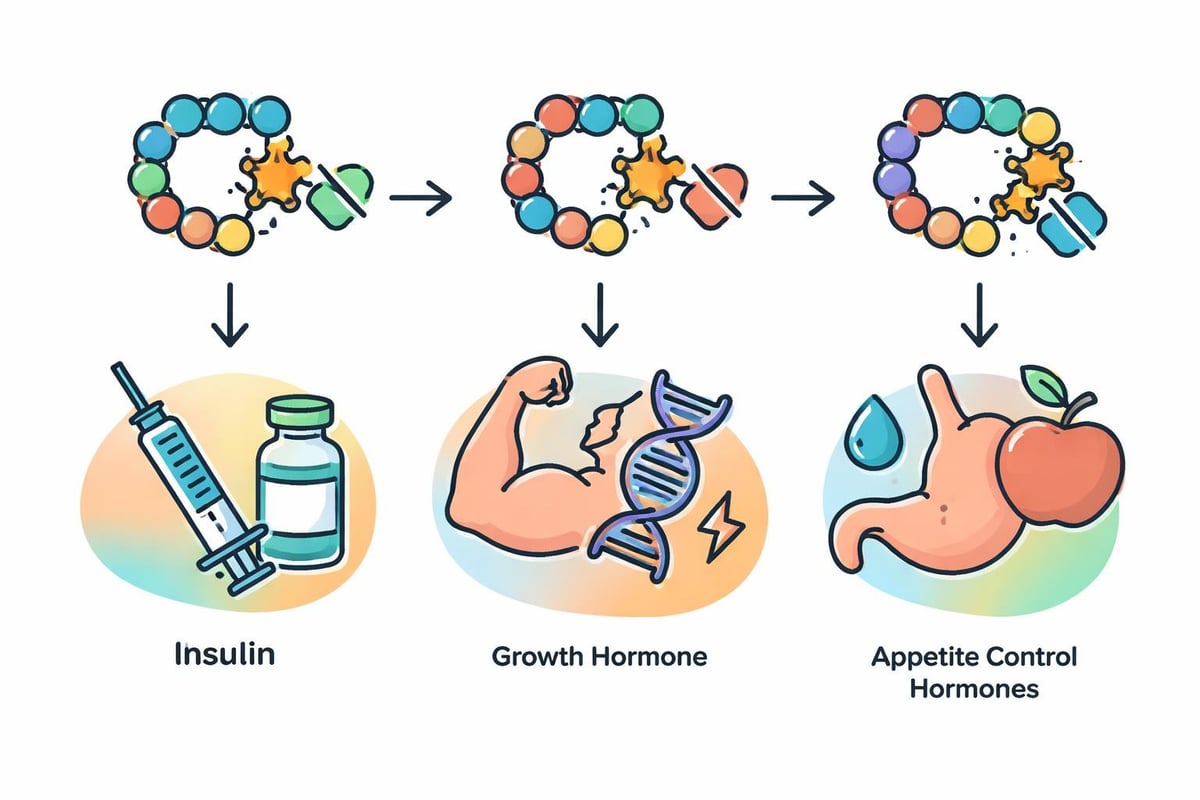
The role of pro peptide molecules extends deeply into metabolic regulation. Various hormones controlling appetite, energy expenditure, and nutrient processing begin as inactive precursors requiring specific processing for activation.
Prohormones represent a critical category of pro peptide molecules that regulate endocrine function throughout the body. These precursors ensure precise control over hormone levels, preventing the dramatic fluctuations that could disrupt metabolic homeostasis.
Lipid Metabolism and Peptide Interventions
Recent investigations demonstrate how specific pro peptide derivatives influence fat metabolism at the cellular level. Studies on protamine-derived peptides and lipogenesis show promising results in modulating lipid accumulation through peptide transporter pathways.
This research area holds particular relevance for weight management applications. When pro peptide technology is applied to metabolic optimization, it creates opportunities for more nuanced interventions than traditional approaches allow.
Bioavailability Challenges and Solutions
One significant obstacle facing pro peptide therapeutics involves delivering these molecules effectively to target tissues. Peptides face multiple barriers including digestive degradation, poor absorption, and rapid clearance from circulation.
The comprehensive review of oral delivery obstacles for bioactive peptides outlines key challenges:
- Gastric acid degradation reducing peptide integrity
- Intestinal enzyme activity breaking down peptide bonds
- Limited permeability across intestinal epithelium
- First-pass hepatic metabolism reducing systemic availability
- Rapid renal clearance shortening therapeutic window
Enhancing Pro Peptide Delivery
Modern formulation strategies address these bioavailability challenges through multiple approaches. Protective coatings shield pro peptide molecules from premature degradation. Permeation enhancers facilitate absorption across biological membranes. Modified amino acid sequences resist enzymatic breakdown while maintaining biological activity.
The strategic use of pro peptide forms themselves can enhance delivery efficiency. The additional amino acid sequences in pro peptide molecules may provide protection during transit, with activation occurring only after reaching target tissues.
Food-Derived Pro Peptides and Health
Natural sources provide numerous bioactive pro peptide molecules with health-promoting properties. Food-derived proline-containing peptides demonstrate various beneficial activities including antioxidant effects, blood pressure regulation, and immune modulation.
These dietary pro peptides undergo processing during digestion and absorption, releasing active fragments that exert physiological effects. Common sources include:
| Food Source | Pro Peptide Type | Primary Benefits |
|---|---|---|
| Collagen | Proline-rich sequences | Skin and joint health |
| Milk proteins | Bioactive fragments | Immune support, satiety |
| Soy proteins | Plant peptides | Cardiovascular health |
| Fish collagen | Marine peptides | Anti-aging properties |
Understanding how dietary pro peptide molecules function informs both nutritional approaches and supplement development strategies. For individuals seeking specific health outcomes, exploring premium quality peptides formulated for optimal bioavailability represents a strategic approach to wellness optimization.

Advanced Research Tools for Pro Peptide Studies
The scientific investigation of pro peptide molecules requires sophisticated analytical techniques. Chemical biology tools for peptide and protein research enable researchers to map processing pathways, identify cleavage sites, and characterize activation mechanisms with unprecedented precision.
Modern research methodologies include:
- Mass spectrometry for precise molecular weight determination and sequence analysis
- X-ray crystallography revealing three-dimensional structural details
- Enzyme kinetics studies quantifying processing rates and specificity
- Cell-based assays evaluating biological activity and cellular responses
- Computational modeling predicting optimal pro-sequence designs
These tools accelerate the development of therapeutic pro peptide applications and deepen understanding of natural biological processes.
Pro Peptides in Anti-Aging and Recovery
The regenerative medicine field increasingly recognizes pro peptide molecules as powerful tools for promoting tissue repair and combating age-related decline. Growth factors, cytokines, and signaling molecules that stimulate cellular renewal often exist initially as pro peptide precursors.
Muscle Growth and Recovery Applications
Specific pro peptide formulations support muscle protein synthesis and recovery from exercise-induced damage. Growth hormone secretagogues and IGF-1 variants beginning as pro peptide molecules enhance anabolic signaling when properly processed. Those interested in muscle development may find IGF-1 LR3 particularly relevant to their goals.
The controlled activation of these pro peptide molecules ensures sustained effects rather than sharp spikes that characterize less sophisticated approaches. This sustained activation pattern better mimics natural physiological rhythms.
Skin Health and Collagen Production
Anti-aging applications extensively utilize pro peptide technology. Collagen synthesis involves multiple pro peptide intermediates that undergo sequential processing. Signal peptides direct procollagen to the endoplasmic reticulum, where additional modifications occur before secretion and final activation in the extracellular matrix.
Topical and systemic pro peptide formulations targeting collagen production demonstrate measurable improvements in:
- Skin elasticity through enhanced collagen and elastin networks
- Hydration retention via improved dermal matrix structure
- Fine line reduction from increased collagen density
- Overall skin texture through comprehensive matrix remodeling
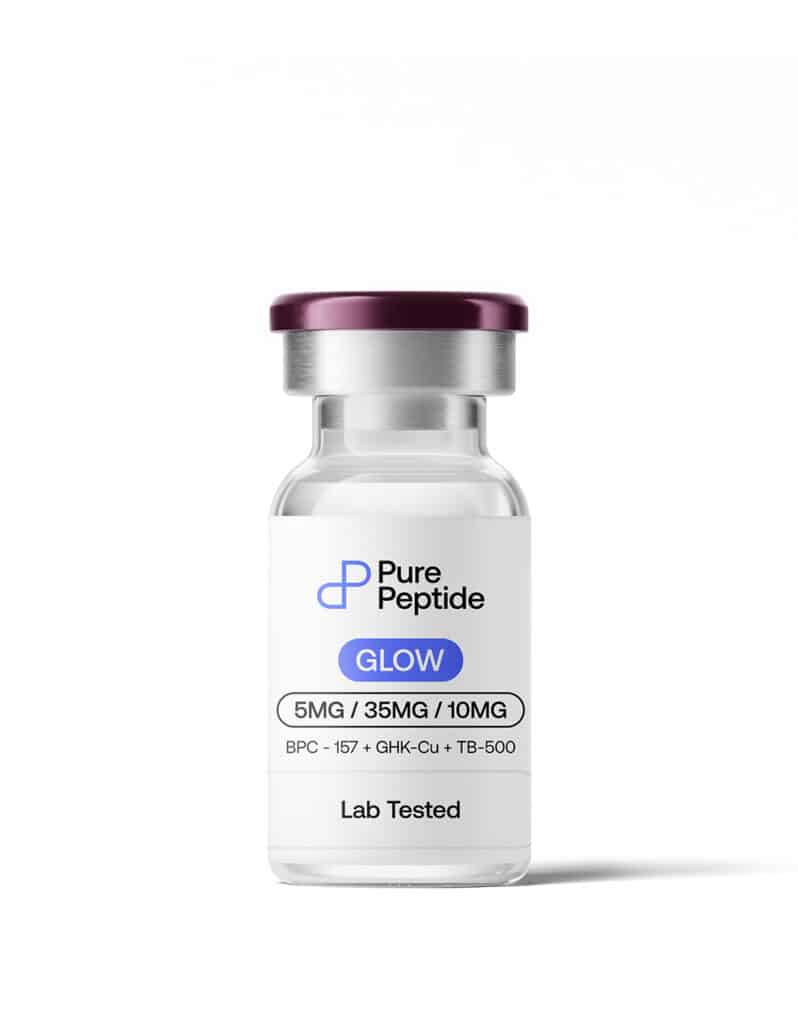
For comprehensive anti-aging support, specialized formulations like the Glow Blend combine multiple peptide sequences targeting different aspects of cellular rejuvenation.
Quality Considerations for Pro Peptide Products
The efficacy of pro peptide therapeutics depends critically on purity, proper sequence integrity, and appropriate formulation. Manufacturing processes must prevent premature activation while ensuring the pro peptide remains capable of conversion when needed.
Quality control measures for pro peptide products include:
- Amino acid sequence verification through analytical testing
- Purity assessment exceeding 98% for pharmaceutical-grade applications
- Sterility confirmation for injectable formulations
- Stability testing under various storage conditions
- Bioactivity assays confirming functional capability
Organizations committed to excellence provide transparent quality documentation. Reviewing certificates of analysis allows informed consumers to verify product specifications before use.
Storage and Handling Best Practices
Maintaining pro peptide integrity requires proper storage conditions. Most lyophilized pro peptide products remain stable at room temperature for extended periods when properly sealed. Reconstituted solutions typically require refrigeration and use within specified timeframes to prevent degradation.
Following manufacturer guidelines ensures optimal potency throughout the product lifecycle. Temperature fluctuations, light exposure, and contamination can all compromise pro peptide stability and biological activity.
Emerging Applications and Future Directions
The pro peptide field continues rapid expansion as researchers discover new applications and refine existing approaches. Personalized medicine increasingly incorporates pro peptide therapeutics tailored to individual genetic profiles and specific health needs.
Combination therapies leveraging multiple pro peptide molecules show promise for addressing complex conditions involving multiple biological pathways. Strategic combinations like the CJC-1295 and Ipamorelin blend exemplify how complementary pro peptide mechanisms can produce synergistic effects exceeding individual component benefits.
Future research directions include:
- Artificial intelligence-guided pro-sequence optimization for enhanced processing
- Tissue-specific activation systems triggered by local microenvironments
- Extended-release formulations providing sustained pro peptide delivery
- Oral bioavailability improvements through novel protective strategies
- Combination protocols addressing multiple aspects of metabolic health
Regulatory and Safety Considerations
The development and distribution of pro peptide products operate within regulatory frameworks designed to ensure safety and efficacy. Research-grade peptides require proper handling and understanding of their intended applications.
Consumers should prioritize products from reputable sources that adhere to manufacturing standards and provide comprehensive product information. Transparent communication about sourcing, testing, and proper use demonstrates organizational commitment to customer safety.
For those new to pro peptide supplementation, consulting the FAQ section addresses common questions about applications, dosing considerations, and expected outcomes. Education empowers informed decision-making aligned with individual health goals.
Pro peptide molecules represent sophisticated biological tools that cells use to precisely control protein activation and function. From metabolic regulation to tissue repair, these precursor proteins enable the nuanced responses that characterize healthy physiological systems. Whether you're focused on muscle growth, recovery optimization, or anti-aging strategies, understanding pro peptide mechanisms helps you make informed choices about your wellness journey. Soma Peptide provides premium quality peptide products manufactured to the highest purity standards, supporting your health optimization goals with scientifically grounded solutions backed by rigorous quality control.