


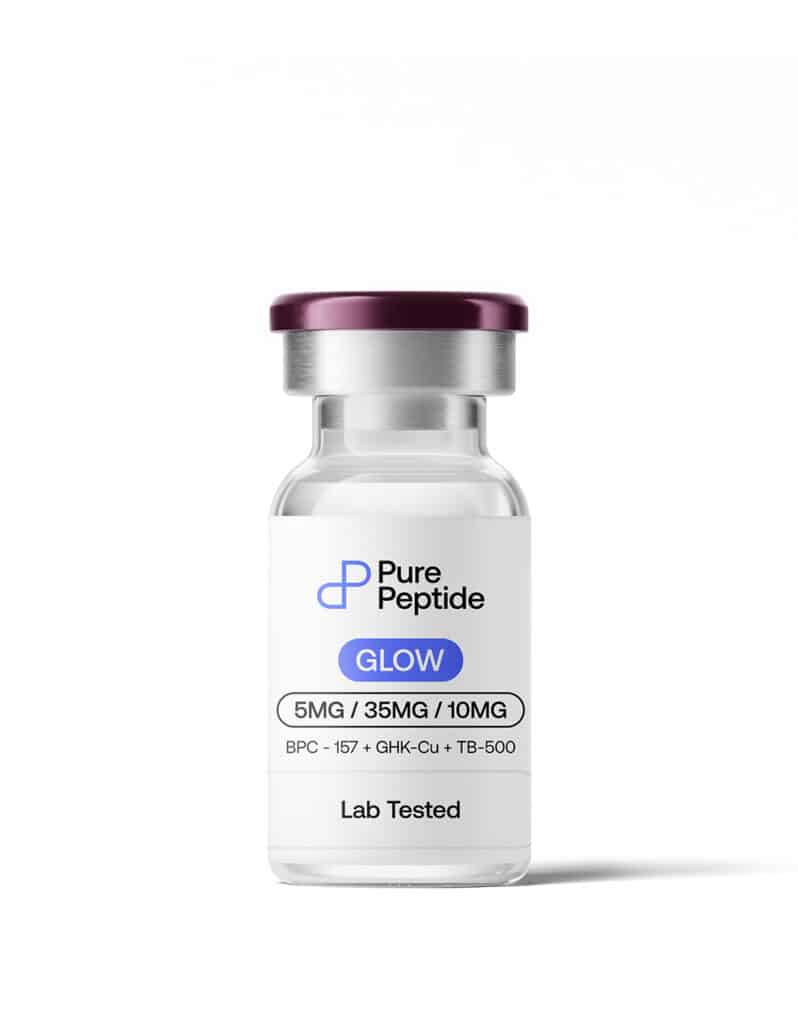
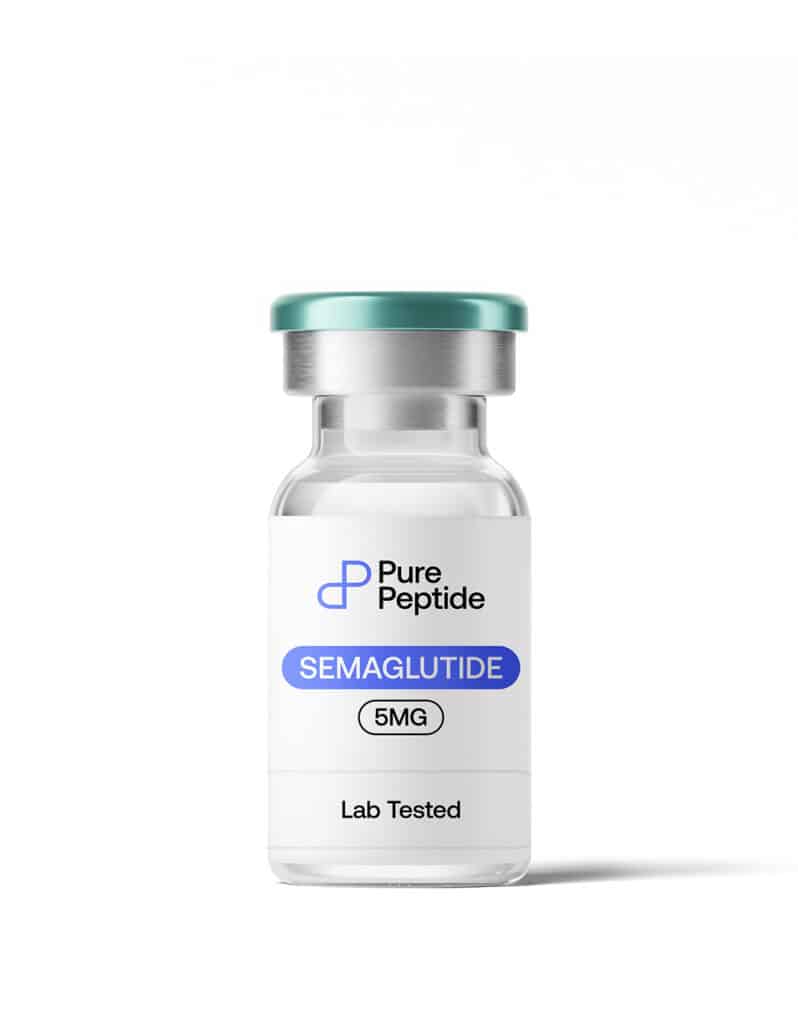

The science of peptide therapy has evolved dramatically in recent years, with researchers and health professionals increasingly focused on the unique properties of smaller peptide chains. These molecular structures, typically containing fewer than 50 amino acids, offer distinct advantages in bioavailability, specificity, and therapeutic potential. Understanding the mechanisms, benefits, and applications of these compounds provides valuable insight for anyone interested in optimizing health, performance, and longevity through cutting-edge supplementation strategies.
Understanding the Structure and Classification of Peptide Chains
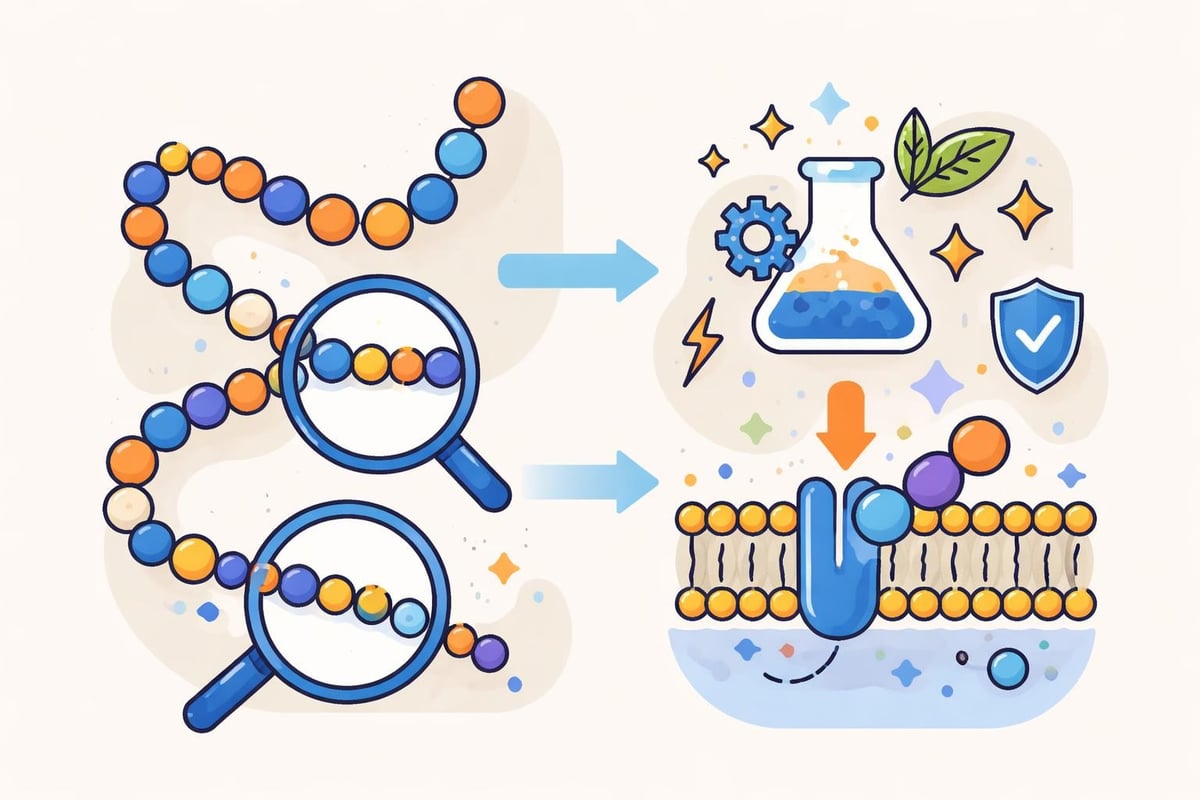
Small peptides represent a specific category within the broader peptide family, distinguished primarily by their molecular size and amino acid composition. These bioactive compounds typically consist of 2 to 49 amino acids linked by peptide bonds, creating chains that are significantly smaller than full proteins yet large enough to exert specific biological effects.
The classification system divides these molecules into several subcategories based on their length. Dipeptides contain just two amino acids, while tripeptides have three, and oligopeptides generally refer to chains containing up to ten amino acids. Chains with 10 to 50 amino acids are often termed polypeptides, though the terminology can overlap depending on the scientific context.
Molecular Characteristics That Drive Function
What makes these compounds particularly valuable is their unique balance between molecular simplicity and functional complexity. Their smaller size compared to full proteins offers several advantages:
- Enhanced cellular penetration and absorption
- Greater stability during storage and administration
- Reduced risk of immunogenic responses
- More precise targeting of specific receptors
- Faster clearance rates, allowing for better dosing control
The three-dimensional structure of these molecules determines their interaction with cellular receptors and biological pathways. Even subtle variations in amino acid sequence can dramatically alter their therapeutic effects, which explains why advanced purification methods and quality control are essential in peptide manufacturing.
Therapeutic Applications in Weight Management and Metabolic Health
Small peptides have emerged as powerful tools in addressing metabolic dysfunction and supporting healthy weight management. Their ability to target specific hormonal pathways makes them particularly effective for individuals struggling with conventional diet and exercise approaches.
Several peptide variants work by mimicking or enhancing natural hormones involved in appetite regulation and glucose metabolism. Research has demonstrated their capacity to improve insulin sensitivity, reduce food cravings, and promote fat oxidation while preserving lean muscle mass.
| Metabolic Function | Peptide Mechanism | Primary Benefit |
|---|---|---|
| Appetite Control | GLP-1 receptor activation | Reduced hunger signals |
| Glucose Regulation | Enhanced insulin secretion | Improved blood sugar stability |
| Fat Metabolism | Increased lipolysis | Enhanced fat burning |
| Energy Expenditure | Metabolic rate optimization | Greater calorie utilization |
The effectiveness of peptides in weight loss applications stems from their ability to address multiple metabolic pathways simultaneously. Unlike single-mechanism interventions, these compounds can influence both energy intake and expenditure, creating a more comprehensive approach to body composition improvement.
Recent studies have shown that small peptides can also enhance the body's natural fat-burning processes without the cardiovascular stress associated with traditional stimulant-based approaches. This makes them suitable for a broader range of individuals, including those with underlying health conditions that preclude the use of more aggressive interventions.
Emerging Research on Metabolic Optimization
The scientific community continues to explore new applications for these compounds in metabolic health. Research on functional small peptides has revealed their potential in enhancing protein delivery and biological activity, which may have implications for nutrient partitioning and muscle protein synthesis.
Furthermore, investigations into peptide supplementation in animal models have demonstrated improvements in growth performance and metabolic efficiency, suggesting potential applications that extend beyond simple weight management.
Muscle Growth, Recovery, and Performance Enhancement
Athletes and fitness enthusiasts have increasingly turned to peptide therapy to optimize training outcomes and accelerate recovery. Small peptides offer unique advantages in this domain through their ability to stimulate natural growth hormone production, enhance tissue repair, and reduce inflammation.
Growth hormone-releasing peptides work by binding to specific receptors in the pituitary gland, triggering increased secretion of endogenous growth hormone. This approach offers several benefits over direct hormone administration:
- Preservation of natural pulsatile hormone patterns
- Reduced risk of receptor desensitization
- Maintenance of endogenous hormone production
- More predictable dosing and response curves
- Lower incidence of side effects
Peptides like Ipamorelin exemplify this approach, offering potent growth hormone stimulation with minimal impact on cortisol or prolactin levels. This selectivity is crucial for athletes seeking performance benefits without unwanted hormonal disruptions.
Tissue Repair and Injury Recovery
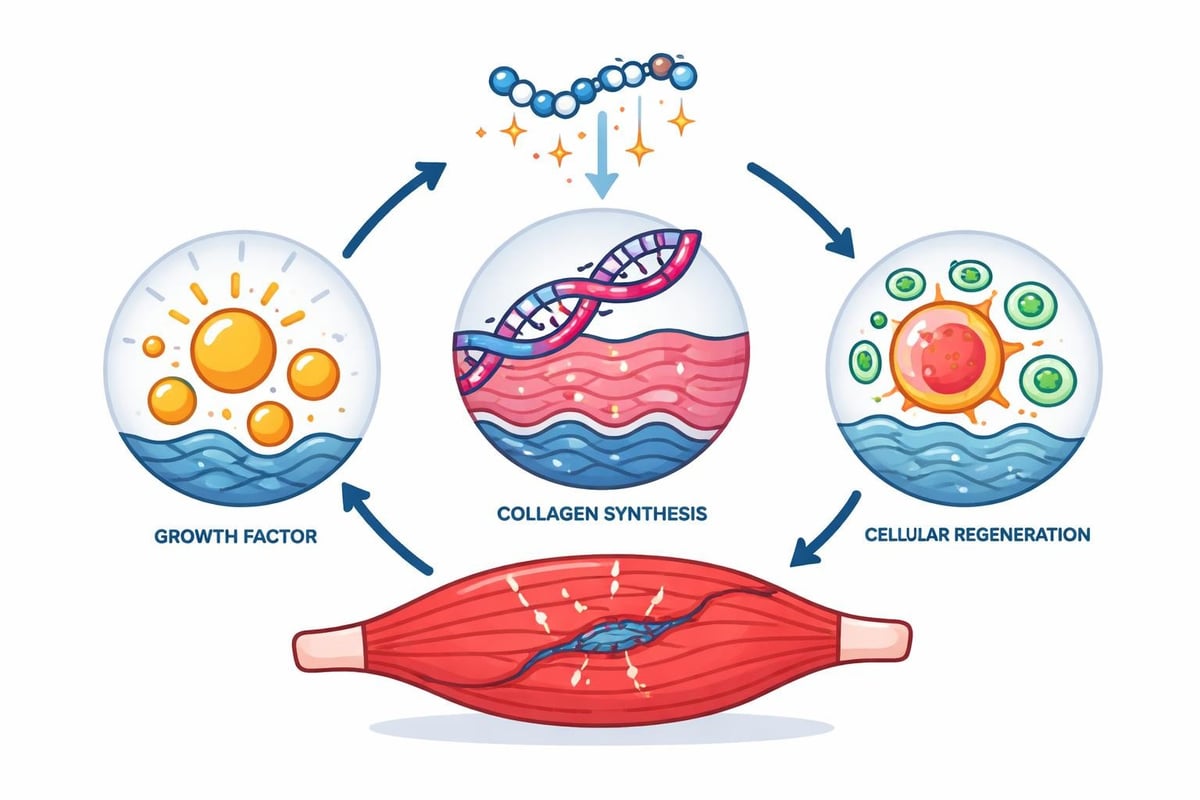
Beyond growth hormone modulation, certain small peptides demonstrate remarkable capacity for accelerating tissue healing and reducing recovery time. These compounds work through multiple mechanisms, including enhanced collagen synthesis, improved angiogenesis, and modulation of inflammatory responses.
BPC-157 represents one of the most extensively studied recovery peptides, with research suggesting benefits for tendon, ligament, and muscle tissue repair. When combined with complementary compounds in specialized formulations, these effects can be further amplified for comprehensive recovery support.
The cellular mechanisms underlying these recovery benefits involve upregulation of growth factors, enhanced cellular migration to injury sites, and protection against oxidative stress. This multi-factorial approach explains why peptide-based recovery protocols often outperform single-pathway interventions.
Anti-Aging Applications and Cellular Rejuvenation
The anti-aging potential of small peptides has captured significant scientific and commercial attention in recent years. These compounds address aging at the cellular level, targeting fundamental processes like DNA repair, mitochondrial function, and cellular senescence.
Research on short peptides and cellular senescence has revealed promising mechanisms through which these molecules may slow aging processes. By modulating cellular stress responses and enhancing repair mechanisms, certain peptides demonstrate potential for extending healthspan and improving age-related functional decline.
Epigenetic and Mitochondrial Effects
Some of the most compelling anti-aging applications involve peptides that influence gene expression and mitochondrial function. These compounds can activate longevity pathways, enhance cellular energy production, and improve stress resistance at the molecular level.
Epitalon, for instance, has been studied for its effects on telomerase activity and circadian rhythm regulation. Its potential to influence fundamental aging mechanisms makes it a subject of ongoing research in longevity science.
Mitochondrial-targeting peptides represent another fascinating category, with compounds designed to enhance cellular energy production and reduce oxidative damage. These effects translate to improvements in physical vitality, cognitive function, and overall cellular health.
| Anti-Aging Target | Peptide Action | Observable Benefit |
|---|---|---|
| Cellular Senescence | Senolytic activity | Removal of damaged cells |
| DNA Repair | Enhanced repair mechanisms | Reduced mutation accumulation |
| Mitochondrial Function | Improved energy production | Enhanced vitality |
| Oxidative Stress | Antioxidant pathway activation | Reduced cellular damage |
Safety Considerations and Quality Standards
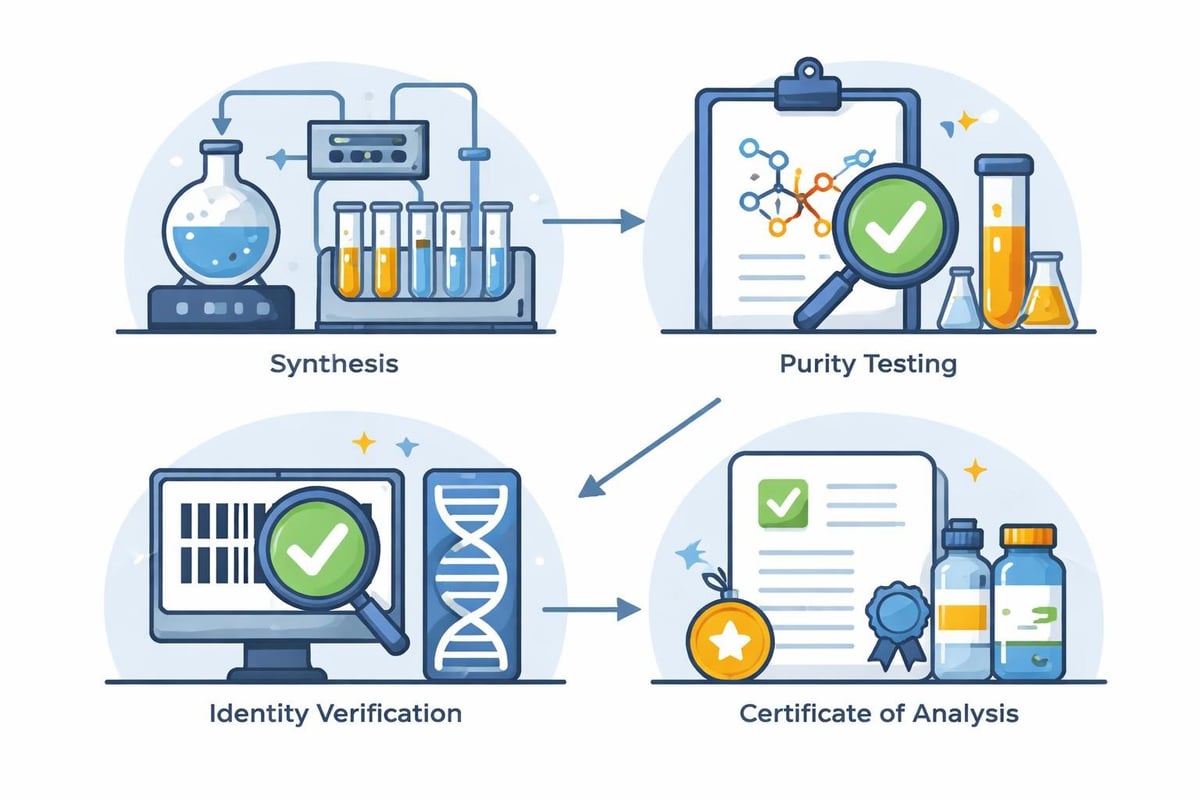
The therapeutic potential of small peptides can only be realized when products meet rigorous purity and quality standards. Contamination, degradation, or incorrect amino acid sequences can not only reduce efficacy but potentially introduce safety concerns.
Manufacturing excellence involves multiple critical steps:
- Synthesis verification using advanced analytical methods
- Purity assessment through high-performance liquid chromatography
- Endotoxin testing to ensure absence of bacterial contaminants
- Stability testing under various storage conditions
- Identity confirmation via mass spectrometry
Understanding proper injection techniques is equally important for safety and efficacy. Subcutaneous administration requires attention to hygiene, injection site rotation, and appropriate needle selection to minimize discomfort and maximize absorption.
Regulatory Landscape and Research Applications
The regulatory status of peptides varies by jurisdiction and intended use. Most small peptides are available for research purposes, with ongoing clinical investigations exploring their therapeutic potential across numerous health conditions.
Advancements in doping control analysis have improved detection methods for peptides in athletic testing, reflecting both their performance-enhancing potential and the need for responsible use in competitive contexts.
Emerging Applications and Future Directions
The versatility of small peptides continues to expand as researchers identify new biological targets and therapeutic applications. Recent investigations have explored their utility in areas ranging from food safety to environmental health.
Studies on peptide applications in detecting mycotoxins demonstrate the broad utility of these molecules beyond traditional therapeutic contexts. Similarly, research into peptide-based detection systems for food contaminants highlights their potential in analytical and diagnostic applications.
Therapeutic Innovation and Combination Strategies
The future of peptide therapy likely involves sophisticated combination protocols that leverage synergistic effects between different peptide types. Formulations combining growth-promoting peptides with recovery-enhancing compounds exemplify this approach, offering comprehensive benefits that exceed what individual compounds can provide.
Novel delivery systems, including oral formulations with enhanced bioavailability and sustained-release preparations, promise to make peptide therapy more convenient and accessible. These innovations address current limitations related to injection-based administration and may expand the applicability of peptide interventions.
The development of minihepcidins and other designer peptides demonstrates how scientists can engineer small peptides with specific therapeutic properties, opening possibilities for personalized medicine approaches tailored to individual metabolic profiles and health objectives.
Practical Implementation and Protocol Design
Successful peptide therapy requires thoughtful protocol design that considers individual goals, baseline health status, and potential interactions with existing interventions. Working with knowledgeable practitioners helps optimize dosing strategies and timing for maximum benefit.
Key protocol considerations include:
- Starting with conservative doses to assess individual response
- Timing administration to align with natural biological rhythms
- Cycling protocols to prevent receptor desensitization
- Monitoring relevant biomarkers to track progress
- Adjusting based on subjective and objective outcomes
Different peptides require distinct administration protocols. Growth hormone-releasing peptides typically perform best when taken on an empty stomach, while recovery peptides may be dosed around training sessions for optimal effect. Understanding these nuances significantly impacts therapeutic outcomes.
The growing body of research on bacterial small proteins and peptides in therapy continues to inform protocol development, revealing new insights into optimal dosing, timing, and combination strategies.
Integration with Comprehensive Health Strategies
While small peptides offer powerful therapeutic effects, they deliver optimal results when integrated into comprehensive health optimization strategies. Proper nutrition, adequate sleep, stress management, and appropriate exercise remain foundational elements that peptide therapy can enhance but not replace.
The synergy between lifestyle factors and peptide interventions creates outcomes greater than either approach alone. For instance, peptides supporting muscle growth achieve superior results when combined with progressive resistance training and adequate protein intake. Similarly, metabolic peptides work most effectively alongside balanced nutrition and regular physical activity.
This integrative perspective ensures sustainable results and helps individuals develop habits that support long-term health and performance. Peptide therapy serves as a catalyst for optimization rather than a standalone solution, amplifying the benefits of foundational health practices.
Small peptides represent a sophisticated tool for addressing multiple health objectives, from weight management and muscle growth to recovery acceleration and anti-aging. Their molecular precision, favorable safety profile, and diverse applications make them valuable components of modern health optimization strategies. Soma Peptide provides access to premium-quality peptide formulations manufactured under stringent quality standards, ensuring purity and efficacy for research and wellness applications. Explore the comprehensive product selection to discover how these innovative compounds can support your health and performance goals.