
The growing interest in bioactive peptides has brought considerable attention to soy-derived compounds that offer targeted health benefits. As research continues to unveil the mechanisms through which these small protein fragments influence human physiology, soy peptide has emerged as a compelling option for those seeking natural support for metabolic health, muscle maintenance, and overall wellness. Derived from soybeans through enzymatic or chemical hydrolysis, these peptides demonstrate unique biological activities that distinguish them from intact soy protein.
Understanding Soy Peptide Structure and Formation
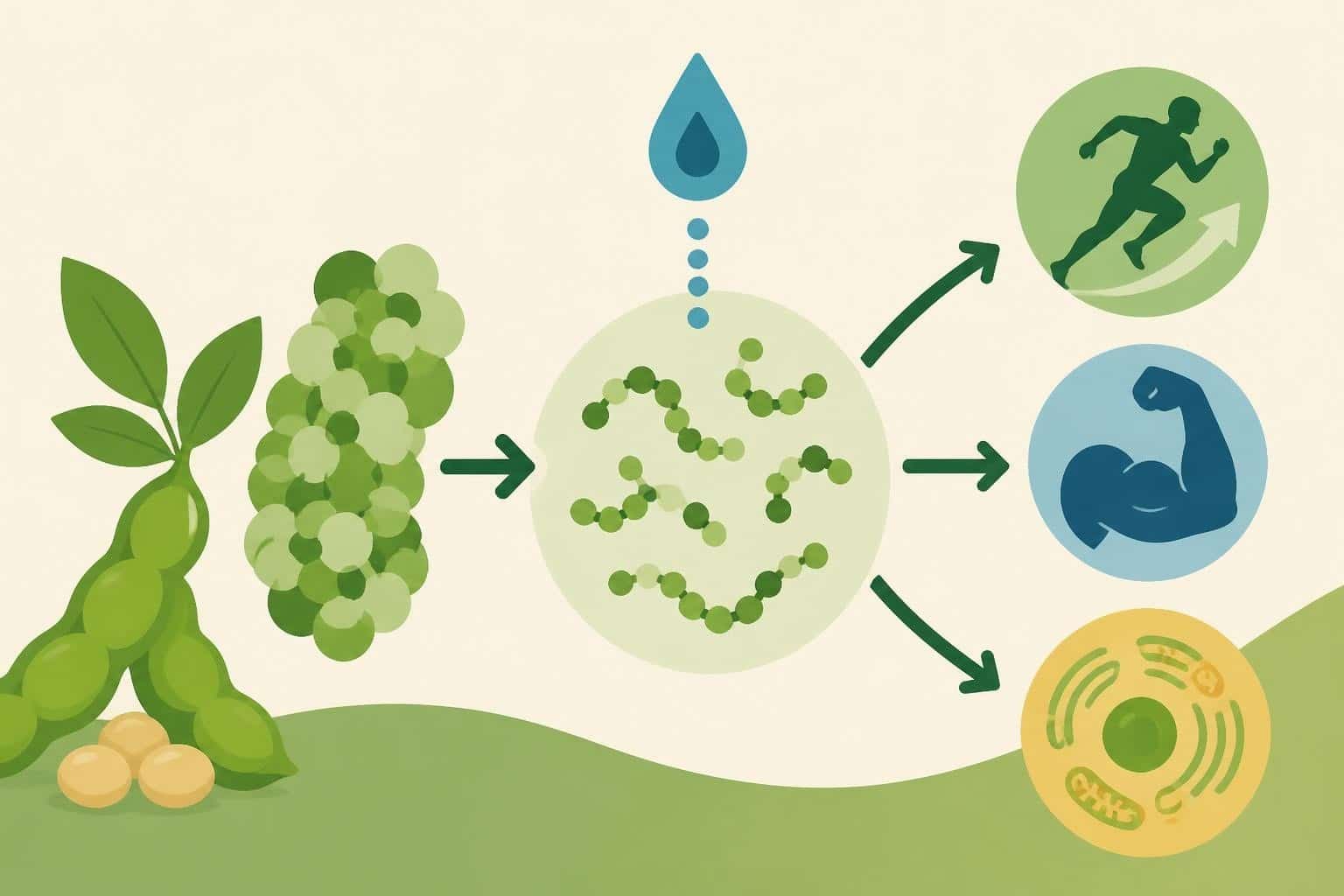
Soy peptide results from breaking down soy protein into smaller amino acid chains through controlled hydrolysis processes. This transformation liberates bioactive sequences that remain inactive within the whole protein structure.
The Hydrolysis Process
The creation of soy peptide involves several distinct approaches:
- Enzymatic hydrolysis using proteolytic enzymes such as pepsin, trypsin, or alcalase
- Acid or alkaline hydrolysis through chemical treatment
- Fermentation processes utilizing specific bacterial strains
- Combined methods that optimize yield and bioactivity
The degree of hydrolysis directly impacts both the molecular weight distribution and biological activity of the resulting peptides. Shorter chains typically demonstrate enhanced absorption but may lose certain bioactive properties, while longer sequences retain more structural complexity.
Molecular Characteristics
Different soy peptide fractions exhibit varying molecular weights, typically ranging from dipeptides (two amino acids) to larger oligopeptides containing fifteen or more residues. Research on soy protein-derived di-peptides has revealed specific mechanisms through which these smaller fragments influence lipid metabolism.
| Peptide Type | Amino Acid Count | Primary Benefits | Absorption Rate |
|---|---|---|---|
| Dipeptides | 2 | Rapid uptake, lipid regulation | Very High |
| Tripeptides | 3 | Cellular signaling, antioxidant | High |
| Oligopeptides | 4-15 | Structural support, immune function | Moderate |
| Polypeptides | 16+ | Sustained release, complex activities | Lower |
Metabolic and Cardiovascular Benefits
The influence of soy peptide on metabolic pathways represents one of the most extensively studied areas, with particular emphasis on glucose regulation and lipid metabolism.
Glucose Control and Insulin Sensitivity
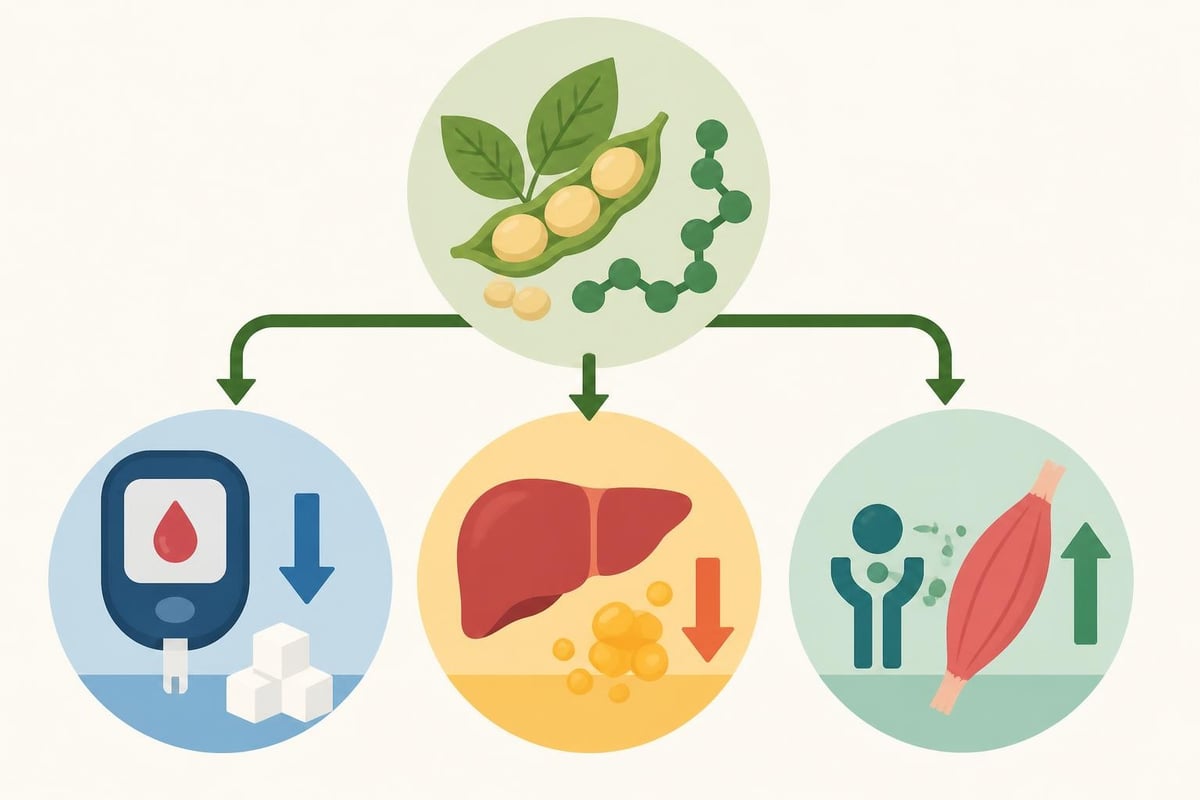
Studies examining black soy peptide supplementation have demonstrated meaningful improvements in glycemic control. Research involving subjects with prediabetes and newly diagnosed type 2 diabetes showed enhanced insulin sensitivity and better fasting glucose levels following consistent supplementation.
The mechanisms appear to involve:
- Enhanced insulin receptor sensitivity in peripheral tissues
- Improved glucose transporter expression and function
- Modulation of incretin hormone activity
- Reduction in hepatic glucose production
Lipid Profile Optimization
Soy peptide demonstrates notable effects on blood lipid parameters. Clinical observations indicate reductions in total cholesterol, LDL cholesterol, and particularly triglyceride concentrations. The di-peptide fractions appear especially effective at modulating hepatic lipid synthesis and enhancing fatty acid oxidation pathways.
Key cardiovascular benefits include:
- Reduction in atherosclerotic risk factors
- Improved endothelial function
- Enhanced vascular flexibility
- Lower oxidative stress markers
Athletic Performance and Recovery Applications
The amino acid composition and rapid absorption characteristics make soy peptide an interesting consideration for individuals focused on muscle growth and physical performance optimization.
Muscle Protein Synthesis Support
While animal-based proteins have traditionally dominated sports nutrition, systematic reviews of soy protein supplementation in active individuals reveal comparable benefits for muscle adaptation when adequate leucine content is ensured. The peptide form offers certain advantages over intact protein.
Performance-related benefits:
- Faster gastric emptying compared to whole protein
- Reduced digestive discomfort during training
- Quick amino acid availability for muscle repair
- Support for lean body mass maintenance
Recovery and Inflammation Management
The anti-inflammatory properties of specific soy peptide sequences contribute to enhanced recovery protocols. These compounds help modulate cytokine production and reduce exercise-induced oxidative damage, supporting faster return to training capacity.
| Recovery Metric | Typical Improvement Timeline | Mechanism |
|---|---|---|
| Muscle soreness reduction | 24-48 hours | Anti-inflammatory signaling |
| Strength recovery | 48-72 hours | Enhanced protein synthesis |
| Oxidative stress markers | 12-24 hours | Antioxidant activity |
| Glycogen replenishment | 4-8 hours | Improved insulin response |
Those focused on comprehensive recovery strategies may find soy peptide particularly valuable when combined with proper training periodization.
Lunasin: A Notable Bioactive Soy Peptide
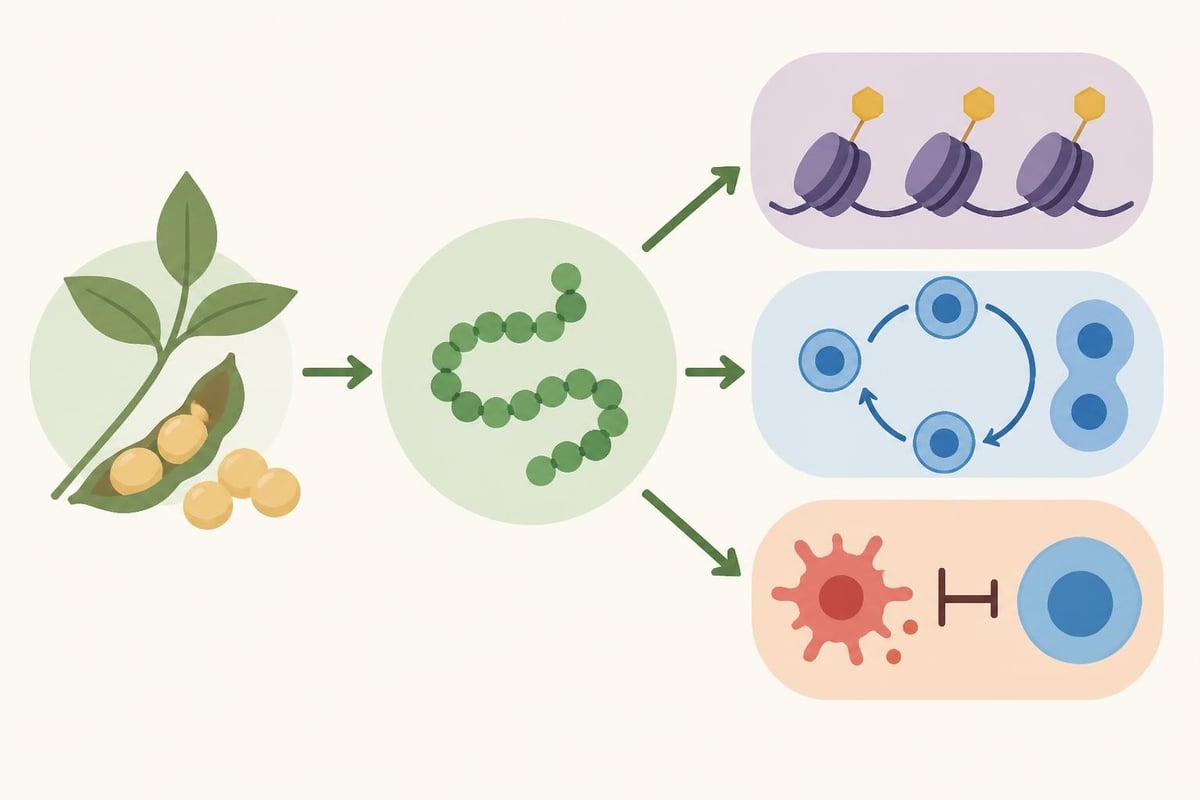
Among the various bioactive sequences found in soy, lunasin has garnered substantial scientific attention for its unique properties. This 43-amino acid peptide demonstrates multiple biological activities that extend beyond basic nutrition.
Anti-Inflammatory and Cellular Protection
Studies on lunasin highlight its role in combating chronic inflammation through histone acetylation inhibition. This epigenetic mechanism influences gene expression patterns associated with inflammatory responses and cellular protection.
The peptide's polyaspartyl tail enables chromatin binding, allowing it to interfere with modifications that would otherwise activate pro-inflammatory gene transcription. This distinctive structural feature separates lunasin from most other dietary peptides.
Commercial Availability and Stability
Research examining glycated and glycoxidated forms of lunasin in commercial products reveals important considerations about processing and storage. Heat treatment and extended shelf life can modify the peptide structure, potentially impacting bioactivity.
Consumers and formulators should consider:
- Processing methods used in soy peptide production
- Storage conditions and expiration dating
- Third-party testing for peptide integrity
- Appropriate formulation vehicles to protect bioactivity
Antioxidant Properties and Cellular Health
Beyond specific peptides like lunasin, soy peptide generally exhibits meaningful antioxidant capacity through multiple pathways. These compounds help neutralize reactive oxygen species and support endogenous antioxidant systems.
Mechanism of Antioxidant Action
The antioxidant effects of soy peptide derive from several sources:
- Direct free radical scavenging by specific amino acid residues
- Chelation of pro-oxidant metal ions
- Upregulation of antioxidant enzyme expression
- Protection of cellular lipid membranes
Cellular benefits observed in research:
- Reduced lipid peroxidation
- Protected mitochondrial function
- Enhanced cellular stress resistance
- Improved DNA integrity
For individuals interested in anti-aging support, the cellular protective properties of bioactive peptides represent an important consideration alongside other interventions.
Dosing Considerations and Optimal Use
Determining appropriate soy peptide intake depends on individual goals, baseline nutrition, and specific health objectives. Research protocols have employed widely varying dosages, making standardized recommendations challenging.
General Guidelines
Most clinical studies examining metabolic benefits have utilized doses ranging from 10 to 30 grams daily, typically divided into multiple administrations. Athletic performance research often employs similar ranges, with timing relative to training sessions potentially influencing outcomes.
| Application Goal | Typical Daily Dose | Timing Considerations |
|---|---|---|
| Metabolic support | 15-25 grams | Split doses with meals |
| Athletic recovery | 20-30 grams | Post-exercise preferred |
| General wellness | 10-20 grams | Once or twice daily |
| Cardiovascular health | 15-25 grams | Consistent daily intake |
Bioavailability Enhancement Strategies
Several approaches can optimize soy peptide absorption and utilization:
- Consuming with digestible carbohydrates to enhance insulin-mediated amino acid uptake
- Avoiding high-fat meals that may slow gastric emptying
- Maintaining consistent timing to support stable blood levels
- Combining with complementary nutrients such as vitamin C for enhanced antioxidant effects
Quality Standards and Purity Considerations
The therapeutic potential of soy peptide depends fundamentally on production quality and purity standards. Inferior processing methods may leave allergenic protein fragments, introduce contaminants, or fail to achieve adequate hydrolysis.
Critical Quality Markers
When evaluating soy peptide products, several factors warrant careful examination:
- Degree of hydrolysis indicating extent of protein breakdown
- Molecular weight distribution showing peptide size profile
- Amino acid analysis confirming composition and leucine content
- Heavy metal testing ensuring absence of contaminants
- Allergen screening verifying removal of problematic epitopes
The peptide industry demands rigorous quality control protocols. At Soma Peptide, advanced purification methods and comprehensive testing ensure that each product meets the highest standards for purity and efficacy, whether customers are focused on performance, recovery, or metabolic health.
Source Material Considerations
The quality of starting soy material significantly influences final peptide characteristics. Non-GMO soybeans, organic cultivation practices, and proper storage all contribute to superior end products. Additionally, some individuals prefer products derived from specific soy varieties based on phytoestrogen content or processing history.
Integration with Peptide-Based Health Strategies
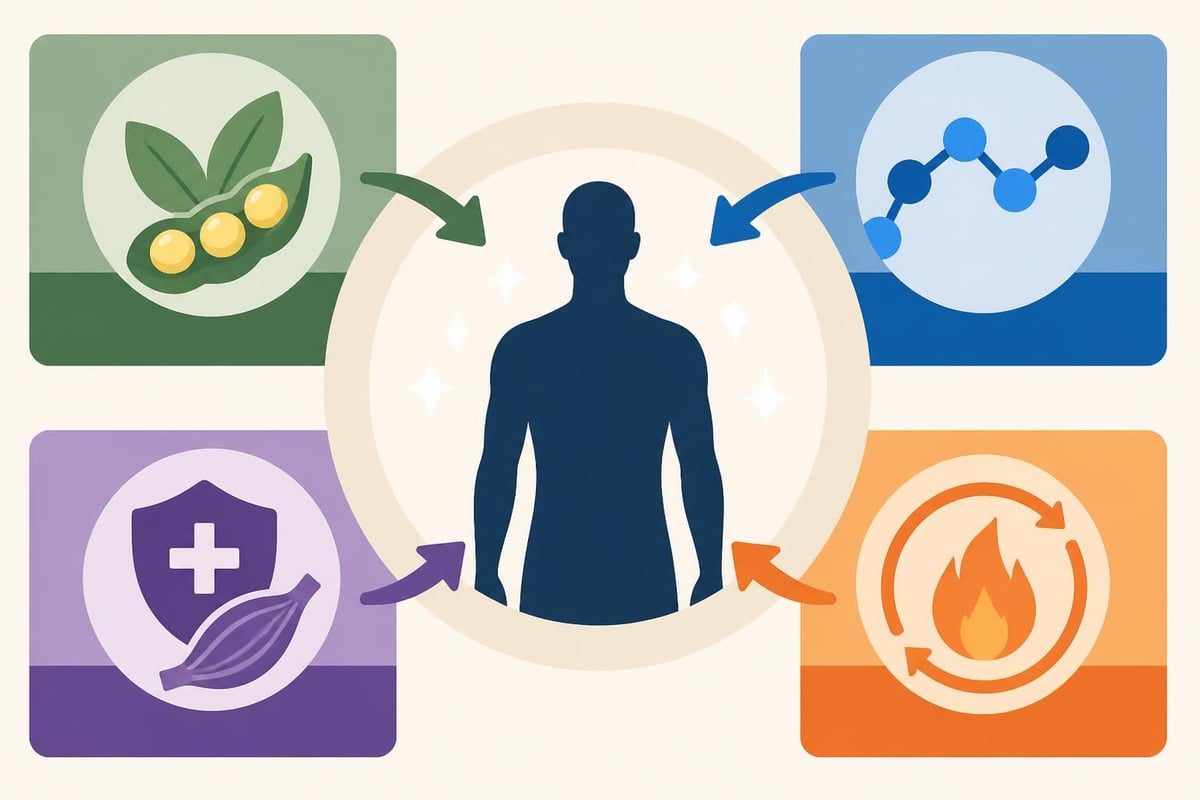
While soy peptide offers distinct benefits, it exists within a broader landscape of bioactive peptides that support various aspects of health and performance. Understanding how different peptide types complement each other enables more sophisticated wellness strategies.
Synergistic Approaches
Individuals pursuing comprehensive health optimization often combine nutritional peptides like those from soy with targeted therapeutic peptides. For example, someone focused on body composition might pair soy peptide supplementation with weight loss peptides that address different metabolic pathways.
Complementary peptide categories include:
- Growth hormone secretagogues for body composition
- Recovery peptides for tissue repair
- Metabolic peptides for enhanced fat utilization
- Anti-aging peptides for cellular rejuvenation
This multi-faceted approach acknowledges that optimal health results from addressing multiple systems simultaneously rather than targeting isolated pathways.
Practical Applications Across Different Populations
The versatility of soy peptide makes it applicable across diverse populations with varying health objectives and constraints.
For Plant-Based Athletes
Athletes following vegetarian or vegan dietary patterns often face challenges meeting protein needs with complete amino acid profiles. Soy peptide addresses this gap while offering faster absorption than whole soy protein foods.
Practical implementation strategies:
- Post-workout supplementation within 30-60 minutes of training
- Morning intake to support anabolic signaling throughout the day
- Pre-sleep administration for overnight recovery support
- Combining with rice or pea peptides for enhanced amino acid balance
For Metabolic Health Optimization
Individuals managing blood sugar, cardiovascular risk factors, or body composition benefit from soy peptide's multi-system effects. The combination of glycemic control, lipid optimization, and lean tissue support creates a comprehensive metabolic intervention.
For Aging Populations
Older adults experiencing age-related muscle loss (sarcopenia) require easily digestible, rapidly absorbed protein sources. Soy peptide provides these characteristics while delivering antioxidant and anti-inflammatory benefits that support healthy aging processes.
Safety Profile and Considerations
Extensive research and widespread consumption have established soy peptide as generally safe for most individuals when used appropriately. However, certain populations should exercise additional caution.
Contraindications and Precautions
Individuals who should consult healthcare providers before use:
- Those with diagnosed soy allergies (though hydrolysis may reduce allergenicity)
- People taking thyroid medications, as soy may affect absorption
- Individuals with hormone-sensitive conditions
- Those on anticoagulant therapy due to potential vitamin K content
Potential Side Effects
Most users tolerate soy peptide well, but some may experience:
- Mild digestive discomfort during initial use
- Bloating or gas, particularly with higher doses
- Allergic reactions in sensitive individuals (rare with well-hydrolyzed products)
Starting with lower doses and gradually increasing allows the digestive system to adapt while monitoring individual tolerance.
Future Research Directions
The science of bioactive peptides continues evolving rapidly, with soy-derived compounds representing an active research frontier. Several promising areas warrant attention as investigation continues.
Emerging Applications
Scientists are exploring soy peptide potential in:
- Cognitive function support through neuroprotective mechanisms
- Immune system modulation via effects on gut barrier function
- Bone health maintenance through interactions with calcium metabolism
- Skin health enhancement via collagen synthesis stimulation
Precision Peptide Development
Advanced isolation techniques are enabling researchers to identify and concentrate specific bioactive sequences within soy protein. This precision approach may yield targeted peptide products with enhanced potency for particular applications.
The next generation of soy peptide products will likely feature:
- Specific sequence enrichment for targeted benefits
- Enhanced bioavailability through novel delivery systems
- Combination formulas pairing complementary peptide types
- Personalized recommendations based on genetic and metabolic profiles
Manufacturing Innovation and Quality Evolution
As demand for high-quality peptide products grows, manufacturing processes continue advancing to deliver superior purity, consistency, and bioactivity.
Advanced Purification Technologies
Modern soy peptide production employs sophisticated methods:
- Membrane filtration to precisely control molecular weight distribution
- Chromatographic separation for specific sequence isolation
- Spray drying techniques that preserve bioactivity during processing
- Quality assurance protocols including mass spectrometry verification
These technological improvements ensure that contemporary soy peptide products deliver consistent results while minimizing potential allergens or unwanted compounds.
Soy peptide represents a scientifically validated approach to supporting metabolic health, athletic performance, and overall wellness through targeted nutritional intervention. The bioactive sequences within these hydrolyzed soy proteins influence multiple physiological systems, from glucose regulation to muscle recovery and cellular protection. When you're ready to explore premium peptide solutions backed by rigorous quality standards, Soma Peptide offers comprehensive options for weight loss, muscle growth, recovery, and anti-aging support, all produced with advanced purification methods that ensure maximum purity and efficacy.