


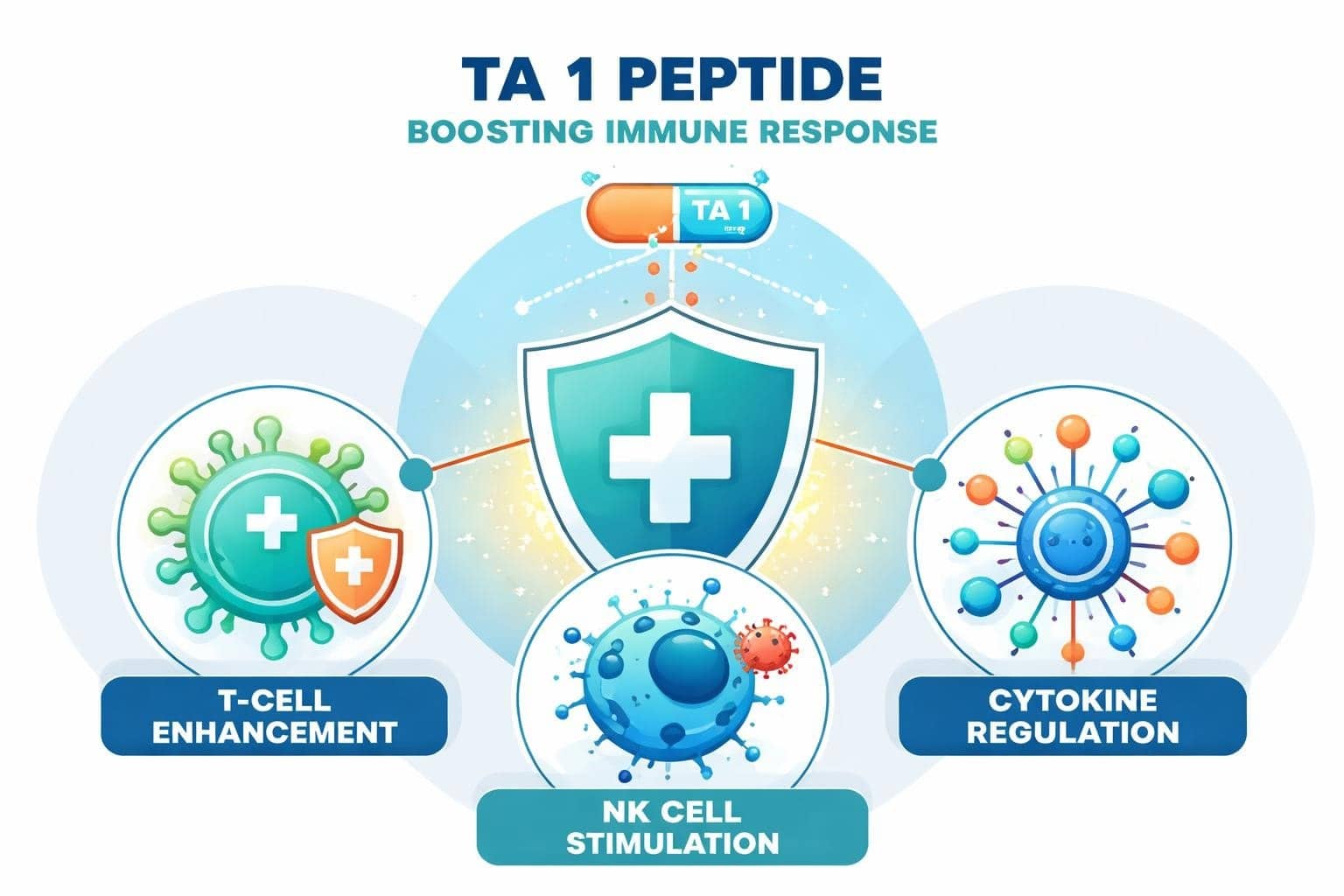
The immune system serves as the body's primary defense mechanism against pathogens, infections, and cellular abnormalities. Within the complex network of immune-supporting compounds, TA 1 peptide has emerged as a subject of significant research interest due to its unique immunomodulatory properties. Originally derived from thymic tissue, this 28-amino acid peptide plays a crucial role in regulating immune function and has been extensively studied for its potential applications in various health contexts. Understanding how this compound works, its mechanisms of action, and proper handling protocols provides valuable insights for researchers and those interested in advanced peptide therapies.
Understanding the Structure and Origin of TA 1 Peptide
TA 1 peptide, also known as thymosin alpha-1, represents a biologically active fragment of the larger prothymosin alpha protein. The thymus gland naturally produces this peptide, which functions as a critical regulator of immune system development and maintenance. The molecular structure consists of 28 amino acids arranged in a specific sequence that determines its biological activity.
Molecular Characteristics and Composition
The peptide's molecular formula C129H215N33O55 reflects its complex structure, with a molecular weight of approximately 3,108 daltons. This precise composition enables the peptide to interact with specific cellular receptors and signaling pathways throughout the immune system.
Key structural features include:
- N-terminal acetylation that protects against enzymatic degradation
- Specific amino acid sequence critical for receptor binding
- Hydrophilic properties that influence bioavailability
- Stability characteristics that affect storage and handling requirements
Research has demonstrated that the immune-modulating and anti-inflammatory properties of this peptide depend heavily on maintaining its structural integrity. Manufacturing processes must therefore employ stringent quality controls to preserve the correct amino acid sequence and prevent degradation.
Mechanisms of Action in Immune Modulation
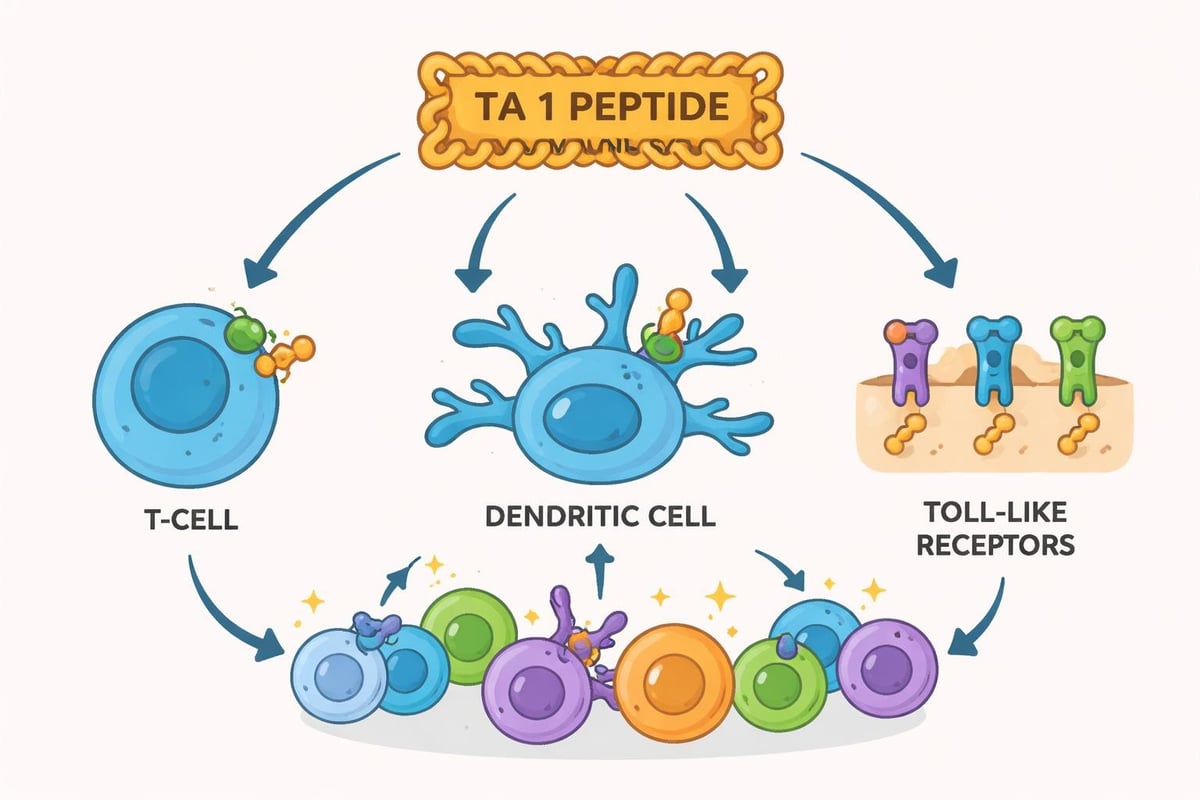
The ta 1 peptide operates through multiple pathways to enhance immune system function. Unlike broad-spectrum immune stimulants, this compound works selectively to optimize immune responses without causing excessive activation or inflammation.
T-Cell Enhancement and Differentiation
One of the primary mechanisms involves T-lymphocyte maturation and activation. The peptide binds to toll-like receptors on immune cells, triggering signaling cascades that promote T-cell differentiation. This process enhances the body's ability to recognize and respond to foreign antigens while maintaining tolerance to self-antigens.
Research indicates that enhanced T-lymphocyte function and increased natural killer cell activity represent core benefits of this peptide. The compound specifically influences:
- CD4+ helper T-cell activation and proliferation
- CD8+ cytotoxic T-cell development
- Regulatory T-cell balance to prevent autoimmune responses
- Memory T-cell formation for long-term immune protection
Cytokine Production and Signaling
TA 1 peptide modulates cytokine production, influencing the communication network between immune cells. The compound promotes the release of interleukin-2, interferon-gamma, and other signaling molecules that coordinate immune responses. This balanced cytokine profile supports effective pathogen clearance while minimizing inflammatory damage to healthy tissues.
| Cytokine Type | Effect on Production | Immune Function |
|---|---|---|
| IL-2 | Increased | T-cell proliferation |
| IFN-γ | Enhanced | Antiviral activity |
| IL-10 | Balanced | Anti-inflammatory regulation |
| TNF-α | Modulated | Controlled inflammation |
Research Applications and Study Contexts
The scientific community has investigated ta 1 peptide across numerous research contexts, examining its effects on various aspects of immune function. These studies provide valuable data on dosing protocols, timing considerations, and potential synergistic effects with other compounds.
Immune System Enhancement Studies
Laboratory research has focused extensively on the peptide's ability to restore immune competence in compromised systems. Studies examine how the compound influences immune cell populations, antibody production, and overall immune system responsiveness. The applications in research including immune modulation and signaling pathway analysis demonstrate the breadth of scientific interest in this compound.
Researchers typically evaluate:
- White blood cell count and distribution changes
- Natural killer cell activity levels
- Lymphocyte proliferation rates
- Antibody production capacity
- Inflammatory marker fluctuations
Combination Research Protocols
Some research protocols examine ta 1 peptide in combination with other peptides to evaluate potential synergistic effects. For instance, researchers have explored combinations with BPC-157 and TB-500 blend formulations to assess immune support alongside tissue repair mechanisms. Similarly, studies have investigated how immune modulation might complement metabolic regulation achieved through compounds like semaglutide.
Dosing Protocols and Administration Guidelines
Proper dosing represents a critical factor in research applications of ta 1 peptide. While specific protocols vary based on study objectives and subject characteristics, established guidelines provide frameworks for safe and effective administration.
Standard Research Dosing Ranges
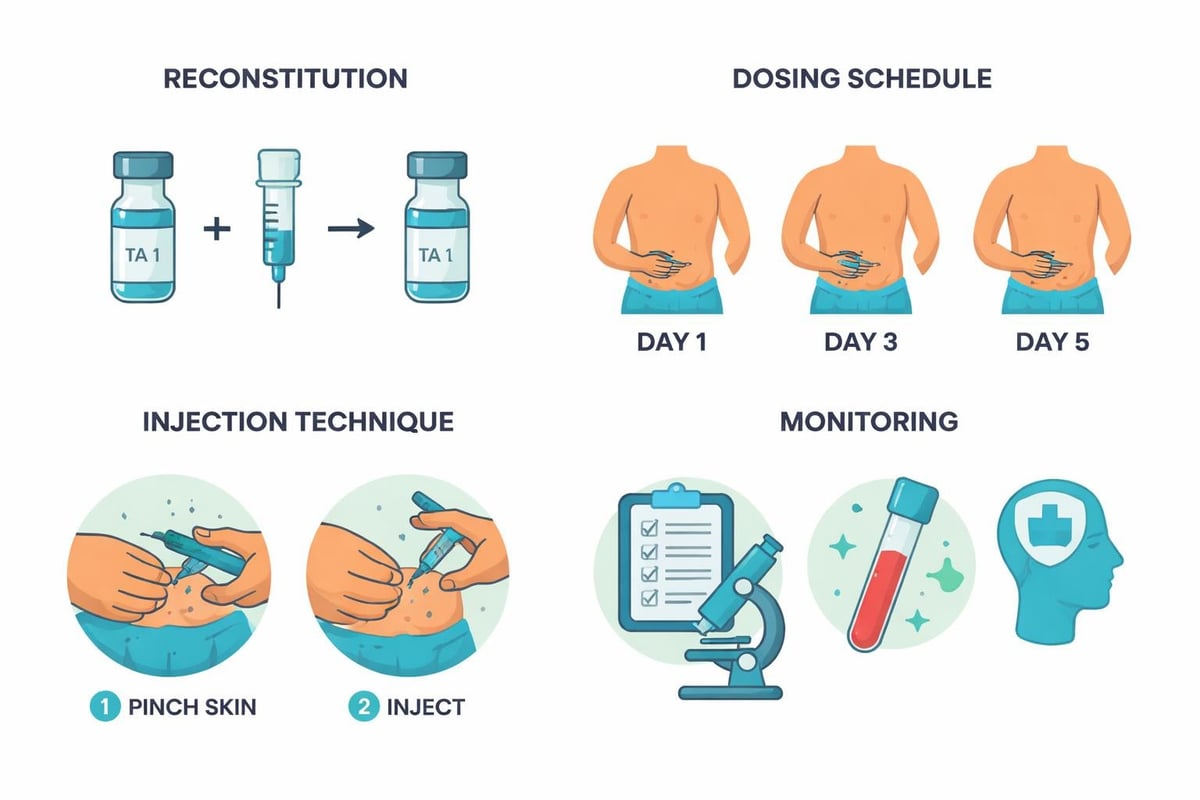
Most research protocols employ doses ranging from 1.6 mg to 6.4 mg administered subcutaneously. The frequency of administration varies from twice weekly to daily, depending on the research objectives and the specific immune parameters being evaluated.
Common dosing schedules include:
- Maintenance Protocol: 1.6-3.2 mg administered twice weekly
- Intensive Protocol: 3.2-6.4 mg administered three times weekly
- Loading Phase: Higher frequency for initial 4-week period
- Maintenance Phase: Reduced frequency for ongoing support
Research suggests that T-cell activation and innate immune modulation may benefit from consistent administration patterns that maintain stable peptide levels throughout the study period.
Reconstitution and Storage Procedures
TA 1 peptide typically arrives as a lyophilized powder requiring reconstitution with bacteriostatic water before administration. Proper reconstitution technique ensures peptide stability and accurate dosing.
| Storage Condition | Temperature | Duration | Stability |
|---|---|---|---|
| Lyophilized (sealed) | 2-8°C | 24 months | Optimal |
| Lyophilized (sealed) | Room temp | 90 days | Acceptable |
| Reconstituted | 2-8°C | 14 days | Good |
| Reconstituted | Frozen | Not recommended | Degrades |
The reconstitution process requires clean technique to prevent contamination. Researchers should allow the lyophilized powder to reach room temperature before adding bacteriostatic water slowly down the vial's side, avoiding direct contact with the powder. Gentle swirling, rather than shaking, ensures complete dissolution while preserving peptide integrity.
Quality Considerations and Purity Standards
The effectiveness of ta 1 peptide in research applications depends fundamentally on product purity and quality. Manufacturing processes, testing protocols, and handling procedures all influence the compound's biological activity and research outcomes.
Manufacturing and Purification Methods
Advanced solid-phase peptide synthesis (SPPS) represents the standard manufacturing approach for ta 1 peptide. This method allows precise control over amino acid sequence and reduces the risk of contamination or structural variations. Following synthesis, multiple purification steps remove impurities and ensure the final product meets stringent quality specifications.
High-performance liquid chromatography (HPLC) serves as the primary purification and verification method. Reputable suppliers provide HPLC results confirming purity levels typically exceeding 98%. The high purity and manufacturing standards employed by quality-focused manufacturers ensure consistent research outcomes.
Third-Party Testing and Verification
Independent laboratory testing provides additional quality assurance beyond manufacturer specifications. Third-party analysis typically includes:
- HPLC purity verification
- Mass spectrometry for molecular weight confirmation
- Amino acid sequence analysis
- Bacterial endotoxin testing
- Sterility verification for reconstituted solutions
Researchers should prioritize suppliers who provide accessible certificates of analysis (COA) for each batch, demonstrating commitment to quality and transparency.
Safety Profile and Monitoring Parameters
Understanding the safety profile of ta 1 peptide helps researchers design appropriate monitoring protocols and establish clear parameters for study continuation or modification. Extensive research has characterized the compound's tolerability and identified relevant monitoring markers.
Reported Side Effects in Research Settings
Research literature indicates that ta 1 peptide generally demonstrates a favorable safety profile when administered according to established protocols. Most reported effects are mild and transient.
Common observations include:
- Injection site reactions (redness, minor swelling)
- Temporary fatigue in early administration phases
- Mild headaches during initial weeks
- Occasional low-grade temperature elevations
- Transient changes in immune cell populations
Serious adverse events remain rare in published research, though comprehensive monitoring ensures early detection of any unexpected responses. The immune system boosting properties require appropriate baseline and follow-up immune function assessments.
Research Monitoring Protocols
Comprehensive research protocols incorporate regular monitoring to track immune responses and identify any safety concerns. Standard monitoring includes:
- Baseline Assessment: Complete blood count, immune cell subsets, inflammatory markers
- Week 4 Evaluation: Repeat immune panels, symptom assessment
- Week 8 Review: Comprehensive immune function analysis
- Week 12 Final: Complete evaluation of all parameters
Additional monitoring may include specific antibody titers, cytokine profiles, or specialized immune function tests depending on research objectives.

Emerging Research Directions and Future Applications
The scientific understanding of ta 1 peptide continues to evolve as researchers explore new applications and investigate its mechanisms in greater detail. Current research trends suggest expanding applications beyond traditional immune support contexts.
Cellular Repair and Longevity Research
Recent studies have begun examining the role in longevity and cellular repair mechanisms, investigating whether immune modulation influences broader cellular health parameters. This research explores connections between immune function optimization and cellular aging processes, including telomere maintenance and mitochondrial function.
Preliminary findings suggest that immune system optimization may indirectly support cellular health through:
- Reduced chronic inflammation that accelerates aging
- Enhanced clearance of senescent cells
- Improved stress response mechanisms
- Better maintenance of stem cell populations
Combination Therapy Research
Researchers increasingly investigate ta 1 peptide as part of comprehensive peptide protocols. Studies examine how immune modulation complements other physiological targets, such as metabolic optimization, tissue repair, and hormonal balance. Some protocols combine immune-supporting peptides with compounds like IGF-1 LR3 to evaluate synergistic effects on recovery and cellular function.
Practical Considerations for Research Implementation
Successfully incorporating ta 1 peptide into research protocols requires attention to practical details beyond basic dosing and administration. These considerations ensure consistent results and meaningful data collection.
Subject Selection and Baseline Assessment
Appropriate subject selection influences research outcomes significantly. Researchers should establish clear inclusion and exclusion criteria based on:
- Baseline immune function status
- Previous peptide exposure history
- Current medication and supplement use
- Relevant health conditions affecting immune function
- Age and physiological status
Comprehensive baseline assessment creates a reference point for evaluating peptide effects. The natural occurrence, structure, and research focus on immune function modulation inform which baseline parameters provide the most relevant data.
Documentation and Data Collection
Rigorous documentation practices ensure research validity and facilitate meaningful analysis. Standard documentation should include:
| Documentation Type | Frequency | Key Elements |
|---|---|---|
| Dosing logs | Each administration | Date, time, dose, injection site |
| Symptom journals | Daily | Side effects, energy levels, general well-being |
| Laboratory results | Per protocol | Immune markers, blood counts, inflammatory markers |
| Photographic records | Baseline and endpoints | Injection sites, physical changes |
Consistent data collection enables pattern recognition and supports evidence-based protocol adjustments when necessary.
Sourcing and Supplier Evaluation
The quality of research outcomes depends fundamentally on peptide quality, making supplier selection a critical decision. Researchers should employ systematic evaluation criteria when sourcing ta 1 peptide.
Supplier Qualification Criteria
Quality suppliers demonstrate commitment to manufacturing excellence through transparent practices and comprehensive testing. Evaluation criteria should include:
- Manufacturing standards: GMP-compliant facilities and validated processes
- Testing protocols: Comprehensive in-house and third-party analysis
- Documentation: Accessible COAs and product specifications
- Customer support: Technical expertise and responsive communication
- Reputation: Established track record in the research community
The detailed information on molecular characteristics, physical properties, and research context provided by quality suppliers enables informed decision-making and proper research design.
Red Flags and Warning Signs
Researchers should exercise caution when suppliers exhibit concerning characteristics:
- Absence of third-party testing documentation
- Significantly below-market pricing suggesting quality compromises
- Vague product descriptions lacking specific specifications
- Poor customer service or technical support
- Limited information about manufacturing processes
- Inconsistent product availability or quality
Soma Peptide represents the type of supplier that prioritizes quality through advanced purification methods and stringent quality control standards, ensuring researchers receive peptides suitable for serious scientific investigation.
Integration with Comprehensive Research Protocols
TA 1 peptide functions most effectively when integrated into well-designed research protocols that address multiple aspects of immune health and physiological optimization. Holistic approaches consider nutrition, lifestyle factors, and complementary interventions alongside peptide administration.
Nutritional Support for Immune Research
Optimal immune function requires adequate nutritional support, making dietary considerations relevant to ta 1 peptide research. Key nutritional factors include:
- Protein intake: Adequate amino acids for immune cell production
- Micronutrients: Zinc, selenium, vitamin D, and vitamin C
- Omega-3 fatty acids: Anti-inflammatory support
- Antioxidants: Protection against oxidative stress
- Hydration: Proper cellular function and detoxification
Research protocols may incorporate standardized nutritional guidelines to minimize confounding variables and ensure subjects maintain optimal nutritional status throughout the study period.
Complementary Interventions
Beyond nutrition, various lifestyle factors influence immune function and may interact with ta 1 peptide effects. Researchers often control for or standardize:
- Sleep quality and duration (7-9 hours recommended)
- Stress management practices
- Exercise protocols (moderate intensity preferred)
- Alcohol and substance use
- Environmental exposures
The reasons researchers choose this peptide often relate to its compatibility with comprehensive health optimization protocols that address multiple physiological systems simultaneously.
Understanding ta 1 peptide's mechanisms, proper administration protocols, and quality considerations enables researchers to design effective studies and evaluate immune modulation outcomes accurately. Whether investigating immune system enhancement, exploring cellular repair mechanisms, or examining combination protocols, attention to product quality, dosing precision, and comprehensive monitoring ensures meaningful results. For those seeking premium quality peptides backed by rigorous testing and advanced purification methods, Soma Peptide provides the reliability and purity essential for serious research applications in immune modulation and beyond.