



Hair loss affects millions of people worldwide, driving constant innovation in treatment approaches. Among emerging therapeutic options, tb 500 hair growth research has gained attention within the peptide community. TB-500, a synthetic fragment of Thymosin Beta-4, demonstrates tissue repair properties that may extend to hair follicle regeneration. This peptide operates through multiple biological mechanisms, including cellular migration, angiogenesis, and inflammatory modulation. While established treatments like minoxidil and finasteride dominate the market, researchers continue exploring how peptides like TB-500 might offer alternative pathways to combat hair thinning and loss.
Understanding TB-500 and Its Biological Mechanisms
TB-500 represents a synthetic version of the naturally occurring Thymosin Beta-4 protein fragment. This 43-amino acid peptide plays crucial roles in cellular repair, tissue regeneration, and wound healing processes throughout the body.
The primary mechanism behind TB-500 involves actin sequestration and regulation. Actin serves as a fundamental building block for cellular structure and movement. By binding to actin, TB-500 facilitates cell migration to injury sites, promoting tissue repair and regeneration.
Key Biological Functions of TB-500
TB-500 influences multiple cellular pathways relevant to tissue health:
- Angiogenesis promotion: Stimulates new blood vessel formation to damaged tissues
- Anti-inflammatory effects: Modulates inflammatory responses during healing
- Cellular differentiation: Supports stem cell activation and specialization
- Extracellular matrix remodeling: Facilitates tissue restructuring and repair
According to research on TB-500’s comprehensive mechanisms, the peptide demonstrates broad applications across various tissue types. These properties have led researchers to investigate its potential in hair follicle biology, where similar regenerative processes occur naturally during the hair growth cycle.

The Science Behind TB-500 Hair Growth Research
Hair follicles undergo continuous cycles of growth (anagen), regression (catagen), and rest (telogen). Disruptions in this cycle contribute to various forms of hair loss. The connection between tb 500 hair growth mechanisms centers on how the peptide might influence follicular stem cells and dermal papilla cells.
Research examining TB-500’s impact on hair follicle cell survival suggests the peptide may support cellular viability in follicular environments. Dermal papilla cells, located at the follicle base, regulate hair growth through signaling pathways. TB-500's influence on cell migration and survival could theoretically extend to these critical structures.
Vascular Support and Nutrient Delivery
Hair follicles require robust microvascular networks for optimal function. Inadequate blood supply compromises nutrient delivery and waste removal, potentially accelerating follicle miniaturization.
A 2026 research overview on TB-500 and follicle regeneration highlights the peptide's angiogenic properties. New blood vessel formation around follicles could enhance their metabolic support, creating more favorable conditions for hair growth.
| Mechanism | Potential Hair Growth Impact | Research Status |
|---|---|---|
| Angiogenesis | Improved follicle blood supply | Preliminary studies |
| Cell Migration | Enhanced stem cell recruitment | Laboratory models |
| Anti-inflammatory | Reduced follicle inflammation | Emerging evidence |
| Matrix Remodeling | Optimized follicle structure | Early investigation |
The research article on TB-500’s follicle biology pathways explores stem cell activation mechanisms. Hair follicle stem cells reside in the bulge region and become activated during anagen initiation. TB-500's influence on stem cell behavior represents a promising avenue for investigation.
Current Research Landscape and Evidence Gaps
Despite theoretical potential, tb 500 hair growth research remains in early stages. Most existing studies utilize animal models or in vitro cell cultures rather than controlled human trials.
Laboratory and Preclinical Findings
Laboratory investigations have demonstrated TB-500's capacity to:
- Promote cellular proliferation in dermal papilla cultures
- Enhance migration of follicular stem cells
- Increase vascular density in tissue regeneration models
- Modulate inflammatory markers associated with hair loss conditions
However, existing research reviews consistently note the absence of large-scale human clinical trials specifically designed to evaluate hair growth outcomes. This evidence gap creates uncertainty about real-world efficacy and optimal protocols.
Comparison to Established Treatments
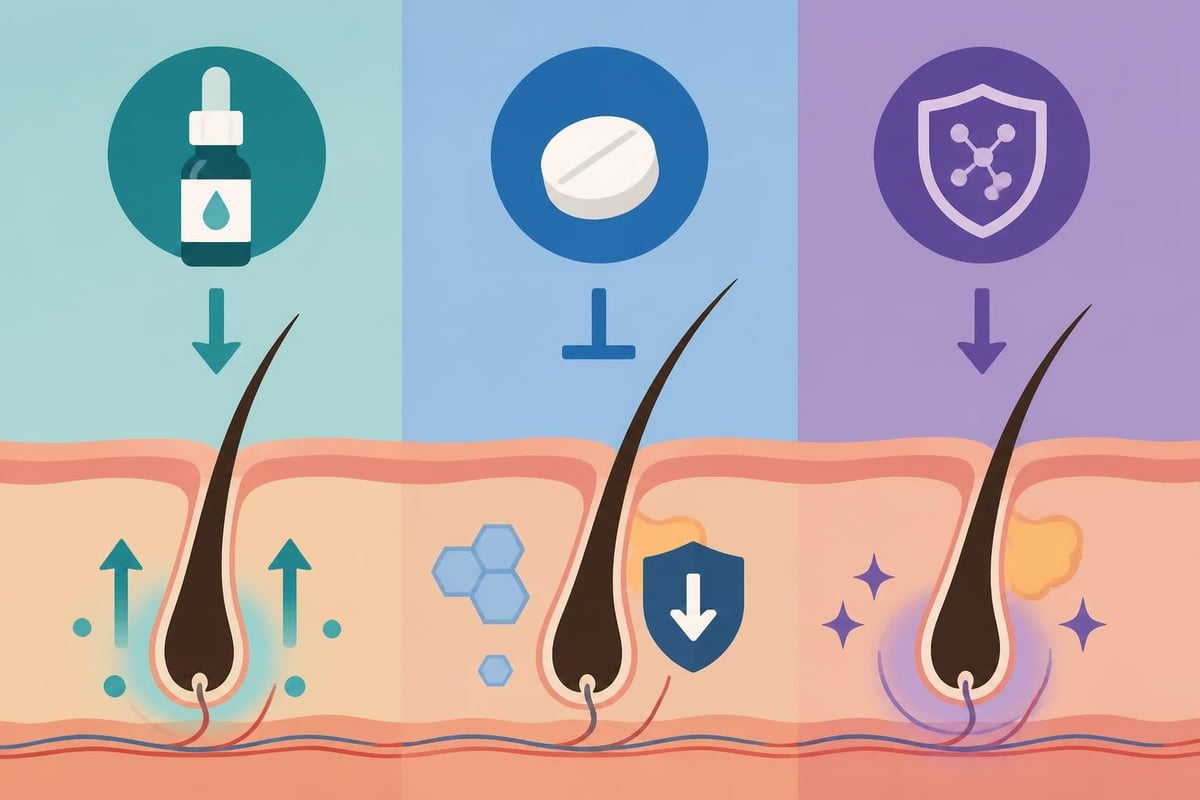
When comparing TB-500 to proven hair loss treatments, important distinctions emerge. Minoxidil operates through vasodilation and growth factor upregulation, while finasteride inhibits DHT conversion. TB-500's multi-faceted approach differs fundamentally from these targeted mechanisms.
Established treatments offer:
- Decades of clinical data
- FDA approval for hair loss indications
- Standardized dosing protocols
- Known safety profiles
TB-500 presents:
- Novel regenerative mechanisms
- Limited human hair growth data
- Experimental dosing approaches
- Evolving safety understanding
Those interested in exploring peptide-based approaches should review options at Soma Peptide’s anti-aging category, which includes various peptides supporting regenerative processes.
Dosing Protocols and Administration Considerations
Without FDA approval for hair growth applications, tb 500 hair growth protocols remain experimental. Researchers and practitioners have developed theoretical frameworks based on TB-500's broader tissue repair applications.
Common Dosing Approaches
Protocol variations exist across different contexts:
Loading Phase:
- 2-2.5 mg administered twice weekly
- Duration: 4-6 weeks
- Goal: Establish therapeutic tissue levels
Maintenance Phase:
- 1-2 mg administered once or twice weekly
- Duration: Ongoing as needed
- Goal: Sustain peptide presence
The comprehensive guide on TB-500 for hair growth outlines these general frameworks while emphasizing individual variation needs. Factors like body weight, existing hair loss severity, and concurrent treatments influence optimal dosing.
Administration Methods and Techniques
TB-500 typically requires subcutaneous injection for systemic delivery. Some practitioners explore localized administration near affected scalp areas, though evidence supporting regional superiority remains limited.
Injection site rotation prevents tissue damage and maintains absorption consistency. Common sites include:
- Abdominal area
- Thigh regions
- Upper arm tissue
- Periumbilical zones
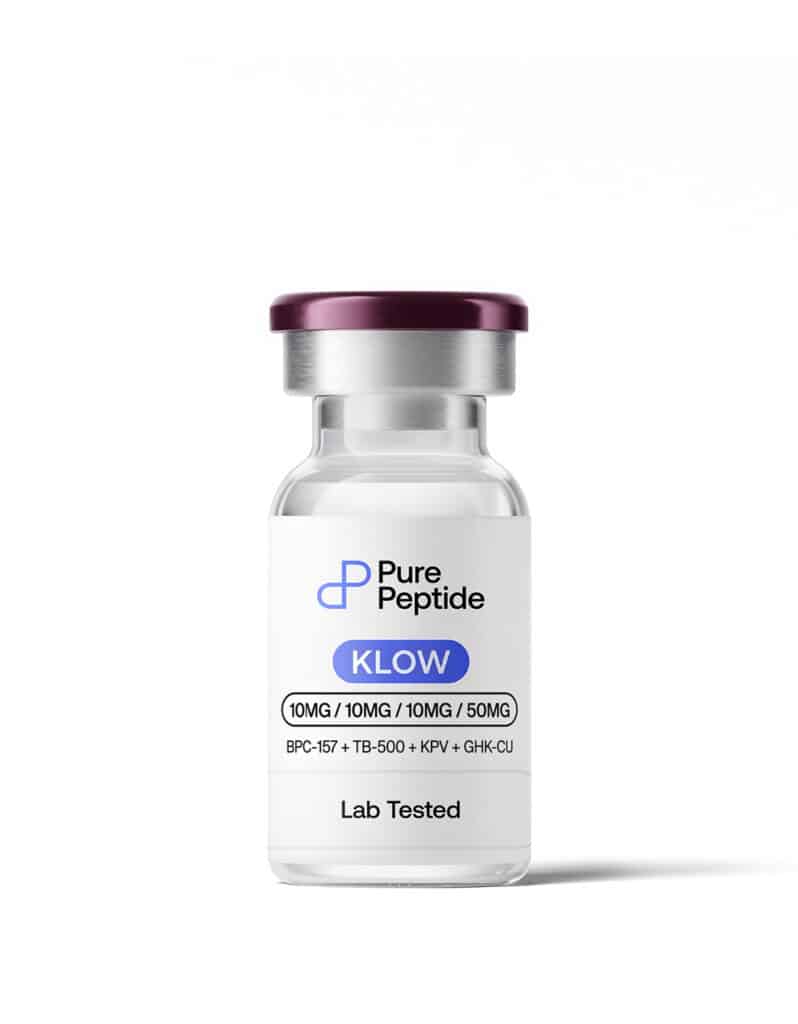
For those considering combination approaches, products like BPC-157 TB-500 Blend offer synergistic peptide formulations designed for comprehensive tissue support.
Safety Considerations and Potential Side Effects
Understanding safety profiles remains essential when exploring experimental applications. TB-500 demonstrates generally favorable tolerability in existing research, though comprehensive long-term human data remains limited.
Reported Adverse Events
Most documented side effects appear mild and transient:
| Side Effect Category | Specific Reports | Frequency |
|---|---|---|
| Injection Site | Redness, mild discomfort | Common |
| Systemic | Fatigue, lethargy | Occasional |
| Headaches | Mild to moderate intensity | Uncommon |
| Dizziness | Usually temporary | Rare |
The detailed safety guidance in TB-500 research emphasizes monitoring and gradual dosing escalation. Starting with conservative doses allows individual tolerance assessment before increasing amounts.
Contraindications and Precautions
Certain populations should exercise additional caution or avoid TB-500 entirely:
- Individuals with active cancers or tumor histories
- Those with cardiovascular disease requiring careful monitoring
- Pregnant or nursing women
- People with autoimmune conditions
- Anyone with bleeding disorders
Medical supervision becomes particularly important when combining TB-500 with other treatments. Drug interactions, though not extensively documented, could theoretically occur with anticoagulants or immunomodulatory medications.
Combining TB-500 with Other Hair Growth Approaches
Many individuals exploring tb 500 hair growth protocols incorporate the peptide alongside established treatments. This multi-modal approach targets hair loss through complementary mechanisms.
Synergistic Treatment Combinations
TB-500 + Minoxidil:
- TB-500 supports tissue regeneration and vascular growth
- Minoxidil enhances vasodilation and growth factor signaling
- Combined approach addresses multiple follicle needs
TB-500 + Microneedling:
- Microneedling creates controlled injury stimulating repair responses
- TB-500 potentially enhances tissue healing and regeneration
- Coordinated timing may optimize outcomes
TB-500 + Nutritional Support:
- Biotin, zinc, and iron support basic follicle function
- TB-500 addresses cellular and vascular components
- Comprehensive approach covers multiple deficiency and regeneration aspects
Exploring various peptide options through Soma Peptide’s recovery category provides access to additional compounds supporting tissue repair and cellular health.

Monitoring Progress and Setting Realistic Expectations
Hair growth timelines operate on extended scales. The natural hair cycle spans months, with anagen phases lasting 2-7 years depending on genetics and health factors. Any intervention targeting hair regrowth requires patience and systematic tracking.
Establishing Baseline Measurements
Before beginning tb 500 hair growth protocols, document current status through:
- Photographic records: Standardized lighting and angles for consistent comparison
- Hair density counts: Professional assessments or at-home counting methods
- Shed tracking: Daily hair loss monitoring through collection and counting
- Scalp condition notes: Inflammation, scaling, or sensitivity documentation
Progress evaluation should occur at regular intervals-typically every 8-12 weeks. Hair grows approximately 0.5 inches monthly, making shorter assessment periods less meaningful.
Timeline Expectations
Realistic timeframes for potential results:
Weeks 1-8:
- Minimal visible changes expected
- Possible reduction in active shedding
- Scalp condition improvements may emerge
Weeks 8-16:
- Early vellus hair appearance possible
- Texture or density subtle shifts
- Continued shedding normalization
Weeks 16-24:
- More substantial density changes potential
- Terminal hair conversion from vellus
- Overall coverage improvements if effective
According to research insights on TB-500’s role in hair growth, individual responses vary significantly. Genetic factors, underlying causes of hair loss, and concurrent health conditions influence outcomes substantially.
Quality and Purity Considerations in Peptide Selection
The effectiveness and safety of any peptide protocol depends fundamentally on product quality. TB-500's molecular structure requires precise synthesis and purification to ensure biological activity and minimize contamination.
Critical Quality Markers
When evaluating TB-500 sources, prioritize:
Purity levels: Pharmaceutical-grade peptides should exceed 98% purity. Lower purity products contain higher concentrations of synthesis byproducts, potentially reducing efficacy and increasing adverse event risks.
Third-party testing: Independent laboratory verification through certificates of analysis (COA) confirms stated purity and identifies contaminants. Reputable suppliers provide accessible COA documentation for verification.
Manufacturing standards: cGMP (current Good Manufacturing Practice) compliance ensures consistent production quality and contamination prevention. Storage conditions, handling protocols, and quality control processes significantly impact final product integrity.
Proper reconstitution: TB-500 typically arrives as lyophilized powder requiring reconstitution with bacteriostatic water. Correct reconstitution techniques preserve peptide stability and prevent degradation.
For those seeking verified quality standards, reviewing Soma Peptide’s certificate of analysis documentation provides transparency into testing protocols and purity verification methods.
Storage and Handling Best Practices
Peptide stability depends on proper storage:
- Unreconstituted powder: Store at -20°C (freezer) for maximum shelf life
- Reconstituted solution: Refrigerate at 2-8°C, use within 30 days
- Light protection: Minimize exposure to direct light sources
- Contamination prevention: Use sterile technique during all handling
Degraded peptides lose biological activity and may produce unpredictable effects. Investing in quality products and maintaining proper storage protocols maximizes both safety and potential efficacy.
Understanding Individual Response Variability
Not everyone experiences identical outcomes with tb 500 hair growth protocols. Multiple factors influence individual responses, creating significant result variability across different users.
Genetic and Biological Factors
Genetic predisposition to hair loss patterns affects treatment responsiveness. Androgenetic alopecia, the most common form, involves DHT sensitivity inherited through complex genetic pathways. While TB-500 doesn't directly address hormonal factors, its regenerative properties might support follicles in various loss patterns differently.
Age-related changes in cellular function impact regenerative capacity. Younger individuals typically demonstrate more robust healing responses, potentially translating to better outcomes with regenerative peptides. However, this remains theoretical without age-stratified clinical data.
Underlying health conditions create additional variables:
- Thyroid disorders affecting metabolic function
- Autoimmune conditions targeting follicles
- Nutritional deficiencies limiting growth substrates
- Chronic inflammation compromising tissue health
Lifestyle and Environmental Influences
Beyond biological factors, lifestyle elements significantly impact hair health:
Nutritional status provides building blocks for hair synthesis. Protein, vitamins, minerals, and essential fatty acids all contribute to optimal follicle function. TB-500 may enhance cellular processes, but inadequate nutrition limits practical growth potential.
Stress management affects hormonal balance and inflammatory states. Chronic stress elevates cortisol, potentially disrupting hair cycles and exacerbating loss patterns.
Sleep quality influences growth hormone secretion and cellular repair timing. Adequate rest optimizes the body's regenerative capacity, potentially complementing peptide interventions.
For comprehensive wellness approaches, exploring Soma Peptide’s full product range reveals various peptides supporting different aspects of health and recovery.
Future Research Directions and Emerging Insights
The tb 500 hair growth field requires substantial additional investigation before definitive conclusions emerge. Several research directions could clarify the peptide's role in hair biology.
Priority Investigation Areas
Controlled human trials: Randomized, placebo-controlled studies with standardized outcome measures would establish efficacy benchmarks. These trials should include diverse hair loss types, ages, and ethnic backgrounds.
Mechanism clarification: While theoretical frameworks exist, direct evidence of TB-500's specific actions on human hair follicles remains limited. Advanced imaging, molecular analysis, and follicle biopsy studies could elucidate precise pathways.
Optimal protocol development: Systematic dose-response studies, timing optimization, and combination therapy investigations would refine practical application approaches.
Safety profiling: Long-term safety monitoring, particularly regarding cancer risk theoretical concerns, requires extensive longitudinal data collection.
Comparative Peptide Research
TB-500 represents just one peptide with potential hair growth applications. Other compounds under investigation include:
| Peptide | Primary Mechanism | Research Stage |
|---|---|---|
| GHK-Cu | Copper-dependent tissue remodeling | Preliminary studies |
| BPC-157 | Angiogenesis and healing | Early investigation |
| Thymosin Alpha-1 | Immune modulation | Theoretical application |
Understanding how different peptides compare and potentially complement each other could guide more sophisticated treatment protocols. The comprehensive TB-500 guide provides broader context for the peptide's applications beyond hair growth.
Practical Implementation Considerations
For those considering tb 500 hair growth protocols, several practical factors deserve attention beyond the scientific and medical aspects already discussed.
Cost and Accessibility
Peptide therapy typically involves significant ongoing costs. TB-500 pricing varies by supplier, purity grade, and quantity purchased. Monthly expenses can range from moderate to substantial depending on dosing protocols.
Budget planning should account for:
- Initial peptide purchase costs
- Reconstitution supplies (bacteriostatic water, syringes)
- Storage equipment if needed
- Potential combination treatment costs
- Monitoring and assessment expenses
Legal and Regulatory Status
TB-500 exists in a complex regulatory landscape. The peptide lacks FDA approval for any medical use, including hair growth applications. This status means:
- Research purposes only: Suppliers typically market TB-500 for research applications
- Personal responsibility: Users assume risks associated with experimental use
- No medical claims: Legitimate suppliers avoid therapeutic claims
- Quality variability: Absence of regulatory oversight creates market inconsistency
Understanding these limitations helps set appropriate expectations. For those interested in exploring peptide options within established quality frameworks, visiting Soma Peptide’s FAQ section addresses common regulatory and usage questions.
Medical Consultation Importance
Despite over-the-counter availability through research chemical suppliers, medical supervision provides important safeguards:
Professional guidance helps:
- Identify underlying hair loss causes requiring specific treatment
- Screen for contraindications or interaction risks
- Monitor for adverse effects
- Adjust protocols based on individual responses
- Coordinate with other treatments safely
Working with healthcare providers familiar with peptide therapy optimizes both safety and potential outcomes.
TB-500 presents an intriguing avenue for hair growth support through its tissue regenerative and vascular enhancement properties, though rigorous human clinical evidence remains limited. Understanding the peptide's mechanisms, current research status, and practical considerations enables informed decision-making about its potential role in comprehensive hair health strategies. Whether you're exploring peptides for hair growth, recovery support, or anti-aging applications, Soma Peptide provides premium-quality peptides backed by stringent purity standards and transparent testing protocols to support your wellness journey.