


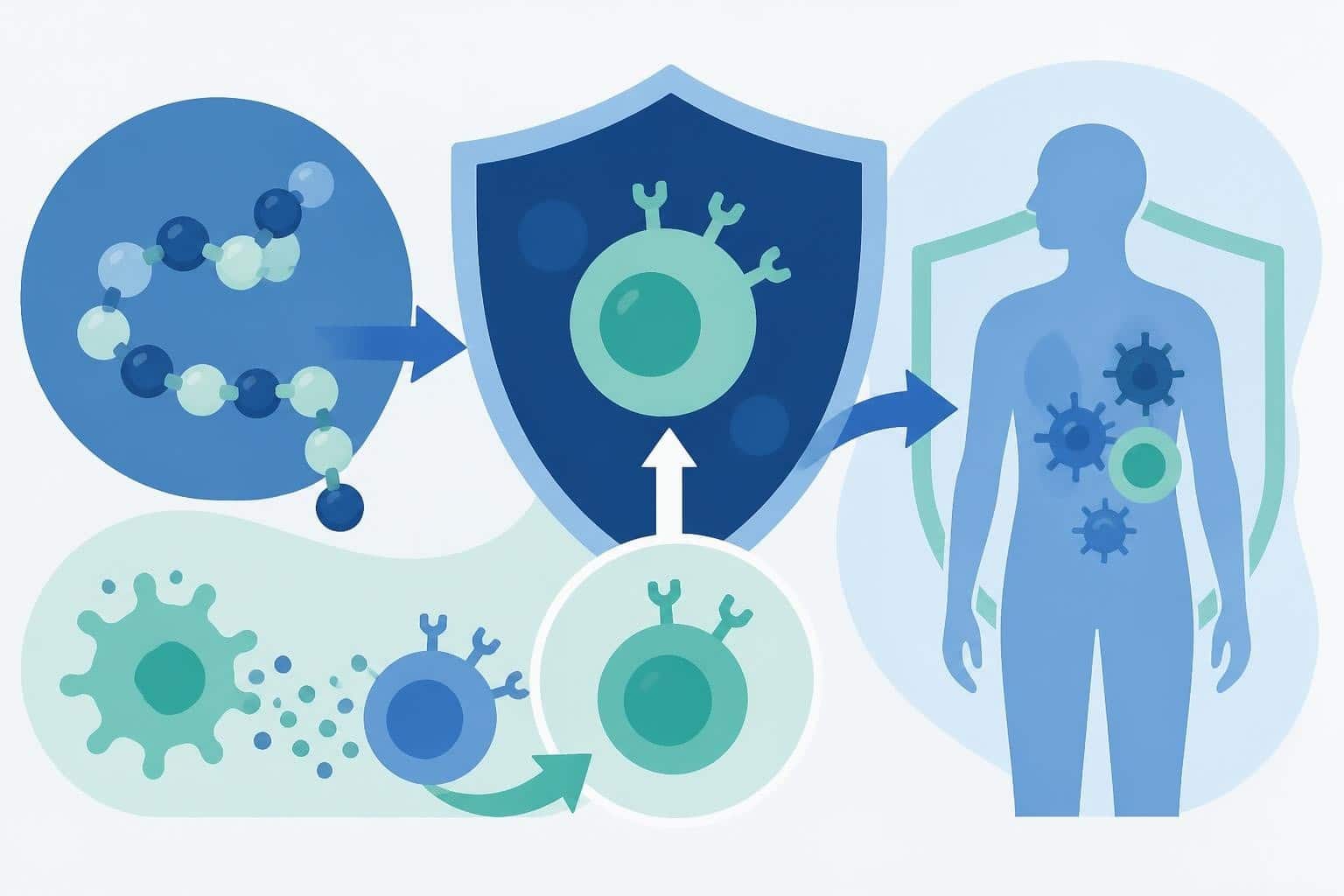
Thymosin alpha 1 stands as one of the most extensively researched peptides in immunomodulatory medicine, with decades of clinical investigation demonstrating its capacity to enhance immune function across diverse therapeutic contexts. Originally isolated from thymus gland tissue, this 28-amino acid peptide has garnered significant attention for its ability to regulate immune responses, modulate T-cell activity, and support the body's defense mechanisms against pathogens and disease. As research continues to expand, thymosin alpha 1 reveals increasingly nuanced applications in treating conditions ranging from chronic viral infections to immune deficiencies and even cancer.
Understanding Thymosin Alpha 1's Biological Mechanisms
Thymosin alpha 1 functions primarily through its interaction with toll-like receptors (TLRs), particularly TLR2 and TLR9, which serve as critical components of innate immune signaling. This interaction triggers a cascade of immunological events that enhance the body's ability to recognize and respond to foreign pathogens. The peptide's mechanism involves upregulating dendritic cell maturation, a process essential for presenting antigens to T-cells and initiating adaptive immune responses.
Immune Cell Modulation
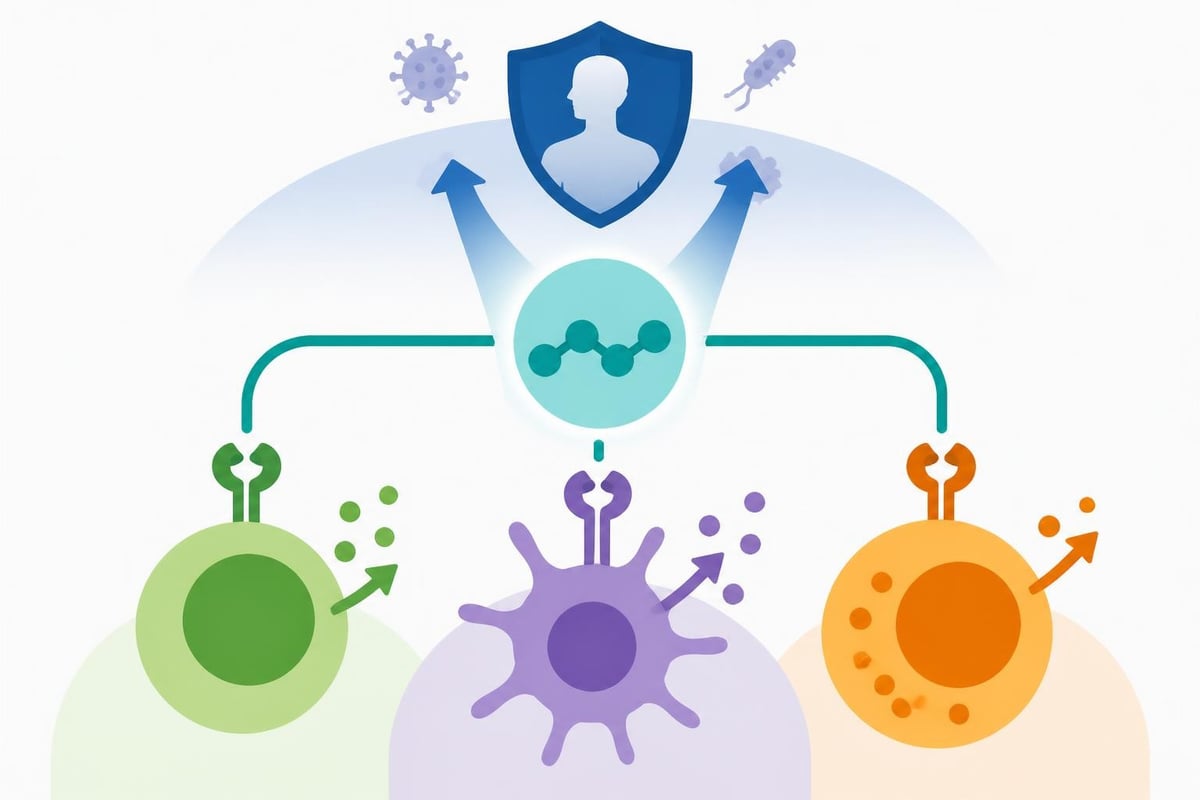
The peptide exerts profound effects on multiple immune cell populations simultaneously. T-lymphocytes, particularly CD4+ and CD8+ subsets, show enhanced differentiation and functional capacity when exposed to thymosin alpha 1. This enhancement translates to improved cell-mediated immunity, which proves critical in fighting viral infections and eliminating aberrant cells.
Beyond T-cell activation, thymosin alpha 1 influences natural killer (NK) cell activity, strengthening the body's first line of defense against virally infected cells and tumor cells. NK cells represent a crucial component of innate immunity, and their augmentation contributes to more robust surveillance and elimination of threats.
Cytokine Regulation Pathways
One of thymosin alpha 1's most valuable properties lies in its ability to regulate cytokine production in a context-dependent manner. The peptide can promote the release of interferon-alpha, interferon-gamma, and interleukin-2 when immune stimulation is needed, while simultaneously preventing excessive inflammatory responses that could damage healthy tissue.
This balanced approach to cytokine modulation makes thymosin alpha 1 particularly valuable in conditions where immune dysregulation occurs. The peptide doesn't simply amplify or suppress immunity broadly; instead, it helps restore homeostatic balance, supporting appropriate immune responses while preventing harmful overactivation.
Clinical Applications in Infectious Disease
Research has demonstrated thymosin alpha 1's efficacy across numerous infectious disease contexts, with particular strength in treating chronic viral infections where sustained immune activation proves essential for viral clearance and disease management.
Hepatitis B and C Treatment
In chronic hepatitis B infection, thymosin alpha 1 has shown measurable benefits when used alone or in combination with antiviral medications. Clinical trials have documented improvements in:
- Viral load reduction
- Normalization of liver enzyme levels
- Enhanced seroconversion rates
- Reduced progression to cirrhosis
- Improved long-term outcomes
Similarly, hepatitis C patients have experienced improved sustained virologic response rates when thymosin alpha 1 supplementation accompanies standard antiviral therapy. The peptide's ability to enhance interferon production naturally complements pharmaceutical interventions, creating synergistic treatment effects.
Severe Sepsis Management
The ETASS trial investigated thymosin alpha 1's role in severe sepsis, a life-threatening condition where immune dysfunction contributes to high mortality rates. The multicenter study revealed that patients receiving thymosin alpha 1 alongside standard sepsis protocols experienced reduced 28-day mortality compared to controls.
The mechanism behind these benefits involves restoration of immune competence during the immunosuppressive phase of sepsis. Septic patients often experience a period of profound immune paralysis following the initial hyperinflammatory response, leaving them vulnerable to secondary infections. Thymosin alpha 1 helps restore lymphocyte function and rebalance immune activity during this critical window.
| Condition | Primary Benefit | Typical Duration |
|---|---|---|
| Chronic Hepatitis B | Viral suppression, seroconversion | 6-12 months |
| Chronic Hepatitis C | Enhanced SVR with antivirals | 3-6 months |
| Severe Sepsis | Immune restoration, mortality reduction | 1-2 weeks |
| HIV/AIDS | CD4+ count support | Ongoing |
Immunodeficiency and Immune Enhancement
Patients with primary or acquired immunodeficiencies represent another population that may benefit from thymosin alpha 1 administration. The peptide's capacity to enhance T-cell maturation and function proves particularly valuable when the immune system requires support.
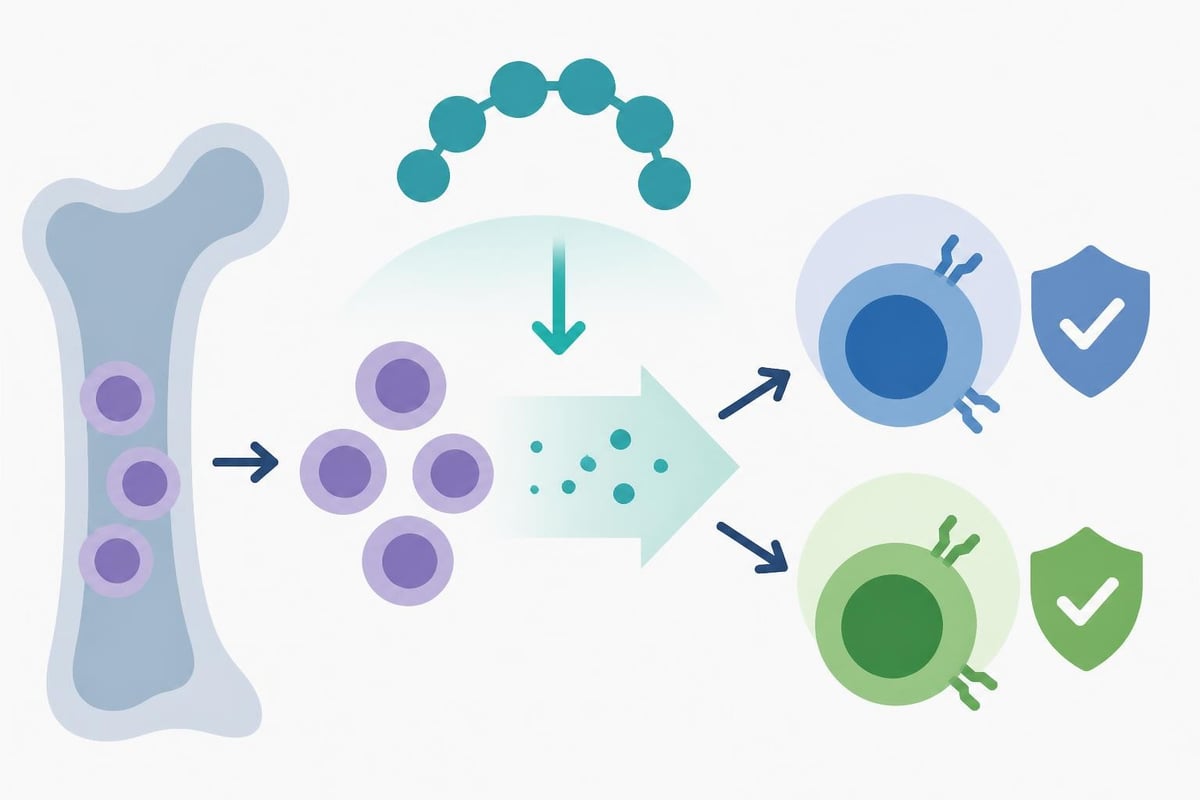
In HIV/AIDS patients, thymosin alpha 1 has demonstrated ability to support CD4+ T-cell counts and improve immune function markers. While not a replacement for antiretroviral therapy, the peptide serves as a valuable adjunctive intervention for patients experiencing immune reconstitution challenges or opportunistic infections.
Age-Related Immune Decline
Immunosenescence, the gradual deterioration of immune function with advancing age, represents a universal challenge affecting infection susceptibility, vaccine response, and cancer surveillance. Thymosin alpha 1 offers potential interventions for this age-related decline by:
Enhancing thymic function in older adults whose thymus glands have involuted and produce fewer naive T-cells. The peptide can partially compensate for this loss by promoting maturation of existing T-cell precursors.
Improving vaccine responses in elderly populations who typically mount weaker antibody responses to immunizations. Studies suggest thymosin alpha 1 pretreatment can enhance both cellular and humoral immune responses to vaccines.
Supporting immune surveillance against cancer cells, which becomes less efficient with age. Enhanced NK cell activity and T-cell recognition help maintain the body's ability to identify and eliminate pre-cancerous or cancerous cells.
Cancer Immunotherapy Applications
Thymosin alpha 1 has emerged as a valuable component of cancer treatment protocols, particularly in settings where immune function plays a critical role in disease progression and treatment response. Past clinical experiences and future promise highlight the peptide's potential in oncological applications.
Adjunctive Cancer Treatment
When combined with conventional cancer therapies, thymosin alpha 1 may offer several advantages:
- Chemotherapy support by mitigating chemotherapy-induced immunosuppression and helping maintain adequate white blood cell counts
- Radiation therapy enhancement through improved immune surveillance of tumor sites and better clearance of damaged cells
- Post-surgical immune restoration to support recovery and reduce infection risk following tumor removal procedures
- Vaccine adjuvant potential when used alongside cancer vaccines to improve antigen presentation and T-cell activation
The peptide's ability to upregulate MHC class I expression on tumor cells makes them more recognizable to cytotoxic T-lymphocytes, potentially improving immune-mediated tumor clearance.
Specific Cancer Types
Lung cancer patients receiving thymosin alpha 1 alongside chemotherapy have shown improved survival rates in multiple trials. The peptide appears particularly beneficial in non-small cell lung cancer, where immune function significantly influences prognosis and treatment outcomes.
Hepatocellular carcinoma represents another cancer type where thymosin alpha 1 demonstrates clinical value, especially given the frequent coexistence of chronic hepatitis infection. The peptide addresses both underlying viral infection and cancer-related immune dysfunction simultaneously.
Dosing Considerations and Administration
Thymosin alpha 1 requires subcutaneous injection for optimal bioavailability, as oral administration results in peptide degradation by digestive enzymes. Typical therapeutic protocols vary based on the condition being addressed and the severity of immune dysfunction.
Standard Dosing Protocols
For chronic viral infections, protocols typically involve:
- Initial phase: 1.6 mg twice weekly for 4-8 weeks
- Maintenance phase: 1.6 mg weekly or biweekly for extended periods
- Monitoring: Regular immune function testing to assess response
For acute conditions like severe sepsis, more aggressive protocols may utilize daily administration at higher doses for shorter durations, typically one to two weeks.
Quality and purity prove critical when selecting thymosin alpha 1 for therapeutic use. Soma Peptide maintains rigorous quality control standards to ensure peptide integrity and efficacy across their product range.
Timing and Combination Strategies
Thymosin alpha 1 demonstrates synergistic effects when combined with other immune-supporting interventions. NAD+ supplementation, for instance, supports cellular energy production and DNA repair mechanisms that complement thymosin alpha 1's immune-enhancing effects. The NAD+ peptide works at the cellular level to optimize mitochondrial function, creating an environment where immune cells can operate more efficiently alongside thymosin alpha 1's direct immunomodulatory actions.
Timing administration to align with circadian immune rhythms may enhance effectiveness, though more research is needed to establish optimal dosing schedules based on chronobiological principles.
Safety Profile and Adverse Effects
Thymosin alpha 1 demonstrates an exceptionally favorable safety profile across clinical applications. Decades of research and clinical use have established minimal adverse effect potential, with most reported side effects being mild and transient.
Common Reactions
The most frequently reported effects include:
- Mild injection site reactions (redness, swelling)
- Transient flu-like symptoms
- Mild fatigue following initial doses
- Occasional headache
These effects typically resolve within hours to days and diminish with continued use as the body adapts to the peptide.
Contraindications and Precautions
While generally well-tolerated, certain populations should exercise caution or avoid thymosin alpha 1:
| Population | Consideration | Recommendation |
|---|---|---|
| Pregnant women | Limited safety data | Avoid unless clearly indicated |
| Autoimmune disease | Potential immune activation | Use with medical supervision |
| Organ transplant recipients | Risk of rejection | Generally contraindicated |
| Children | Limited pediatric data | Use only when medically necessary |
Individuals with active autoimmune conditions require careful evaluation before thymosin alpha 1 use, as immune enhancement could theoretically exacerbate autoimmune activity in susceptible patients.
Research Landscape and Future Directions
The comprehensive academic bibliography on thymosin alpha 1 continues expanding, with ongoing research exploring novel applications and refined treatment protocols. Current investigation focuses on several promising areas.
Combination Immunotherapy
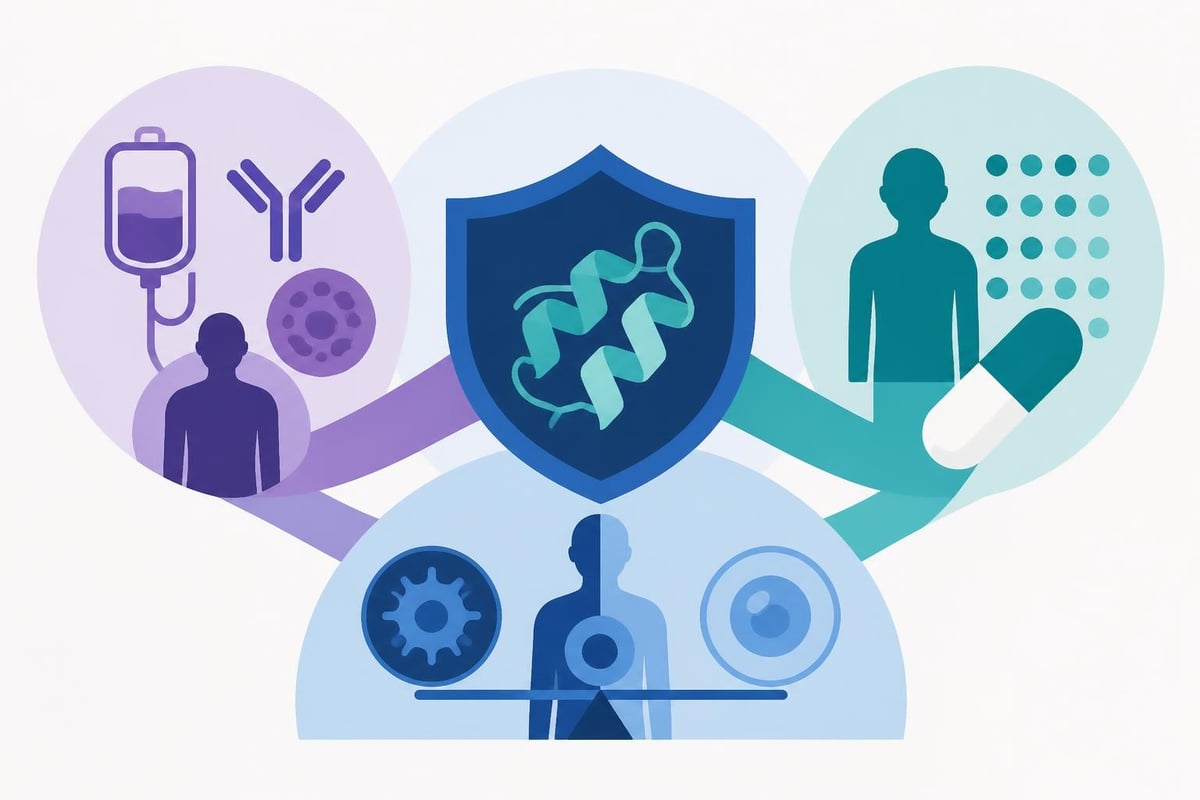
Modern cancer immunotherapy increasingly relies on combination approaches that target multiple immune pathways simultaneously. Thymosin alpha 1 shows promise when combined with checkpoint inhibitors, vaccines, and adoptive cell therapies, potentially enhancing the effectiveness of these cutting-edge treatments.
Personalized Medicine Approaches
Genetic and immunological profiling may eventually guide thymosin alpha 1 dosing and application strategies. Patients with specific immune signatures or genetic polymorphisms affecting thymic function might derive greater benefit from targeted thymosin alpha 1 protocols tailored to their individual immune status.
COVID-19 and Emerging Infections
Recent pandemic experiences have renewed interest in immune-modulating therapies that can support host defense against novel pathogens. Systematic reviews of immunomodulatory treatments provide frameworks for evaluating thymosin alpha 1's potential role in managing emerging infectious diseases where specific treatments remain limited.
Quality and Sourcing Considerations
Given thymosin alpha 1's therapeutic potential, ensuring peptide quality becomes paramount for achieving desired clinical outcomes. Factors affecting peptide efficacy include:
Synthesis method: Solid-phase peptide synthesis produces the most reliable thymosin alpha 1, with proper folding and sequence accuracy critical for biological activity.
Purity testing: High-performance liquid chromatography (HPLC) verification ensures the absence of truncated sequences, aggregates, or contaminants that could reduce efficacy or cause adverse reactions.
Storage conditions: Thymosin alpha 1 requires refrigeration and protection from light to maintain stability. Improper storage can lead to peptide degradation and loss of biological activity.
Reconstitution practices: Using appropriate bacteriostatic water and following proper reconstitution protocols preserves peptide integrity and sterility.
Those exploring research peptides should prioritize suppliers who provide comprehensive purity documentation and maintain stringent quality control throughout the production process.
Integration with Comprehensive Wellness Strategies
Thymosin alpha 1 functions most effectively when integrated into broader health optimization strategies. Immune function depends on multiple factors including nutrition, sleep quality, stress management, and physical activity levels.
Nutritional Support
Adequate protein intake supports the amino acid pool necessary for immune cell production. Micronutrients including vitamin D, zinc, selenium, and vitamin C play essential roles in immune function and may enhance thymosin alpha 1's effectiveness.
Lifestyle Factors
Chronic stress suppresses immune function through cortisol elevation and sympathetic nervous system activation. Stress management practices including meditation, adequate sleep, and regular exercise create an environment where thymosin alpha 1 can exert maximum benefit.
Monitoring and Assessment
Regular immune function testing helps track thymosin alpha 1's effects and guide protocol adjustments. Relevant markers include:
- Complete blood count with differential
- Lymphocyte subset analysis (CD4+, CD8+, NK cells)
- Cytokine profiles when clinically indicated
- Disease-specific markers (viral loads, tumor markers)
Those interested in optimizing peptide protocols can find detailed guidance on administration techniques to ensure proper delivery and maximize therapeutic outcomes.
Regulatory Status and Clinical Access
Thymosin alpha 1 holds different regulatory classifications across global jurisdictions, affecting its availability and approved uses. Understanding these distinctions helps set appropriate expectations regarding access and application.
In some countries, thymosin alpha 1 carries specific approved indications for chronic hepatitis B and C treatment. Other jurisdictions classify it as an investigational agent, available through clinical trials or off-label physician prescription.
The United States FDA has not approved thymosin alpha 1 for specific indications as of 2026, though research continues and the peptide remains available through certain channels for investigational use.
Thymosin alpha 1 represents a powerful immunomodulatory peptide with extensive research supporting its therapeutic potential across infectious disease, cancer, and immune deficiency contexts. Its favorable safety profile and multiple mechanisms of immune enhancement make it a valuable consideration for those seeking to optimize immune function. For those interested in exploring thymosin alpha 1 and other premium quality peptides backed by rigorous purity standards and quality control, Soma Peptide offers comprehensive options to support your health optimization journey.