








The landscape of metabolic research has experienced remarkable advancement with the emergence of dual incretin receptor agonists. Tirzepatide research peptide represents a significant milestone in this evolution, offering researchers a unique tool for investigating glucose metabolism, appetite regulation, and weight management pathways. This synthetic peptide combines the activation of both glucose-dependent insulinotropic polypeptide (GIP) and glucagon-like peptide-1 (GLP-1) receptors, creating a dual mechanism that distinguishes it from single-receptor agonists. Understanding the molecular structure, mechanisms of action, and research applications of this compound provides essential insights for scientists working in metabolic disease research and peptide therapeutics development.
Molecular Structure and Mechanism of Action
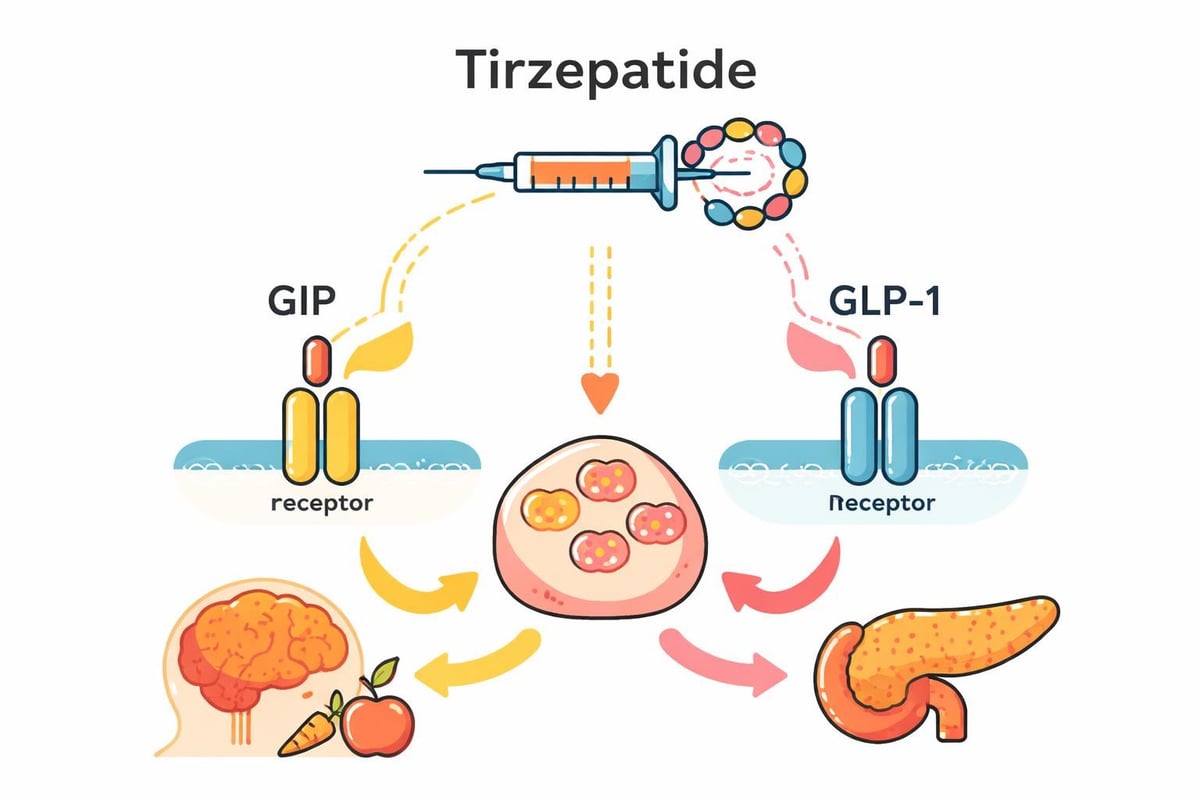
Tirzepatide research peptide functions through a sophisticated dual-receptor activation system that sets it apart from conventional incretin mimetics. The peptide's molecular architecture incorporates a 39-amino acid sequence designed to engage both GIP and GLP-1 receptors simultaneously, creating synergistic effects on metabolic processes.
Dual Receptor Targeting Strategy
The compound's unique design allows it to bind to GIP receptors with high affinity while maintaining robust GLP-1 receptor activation. This dual approach amplifies insulin secretion in response to glucose levels while simultaneously reducing glucagon output, creating a balanced hormonal environment favorable for glucose homeostasis.
Research into the molecular mechanisms of tirzepatide has revealed intricate signaling pathways that influence multiple physiological systems. The GIP receptor activation component contributes to enhanced insulin sensitivity in peripheral tissues, while the GLP-1 receptor engagement slows gastric emptying and promotes satiety signals in the central nervous system.
Pharmacokinetic Properties
The peptide's structural modifications include specific amino acid substitutions and the addition of a C20 fatty diacid chain, which facilitates albumin binding and extends the compound's half-life. These modifications enable sustained receptor engagement and prolonged biological activity in research models.
Key pharmacokinetic characteristics include:
- Extended elimination half-life allowing for reduced dosing frequency in experimental protocols
- High bioavailability following subcutaneous administration
- Predictable dose-response relationships across dosing ranges
- Minimal accumulation with repeated administration schedules
The pharmacodynamic profile demonstrates dose-dependent effects on glucose regulation and body weight parameters. Researchers examining clinical efficacy data by dosage have documented consistent patterns across multiple concentration ranges, providing valuable reference points for experimental design.
Research Applications in Metabolic Studies
Tirzepatide research peptide serves multiple investigational purposes within metabolic research frameworks. Scientists utilize this compound to explore fundamental questions about incretin biology, receptor signaling dynamics, and integrated metabolic control systems.
Glucose Metabolism Investigation
Research protocols frequently incorporate this peptide to examine glucose-dependent insulin secretion mechanisms. The dual receptor activation provides a model system for understanding how combined incretin signals influence pancreatic beta cell function and peripheral glucose uptake.
Experimental models using tirzepatide research peptide have revealed insights into:
- Beta cell mass preservation under metabolic stress conditions
- Hepatic glucose production regulation through incretin pathways
- Skeletal muscle glucose transporter expression patterns
- Adipose tissue insulin sensitivity modifications
- Glycemic variability reduction mechanisms
These applications extend across both in vitro cellular systems and in vivo animal models, offering researchers flexibility in experimental design and hypothesis testing.
Weight Regulation Research
The compound's effects on body weight parameters have attracted significant research interest. Studies examining appetite regulation, energy expenditure, and body composition changes utilize tirzepatide research peptide as an investigational tool for understanding complex weight control mechanisms.
| Research Parameter | Measurement Approach | Typical Protocol Duration |
|---|---|---|
| Food intake patterns | Automated monitoring systems | 4-12 weeks |
| Energy expenditure | Indirect calorimetry | 2-8 weeks |
| Body composition | DEXA or MRI scanning | 8-16 weeks |
| Adipose tissue markers | Histological analysis | 6-12 weeks |
Recent comparative research, including studies where tirzepatide demonstrated superior outcomes versus single-receptor agonists, has highlighted the potential advantages of dual incretin pathway activation for weight management research.
Dosing Considerations for Research Protocols
Establishing appropriate dosing parameters represents a critical component of research design when working with tirzepatide research peptide. Researchers must consider multiple factors including study objectives, model organism characteristics, and desired endpoint measurements.
Standard Research Concentrations
Laboratory protocols typically employ tirzepatide research peptide across a range of concentrations to establish dose-response relationships. Common research formulations include 5mg, 10mg, 20mg, and 30mg preparations, allowing investigators to select appropriate quantities based on experimental requirements.
The 5mg formulation serves well for preliminary dose-finding studies and smaller-scale investigations. Mid-range concentrations support extended protocols requiring multiple administrations, while higher concentrations like the 30mg preparation accommodate studies with substantial dosing requirements or concentrated stock solution needs.

Protocol Development Guidelines
Successful research outcomes depend on carefully structured protocols that account for the peptide's pharmacokinetic properties. Researchers should establish clear administration schedules, measurement timepoints, and control group comparisons to generate reliable data.
Essential protocol elements include:
- Baseline parameter establishment before peptide administration
- Consistent dosing intervals aligned with compound half-life
- Comprehensive endpoint measurements across relevant biomarkers
- Appropriate vehicle controls and comparative agents
- Statistical power calculations to ensure adequate sample sizes
Documentation of administration techniques, storage conditions, and reconstitution procedures ensures reproducibility across research teams and institutions. Similar to protocols used with related compounds like semaglutide or retatrutide, systematic record-keeping supports data integrity and facilitates peer review processes.
Quality Considerations and Analytical Standards
The reliability of research findings depends fundamentally on peptide quality and purity. Tirzepatide research peptide requires rigorous analytical characterization to ensure consistent biological activity and reproducible experimental outcomes.
Purity and Identity Verification
High-performance liquid chromatography (HPLC) serves as the gold standard for peptide purity assessment. Research-grade tirzepatide should demonstrate purity levels exceeding 98% to minimize confounding variables from impurities or degradation products.
| Analytical Method | Purpose | Acceptance Criteria |
|---|---|---|
| RP-HPLC | Purity determination | ≥98% |
| Mass spectrometry | Molecular weight confirmation | Within 0.05% of theoretical |
| Amino acid analysis | Sequence verification | Matches expected composition |
| LAL endotoxin testing | Contamination screening | <1.0 EU/mg |
| pH measurement | Formulation stability | 4.0-8.0 |
Certificates of analysis provide essential documentation of these quality parameters. Researchers should verify that suppliers offer comprehensive analytical data, similar to the detailed profiles provided by reputable peptide manufacturers.
Storage and Handling Protocols
Proper storage conditions preserve peptide integrity throughout research timelines. Lyophilized tirzepatide research peptide typically maintains stability when stored at -20°C to -80°C in sealed containers protected from light and moisture.
Following reconstitution, solutions require refrigerated storage at 2-8°C and should be used within timeframes established through stability testing. Many protocols recommend preparing working solutions shortly before use to minimize degradation risks.
Handling procedures should minimize freeze-thaw cycles, as repeated temperature fluctuations can compromise peptide structure and biological activity. Aliquoting stock solutions into single-use portions represents a practical strategy for maintaining quality across extended study periods.
Comparative Analysis with Related Peptides
Understanding tirzepatide research peptide's position within the broader incretin mimetic landscape helps researchers select appropriate tools for specific investigational questions. Comparative studies provide context for interpreting experimental results and designing follow-up investigations.
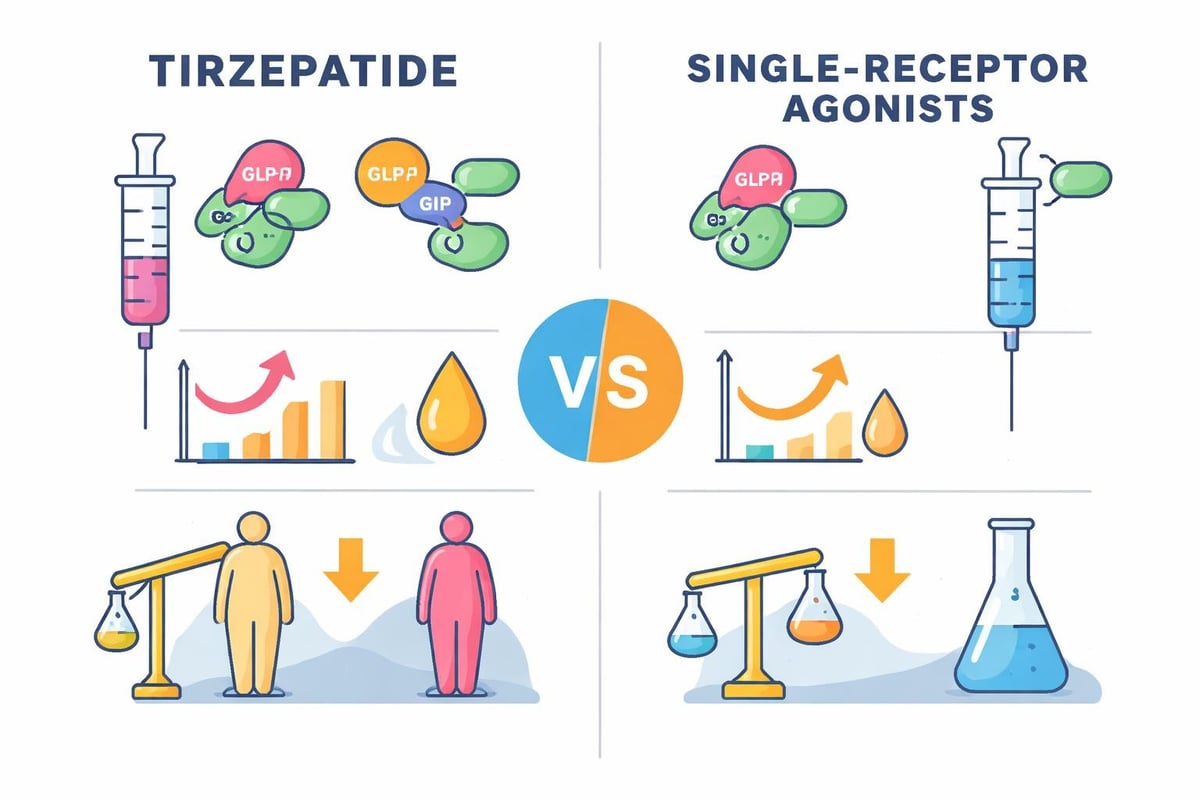
Single versus Dual Receptor Activation
Traditional GLP-1 receptor agonists have established valuable research applications in metabolic studies. However, the addition of GIP receptor activation in tirzepatide research peptide introduces distinct mechanistic considerations that may influence experimental outcomes.
The dual mechanism affects multiple physiological parameters simultaneously:
- Enhanced insulin secretion magnitude compared to GLP-1-only activation
- Modified impact on glucagon suppression patterns
- Differential effects on gastric emptying rates
- Unique influences on central appetite regulation pathways
- Potential advantages in body composition modifications
Researchers working with peptide formulations should consider these mechanistic differences when designing comparative studies or selecting appropriate positive controls.
Emerging Triple Agonist Research
The success of dual incretin receptor activation has stimulated interest in triple agonist approaches that incorporate glucagon receptor activity alongside GIP and GLP-1 engagement. These next-generation compounds represent an evolving research frontier with potential applications in comprehensive metabolic regulation studies.
While triple agonists remain primarily in early-stage investigation, they illustrate the continuing evolution of incretin-based research tools. Understanding the progression from single to dual to triple receptor targeting provides valuable perspective on therapeutic development trajectories and mechanistic research opportunities.
Experimental Design Strategies
Effective utilization of tirzepatide research peptide requires thoughtful experimental design that accounts for the compound's unique properties and research objectives. Strategic planning ensures optimal data quality and meaningful scientific insights.
Control Group Selection
Appropriate control groups form the foundation of rigorous research protocols. Studies incorporating tirzepatide research peptide typically include several control categories:
- Vehicle controls receiving identical formulation buffers without active peptide
- Untreated controls establishing baseline physiological parameters
- Positive controls using established reference compounds for comparative context
- Dose-response groups exploring concentration-dependent effects
The selection of comparative agents depends on research questions. Studies focused on incretin biology might compare against selective GLP-1 agonists, while weight regulation research could incorporate non-peptide anti-obesity agents for mechanistic distinction.
Endpoint Measurement Selection
Comprehensive endpoint assessment captures the multifaceted effects of dual incretin receptor activation. Researchers should establish measurement protocols aligned with their specific hypotheses while maintaining awareness of the peptide's broad physiological influences.
Common endpoint categories include:
- Glycemic parameters (fasting glucose, insulin levels, glucose tolerance tests)
- Weight-related measurements (total body weight, fat mass, lean mass composition)
- Hormonal profiles (incretin levels, glucagon, pancreatic polypeptide)
- Metabolic markers (lipid panels, liver function tests, inflammatory cytokines)
- Behavioral assessments (food intake patterns, activity levels, preference testing)
Integration of multiple measurement domains provides comprehensive characterization of tirzepatide research peptide effects and supports robust data interpretation.
Safety and Regulatory Considerations
Research applications of tirzepatide research peptide operate within regulatory frameworks governing peptide use in laboratory settings. Understanding these parameters ensures compliant research practices and appropriate risk management.
Laboratory Safety Protocols
Standard peptide handling procedures apply to tirzepatide research peptide work. Researchers should implement appropriate personal protective equipment, containment strategies, and waste disposal protocols consistent with institutional biosafety guidelines.
Material safety considerations include:
- Use of appropriate protective equipment during reconstitution and handling
- Implementation of spill response procedures for peptide solutions
- Proper sharps disposal for administration equipment
- Documentation of peptide inventories and usage records
- Training of personnel in peptide handling techniques
These safety measures protect research personnel while maintaining experimental integrity and regulatory compliance. Resources like peptide injection guides provide practical information applicable to research contexts.
Research Use Designation
Tirzepatide research peptide is designated for laboratory investigation and not approved for human consumption or clinical use outside regulated trial environments. Researchers must clearly understand this distinction and ensure appropriate use parameters in their work.
Institutional review boards and animal care committees provide oversight for research protocols, ensuring ethical conduct and appropriate scientific justification. Compliance with these oversight mechanisms represents an essential component of responsible research practice.
Future Research Directions
The evolving understanding of incretin biology continues to reveal new research opportunities involving tirzepatide research peptide. Emerging areas of investigation promise to expand the scientific knowledge base and potentially inform therapeutic development strategies.
Mechanistic Pathway Studies
Detailed investigation of signaling cascades downstream from dual incretin receptor activation represents a rich research frontier. Questions regarding pathway cross-talk, receptor trafficking, and long-term adaptive responses remain partially answered and merit continued investigation.
Advanced research techniques including single-cell RNA sequencing, proteomics analysis, and real-time receptor imaging offer new tools for dissecting these complex biological processes. Application of these methodologies to tirzepatide research peptide studies may reveal unexpected mechanistic insights.
Combination Therapy Models
Research exploring tirzepatide research peptide in combination with other metabolic modulators provides insights into potential synergistic effects and optimal therapeutic strategies. Combinations with compounds targeting different pathways, such as growth hormone peptides or metabolic peptides, offer opportunities to understand integrated metabolic control systems.
These combination studies require careful experimental design to distinguish individual compound effects from synergistic interactions, but they represent valuable investigations into comprehensive metabolic regulation approaches.
Tissue-Specific Effect Characterization
While tirzepatide research peptide exerts systemic effects, understanding tissue-specific responses provides granular insights into mechanisms of action. Research examining differential receptor expression patterns, local signaling dynamics, and organ-specific metabolic responses contributes to comprehensive mechanistic understanding.
Studies utilizing tissue-specific receptor knockout models or localized peptide delivery systems can isolate individual component contributions to overall metabolic effects, advancing fundamental knowledge of incretin biology.
Quality Sourcing for Research Applications
Obtaining research-grade tirzepatide research peptide from reputable suppliers ensures experimental reliability and data integrity. Researchers should prioritize vendors demonstrating commitment to quality standards, analytical transparency, and customer support.
Supplier Evaluation Criteria
Key factors in supplier selection include comprehensive analytical documentation, responsive technical support, and consistent product quality across batches. Suppliers should provide certificates of analysis detailing purity, identity confirmation, and relevant quality control testing.
Additional considerations include:
- Manufacturing process transparency and quality system certifications
- Availability of multiple formulation options to support diverse research needs
- Technical resources and protocol guidance for optimal peptide use
- Customer reviews and reputation within the research community
- Responsive communication and order fulfillment reliability
Organizations like Soma Peptide demonstrate these quality commitments through advanced purification methods, stringent quality control standards, and comprehensive customer support systems.
Documentation and Traceability
Maintaining detailed records of peptide sourcing, lot numbers, and analytical data supports research reproducibility and facilitates publication processes. Researchers should establish systems for tracking this information throughout study lifecycles.
Documentation practices should include:
- Certificate of analysis filing for each peptide batch utilized
- Lot number recording in experimental protocols and data records
- Storage condition monitoring logs
- Reconstitution and preparation documentation
- Usage tracking for inventory management and study reporting
These practices align with good laboratory practices and support data integrity in research publications and presentations.
Tirzepatide research peptide represents a valuable investigational tool for metabolic research, offering unique insights into dual incretin receptor biology and integrated metabolic control mechanisms. The compound's distinctive dual-action mechanism, combined with robust pharmacokinetic properties and well-characterized effects, positions it as an essential component of modern metabolic research. Whether you're investigating glucose homeostasis, weight regulation pathways, or incretin receptor signaling dynamics, accessing high-quality research peptides through trusted suppliers ensures experimental success. Soma Peptide provides premium-quality peptides with rigorous purity standards and comprehensive analytical documentation to support your research objectives.