

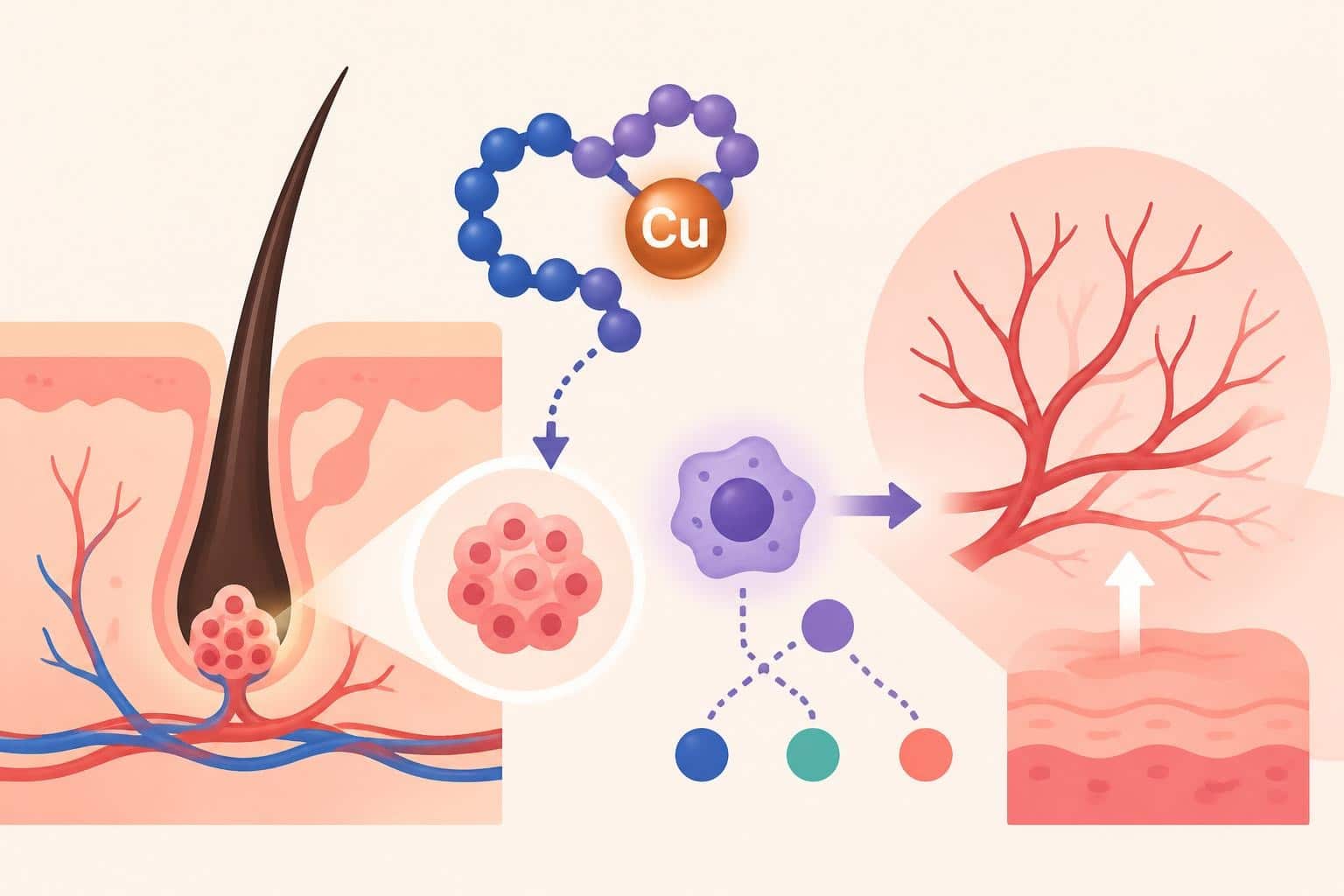
The peptide research field continues to expand with compounds showing promise in diverse applications ranging from tissue regeneration to hair follicle stimulation. Among these emerging compounds, ahk cu has attracted significant attention from researchers investigating cellular signaling pathways and regenerative mechanisms. This tripeptide copper complex represents a distinct class of bioactive compounds with unique properties that differentiate it from other copper peptides currently under investigation. Understanding the science behind ahk cu requires examining its molecular structure, mechanisms of action, and the research applications driving current interest in this compound.
Understanding the Molecular Structure of AHK Cu
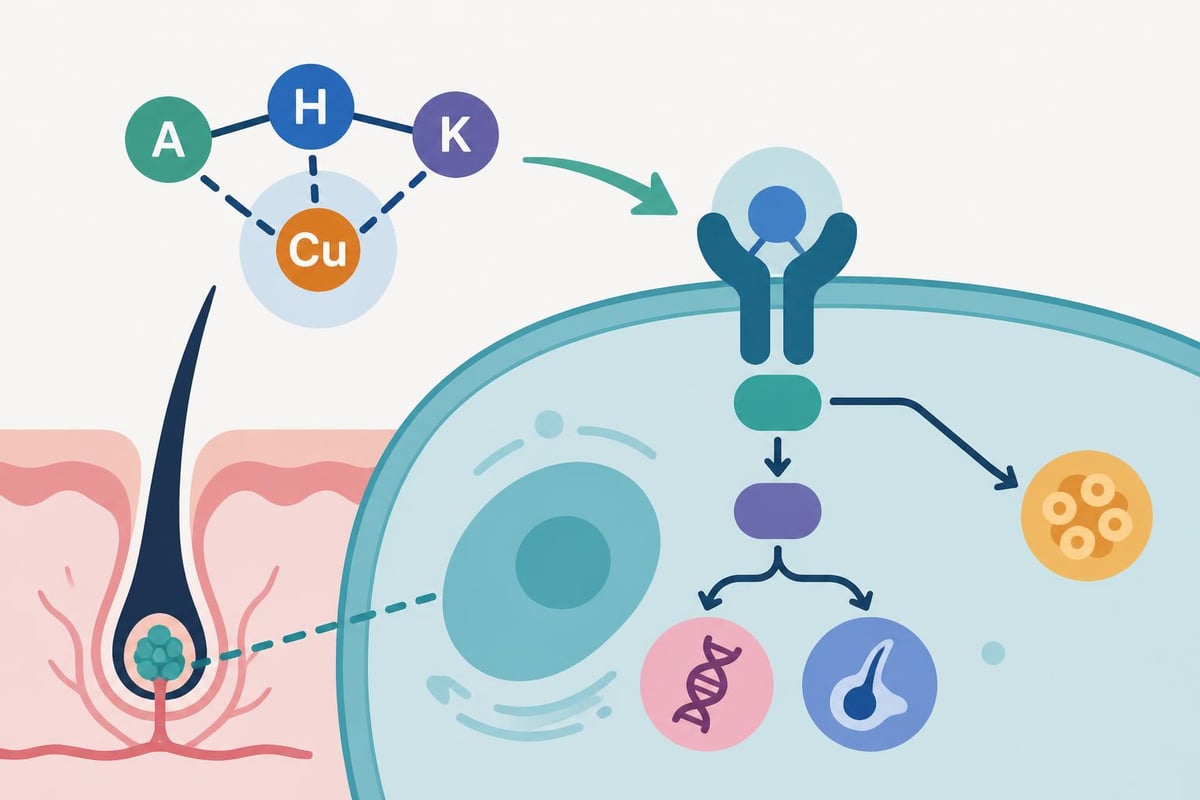
AHK Cu, chemically designated as Ala-His-Lys-Cu, consists of three amino acids-alanine, histidine, and lysine-complexed with a copper ion. This specific sequence creates a tripeptide structure that interacts with cellular receptors in ways distinct from other copper peptides.
The copper ion bound within the ahk cu structure plays a critical role in its biological activity. Copper serves as an essential cofactor in numerous enzymatic processes throughout the body, particularly those involving collagen synthesis and angiogenesis. The molecular profile of AHK-Cu demonstrates how this specific amino acid sequence optimizes copper delivery to target tissues.
Key Structural Characteristics
The tripeptide configuration of ahk cu provides several advantages over larger peptide sequences:
- Smaller molecular weight facilitates cellular penetration and absorption
- Specific amino acid sequence targets distinct cellular pathways
- Copper chelation ensures stable delivery of the essential mineral
- Enhanced bioavailability compared to some larger copper peptide complexes
This molecular architecture enables ahk cu to interact with cellular mechanisms in targeted ways. The histidine residue particularly contributes to copper binding stability, while the lysine component may influence cellular uptake mechanisms.
Mechanisms of Action in Cellular Signaling
Research into ahk cu has revealed multiple pathways through which this peptide may influence cellular behavior. Scientific studies on AHK-Cu cellular signaling indicate particular activity in vascular endothelial cells and fibroblasts, two cell types crucial for tissue maintenance and repair.
The primary mechanisms attributed to ahk cu include modulation of growth factor pathways. This peptide appears to influence signaling cascades that regulate cell proliferation, differentiation, and extracellular matrix production. These processes are fundamental to tissue regeneration and maintenance across various biological systems.
Vascular and Angiogenic Effects
One significant area of ahk cu research focuses on angiogenic signaling-the formation of new blood vessels. Adequate vascularization proves essential for tissue health, nutrient delivery, and waste removal. The peptide's influence on vascular endothelial cells suggests potential applications in situations requiring enhanced blood flow to specific tissues.
| Mechanism | Target Cells | Potential Effect |
|---|---|---|
| Growth Factor Modulation | Fibroblasts | Enhanced collagen production |
| Angiogenic Signaling | Endothelial Cells | Improved vascularization |
| Cell Proliferation | Dermal Papilla Cells | Follicle stimulation |
| Matrix Synthesis | Connective Tissue | Structural support |
The angiogenic properties of ahk cu distinguish it within peptide research, particularly when examining applications requiring improved tissue perfusion.
Research Applications in Hair Follicle Biology
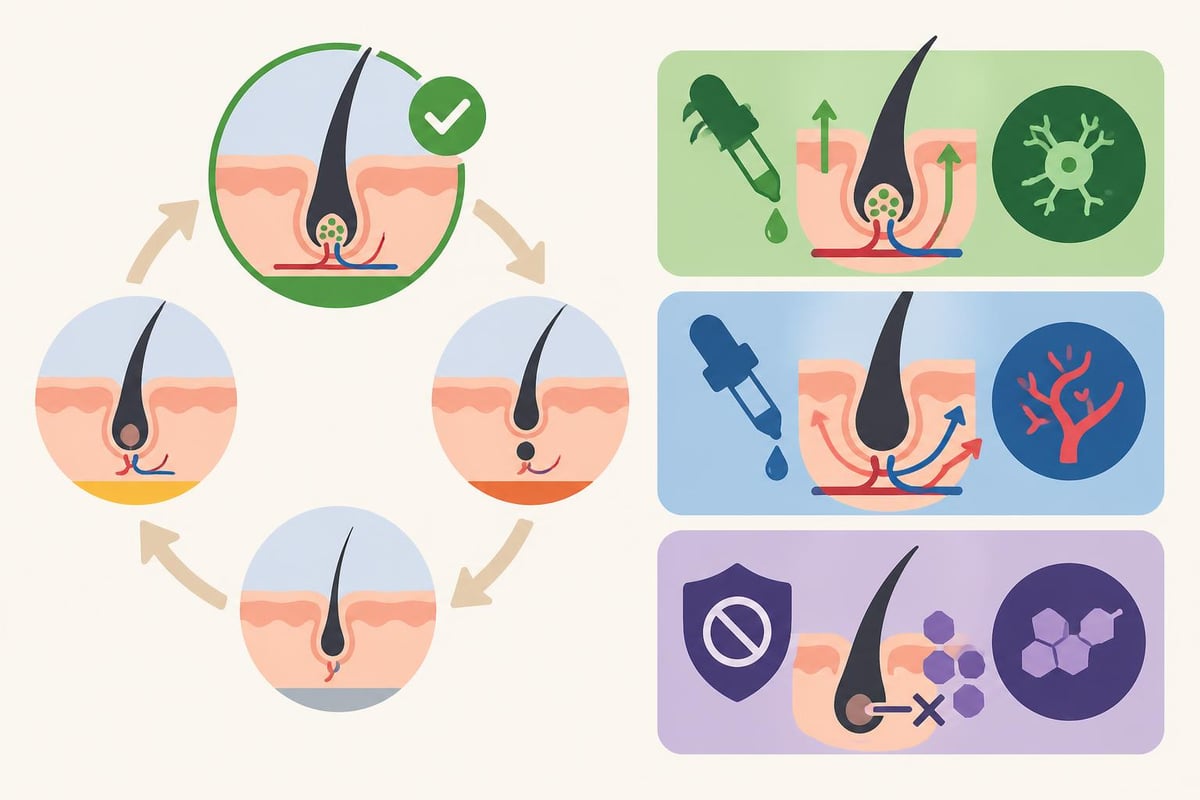
Perhaps the most extensively studied application of ahk cu relates to hair follicle stimulation. Research on AHK-Cu and hair follicle biology demonstrates how this peptide interacts with dermal papilla cells-specialized cells at the base of hair follicles that regulate the hair growth cycle.
Unlike conventional approaches that rely on hormonal modulation or vasodilation, ahk cu appears to work through direct stimulation of dermal papilla cells. This mechanism represents a fundamentally different approach to addressing hair follicle function.
Differentiation from Other Approaches
Traditional hair loss interventions typically operate through one of two mechanisms: blocking hormonal activity that contributes to follicle miniaturization or dilating blood vessels to improve nutrient delivery. The ahk cu mechanism differs by potentially enhancing the proliferative capacity and metabolic activity of follicle cells themselves.
This distinction matters because it suggests potential applications for individuals who may not respond optimally to conventional interventions. Research continues to explore how ahk cu influences gene expression patterns within dermal papilla cells and how these changes translate to observable effects.
Key research focuses include:
- Cell proliferation rates in dermal papilla cultures
- Gene expression changes related to hair growth cycle regulation
- Interactions between ahk cu and growth factor signaling
- Comparative effectiveness against established compounds
- Optimal concentration ranges for biological activity
The current state of AHK-Cu research emphasizes that while preliminary findings show promise, extensive human clinical data remains limited, underscoring the need for continued investigation.
Collagen Synthesis and Tissue Regeneration
Beyond hair follicle applications, ahk cu research extends to broader tissue regeneration contexts. The peptide's influence on fibroblast activity suggests potential relevance for processes involving collagen synthesis and extracellular matrix maintenance.
Collagen represents the most abundant protein in the human body, providing structural integrity to skin, tendons, ligaments, and other connective tissues. The synthesis of new collagen requires coordinated cellular activity, adequate nutrient availability, and appropriate signaling molecules.
Fibroblast Proliferation Studies
Fibroblasts serve as the primary cells responsible for producing collagen and other extracellular matrix components. Research examining ahk cu effects on fibroblast cultures has investigated proliferation rates, metabolic activity, and collagen production capacity.
These cellular studies provide foundational data for understanding how ahk cu might influence tissue-level outcomes. The peptide's ability to modulate fibroblast behavior without inducing excessive proliferation represents an important consideration for any regenerative application.
Purity and Quality Considerations in Peptide Research
The effectiveness of ahk cu in research applications depends critically on peptide purity and proper handling. Contamination, degradation, or improper storage can significantly compromise research outcomes and result interpretation.
High-purity ahk cu typically undergoes advanced purification methods including high-performance liquid chromatography (HPLC) to achieve purity levels exceeding 98%. Premium research peptides with verified purity ensure consistent results and minimize confounding variables in experimental protocols.
Manufacturing and Quality Control Standards
The production of research-grade ahk cu involves several critical steps:
- Solid-phase peptide synthesis to construct the amino acid sequence
- Copper complexation under controlled conditions
- Purification processes to remove synthesis byproducts
- Lyophilization for stability during storage
- Certificate of analysis documentation verifying purity and identity
At Soma Peptide, we understand these quality imperatives and apply stringent quality control standards across all our peptide offerings. The purity and efficacy of research compounds directly impacts study validity and reproducibility.
Comparative Analysis with Other Copper Peptides
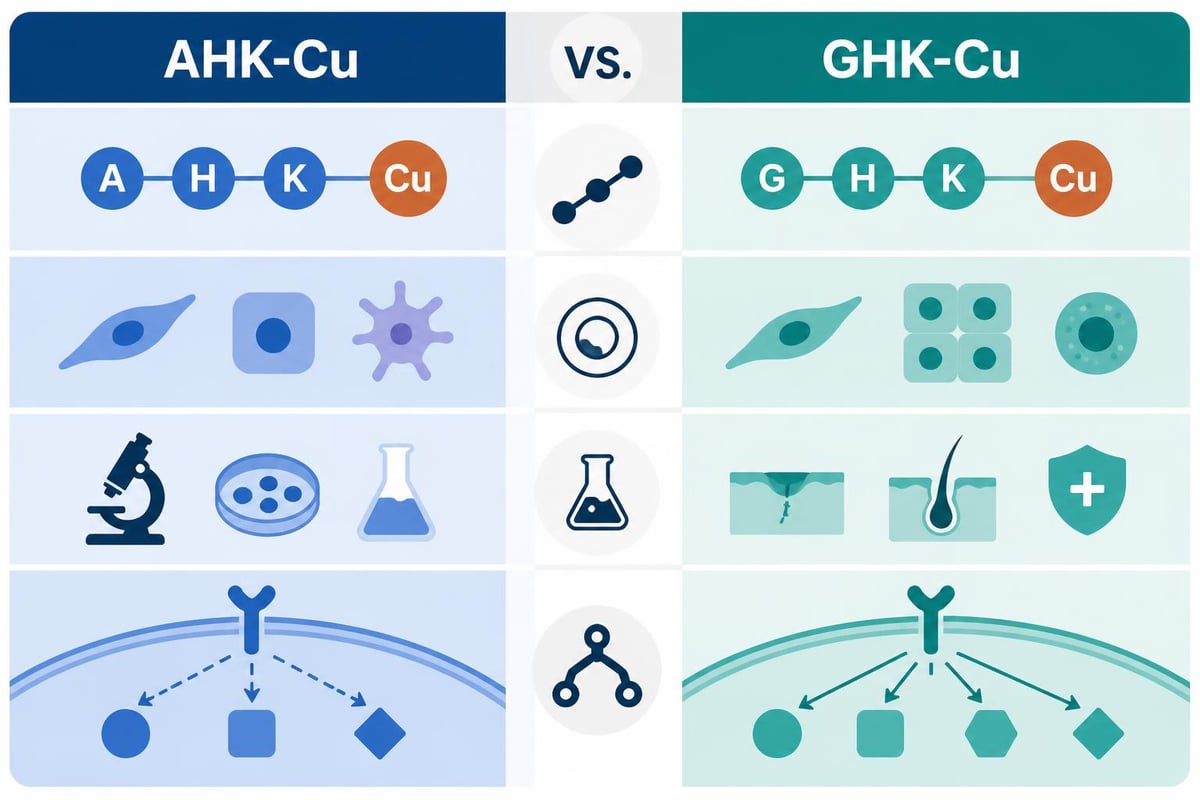
AHK Cu exists within a broader family of copper peptides, each with distinct amino acid sequences and biological properties. The most well-known comparison involves GHK-Cu (glycyl-L-histidyl-L-lysine copper), which has been studied more extensively and for a longer period.
Comprehensive comparisons between AHK-Cu and other copper peptides highlight important distinctions. While both peptides deliver copper to tissues, their different amino acid sequences result in varying receptor affinities, cellular uptake rates, and downstream signaling effects.
| Characteristic | AHK Cu | GHK Cu |
|---|---|---|
| Amino Acid Sequence | Ala-His-Lys | Gly-His-Lys |
| Primary Research Focus | Hair follicle stimulation | Wound healing, skin regeneration |
| Molecular Weight | Slightly higher | Slightly lower |
| Research History | More recent | Extensively studied |
| Mechanism Emphasis | Dermal papilla cells | Broad tissue remodeling |
This differentiation allows researchers to select the most appropriate copper peptide for specific research questions. The ahk cu sequence appears particularly relevant for investigations centered on follicular biology and specific angiogenic applications.
Current Research Limitations and Future Directions
While ahk cu shows promise in preclinical models and cellular studies, the current research landscape presents important limitations. Most published data derives from in vitro cellular studies and animal models rather than controlled human clinical trials.
The translation from cellular effects to clinically meaningful outcomes in humans requires extensive investigation. Variables including optimal dosing, administration routes, treatment duration, and individual response variability all require systematic study.
Areas Requiring Further Investigation
Researchers have identified several priority areas for ahk cu investigation:
- Long-term safety profiles across different dosing protocols
- Comparative effectiveness studies against established interventions
- Optimal formulation approaches for targeted delivery
- Individual variability in response patterns
- Potential synergistic effects with other compounds
The comprehensive overview of research needs emphasizes that while current data provides valuable insights into ahk cu mechanisms, substantial work remains before clinical applications can be fully validated.
Applications in Regenerative Research Protocols
Research institutions investigating tissue regeneration mechanisms have incorporated ahk cu into various experimental protocols. These studies examine how the peptide influences healing processes, cellular migration, and tissue remodeling in controlled settings.
The peptide's influence on multiple cellular processes-angiogenesis, collagen synthesis, and cell proliferation-makes it relevant for diverse research questions spanning dermatology, wound healing, and regenerative medicine.
Preclinical Model Systems
Studies utilizing ahk cu typically employ several model systems:
- Cell culture experiments examining direct cellular responses
- Tissue explant studies maintaining three-dimensional tissue architecture
- Animal models investigating systemic and tissue-level effects
- Ex vivo human tissue bridging cellular and clinical research
Each model system provides distinct advantages for understanding specific aspects of ahk cu biology. Cell culture offers precise control over variables, while animal models provide systemic context closer to human physiology.
Integration with Broader Peptide Research
The study of ahk cu contributes to the larger field of peptide therapeutics and bioactive compounds. Understanding how short amino acid sequences influence cellular behavior provides insights applicable across numerous research domains.
Many researchers exploring peptide applications for muscle growth, recovery, and anti-aging recognize the importance of compounds like ahk cu in expanding our knowledge of peptide biology. Each peptide's unique properties add to the collective understanding of how these molecules interact with biological systems.
Methodological Considerations
Researchers working with ahk cu must consider several methodological factors to ensure valid results:
Storage conditions: Peptides require appropriate temperature control and protection from light and moisture to maintain stability.
Reconstitution procedures: Proper reconstitution with appropriate solvents ensures peptide integrity and accurate concentration.
Handling protocols: Minimizing freeze-thaw cycles and maintaining sterile conditions prevents degradation and contamination.
Analytical verification: Periodic verification of peptide identity and purity through analytical methods confirms compound integrity throughout experiments.
These technical considerations apply broadly across peptide research but prove particularly important when working with copper-complexed peptides like ahk cu, where maintaining proper copper binding is essential for biological activity.
Regulatory and Research Ethics Considerations
As with all research peptides, ahk cu exists within a regulatory framework designed to ensure appropriate use and safety. These compounds are designated for research purposes, enabling scientists to investigate mechanisms, test hypotheses, and generate data that advances scientific knowledge.
The distinction between research applications and other uses remains critically important. Regulatory agencies worldwide maintain oversight of peptide research to ensure ethical standards, proper protocols, and appropriate use of these compounds in scientific investigation.
Researchers utilizing ahk cu must adhere to institutional review protocols, maintain proper documentation, and follow established guidelines for handling bioactive compounds. This framework protects both research integrity and participant safety in studies involving biological materials.
The Future Landscape of AHK Cu Research
The evolving understanding of ahk cu positions this peptide as an interesting subject for continued investigation. As analytical methods improve and research methodologies advance, our capacity to understand subtle cellular effects and long-term biological outcomes continues to expand.
Future research directions may include exploration of ahk cu in combination approaches, investigation of structural modifications that enhance specific properties, and development of targeted delivery systems that optimize peptide availability to desired tissues.
The peptide research community continues to identify novel applications and mechanisms for compounds like ahk cu. This ongoing discovery process requires rigorous scientific methodology, careful interpretation of results, and recognition of both the promise and limitations inherent in emerging research findings.
Understanding AHK Cu's mechanisms and research applications provides valuable context for the broader field of peptide science, particularly in areas involving tissue regeneration and cellular signaling. As the research landscape evolves, access to premium-quality peptides becomes increasingly important for investigators seeking reproducible results. Soma Peptide provides researchers with rigorously tested, high-purity peptides backed by comprehensive quality documentation, supporting the advancement of scientific knowledge across diverse applications in weight loss, muscle growth, recovery, and anti-aging research.