


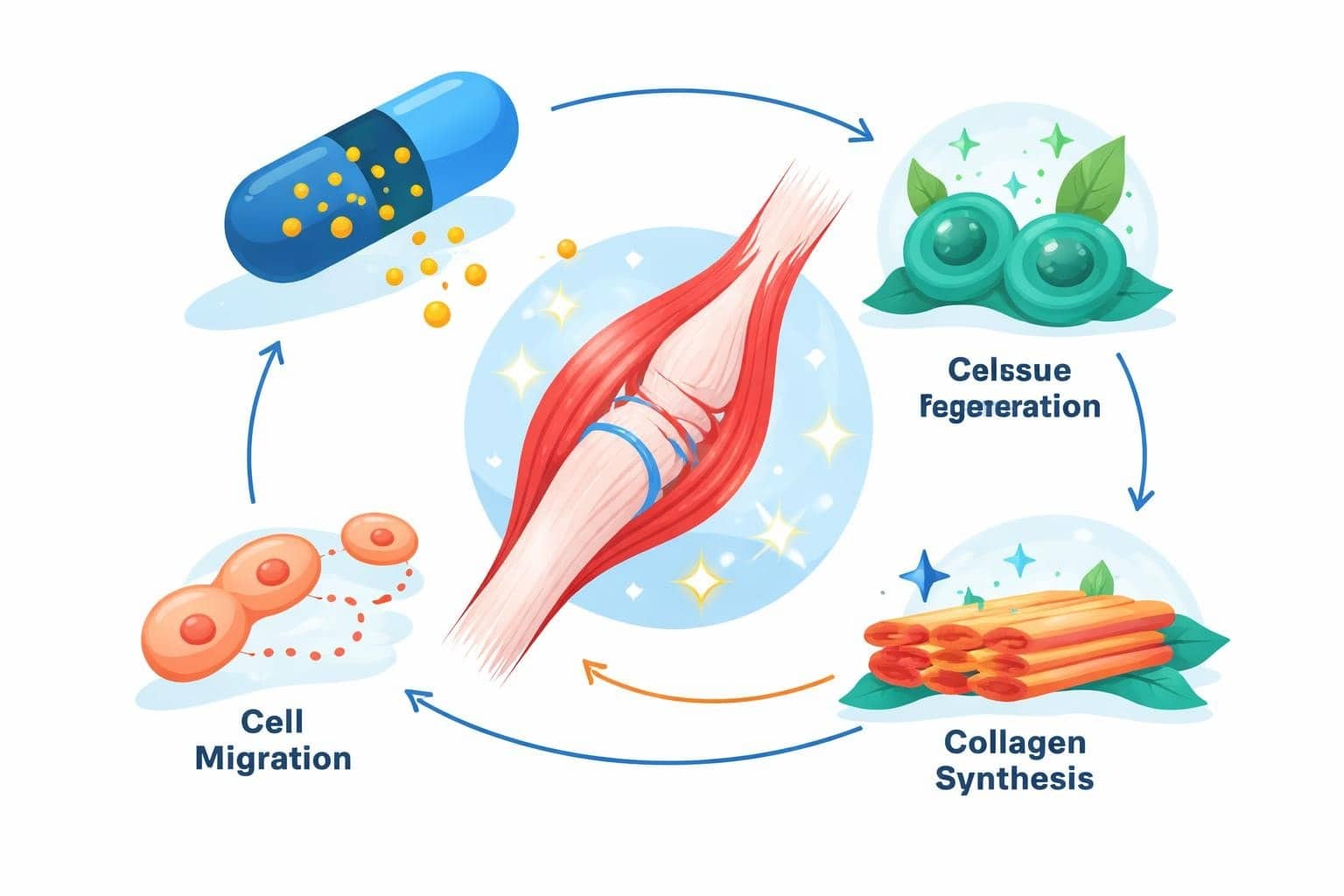
Tendon injuries represent some of the most challenging conditions for athletes, active individuals, and anyone experiencing musculoskeletal damage. The search for effective healing solutions has led researchers to investigate various therapeutic compounds, with BPC 157 emerging as a promising peptide for tissue regeneration. This synthetic peptide, derived from a protective protein found in gastric juice, has demonstrated remarkable potential in accelerating tissue repair processes. Understanding how bpc 157 tendon healing works at the cellular level can help individuals make informed decisions about their recovery protocols.
Understanding BPC 157 and Its Mechanism of Action
BPC 157, short for Body Protection Compound 157, is a pentadecapeptide consisting of 15 amino acids. This stable gastric peptide has shown significant cytoprotective properties across multiple tissue types, making it particularly interesting for orthopedic applications.
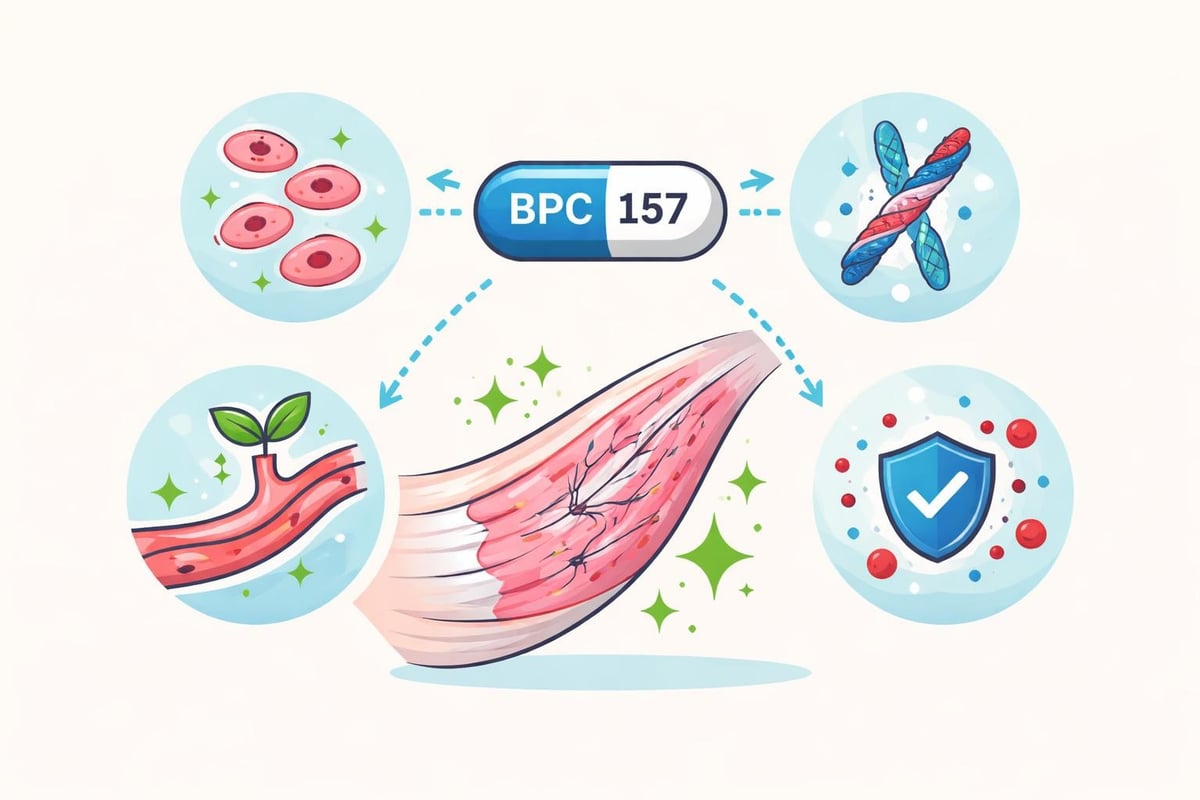
The peptide operates through several distinct pathways that contribute to tissue regeneration. Research has demonstrated that BPC 157 promotes tendon healing by enhancing cell survival and migration, essential processes for rebuilding damaged connective tissue. The compound influences growth factor expression, particularly vascular endothelial growth factor (VEGF), which plays a critical role in angiogenesis and nutrient delivery to healing tissues.
Cellular-Level Effects on Tendon Tissue
When examining bpc 157 tendon healing at the microscopic level, several key mechanisms emerge:
- Enhanced tendocyte proliferation leading to increased cell population at injury sites
- Improved collagen organization resulting in stronger, more functional tissue architecture
- Accelerated angiogenesis providing better blood supply and nutrient delivery
- Modulation of inflammatory responses creating optimal healing conditions
The peptide's ability to stimulate tendocyte growth has been documented in laboratory settings. Studies show that BPC 157 accelerates healing of transected tendons while simultaneously promoting cellular growth in controlled environments, establishing its dual effectiveness both in vivo and in vitro.
Clinical Research on Tendon and Ligament Healing
The scientific literature provides substantial evidence supporting the therapeutic potential of bpc 157 tendon healing applications. Multiple animal studies have established foundational knowledge about efficacy and mechanisms.
A significant study demonstrated that BPC 157 significantly improves ligament healing in rats, suggesting strong potential for therapeutic application in connective tissue injuries. The research showed measurable improvements in tissue strength, organization, and functional recovery compared to control groups.
Achilles Tendon Repair Studies
The Achilles tendon, one of the most commonly injured tendons in active populations, has been a primary focus of research. Studies examining transected rat Achilles tendons revealed that BPC 157 treatment resulted in notably faster healing times and improved biomechanical properties of the repaired tissue.
| Study Parameter | BPC 157 Treatment | Control Group |
|---|---|---|
| Healing Time | 7-14 days | 14-21 days |
| Collagen Density | Significantly Higher | Baseline |
| Tensile Strength | 70-85% of normal | 40-60% of normal |
| Cell Proliferation | Enhanced | Standard rate |
These findings suggest that bpc 157 tendon healing may substantially reduce recovery timelines while improving the quality of regenerated tissue. The enhanced collagen density particularly indicates stronger, more resilient tissue formation.
Musculoskeletal Applications Beyond Tendons
While tendon healing represents a primary application, BPC 157 demonstrates broad musculoskeletal benefits. A comprehensive review of BPC 157’s role in accelerating musculoskeletal soft tissue healing highlights its effectiveness across multiple tissue types including ligaments, muscles, and bones.
The peptide's versatility stems from its fundamental influence on cellular processes common to various tissues. Whether addressing muscle tears, ligament sprains, or bone fractures, BPC 157 appears to enhance the body's natural healing mechanisms through similar pathways.
Impact on Athletic Recovery
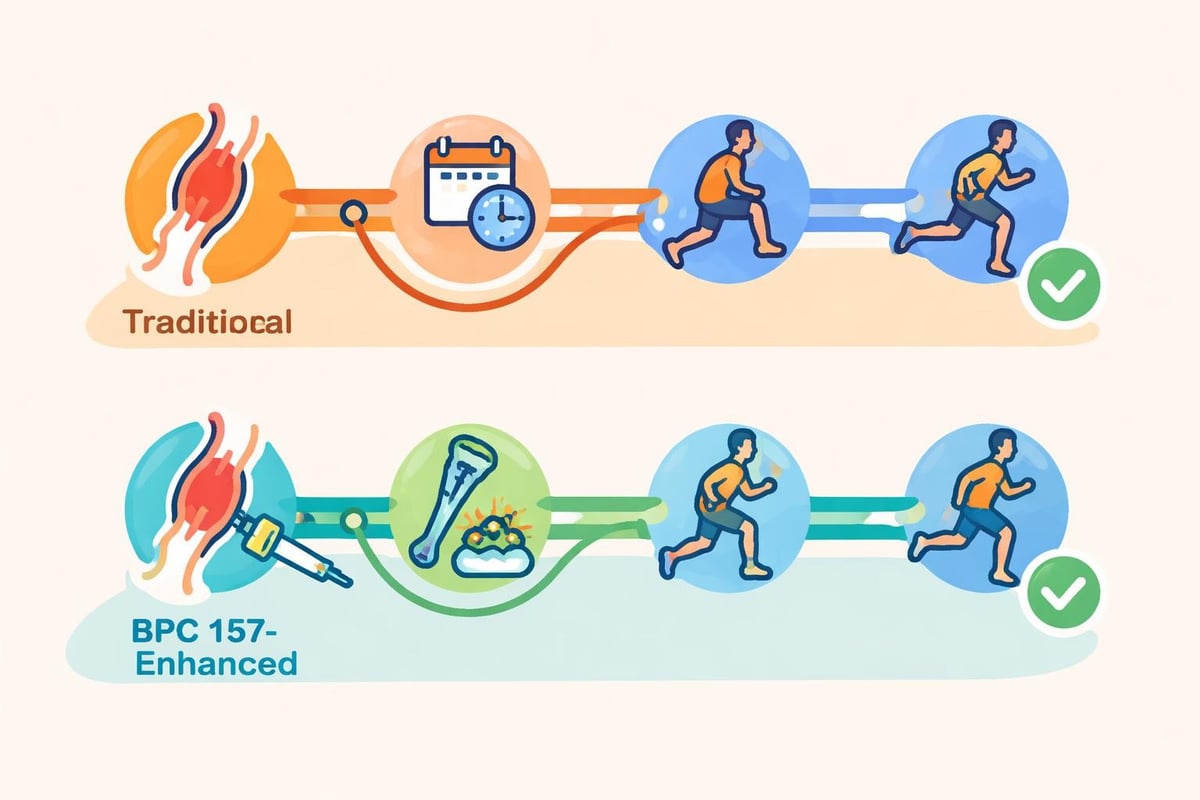
Athletes and fitness enthusiasts face unique challenges when dealing with tendon injuries. Traditional recovery protocols often require extended rest periods, potentially lasting months for severe injuries. The prospect of accelerated bpc 157 tendon healing offers several advantages:
- Reduced downtime from training and competition
- Lower risk of re-injury through stronger tissue regeneration
- Minimized muscle atrophy during recovery periods
- Enhanced tissue quality compared to natural healing alone
- Faster return to full performance capacity
Research indicates that BPC 157 maintains effectiveness even when healing is compromised by factors like corticosteroid use, which typically impairs natural recovery processes. This resilience makes it particularly valuable for individuals managing complex injury scenarios.
Dosing Protocols and Administration Methods
Understanding proper administration is essential for maximizing the benefits of bpc 157 tendon healing. While research protocols vary, several consistent patterns emerge from the scientific literature and clinical observations.
Most studies utilize subcutaneous or intramuscular injection as the primary delivery method. The peptide demonstrates systemic effects, meaning it doesn't require direct injection into the injury site to promote healing, though some practitioners prefer localized administration for targeted injuries.
Typical Research Protocols
Common dosing parameters observed in animal studies, when extrapolated to human equivalent doses, suggest:
- Dosage range: 200-500 mcg per administration
- Frequency: Once or twice daily
- Duration: 4-6 weeks for acute injuries, longer for chronic conditions
- Administration route: Subcutaneous injection preferred for systemic effects
The stability of BPC 157 in gastric acid makes oral administration theoretically possible, though injection methods appear more prevalent in research settings. Those interested in exploring peptide therapies should source high-quality compounds from reputable suppliers. Soma Peptide offers premium BPC 157 manufactured through advanced purification processes to ensure maximum purity and effectiveness.
Combination Therapies and Synergistic Effects
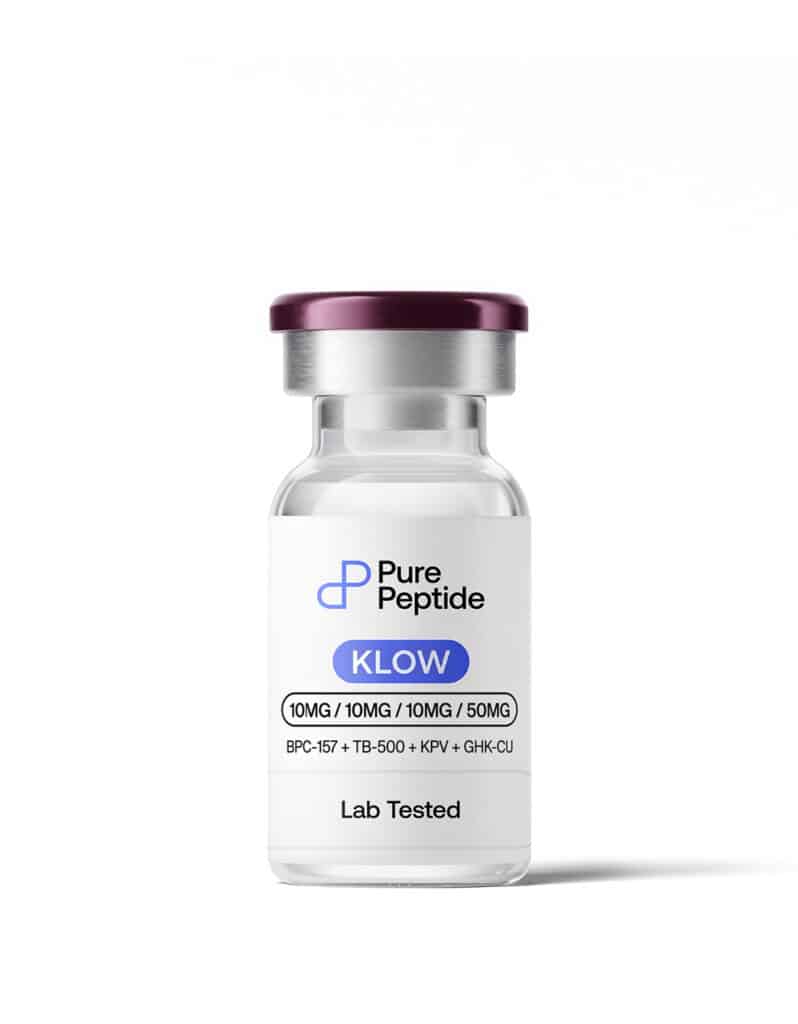
Many researchers and practitioners explore combining BPC 157 with other therapeutic peptides to enhance overall healing outcomes. The most common combination pairs BPC 157 with TB-500 (Thymosin Beta-4), another peptide with tissue repair properties.
This combination strategy addresses healing from complementary angles:
| Peptide | Primary Mechanisms | Key Benefits |
|---|---|---|
| BPC 157 | VEGF modulation, collagen synthesis | Tendon/ligament healing, inflammation control |
| TB-500 | Actin regulation, cell migration | Muscle repair, flexibility, reduced scarring |
| Combined | Synergistic tissue regeneration | Comprehensive soft tissue recovery |
Combined peptide formulations offer convenience for individuals seeking comprehensive recovery support. The bpc 157 tendon healing properties complement TB-500's muscle repair effects, potentially providing more complete musculoskeletal recovery.
Integration with Traditional Therapies
Peptide therapy should complement, not replace, evidence-based rehabilitation protocols. Effective recovery strategies typically include:
- Physical therapy and progressive loading exercises
- Adequate protein intake and nutritional support
- Appropriate rest and sleep optimization
- Gradual return to activity following professional guidance
- Regular monitoring of healing progress
The peptide's role involves accelerating and enhancing natural processes rather than bypassing necessary rehabilitation steps. Proper mechanical loading remains essential for developing functional strength and preventing future injuries.
Safety Profile and Considerations
A systematic review exploring BPC 157 in orthopedic sports medicine discusses its safety profile alongside mechanisms and effects. The peptide has demonstrated remarkable safety in animal studies, with minimal adverse effects reported even at doses significantly higher than therapeutic ranges.

Observed Safety Characteristics
Research indicates several favorable safety aspects:
- Low toxicity across multiple tissue types
- No significant organ stress in animal models
- Minimal interaction with standard medications (though always consult healthcare providers)
- Stable compound resistant to degradation in physiological conditions
Despite positive safety signals in research, human clinical trials remain limited. The peptide currently exists in a regulatory gray area in many jurisdictions, used primarily in research settings. Individuals considering BPC 157 should understand this context and make informed decisions with appropriate professional guidance.
Quality and Purity Considerations
The effectiveness of bpc 157 tendon healing depends significantly on peptide quality. Synthesis methods, purification processes, and storage conditions all influence the final product's therapeutic potential.
High-quality peptides share several characteristics:
- Purity levels exceeding 98% as verified by HPLC testing
- Proper lyophilization ensuring stability and extended shelf life
- Appropriate storage in cool, dark conditions before reconstitution
- Clear documentation including certificates of analysis
- Reputable sourcing from manufacturers with stringent quality controls
Inferior products may contain impurities, degradation byproducts, or incorrect peptide sequences that reduce effectiveness or introduce unknown risks. Premium quality peptides manufactured through advanced purification ensure consistency and reliability.
Reconstitution and Storage Best Practices
Once acquired, proper handling preserves peptide integrity:
- Store lyophilized powder at 2-8°C (refrigerated)
- Use bacteriostatic water for reconstitution
- Reconstituted solutions remain stable for 2-4 weeks when refrigerated
- Avoid repeated freeze-thaw cycles
- Protect from direct light and heat exposure
Following these guidelines maximizes the therapeutic potential of bpc 157 tendon healing applications while minimizing degradation and waste.
Emerging Research and Future Directions
The scientific community continues investigating BPC 157's mechanisms and applications. Research on tissue repair and regeneration explores diverse applications beyond musculoskeletal healing, including gastrointestinal protection, wound healing, and neurological applications.
Current research priorities include:
- Determining optimal dosing protocols for specific injury types
- Understanding long-term effects and safety profiles in human populations
- Identifying biomarkers that predict individual response to treatment
- Exploring mechanisms of action at molecular and genetic levels
- Developing standardized clinical protocols for therapeutic use
As research progresses, the understanding of bpc 157 tendon healing mechanisms becomes more refined. This knowledge may eventually lead to FDA-approved therapeutic applications, though such developments require extensive clinical trial data.
Practical Implementation Strategies
For individuals considering BPC 157 for tendon injuries, several practical factors deserve attention. Timing intervention appropriately within the healing cascade can influence outcomes. Early intervention during the inflammatory and proliferative phases may offer maximum benefit.
Recovery Timeline Expectations
Realistic expectations help individuals assess progress appropriately:
- Week 1-2: Reduction in pain and inflammation, improved mobility
- Week 3-4: Noticeable strength improvements, increased functional capacity
- Week 5-6: Continued tissue remodeling, approaching pre-injury function
- Week 7-8+: Maintenance and optimization, potential for exceeding baseline capacity
Individual responses vary based on injury severity, overall health status, age, nutritional support, and adherence to rehabilitation protocols. These timelines represent general patterns observed in research and anecdotal reports rather than guaranteed outcomes.
Tracking progress through objective measures helps assess effectiveness. Consider monitoring pain levels (using standardized scales), range of motion measurements, strength testing results, and functional performance metrics. These data points provide valuable feedback for adjusting protocols.
Integration with Comprehensive Recovery Programs
Maximizing bpc 157 tendon healing requires a holistic approach addressing multiple recovery factors simultaneously. Peptide therapy represents one component of effective rehabilitation rather than a standalone solution.
A comprehensive program includes:
- Nutritional optimization with adequate protein (1.6-2.2g per kg bodyweight), micronutrients supporting collagen synthesis (vitamin C, zinc, copper), and omega-3 fatty acids for inflammation management
- Sleep prioritization allowing 7-9 hours nightly for growth hormone release and tissue repair
- Stress management reducing cortisol levels that can impair healing
- Progressive rehabilitation following professional guidance for loading and mobility
- Supplementary support potentially including collagen peptides, vitamin D, and other recovery aids
The synergistic effects of multiple recovery strategies often exceed the sum of individual interventions. BPC 157 enhances the body's natural healing capacity, which other lifestyle factors must support for optimal outcomes.
BPC 157 represents a promising advancement in tendon injury recovery, with substantial research demonstrating its ability to accelerate healing, improve tissue quality, and reduce recovery timelines. While additional human studies would strengthen the evidence base, current findings suggest significant therapeutic potential for individuals dealing with musculoskeletal injuries. For those seeking high-quality peptide therapy options backed by rigorous quality control and advanced purification methods, Soma Peptide provides premium compounds designed to support recovery, performance, and overall wellness goals with maximum purity and efficacy.