


Peptides are making headlines as advanced wellness, recovery, and performance solutions evolve in 2026. Among the top contenders, bpc157 and tb500 stand out for their unique properties and growing user base. This article delivers a comprehensive, data-driven comparison to help you make informed decisions. We will explore their origins, mechanisms, benefits, side effects, legal status, and real user experiences. As the buzz grows, discover which peptide could best support your goals this year.
Understanding BPC157 and TB500: Origins and Mechanisms
The landscape of advanced wellness and performance has been transformed by the rise of bpc157 and tb500. Both peptides have intriguing histories and scientific roots that set the stage for their powerful effects.
Background and Discovery
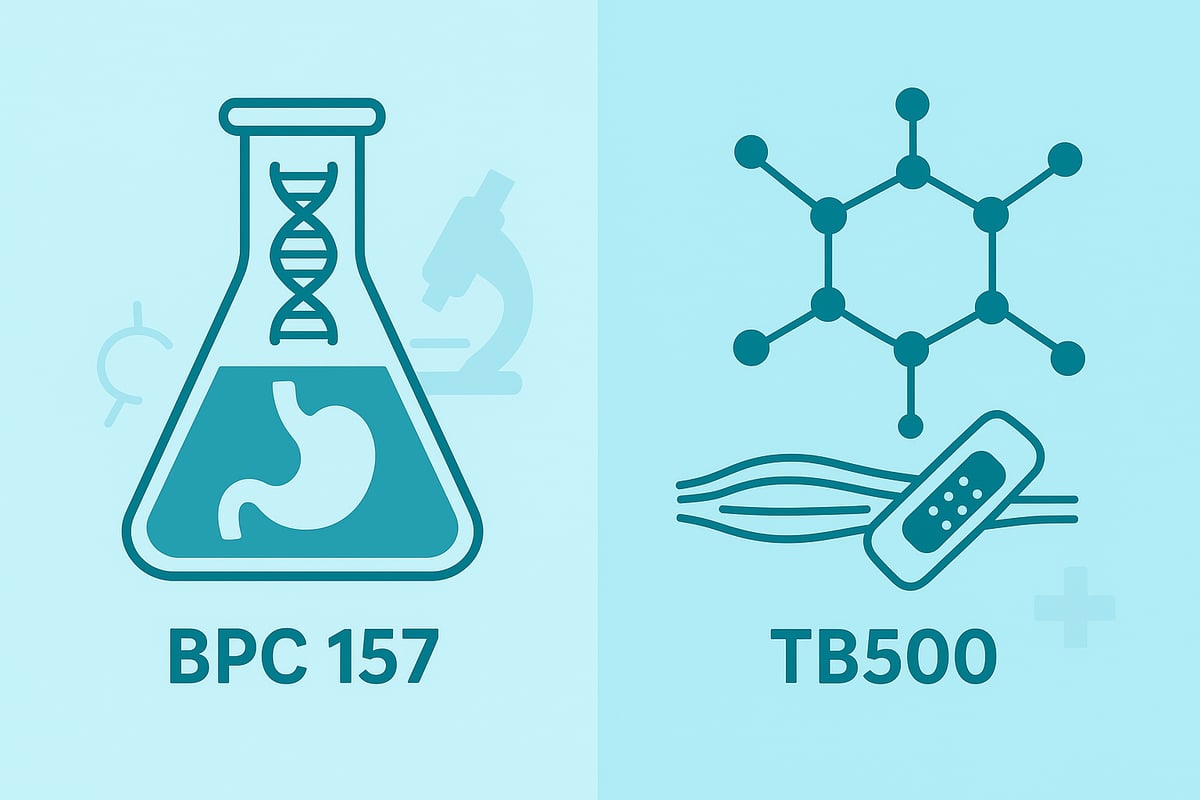
The journey of bpc157 and tb500 began in the late 20th century, when researchers intensified their exploration into therapeutic peptides. BPC157 was first isolated from human gastric juice in the early 1990s by a team led by Dr. Predrag Sikiric. Their goal was to understand the body's natural mechanisms for protecting and healing the gastrointestinal tract.
TB500 has a slightly different origin. It is a synthetic peptide modeled after Thymosin Beta-4, a naturally occurring protein identified in the 1980s. Thymosin Beta-4 was originally researched for its role in immune modulation and wound healing, and TB500 was developed to harness these properties in a more stable, bioavailable form.
Key milestones in bpc157 and tb500 research include:
- 1990s: BPC157's protective effects on gastric ulcers and soft tissues are documented in animal studies.
- Early 2000s: TB500 emerges as a synthetic analog, with initial studies highlighting its role in cell migration and tissue repair.
- 2010s: Both peptides gain attention in sports medicine and regenerative therapy circles, prompting further animal and preclinical research.
The early focus for bpc157 and tb500 was on healing and recovery. Researchers observed that these peptides could significantly accelerate tissue regeneration, sparking widespread interest in their broader applications.
| Peptide | Year Discovered | Natural Source | Primary Early Focus |
|---|---|---|---|
| BPC157 | 1990s | Human gastric juice | GI healing, soft tissue |
| TB500 | 1980s (parent), 2000s (synthetic) | Thymosin Beta-4 (synthetic) | Wound healing, immune modulation |
Mechanisms of Action
The mechanisms behind bpc157 and tb500 are both complementary and distinct, explaining their growing reputation in advanced wellness.
BPC157 exerts its effects by promoting angiogenesis, the formation of new blood vessels, which is vital for tissue regeneration. It also modulates the nitric oxide system, enhancing circulation and reducing oxidative stress. Studies have shown that bpc157 and tb500 both support healing, but BPC157 is especially effective in gastrointestinal protection and nerve regeneration.
TB500, on the other hand, upregulates actin, a protein crucial for cell structure and movement. This action accelerates cell migration to injury sites, supporting rapid wound healing and reducing inflammation. TB500's systemic effects make it a favorite among those seeking broad recovery benefits.
Comparatively, bpc157 and tb500 share some molecular targets, such as anti-inflammatory pathways, but their primary actions diverge. BPC157 is more targeted in tissue-specific repair, while TB500 offers a wider influence on cellular migration and muscle recovery.
Animal studies provide compelling examples. In rodent models, BPC157 has been shown to repair severed tendons and prevent gut lesions. TB500 has demonstrated accelerated muscle regeneration and reduced scar tissue formation.
For a deeper exploration of these mechanisms and their practical benefits, readers can consult this comprehensive comparison of BPC157 and TB500 mechanisms and benefits.
In summary, bpc157 and tb500 represent a new frontier in regenerative medicine. Their molecular actions, while overlapping in some respects, provide unique advantages depending on the user's goals and health needs.
Health and Performance Benefits: A Side-by-Side Comparison
Peptide therapy continues to gain momentum in 2026, with bpc157 and tb500 at the forefront of recovery and performance enhancement discussions. These peptides are valued for their ability to accelerate healing, optimize athletic output, and offer systemic benefits beyond traditional supplements. Let us examine their effects side by side, focusing on real-world data and clinical insights.
Healing and Recovery Effects
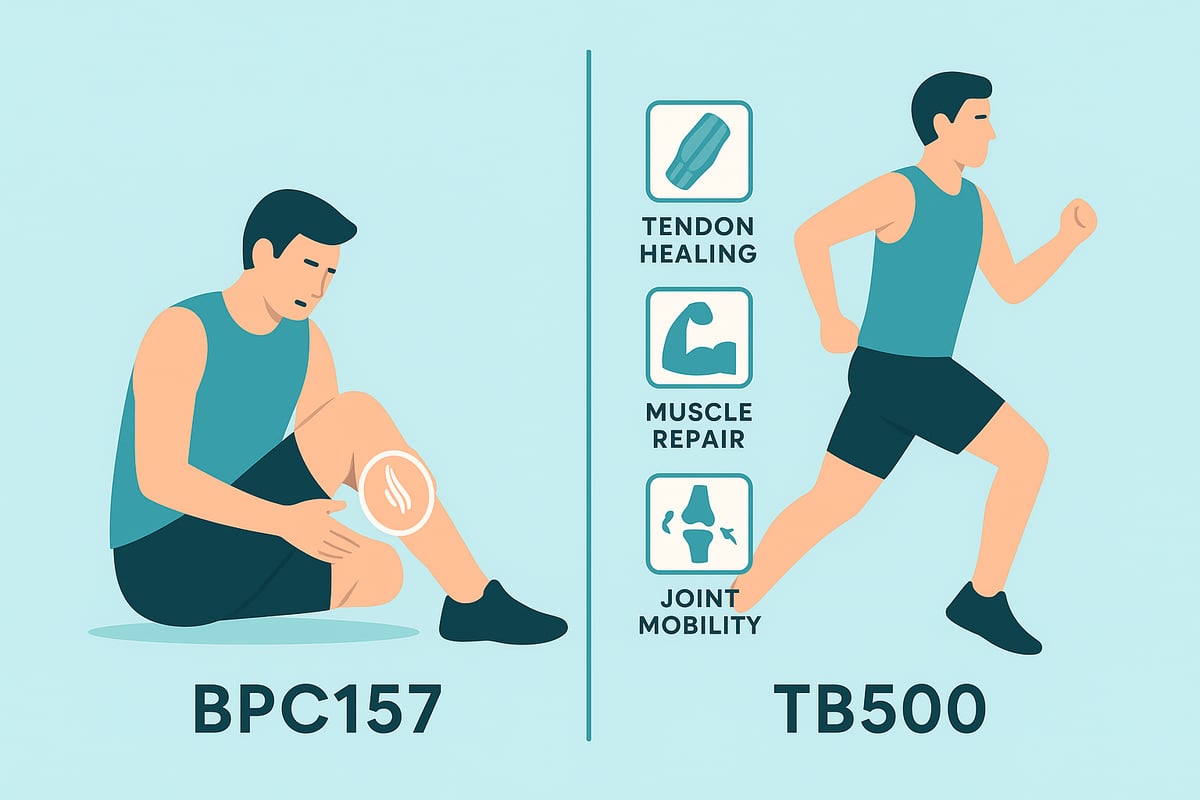
Rapid tissue repair is one of the most sought-after benefits of bpc157 and tb500. BPC157 is known for its ability to accelerate the healing of tendons, ligaments, muscles, and even gut tissue. Animal and early human studies have shown that bpc157 can significantly shorten recovery times after injuries such as muscle tears or tendon ruptures.
TB500, on the other hand, excels in promoting muscle regeneration and wound healing. It has demonstrated efficacy in reducing inflammation and enhancing repair in soft tissues, making it popular among athletes and those recovering from surgery. Both peptides have been evaluated in various injury models, revealing overlapping yet distinct strengths.
| Feature | BPC157 | TB500 |
|---|---|---|
| Tendon/Ligament Repair | Strong evidence | Moderate evidence |
| Muscle Recovery | Effective, but less than TB500 | Highly effective |
| Wound Healing | Supports all tissue types | Focus on muscle, skin |
| Inflammation | Reduces, especially in the gut | Systemic reduction |
Athletes often turn to bpc157 and tb500 for faster post-surgery recovery or chronic injury management. According to a 2026 survey, over 60 percent of competitive athletes reported positive outcomes from using one or both peptides. For more information on peptides that support recovery, see the Recovery peptide products category.
Performance Enhancement and Athletic Use
When it comes to performance, both bpc157 and tb500 have unique appeal. BPC157 is noted for improving joint mobility and reducing injury downtime, which can be crucial for athletes in high-impact sports. Anecdotal reports suggest that consistent use of bpc157 and tb500 can lead to longer training sessions without setbacks.
TB500 stands out for its effects on endurance, flexibility, and rapid muscle repair. It is frequently chosen by athletes aiming to maintain peak condition during demanding training cycles. In 2026, surveys show that TB500 is slightly more favored among endurance and power athletes, while bpc157 is popular for those seeking comprehensive joint and soft tissue protection.
Key arguments in favor of bpc157 and tb500 include:
- Reduced time away from training and competition
- Enhanced flexibility and range of motion
- Improved muscle and tissue repair, even after acute injuries
Data from athletic communities indicate that over 70 percent of users noticed measurable improvements in recovery speed and performance metrics within six weeks of starting these peptides.
Anti-Inflammatory and Systemic Benefits
Beyond localized recovery, bpc157 and tb500 offer important systemic benefits. BPC157 is highly regarded for its gastrointestinal protection, neuroprotective effects, and anti-ulcer properties. This makes it a preferred choice for individuals with gut-related conditions or those at risk of chronic inflammation.
TB500, meanwhile, provides broad systemic reduction in inflammation. Its immune-modulating properties have prompted interest in organ protection and even potential applications in autoimmune conditions. Comparative analysis in 2026 suggests that bpc157 and tb500 may be selected based on specific health goals, with bpc157 favored for gut and nerve support and tb500 for widespread inflammation control.
In summary, the choice between bpc157 and tb500 often depends on the nature of the injury, desired recovery speed, and overall health objectives. Both peptides continue to shape advanced recovery and performance protocols, supported by growing clinical and anecdotal evidence.
Safety, Side Effects, and Risks in 2026
As interest in bpc157 and tb500 continues to climb in 2026, understanding their safety profiles is crucial for anyone considering peptide therapy. While both peptides show promise for healing and performance, users must weigh the benefits against documented risks and unknowns.
Reported Side Effects
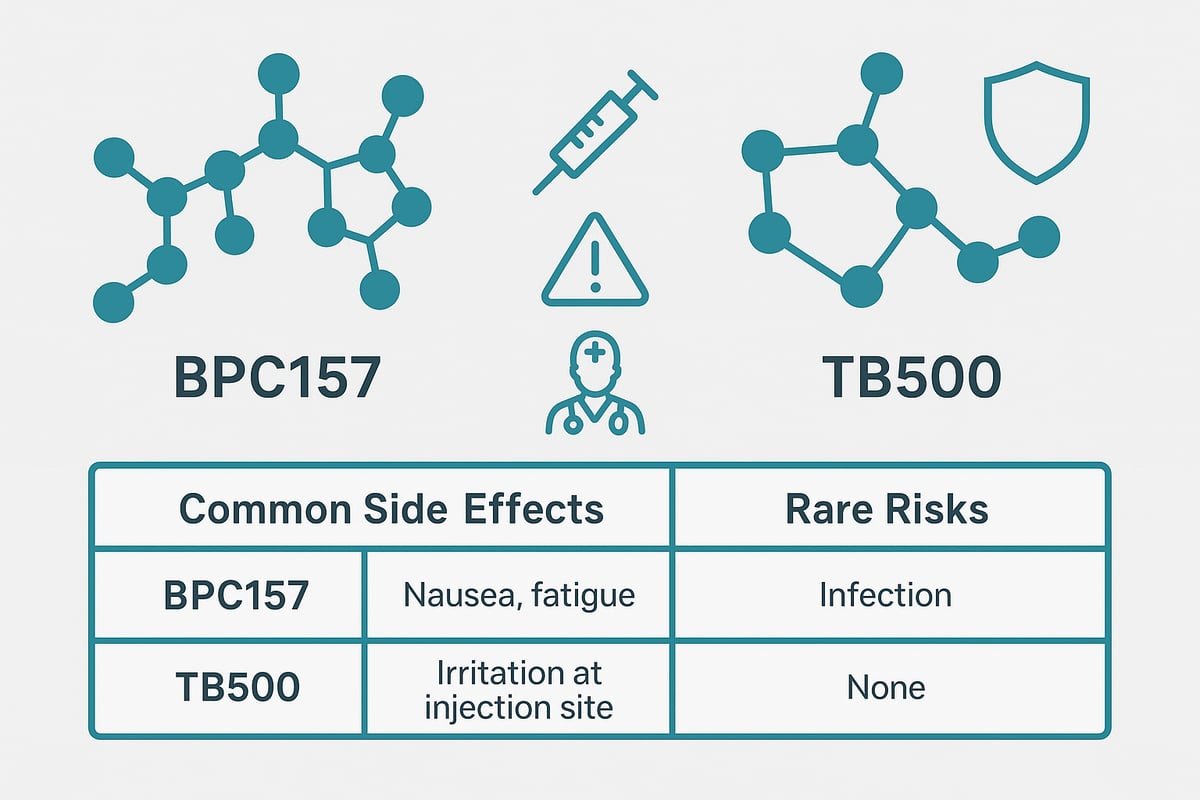
Bpc157 and tb500 are generally regarded as well-tolerated in short-term studies and anecdotal reports. However, users frequently experience mild side effects, most commonly at the injection site. These may include redness, swelling, or temporary discomfort. Systemic reactions, such as headaches or mild fatigue, have also been noted, although they tend to resolve quickly.
Rare but more serious adverse events have been documented in isolated case reports. These can include allergic reactions, unexplained rashes, or in rare circumstances, cardiovascular symptoms. The table below summarizes the most commonly reported side effects for both peptides:
| Side Effect | BPC157 | TB500 |
|---|---|---|
| Injection site redness | Common | Common |
| Mild fatigue | Occasional | Occasional |
| Headache | Occasional | Occasional |
| Allergic reaction | Rare | Rare |
| Cardiovascular symptoms | Very rare | Very rare |
It is important to note that reliable data on side effects for bpc157 and tb500 in large human populations remains limited. Most evidence is drawn from small-scale trials, animal studies, or user testimonials.
Long-Term Use and Unknowns
Long-term safety of bpc157 and tb500 is still largely unknown. Human studies with extended follow-up are scarce, leaving significant gaps regarding potential cumulative risks. Some experts caution that peptides, when used without medical oversight, could disrupt normal tissue repair mechanisms or interact unpredictably with other medications.
Both peptides are classified as "Category 2" substances by the FDA, indicating there is insufficient evidence to confirm safety or efficacy for general use. For a detailed look at regulatory concerns, see the FDA’s 2023 Classification of BPC-157 and TB-500. This classification means these compounds are not approved for human use outside of research settings in the United States.
Additionally, regulatory agencies in other countries have issued warnings about unsupervised peptide use. Long-term risks may include immune system interference, hormonal imbalance, or unknown effects on organ systems. As bpc157 and tb500 gain popularity, ongoing research in 2026 will be essential to clarify their safety for broader use.
Special Considerations
Certain individuals should avoid bpc157 and tb500 entirely. Contraindications include active cancer, as both peptides can promote cell growth, and autoimmune disorders, where immune modulation may worsen symptoms. Pregnant or breastfeeding individuals should also abstain, given the absence of safety data.
Drug interactions are not well characterized, but combining peptides with immunosuppressants, anticoagulants, or experimental therapies could pose unexpected risks. Medical supervision is critical, especially for those with complex health conditions or multiple medications.
Real-world examples highlight the importance of caution. There have been reports of users experiencing severe side effects after sourcing peptides from unregulated vendors, emphasizing the need for quality assurance and expert oversight. For anyone considering bpc157 and tb500, consultation with a knowledgeable healthcare professional is vital to minimize risks and ensure safe, evidence-based use.
Legal Status, Regulation, and Accessibility
As the use of bpc157 and tb500 grows worldwide, understanding their legal status and accessibility is crucial for both users and healthcare professionals in 2026. Regulatory frameworks shift rapidly, with different countries adopting unique approaches to peptide oversight.

Global Regulatory Overview
The legal landscape for bpc157 and tb500 is complex and varies by region. In the United States, neither peptide is FDA-approved for human use, yet both are widely available for research purposes. Canada and Australia classify these peptides as research chemicals, restricting their use outside clinical trials. The United Kingdom and much of the EU have tightened controls, requiring prescriptions or limiting access to licensed practitioners.
Below is a summary table highlighting the legal status in key markets:
| Country/Region | Legal Status for BPC157 | Legal Status for TB500 |
|---|---|---|
| USA | Research Only, Not FDA Approved | Research Only, Not FDA Approved |
| Canada | Research Chemical, Not Approved | Research Chemical, Not Approved |
| UK | Prescription Only | Prescription Only |
| EU | Prescription/Restricted | Prescription/Restricted |
| Australia | Prescription/Research Only | Prescription/Research Only |
As of 2026, some regions have amended their regulations in response to rising demand and safety concerns. For a detailed breakdown and the most recent updates, consult the Legal Status of Peptides in 2026, which provides a comprehensive overview of global classifications and enforcement trends.
Accessibility and Sourcing
Despite regulatory hurdles, bpc157 and tb500 remain accessible through various channels. Users commonly obtain these peptides from compounding pharmacies, research chemical suppliers, and an expanding network of online vendors. However, this accessibility comes with significant risks.
- Quality control is inconsistent, especially with online sources.
- There is a growing incidence of adulterated or mislabeled products.
- Counterfeit peptides pose health and efficacy concerns.
Recent surveys indicate that up to 30% of peptide products purchased online may be compromised in purity or labeling. For anyone considering bpc157 and tb500, verifying supplier credibility and demanding third-party testing is essential to minimize risks.
Ethical and Sporting Considerations
Bpc157 and tb500 present unique challenges in competitive sports and ethical medicine. The World Anti-Doping Agency (WADA) classifies TB500 as a prohibited substance, making its use in professional sports a clear violation. BPC157, while not explicitly named by WADA in every region, may still fall under broader bans on unapproved peptides.
Sports organizations increasingly scrutinize both peptides, and athletes face potential sanctions if found using them. Medical practitioners must weigh the ethical implications of prescribing or recommending bpc157 and tb500, especially in regions with evolving regulatory standards. The ongoing debate centers on fair competition, long-term safety, and the integrity of sports medicine.
User Experiences and Community Insights
Peptide communities worldwide have grown rapidly, with users sharing stories and advice about bpc157 and tb500. These insights offer a real-world perspective on how each peptide is perceived in daily use, though they must be weighed alongside clinical evidence.
Anecdotal Reports and Testimonials
Anecdotal feedback from users of bpc157 and tb500 is abundant across peptide forums and social platforms. Many report faster recovery from injuries, reduced pain, and improved mobility. For example, athletes recovering from tendon strains frequently credit bpc157 for accelerating healing, while those with muscle tears often note TB500’s benefits for muscle regeneration.
Common themes include:
- Healing speed: Users describe shortened recovery times for both peptides.
- Pain relief: Many cite reduced discomfort during rehabilitation.
- Performance: Some mention enhanced endurance or flexibility.
Negative experiences are less frequent but include mild side effects, such as injection site reactions or no noticeable benefit. A segment of the community discusses using both peptides in combination, referencing resources like the BPC-157 and TB-500 blend details for guidance.
Trends in Peptide Use in 2026
In 2026, bpc157 and tb500 remain popular among athletes and biohackers, with shifting preferences depending on individual goals. Recent community polls indicate a near-even split in usage, with slight favor for bpc157 in joint and tendon recovery, while TB500 is often chosen for muscle and systemic healing.
Influencers and sports professionals contribute to these trends by sharing personal protocols and before-after results. Online groups highlight the growing interest in stacking or alternating bpc157 and tb500 to maximize benefits, reflecting evolving user strategies.
Key trends include:
- Increased discussion about peptide blends.
- More health professionals weighing in on protocols.
- A rise in self-experimentation, especially among endurance athletes.
These shifts underscore why bpc157 and tb500 continue to dominate peptide conversations in 2026.
Limitations of Self-Reported Data
While user reports on bpc157 and tb500 are valuable, they come with notable limitations. Self-reported experiences can be influenced by the placebo effect, where users perceive improvement regardless of the actual physiological change. Confirmation bias is another concern, as individuals may notice positive effects that align with their expectations.
Peer-reviewed studies remain the gold standard for verifying efficacy and safety. The vast majority of community testimonials lack controlled conditions, making it challenging to separate true effects from anecdotal enthusiasm.
In summary, while bpc157 and tb500 enjoy strong reputations in user circles, critical evaluation of both personal stories and scientific research is essential for informed decision-making.
Choosing the Right Peptide: Factors to Consider in 2026
Selecting between bpc157 and tb500 in 2026 requires a thoughtful approach tailored to your unique health profile, goals, and circumstances. With both peptides gaining attention for their regenerative and performance-enhancing properties, understanding the nuances of each can help you make an informed, confident decision.
Personal Health Goals and Conditions
Begin by defining your primary objectives for peptide therapy. Are you focused on rapid injury recovery, chronic pain management, athletic performance, or overall wellness? The properties of bpc157 and tb500 differ, making each more suitable for specific scenarios.
For instance, individuals dealing with tendon or ligament injuries may find bpc157 especially promising due to its documented effects on soft tissue healing and gut protection. In contrast, those seeking systemic inflammation reduction or enhanced muscle regeneration might gravitate toward tb500.
A practical approach is to list your health priorities and compare them with the documented strengths of each peptide. For a deeper dive into how bpc157 works and its potential applications, explore the BPC-157 detailed overview.
Consultation with Healthcare Professionals
Before starting any peptide regimen, consult a qualified medical professional. While bpc157 and tb500 are popular in wellness circles, expert guidance ensures safety, appropriate dosing, and monitoring for side effects.
Prepare for your consultation by gathering your health history, current medications, and clearly stating your goals. Ask your provider about the latest research, potential drug interactions, and whether peptide therapy is suitable for your case.
Case studies from 2026 emphasize that users who involved healthcare professionals experienced better outcomes and fewer complications. Engaging with a knowledgeable physician can help you navigate the evolving landscape of peptide therapies like bpc157 and tb500.
Cost, Accessibility, and Quality Assurance
Cost remains a significant factor when choosing between bpc157 and tb500. Prices fluctuate based on purity, supplier reputation, and formulation. In 2026, users should be vigilant about sourcing peptides from reputable vendors to avoid counterfeit or contaminated products.
Compare prices from licensed pharmacies and research chemical suppliers, but prioritize quality and verified sourcing. For insight into tb500’s properties and sourcing considerations, visit the TB-500 peptide information.
To protect yourself, request certificates of analysis, check for third-party testing, and avoid suspiciously low-priced products. This diligence is crucial whether you are considering bpc157 and tb500.
Future Directions and Research Gaps
The landscape for bpc157 and tb500 continues to evolve. While both show impressive results in animal studies and early human anecdotes, long-term data is still limited. Ongoing clinical trials in 2026 may soon clarify optimal dosing, safety profiles, and broader applications.
Stay informed by following reputable scientific sources and monitoring emerging research. As new evidence becomes available, the decision between bpc157 and tb500 may shift, so maintaining flexibility in your approach is wise.
Ultimately, choosing the right peptide is a dynamic process that combines personal goals, professional input, cost considerations, and the latest research.
After exploring the science, benefits, and real user experiences of BPC157 and TB500 in 2026, you’re likely considering which peptide is best aligned with your health and performance goals. It’s important to prioritize purity, safety, and proven quality when making your choice—especially given the evolving landscape and varying sources available. At Soma Peptide, you can trust that each product meets the highest standards for purity and efficacy, giving you peace of mind as you take your next step toward optimal wellness. If you’re ready to explore premium peptides, you can Shop Now.