
Growth hormone optimization has emerged as a critical area of interest for individuals seeking improved recovery, body composition, and overall metabolic function. Among the synthetic peptides designed to enhance natural growth hormone secretion, CJC 1295 No DAC stands out as a research compound with a unique mechanism and shorter half-life compared to its modified counterpart. This peptide represents a modified form of growth hormone-releasing hormone (GHRH) that aims to stimulate the pituitary gland through a more physiological approach. Understanding the distinctions between peptide variants, proper administration protocols, and evidence-based applications helps researchers and individuals make informed decisions about incorporating these compounds into their wellness strategies.
Understanding the Structure and Mechanism
CJC 1295 No DAC functions as a synthetic analog of growth hormone-releasing hormone, engineered with specific amino acid substitutions that enhance stability and binding affinity. The peptide consists of 29 amino acids and includes four strategic modifications to the natural GHRH sequence, which extend its biological activity beyond the native hormone's brief lifespan.
The term "No DAC" refers to the absence of Drug Affinity Complex, a chemical modification that dramatically extends half-life in the modified version. Without this attachment, CJC 1295 No DAC operates with a significantly shorter duration, typically clearing the system within hours rather than days. This characteristic allows for more precise control over growth hormone pulses and closer mimicry of natural secretion patterns.
Binding and Receptor Activation
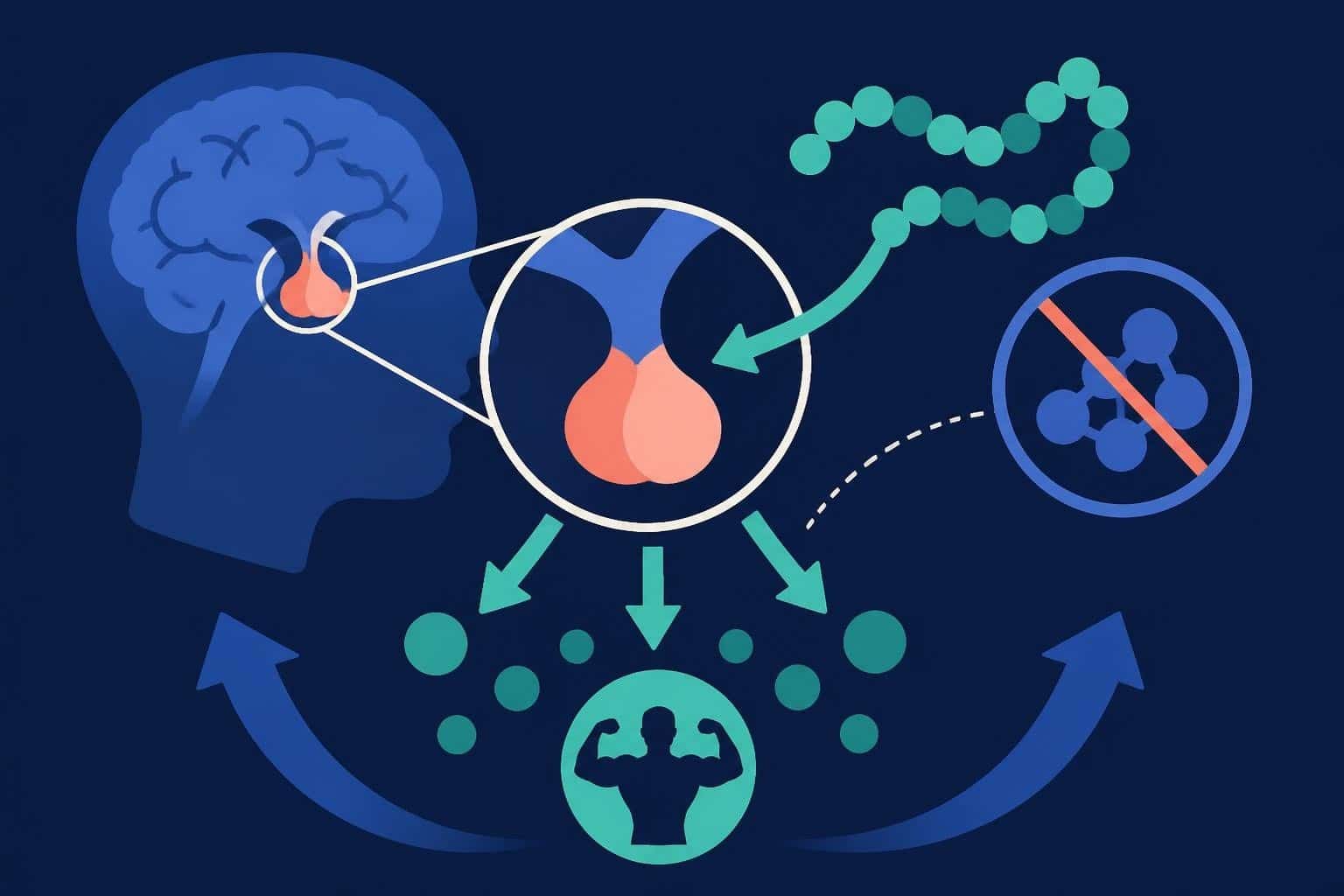
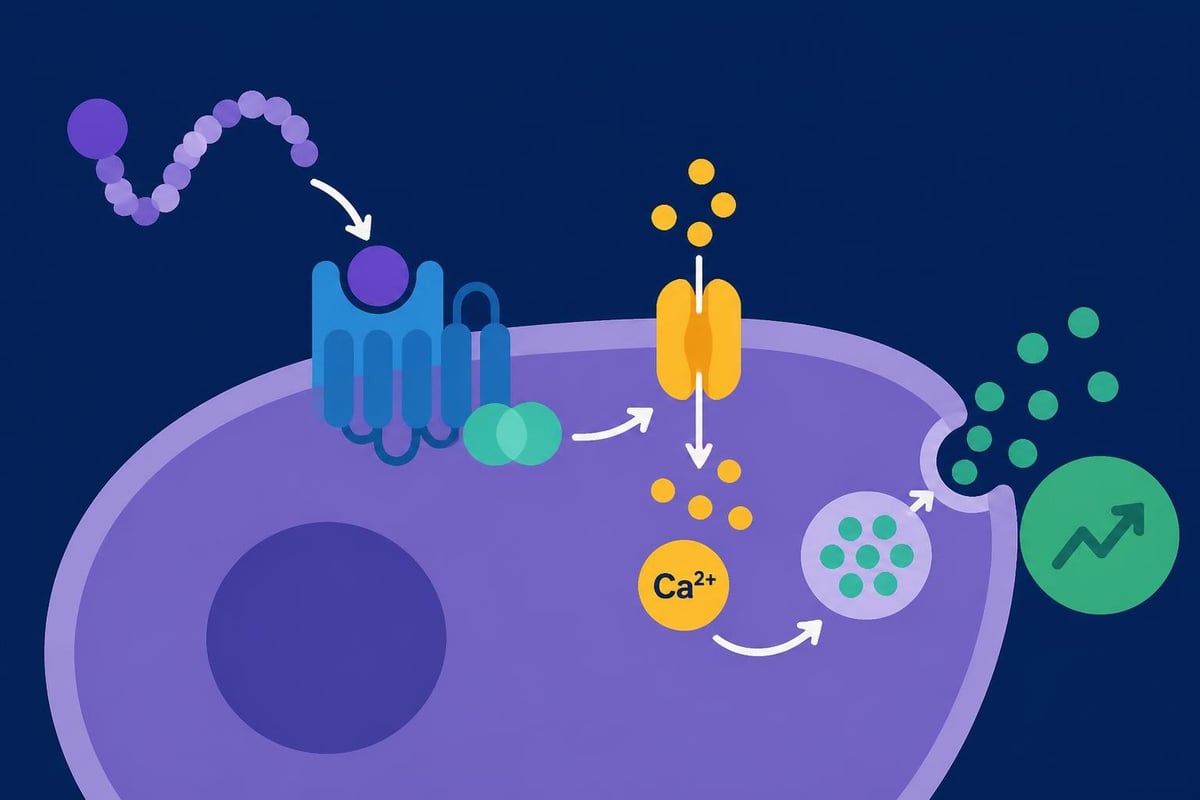
The peptide binds to growth hormone-releasing hormone receptors on somatotroph cells within the anterior pituitary gland. This binding triggers a cascade of intracellular signaling events that ultimately lead to the synthesis and release of growth hormone into circulation.
Key aspects of this mechanism include:
- Receptor specificity: High affinity for GHRH receptors ensures targeted action
- Signal amplification: Activation of secondary messenger systems magnifies the initial signal
- Calcium mobilization: Increased intracellular calcium drives vesicle fusion and hormone secretion
- Pulsatile release: Supports natural growth hormone secretion rhythms
The structural modifications in cjc 1295 no dac provide resistance to enzymatic degradation by dipeptidyl peptidase-IV (DPP-IV), an enzyme that rapidly breaks down natural GHRH. This resistance extends the active window from minutes to approximately 30 minutes, allowing for more sustained receptor engagement without the prolonged elevation seen with DAC-modified versions.
Research Applications and Studied Benefits
Scientific investigation into cjc 1295 no dac has explored multiple physiological outcomes related to enhanced growth hormone secretion. Research studies have documented various metabolic and body composition effects associated with elevated growth hormone levels achieved through GHRH analog administration.
| Research Area | Observed Effects | Study Duration |
|---|---|---|
| Body Composition | Increased lean mass, reduced adiposity | 8-12 weeks |
| Recovery Metrics | Enhanced tissue repair markers | 4-8 weeks |
| Sleep Architecture | Improved slow-wave sleep depth | 2-4 weeks |
| Metabolic Parameters | Elevated lipolysis, improved insulin sensitivity | 6-12 weeks |
Growth Hormone Dynamics
Studies examining growth hormone profiles following CJC 1295 No DAC administration reveal significant amplification of natural pulses. Unlike continuous elevation, this peptide enhances existing secretory episodes, potentially preserving feedback mechanisms that regulate hormone homeostasis.
Research participants typically experience peak growth hormone levels within 1-2 hours of administration, with elevations persisting for 4-6 hours before returning to baseline. This pattern aligns more closely with physiological secretion compared to longer-acting variants.
Body Composition Changes
Clinical investigations have documented improvements in body composition parameters when CJC 1295 No DAC is used consistently over extended periods. These changes reflect the metabolic influence of elevated growth hormone and its downstream mediator, insulin-like growth factor-1 (IGF-1).
Documented composition changes include:
- Fat mass reduction: Particularly visceral adipose tissue
- Lean tissue accrual: Modest increases in muscle protein synthesis
- Bone density support: Enhanced mineralization markers
- Skin thickness improvements: Increased collagen deposition
The magnitude of these effects varies considerably based on individual factors including baseline growth hormone status, age, training stimulus, and nutritional support.
Dosing Protocols and Administration Guidelines
Proper dosing represents a critical factor in achieving desired outcomes while minimizing potential disruptions to endocrine balance. The absence of Drug Affinity Complex necessitates more frequent administration compared to modified versions, with most protocols employing multiple weekly injections timed to coincide with natural growth hormone pulses.
Standard Dosing Ranges
Research-based protocols typically utilize doses ranging from 100 to 200 micrograms per injection, administered subcutaneously. The frequency varies based on individual goals and response patterns:
- Moderate protocol: 100-200 mcg, 2-3 times weekly
- Intensive protocol: 100-200 mcg, daily before sleep
- Pulsed protocol: 200 mcg, every other day
Timing considerations play an essential role in optimizing results. Since natural growth hormone secretion peaks during deep sleep and following exercise, many researchers align injections with these windows to augment existing pulses rather than create isolated spikes.

Reconstitution and Storage
CJC 1295 No DAC arrives in lyophilized (freeze-dried) powder form requiring reconstitution with bacteriostatic water before use. Proper reconstitution technique preserves peptide integrity and ensures accurate dosing. Those seeking precise measurements can utilize tools like the peptide calculator to determine appropriate reconstitution volumes and injection amounts.
Reconstitution steps:
- Clean vial tops with alcohol swabs
- Draw bacteriostatic water using sterile technique
- Inject water slowly down vial side to avoid foaming
- Gently swirl (never shake) until powder dissolves
- Store reconstituted solution at 2-8°C (refrigerated)
Reconstituted cjc 1295 no dac maintains stability for approximately 30 days when refrigerated properly. Lyophilized powder remains stable for extended periods when stored at -20°C, though most suppliers provide guidance on specific stability timelines.
Combination Strategies and Synergistic Effects
Many research protocols combine CJC 1295 No DAC with complementary peptides to achieve synergistic effects on growth hormone release and downstream physiological outcomes. The most common pairing involves growth hormone secretagogues that work through distinct mechanisms.
Ipamorelin Pairing
Ipamorelin represents a selective growth hormone secretagogue that stimulates GH release through ghrelin receptor activation rather than GHRH pathways. This complementary mechanism creates a dual-action approach that amplifies growth hormone pulses through two independent signaling cascades.
When combined, these peptides offer several advantages:
- Enhanced pulse amplitude: Simultaneous receptor activation magnifies GH release
- Preserved selectivity: Ipamorelin avoids cortisol and prolactin elevation
- Synergistic timing: Both clear system relatively quickly, supporting natural rhythms
- Flexibility: Doses can be adjusted independently based on response
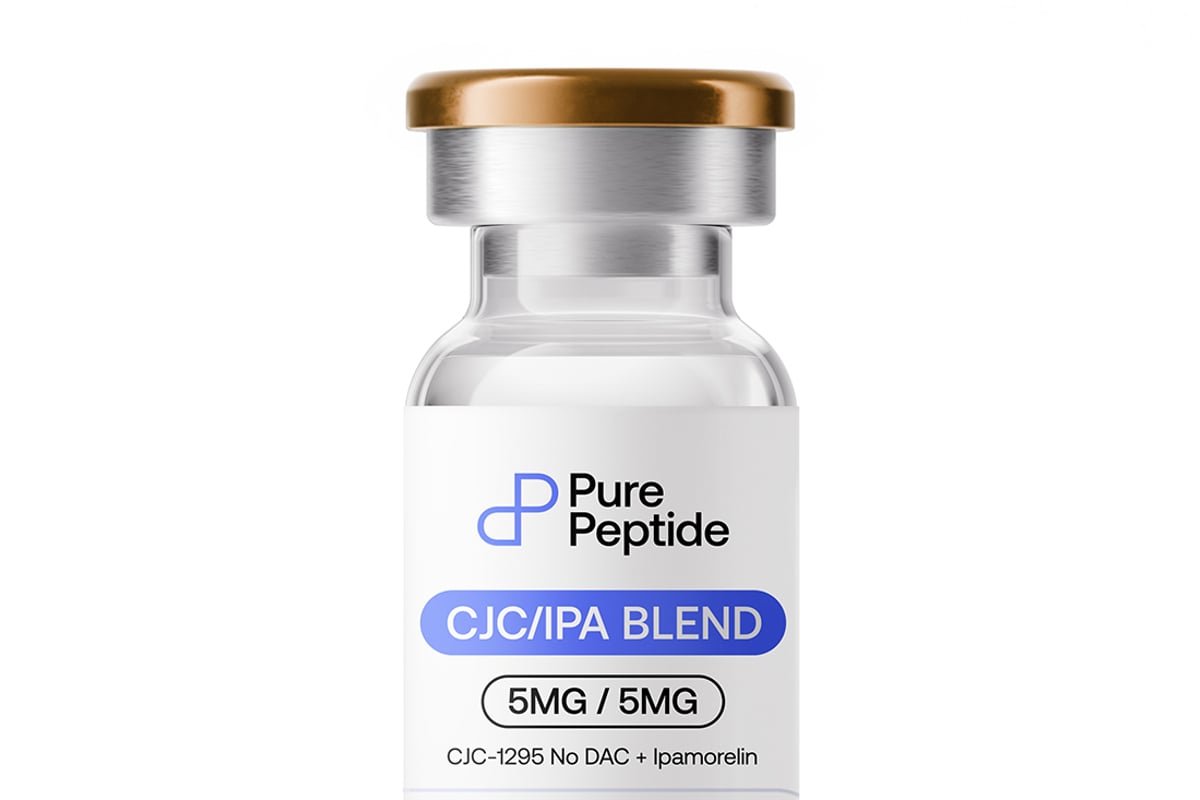
For those interested in this combination approach, the CJC-1295 NO DAC / Ipamorelin Blend offers a convenient pre-mixed formulation designed to optimize growth hormone release through complementary pathways while maintaining physiological balance.
Other Synergistic Combinations
| Combination | Mechanism | Primary Application |
|---|---|---|
| CJC + GHRP-2 | Dual GH stimulation | Maximum pulse amplitude |
| CJC + Hexarelin | GHRH + strong secretagogue | Intensive protocols |
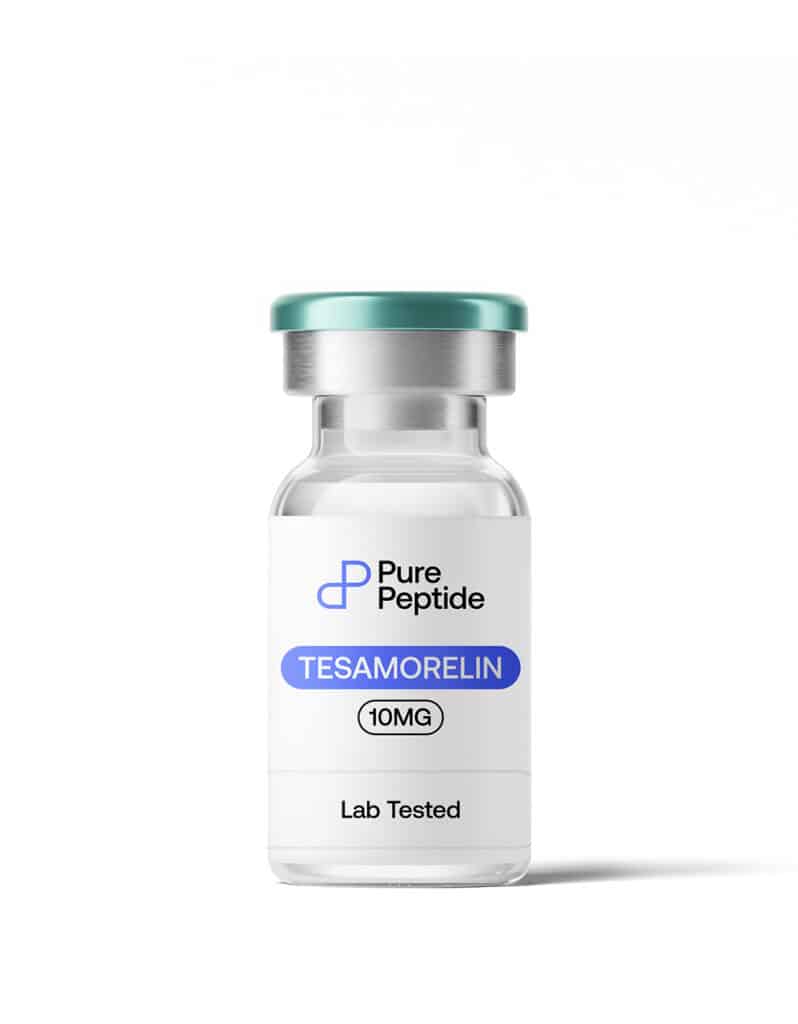
| CJC + Tesamorelin | Dual GHRH analogs | Metabolic optimization |
These combinations require careful consideration of cumulative dosing, timing coordination, and individual tolerance thresholds. Starting with conservative doses and monitoring response markers helps establish optimal protocols.
Safety Considerations and Potential Effects
While cjc 1295 no dac demonstrates favorable safety profiles in research settings, understanding potential effects and contraindications enables informed decision-making. Comprehensive safety evaluations have identified various considerations ranging from injection site reactions to endocrine system interactions.
Common Reported Effects
Most individuals tolerate CJC 1295 No DAC well, with reported effects typically mild and transient. These may include:
- Injection site reactions (redness, swelling, mild discomfort)
- Temporary water retention
- Increased hunger sensations
- Tingling or numbness in extremities
- Headaches or dizziness (typically mild)
These effects often diminish with continued use as the body adapts to altered growth hormone dynamics. Starting with lower doses and gradually increasing allows for tolerance development while monitoring individual responses.
Contraindications and Precautions
Certain populations should exercise caution or avoid CJC 1295 No DAC entirely. Individuals with active malignancies should not use growth hormone-stimulating compounds, as GH may support cell proliferation. Those with diabetes require careful monitoring, as growth hormone influences glucose metabolism and insulin sensitivity.
Additional considerations include:
- Pregnancy and lactation: Insufficient safety data
- Cardiovascular conditions: Monitor fluid retention carefully
- Pituitary disorders: May complicate existing conditions
- Age considerations: Effects vary across different life stages
Regular monitoring of IGF-1 levels, glucose parameters, and other relevant biomarkers helps ensure protocols remain within safe ranges. Working with knowledgeable healthcare providers familiar with peptide therapy optimizes both safety and efficacy.
Comparing DAC Versus No DAC Versions
The distinction between CJC 1295 with and without Drug Affinity Complex represents more than a simple chemical modification. These variants function differently, produce distinct hormonal patterns, and suit different applications based on their pharmacokinetic profiles.
Half-Life and Duration Differences
The most significant difference lies in elimination half-life, which dramatically affects dosing frequency and hormonal patterns:
CJC 1295 No DAC:
- Half-life: Approximately 30 minutes
- Duration of action: 4-6 hours
- Dosing frequency: Multiple times weekly or daily
- GH pattern: Amplified pulses mimicking natural rhythms
CJC 1295 with DAC:
- Half-life: 6-8 days
- Duration of action: Continuous elevation for days
- Dosing frequency: Once or twice weekly
- GH pattern: Sustained elevation above baseline
Practical Implications
The choice between variants depends largely on individual goals, tolerance for injection frequency, and preference for hormonal patterns. Those seeking to preserve natural pulsatile rhythms often favor the No DAC version despite requiring more frequent administration.
| Factor | No DAC | With DAC |
|---|---|---|
| Injection frequency | Higher | Lower |
| Pattern mimicry | More natural | Sustained elevation |
| Flexibility | Easier to adjust | Longer commitment |
| Side effect profile | Generally milder | Potentially more pronounced |
| Protocol complexity | Moderate | Simple |
Athletes and individuals prioritizing recovery around specific training cycles often prefer cjc 1295 no dac for its flexibility and ability to coordinate with training schedules. Those seeking convenience may opt for the DAC-modified version despite its less physiological profile.
Sourcing Quality and Purity Verification
The therapeutic potential of CJC 1295 No DAC depends entirely on peptide purity, proper synthesis, and accurate concentration. Verification of quality through independent testing represents a critical step in ensuring both safety and efficacy.
Purity Standards and Testing
Pharmaceutical-grade peptides should meet minimum purity thresholds of 98% or higher, verified through high-performance liquid chromatography (HPLC) analysis. Reputable suppliers provide certificates of analysis (COA) from independent laboratories documenting purity, identity, and absence of contaminants.
Key verification methods include:
- HPLC testing: Separates and quantifies peptide purity
- Mass spectrometry: Confirms molecular weight and identity
- Endotoxin testing: Ensures absence of bacterial contamination
- pH verification: Confirms appropriate acidity levels
Advanced purification methods remove synthesis byproducts, truncated sequences, and other impurities that could trigger adverse reactions or reduce efficacy. Companies committed to quality implement stringent quality control standards throughout manufacturing and storage processes.
Storage and Handling Best Practices
Proper storage preserves peptide integrity from receipt through final administration. Temperature fluctuations, light exposure, and contamination all threaten peptide stability and should be minimized through appropriate handling protocols.
Storage guidelines:
- Store lyophilized powder at -20°C (freezer)
- Refrigerate reconstituted solution at 2-8°C
- Protect from direct light using amber vials or wrapped containers
- Avoid repeated freeze-thaw cycles
- Use reconstituted peptides within 30 days
Maintaining sterile technique during reconstitution and injection prevents bacterial contamination that could compromise both safety and peptide stability. Single-use syringes, alcohol swabs, and proper injection site rotation represent standard infection prevention practices.
Monitoring Progress and Adjusting Protocols
Effective use of cjc 1295 no dac requires systematic tracking of relevant markers and willingness to adjust protocols based on observed responses. Both subjective assessments and objective biomarkers provide valuable feedback for optimizing individual approaches.
Biomarker Tracking
Regular assessment of key biomarkers offers insight into protocol effectiveness and helps identify necessary adjustments. Growth hormone itself has a short half-life and fluctuates dramatically, making direct measurement challenging. Instead, IGF-1 levels provide a stable proxy for average growth hormone secretion over time.
Recommended monitoring schedule:
- Baseline IGF-1 before starting protocol
- Follow-up IGF-1 at 4-6 weeks
- Additional assessments every 8-12 weeks
- Glucose and HbA1c monitoring quarterly
- Body composition measurements monthly
Target IGF-1 ranges vary by age and individual factors, though most protocols aim for levels in the upper-normal range rather than supraphysiological elevation. Excessive IGF-1 increases risks without proportional benefits and may indicate the need for dose reduction.
Subjective Response Indicators
Beyond laboratory values, subjective improvements provide important feedback about protocol effectiveness. These include:
- Recovery time between training sessions
- Sleep quality and architecture
- Energy levels throughout the day
- Skin texture and appearance
- Joint comfort and mobility
Keeping detailed logs of these subjective markers alongside objective measurements creates a comprehensive picture of individual response. This data guides informed decisions about continuing, adjusting, or discontinuing protocols based on cost-benefit analysis.
Regulatory Status and Research Limitations
Understanding the regulatory landscape and current research limitations provides important context for anyone considering CJC 1295 No DAC. The peptide’s status varies across jurisdictions, and existing research leaves numerous questions unanswered.
Current Regulatory Framework
CJC 1295 No DAC exists in a regulatory gray area in many countries. It lacks approval for human therapeutic use by major regulatory bodies like the FDA, though it remains available for research purposes. Sports organizations including WADA (World Anti-Doping Agency) prohibit its use in competitive athletics due to its growth hormone-stimulating properties.
This regulatory status means:
- Not approved for medical diagnosis, treatment, or prevention
- Available primarily for research applications
- Subject to varying legal status across jurisdictions
- Prohibited in tested athletic competitions
- Requires individual responsibility for informed use
Research Gaps and Future Directions
While existing studies provide valuable insights, significant knowledge gaps remain. Long-term safety data spanning years or decades is limited, and most research involves relatively small sample sizes over short durations. Future investigations may clarify optimal protocols, identify responder characteristics, and document long-term outcomes.
Areas requiring additional research include:
- Extended safety profiles: Multi-year outcome data
- Population-specific responses: Age, sex, and genetic variations
- Combination protocols: Synergistic effects and safety
- Optimal dosing algorithms: Individualized approaches
- Clinical applications: Specific medical conditions
As the research landscape evolves, evidence-based recommendations will become increasingly refined, allowing for more precise and personalized approaches to growth hormone optimization.
CJC 1295 No DAC represents a sophisticated approach to supporting natural growth hormone secretion through modified GHRH pathways, offering benefits for recovery, body composition, and metabolic function when used with proper protocols and quality verification. Whether you're exploring peptide therapy for the first time or refining existing strategies, Soma Peptide provides premium quality peptides manufactured with advanced purification methods and rigorous quality control standards to support your wellness goals. Explore our comprehensive selection and discover how research-grade peptides can complement your optimization journey.