Peptides have revolutionized how athletes and bodybuilders approach muscle growth, recovery, and performance optimization. These short chains of amino acids act as signaling molecules that trigger specific biological responses, making them valuable tools for anyone serious about maximizing their physique. Understanding the best peptides for bodybuilding requires examining their mechanisms, applications, and how they integrate into comprehensive training and nutrition programs. This guide explores the most effective peptide compounds, their unique benefits, and how to implement them safely for optimal results.
Understanding Peptides and Their Role in Muscle Development
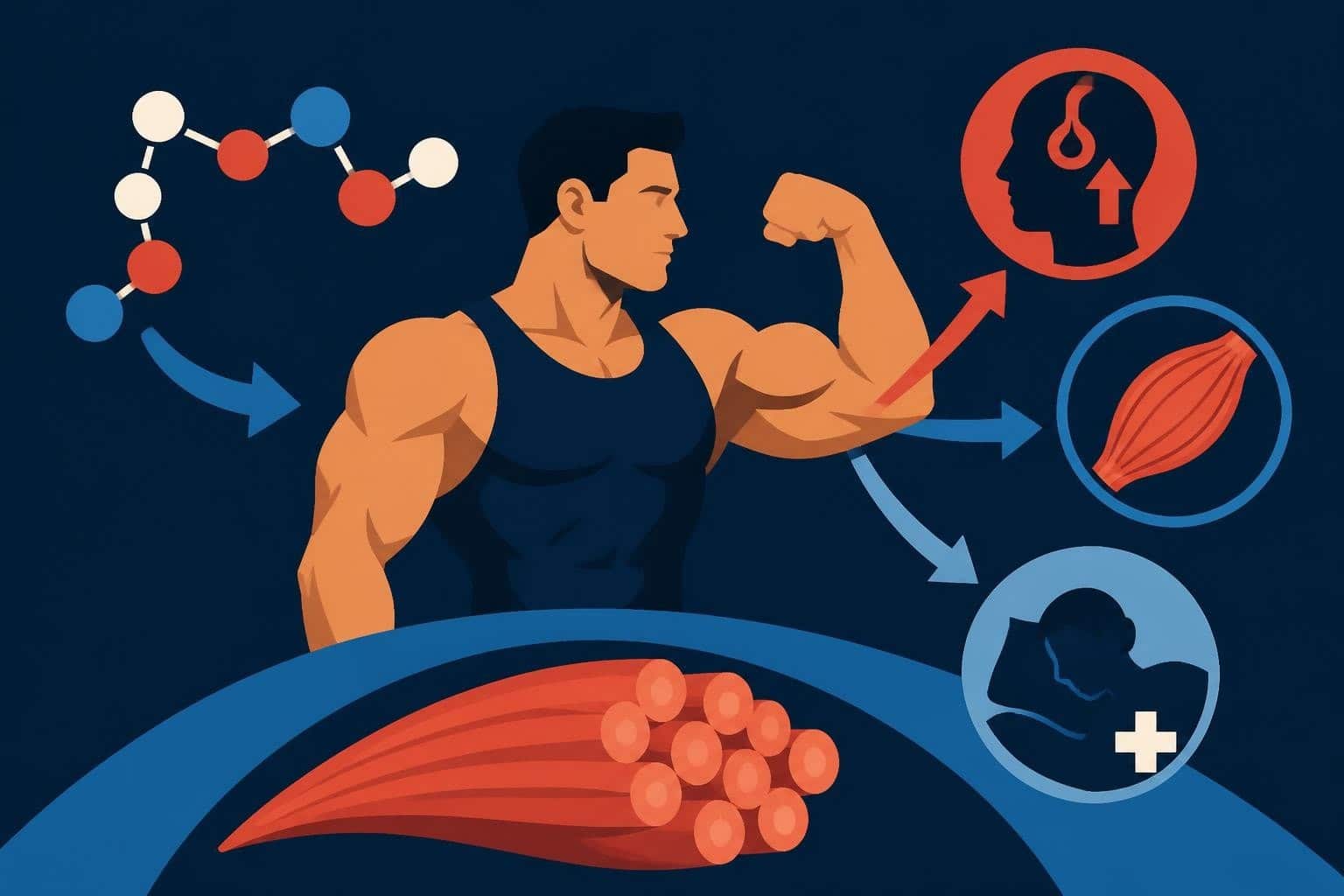
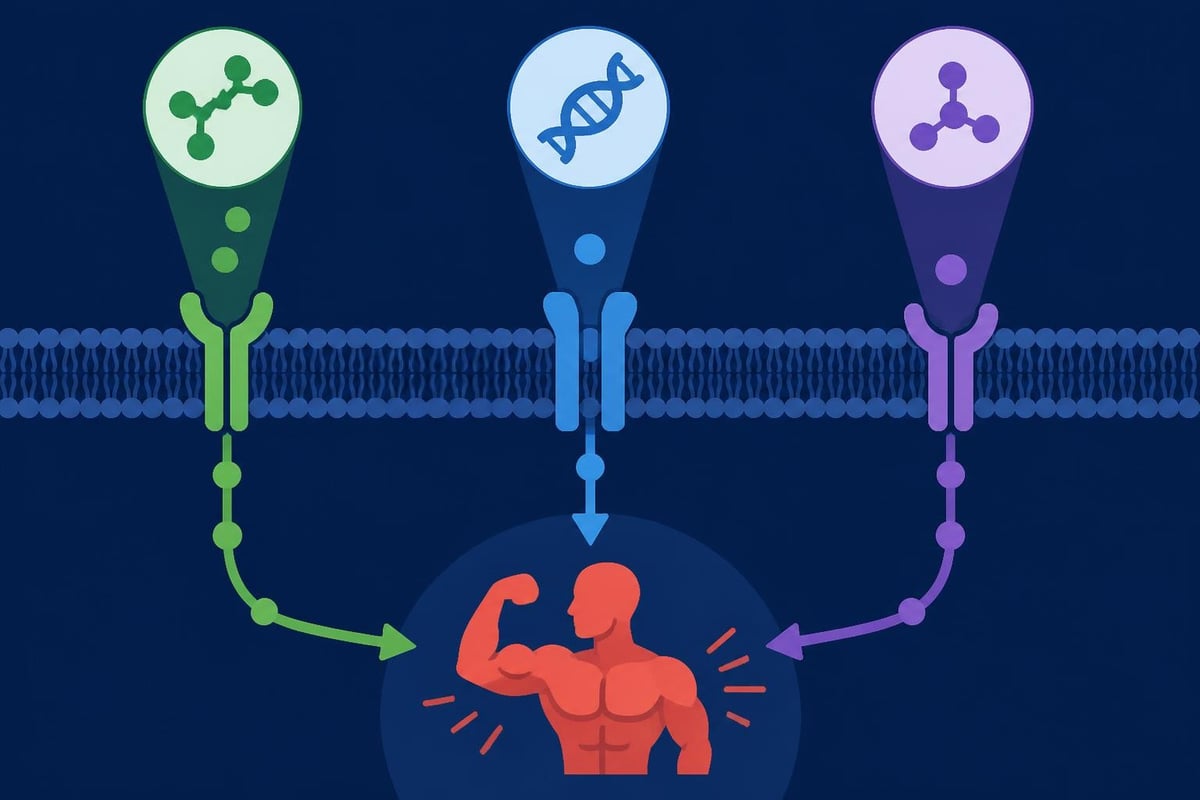
Peptides function as biological messengers that influence numerous physiological processes related to muscle growth and recovery. Unlike complete proteins, these shorter amino acid sequences deliver targeted effects by binding to specific receptors throughout the body.
The bodybuilding community has embraced peptides because they offer precision that traditional supplements cannot match. When you inject or administer these compounds, they interact with growth hormone pathways, cellular repair mechanisms, and metabolic processes that directly impact muscle tissue development.
Key mechanisms include:
- Stimulation of growth hormone production from the pituitary gland
- Enhanced protein synthesis at the cellular level
- Improved recovery through accelerated tissue repair
- Increased insulin-like growth factor 1 (IGF-1) levels
- Better nutrient partitioning and metabolic efficiency
Research shows that peptides for bodybuilding work through multiple pathways, making them more versatile than single-mechanism compounds. The specificity of peptide action allows bodybuilders to target particular aspects of muscle development without affecting unrelated systems.
Growth Hormone Secretagogues: The Foundation Compounds
Growth hormone secretagogues (GHS) represent the most popular category when discussing the best peptides for bodybuilding. These compounds stimulate your body's natural production of growth hormone rather than introducing synthetic hormone directly.
Ipamorelin: The Selective Option
Ipamorelin stands out for its selectivity and minimal side effects. This pentapeptide binds specifically to ghrelin receptors, triggering growth hormone release without significantly affecting cortisol or prolactin levels.
Athletes appreciate Ipamorelin because it delivers consistent results with predictable timing. The compound reaches peak concentration approximately 30 minutes after administration, making it ideal for strategic dosing around training sessions.
Benefits include:
- Increased lean muscle mass through enhanced protein synthesis
- Improved sleep quality and recovery
- Reduced body fat through metabolic enhancement
- Minimal impact on hunger or cortisol
Typical protocols involve dosing 200-300 mcg two to three times daily. Many bodybuilders combine Ipamorelin with other peptides to create synergistic effects.
CJC-1295: Extended Release Growth Hormone Support
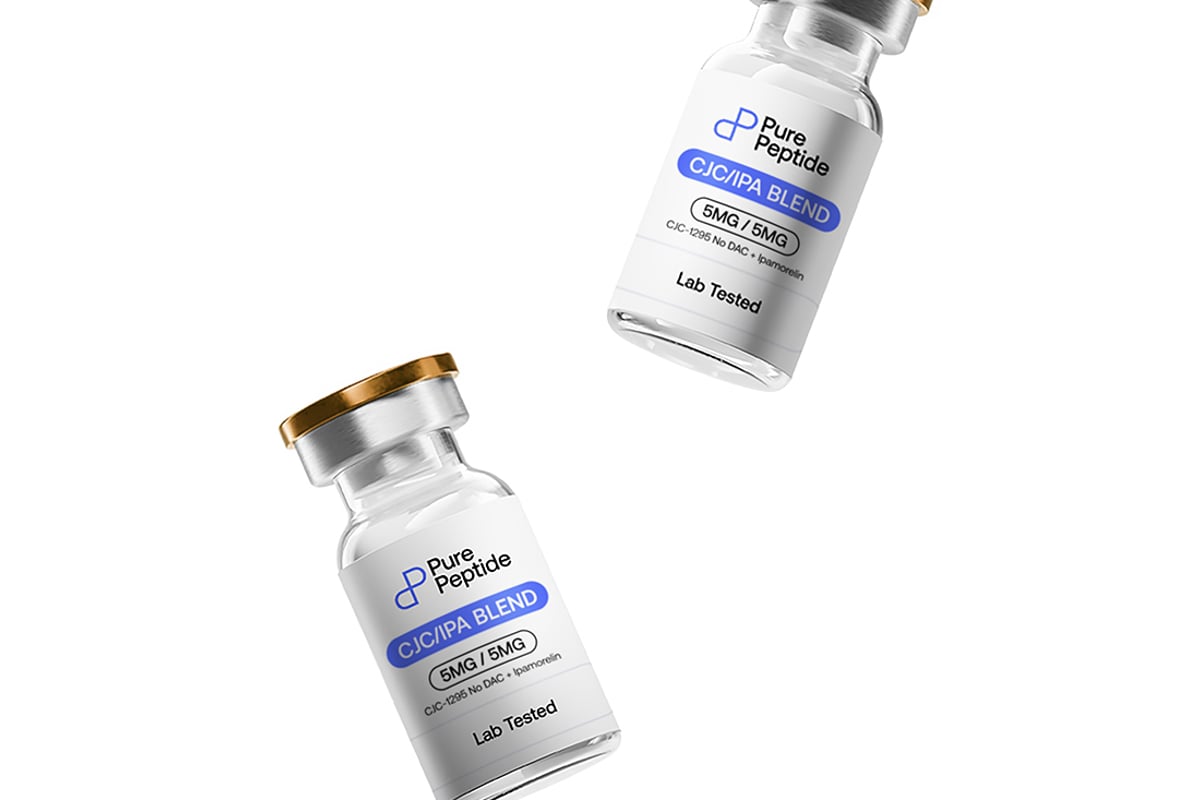
CJC-1295 comes in two variants: with DAC (Drug Affinity Complex) and without DAC. The no-DAC version provides shorter pulses that mimic natural growth hormone release patterns more closely.
This peptide extends the half-life of growth hormone-releasing hormone (GHRH), creating sustained elevation in growth hormone and IGF-1 levels. When combined with Ipamorelin, CJC-1295 creates a powerful synergistic effect that optimizes muscle growth through complementary pathways.
| Peptide Type | Half-Life | Dosing Frequency | Primary Benefit |
|---|---|---|---|
| CJC-1295 (No DAC) | 30 minutes | 2-3x daily | Natural GH pulses |
| CJC-1295 (DAC) | 6-8 days | 1-2x weekly | Sustained GH elevation |
| Ipamorelin | 2 hours | 2-3x daily | Selective GH release |
The synergy between these compounds creates amplified results compared to using either peptide alone. Soma Peptide's CJC-1295 NO DAC / Ipamorelin Blend combines these two powerful secretagogues in precise ratios designed to maximize natural growth hormone output while maintaining physiological balance throughout your training cycle.
Recovery and Healing Peptides for Intensive Training
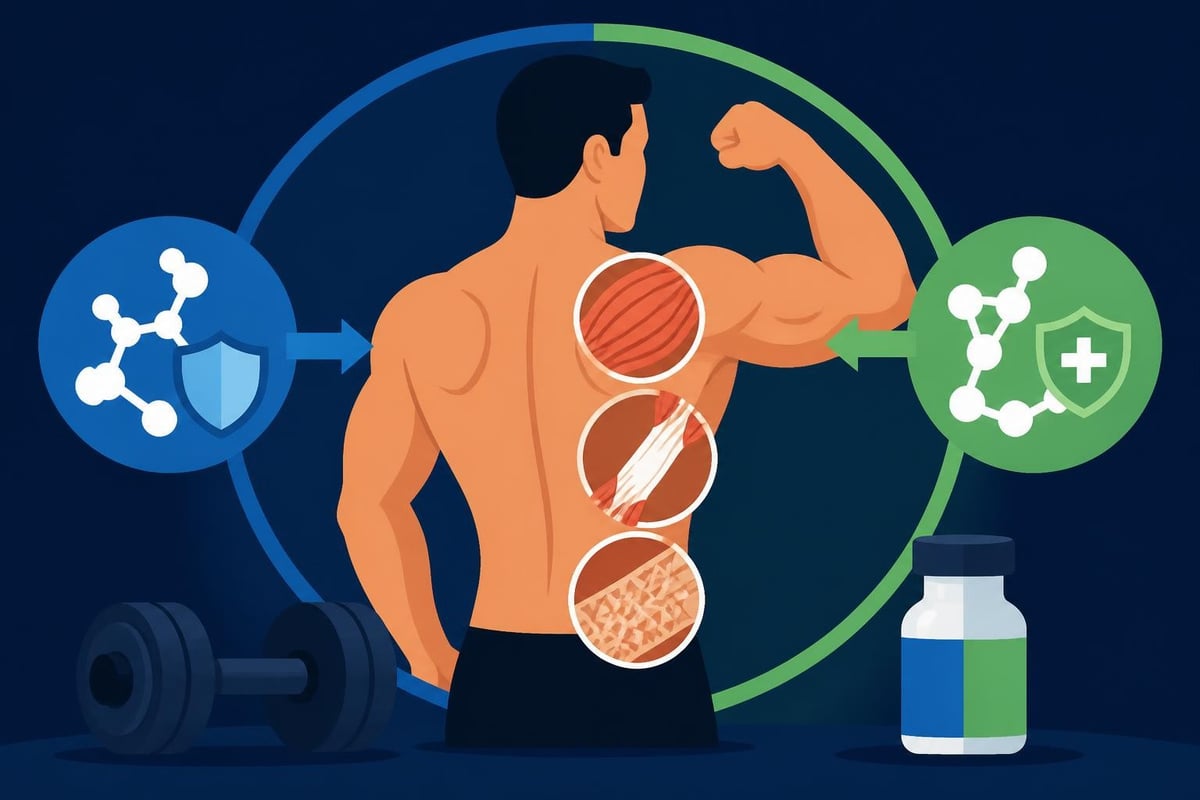
Bodybuilding places enormous stress on muscles, tendons, and connective tissues. Recovery peptides accelerate healing processes, allowing athletes to train harder and more frequently.
BPC-157: The Comprehensive Healing Agent
Body Protection Compound 157 (BPC-157) derives from a protective protein found in gastric juice. This stable peptide fragment demonstrates remarkable healing properties across multiple tissue types.
Research indicates BPC-157 promotes angiogenesis (new blood vessel formation), enhances collagen production, and modulates inflammatory responses. Bodybuilders use it to address:
- Muscle tears and strains
- Tendon injuries and chronic inflammation
- Joint pain and connective tissue damage
- Digestive issues that impact nutrient absorption
The compound works systemically even when injected locally, making it versatile for targeting specific problem areas or supporting general recovery. Many athletes consider BPC-157 essential when pushing training intensity to maximize muscle growth.
TB-500: Cellular Repair and Mobility
Thymosin Beta-4 fragment (TB-500) represents another crucial peptide in the bodybuilding recovery arsenal. This compound regulates actin, a protein essential for cell structure and movement.
TB-500 excels at promoting:
- Tissue repair through enhanced cellular migration
- Reduced inflammation in damaged areas
- Improved flexibility and range of motion
- Accelerated recovery from intense training sessions
Athletes frequently stack TB-500 with BPC-157 to create comprehensive healing protocols. The combination addresses both structural repair and inflammatory modulation, allowing bodybuilders to maintain consistent training schedules despite the mechanical stress of heavy lifting.
IGF-1 Variants for Direct Anabolic Effects
Insulin-like growth factor 1 (IGF-1) variants provide direct anabolic signaling to muscle tissue. These peptides bypass the growth hormone pathway, delivering immediate muscle-building effects.
IGF-1 LR3: Extended Half-Life Muscle Builder
IGF-1 LR3 (Long R3) features modifications that extend its half-life and reduce binding to IGF-binding proteins. This allows more of the peptide to reach muscle receptors and trigger growth responses.
The compound stimulates satellite cell activation, which contributes to muscle fiber hyperplasia (creation of new muscle fibers) rather than just hypertrophy (enlargement of existing fibers). This mechanism makes IGF-1 LR3 particularly valuable for advanced bodybuilders seeking to overcome genetic limitations.
Typical protocols include:
- Dosing 20-50 mcg post-workout
- Bilateral administration for symmetrical development
- Cycling 4-6 weeks to maintain receptor sensitivity
- Combining with proper nutrition to support anabolic processes
Athletes should note that IGF-1 variants require more careful management than growth hormone secretagogues. Understanding proper peptide protocols ensures safe and effective use.
GHRP-6 and GHRP-2: Appetite and Growth Stimulation
Growth Hormone Releasing Peptides (GHRPs) represent first-generation secretagogues that remain popular despite newer options. These compounds offer unique benefits beyond growth hormone stimulation.
GHRP-6 significantly increases appetite through ghrelin receptor activation. Bodybuilders in bulking phases leverage this effect to consume the calories necessary for substantial muscle growth. The compound also promotes growth hormone release, creating a dual benefit for mass building.
GHRP-2 provides similar growth hormone stimulation with less pronounced appetite effects. This makes it suitable for athletes seeking hormonal benefits without excessive hunger.
| Compound | GH Release | Appetite Effect | Best Use Case |
|---|---|---|---|
| GHRP-6 | Strong | Very High | Bulking phases |
| GHRP-2 | Strong | Moderate | Lean mass gains |
| Ipamorelin | Moderate | Minimal | Cutting/recomposition |
Both compounds elevate cortisol more than selective options like Ipamorelin. Strategic timing (avoiding dosing before bed) minimizes this concern for most users.
Metabolic Enhancement Peptides
While muscle growth represents the primary goal, the best peptides for bodybuilding often include compounds that optimize body composition through metabolic effects.
MOTS-c: Mitochondrial Function Optimizer
MOTS-c derives from mitochondrial DNA and influences metabolic regulation at the cellular level. This peptide enhances glucose utilization, improves insulin sensitivity, and supports efficient energy production.
Bodybuilders value MOTS-c for:
- Better nutrient partitioning (more nutrients directed to muscle)
- Enhanced endurance during training sessions
- Improved metabolic flexibility
- Support for maintaining lean mass during caloric restriction
The compound works particularly well when stacked with growth hormone secretagogues, as improved metabolic function maximizes the anabolic effects of elevated GH and IGF-1.
AOD-9604: Targeted Fat Reduction
AOD-9604 represents a modified fragment of growth hormone that retains fat-burning properties without affecting blood sugar or growth hormone receptors. This selective action makes it valuable during cutting phases.
The peptide stimulates lipolysis (fat breakdown) while inhibiting lipogenesis (fat formation). Bodybuilders use it to maintain muscle mass while reducing body fat percentage, creating the definition necessary for competition or aesthetic goals.
Research on metabolic peptides continues to reveal new applications for body composition optimization, making this an evolving area of peptide science.
Combining Peptides: Stacking Strategies
Advanced bodybuilders rarely use single peptides in isolation. Strategic stacking creates synergistic effects that exceed the sum of individual compounds.
The Classic Growth Stack
Combining CJC-1295 (No DAC) with Ipamorelin represents the most popular peptide stack. This pairing stimulates growth hormone through complementary pathways:
- CJC-1295 amplifies natural GHRH signaling
- Ipamorelin triggers ghrelin receptor activation
- Together they create sustained, pulsatile GH release
Athletes typically dose this stack 2-3 times daily, with particular attention to morning, post-workout, and pre-bed administration. Timing around these periods maximizes natural hormonal rhythms and recovery processes.
The Recovery Stack
Combining BPC-157 with TB-500 creates comprehensive healing support. This stack addresses both acute injuries and chronic inflammation that develops from intensive training.
Implementation approach:
- Initial loading phase: Higher doses for 2-4 weeks
- Maintenance phase: Reduced doses for ongoing support
- Strategic cycling: 8-12 weeks on, 4 weeks off
- Local and systemic administration: Targeted injections plus systemic dosing
This approach keeps connective tissues healthy while supporting the rapid recovery necessary for frequent, intense training sessions.
The Complete Anabolic Stack
Advanced bodybuilders may combine growth hormone secretagogues, IGF-1 variants, and recovery peptides:
- Morning: CJC-1295/Ipamorelin blend
- Post-workout: IGF-1 LR3
- Evening: BPC-157 and TB-500
- Before bed: Additional CJC-1295/Ipamorelin
This comprehensive approach addresses multiple aspects of muscle development simultaneously. However, such protocols require careful monitoring and understanding of how each compound interacts within your system.

Safety Considerations and Quality Standards
The effectiveness of the best peptides for bodybuilding depends entirely on compound purity and proper administration. Contaminated or incorrectly dosed peptides create health risks without delivering promised benefits.
Identifying Quality Peptides
Premium peptide manufacturers implement rigorous testing protocols to verify purity and potency. Look for suppliers who provide:
- Third-party laboratory testing certificates
- HPLC (High-Performance Liquid Chromatography) analysis
- Mass spectrometry verification
- Proper storage and handling procedures
Soma Peptide maintains strict quality control standards, ensuring each product meets pharmaceutical-grade purity specifications. This attention to detail protects users while maximizing peptide effectiveness.
Administration Best Practices
Proper reconstitution and injection technique significantly impact peptide efficacy. Most peptides arrive as lyophilized (freeze-dried) powder requiring reconstitution with bacteriostatic water.
Key steps include:
- Using appropriate water volume based on desired concentration
- Gentle mixing (never shake) to prevent peptide degradation
- Refrigerated storage after reconstitution
- Rotating injection sites to prevent tissue damage
- Using insulin syringes for subcutaneous administration
Understanding proper peptide handling prevents waste and ensures consistent results throughout your protocol.
Legal and Regulatory Considerations
Peptide legality varies significantly across jurisdictions and contexts. In the United States, most peptides exist in a regulatory gray area when used for research purposes.
The FDA has not approved most peptides for human use in bodybuilding or performance enhancement. Athletes competing in tested federations should verify their organization's stance on peptide use, as many banned substance lists include growth hormone secretagogues and related compounds.
Responsible use includes:
- Purchasing from legitimate research chemical suppliers
- Understanding local regulations regarding possession
- Working with knowledgeable healthcare providers when possible
- Avoiding peptides if competing in tested competitions
- Researching potential interactions with medications
The regulatory landscape continues evolving as peptide science advances. Staying informed protects both your health and competitive eligibility.
Optimizing Nutrition and Training for Peptide Use
Peptides enhance natural processes, but they cannot overcome poor training or nutrition. Maximizing results requires integrating peptides into a comprehensive program.
Protein Requirements
Growth hormone and IGF-1 elevation increases protein synthesis capacity. This means your muscles can process more dietary protein into new muscle tissue. Bodybuilders using peptides should consume 1.2-1.6 grams of protein per pound of body weight to provide adequate building blocks for enhanced anabolic signaling.
Timing matters as well. Distributing protein across 4-6 meals ensures consistent amino acid availability when peptide-induced anabolic signals peak.
Training Intensity and Volume
Peptides support recovery, potentially allowing increased training volume. However, more is not always better. Strategic progression prevents overtraining while capitalizing on enhanced recovery capacity.
Consider these adjustments:
- Slightly higher training frequency (5-6 days vs. 4-5)
- Additional working sets when recovery permits
- Shorter rest periods between training sessions
- Emphasis on progressive overload to stimulate continued adaptation
Monitor recovery markers like sleep quality, appetite, and strength progression to ensure your training volume matches your enhanced recovery capacity.
Nutrient Timing Strategies
Synchronizing nutrient intake with peptide administration maximizes anabolic effects. Post-workout represents a particularly important window:
- Administer IGF-1 variants immediately after training
- Consume fast-digesting protein within 30 minutes
- Include carbohydrates to drive nutrient partitioning
- Add creatine and other cell volumizers for synergistic effects
This coordinated approach ensures peak peptide levels coincide with optimal nutrient availability, driving maximum muscle protein synthesis.
Monitoring Progress and Adjusting Protocols
Tracking results helps determine whether your peptide protocol delivers expected benefits. Bodybuilders should monitor multiple metrics beyond simple scale weight.
Key Performance Indicators
Body composition changes:
- Weekly progress photos under consistent lighting
- Monthly DEXA scans or caliper measurements
- Circumference measurements of key muscle groups
- Body weight trends (understanding water retention from GH)
Performance metrics:
- Strength progression on key lifts
- Training volume capacity (sets and reps)
- Recovery time between sessions
- Sleep quality and duration
Biomarkers (if accessible):
- IGF-1 levels through blood testing
- Fasting glucose and insulin sensitivity
- Inflammatory markers (CRP, ESR)
- Thyroid function (as GH affects thyroid)
Detailed record-keeping reveals patterns that help optimize dosing, timing, and stacking strategies. Some users respond better to certain peptides or require different doses than published protocols suggest.
Making Intelligent Adjustments
If progress stalls after initial improvements, consider these modifications:
- Cycling off peptides for 4-8 weeks to restore receptor sensitivity
- Adjusting doses up or down based on individual response
- Changing injection timing relative to meals and training
- Adding complementary peptides to address weak points
- Evaluating whether nutrition or training limitations exist
The best peptides for bodybuilding work optimally when protocols adapt to individual responses rather than following rigid templates.
Emerging Peptides and Future Developments
Peptide science continues advancing, with new compounds entering research pipelines regularly. Several emerging options show promise for bodybuilding applications.
Follistatin-344
This peptide inhibits myostatin, a protein that limits muscle growth. By blocking myostatin's action, follistatin theoretically removes genetic limitations on muscle development. While research remains preliminary, bodybuilders experiment with this compound during growth phases.
Epithalon
Primarily studied for longevity and anti-aging, epithalon may support recovery through enhanced telomerase activity and improved sleep quality. Some athletes incorporate it into comprehensive peptide protocols for systemic health benefits that indirectly support training capacity.
Selective Androgen Receptor Modulators (SARMs) Peptides
Researchers continue developing peptide-based SARMs that provide anabolic effects with greater specificity than traditional options. These compounds remain largely experimental but represent potential future directions for peptide-enhanced bodybuilding.
Understanding emerging research through resources like current peptide studies helps athletes make informed decisions about incorporating new compounds as evidence develops.
Common Mistakes and How to Avoid Them
Even experienced bodybuilders make errors when implementing peptide protocols. Avoiding these pitfalls maximizes results while minimizing risks.
Unrealistic Expectations
Peptides enhance natural processes but do not create supernatural results. Expecting dramatic transformations within weeks leads to disappointment and potentially dangerous dose escalation.
Set realistic benchmarks:
- 0.5-1 pound of lean muscle gain monthly
- Gradual improvements in recovery capacity
- Modest fat loss when combined with proper diet
- Enhanced training performance over 8-12 weeks
Poor Reconstitution Practices
Improperly mixing peptides degrades their effectiveness. Common errors include using too much force when mixing, incorrect water types, or contaminated supplies.
Always use bacteriostatic water, add liquid slowly down the vial side, and gently swirl rather than shaking. These simple steps preserve peptide integrity.
Inconsistent Administration
Peptides work through cumulative effects. Skipping doses or irregular timing prevents optimal results. Treat peptide protocols like training sessions-consistency matters more than perfection.
Ignoring Diet and Training Fundamentals
No peptide compensates for inadequate nutrition or poor training programming. Ensure your foundation remains solid before adding peptide enhancement.
Building Your Personalized Protocol
Creating an effective peptide regimen requires assessing your specific goals, experience level, and individual response patterns.
Beginner Protocol
For those new to peptides, start simple:
- CJC-1295 (No DAC) + Ipamorelin blend
- 200-300 mcg dosing 2x daily
- 8-12 week initial cycle
- Monitor response before adding compounds
This foundation provides growth hormone support without overwhelming complexity. Many bodybuilders achieve excellent results with this basic stack when combined with proper training and nutrition.
Intermediate Protocol
With experience, add recovery support:
- Morning: CJC-1295/Ipamorelin (300 mcg)
- Post-workout: BPC-157 (250 mcg)
- Evening: CJC-1295/Ipamorelin (300 mcg)
- Before bed: TB-500 (2 mg, 2x weekly)
This balanced approach supports both growth and recovery, allowing increased training volume.
Advanced Protocol
Experienced users may incorporate additional compounds:
- Multiple daily GH secretagogue doses
- Post-workout IGF-1 LR3 administration
- Comprehensive recovery peptide stack
- Metabolic peptides during cutting phases
Advanced protocols require careful attention to cumulative effects and potential receptor desensitization. Periodic breaks prevent diminishing returns.
Implementing the best peptides for bodybuilding requires understanding their mechanisms, proper administration techniques, and how they integrate with training and nutrition fundamentals. These powerful compounds enhance natural processes, supporting muscle growth, accelerated recovery, and improved body composition when used strategically. If you're ready to elevate your bodybuilding results with premium-quality peptides backed by rigorous purity standards, explore the comprehensive selection at Soma Peptide, where advanced purification methods ensure you receive the highest-efficacy compounds available.