


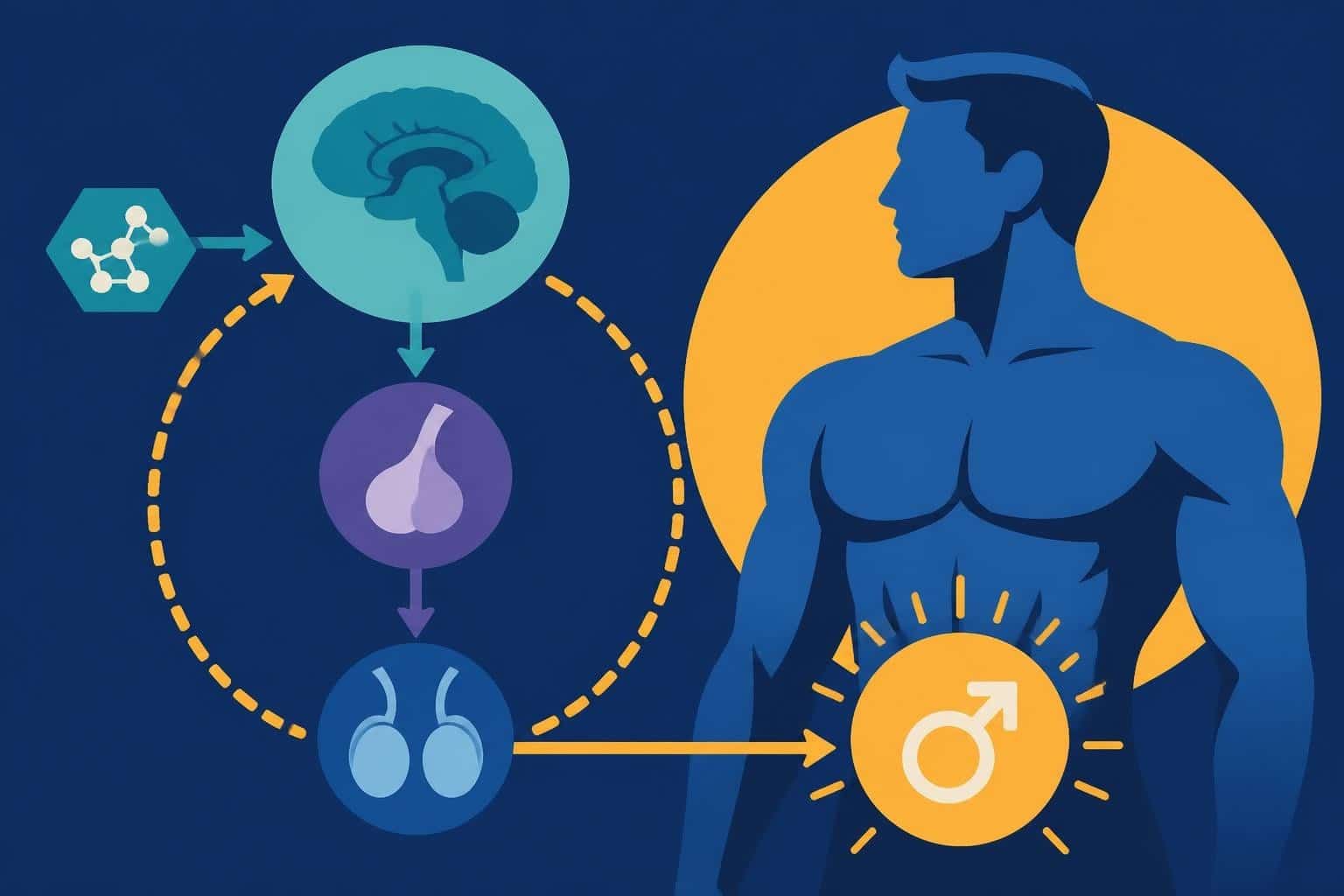
Testosterone levels naturally decline with age, stress, and lifestyle factors, affecting energy, muscle mass, recovery, and overall vitality. While traditional hormone replacement therapy remains an option, many individuals are exploring peptide-based approaches that work with the body's natural hormonal pathways. Peptides offer a targeted method to stimulate endogenous testosterone production rather than introducing synthetic hormones, making them an attractive option for those seeking hormonal optimization. Understanding which peptides deliver the most effective results requires examining their mechanisms, research backing, and practical applications.
Understanding How Peptides Influence Testosterone Production
Peptides work differently than direct testosterone replacement. Rather than supplying exogenous hormones, the best peptides to increase testosterone function by activating upstream regulatory pathways within the hypothalamic-pituitary-gonadal (HPG) axis. This approach encourages your body to produce its own testosterone naturally.
The HPG axis operates through a cascade of signaling molecules. The hypothalamus releases gonadotropin-releasing hormone (GnRH), which signals the pituitary gland to produce luteinizing hormone (LH) and follicle-stimulating hormone (FSH). LH then travels to the testes, where it stimulates Leydig cells to manufacture testosterone.
Key advantages of peptide-based approaches include:
- Preservation of natural feedback mechanisms
- Lower risk of testicular atrophy compared to exogenous testosterone
- Maintenance of fertility in most cases
- Potential for sustained endogenous production
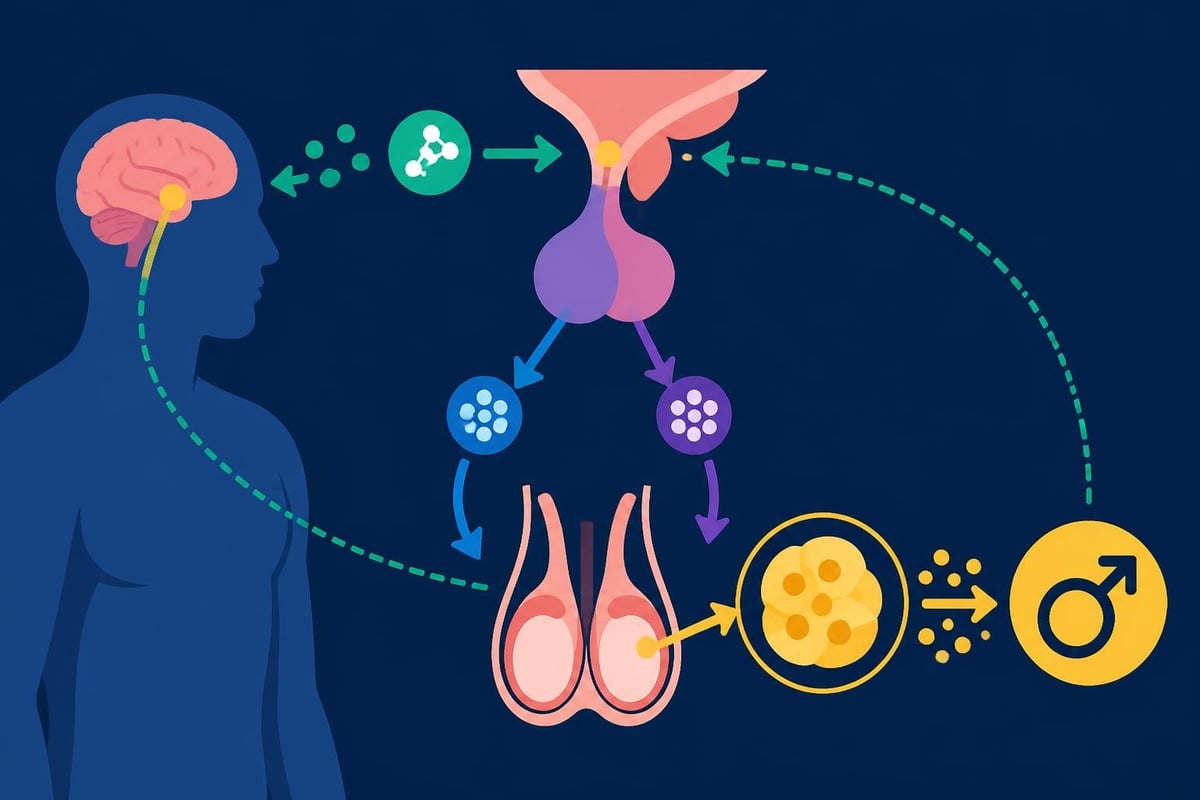
Research indicates that peptides can support natural hormonal pathways when used appropriately, though individual responses vary based on baseline hormone levels and overall health status.
Top Peptides for Testosterone Optimization
Gonadorelin (GnRH)
Gonadorelin represents one of the most direct peptide interventions for testosterone support. As a synthetic version of naturally occurring gonadotropin-releasing hormone, it directly stimulates the pituitary gland to release LH and FSH.
This peptide works best for individuals whose testosterone decline stems from hypothalamic or pituitary dysfunction rather than primary testicular failure. Clinical applications have demonstrated its effectiveness in restoring normal hormonal signaling patterns.
| Feature | Gonadorelin Details |
|---|---|
| Primary Mechanism | Direct GnRH receptor activation |
| Typical Protocol | Pulsatile dosing (mimics natural release) |
| Best For | Secondary hypogonadism |
| Research Status | Well-established clinical use |
Dosing considerations: Gonadorelin requires pulsatile administration to mirror natural GnRH secretion patterns. Continuous exposure can paradoxically downregulate receptors, reducing effectiveness over time.
Kisspeptin-10
Kisspeptin functions one step upstream from gonadorelin in the hormonal cascade. This peptide activates kisspeptin receptors on GnRH neurons, triggering natural GnRH release. Among the best peptides to increase testosterone, kisspeptin offers a particularly physiological approach.
Research from 2024 demonstrated that kisspeptin administration in healthy men produced significant increases in LH and testosterone levels within hours. The peptide appears especially promising for individuals with metabolic syndrome or obesity-related testosterone decline.
- Enhances natural GnRH pulsatility
- May improve fertility parameters
- Shows potential for metabolic health benefits
- Generally well-tolerated in clinical studies
The peptide's ability to work through the body's existing regulatory framework makes it an attractive option for those prioritizing natural hormonal balance.
CJC-1295 and Ipamorelin Combination
While primarily known for growth hormone support, CJC-1295 combined with ipamorelin influences testosterone through multiple pathways. Growth hormone and testosterone share several metabolic relationships, and optimizing GH levels often correlates with improved testosterone production.
CJC-1295 extends the half-life of growth hormone-releasing hormone (GHRH), while ipamorelin stimulates growth hormone release through ghrelin receptor activation. Together, they create sustained elevation in IGF-1 levels, which supports overall anabolic signaling.
HCG (Human Chorionic Gonadotropin)
Though technically a glycoprotein hormone rather than a peptide in the strictest sense, HCG deserves mention due to its widespread use for testosterone support. HCG mimics luteinizing hormone, directly stimulating Leydig cells to produce testosterone.
This approach proves particularly valuable for men using testosterone replacement therapy who want to maintain testicular function and fertility. Comparing traditional testosterone boosters and peptides reveals distinct advantages for each approach depending on individual goals.
HCG advantages include:
- Rapid testosterone increase
- Testicular size maintenance
- Preservation of intratesticular testosterone
- Support for spermatogenesis
The compound has decades of clinical use backing its safety profile when administered properly under medical supervision.
Peptide Stacking Strategies for Enhanced Results
Combining certain peptides can produce synergistic effects beyond what single compounds achieve. Understanding which combinations work best requires knowledge of complementary mechanisms.
Growth Hormone and Testosterone Synergy
Stacking growth hormone-releasing peptides with testosterone-supporting peptides addresses multiple aspects of hormonal optimization simultaneously. For instance, combining CJC-1295/ipamorelin with gonadorelin tackles both GH and testosterone pathways.

This approach proves especially beneficial for individuals over 40, when both hormones typically decline in parallel. Research from 2025 indicated that dual-pathway optimization produced superior body composition changes compared to single-hormone approaches.
Supporting Peptides for Overall Hormonal Health
Beyond direct testosterone stimulation, certain peptides support the hormonal environment more broadly:
- BPC-157: Supports tissue repair and may reduce inflammation affecting hormonal signaling
- Thymosin Beta-4: Promotes recovery and cellular regeneration
- Epithalon: Shows promise for circadian rhythm regulation, which influences testosterone production
The BPC-157 and TB-500 blend from Soma Peptide exemplifies how recovery-focused peptides complement hormonal optimization protocols by creating a more favorable physiological environment.
Dosing Protocols and Administration Guidelines
Proper peptide administration significantly impacts results. Unlike oral supplements, most peptides require subcutaneous or intramuscular injection to maintain bioavailability.
Frequency and Timing Considerations
| Peptide | Typical Frequency | Optimal Timing |
|---|---|---|
| Gonadorelin | 2-3x daily | Morning, afternoon, evening |
| Kisspeptin-10 | 1-2x daily | Morning preferred |
| CJC-1295 | 2-3x weekly | Before bed |
| Ipamorelin | 1-3x daily | Pre-workout, before bed |
| HCG | 2-3x weekly | Morning |
Timing matters because it aligns with natural hormonal rhythms. Testosterone production peaks in early morning hours, making morning administration of certain peptides particularly strategic.
Storage and reconstitution: Most peptides arrive as lyophilized powder requiring reconstitution with bacteriostatic water. Proper storage at 2-8°C (36-46°F) maintains peptide stability and potency. Soma Peptide's advanced purification methods ensure maximum stability and efficacy for all peptide products.
Cycling and Duration
Extended peptide use requires strategic cycling to prevent receptor desensitization. Most protocols recommend 8-12 week active phases followed by 4-6 week breaks, though individual responses vary.
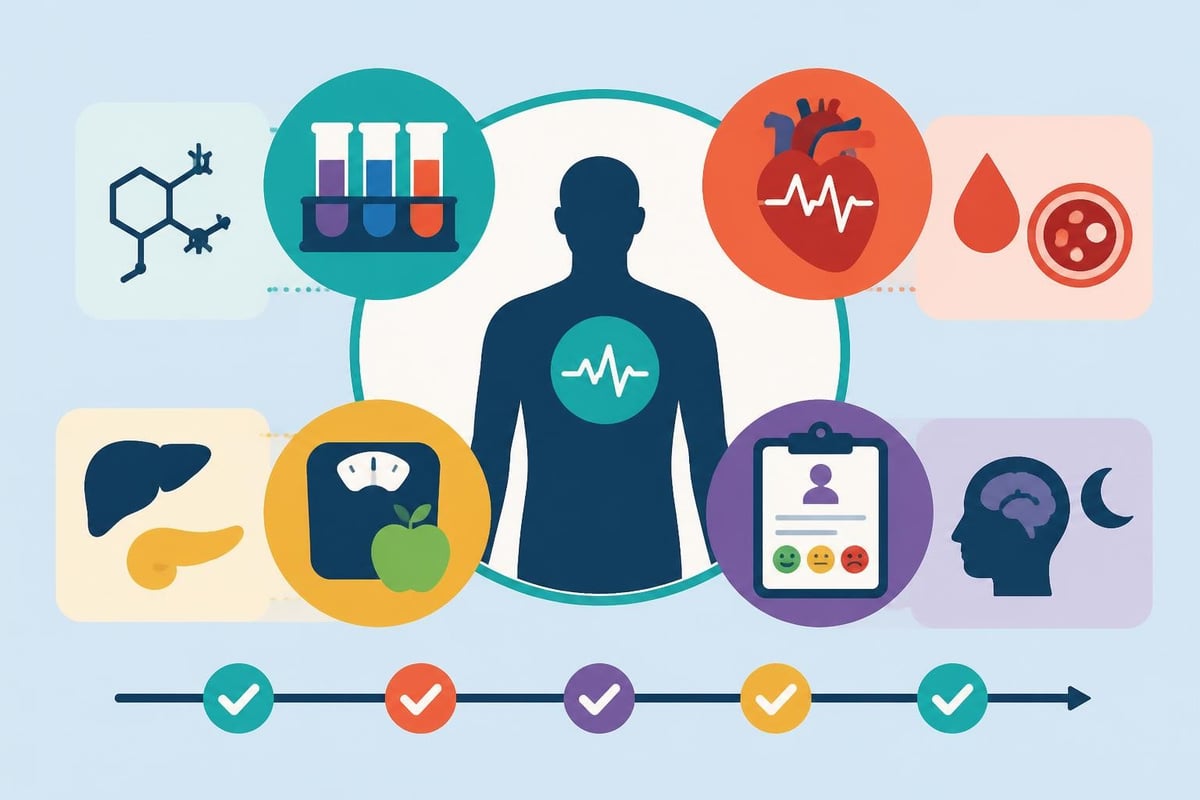
Monitoring through regular blood work helps track progress and adjust protocols. Key markers include:
- Total testosterone
- Free testosterone
- Luteinizing hormone (LH)
- Follicle-stimulating hormone (FSH)
- Estradiol
Testing every 4-6 weeks during active protocols provides data for informed adjustments.
Lifestyle Factors That Enhance Peptide Effectiveness
The best peptides to increase testosterone work optimally when supported by appropriate lifestyle choices. No peptide protocol can overcome consistently poor sleep, nutrition, or stress management.
Nutritional Considerations
Adequate dietary fat intake proves essential for testosterone synthesis. Research on dietary factors affecting testosterone demonstrates that excessively low-fat diets can suppress hormone production, potentially limiting peptide effectiveness.
Testosterone-supporting nutrients include:
- Zinc (found in oysters, beef, pumpkin seeds)
- Vitamin D (sunlight exposure, fatty fish, supplementation)
- Magnesium (leafy greens, nuts, whole grains)
- Healthy fats (olive oil, avocados, fatty fish)
Protein intake should support muscle maintenance and recovery, typically 0.8-1.2 grams per pound of body weight for active individuals using peptides for performance optimization.
Sleep and Circadian Rhythm Optimization
Testosterone production occurs primarily during sleep, with levels rising throughout the night and peaking upon waking. Sleep deprivation significantly impairs this natural rhythm, potentially reducing the effectiveness of peptide protocols.
Research consistently shows that men sleeping less than 5 hours nightly experience 10-15% lower testosterone levels compared to those getting 7-8 hours. Quality matters as much as quantity-deep sleep stages prove particularly important for hormonal restoration.
Stress Management and Cortisol Control
Chronic stress elevates cortisol, which antagonizes testosterone through multiple mechanisms. High cortisol levels suppress GnRH release, directly interfering with the pathways that the best peptides to increase testosterone aim to activate.
Effective stress management practices include regular exercise (without overtraining), meditation, time in nature, and maintaining strong social connections. Some individuals find adaptogenic compounds helpful for supporting healthy cortisol patterns.
Safety Considerations and Potential Side Effects
While peptides generally demonstrate favorable safety profiles compared to synthetic hormones, they're not without considerations. Understanding potential side effects helps users make informed decisions and recognize when adjustments are needed.
Common Side Effects by Peptide Type
Gonadorelin and Kisspeptin:
- Injection site reactions (redness, mild swelling)
- Headaches (typically mild and transient)
- Nausea (usually resolves with continued use)
- Flushing
Growth Hormone Peptides:
- Water retention
- Joint discomfort
- Carpal tunnel symptoms (with excessive dosing)
- Increased hunger
HCG:
- Acne or oily skin
- Mood changes
- Gynecomastia risk (if estrogen rises excessively)
- Testicular sensitivity
Most side effects resolve with dose adjustment or improved injection technique. Rotating injection sites prevents localized reactions, while starting with conservative doses allows tolerance assessment.
When to Seek Medical Supervision
Peptide use for hormonal optimization should occur under qualified medical supervision. Self-administration without proper testing and monitoring increases risks and reduces effectiveness. Medical-grade peptides from reputable sources ensure purity and accurate dosing.
Red flags requiring immediate medical attention include:
- Chest pain or cardiovascular symptoms
- Severe allergic reactions
- Vision changes
- Persistent severe headaches
- Signs of blood clots
Comparing Peptides to Other Testosterone Support Methods
Understanding where peptides fit within the broader landscape of testosterone optimization helps clarify when they represent the best choice.
Peptides vs. Testosterone Replacement Therapy (TRT)
Traditional TRT provides exogenous testosterone directly, offering predictable and substantial increases in testosterone levels. However, this approach suppresses natural production through negative feedback, potentially causing testicular atrophy and fertility issues.
| Factor | Peptides | TRT |
|---|---|---|
| Natural Production | Stimulates endogenous | Suppresses endogenous |
| Fertility Impact | Generally preserved | Usually suppressed |
| Administration | Varies by peptide | Weekly/bi-weekly injections |
| Regulatory Status | Research compounds | Prescription medication |
| Reversibility | Quick recovery | Recovery period needed |
Peptides designed for hormonal support offer particular advantages for younger men or those prioritizing fertility preservation. They work with the body's existing systems rather than replacing them.
Peptides vs. Natural Supplements
Natural testosterone boosters typically contain ingredients like D-aspartic acid, fenugreek, tribulus terrestris, and ashwagandha. While these may provide modest benefits, research shows limited effectiveness compared to peptide interventions.
Supplements work primarily through:
- Providing raw materials for hormone synthesis
- Reducing sex hormone-binding globulin (SHBG)
- Supporting overall metabolic health
Peptides, by contrast, directly activate hormonal signaling pathways, producing more pronounced and reliable effects. The trade-off involves greater administration complexity and higher costs.
Measuring Success and Adjusting Protocols
Effective peptide protocols require objective measurement rather than relying solely on subjective improvements. While enhanced energy, libido, and recovery provide valuable feedback, blood work offers concrete data for protocol optimization.
Essential Testing Markers
Comprehensive hormone panels should include:
- Total testosterone (baseline and response)
- Free testosterone (bioavailable fraction)
- Estradiol (monitor aromatization)
- LH and FSH (pituitary response assessment)
- SHBG (affects free testosterone availability)
- Prolactin (can inhibit testosterone if elevated)
- Thyroid panel (TSH, T3, T4 affect metabolism)
Additional metabolic markers including lipid panels, glucose, and hemoglobin A1c provide broader health context. Testosterone optimization should enhance overall health, not occur in isolation.
Timeline for Expected Results
Realistic expectations prevent premature protocol abandonment. Different peptides produce results on varying timelines:
Weeks 1-2: Minimal measurable changes; body adjusting to peptide signaling
Weeks 3-6: Initial improvements in energy, mood, and recovery; testosterone levels beginning to rise
Weeks 8-12: Noticeable changes in body composition, strength, and hormonal markers
Beyond 12 weeks: Continued optimization; consider cycling or protocol adjustments
Understanding peptide mechanisms and timelines helps set appropriate expectations and maintain consistency through the initial adaptation period.
Special Populations and Considerations
Not everyone benefits equally from peptide-based testosterone support. Certain populations require modified approaches or alternative strategies.
Age-Related Considerations
Men under 30 with testosterone concerns should investigate underlying causes before initiating peptide protocols. Primary hypogonadism, lifestyle factors, or medical conditions often require different interventions than age-related decline.
Men 30-50 typically respond well to the best peptides to increase testosterone, especially when decline relates to stress, poor sleep, or metabolic issues rather than primary testicular failure.
Men over 50 may benefit from combining peptides with other optimization strategies, as multiple systems typically require support at this life stage.
Athletic Performance Applications
Athletes must navigate complex regulations regarding peptide use. Most competitive sports organizations prohibit peptides that influence hormonal pathways, classifying them as performance-enhancing substances.
For recreational athletes and fitness enthusiasts not subject to drug testing, peptides used in bodybuilding offer legal alternatives to anabolic steroids while supporting natural hormonal optimization.
Recovery from Hormonal Suppression
Individuals recovering from previous anabolic steroid use or extended TRT often experience suppressed natural testosterone production. Post-cycle therapy (PCT) frequently incorporates peptides like HCG, gonadorelin, or kisspeptin to restart the HPG axis.
This application requires careful timing and monitoring to maximize natural production recovery. Starting too early while exogenous hormones remain active proves ineffective, while waiting too long extends the period of hypogonadism.
Quality and Sourcing Considerations
Peptide quality varies dramatically between suppliers. Purity, proper storage, and accurate labeling significantly impact both safety and effectiveness.
What to Look for in Peptide Suppliers
Premium peptide suppliers demonstrate several key characteristics:
- Third-party testing: Independent verification of purity and composition
- Proper storage: Temperature-controlled facilities and shipping
- Clear documentation: Certificates of analysis (COA) for each batch
- Established reputation: Positive reviews and industry standing
- Responsive support: Knowledgeable customer service
Soma Peptide exemplifies these standards through advanced purification methods and stringent quality control, ensuring customers receive peptides meeting pharmaceutical-grade specifications. The company's commitment to transparency includes accessible testing documentation and expert guidance.
Red Flags to Avoid
Several warning signs indicate potentially problematic suppliers:
- Unrealistically low prices suggesting impure or underdosed products
- Lack of testing documentation or reluctance to provide COAs
- Poor shipping practices without temperature control
- Vague product descriptions without specific peptide sequences
- Absence of proper business credentials or contact information
The peptide industry remains minimally regulated in many jurisdictions, making due diligence essential for safety and effectiveness.
The best peptides to increase testosterone offer targeted support for natural hormone production through various mechanisms along the HPG axis. From gonadorelin's direct pituitary stimulation to kisspeptin's upstream activation, these compounds provide alternatives to traditional hormone replacement while preserving natural feedback systems. Success requires proper peptide selection, appropriate protocols, supportive lifestyle factors, and reliable sourcing. Soma Peptide provides the premium quality peptides and expert guidance necessary for safe, effective hormonal optimization, backed by rigorous purity standards and comprehensive customer support.