


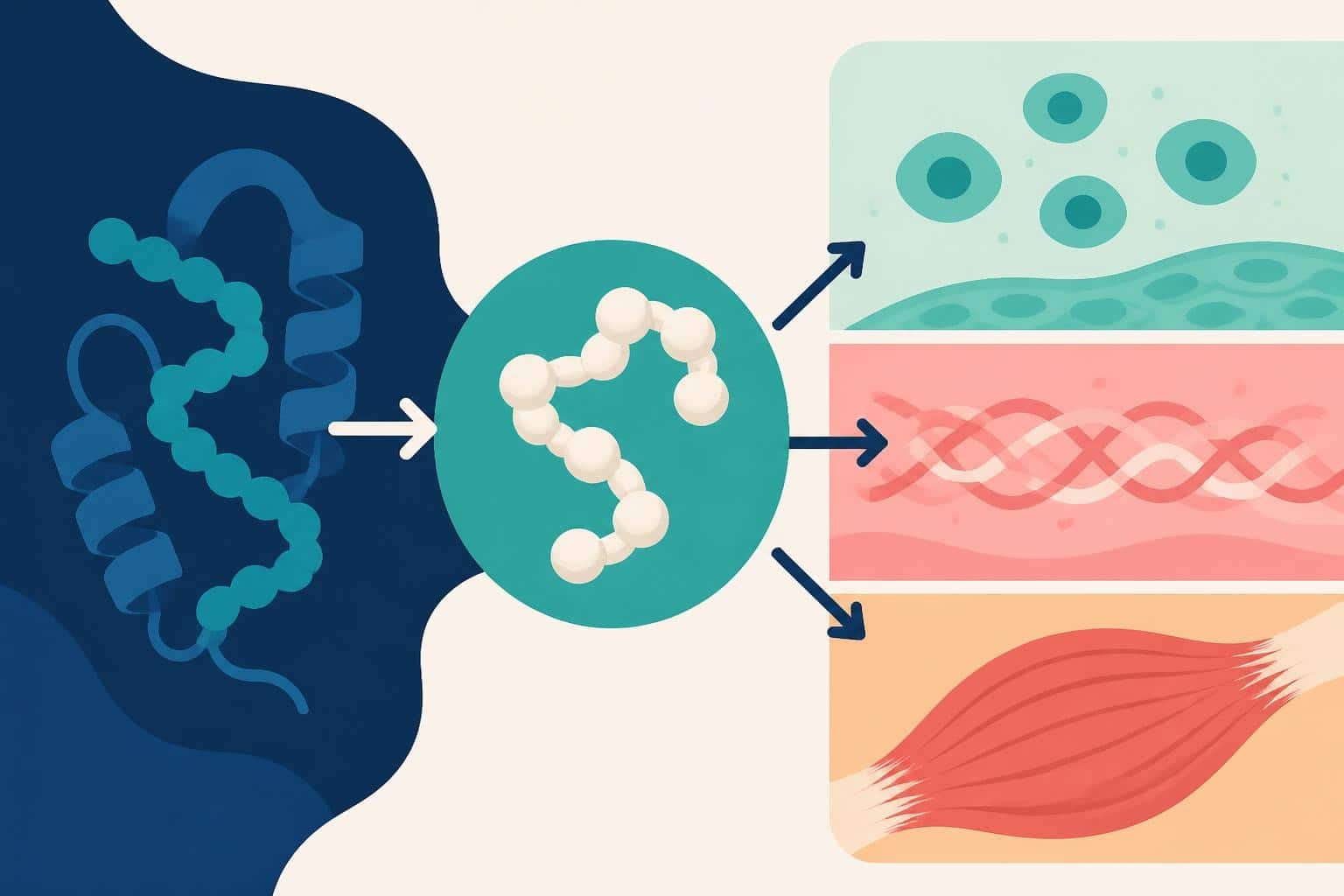
The convergence of biology and synthetic chemistry has produced remarkable innovations in therapeutic development, with biomimetic peptide research standing at the forefront of this scientific revolution. These engineered molecules replicate the structural and functional characteristics of naturally occurring peptides, offering enhanced stability, targeted delivery, and optimized biological activity. As the peptide industry continues to expand in 2026, understanding the principles behind biomimetic design has become essential for researchers, healthcare professionals, and consumers seeking advanced solutions for recovery, anti-aging, and performance enhancement.
Understanding Biomimetic Peptide Architecture
A biomimetic peptide represents a carefully engineered amino acid sequence designed to mimic the structure and function of naturally occurring biological molecules. Unlike traditional synthetic peptides, these compounds incorporate design principles observed in nature to achieve superior performance characteristics. The development process involves analyzing how natural peptides interact with cellular receptors, bind to target tissues, and resist enzymatic degradation.
Structural Foundations and Design Principles
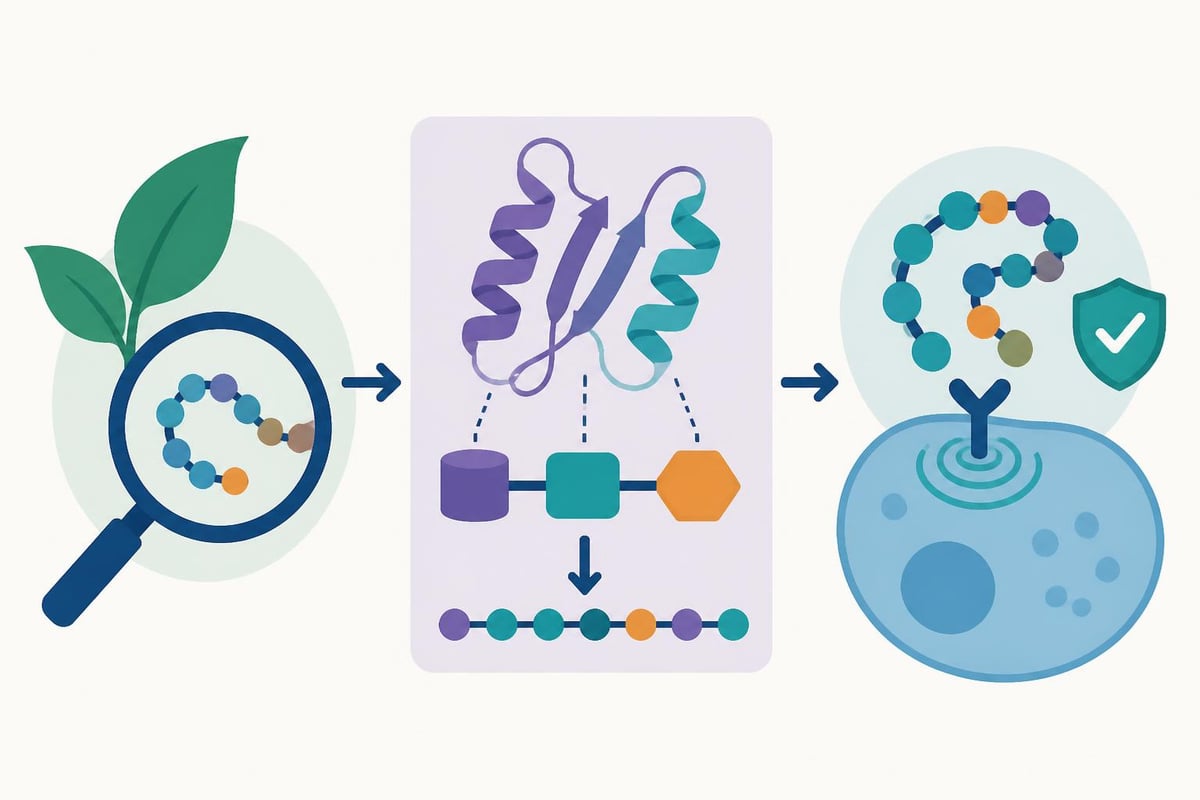
The architecture of biomimetic peptides draws inspiration from proteins found in extracellular matrices, signaling molecules, and structural proteins throughout the human body. Scientists examine these natural templates to identify key structural motifs responsible for biological activity. This biomimetic approach to peptide design enables researchers to create sequences that maintain therapeutic benefits while overcoming limitations inherent in naturally derived compounds.
Key architectural features include:
- Secondary structure optimization: Alpha-helices and beta-sheets that enhance receptor binding
- Sequence modification: Strategic amino acid substitutions to improve stability
- Functional domain preservation: Maintaining critical binding sites while enhancing other properties
- Conformational flexibility: Balanced rigidity and mobility for optimal target engagement
Self-Assembly Mechanisms
One remarkable property of biomimetic peptides involves their capacity for self-assembly into higher-order structures. When placed in physiological conditions, these molecules spontaneously organize into nanofibers, hydrogels, or supramolecular assemblies that can serve as scaffolds for tissue regeneration. The self-assembly of biomimetic and bioactive peptide-amphiphiles demonstrates how these materials can create environments that promote cellular growth and differentiation.
This self-organizing behavior stems from carefully balanced hydrophobic and hydrophilic domains within the peptide sequence. The amphiphilic nature drives molecules to arrange themselves in ways that minimize unfavorable interactions while maximizing stability. Such assemblies can present multiple binding sites simultaneously, amplifying therapeutic effects through multivalent interactions with cellular receptors.
Therapeutic Applications and Mechanisms of Action
The practical applications of biomimetic peptide technology extend across multiple domains of health and wellness. These compounds interact with specific cellular pathways to produce measurable physiological responses, making them valuable tools for addressing various health concerns.
Tissue Repair and Recovery Enhancement
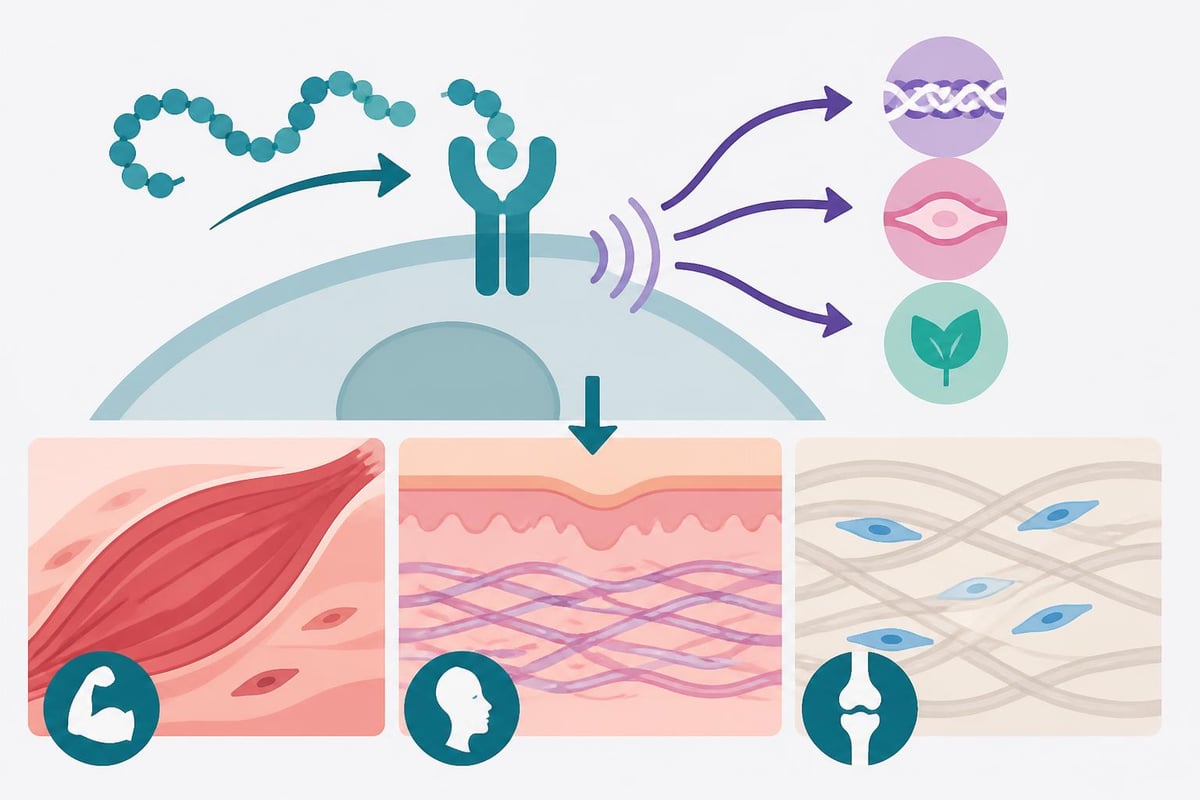
Biomimetic peptides designed to support tissue repair often incorporate sequences derived from growth factors, extracellular matrix proteins, or cell adhesion molecules. These compounds can accelerate healing processes by stimulating cellular migration, proliferation, and differentiation. For individuals focused on recovery following intense training or injury, biomimetic approaches offer targeted support for damaged tissues.
| Application Area | Mechanism | Expected Timeline |
|---|---|---|
| Soft tissue repair | Collagen synthesis stimulation | 2-4 weeks |
| Joint recovery | Proteoglycan production enhancement | 4-8 weeks |
| Muscle regeneration | Satellite cell activation | 3-6 weeks |
| Tendon healing | Fibroblast migration promotion | 6-12 weeks |
Research into biomimetic peptides for integrin-dependent signaling reveals how these compounds can engage specific cellular pathways crucial for bone and connective tissue formation. The precision of these interactions allows for targeted therapeutic effects without the broader systemic impacts associated with less specific interventions.
Anti-Aging and Skin Regeneration
The cosmetic and wellness industries have embraced biomimetic peptide technology for addressing visible signs of aging. These compounds can stimulate dermal fibroblasts to produce collagen and elastin, the structural proteins responsible for skin firmness and elasticity. Unlike topical treatments that only affect surface layers, properly formulated biomimetic peptides can penetrate deeper skin structures to promote genuine regenerative responses.
Mechanisms supporting anti-aging effects:
- Collagen type I and III synthesis upregulation
- Matrix metalloproteinase inhibition to reduce collagen breakdown
- Hyaluronic acid production enhancement for improved hydration
- Antioxidant pathway activation to protect against oxidative stress
- Cellular senescence markers reduction in dermal cells
Those seeking comprehensive anti-aging solutions benefit from understanding how biomimetic peptide formulations target multiple aging pathways simultaneously, producing more robust and lasting results than single-mechanism approaches.
Advantages Over Traditional Peptide Therapeutics
The biomimetic approach to peptide development addresses several critical limitations that have historically constrained the therapeutic utility of naturally derived peptides. These engineering advances translate directly into improved efficacy, convenience, and cost-effectiveness for end users.
Enhanced Stability and Half-Life
Natural peptides face rapid degradation by proteolytic enzymes throughout the body, resulting in extremely short biological half-lives. This instability necessitates frequent dosing and limits therapeutic applications. Biomimetic peptide design incorporates strategies to enhance in vivo half-life, including D-amino acid substitutions, cyclization, and strategic sequence modifications that resist enzymatic cleavage while maintaining biological activity.
The practical implications are significant. Extended half-life reduces dosing frequency, improves patient compliance, and maintains more consistent therapeutic levels. For individuals incorporating peptides into their wellness routines, this translates to fewer injections and more predictable results.
Improved Target Specificity
Biomimetic design enables precise tuning of receptor selectivity and binding affinity. By systematically modifying amino acid sequences, researchers can create peptides that engage specific receptor subtypes while avoiding off-target interactions. This specificity reduces the likelihood of unwanted side effects and allows for more predictable therapeutic responses.
| Property | Natural Peptides | Biomimetic Peptides |
|---|---|---|
| Receptor selectivity | Moderate | High |
| Enzymatic stability | Poor | Excellent |
| Half-life | Minutes to hours | Hours to days |
| Manufacturing scalability | Limited | Excellent |
| Batch consistency | Variable | Highly consistent |
Manufacturing and Quality Control Advantages
Synthetic production of biomimetic peptides offers substantial advantages over extraction from biological sources. Advanced solid-phase peptide synthesis enables precise control over sequence composition, resulting in products with exceptional purity and consistency. Soma Peptide's commitment to premium quality standards reflects these manufacturing capabilities, ensuring each batch meets stringent specifications for composition and biological activity.
The ability to synthetically produce biomimetic peptides also eliminates concerns about biological contamination, batch-to-batch variability, and supply chain limitations associated with animal or plant-derived materials. These factors contribute to the reliability and safety profile that consumers expect from modern peptide therapeutics.
Integration with Cellular Signaling Networks
Understanding how biomimetic peptides interface with complex cellular machinery provides insight into their therapeutic potential. These compounds don't simply bind to isolated receptors but rather modulate entire signaling cascades that regulate cellular behavior, metabolism, and gene expression.
Receptor-Mediated Pathway Activation
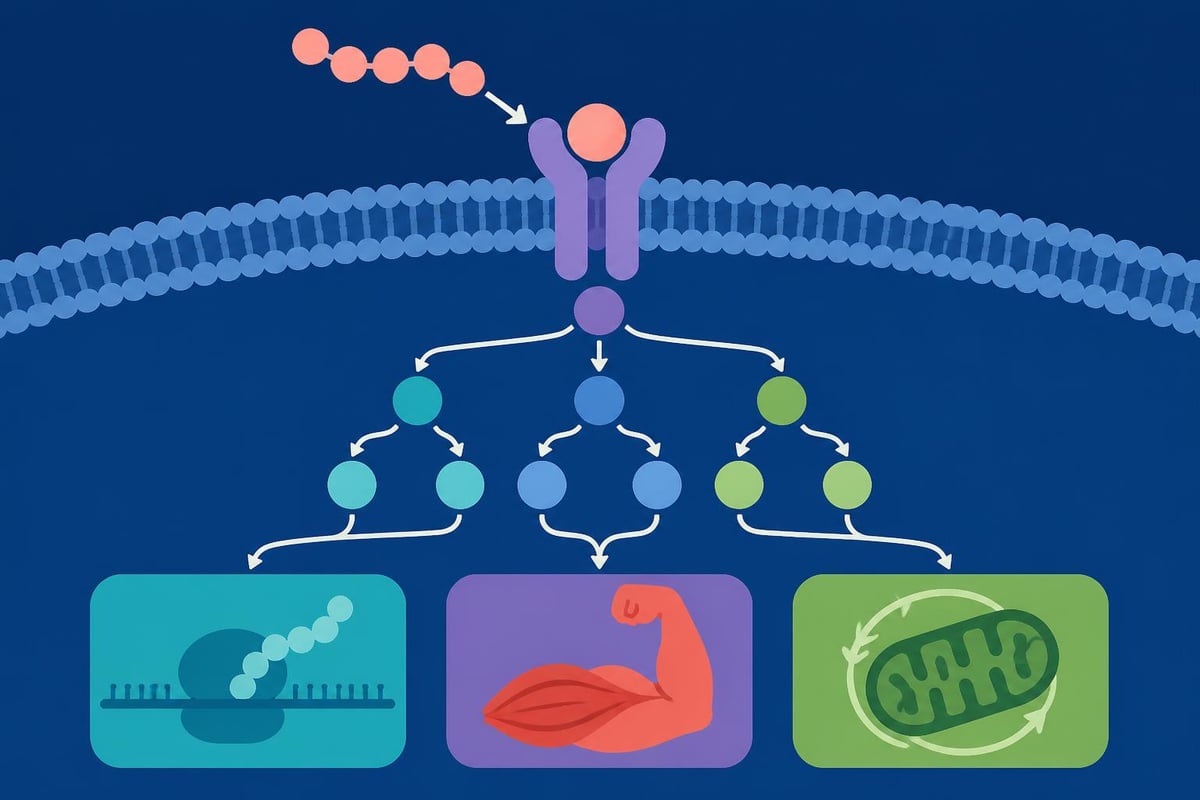
Many biomimetic peptides function by engaging cell surface receptors that trigger intracellular signaling cascades. Growth factor receptor mimetics, for example, can activate pathways involving mitogen-activated protein kinases (MAPK), phosphoinositide 3-kinase (PI3K), and mechanistic target of rapamycin (mTOR). These cascades ultimately influence gene transcription, protein synthesis, and cellular proliferation.
The regulation of cellular signaling through peptide-protein interactions demonstrates the sophistication with which biomimetic peptides can influence cellular behavior. This level of pathway specificity enables targeted interventions for muscle growth, metabolic optimization, and tissue regeneration.
Critical signaling pathways modulated by biomimetic peptides:
- Growth hormone/IGF-1 axis for anabolic effects
- AMPK pathway for metabolic regulation
- Notch signaling for stem cell maintenance
- Wnt/β-catenin for tissue development
- TGF-β superfamily for matrix remodeling
Extracellular Matrix Interactions
Beyond receptor engagement, certain biomimetic peptides interact directly with extracellular matrix components. These interactions can influence tissue architecture, mechanical properties, and cellular microenvironments. Peptides designed to enable biomimetic collagen mineralization exemplify how synthetic sequences can guide natural biological processes like bone formation and tissue organization.
Formulation Considerations and Delivery Strategies
The therapeutic potential of a biomimetic peptide depends not only on its molecular structure but also on how effectively it reaches target tissues and maintains bioavailability. Formulation science plays a crucial role in translating molecular design into clinical outcomes.
Stability in Solution
Peptides face multiple stability challenges in aqueous formulations, including aggregation, oxidation, and deamidation. Biomimetic designs that incorporate non-natural amino acids or modified backbones often demonstrate superior stability profiles. However, proper formulation still requires attention to pH, ionic strength, and excipient selection.
Advanced purification methods ensure that peptide preparations remain free from aggregates and degradation products that could compromise efficacy or safety. When evaluating suppliers, verification through third-party testing and certificates of analysis provides assurance of product integrity.
Administration Routes and Bioavailability
Most therapeutic peptides require parenteral administration due to poor oral bioavailability. Subcutaneous injection remains the most common delivery method, offering predictable absorption kinetics and self-administration convenience. Biomimetic modifications that enhance membrane permeability or resist gastrointestinal degradation represent active research areas that may eventually enable alternative delivery routes.
Current delivery methods ranked by effectiveness:
- Subcutaneous injection (highest bioavailability)
- Intramuscular injection (rapid systemic distribution)
- Transdermal systems (limited to small, lipophilic peptides)
- Intranasal delivery (bypasses first-pass metabolism)
- Oral formulations (typically requires significant modification)
Future Directions in Biomimetic Peptide Development
The field continues to advance rapidly, with emerging technologies promising even more sophisticated biomimetic designs. Computational modeling, artificial intelligence, and high-throughput screening enable researchers to predict peptide behavior and optimize sequences with unprecedented precision.
Computational Design and Prediction
Machine learning algorithms trained on vast databases of peptide structures and activities can now predict how sequence modifications will affect binding affinity, stability, and biological activity. These tools accelerate the design cycle, allowing researchers to explore thousands of potential sequences virtually before synthesizing the most promising candidates.
The integration of structural biology, computational chemistry, and clinical data creates feedback loops that continuously refine our understanding of structure-activity relationships. This knowledge accumulation benefits the entire field, enabling the development of increasingly effective therapeutic peptides.
Multi-Functional Biomimetic Constructs
Next-generation designs combine multiple functional domains within single peptide constructs. These chimeric molecules might include a targeting sequence for tissue-specific delivery, a therapeutic domain for biological activity, and a stabilizing region for enhanced half-life. Such sophisticated architectures enable unprecedented precision in therapeutic applications.
For consumers exploring options across weight loss, recovery, and performance enhancement categories, understanding these technological foundations helps inform selection of products incorporating cutting-edge biomimetic designs.
Quality Assurance and Purity Standards
The therapeutic efficacy of biomimetic peptides directly correlates with their purity and structural integrity. Impurities, degradation products, or sequence errors can compromise biological activity and potentially introduce safety concerns. Rigorous quality control throughout synthesis, purification, and storage ensures consistent performance.
Analytical Characterization Methods
Modern peptide manufacturing employs multiple analytical techniques to verify product quality:
| Analytical Method | Purpose | Specification |
|---|---|---|
| HPLC | Purity assessment | ≥95% for research grade |
| Mass spectrometry | Molecular weight confirmation | ±0.05% of theoretical |
| Amino acid analysis | Sequence verification | Match theoretical composition |
| Peptide content | Quantification | ≥80% by weight |
| Endotoxin testing | Safety verification | <1.0 EU/mg |
These rigorous standards ensure that each vial contains the specified peptide at declared concentrations, free from significant impurities. Consumers should expect transparency from suppliers regarding testing protocols and access to analytical data supporting product claims.
Storage and Handling Best Practices
Even the most stable biomimetic peptide requires proper storage to maintain potency. Lyophilized (freeze-dried) peptides typically demonstrate excellent stability when stored at -20°C or below, protected from light and moisture. Once reconstituted, most peptides require refrigeration and use within specified timeframes to prevent degradation.
Understanding these practical considerations maximizes the value derived from premium peptide products and ensures optimal results from therapeutic protocols.
Biomimetic peptide technology represents a sophisticated fusion of biological insight and synthetic chemistry, creating therapeutic molecules that harness nature's design principles while overcoming inherent limitations of natural compounds. The applications spanning tissue repair, metabolic optimization, and anti-aging reflect the versatility of this approach. For those ready to explore premium biomimetic peptide formulations backed by rigorous quality standards and advanced purification methods, Soma Peptide offers expertly developed products designed to support your health and performance goals with confidence and consistency.