



The therapeutic peptide landscape has expanded considerably in recent years, with growth hormone secretagogues emerging as powerful tools for muscle development, recovery, and anti-aging applications. Among these compounds, the cjc 1295 peptide stands out as one of the most extensively researched and widely utilized options available. This synthetic analog of growth hormone releasing hormone (GHRH) offers users the ability to increase endogenous growth hormone production through a sophisticated mechanism that works with the body's natural regulatory systems. Understanding how this peptide functions, its applications, proper administration protocols, and safety considerations has become essential for anyone exploring peptide therapy in 2026.
Understanding CJC 1295 Peptide Structure and Mechanism
The cjc 1295 peptide represents a modified version of GHRH consisting of 30 amino acids designed to resist degradation and extend activity duration. Developed by biotechnology company ConjuChem, this compound features a Drug Affinity Complex (DAC) technology that allows it to bind with serum albumin in the bloodstream. This binding mechanism extends the peptide's half-life from minutes to approximately eight days, fundamentally changing how frequently administration is required.
Receptor Interaction and Signaling
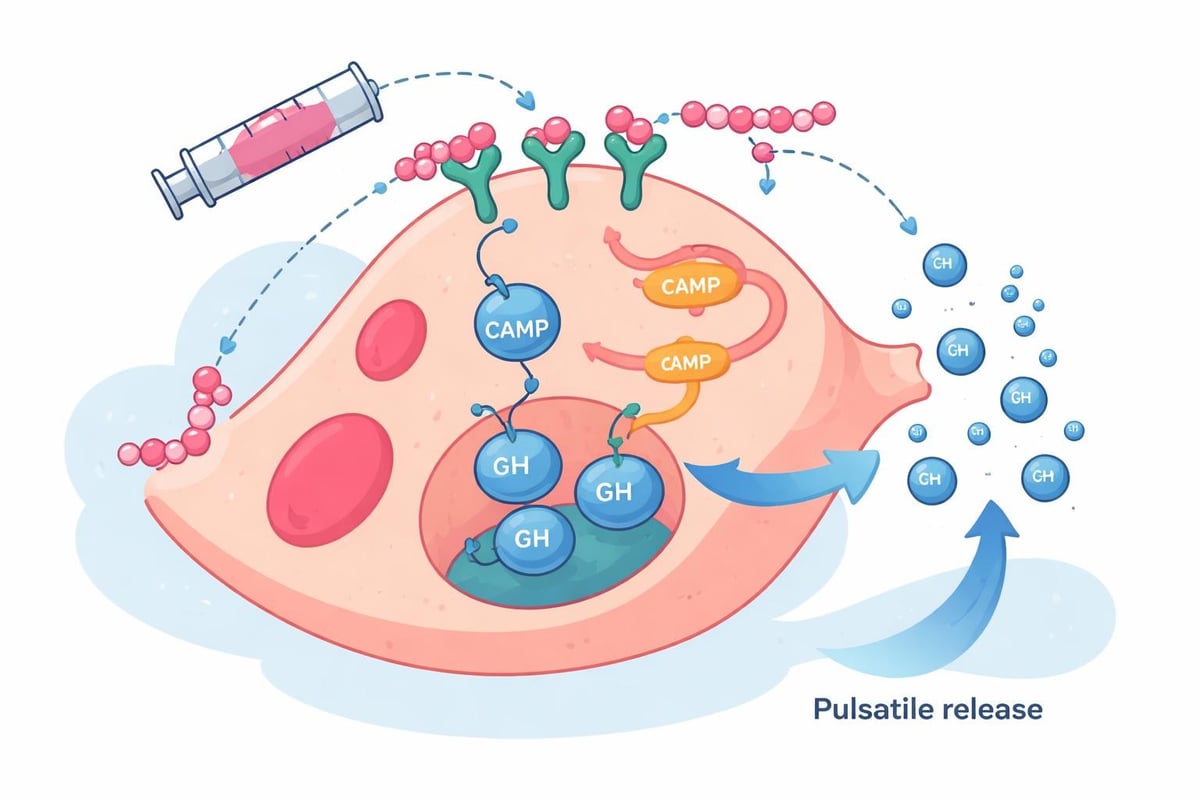
When administered, the cjc 1295 peptide binds to GHRH receptors located on somatotroph cells within the anterior pituitary gland. This binding activates adenylyl cyclase, increasing cyclic AMP (cAMP) levels within the cell. The elevated cAMP triggers a cascade of intracellular events culminating in growth hormone secretion.
Key advantages of this mechanism include:
- Preservation of natural pulsatile GH release patterns
- Minimal disruption to negative feedback loops
- Sustained elevation of IGF-1 levels
- Reduced risk of receptor desensitization compared to exogenous GH
The mechanisms of action demonstrate why CJC-1295 maintains therapeutic relevance across multiple applications, from athletic performance to age-related hormone decline.
Clinical Applications and Therapeutic Benefits
Research into the cjc 1295 peptide has revealed diverse applications spanning multiple health and performance domains. The compound's ability to elevate growth hormone and IGF-1 levels creates downstream effects throughout numerous physiological systems.
Muscle Growth and Body Composition
Athletes and bodybuilders have shown particular interest in CJC-1295 for its muscle-building potential. The elevated growth hormone and IGF-1 levels promote:
- Increased protein synthesis in skeletal muscle tissue
- Enhanced nitrogen retention supporting anabolic processes
- Greater lipolysis (fat breakdown) for improved body composition
- Improved muscle recovery following intense training sessions
Clinical observations indicate users may experience gradual increases in lean muscle mass over several months of consistent administration. Unlike anabolic steroids, the cjc 1295 peptide works through natural hormonal pathways, potentially reducing certain side effect risks.
| Application | Primary Mechanism | Expected Timeline |
|---|---|---|
| Muscle Growth | Increased protein synthesis, IGF-1 elevation | 8-12 weeks |
| Fat Loss | Enhanced lipolysis, metabolic rate increase | 6-10 weeks |
| Recovery | Improved tissue repair, reduced inflammation | 2-4 weeks |
| Anti-Aging | Cellular regeneration, collagen synthesis | 12-24 weeks |
Recovery and Injury Healing
The regenerative properties of elevated growth hormone levels make the cjc 1295 peptide valuable for recovery applications. Growth hormone stimulates chondrocyte proliferation and collagen synthesis, supporting connective tissue repair. Athletes recovering from injuries have reported accelerated healing timelines, though individual responses vary considerably.
For comprehensive recovery protocols, many practitioners combine CJC-1295 with complementary peptides like BPC-157, which targets localized tissue repair through different mechanisms.
Anti-Aging and Longevity Applications
As individuals age, natural growth hormone production declines significantly. This reduction contributes to various age-related changes including decreased muscle mass, increased adiposity, reduced bone density, and diminished skin elasticity. The potential benefits of CJC-1295 in addressing these concerns have generated substantial interest in age management medicine.
Documented anti-aging effects include:
- Improved skin thickness and elasticity
- Enhanced bone mineral density
- Better sleep quality and architecture
- Increased energy and vitality
- Cognitive function support
Peptide combinations such as the CJC-1295/Ipamorelin blend have gained popularity for synergistic effects on growth hormone release through complementary pathways.
Dosing Protocols and Administration Guidelines
Proper administration of the cjc 1295 peptide requires understanding of reconstitution, dosing schedules, and injection techniques. The compound typically arrives as lyophilized powder requiring reconstitution with bacteriostatic water before use.
Standard Dosing Recommendations
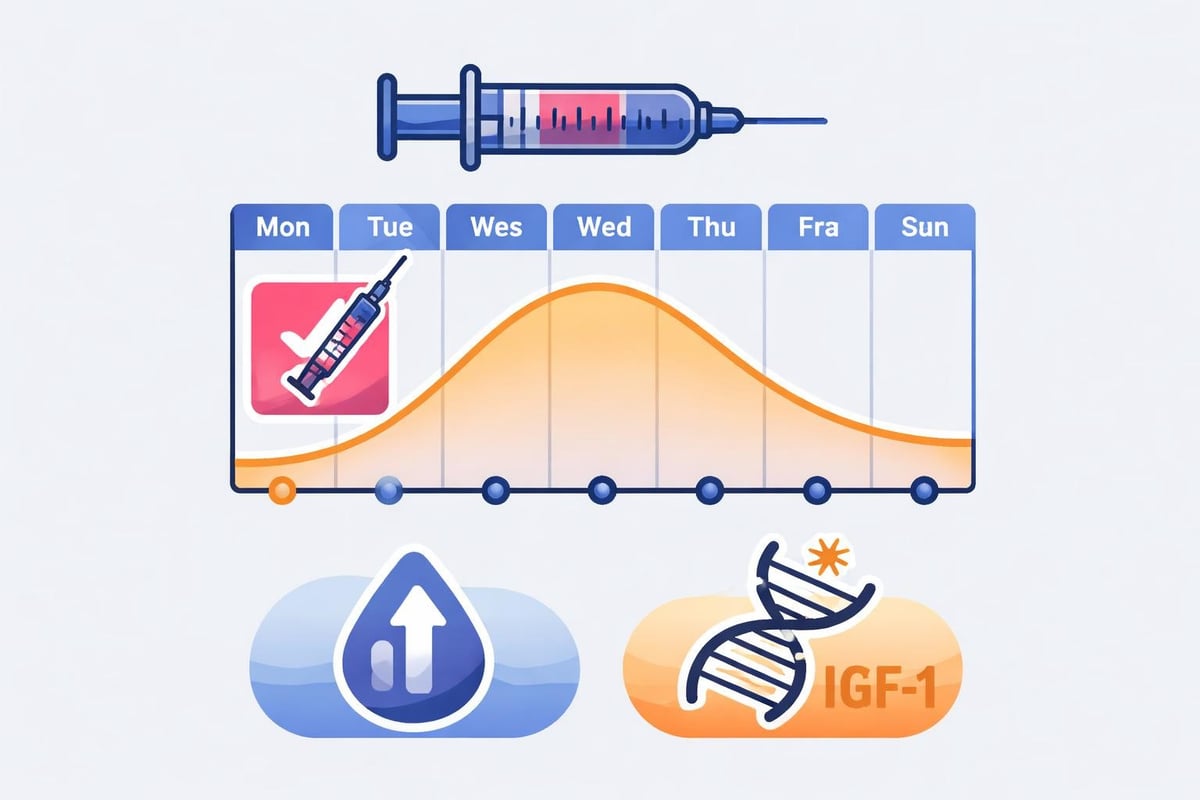
Most protocols utilize subcutaneous injection as the preferred administration route. The extended half-life of CJC-1295 with DAC allows for infrequent dosing compared to other peptides.
Typical dosing parameters:
- Frequency: Once or twice weekly
- Dosage range: 1-2 mg per injection
- Injection timing: Evening administration preferred for some users
- Cycle length: 8-16 weeks followed by rest periods
The less frequent dosing schedule represents a significant practical advantage for users seeking convenience. However, the CJC-1295 variant without DAC (modified GRF 1-29) requires multiple daily injections but offers more precise control over GH pulses.
Reconstitution and Storage
Proper handling ensures peptide stability and potency:
- Add bacteriostatic water slowly down the vial side
- Gently swirl (never shake) to dissolve powder
- Store reconstituted solution refrigerated at 2-8°C
- Use within 30 days of reconstitution
- Protect from light and temperature extremes
Quality supplies including sterile alcohol pads maintain injection site hygiene and reduce contamination risks.
Safety Profile and Side Effect Considerations
While generally well-tolerated, the cjc 1295 peptide can produce side effects related to increased growth hormone activity. Understanding potential adverse reactions helps users make informed decisions and recognize when medical consultation becomes necessary.
Common Side Effects
Most reported side effects remain mild and transient:
- Water retention and joint discomfort
- Numbness or tingling in extremities
- Injection site reactions (redness, swelling)
- Temporary fatigue or lethargy
- Headaches during initial weeks
These effects typically diminish as the body adapts to elevated growth hormone levels. Starting with conservative doses and gradually increasing can minimize initial reactions.
Contraindications and Precautions
Certain conditions warrant caution or avoidance of the cjc 1295 peptide:
| Condition | Recommendation | Rationale |
|---|---|---|
| Active Cancer | Avoid use | GH may stimulate tumor growth |
| Diabetic Retinopathy | Medical supervision required | Worsening vision complications possible |
| Pregnancy/Lactation | Contraindicated | Insufficient safety data |
| Severe Diabetes | Close monitoring needed | Blood sugar regulation effects |
The research database on CJC-1295 continues expanding, providing additional safety insights as long-term usage data accumulates.
Blood Sugar and Insulin Sensitivity
Growth hormone exhibits complex effects on glucose metabolism. While GH generally promotes insulin resistance during active elevation, some users report improved body composition that ultimately enhances metabolic health. Individuals with diabetes or metabolic syndrome should monitor blood glucose levels when using the cjc 1295 peptide.
Regulatory Status and Legal Considerations
Understanding the legal landscape surrounding peptide use has become increasingly important as regulatory agencies scrutinize these compounds. The legal status of CJC-1295 varies by jurisdiction and intended use.
FDA Status in 2026
The cjc 1295 peptide has not received FDA approval for any specific medical indication in the United States. The compound remains classified as an investigational new drug, restricting its legal sale to research purposes only. However, compounding pharmacies may provide peptides like CJC-1295 under physician supervision for legitimate therapeutic purposes.
Key regulatory considerations include:
- Not approved for over-the-counter sale
- Available through licensed healthcare providers
- Research chemical status for non-clinical applications
- Subject to quality control regulations for compounded preparations
The FDA status and regulatory framework continues evolving as peptide therapeutics gain mainstream medical acceptance.

Athletic and Sports Use
Major athletic organizations including WADA (World Anti-Doping Agency) prohibit the cjc 1295 peptide for competitive athletes. The compound appears on banned substance lists due to its growth hormone-releasing properties. Detection methods using liquid chromatography-mass spectrometry can identify CJC-1295 in biological samples, making testing feasible for enforcement.
Combining CJC 1295 with Other Peptides
Many advanced protocols incorporate the cjc 1295 peptide alongside complementary compounds to achieve synergistic effects. Understanding proper combinations maximizes results while managing potential interactions.
CJC 1295 and Ipamorelin
This combination represents one of the most popular peptide stacks. While CJC-1295 acts as a GHRH analog, Ipamorelin functions as a growth hormone secretagogue (GHSR) working through ghrelin receptors. The dual-pathway stimulation produces:
- More pronounced GH release compared to either compound alone
- Maintained pulsatile release patterns
- Potentially reduced side effects through lower individual doses
- Enhanced IGF-1 elevation for anabolic effects
Additional Synergistic Compounds
Performance and recovery stacks often include:
- Tesamorelin: Another GHRH analog with complementary properties
- GHRP-2 or GHRP-6: Alternative ghrelin mimetics
- Epitalon: For additional anti-aging and telomere support
- Tirzepatide: When metabolic optimization is prioritized
The specific combination depends on individual goals, tolerance, and response patterns. Medical oversight ensures appropriate protocols and monitoring.
Quality Considerations and Sourcing
Peptide purity directly impacts both efficacy and safety. The cjc 1295 peptide obtained from reputable sources undergoes rigorous quality control testing to verify composition and eliminate contaminants.
Testing and Verification Standards
Premium peptide suppliers implement multiple quality assurance steps:
- HPLC analysis confirming peptide purity (typically >98%)
- Mass spectrometry verifying molecular weight and structure
- Sterility testing ensuring absence of microbial contamination
- Endotoxin testing detecting bacterial byproducts
- Certificate of Analysis (COA) documentation for each batch
Third-party testing provides independent verification of supplier claims. Purchasing from established providers reduces risks associated with counterfeit or degraded products.
Storage and Handling Best Practices
Maintaining peptide integrity from purchase to injection requires proper storage protocols. Lyophilized cjc 1295 peptide remains stable at room temperature for limited periods but benefits from refrigeration for long-term storage. Once reconstituted, refrigeration becomes essential to prevent degradation.
Storage guidelines by state:
| Form | Temperature | Duration | Notes |
|---|---|---|---|
| Lyophilized | 2-8°C preferred | 1-2 years | Room temp acceptable short-term |
| Reconstituted | 2-8°C required | 30 days | Protect from light |
| In transit | Cool packs recommended | 48-72 hours | Avoid temperature extremes |
Monitoring and Optimizing Results
Maximizing benefits from the cjc 1295 peptide requires systematic tracking and appropriate adjustments based on individual response. Laboratory testing provides objective data to guide protocol optimization.
Key Biomarkers to Monitor
Regular blood work helps assess effectiveness and safety:
- IGF-1 levels: Primary marker of GH activity (target depends on age and goals)
- Fasting glucose and HbA1c: Metabolic health indicators
- Complete blood count: General health screening
- Liver enzymes: Monitoring for unexpected effects
- Thyroid panel: Hormonal system assessment
Testing every 8-12 weeks during active use allows timely protocol adjustments. Baseline measurements before starting provide comparison reference points.
Subjective Markers and Self-Assessment
Beyond laboratory values, users should track subjective improvements:
- Changes in body composition (measurements, photos)
- Sleep quality and recovery rates
- Energy levels throughout the day
- Strength and performance metrics
- Skin quality and appearance
- Joint comfort and mobility
Maintaining detailed logs helps identify patterns and optimize timing, dosing, and cycle length for the cjc 1295 peptide.
Comparing CJC 1295 to Alternative Growth Hormone Therapies
Understanding how the cjc 1295 peptide compares to other options helps individuals select appropriate interventions for their specific situations.
CJC 1295 vs. Synthetic HGH
Direct growth hormone replacement differs fundamentally from peptide secretagogues:
CJC 1295 advantages:
- Works through natural pathways
- Maintains pulsatile release patterns
- Lower cost compared to pharmaceutical GH
- Potentially reduced side effect profile
Synthetic HGH advantages:
- More predictable dosing and response
- Greater magnitude of GH elevation
- Extensive clinical research supporting use
- Established medical applications
The choice between these approaches depends on goals, budget, medical history, and physician recommendations.
Other Peptide Alternatives
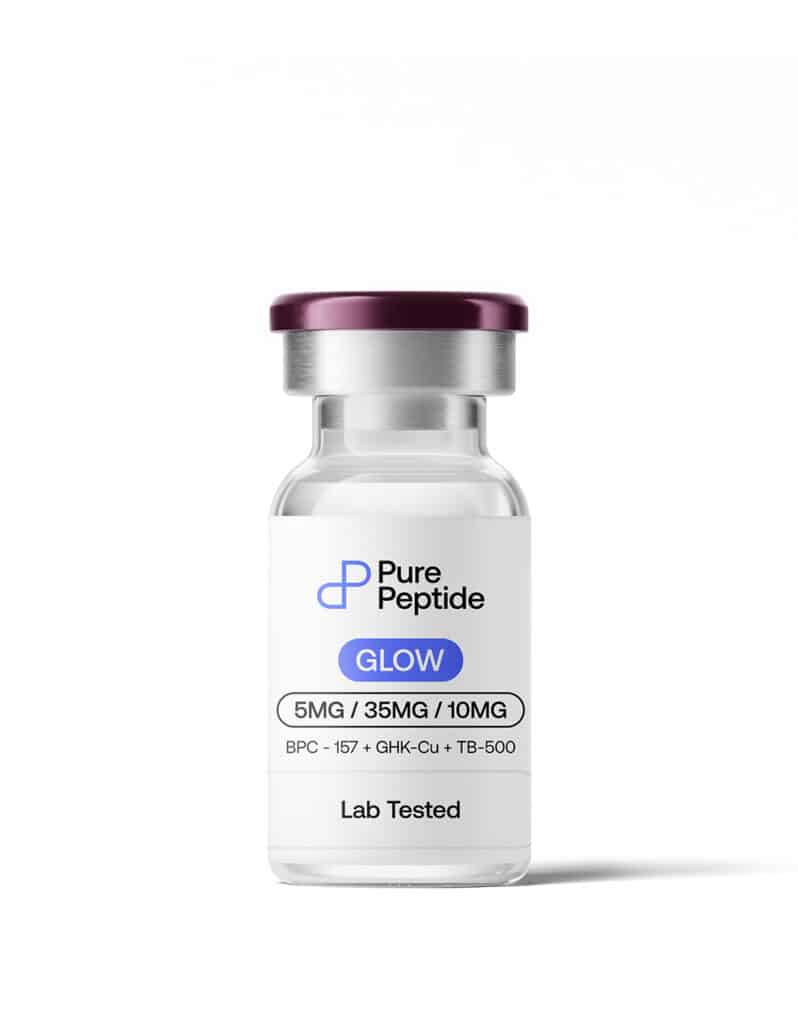
Several peptides offer similar benefits through varied mechanisms. Retatrutide addresses metabolic optimization through different pathways, while specialized combinations like Glow Blend target specific aesthetic outcomes.
The cjc 1295 peptide represents a sophisticated tool for individuals seeking to optimize growth hormone levels through physiological pathways. Success requires understanding proper protocols, maintaining realistic expectations, and prioritizing safety through medical oversight and quality sourcing. Soma Peptide provides premium-grade peptides manufactured under strict quality standards, ensuring you receive authentic compounds backed by rigorous purity testing and comprehensive support for your health optimization journey.