



Growth hormone-releasing hormone peptides represent a breakthrough in therapeutic peptide science, offering a natural approach to stimulating the body's own growth hormone production. Unlike direct hormone replacement, ghrh peptide works by signaling the pituitary gland to increase endogenous secretion, making it an attractive option for individuals seeking to support muscle growth, enhance recovery, promote fat loss, and address age-related decline in hormone levels. As research continues to expand in 2026, these peptides have gained recognition for their safety profile and targeted mechanism of action.
Understanding Growth Hormone-Releasing Hormone
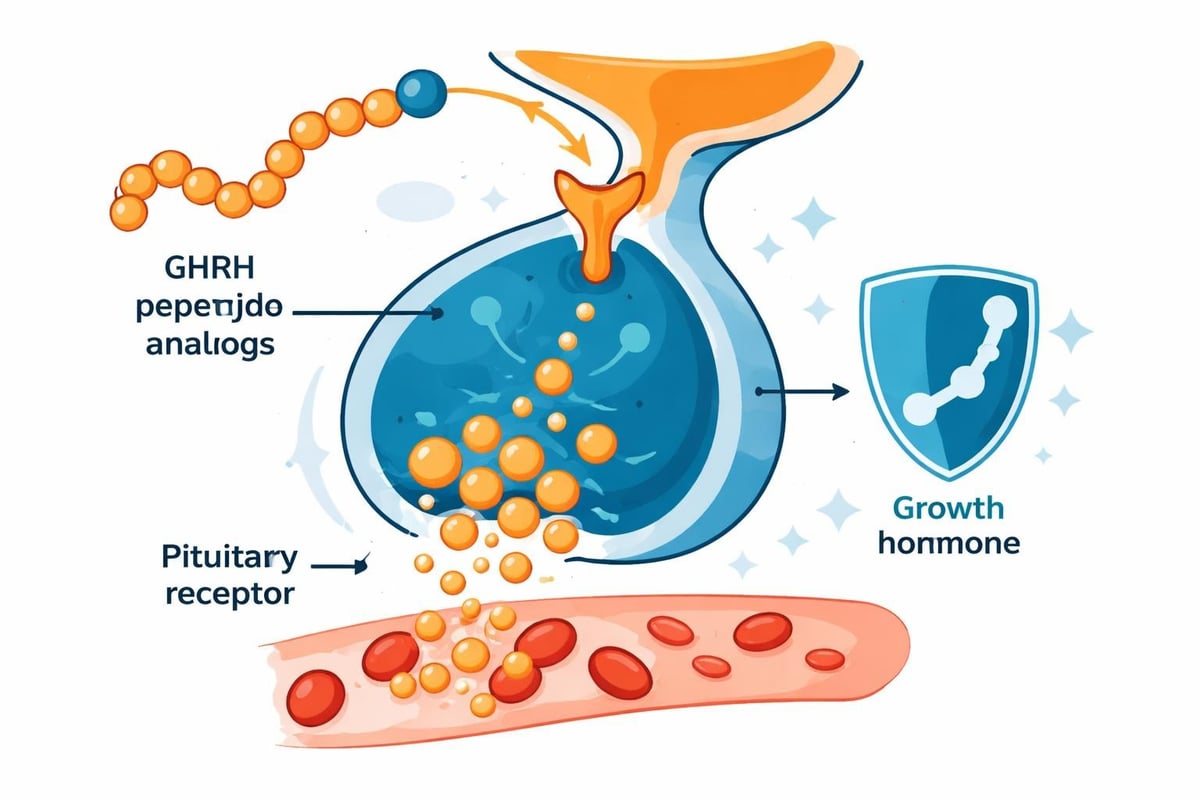
Growth hormone-releasing hormone is a naturally occurring peptide produced by the hypothalamus. This 44-amino acid sequence plays a central role in regulating growth hormone secretion from the pituitary gland. When GHRH binds to specific receptors on somatotroph cells, it triggers a cascade of cellular events that result in the synthesis and release of growth hormone into the bloodstream.
The body's natural production of GHRH follows a pulsatile pattern, with secretion occurring in rhythmic bursts throughout the day and night. These pulses are influenced by various factors including sleep patterns, nutrition, stress levels, and age. As individuals advance beyond their twenties, both GHRH and growth hormone production gradually decline, contributing to changes in body composition, reduced muscle mass, increased fat accumulation, and decreased recovery capacity.
Natural GHRH vs. Synthetic Analogs
The native GHRH molecule has a relatively short half-life in the bloodstream, typically degraded within minutes by enzymes. This rapid breakdown limits its therapeutic utility. Synthetic ghrh peptide analogs have been developed to overcome this limitation while maintaining the beneficial properties of the natural hormone.
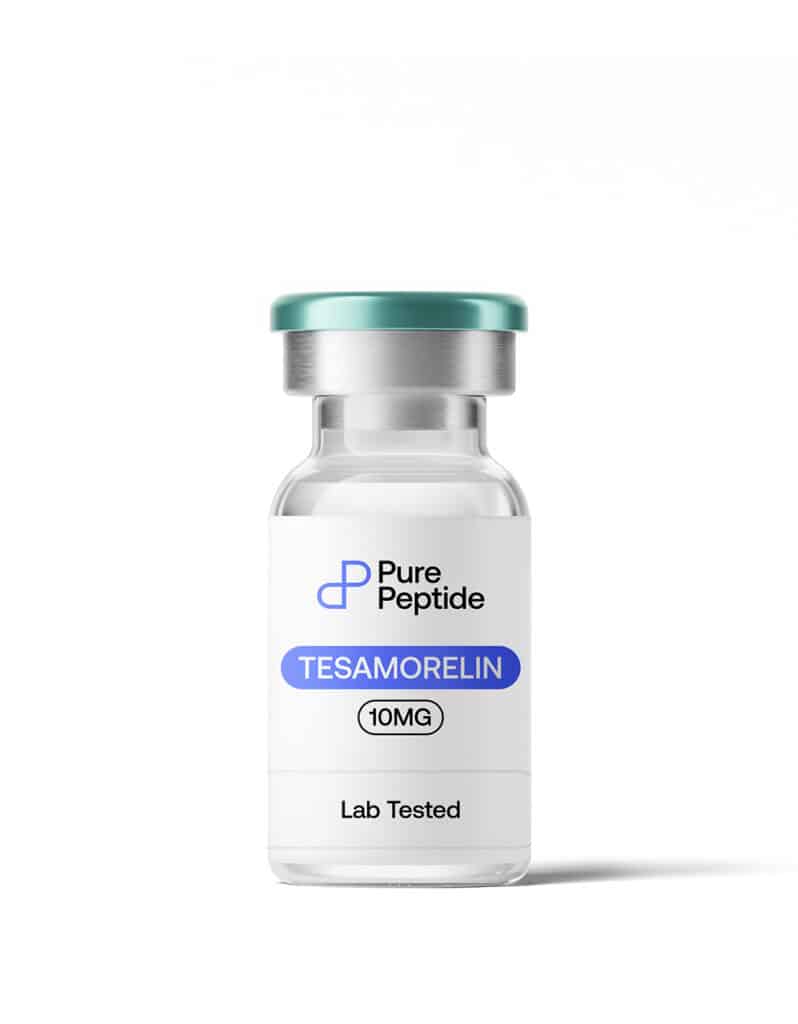
These modified versions feature strategic amino acid substitutions that resist enzymatic degradation while preserving receptor binding affinity. Sermorelin represents the first 29 amino acids of natural GHRH and has been extensively studied for its clinical applications. Tesamorelin includes additional modifications that further extend its biological activity and has received FDA approval for specific medical conditions.
Mechanism of Action and Biological Effects
When administered, ghrh peptide binds to growth hormone-releasing hormone receptors located on the surface of somatotroph cells within the anterior pituitary gland. This receptor activation stimulates the production of cyclic AMP, a secondary messenger that initiates protein kinase pathways leading to growth hormone gene transcription and peptide synthesis.
The resulting increase in growth hormone levels triggers multiple downstream effects throughout the body:
- Enhanced protein synthesis in muscle tissue
- Increased lipolysis and fat metabolism
- Improved bone mineral density through osteoblast activation
- Accelerated tissue repair and cellular regeneration
- Optimized metabolic function including glucose regulation
Unlike exogenous growth hormone administration, GHRH peptides work within the body's natural feedback mechanisms. The pituitary retains its ability to regulate secretion based on physiological needs, preventing excessive hormone levels and maintaining homeostatic balance.
Comparison with Growth Hormone Secretagogues
Understanding the distinction between GHRH analogs and growth hormone-releasing peptides (GHRPs) helps clarify their complementary mechanisms. While both stimulate growth hormone release, they operate through different pathways.
| Characteristic | GHRH Peptides | GHRPs |
|---|---|---|
| Receptor Target | GHRH receptors | Ghrelin receptors |
| Mechanism | Direct pituitary stimulation | Hypothalamic and pituitary action |
| Pulse Pattern | Amplifies natural pulses | Creates new pulses |
| Synergy Potential | High when combined | Enhanced GH response |
| Examples | Sermorelin, Tesamorelin | GHRP-2, Ipamorelin |
Research demonstrates that combining GHRH peptides with ghrelin receptor agonists produces synergistic effects, generating significantly higher growth hormone peaks than either compound alone. This complementary action occurs because the two pathways converge on different regulatory mechanisms within the growth hormone axis.
Clinical Applications and Therapeutic Benefits
The therapeutic applications of ghrh peptide extend across multiple health domains, supported by decades of clinical research and real-world use. Medical professionals have utilized these compounds to address various conditions related to growth hormone deficiency and age-related decline.
Body Composition and Metabolic Health
One of the most studied applications involves improving body composition in adults experiencing age-related changes or metabolic dysfunction. GHRH analogs promote lean muscle mass development while simultaneously supporting fat reduction, particularly visceral adipose tissue that accumulates around internal organs.
Clinical trials have demonstrated that consistent ghrh peptide administration over several months produces measurable improvements in muscle-to-fat ratio. Subjects typically experience enhanced muscle definition, increased strength capacity, and reduced waist circumference. These changes occur through multiple mechanisms including elevated protein synthesis rates, improved nutrient partitioning, and enhanced metabolic rate.
The metabolic benefits extend beyond aesthetics. Improved insulin sensitivity, better glucose regulation, and favorable lipid profiles have been documented in research subjects. These metabolic enhancements contribute to reduced cardiovascular risk factors and improved overall health markers.

Recovery and Tissue Repair
Athletes and fitness enthusiasts have shown considerable interest in ghrh peptide for its recovery-enhancing properties. Growth hormone plays a crucial role in tissue repair, collagen synthesis, and cellular regeneration. By optimizing natural GH levels, these peptides support faster recovery from training, reduced muscle soreness, and improved injury healing.
The regenerative effects impact multiple tissue types:
- Muscle tissue repairs faster following exercise-induced damage
- Connective tissues including tendons and ligaments strengthen over time
- Bone density improves through enhanced mineral deposition
- Skin quality benefits from increased collagen production
Anti-Aging and Longevity Support
Perhaps the most compelling application of ghrh peptide therapy involves addressing age-related decline in growth hormone production. The progressive reduction in GH levels contributes to many hallmarks of aging including reduced muscle mass, increased fat accumulation, decreased bone density, and diminished skin elasticity.
Restoring more youthful growth hormone patterns through GHRH stimulation may help counteract these changes. Long-term studies tracking subjects over multiple years show sustained improvements in vitality markers, physical performance, and quality of life measures. Soma Peptide specializes in providing premium quality peptides that support these anti-aging protocols through rigorous quality control standards.
Dosing Protocols and Administration Methods
Proper administration of ghrh peptide requires understanding both the compound's pharmacokinetics and the body's natural growth hormone rhythm. Most protocols involve subcutaneous injection, which allows for predictable absorption and bioavailability.
Standard Dosing Guidelines
The optimal dose varies based on individual factors including age, body composition, treatment goals, and the specific analog being used. Typical therapeutic ranges for common GHRH peptides fall between 100-500 mcg per injection, administered once or twice daily.
Timing plays a critical role in maximizing effectiveness. Most practitioners recommend:
- Morning administration on an empty stomach to align with natural GH pulses
- Pre-bedtime dosing to enhance sleep-related growth hormone secretion
- Post-workout timing to support recovery and anabolic processes
The body's natural growth hormone secretion follows a circadian pattern with the largest pulse occurring during deep sleep stages. Evening administration approximately 30 minutes before bedtime capitalizes on this natural rhythm, potentially amplifying the nighttime GH surge.
Injection Technique and Safety
Proper injection technique ensures optimal absorption and minimizes discomfort. Subcutaneous administration involves injecting into the fatty tissue layer beneath the skin, typically in the abdomen, thigh, or upper arm regions. Learning proper injection technique is essential for safe and effective peptide use.
Key considerations for safe administration include:
- Rotating injection sites to prevent lipohypertrophy
- Using proper needle sizes (typically 29-31 gauge)
- Maintaining sterile technique throughout preparation
- Storing reconstituted peptides at appropriate temperatures
- Following recommended reconstitution protocols
Synergistic Combinations and Protocol Design
Advanced protocols often combine ghrh peptide with complementary compounds to enhance results and address multiple therapeutic goals simultaneously. Understanding these synergies allows for more sophisticated and effective treatment approaches.
GHRH and GHRP Stacking
The most well-established combination involves pairing GHRH analogs with growth hormone-releasing peptides. This synergy produces significantly higher GH peaks than either compound alone, as documented in clinical research on peptide interactions.
Common effective pairings include:
| GHRH Analog | GHRP Partner | Primary Benefits |
|---|---|---|
| Sermorelin | Ipamorelin | Balanced GH release, minimal side effects |
| Modified GRF (1-29) | GHRP-2 | Strong GH peaks, enhanced body composition |
| Tesamorelin | GHRP-6 | Visceral fat reduction, appetite support |
When combining these compounds, practitioners typically reduce individual doses compared to standalone protocols while maintaining the same injection frequency. This approach maximizes the synergistic effect while minimizing potential side effects.
Integration with Other Therapeutic Peptides
Beyond GH axis peptides, ghrh peptide protocols can be integrated with other therapeutic compounds addressing complementary pathways. For example, combining with metabolic peptides from the Soma Peptide shop can create comprehensive protocols targeting multiple health objectives.
Popular combinations include pairing GHRH analogs with recovery-focused peptides for enhanced tissue repair, or integrating them into broader anti-aging protocols alongside cellular rejuvenation compounds. The key lies in understanding each peptide's mechanism to avoid redundancy while maximizing complementary effects.
Safety Profile and Considerations
The safety profile of ghrh peptide has been extensively studied over decades of clinical use and research. These compounds generally demonstrate excellent tolerability when used appropriately, with most side effects being mild and transient.
Common Side Effects and Management
The most frequently reported side effects include:
- Mild injection site reactions (redness, swelling)
- Transient water retention in initial weeks
- Temporary increases in hunger
- Mild fatigue during adaptation period
- Headaches in some individuals
These effects typically diminish as the body adjusts to treatment, usually within the first 2-4 weeks. Proper hydration, consistent dosing schedules, and gradual dose escalation help minimize these experiences.
Contraindications and Precautions
Certain conditions warrant caution or contraindicate GHRH peptide use entirely. Individuals with active malignancies should avoid these compounds, as growth hormone can potentially stimulate cell proliferation. Those with a history of cancer should consult extensively with healthcare providers before considering treatment.
Additional considerations include:
- Diabetic individuals should monitor glucose levels closely during initiation
- Pregnant or nursing women should avoid use due to limited safety data
- Individuals with pituitary tumors require specialized medical oversight
- Those with severe organ dysfunction need careful medical supervision
Working with knowledgeable healthcare providers ensures appropriate screening and monitoring throughout treatment. Regular blood work tracking IGF-1 levels, glucose metabolism, and thyroid function helps optimize safety and effectiveness.
Quality Considerations and Peptide Purity
The therapeutic effectiveness of ghrh peptide depends entirely on the quality and purity of the compound being administered. Manufacturing processes, storage conditions, and handling procedures all impact the final product's integrity and biological activity.
Purity Standards and Testing
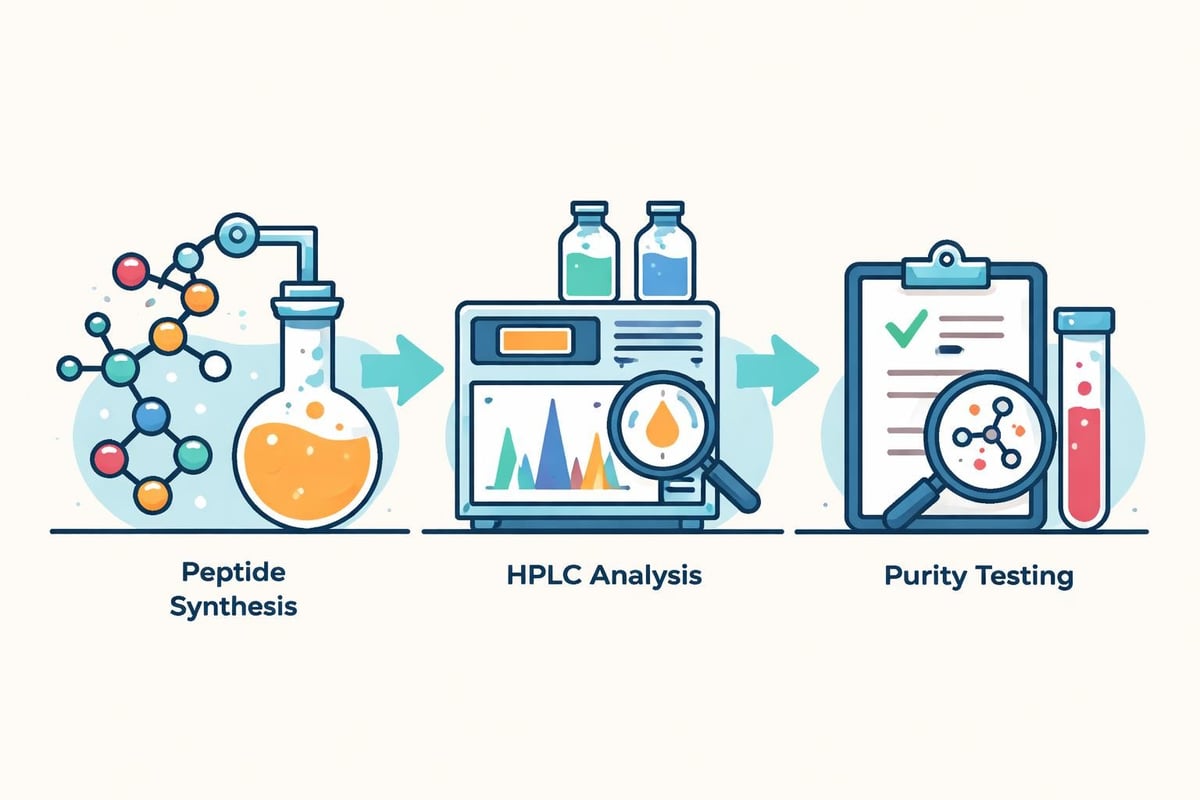
Pharmaceutical-grade peptides should meet stringent purity thresholds, typically exceeding 98% as verified through high-performance liquid chromatography (HPLC) analysis. This testing method separates and quantifies the target peptide from impurities, providing objective purity measurements.
Additional quality markers include:
- Mass spectrometry verification confirming molecular weight
- Endotoxin testing ensuring bacterial contamination absence
- Sterility testing for microbial contamination
- pH verification within acceptable ranges for biological stability
Reputable suppliers provide third-party testing certificates documenting these parameters for each batch. This transparency allows users to verify they're receiving authentic, high-purity compounds rather than degraded or counterfeit products.
Storage and Handling Best Practices
Proper storage maintains peptide integrity from manufacturing through administration. Lyophilized (freeze-dried) ghrh peptide remains stable at room temperature for short periods but ideally should be refrigerated. Once reconstituted with bacteriostatic water, the solution requires refrigeration and typically maintains potency for 2-4 weeks.
Key storage guidelines include:
- Storing lyophilized peptides at 2-8°C (refrigerated)
- Protecting from light exposure through amber vials or dark storage
- Avoiding freeze-thaw cycles after reconstitution
- Using bacteriostatic water for multi-dose vial preparation
- Discarding reconstituted solutions after recommended timeframes
Research Developments and Future Directions
The field of GHRH research continues advancing in 2026, with ongoing studies exploring novel applications, improved analogs, and combination protocols. Recent developments have focused on enhancing bioavailability, extending duration of action, and targeting specific therapeutic outcomes.
Emerging GHRH Analogs
Pharmaceutical research has produced next-generation ghrh peptide variants with enhanced properties. Modified GRF (1-29) represents one such advancement, incorporating specific amino acid substitutions that extend half-life while maintaining receptor affinity. These modifications allow for less frequent dosing while delivering comparable or superior results.
Current research directions include:
- Developing oral delivery systems to eliminate injection requirements
- Creating ultra-long-acting formulas for weekly administration
- Designing tissue-selective analogs targeting specific outcomes
- Exploring neuroprotective applications beyond traditional uses
Clinical Trial Updates
Multiple clinical trials are investigating GHRH peptides for conditions ranging from sarcopenia in elderly populations to metabolic syndrome management. Studies examining cardiovascular benefits, cognitive function improvements, and immune system modulation show promising preliminary results.
The expanding evidence base continues supporting the safety and efficacy of these compounds across diverse populations and therapeutic applications. As regulatory frameworks evolve, access to pharmaceutical-grade GHRH analogs may expand, making these therapies available to broader patient populations.
Practical Implementation Strategies
Successfully incorporating ghrh peptide into a comprehensive health optimization protocol requires strategic planning and realistic expectations. Understanding what these compounds can and cannot accomplish helps set appropriate goals and timelines.
Setting Realistic Expectations
While GHRH peptides offer substantial benefits, they work gradually through natural biological processes rather than producing overnight transformations. Most individuals begin noticing improvements in sleep quality and recovery within 2-3 weeks, with body composition changes becoming apparent over 2-3 months of consistent use.
Timeline of typical benefits:
| Timeframe | Expected Changes |
|---|---|
| Weeks 1-2 | Improved sleep quality, initial recovery enhancement |
| Weeks 3-6 | Better skin quality, increased energy, modest body composition shifts |
| Weeks 7-12 | Measurable muscle gain, visible fat reduction, enhanced performance |
| 3-6 months | Significant body recomposition, sustained metabolic improvements |
| 6+ months | Optimized hormone patterns, comprehensive anti-aging benefits |
Monitoring Progress and Adjustments
Tracking relevant metrics provides objective feedback on protocol effectiveness and guides necessary adjustments. Useful monitoring approaches include regular body composition assessments, strength performance measurements, and periodic blood work evaluating IGF-1 levels and metabolic markers.
Keeping detailed logs documenting dosing, timing, side effects, and subjective experiences helps identify patterns and optimize protocols over time. This data-driven approach allows for intelligent modifications based on individual response rather than generic recommendations.
Integration with Lifestyle Factors
The effectiveness of ghrh peptide therapy is significantly influenced by foundational lifestyle factors. These compounds work synergistically with proper nutrition, training, sleep, and stress management to produce optimal results.
Nutritional Considerations
Growth hormone's anabolic and lipolytic effects require adequate nutritional support to manifest fully. Sufficient protein intake supports the enhanced muscle protein synthesis stimulated by elevated GH levels, while strategic carbohydrate timing can optimize the metabolic benefits.
Key nutritional strategies include:
- Consuming adequate protein (0.8-1.2g per pound of body weight)
- Timing carbohydrates around training for optimal nutrient partitioning
- Maintaining slight caloric surplus for muscle gain goals
- Creating moderate deficit for fat loss while preserving muscle
- Ensuring micronutrient sufficiency for hormonal health
Training and Recovery Optimization
GHRH peptides enhance recovery capacity, allowing for more productive training frequency and volume. However, this doesn't eliminate the need for proper programming and periodization. Strategic training design that progressively overloads muscles while allowing adequate recovery maximizes the compounds' anabolic potential.
Sleep quality dramatically impacts both natural growth hormone secretion and the effectiveness of GHRH therapy. Prioritizing 7-9 hours of quality sleep, maintaining consistent sleep schedules, and optimizing bedroom environment supports the natural nocturnal GH pulse and enhances therapeutic outcomes.
Understanding the mechanisms, applications, and proper implementation of ghrh peptide provides a foundation for effective therapeutic use in supporting muscle growth, fat loss, recovery, and healthy aging. When sourced from reputable suppliers committed to purity and quality, these compounds offer a powerful tool for optimizing natural growth hormone patterns. Soma Peptide provides premium quality peptides with rigorous testing standards, ensuring you receive authentic compounds that deliver the therapeutic benefits you're seeking in your health optimization journey.