







Peptide science represents a rapidly evolving field at the intersection of biochemistry, molecular biology, and therapeutic medicine. These short chains of amino acids, typically containing between two and fifty amino acid residues, have emerged as powerful bioactive molecules with diverse applications ranging from metabolic health to tissue repair. As researchers continue to uncover the mechanisms by which peptides interact with cellular receptors and signaling pathways, the potential for targeted therapeutic interventions continues to expand. Understanding the foundational principles of peptide science provides essential context for evaluating both current applications and future innovations in this transformative field.
The Molecular Foundation of Peptide Science
Peptides occupy a unique position in the hierarchy of biological molecules. While smaller than proteins, they retain sufficient structural complexity to perform highly specific biological functions. The peptide bond that links amino acids together creates a backbone structure that determines both stability and bioactivity.
Chemical Structure and Classification
The primary structure of a peptide refers to its specific amino acid sequence, which dictates its three-dimensional conformation and biological activity. Peptide science categorizes these molecules based on several key characteristics:
- Oligopeptides: Containing 2-20 amino acids, often serving as signaling molecules
- Polypeptides: Spanning 20-50 amino acids, bridging the gap between peptides and proteins
- Cyclic peptides: Forming closed-loop structures that enhance stability and receptor specificity
- Modified peptides: Incorporating non-standard amino acids or chemical modifications
The stereochemistry of peptide bonds creates either cis or trans configurations, with trans being the predominant form in natural peptides. This spatial arrangement influences how peptides fold and interact with target receptors, making structural analysis essential in peptide science research.

Synthesis and Purification Methods
Modern peptide science relies on sophisticated synthesis techniques to produce compounds with precise sequences and high purity. Solid-phase peptide synthesis (SPPS), developed by Robert Bruce Merrifield in the 1960s, revolutionized the field by enabling automated production of custom peptides.
| Synthesis Method | Advantages | Typical Applications |
|---|---|---|
| Solid-Phase Synthesis | High automation, precise sequence control | Research peptides, short sequences |
| Liquid-Phase Synthesis | Scalability, cost-effective for longer chains | Industrial production, therapeutic peptides |
| Recombinant Expression | Produces longer peptides, natural folding | Protein-like peptides, complex structures |
| Enzymatic Synthesis | Stereospecific, environmentally friendly | Specialized modifications, bioactive peptides |
Advanced purification methods ensure that synthesized peptides meet stringent quality standards. High-performance liquid chromatography (HPLC) separates peptides based on hydrophobicity, while mass spectrometry confirms molecular weight and sequence accuracy. These quality control measures are fundamental to peptide science applications in both research and therapeutic contexts.
Mechanisms of Action in Biological Systems
Understanding how peptides exert their effects requires examining the intricate relationships between molecular structure, receptor binding, and downstream signaling cascades. Peptide science has revealed that even minor modifications to amino acid sequences can dramatically alter biological activity.
Receptor Interactions and Signaling Pathways
Peptides typically function by binding to specific cell surface receptors, triggering conformational changes that initiate intracellular signaling. G protein-coupled receptors (GPCRs) represent the most common target class, mediating effects on metabolism, hormone release, and cellular differentiation.
The specificity of peptide-receptor interactions depends on multiple factors:
- Primary sequence complementarity between the peptide and receptor binding pocket
- Three-dimensional structure that presents key amino acid residues in optimal orientation
- Post-translational modifications such as phosphorylation or glycosylation
- Binding affinity measured through dissociation constants (Kd values)
- Selectivity profiles that determine which receptor subtypes are activated
Research documented in peer-reviewed sources like the Journal of Peptide Science continues to elucidate these complex interactions, providing insights that inform peptide design and application.
Metabolic and Physiological Effects
Peptide science has identified numerous compounds that influence core metabolic processes. Growth hormone-releasing peptides stimulate pituitary function, increasing endogenous growth hormone production without direct hormone replacement. This mechanism supports muscle protein synthesis, lipolysis, and metabolic rate optimization.
Other peptides act as enzyme mimetics or inhibitors, modulating biochemical pathways involved in glucose homeostasis, lipid metabolism, and cellular energy production. The mitochondrial peptide MOTS-c, for instance, influences metabolic pathways by affecting how cells utilize glucose and fatty acids for energy generation.
Comprehensive resources like ExaminePeptides provide evidence-based summaries of peptide mechanisms, helping researchers and practitioners understand the physiological basis for observed effects.
Therapeutic Applications Across Multiple Domains
The practical applications of peptide science extend across diverse therapeutic areas, each leveraging specific mechanisms to address distinct physiological needs. This versatility stems from the ability to design peptides that target precise molecular pathways.
Weight Management and Metabolic Health
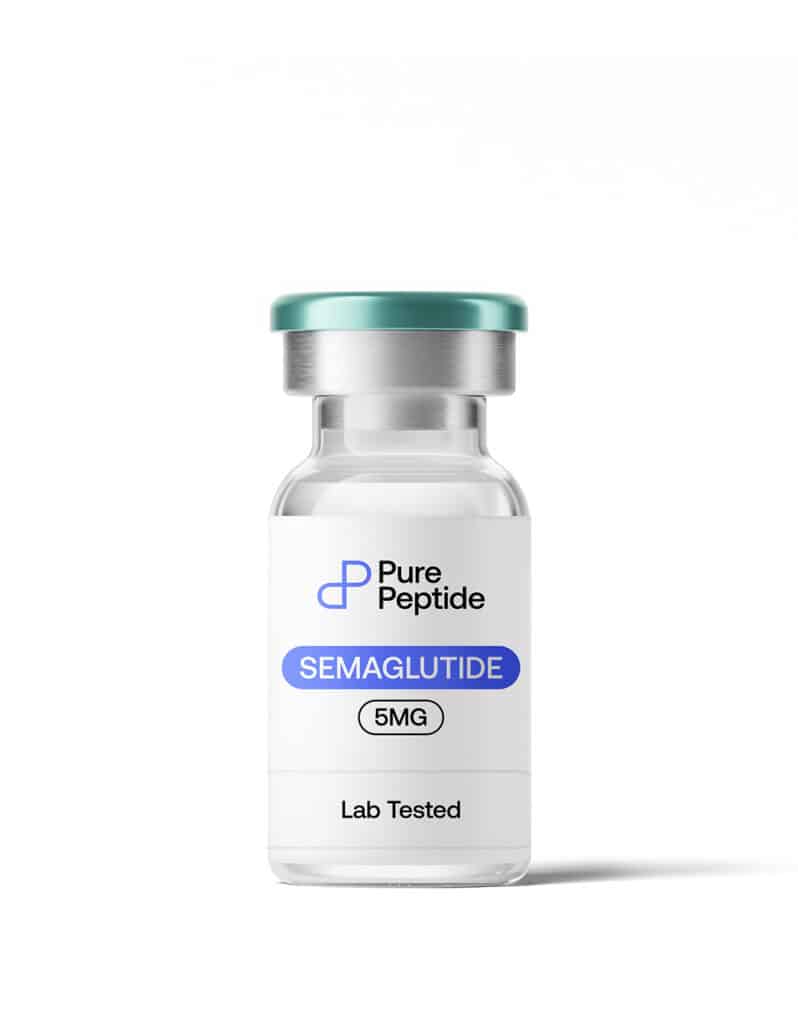
Peptides targeting incretin receptors have demonstrated significant potential in metabolic regulation. These compounds enhance insulin secretion in response to glucose intake while simultaneously reducing appetite through central nervous system effects.
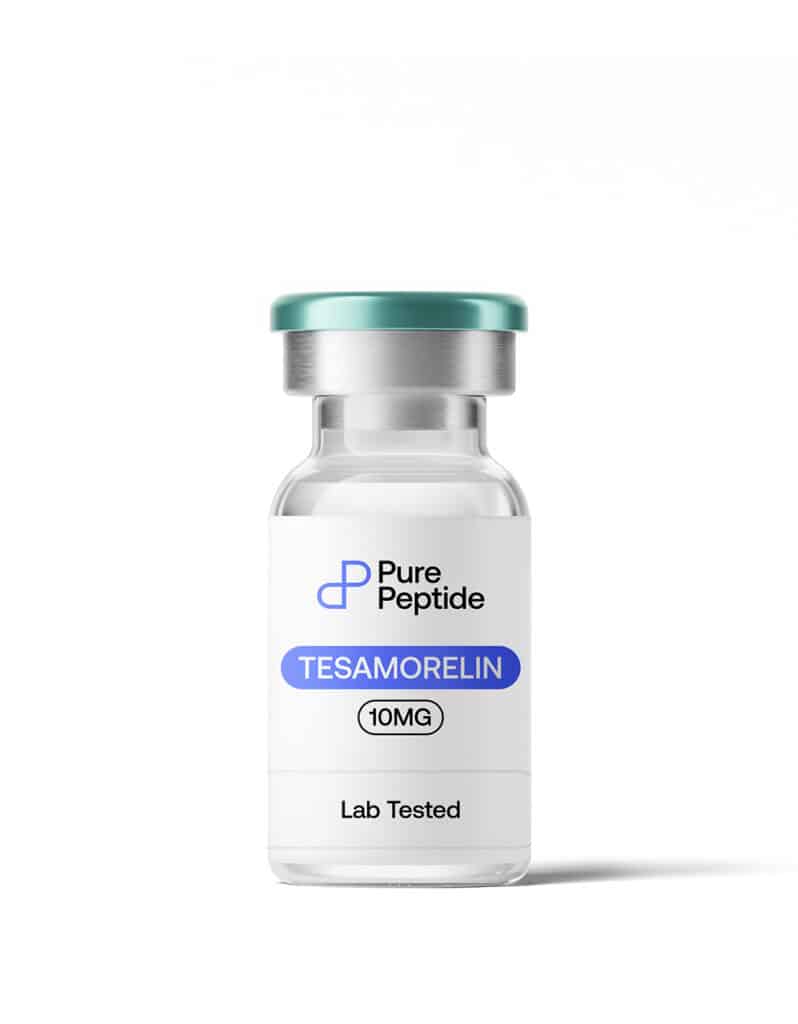
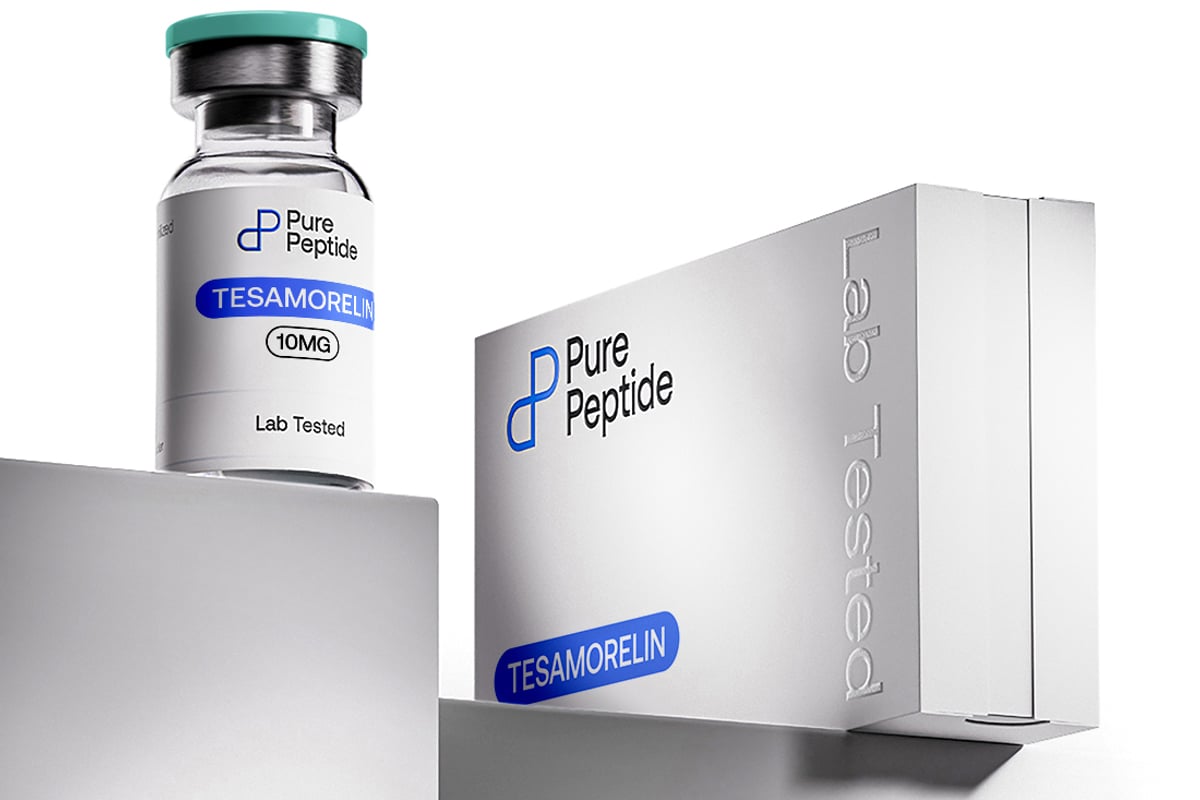
Tesamorelin, a growth hormone-releasing hormone analog, exemplifies how peptide science addresses specific metabolic challenges. By stimulating endogenous growth hormone release, it promotes visceral fat reduction while preserving lean tissue mass-a particularly valuable profile for addressing metabolic complications.
The development of multi-agonist peptides represents an evolution in metabolic peptide science. By activating multiple receptor pathways simultaneously, these compounds achieve more comprehensive metabolic effects than single-target approaches.
Tissue Repair and Regeneration
Peptide science has identified several compounds that accelerate healing processes through multiple mechanisms. These peptides influence cellular migration, proliferation, and extracellular matrix deposition-fundamental components of tissue repair.
Key mechanisms in regenerative peptide science include:
- Angiogenesis promotion to establish blood supply to healing tissues
- Collagen synthesis stimulation for structural tissue restoration
- Inflammation modulation to balance immune response without suppressing necessary healing signals
- Growth factor upregulation to enhance cellular proliferation at injury sites
Platforms like PepGuide document these mechanisms across hundreds of peptides, providing researchers with detailed information on regenerative applications supported by peer-reviewed citations.

Anti-Aging and Skin Health
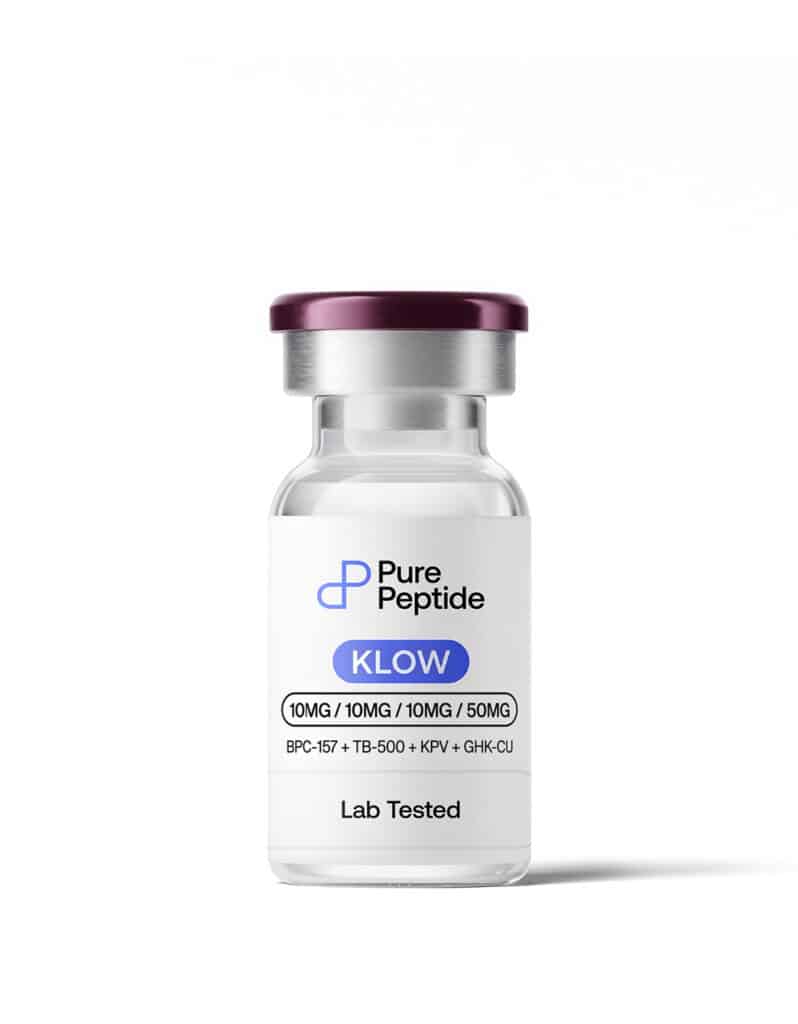
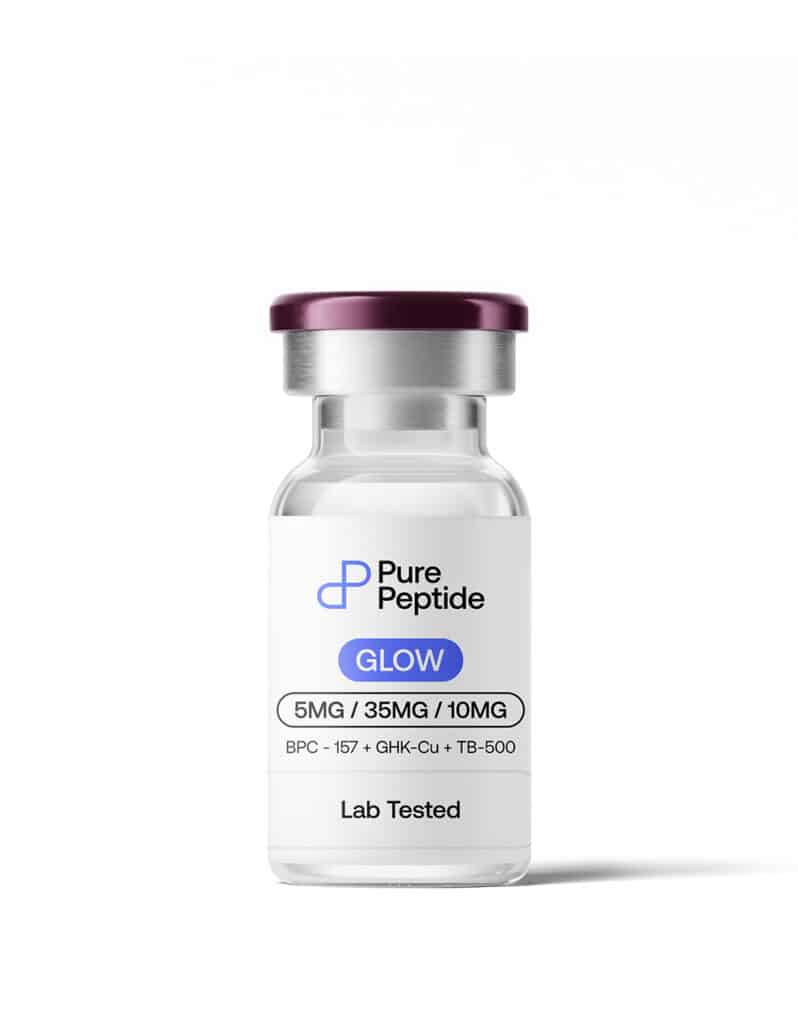
The cosmetic and dermatological applications of peptide science focus on compounds that support skin structure, elasticity, and appearance. Copper-binding peptides like GHK-Cu demonstrate how metal-peptide complexes can influence gene expression related to collagen production and tissue remodeling.
| Peptide Class | Primary Mechanism | Targeted Outcomes |
|---|---|---|
| Signal Peptides | Activate fibroblast receptors | Increased collagen and elastin production |
| Carrier Peptides | Deliver trace elements to cells | Enhanced enzymatic activity, wound healing |
| Neurotransmitter Inhibitors | Reduce muscle contraction | Decreased expression line formation |
| Enzyme Inhibitors | Block collagenase activity | Reduced collagen breakdown, preserved firmness |
The anti-aging applications of peptide science extend beyond cosmetic benefits to include systemic effects on cellular senescence, oxidative stress resistance, and metabolic efficiency that influence overall healthspan.
Quality Standards and Research Integrity
The advancement of peptide science depends critically on rigorous quality control measures and transparent research practices. As therapeutic applications expand, ensuring peptide purity, potency, and safety becomes increasingly important.
Analytical Methods and Verification
Modern peptide science employs multiple analytical techniques to verify compound identity and purity. Each method provides complementary information about peptide quality:
- High-Performance Liquid Chromatography (HPLC) quantifies purity percentage by separating the target peptide from impurities
- Mass Spectrometry (MS) confirms molecular weight and detects sequence errors or modifications
- Amino Acid Analysis (AAA) verifies composition and can identify racemization or degradation
- Nuclear Magnetic Resonance (NMR) provides detailed structural information for complex peptides
- Bioassays test functional activity to ensure biological potency matches chemical purity
Companies committed to peptide science quality standards provide certificates of analysis documenting these verification steps. Soma Peptide’s certificate of analysis program exemplifies industry best practices by ensuring transparency in quality verification.
Storage and Stability Considerations
Peptide stability presents unique challenges that peptide science continues to address through formulation optimization. Factors affecting peptide integrity include:
- Temperature: Most peptides require refrigeration or freezing to prevent degradation
- pH levels: Acidic or alkaline conditions can hydrolyze peptide bonds
- Light exposure: Photosensitive peptides require protection from UV radiation
- Oxidation: Amino acids containing sulfur or aromatic rings are particularly vulnerable
Lyophilization (freeze-drying) represents the gold standard in peptide preservation, removing water that facilitates degradation reactions while maintaining peptide structure. Reconstitution protocols using bacteriostatic water further extend stability after preparation for use.
Computational Approaches in Modern Peptide Science
The integration of computational methods has accelerated peptide discovery and optimization. Machine learning algorithms now predict peptide properties, receptor binding affinities, and potential side effects before synthesis begins.
Predictive Modeling and Design
Advanced computational tools in peptide science leverage vast databases of known peptide sequences and their biological activities. Transformer-based models, as described in research on peptide property prediction, can analyze sequence-function relationships to guide rational peptide design.
These approaches enable researchers to:
- Predict bioavailability and pharmacokinetic properties from sequence alone
- Identify optimal modifications to enhance stability without compromising activity
- Screen virtual libraries of millions of potential sequences for desired characteristics
- Model peptide-receptor interactions to understand binding mechanisms
The integration of artificial intelligence into peptide science reduces the time and cost associated with experimental screening while increasing the probability of identifying promising therapeutic candidates.
Database Resources and Information Access
The democratization of peptide science information through comprehensive databases has transformed how researchers and practitioners access knowledge. Independent educational platforms provide evidence-based information without commercial bias.
Resources like Verified Peptides and PeptideInsight compile peer-reviewed research into accessible formats, making complex peptide science concepts understandable to broader audiences. These platforms maintain independence from manufacturers, ensuring that information prioritizes scientific accuracy over commercial interests.

Similarly, Know Your Peptide and Peptide Hub offer comprehensive profiles on hundreds of research peptides, including detailed mechanisms of action, dosing protocols, and safety considerations drawn from scientific literature.
Emerging Frontiers and Future Directions
Peptide science continues to evolve as new discoveries reveal additional therapeutic applications and improved delivery methods. Several emerging areas promise to expand the field's impact significantly.
Novel Delivery Systems
Traditional peptide administration faces challenges related to bioavailability, particularly for oral delivery routes. Peptide science is addressing these limitations through innovative approaches:
- Nanoparticle encapsulation protects peptides from digestive enzymes while facilitating absorption
- Cell-penetrating peptides enhance membrane permeability for intracellular targets
- Sustained-release formulations extend therapeutic windows and reduce dosing frequency
- Transdermal patches offer non-invasive administration for appropriate peptides
These advances in delivery technology expand the practical applications of peptide science by making administration more convenient and effective.
Personalized Peptide Protocols
The future of peptide science increasingly involves tailoring interventions to individual physiological profiles. Genetic variations in receptor expression, enzyme activity, and metabolic capacity influence how individuals respond to specific peptides.
Personalization strategies in peptide science include:
- Receptor genotyping to predict binding affinity and response magnitude
- Metabolic phenotyping to optimize dosing based on clearance rates
- Biomarker monitoring to track physiological responses and adjust protocols
- Combination approaches that leverage synergistic mechanisms for enhanced outcomes
Educational resources like PeptideWise help individuals understand how personal factors influence peptide effects, supporting informed decision-making in consultation with qualified practitioners.
Regulatory Evolution and Safety Standards
As peptide science advances, regulatory frameworks continue to adapt to address the unique characteristics of these compounds. Unlike traditional small molecules or biologics, peptides occupy an intermediate regulatory space that requires specialized considerations.
Current regulatory trends in peptide science include:
- Enhanced focus on manufacturing quality control and consistency
- Standardized safety testing protocols specific to peptide characteristics
- Clear distinctions between research-grade and therapeutic-grade compounds
- Transparent labeling requirements for purity, concentration, and handling
These evolving standards support the responsible advancement of peptide science by protecting both research integrity and user safety.
Integration with Complementary Therapies
Peptide science increasingly recognizes that optimal outcomes often result from integrating peptides within comprehensive health optimization strategies. This holistic approach considers nutrition, exercise, sleep, and stress management as factors that influence peptide efficacy.
Nutritional Synergies
Certain nutritional factors enhance peptide effectiveness by supporting the physiological pathways they target. Adequate protein intake provides amino acid substrates for endogenous peptide synthesis and tissue building. Micronutrients like zinc, copper, and magnesium serve as cofactors for enzymes involved in peptide metabolism and signaling.
The timing of nutrient intake relative to peptide administration can also influence outcomes. Growth hormone-releasing peptides, for instance, demonstrate optimal effects when administered during fasting states, as elevated insulin and glucose can blunt the growth hormone response.
Exercise and Physical Activity
The interaction between peptide science and exercise physiology reveals significant synergies. Physical activity upregulates receptors for certain peptides while enhancing downstream signaling pathways. Resistance training increases muscle tissue sensitivity to anabolic signals, potentially amplifying the effects of peptides that support muscle protein synthesis.
Conversely, some peptides may enhance training adaptations by accelerating recovery, reducing exercise-induced inflammation, or supporting connective tissue resilience. This bidirectional relationship underscores the importance of viewing peptide science within the broader context of lifestyle factors.
Peptide science represents a dynamic field where molecular precision meets therapeutic innovation, offering targeted approaches to health optimization across metabolic, regenerative, and anti-aging domains. Understanding the fundamental principles-from amino acid sequences to receptor interactions-empowers informed engagement with these powerful bioactive compounds. Whether you're exploring peptides for metabolic support, recovery enhancement, or longevity optimization, partnering with a provider committed to quality and transparency ensures you receive compounds that meet the highest purity standards. Explore how Soma Peptide can support your health goals with premium-grade peptides backed by rigorous testing and quality assurance.