Building muscle requires more than consistent training and proper nutrition. Athletes, bodybuilders, and fitness enthusiasts are increasingly exploring advanced supplementation strategies to maximize their results. Peptides for muscle growth have emerged as a compelling option, offering targeted mechanisms that support hypertrophy, recovery, and performance. Unlike traditional supplements, these amino acid chains work at the cellular level to stimulate natural processes that drive muscle development. Understanding how these compounds function, which options show the strongest scientific backing, and how to implement them safely can help you make informed decisions about incorporating peptides into your muscle-building regimen.
Understanding How Peptides Support Muscle Development
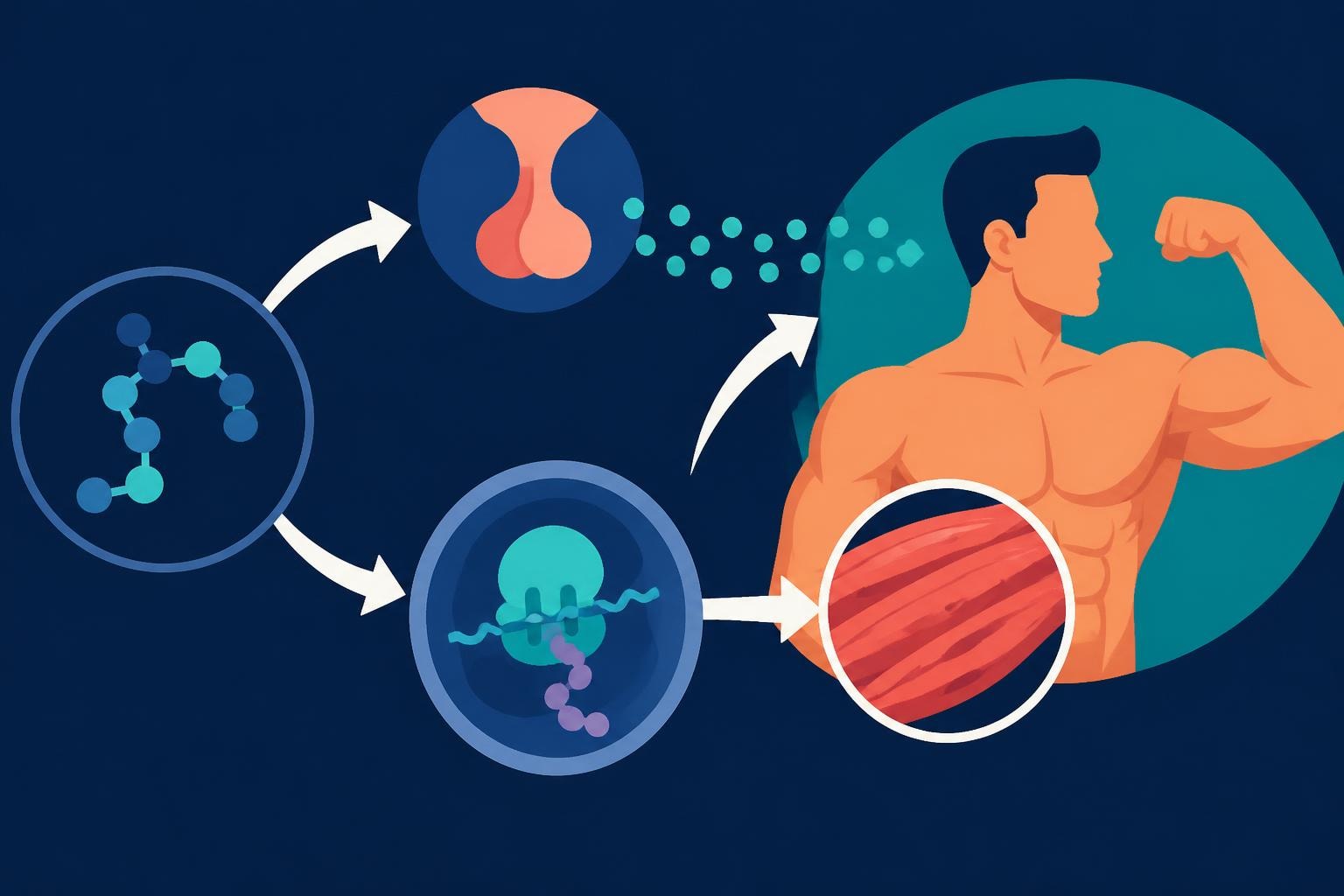
Peptides are short chains of amino acids that serve as signaling molecules throughout the body. When it comes to muscle growth, specific peptides activate pathways that promote protein synthesis, enhance recovery, and stimulate the release of anabolic hormones. Research shows that peptides can influence muscle building through several distinct mechanisms, making them a versatile tool for those seeking to optimize their physique.
The primary advantage of peptides for muscle growth lies in their targeted action. Rather than flooding the body with exogenous hormones, these compounds encourage your own biological systems to function more efficiently. This approach potentially reduces side effects while delivering measurable results.
The Role of Growth Hormone Secretagogues
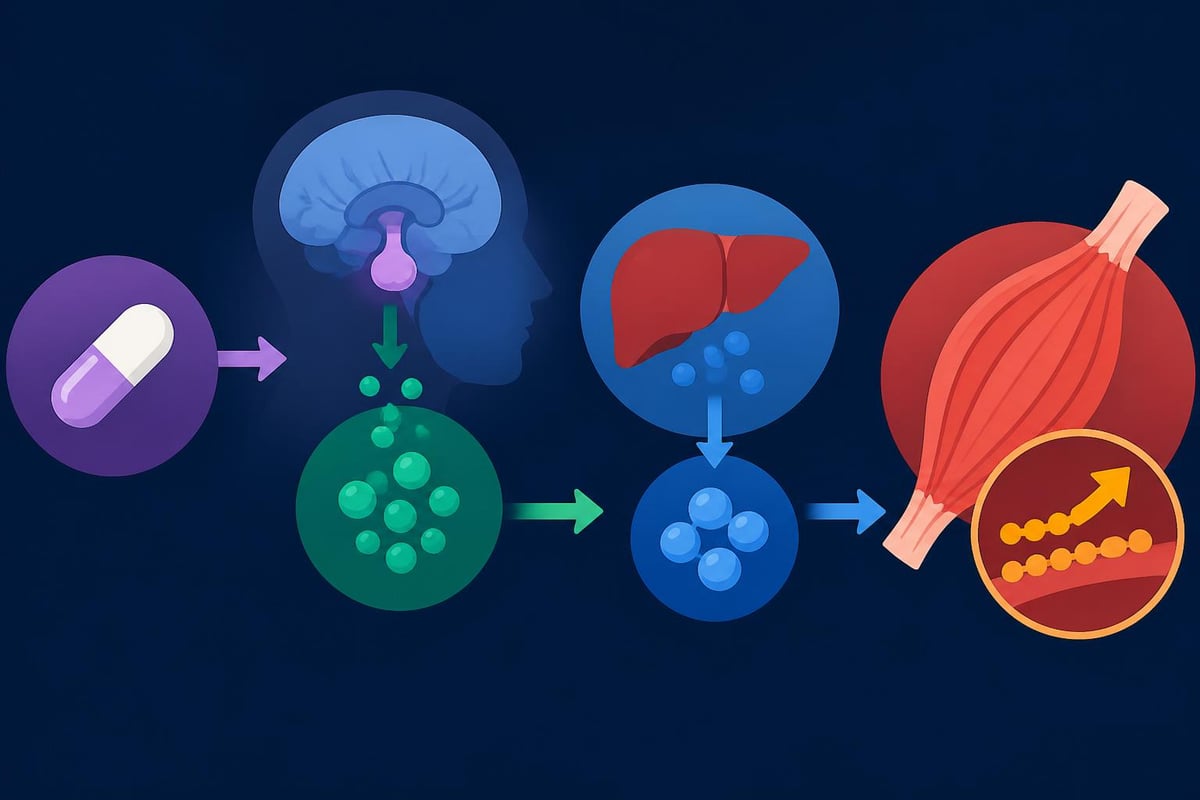
Growth hormone secretagogues (GHS) represent one of the most studied categories of peptides for muscle development. These compounds stimulate the pituitary gland to release more growth hormone naturally, which subsequently triggers the production of insulin-like growth factor 1 (IGF-1). This cascade effect creates an anabolic environment conducive to muscle protein synthesis and tissue repair.
Key GHS peptides include:
- Ipamorelin: Selective GH release without affecting cortisol or prolactin levels
- CJC-1295: Extended half-life allowing less frequent administration
- GHRP-2 and GHRP-6: Potent growth hormone releasers with appetite-stimulating properties
- MK-677 (Ibutamoren): Orally active ghrelin mimetic with sustained GH elevation
The appeal of growth hormone secretagogues stems from their ability to enhance the body's natural rhythms rather than replacing them entirely. This preservation of physiological patterns may contribute to better long-term outcomes and reduced disruption of the endocrine system.
Evidence-Based Peptides With Muscle-Building Potential
Not all peptides marketed for muscle growth have equal scientific support. Clinical research on peptides for muscle growth and recovery reveals significant variation in evidence quality, with some compounds demonstrating robust effects while others remain largely unproven in human studies.
Top-Tier Research-Backed Options
Several peptides have accumulated substantial evidence supporting their muscle-building properties. These compounds have been studied in controlled trials and demonstrate measurable effects on body composition and performance markers.
| Peptide | Primary Mechanism | Evidence Quality | Notable Benefits |
|---|---|---|---|
| CJC-1295/Ipamorelin | GH/IGF-1 elevation | Moderate-Strong | Lean mass gains, fat reduction |
| BPC-157 | Tissue repair, angiogenesis | Moderate (animal studies) | Accelerated healing, tendon repair |
| TB-500 (Thymosin Beta-4) | Cell migration, differentiation | Moderate | Injury recovery, inflammation reduction |
| IGF-1 LR3 | Direct IGF-1 receptor activation | Moderate | Hyperplasia potential, nutrient partitioning |
Understanding the distinction between direct and indirect mechanisms helps contextualize how these compounds work. Growth hormone secretagogues operate indirectly by stimulating your body's own hormone production, while IGF-1 variants provide direct receptor activation. Both approaches offer advantages depending on individual goals and physiological responses.
Combination Protocols and Synergistic Effects
Many experienced users stack multiple peptides to capitalize on synergistic effects. Combining a growth hormone secretagogue like CJC-1295 with Ipamorelin creates a more pronounced and sustained GH pulse compared to either compound alone. Evidence shows that strategic peptide combinations may amplify results while allowing lower individual doses.
Recovery-focused peptides like BPC-157 can be paired with anabolic peptides to support both muscle growth and tissue repair. This comprehensive approach addresses the full spectrum of training adaptations, from microtrauma healing to new protein accretion.
When considering combination protocols:
- Start with a single peptide to assess individual response
- Add complementary compounds after establishing baseline tolerance
- Monitor changes in body composition, recovery speed, and overall well-being
- Adjust dosing based on results and any side effects
- Cycle protocols to prevent receptor desensitization
Practical Implementation and Dosing Considerations
Effective use of peptides for muscle growth requires attention to administration techniques, timing, and dosage protocols. Unlike oral supplements, most muscle-building peptides require subcutaneous or intramuscular injection to maintain their structural integrity and bioavailability.
Administration Best Practices
Proper injection technique ensures both safety and efficacy. Most users prefer subcutaneous administration in areas with adequate adipose tissue, such as the abdomen or thigh. Understanding safe injection sites and reconstitution procedures is essential for anyone beginning peptide therapy.
Timing matters significantly for growth hormone secretagogues. Administering these compounds on an empty stomach, typically before bed or first thing in the morning, maximizes GH response by avoiding interference from elevated blood glucose and insulin. This strategic timing aligns with natural circadian rhythms of growth hormone secretion.
Standard dosing ranges for common muscle-building peptides:
- Ipamorelin: 200-300 mcg per injection, 2-3 times daily
- CJC-1295 (with DAC): 2 mg per week, divided into 2 doses
- CJC-1295 (no DAC): 100-200 mcg per injection, 2-3 times daily
- BPC-157: 250-500 mcg daily, divided doses or single administration
- TB-500: 2-5 mg twice weekly for loading, then weekly maintenance

Quality and Purity Standards
The efficacy of peptides for muscle growth depends heavily on product quality. Pharmaceutical-grade peptides undergo rigorous testing to verify purity, concentration, and sterility. Lower-quality products may contain impurities, incorrect dosing, or degraded peptides that deliver suboptimal results or pose safety risks.
When selecting peptide suppliers, prioritize companies that provide:
- Third-party testing certificates confirming purity levels above 98%
- Proper storage in lyophilized form with appropriate refrigeration
- Clear reconstitution instructions and bacteriostatic water
- Transparent sourcing and manufacturing information
- Batch-specific testing data
Soma Peptide maintains stringent quality control measures to ensure that every product meets pharmaceutical standards. Advanced purification techniques and comprehensive testing protocols guarantee that customers receive peptides with verified potency and purity.
Safety Profile and Potential Side Effects
While peptides for muscle growth generally demonstrate favorable safety profiles compared to anabolic steroids, they are not without potential adverse effects. Understanding the risks associated with peptide use helps users make informed decisions and recognize when medical consultation is necessary.
Common Side Effects by Category
Growth hormone secretagogues may produce effects related to elevated GH and IGF-1 levels. These typically remain mild and dose-dependent, resolving with dosage adjustment or discontinuation.
| Side Effect | Frequency | Management Strategy |
|---|---|---|
| Water retention | Common | Reduce sodium intake, lower dose |
| Joint discomfort | Occasional | Gradual dose escalation, adequate hydration |
| Numbness/tingling | Occasional | Typically resolves with continued use |
| Increased appetite (GHRP-6) | Common | Expected effect, plan nutrition accordingly |
| Injection site reactions | Occasional | Rotate sites, ensure proper technique |
More serious concerns remain rare but warrant awareness. Prolonged elevation of growth hormone may theoretically increase cancer risk in individuals with existing malignancies, though human data remains limited. Anyone with a personal or family history of cancer should consult healthcare providers before beginning peptide protocols.
Regulatory Status and Legal Considerations
The regulatory landscape surrounding peptides for muscle growth varies significantly by jurisdiction. In the United States, most research peptides are not approved by the FDA for human use outside of specific medical conditions. They are legally sold for research purposes, though enforcement and interpretation of these regulations evolve continuously.
Athletes subject to anti-doping regulations should note that many growth hormone secretagogues and related peptides appear on prohibited substances lists. Testing methods have become increasingly sophisticated at detecting these compounds, making inadvertent violations a significant risk for competitive athletes.
Responsible use requires:
- Understanding local laws and regulations governing peptide possession and use
- Recognizing that research peptides are not evaluated for safety or efficacy by regulatory agencies
- Consulting qualified healthcare providers familiar with peptide therapy
- Avoiding products marketed with therapeutic claims that exceed regulatory approval
- Staying informed about evolving regulations and enforcement priorities
Comparing Peptides to Traditional Muscle-Building Approaches
How do peptides for muscle growth stack up against conventional methods like resistance training, nutrition optimization, and traditional supplements? The most effective approach integrates peptides as part of a comprehensive strategy rather than viewing them as standalone solutions.
Synergy With Training and Nutrition
Peptides amplify the results of proper training and nutrition rather than replacing these fundamental elements. Growth hormone secretagogues enhance the anabolic response to resistance training by improving protein synthesis and reducing protein breakdown. However, without adequate stimulus from progressive overload and sufficient dietary protein, these benefits remain limited.
The relationship between peptides and muscle growth follows a multiplicative rather than additive pattern. A well-designed training program might deliver X results, while optimal nutrition provides Y benefits. Adding quality peptides to this foundation can multiply outcomes beyond what either factor achieves independently.
Integration strategies for maximum effectiveness:
- Establish a consistent training program with progressive overload principles
- Optimize protein intake to 1.6-2.2 grams per kilogram of body weight
- Ensure adequate sleep and recovery between training sessions
- Implement peptides to enhance natural recovery and growth processes
- Monitor progress through body composition tracking and performance metrics

Cost-Benefit Analysis
Peptides represent a significant investment compared to traditional supplements like creatine or protein powder. A monthly supply of quality peptides for muscle growth typically ranges from $200 to $500 depending on the specific compounds and dosing protocols used. This contrasts sharply with basic supplements that may cost $50-100 monthly.
The value proposition depends on individual circumstances. Someone who has maximized results from conventional methods may find peptides worthwhile for breaking through plateaus. Beginners with substantial room for progress through basic training and nutrition optimization might better allocate resources to fundamentals rather than advanced supplementation.
Selecting the Right Peptides for Your Goals
Different peptides excel at specific aspects of muscle development. Matching compounds to your primary objectives increases the likelihood of satisfaction with results while minimizing unnecessary complexity or expense.
Goal-Specific Recommendations
For pure muscle mass gains:
Focus on growth hormone secretagogues that maximize IGF-1 elevation. CJC-1295 combined with Ipamorelin provides sustained GH pulses throughout the day, creating an optimal anabolic environment. IGF-1 LR3 offers direct receptor activation for those seeking more aggressive approaches.
For enhanced recovery and training frequency:
BPC-157 and TB-500 accelerate tissue repair, allowing faster recovery between sessions. This enables increased training volume and frequency, which indirectly supports muscle growth through greater total stimulus. These peptides shine particularly for athletes dealing with nagging injuries that limit training consistency.
For body recomposition:
Peptides that simultaneously support fat loss and muscle preservation deliver excellent recomposition effects. Comparing various peptides for muscle growth reveals that certain GH secretagogues improve nutrient partitioning, directing calories toward muscle tissue while enhancing lipolysis.
For longevity and sustainable gains:
Conservative protocols using moderate doses of well-researched compounds like Ipamorelin minimize risk while supporting gradual, sustainable progress. This approach prioritizes long-term health alongside performance improvements.
Advanced users might benefit from tools like the peptide calculator to determine precise dosing based on vial concentration and target dosages. Accurate reconstitution and measurement prevent both underdosing (reducing efficacy) and overdosing (increasing side effect risk).
Future Directions in Peptide Research
The field of peptides for muscle growth continues evolving as researchers investigate novel compounds and mechanisms. Several emerging peptides show promise in preliminary studies, though human data remains limited.
Promising Compounds Under Investigation
Follistatin-based peptides aim to inhibit myostatin, a negative regulator of muscle growth. By blocking this limiting factor, these compounds theoretically allow muscle development beyond normal genetic constraints. Animal studies demonstrate impressive results, but human applications remain largely experimental.
MOTS-c represents a mitochondrial-derived peptide with potential metabolic and performance benefits. While primarily studied for metabolic health and longevity, emerging research suggests applications in exercise performance and recovery that may indirectly support muscle development.
Selective androgen receptor modulators (SARMs) technically fall outside traditional peptide classification but occupy similar market space. These compounds promise anabolic effects with reduced androgenic side effects compared to traditional steroids, though safety concerns and regulatory scrutiny continue mounting.
The Role of Personalized Protocols
Future peptide applications will likely incorporate genetic testing and biomarker monitoring to customize protocols. Understanding individual variations in growth hormone receptors, IGF-1 production capacity, and recovery mechanisms could guide peptide selection and dosing for optimal individual responses.
This personalized approach moves beyond one-size-fits-all recommendations toward targeted interventions based on biological individuality. Such precision may maximize benefits while minimizing unnecessary exposure to compounds that provide limited value for specific genetic profiles.
Making Informed Decisions About Peptide Use
Choosing to incorporate peptides for muscle growth requires careful consideration of multiple factors. Beyond effectiveness and cost, users must weigh legal status, access to quality products, and comfort with self-administration protocols.
Essential Questions Before Starting
Ask yourself these critical questions:
- Have I maximized results from fundamental training and nutrition principles?
- Am I prepared for the financial commitment of quality peptides?
- Do I understand proper reconstitution, storage, and injection techniques?
- Have I researched the legal status in my jurisdiction and sports organization?
- Am I willing to monitor and adjust protocols based on individual response?
Honest answers guide whether peptides represent an appropriate next step or whether focusing on other aspects of your program would deliver better returns on investment.
Building a Support System
Successful peptide protocols benefit from collaboration with knowledgeable professionals. While many users successfully self-direct their supplementation, access to healthcare providers familiar with peptide therapy provides valuable safety monitoring and protocol optimization.
Consider working with:
- Physicians experienced in hormone optimization and peptide therapy
- Coaches who understand how peptides integrate with training programs
- Communities of experienced users who share practical insights
- Suppliers like Soma Peptide that provide education alongside products
This multi-faceted support system increases the probability of achieving desired outcomes while navigating challenges that inevitably arise during implementation.
Peptides for muscle growth offer sophisticated mechanisms for enhancing hypertrophy, recovery, and performance when implemented thoughtfully as part of comprehensive training programs. Success requires quality products, proper administration techniques, and realistic expectations grounded in scientific evidence. Soma Peptide delivers pharmaceutical-grade peptides backed by rigorous testing and quality control, ensuring you receive products that meet the highest purity standards for your muscle-building goals. Visit Soma Peptide to explore premium peptide options and access the educational resources needed to implement effective protocols safely.