


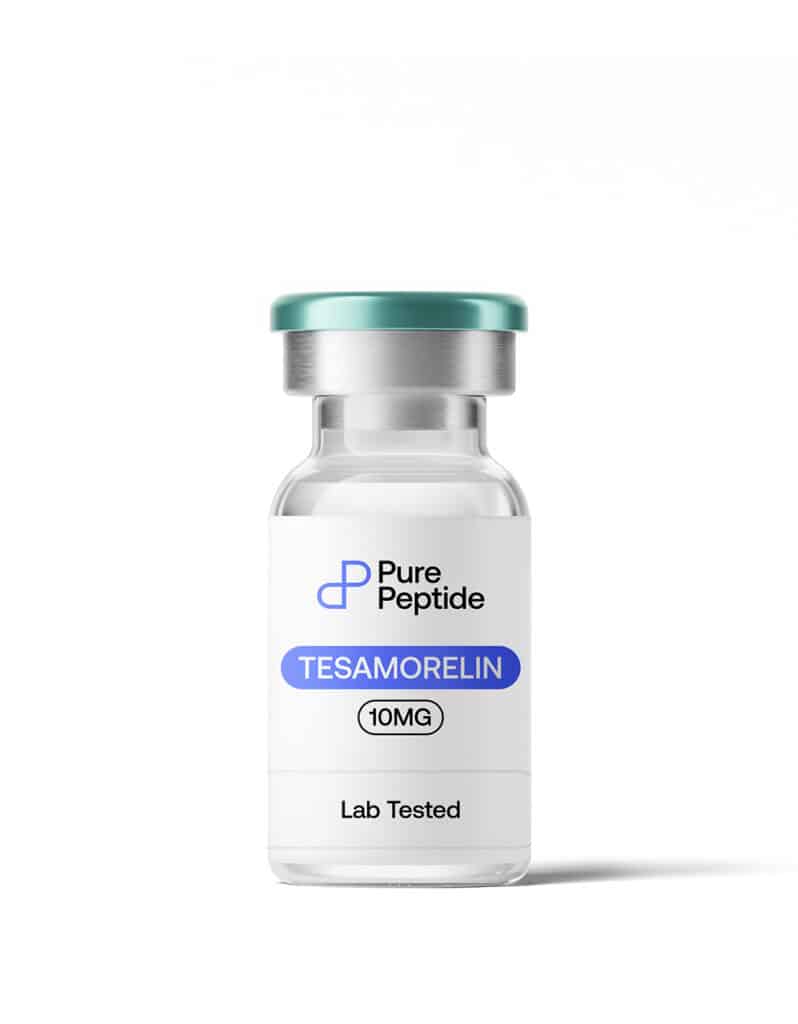
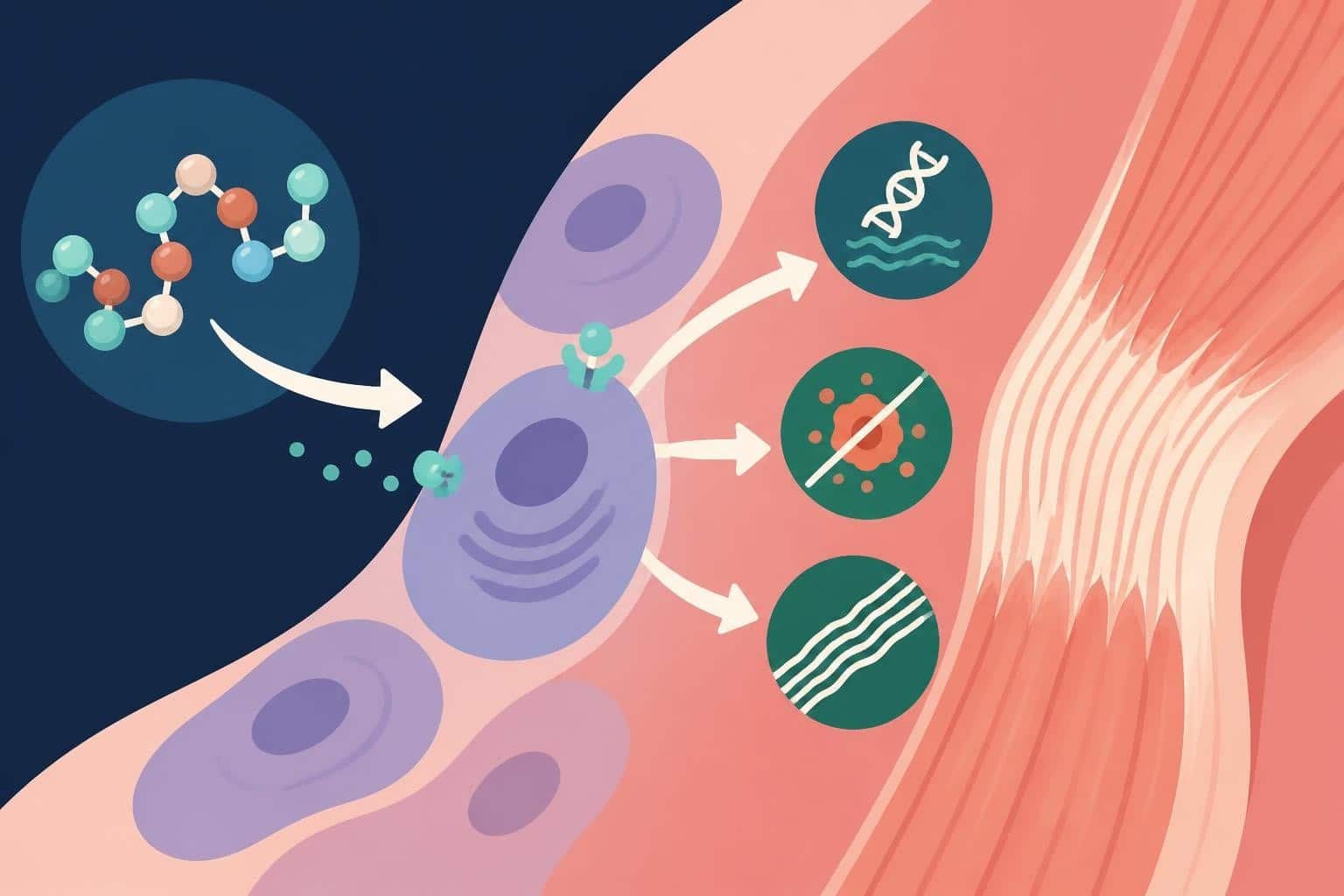
Tendon injuries represent a significant challenge in sports medicine, orthopedics, and rehabilitation. Whether caused by acute trauma or chronic overuse, damaged tendons heal slowly due to their limited blood supply and complex structural architecture. Traditional treatments often fall short of restoring full function, leading researchers to explore innovative therapeutic approaches. Peptides for tendon repair have emerged as a promising frontier, offering targeted biological signals that can enhance the body's natural healing processes. These short-chain amino acids interact with cellular receptors to stimulate collagen production, reduce inflammatory responses, and accelerate tissue regeneration in ways that conventional therapies cannot replicate.
Understanding Tendon Structure and Healing Challenges
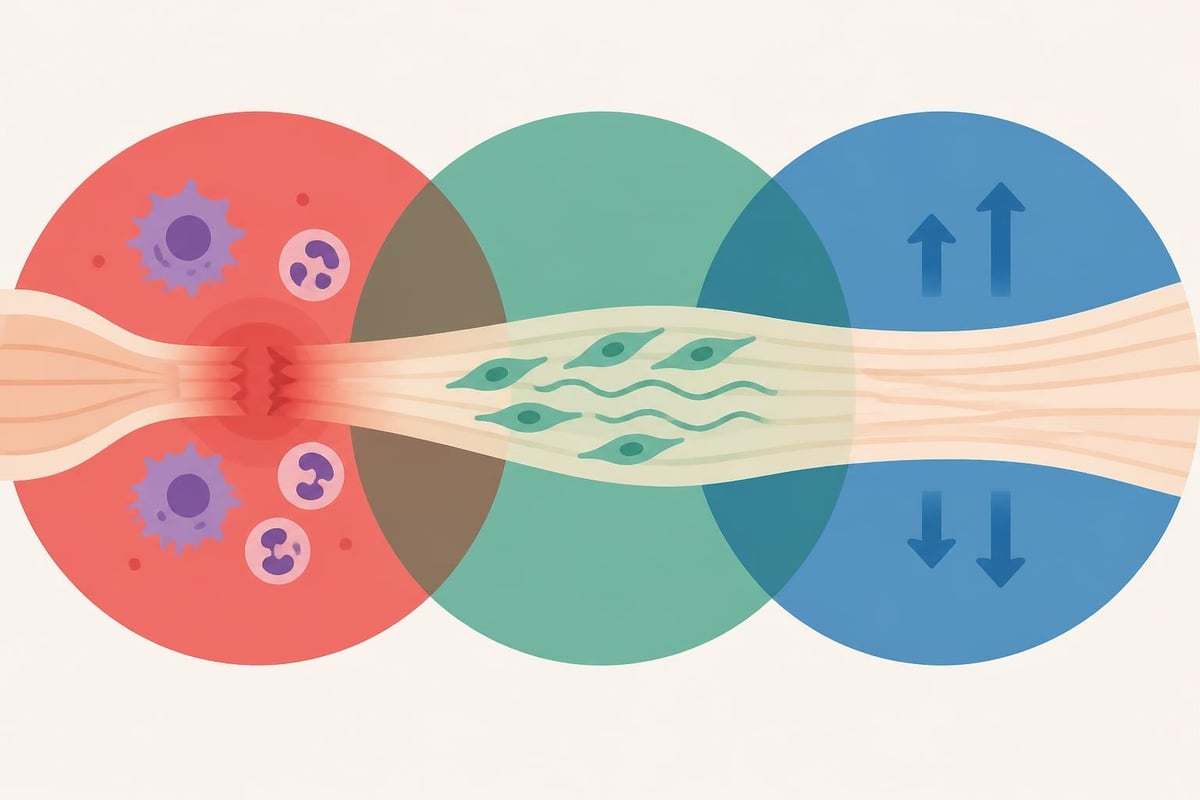
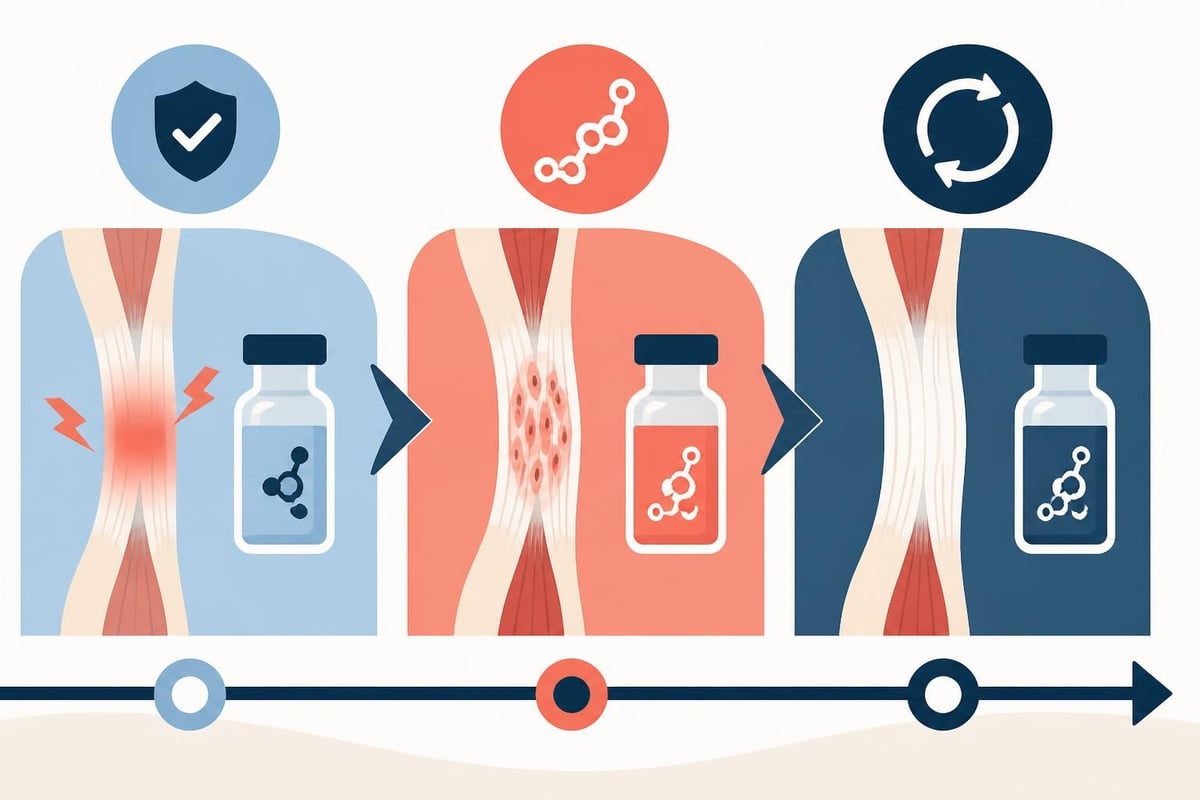
Tendons function as critical connectors between muscle and bone, transmitting mechanical forces that enable movement and stability. Composed primarily of type I collagen organized in hierarchical bundles, tendons must withstand enormous tensile loads while maintaining flexibility. When injury occurs, the healing process unfolds in three overlapping phases: inflammation, proliferation, and remodeling.
The inflammatory phase initiates immediately after injury, bringing immune cells to clear damaged tissue. During proliferation, fibroblasts migrate to the injury site and begin synthesizing new collagen. Finally, remodeling gradually organizes this new tissue into functional structures. However, this natural process often produces mechanically inferior scar tissue rather than fully restored tendon architecture.
Blood Supply Limitations
The sparse vascular network within tendons creates a fundamental obstacle to healing. Unlike muscles with rich capillary beds, tendons receive nutrients primarily through diffusion from surrounding tissues. This limited blood flow restricts the delivery of growth factors, oxygen, and cellular building blocks necessary for efficient repair.
Research utilizing advanced imaging techniques has revealed how structural gradients across tendon interfaces affect mechanical properties and healing potential. Understanding these microstructural details helps explain why some regions heal more effectively than others.
Mechanisms of Peptide Action in Tendon Repair
Peptides for tendon repair work through multiple biological pathways to enhance healing outcomes. These bioactive molecules consist of specific amino acid sequences that bind to cellular receptors, triggering cascades of beneficial responses. Unlike broad-spectrum anti-inflammatory drugs that suppress the entire healing response, peptides can selectively modulate specific aspects of tissue repair.
Key mechanisms include:
- Stimulation of angiogenesis to improve blood vessel formation
- Enhancement of fibroblast proliferation and migration
- Upregulation of collagen and extracellular matrix synthesis
- Reduction of excessive inflammatory signaling
- Protection against oxidative stress and cellular damage
Collagen Synthesis Enhancement
Type I collagen forms the structural backbone of healthy tendons, providing tensile strength and mechanical integrity. Certain peptides activate signaling pathways that increase collagen gene expression in tenocytes and fibroblasts. This enhanced production helps accelerate the proliferative phase of healing while improving the quality of newly formed tissue.
The copper-binding peptide GHK-Cu has demonstrated particular effectiveness in supporting collagen production and tissue remodeling. GHK-Cu promotes not only collagen synthesis but also the formation of glycosaminoglycans that provide structural support within the extracellular matrix. This combination of effects makes it valuable for comprehensive tissue regeneration beyond tendons, including applications in skin and hair restoration.
Inflammatory Modulation
While inflammation initiates the healing cascade, excessive or prolonged inflammatory responses can delay recovery and promote fibrosis. Peptides for tendon repair help balance inflammatory signaling, allowing necessary immune responses while preventing destructive chronic inflammation. This modulation occurs through effects on cytokine production, immune cell activity, and inflammatory mediator release.
| Peptide Type | Primary Mechanism | Healing Phase Affected |
|---|---|---|
| Angiogenic peptides | Blood vessel formation | Proliferation |
| Collagen-stimulating peptides | ECM production | Proliferation & Remodeling |
| Anti-inflammatory peptides | Cytokine modulation | Inflammation & Proliferation |
| Cellular protective peptides | Oxidative stress reduction | All phases |
Evidence-Based Peptide Approaches
The scientific literature on peptides for tendon repair has expanded significantly over recent years, with multiple compounds showing promise in preclinical and clinical investigations. Evidence-graded analyses provide frameworks for evaluating the strength of research supporting various peptide therapies.
BPC-157 for Connective Tissue Healing
Body Protection Compound-157 represents one of the most extensively studied peptides for musculoskeletal healing. This synthetic pentadecapeptide derived from a protective gastric protein has demonstrated effects on tendon healing in multiple animal models. Research suggests BPC-157 accelerates tendon-to-bone healing, improves biomechanical properties of repaired tissue, and enhances the organization of collagen fibers.
Studies indicate BPC-157 influences multiple healing pathways simultaneously, including angiogenesis promotion, growth factor modulation, and nitric oxide system regulation. The peptide's stability and systemic effects make it applicable for various tendinopathies affecting different anatomical locations.
TB-500 and Tissue Migration
Thymosin Beta-4 fragment TB-500 functions primarily by upregulating actin, a protein essential for cell structure and movement. This mechanism facilitates the migration of endothelial cells, fibroblasts, and keratinocytes to injury sites. Enhanced cellular mobility translates to faster wound coverage and more efficient tissue repair.
For tendon injuries specifically, TB-500 supports the migration of tenocytes into damaged areas while promoting the formation of new blood vessels. This dual action addresses both cellular repopulation and nutrient delivery, two critical factors in successful tendon healing.
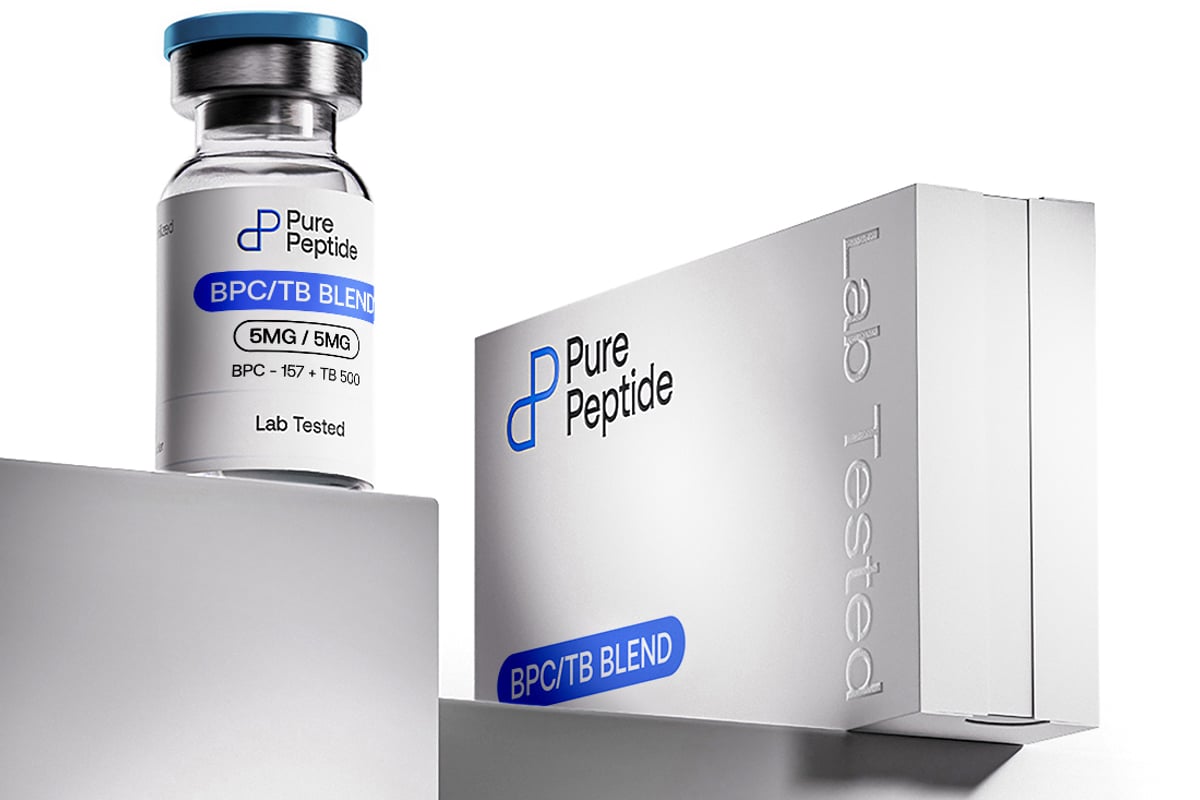
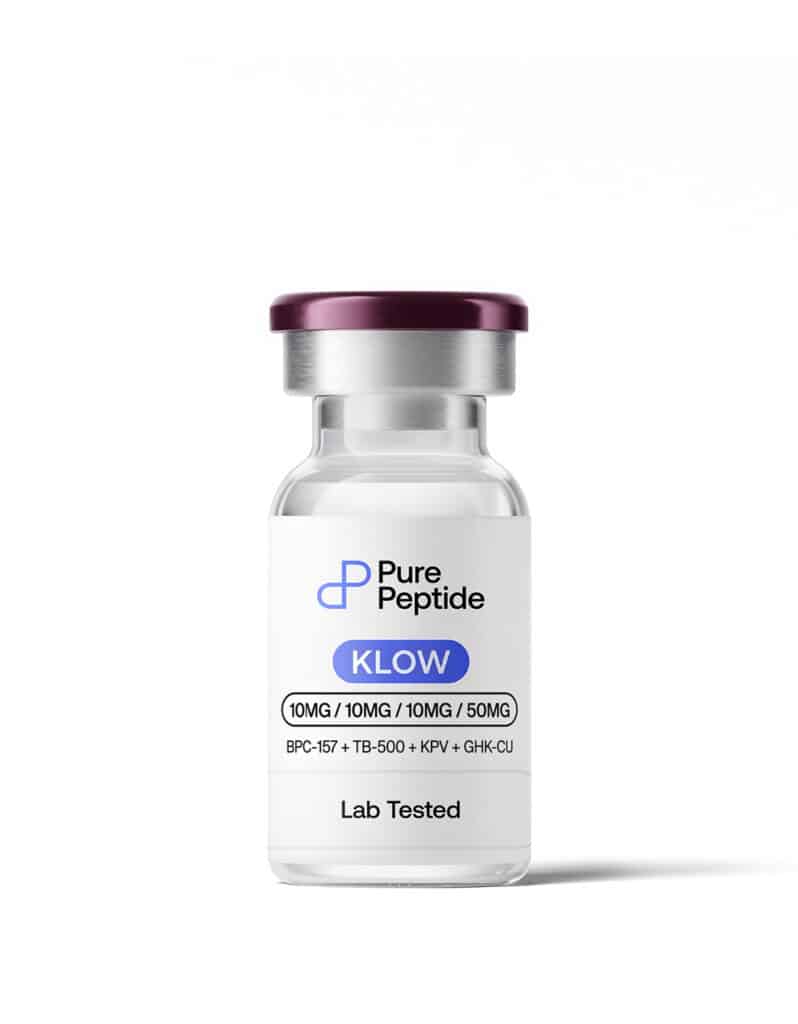
The synergistic combination of BPC-157 and TB-500 addresses multiple healing mechanisms simultaneously, offering a comprehensive approach to tendon repair. The BPC-157 / TB-500 Blend pairs these complementary peptides to support faster healing times, improved tissue quality, and stronger long-term recovery outcomes across various musculoskeletal injuries.
Clinical Applications Across Tendinopathies
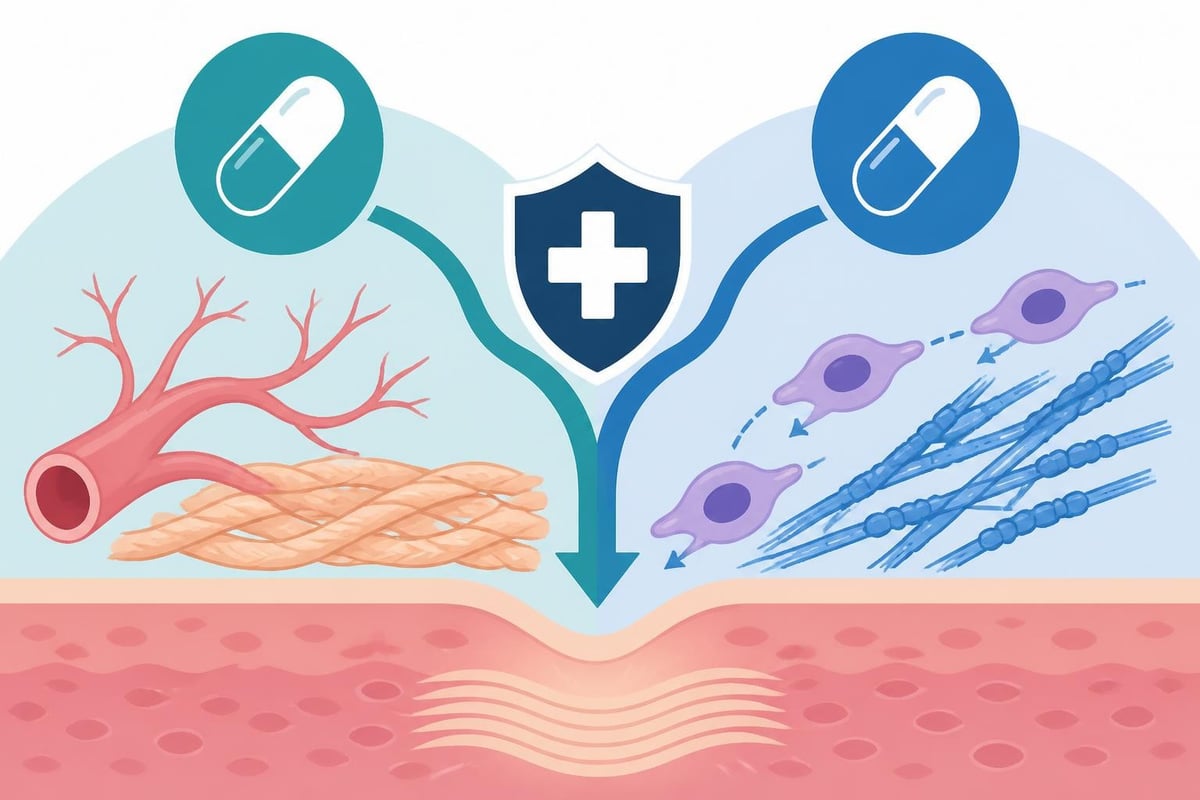
Different tendon injuries present unique challenges based on anatomical location, mechanical demands, and structural characteristics. Peptides for tendon repair offer versatile applications across various clinical scenarios, from acute ruptures to chronic degenerative conditions.
Rotator Cuff Pathology
Rotator cuff tears represent one of the most common tendon injuries, particularly in aging populations and overhead athletes. These injuries often involve complex tears at the tendon-bone interface, where healing must restore not only tendon tissue but also the specialized transitional zone connecting soft tissue to bone.
Recent advancements in tissue-engineered scaffolds have highlighted the role of peptides in promoting healing at this critical interface while reducing scar tissue formation. Peptide-enhanced therapies show potential for improving surgical outcomes and reducing re-tear rates following rotator cuff repair procedures.
Common rotator cuff tendinopathies addressed by peptides:
- Supraspinatus tendinosis and partial tears
- Full-thickness rotator cuff ruptures
- Post-surgical healing enhancement
- Chronic degenerative rotator cuff disease
Achilles Tendon Injuries
The Achilles tendon endures tremendous loads during walking, running, and jumping activities. Injuries range from tendinosis (chronic degeneration) to acute ruptures that typically occur during explosive movements. The watershed area of the Achilles, located approximately 2-6 centimeters above the calcaneal insertion, has particularly poor vascularity and high injury susceptibility.
Peptide therapies may address the healing limitations inherent to this anatomical region. Advanced monitoring techniques using deep learning to analyze ultrasound images demonstrate how emerging technologies can track healing progress and optimize peptide treatment protocols.
Patellar and Quadriceps Tendinopathy
Jumper's knee and related patellar tendon conditions affect athletes in volleyball, basketball, and other sports requiring repetitive lower extremity loading. These overuse injuries involve degenerative changes, microtears, and inflammatory responses that compromise tendon integrity over time.
Peptides for tendon repair offer potential advantages over traditional treatments like corticosteroid injections, which may provide short-term pain relief but can weaken tendon structure with repeated use. Peptide approaches aim to restore tissue quality rather than simply suppressing symptoms.
| Tendon Location | Common Pathologies | Peptide Treatment Goals |
|---|---|---|
| Rotator Cuff | Tears, tendinosis, impingement | Interface healing, collagen organization |
| Achilles | Rupture, tendinosis, insertional pain | Vascularization, structural restoration |
| Patellar | Jumper's knee, tendinosis | Collagen quality, load tolerance |
| Elbow | Tennis/golfer's elbow | Inflammation control, tissue remodeling |
Dosing Considerations and Administration Methods
Implementing peptides for tendon repair requires careful attention to dosing protocols, administration routes, and treatment duration. While research continues to establish optimal parameters, current evidence suggests several practical considerations for maximizing therapeutic benefits.
Subcutaneous Versus Local Injection
Peptides can be administered through subcutaneous injection for systemic distribution or through direct local injection near the injury site. Subcutaneous administration offers convenience and consistent absorption, with peptides circulating throughout the body to reach injury sites. This approach works well for multiple areas of concern or when precise injection into damaged tissue presents technical challenges.
Local injection delivers higher peptide concentrations directly to injured tendons, potentially enhancing efficacy while minimizing the total dose required. However, this technique demands accurate needle placement and carries slightly higher risks of injection site reactions. Ultrasound guidance can improve precision for local tendon injections.
Dosing Protocols
Research-based dosing for peptides varies significantly based on the specific compound, injury severity, and individual patient factors. Conservative approaches typically begin with lower doses to assess tolerance before gradually increasing to therapeutic levels. Treatment duration often extends several weeks to months, aligning with the natural timeline of tendon healing phases.
General dosing framework:
- Initial phase (weeks 1-2): Lower doses to establish tolerance and initial healing response
- Active healing phase (weeks 3-8): Therapeutic doses aligned with proliferation and early remodeling
- Maintenance phase (weeks 9-12+): Reduced frequency to support final remodeling and prevent re-injury
Comprehensive guides on peptide approaches provide detailed protocols for specific compounds and clinical scenarios, though individual consultation with healthcare providers remains essential for personalized treatment planning.
Integrating Peptides with Rehabilitation Protocols
Peptide therapies achieve optimal results when combined with appropriate rehabilitation strategies. While peptides enhance biological healing at the cellular level, mechanical loading through progressive exercise stimulates proper collagen alignment and functional restoration. This integration of biochemical and mechanical stimuli creates synergistic effects that surpass either approach alone.
Progressive Loading Principles
Tendons require mechanical stress to develop appropriate structural organization and strength. However, excessive loading during early healing stages can disrupt fragile new tissue and delay recovery. Progressive loading protocols carefully balance these competing demands by gradually increasing tendon stress as healing advances.
Initial rehabilitation focuses on pain-free range of motion and gentle isometric contractions that maintain muscle activation without challenging healing tendon tissue. As inflammation resolves and new collagen forms, eccentric exercises introduce controlled tensile loading that promotes collagen fiber alignment. Finally, plyometric and sport-specific activities restore full functional capacity.
Monitoring Recovery Progress
Tracking healing progress enables timely adjustments to both peptide protocols and rehabilitation intensity. Clinical assessments include pain levels, range of motion measurements, strength testing, and functional performance evaluations. Imaging modalities like ultrasound and MRI provide objective visualization of tissue structure and healing quality.
Research examining forces within tendons demonstrates the complex mechanical environment tendons experience during different activities. Understanding these biomechanical factors helps clinicians design rehabilitation programs that complement peptide therapies effectively.
Safety Profile and Contraindications
Peptides for tendon repair generally demonstrate favorable safety profiles in research settings, with most adverse events being mild and transient. However, responsible use requires awareness of potential risks, contraindications, and individual factors that may influence safety considerations.
Common Side Effects
The most frequently reported side effects involve local reactions at injection sites, including temporary redness, swelling, or mild discomfort. These reactions typically resolve within hours to days without intervention. Systemic effects remain rare with properly dosed peptide therapies, though individual responses vary based on personal biochemistry and underlying health conditions.
Potential considerations include:
- Injection site reactions (redness, swelling, tenderness)
- Temporary fatigue or mild flu-like symptoms
- Headaches during initial treatment phases
- Water retention in some individuals
Contraindications and Precautions
Certain medical conditions and circumstances warrant caution or contraindicate peptide use entirely. Active malignancies represent a primary concern, as peptides that stimulate cell proliferation and angiogenesis theoretically could influence tumor growth. Pregnancy and breastfeeding also require avoidance due to insufficient safety data in these populations.
Individuals with autoimmune conditions should consult healthcare providers before initiating peptide therapies, as immune system modulation could potentially affect disease activity. Similarly, those taking anticoagulant medications face increased bleeding risk with injection-based treatments.
Quality and Purity Standards
The therapeutic effectiveness of peptides for tendon repair depends critically on product quality, purity, and proper handling. Peptides are delicate molecules susceptible to degradation from heat, light, and improper storage conditions. Selecting high-quality sources and following proper reconstitution and storage protocols ensures optimal potency and safety.
Manufacturing Standards
Reputable peptide suppliers employ advanced synthesis methods and rigorous quality control testing to verify purity and concentration. High-performance liquid chromatography (HPLC) and mass spectrometry provide analytical confirmation of peptide identity and purity levels. Premium products typically achieve 98% or higher purity, minimizing contamination risks and ensuring consistent dosing.
Soma Peptide maintains stringent quality control standards throughout the production process, utilizing advanced purification methods to deliver peptides with verified potency and efficacy. Third-party testing provides additional verification of purity specifications.
Storage and Reconstitution
Lyophilized (freeze-dried) peptides maintain stability during storage but require proper reconstitution before use. Bacteriostatic water serves as the standard reconstitution medium for most peptides, providing antimicrobial protection for multi-dose vials. Reconstituted peptides typically require refrigeration and use within specified timeframes to maintain potency.
Storage guidelines:
- Store lyophilized peptides in freezer (-20°C) or refrigerator (2-8°C)
- Protect from light exposure using amber vials or opaque containers
- Reconstitute only when ready to begin treatment
- Refrigerate reconstituted peptides and use within recommended period
- Avoid repeated freeze-thaw cycles that degrade peptide structure
Future Directions in Peptide Research
The field of peptides for tendon repair continues advancing rapidly, with emerging research exploring novel compounds, combination therapies, and delivery methods. Understanding these developments provides context for current treatment options while highlighting the potential for even more effective approaches in coming years.
Biomaterial-Based Delivery Systems
Traditional peptide administration through injection provides effective delivery but requires frequent dosing due to rapid clearance from the body. Researchers are developing biomaterial scaffolds and hydrogels that can load peptides for sustained release directly at injury sites. These delivery systems could extend therapeutic effects while reducing injection frequency.
Scaffold materials range from natural substances like collagen and fibrin to synthetic polymers designed for controlled degradation rates. As scaffolds gradually break down, they release incorporated peptides in controlled patterns that match the timeline of tendon healing phases.
Personalized Peptide Protocols
Individual variation in healing capacity, injury severity, and treatment response suggests potential benefits from personalized peptide protocols. Genetic factors, age, metabolic health, and concurrent medications all influence how individuals respond to peptide therapies. Future approaches may incorporate biomarker analysis and healing assessments to optimize peptide selection and dosing for each patient.
Comprehensive research databases compile evidence on peptides for connective tissue regeneration, providing resources for clinicians seeking to tailor treatments to specific clinical scenarios and patient characteristics.
Combination Therapies
Emerging evidence suggests combining multiple peptides with complementary mechanisms may produce superior results compared to single-peptide approaches. For example, pairing peptides that stimulate collagen synthesis with those that enhance angiogenesis addresses multiple healing limitations simultaneously. Careful selection of compatible peptides based on mechanistic understanding could optimize therapeutic outcomes.
Beyond multi-peptide combinations, integration with other regenerative therapies shows promise. Platelet-rich plasma (PRP), stem cell therapies, and extracorporeal shockwave treatment may synergize with peptide approaches to accelerate healing and improve functional restoration.
Comparing Peptides to Traditional Treatments
Understanding how peptides for tendon repair compare to established treatment modalities helps contextualize their role in modern tendon injury management. Each approach offers distinct advantages and limitations that influence clinical decision-making.
Non-Steroidal Anti-Inflammatory Drugs
NSAIDs represent first-line treatment for many tendon injuries, providing pain relief and inflammation reduction. However, these medications offer purely symptomatic benefits without promoting structural healing. Extended NSAID use also carries gastrointestinal, cardiovascular, and renal risks that limit long-term applications.
Peptides address underlying tissue damage rather than merely suppressing symptoms. While they may not provide immediate pain relief comparable to NSAIDs, peptides potentially offer superior long-term outcomes through enhanced healing quality and reduced re-injury risk.
Corticosteroid Injections
Corticosteroid injections deliver powerful anti-inflammatory effects for tendon pain but raise concerns about tissue weakening with repeated administration. Studies have documented increased rupture risk and impaired healing following corticosteroid treatment, particularly in weight-bearing tendons like the Achilles.
In contrast, peptides for tendon repair aim to strengthen tissue structure rather than suppress inflammation alone. This fundamental difference in mechanism positions peptides as potentially safer alternatives for chronic tendinopathies requiring multiple treatments.
Surgical Interventions
Severe tendon injuries often necessitate surgical repair to restore anatomical continuity and mechanical function. Surgery addresses structural damage that conservative treatments cannot resolve, but outcomes depend heavily on post-operative healing quality. Peptide therapies may enhance surgical results by accelerating healing, reducing scar tissue formation, and improving the strength of repaired tendons.
| Treatment | Primary Mechanism | Pain Relief Timeline | Healing Enhancement | Re-injury Risk |
|---|---|---|---|---|
| NSAIDs | Inflammation suppression | Hours to days | None | Unchanged |
| Corticosteroids | Potent anti-inflammatory | Days to weeks | Potentially negative | Increased |
| Peptides | Tissue regeneration | Weeks | Significant | Potentially reduced |
| Surgery | Structural restoration | Variable (post-op) | Depends on healing | Variable |
Practical Implementation Strategies
Translating peptide research into effective clinical applications requires attention to practical details that influence treatment success. From timing initiation relative to injury onset to managing patient expectations, multiple factors shape real-world outcomes.
Optimal Treatment Timing
Initiating peptide therapy soon after injury onset may provide advantages by supporting the inflammatory and proliferative phases when healing processes are most active. However, peptides also demonstrate benefits for chronic tendinopathies where natural healing has stalled or produced inferior tissue quality. Chronic cases may require longer treatment duration to achieve meaningful structural improvements.
Acute injuries typically respond faster to peptide interventions, with noticeable functional improvements within weeks. Chronic degenerative conditions often demand patience, as remodeling established scar tissue and restoring tissue quality occurs gradually over months.
Setting Realistic Expectations
While research supports the potential of peptides for tendon repair, individual results vary based on injury characteristics, overall health status, and adherence to comprehensive treatment protocols. Peptides enhance healing capacity but cannot overcome completely inadequate rehabilitation, excessive mechanical loading, or poor systemic health.
Healthcare providers should communicate realistic timelines for improvement, emphasizing that tendon healing proceeds gradually even with optimal interventions. Most protocols extend 8-12 weeks minimum, with some chronic conditions requiring longer treatment periods.
Cost-Benefit Analysis
Peptide therapies involve financial investment that varies based on specific compounds, treatment duration, and dosing requirements. Comparing these costs against alternatives like repeated corticosteroid injections, prolonged physical therapy, or surgical interventions provides perspective on overall value.
Beyond direct treatment costs, consideration of indirect expenses from missed work, reduced athletic performance, and decreased quality of life during prolonged recovery offers a more complete economic picture. Therapies that accelerate return to function and reduce re-injury risk may prove cost-effective despite higher upfront expenses.
Peptides for tendon repair represent an evidence-based approach to addressing one of musculoskeletal medicine's most challenging problems: restoring damaged connective tissue to full structural and functional capacity. By leveraging targeted biological signaling, these therapeutic compounds enhance natural healing processes through multiple complementary mechanisms. When you're ready to explore premium peptide options backed by rigorous quality standards, Soma Peptide provides access to research-grade compounds designed to support your recovery and performance goals with confidence in purity and efficacy.