When selecting peptides for research, therapeutic applications, or performance enhancement, the purity level represents one of the most critical quality indicators. Among various purity grades available in the market, purity 99 stands as the gold standard, representing the highest level of refinement achievable through modern purification techniques. This exceptional purity level ensures that researchers, healthcare professionals, and informed consumers receive products with minimal impurities, maximizing both safety and efficacy in their intended applications.
Understanding Peptide Purity Levels
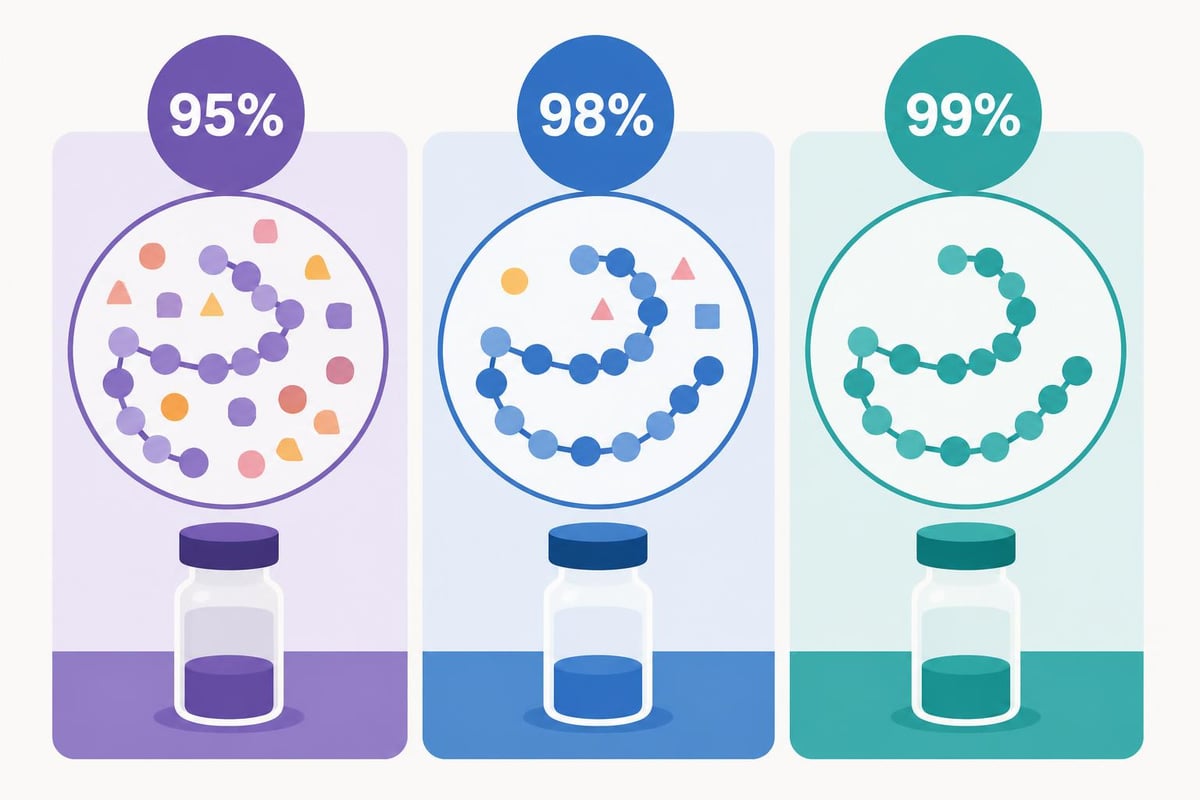
Peptide purity refers to the percentage of the desired peptide sequence present in a sample relative to other substances, including incomplete sequences, salt content, water, and manufacturing byproducts. The concept of purity 99 indicates that 99% of the sample consists of the target peptide, while only 1% comprises other materials.
Peptide purity exists across several grades:
- 95% purity: Entry-level grade suitable for initial screening studies
- 98% purity: Mid-range grade for general research applications
- 99% purity: Premium grade for advanced research and quality-sensitive applications
- 99%+: Ultra-pure grade for the most demanding research protocols
The difference between these grades may seem minimal at first glance, but even a 1-2% variation can significantly impact experimental outcomes, particularly in dose-dependent studies or applications requiring precise molecular interactions. Understanding peptide purity grades helps researchers select the appropriate quality level for their specific needs.
The Scientific Measurement of Purity 99
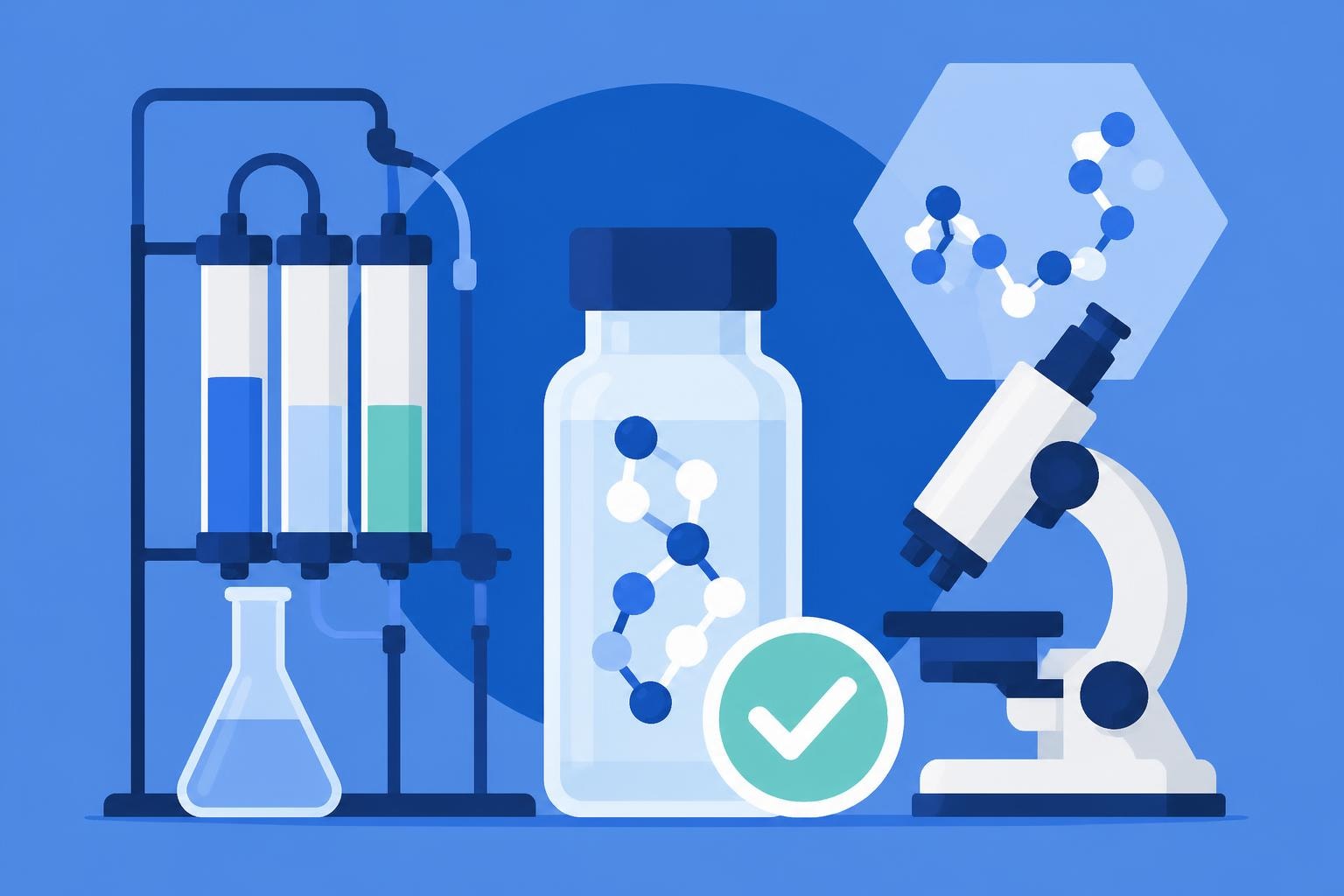
Achieving and verifying purity 99 requires sophisticated analytical techniques that can accurately quantify peptide content and identify potential contaminants. High-Performance Liquid Chromatography (HPLC) serves as the industry standard method for determining peptide purity.
HPLC analysis works through these key steps:
- Sample injection into a specialized column
- Separation of compounds based on molecular properties
- Detection and quantification of individual components
- Integration of peak areas to calculate purity percentage
The resulting chromatogram displays peaks representing different compounds in the sample. The area under the peak corresponding to the target peptide, divided by the total area of all peaks, yields the purity percentage. When a peptide achieves purity 99, it means the target peptide peak represents 99% of the total chromatogram area.
Mass spectrometry often complements HPLC analysis, providing molecular weight confirmation and identifying specific impurities. This dual-method approach ensures comprehensive quality assessment. Third-party testing protocols add an additional layer of verification, confirming manufacturer claims through independent laboratory analysis.
Why Purity 99 Matters in Research Applications
The importance of purity 99 extends beyond mere numbers on a certificate of analysis. This exceptional purity level directly influences research outcomes, safety profiles, and reproducibility of results across multiple experimental protocols.
Impurities in peptide samples can interfere with receptor binding, alter pharmacokinetic properties, or introduce unexpected biological activities. In dose-response studies, even minor contaminants can skew results, leading to inaccurate conclusions about peptide efficacy or safety. Research has shown that impurities can cause false positive or negative results in biological assays.
| Research Application | Impact of Lower Purity | Benefit of Purity 99 |
|---|---|---|
| Receptor binding studies | Competitive inhibition from contaminants | Accurate binding affinity data |
| Dose-response curves | Skewed EC50 calculations | Precise dose relationships |
| Cell culture experiments | Toxic impurity effects | Reliable cellular responses |
| In vivo studies | Unpredictable pharmacokinetics | Consistent bioavailability |
Beyond research applications, purity 99 peptides demonstrate superior stability during storage and handling. Impurities can catalyze degradation reactions, reducing shelf life and compromising product integrity over time. Premium purity peptides maintain their molecular structure longer, ensuring consistent performance throughout their usable lifetime.
Manufacturing Processes Behind Purity 99
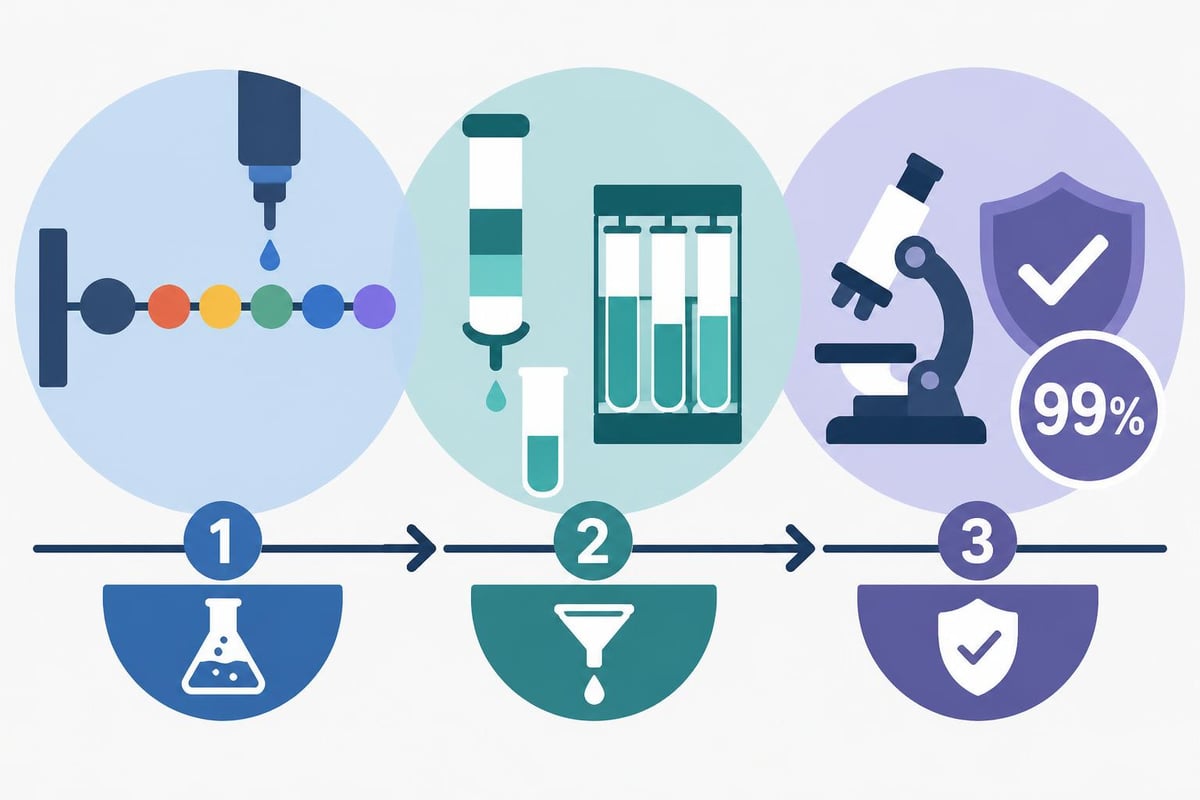
Achieving purity 99 requires advanced manufacturing capabilities and rigorous quality control throughout the production process. Solid-phase peptide synthesis (SPPS) serves as the foundation for most modern peptide manufacturing, but reaching the highest purity levels demands additional purification steps.
The manufacturing workflow typically includes:
Synthesis phase:
- Automated coupling of amino acids in the correct sequence
- Deprotection steps to remove protective groups
- Cleavage from the solid support resin
Purification phase:
- Multiple rounds of preparative HPLC
- Gradient optimization for maximum separation
- Collection and pooling of the purest fractions
Quality verification:
- Analytical HPLC for purity confirmation
- Mass spectrometry for molecular weight verification
- Amino acid analysis for sequence confirmation
- Peptide content determination by quantitative methods
Manufacturers pursuing purity 99 standards invest significantly in state-of-the-art equipment, specialized columns, and high-grade solvents. The purification process may require multiple iterations, with each pass removing additional impurities until the target purity level is achieved.
Verifying Authentic Purity 99 Peptides
With the growing demand for high-purity peptides, the market has unfortunately seen an increase in products making unsubstantiated purity claims. Consumers and researchers must develop the knowledge to verify authentic purity 99 products and avoid substandard alternatives.
Reputable suppliers provide comprehensive Certificates of Analysis (CoA) for each batch, documenting the exact purity level determined through validated analytical methods. Understanding what 99% peptide purity really means helps buyers evaluate these documents critically.
Key elements of a legitimate CoA include:
- Batch number matching the product label
- HPLC chromatogram showing the purity calculation
- Mass spectrometry data confirming molecular weight
- Testing date and laboratory identification
- Clear statement of purity percentage
- Storage recommendations and expiration date
Third-party testing provides the highest level of verification. Independent laboratories with no financial stake in the results offer unbiased assessment of peptide quality. Some premium suppliers routinely submit products to multiple testing facilities, providing customers with redundant verification of purity 99 claims.
Visual inspection can also provide preliminary quality indicators, though it cannot definitively confirm purity. High-purity peptides typically appear as fine, uniform powders with consistent color. Clumping, discoloration, or unusual odors may suggest degradation or contamination, warranting further investigation before use.
The Economic Considerations of Purity 99
Premium purity comes with premium pricing, leading many to question whether the additional cost justifies the benefits. The answer depends largely on the application and the consequences of impurities in the specific use case.
For preliminary screening studies or applications with wide therapeutic windows, 95-98% purity may provide adequate performance at lower cost. However, for dose-critical applications, mechanistic studies, or situations where reproducibility is paramount, purity 99 represents a sound investment.
| Cost Factor | Lower Purity (95-98%) | Purity 99 |
|---|---|---|
| Initial purchase price | Lower | Higher |
| Reproducibility | Variable | Consistent |
| Wasted experiments | Higher risk | Minimal risk |
| Long-term stability | Moderate | Superior |
| Total cost of research | Potentially higher | Optimized |
The true cost calculation must consider not just the purchase price but the total cost of research, including potential failed experiments, time spent troubleshooting inconsistent results, and the value of reliable, publishable data. When viewed through this comprehensive lens, purity 99 often represents the most cost-effective choice for serious research applications.
Application-Specific Purity Requirements
Different applications demand varying purity levels based on their sensitivity to impurities and the criticality of precise results. Understanding these requirements helps optimize both scientific outcomes and budget allocation across research portfolios.
Weight Loss and Metabolic Research
Peptides targeting weight loss mechanisms, such as GLP-1 agonists or growth hormone secretagogues, require purity 99 for accurate dose-response characterization. Impurities can interfere with receptor binding or introduce unwanted metabolic effects, confounding experimental results.
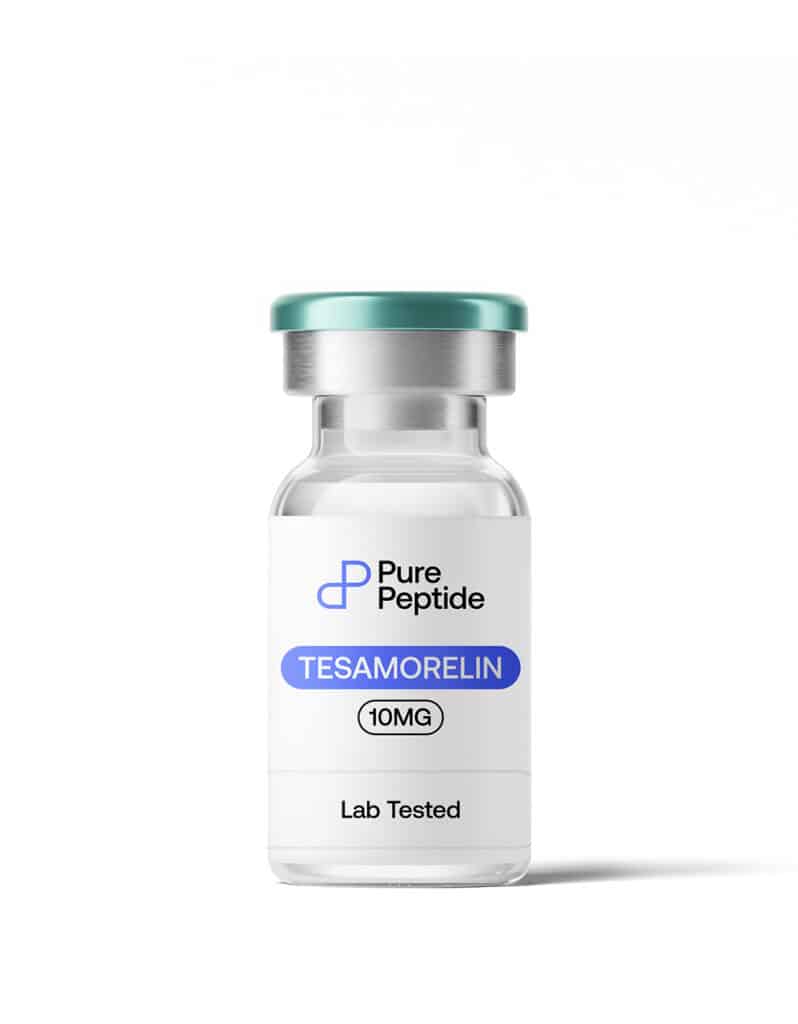
Research involving specific peptides like Tesamorelin benefits significantly from the highest purity standards, as precise dosing is essential for documenting efficacy and safety profiles. The metabolic pathways involved are complex, and even minor contaminants can alter insulin sensitivity, lipid metabolism, or appetite regulation in unpredictable ways.
Muscle Growth and Recovery Studies
Peptides supporting muscle growth, such as Ipamorelin and similar compounds, demonstrate dose-dependent effects on growth hormone release and protein synthesis. Purity 99 ensures that observed effects result from the target peptide rather than contaminants that might independently influence anabolic pathways.
Recovery-focused research particularly benefits from high-purity peptides because the mechanisms often involve subtle modulation of inflammatory pathways and tissue repair processes. Impurities with pro-inflammatory or anti-inflammatory properties could mask or exaggerate the true effects of the peptide under investigation.

Anti-Aging and Regenerative Applications
Anti-aging research frequently involves long-term studies examining cumulative effects over extended periods. Purity 99 becomes crucial in these protocols because impurities can accumulate or trigger unexpected responses during prolonged exposure.
Peptides targeting collagen synthesis, cellular senescence, or mitochondrial function require exceptional purity to distinguish true anti-aging mechanisms from artifact effects. The biological systems involved are extraordinarily complex, with multiple feedback loops and compensatory mechanisms that can be disrupted by even trace contaminants.
Storage and Handling Best Practices
Even purity 99 peptides can degrade if improperly stored or handled, undermining the quality advantages that premium purification provides. Implementing proper protocols preserves peptide integrity from receipt through final use.
Optimal storage conditions for maintaining purity 99:
- Temperature: -20°C to -80°C for long-term storage
- Humidity: Low humidity environment, preferably with desiccant
- Light exposure: Store in amber vials or dark containers
- Container type: Sterile, inert glass vials with proper seals
- Atmosphere: Inert gas overlay for oxidation-sensitive peptides
Reconstitution procedures also influence peptide stability and effective purity. Using bacteriostatic water, sterile saline, or manufacturer-recommended diluents prevents microbial contamination that could compromise sample integrity. Gentle mixing techniques avoid mechanical stress that might cause aggregation or degradation.
Freeze-thaw cycles represent a particular concern, as repeated temperature fluctuations can promote peptide aggregation and chemical degradation. Aliquoting peptide solutions into single-use portions eliminates this issue, maintaining purity 99 throughout the research timeline.
Regulatory and Compliance Perspectives
The regulatory landscape for peptides varies significantly depending on jurisdiction and intended use. However, purity standards consistently feature as a central component of compliance frameworks worldwide.
For research-use-only peptides, purity 99 represents best practice rather than a legal requirement in most jurisdictions. Nonetheless, institutions and researchers implementing Good Laboratory Practice (GLP) standards routinely specify high-purity peptides to ensure experimental validity and data quality.
Verification of peptide quality has become standard practice among leading research institutions, with many requiring documented purity above 98% for grant-funded research. Publication in high-impact journals increasingly demands comprehensive characterization data, including detailed purity analysis, making purity 99 products advantageous for researchers seeking to publish their findings.
The emerging field of peptide therapeutics places even greater emphasis on purity standards, with regulatory agencies worldwide establishing stringent requirements for pharmaceutical-grade peptides. While research-grade peptides serve different purposes, the manufacturing expertise and quality systems developed for therapeutic applications often translate to superior research-grade products as well.
Quality Assurance in the Peptide Industry
The peptide industry has matured significantly over the past decade, with leading manufacturers implementing comprehensive quality management systems that ensure consistent delivery of purity 99 products. These systems encompass every aspect of production, from raw material sourcing through final product release.
Components of robust quality assurance programs include:
- Validated analytical methods with documented accuracy and precision
- Environmental monitoring of production facilities
- Equipment qualification and calibration protocols
- Personnel training and competency assessment
- Batch record review and release procedures
- Stability testing programs to establish shelf life
- Customer complaint investigation and corrective action
Leading suppliers maintain dedicated quality control laboratories equipped with the latest analytical instrumentation, staffed by experienced scientists who specialize in peptide characterization. This infrastructure investment represents a significant commitment to quality that differentiates premium suppliers from lower-tier competitors.
Transparency has become a hallmark of quality-focused peptide suppliers. The best companies provide not just Certificates of Analysis but also detailed information about their manufacturing processes, quality systems, and testing protocols. This openness allows customers to make informed decisions based on verifiable quality criteria rather than marketing claims alone.
Exploring the full range of available peptides from reputable suppliers reveals the breadth of options available at purity 99 standards, spanning applications from metabolic research to regenerative medicine.
Future Trends in Peptide Purity
Advances in analytical chemistry and purification technology continue to push the boundaries of what's possible in peptide manufacturing. While purity 99 represents today's gold standard, emerging techniques suggest even higher purity levels may become routine in coming years.
Supercritical fluid chromatography offers enhanced resolution compared to traditional HPLC, potentially enabling more efficient removal of closely related impurities. Advanced mass spectrometry techniques provide increasingly detailed characterization, identifying and quantifying impurities at parts-per-billion levels.
Automation and artificial intelligence are transforming peptide manufacturing, with machine learning algorithms optimizing purification conditions and predicting optimal processing parameters. These technologies promise to reduce batch-to-batch variability while maintaining or exceeding purity 99 standards more consistently and cost-effectively.
The growing integration of peptide therapies into mainstream medicine is driving standardization efforts that benefit the broader research community. As manufacturing capabilities mature and economies of scale develop, purity 99 peptides may become more accessible to a wider range of researchers and applications.
Achieving and maintaining purity 99 in peptide products requires sophisticated manufacturing capabilities, rigorous quality control, and an unwavering commitment to excellence that distinguishes premium suppliers from the rest of the market. For researchers, healthcare professionals, and informed consumers seeking peptides for weight loss, muscle growth, recovery, or anti-aging applications, this exceptional purity level ensures optimal results with minimal interference from contaminants. Soma Peptide combines advanced purification methods with stringent quality control standards to deliver the premium-grade peptides your research deserves, backed by comprehensive testing and transparent documentation that verifies every purity claim.