


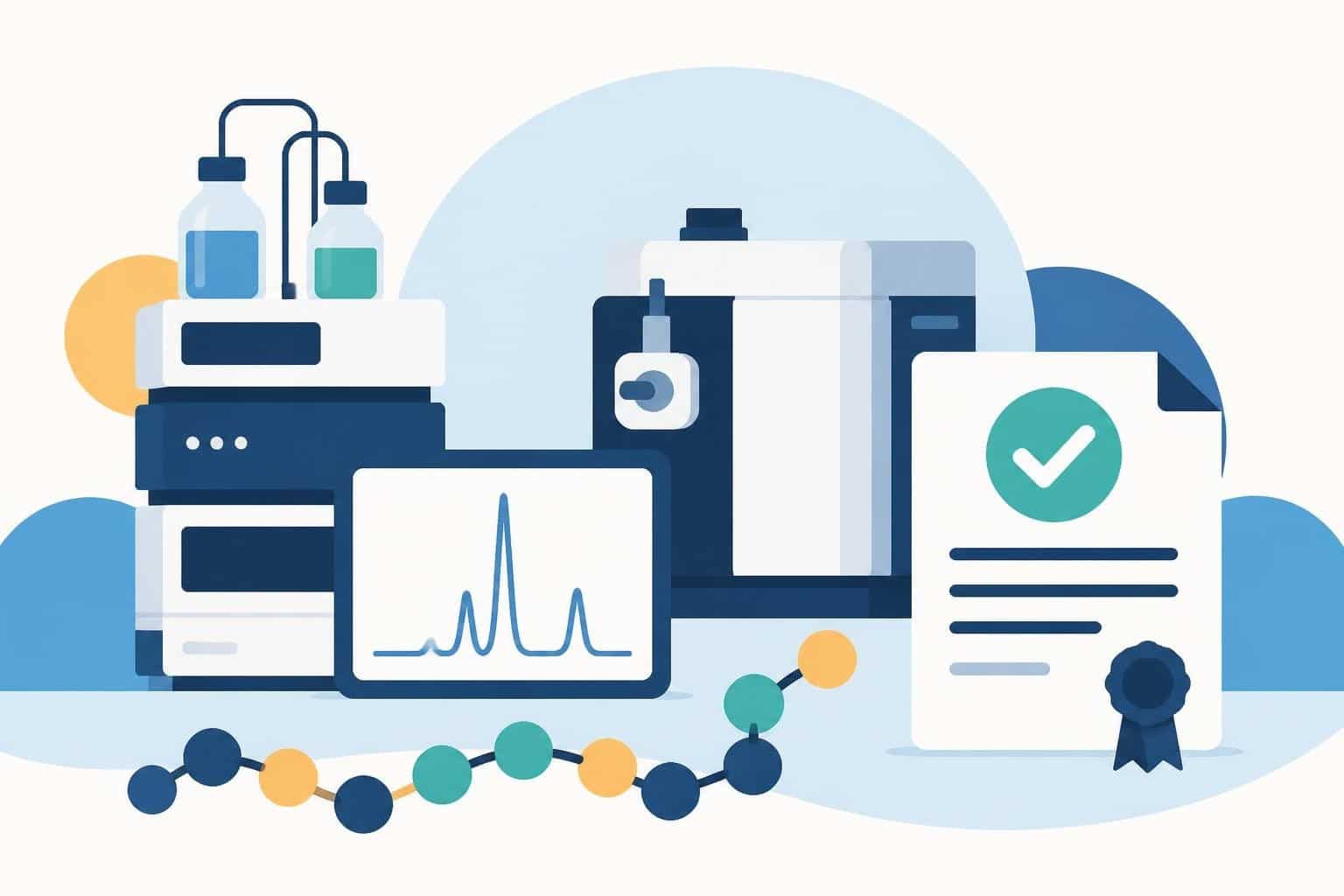
Peptide therapy has emerged as a cornerstone of modern regenerative medicine, weight management, and anti-aging protocols. However, the effectiveness of any peptide-based intervention depends entirely on one critical factor: purity. A purity peptide represents more than just a chemical compound; it embodies rigorous manufacturing standards, precise analytical testing, and unwavering commitment to quality control. Understanding what makes a peptide truly pure requires examining the science behind synthesis, the methodologies used for verification, and the standards that separate premium products from inferior alternatives. As therapeutic peptides gain mainstream acceptance, discerning consumers and healthcare practitioners must develop the knowledge to evaluate purity claims critically.
The Science Behind Peptide Purity
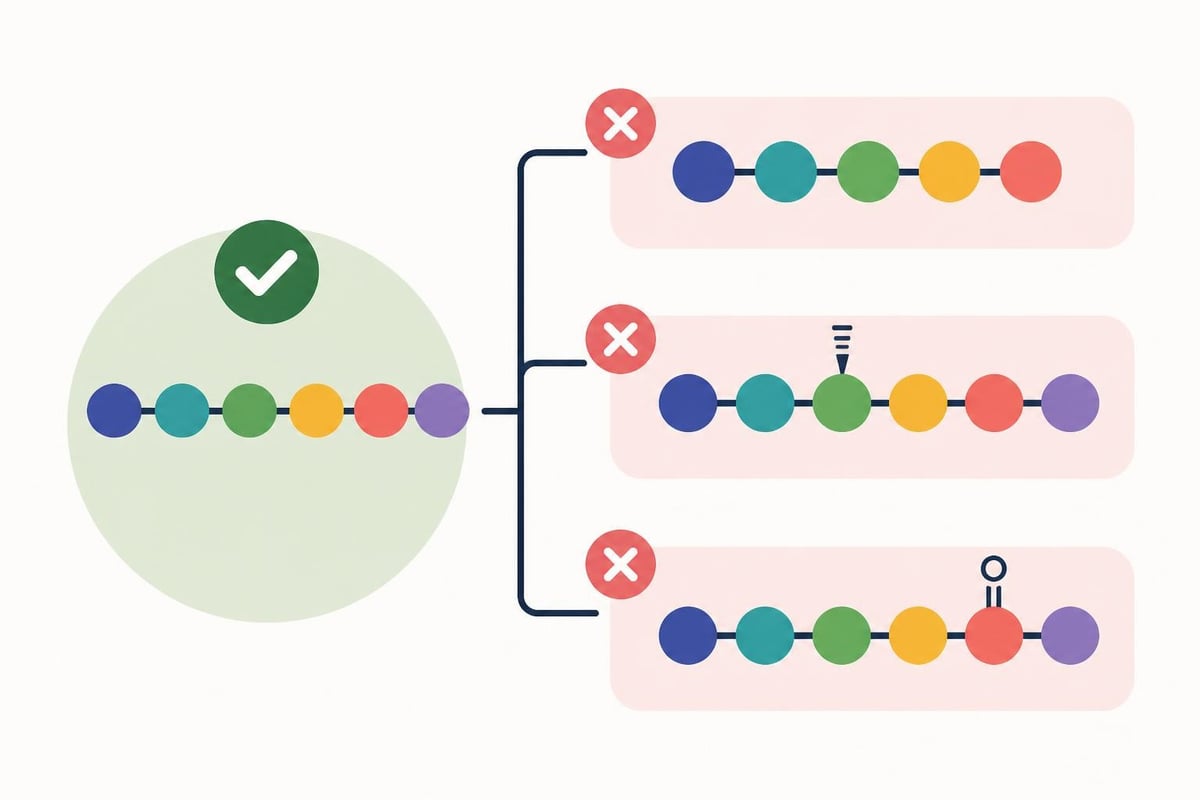
Peptide purity refers to the percentage of the desired peptide sequence present in a final product, free from synthesis byproducts, degradation products, and contaminating substances. During synthesis, particularly solid-phase peptide synthesis (SPPS), incomplete reactions can produce truncated sequences or deletion peptides that lack full biological activity.
The chemical environment during manufacturing introduces multiple opportunities for impurity formation. Epimerization can occur when amino acids convert to their mirror-image forms, oxidation affects sensitive residues like methionine and cysteine, and deamidation gradually degrades asparagine and glutamine residues. Each of these alterations compromises the structural integrity of the final peptide.
Manufacturing Variables That Impact Purity
Several critical factors during production determine whether a purity peptide meets therapeutic standards:
- Reagent quality: The purity of starting amino acids directly influences final product purity
- Reaction completeness: Insufficient coupling time creates sequence deletions
- Deprotection efficiency: Incomplete removal of protecting groups leaves modified residues
- Cleavage conditions: Harsh or prolonged cleavage generates unwanted side products
- Storage conditions: Temperature, light, and humidity affect stability over time
Advanced purification methods remove these impurities after synthesis. Reverse-phase high-performance liquid chromatography (HPLC) remains the gold standard, separating peptides based on hydrophobicity differences. This technique can distinguish between the target peptide and closely related impurities that differ by a single amino acid.
Testing Methods for Peptide Purity Verification
Analytical testing transforms claims about purity peptide quality into verifiable data. Modern laboratories employ multiple complementary techniques to characterize peptide samples comprehensively.
High-Performance Liquid Chromatography (HPLC)
HPLC provides quantitative purity assessment by separating mixture components and measuring their relative abundance. The methodology and interpretation of HPLC results requires understanding several key parameters:
| HPLC Parameter | What It Reveals | Quality Indicator |
|---|---|---|
| Main peak area | Target peptide percentage | Should exceed 95% for premium grade |
| Retention time | Identity confirmation | Matches reference standards |
| Secondary peaks | Impurity presence | Fewer and smaller peaks indicate higher purity |
| Baseline noise | System precision | Low noise demonstrates reliable measurement |
The purity percentage reported on Certificates of Analysis represents the main peak area divided by total peak area, multiplied by 100. A purity peptide certified at 98% contains 98% of the desired sequence and 2% various impurities.
Mass Spectrometry Analysis
While HPLC quantifies purity, mass spectrometry (MS) confirms identity. This technique measures the mass-to-charge ratio of peptide ions, generating a molecular weight fingerprint. Liquid chromatography-mass spectrometry (LC-MS) combines separation power with precise mass determination.
The expected molecular weight should match the calculated value within a narrow tolerance, typically ±0.5 Daltons for peptides under 3000 Da. Discrepancies indicate synthesis errors, incomplete deprotection, or degradation.
Additional Analytical Techniques
Beyond HPLC and MS, specialized laboratories employ:
- Capillary electrophoresis (CE): Separates peptides based on charge and size
- Amino acid analysis (AAA): Quantifies individual amino acid composition
- Nuclear magnetic resonance (NMR): Provides structural confirmation for complex peptides
- Endotoxin testing: Ensures bacterial contamination absence for injectable products
Understanding peptide purity analysis principles helps researchers and consumers evaluate whether testing protocols meet industry standards for their intended application.
Certificate of Analysis: Your Purity Roadmap
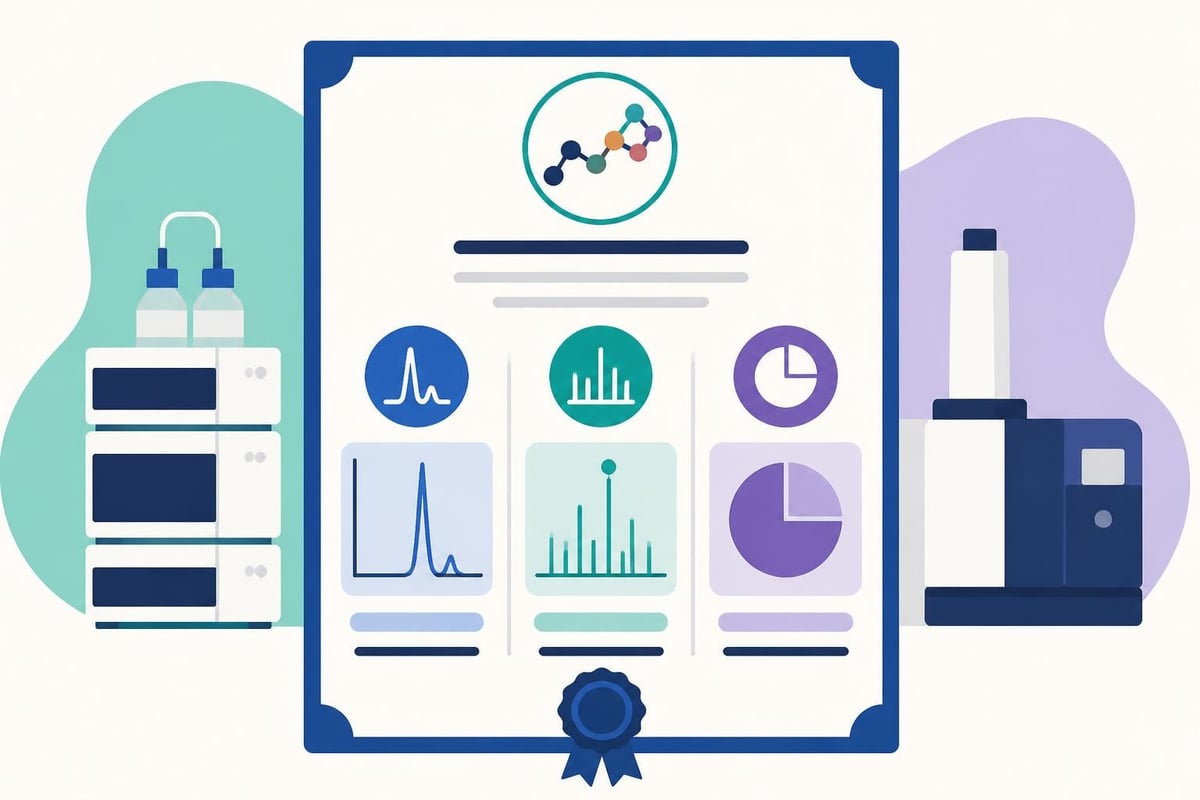
Every legitimate purity peptide shipment includes a Certificate of Analysis (CoA), a comprehensive document detailing product specifications and test results. This certificate serves as your quality assurance guarantee and should be examined carefully before use.
A complete CoA contains multiple essential sections:
Product identification includes batch number, synthesis date, and peptide sequence. This information enables traceability and batch-specific quality tracking.
Analytical data presents HPLC chromatograms showing peak patterns, purity percentage calculations, and mass spectrometry results confirming molecular weight. The chromatogram should display a dominant main peak with minimal secondary peaks.
Physical properties document appearance (typically white to off-white powder), solubility characteristics, and storage recommendations. Deviations from expected appearance may indicate degradation or contamination.
Interpreting CoA Results
| CoA Section | What to Look For | Red Flags |
|---|---|---|
| HPLC Purity | ≥95% for research, ≥98% for therapeutic | Purity below advertised percentage |
| Mass Spec | Matches calculated MW ±0.5 Da | Multiple unexpected masses |
| Appearance | Uniform powder, correct color | Discoloration, clumping, moisture |
| Storage Date | Recent synthesis (within 6 months) | Older than 12 months without retest |
The importance of reviewing certificates of analysis cannot be overstated, as this document represents the only objective verification of product quality before purchase.
Reference Standards and Quality Control
Reference standards play a crucial role in ensuring consistent purity peptide quality across batches and manufacturers. These highly characterized materials serve as benchmarks against which test samples are compared.
Primary reference standards undergo extensive characterization using orthogonal analytical methods. Their purity, identity, and stability receive verification through multi-laboratory studies. Manufacturers use these standards to calibrate instruments, validate testing methods, and establish acceptable quality ranges.
Internal Quality Control Measures
Reputable peptide suppliers implement rigorous internal controls:
- Raw material qualification: Testing incoming amino acids and reagents before synthesis
- In-process monitoring: Checking reaction completion at critical synthesis steps
- Batch release testing: Comprehensive analysis before products reach customers
- Stability studies: Time-course testing to establish proper storage conditions
- Re-testing protocols: Periodic analysis of stored inventory to confirm continued purity
These systematic approaches ensure each purity peptide batch meets predetermined specifications. Without such protocols, quality varies unpredictably between production runs.
Factors Affecting Long-Term Purity
Even peptides synthesized with exceptional purity degrade over time without proper handling. Understanding stability factors helps maintain therapeutic effectiveness throughout the product lifecycle.
Temperature represents the most critical variable. Most peptides require frozen storage at -20°C or colder for long-term preservation. Lyophilized (freeze-dried) peptides generally demonstrate superior stability compared to solutions.
Moisture exposure accelerates degradation through hydrolysis reactions. Peptide powders should remain desiccated until reconstitution. Once reconstituted, most peptides maintain stability for 2-4 weeks when refrigerated.
Light sensitivity affects peptides containing aromatic amino acids like tryptophan and tyrosine. Amber or opaque vials protect light-sensitive sequences from photodegradation.
Storage Recommendations by Form
| Peptide Form | Optimal Storage | Maximum Stability |
|---|---|---|
| Lyophilized powder | -20°C, desiccated | 12-24 months |
| Reconstituted solution | 2-8°C, protected from light | 2-4 weeks |
| Pre-mixed blends | -20°C, single-use aliquots | Varies by formulation |
Proper storage preserves the purity peptide characteristics verified during initial testing. Historical research on peptide purity demonstrates that even minor storage violations compromise therapeutic outcomes.
Contamination Types and Detection
Beyond synthesis-related impurities, peptides face contamination risks from microbial sources, heavy metals, and residual solvents. Each contamination category requires specific detection methods.
Bacterial endotoxins present serious safety concerns for injectable peptides. The Limulus Amebocyte Lysate (LAL) test quantifies endotoxin levels, with acceptable limits typically below 5 EU/mg for research peptides.
Heavy metal contamination from synthesis equipment or reagents necessitates inductively coupled plasma mass spectrometry (ICP-MS) testing. Lead, arsenic, mercury, and cadmium should remain below parts-per-million thresholds.
Residual solvents like trifluoroacetic acid (TFA) persist from purification processes. Gas chromatography quantifies these volatile impurities, ensuring concentrations stay within safe limits.
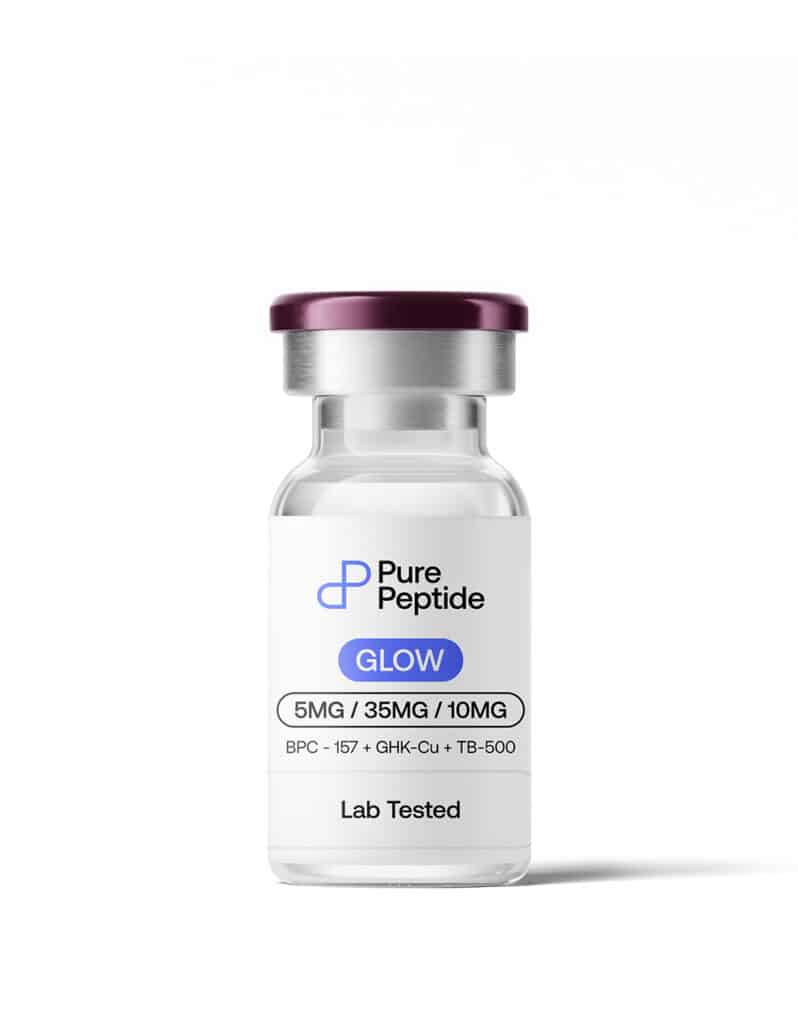
For regenerative applications requiring pristine quality, formulations like the GLOW Blend combine multiple peptides that have undergone comprehensive purity testing, ensuring each component meets therapeutic standards for tissue repair and skin renewal.
Industry Standards and Regulatory Considerations
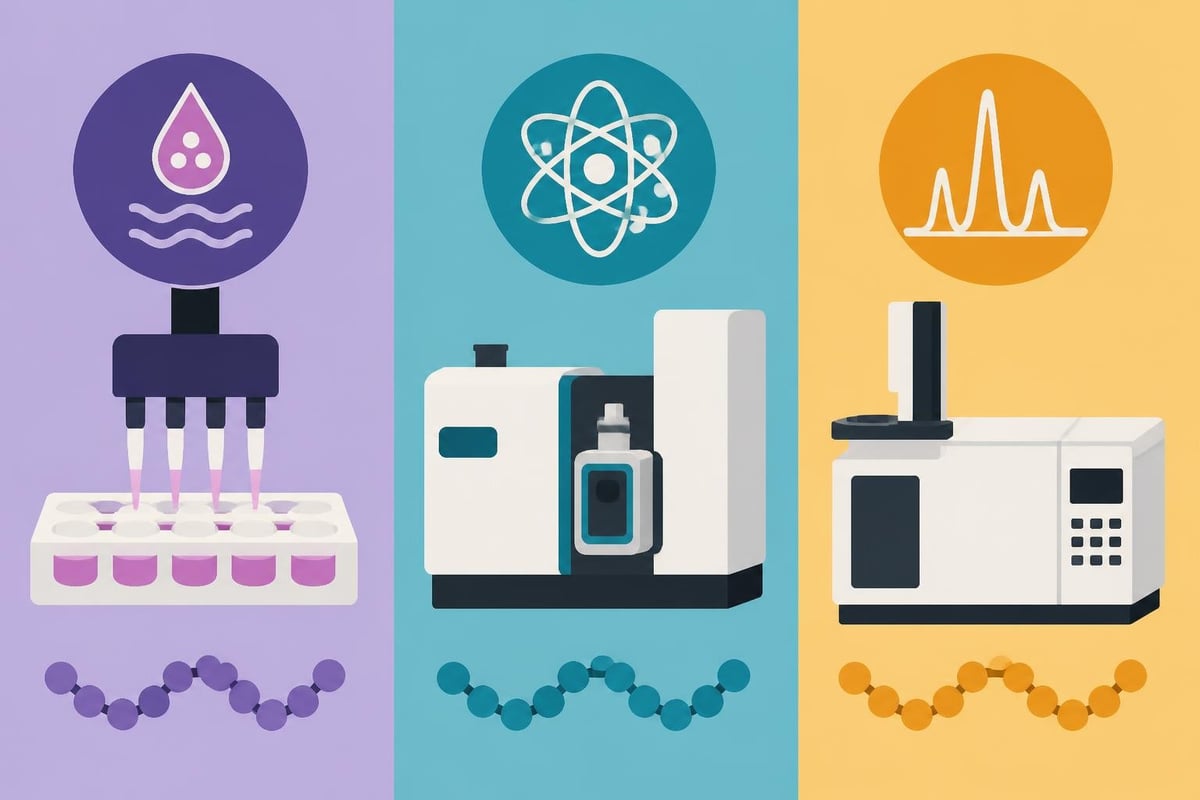
The therapeutic peptide industry operates under evolving regulatory frameworks that establish minimum purity peptide requirements for various applications. While dietary supplements face less stringent oversight than pharmaceuticals, quality-focused manufacturers voluntarily adopt higher standards.
Good Manufacturing Practices (GMP) provide systematic quality guidelines covering facility design, personnel training, equipment maintenance, and documentation procedures. GMP-certified facilities demonstrate commitment to consistent quality production.
United States Pharmacopeia (USP) standards define purity specifications for compounded medications. These monographs establish acceptable impurity limits, testing methodologies, and stability requirements for specific peptides.
Research vs. Therapeutic Grade
The peptide market distinguishes between grades based on purity and intended use:
- Research grade (≥95% purity): Suitable for laboratory investigations and preliminary studies
- Therapeutic grade (≥98% purity): Meets standards for clinical applications and human use
- Pharmaceutical grade (≥99% purity): Exceeds regulatory requirements for drug development
This tiered system allows researchers to select appropriate quality levels while controlling costs. However, therapeutic applications demand the highest purity grades to minimize adverse reactions and maximize efficacy.
Purity Impact on Biological Activity
The relationship between purity and biological activity proves complex. While higher purity generally correlates with better outcomes, the specific impurities present matter more than absolute purity percentage in some cases.
Sequence-related impurities like deletion peptides may compete for receptor binding without producing full agonist effects, effectively reducing potency. A 95% Soma Peptide containing 5% deletion sequences might perform worse than a 93% Soma Peptide with 7% unrelated impurities.
Enantiomeric impurities from amino acid racemization can alter pharmacokinetics and receptor interactions. D-amino acids exhibit different biological properties than their L-counterparts, potentially introducing unwanted effects.
Aggregated peptides form when molecules cluster together through hydrophobic interactions or disulfide bonding. These aggregates may demonstrate reduced solubility, altered absorption, and modified biological activity compared to monomeric forms.
Measuring Functional Purity
Beyond chemical purity, functional assays evaluate biological activity:
- Receptor binding assays: Measure affinity for target receptors
- Cell-based assays: Assess downstream signaling activation
- In vivo models: Determine physiological responses in living systems
- Bioavailability studies: Quantify absorption and tissue distribution
These functional tests reveal whether chemical purity translates into therapeutic effectiveness. A purity peptide might achieve 99% analytical purity yet show reduced biological activity due to subtle structural modifications.
Selecting a Quality Peptide Supplier
Choosing a reputable peptide provider requires evaluating multiple quality indicators beyond advertised purity percentages. Customer reviews and experiences offer valuable insights into consistent quality delivery and customer service.
Transparency serves as a primary indicator of supplier reliability. Companies that readily provide CoAs, explain testing methodologies, and disclose sourcing information demonstrate confidence in their quality standards.
Testing comprehensiveness varies significantly between suppliers. Minimum acceptable testing includes HPLC purity analysis and mass spectrometry confirmation. Advanced suppliers add amino acid analysis, endotoxin testing, and heavy metal screening.
Supplier Evaluation Checklist
When assessing peptide vendors, consider:
- CoA availability for every batch before purchase
- Third-party testing verification from independent laboratories
- GMP certification or equivalent quality system documentation
- Responsive customer support with technical expertise
- Clear storage and handling instructions
- Reasonable pricing that reflects quality manufacturing costs
- Money-back guarantees or replacement policies for substandard products
Suspiciously low prices often indicate compromised purity standards or inadequate testing. Premium purity peptide production requires significant investment in equipment, reagents, and analytical services that budget suppliers cannot maintain.
Advanced Purification Technologies
Cutting-edge purification methods continue advancing purity peptide standards beyond traditional HPLC capabilities. These technologies address specific impurity challenges that conventional approaches struggle to resolve.
Preparative HPLC scaling enables purification of larger peptide quantities while maintaining high resolution. Modern systems incorporate automated fraction collection, real-time purity monitoring, and recycling capabilities that improve yield without sacrificing quality.
Simulated moving bed chromatography provides continuous separation, increasing throughput for commercial-scale production. This technique excels at binary separations where traditional batch chromatography proves inefficient.
Membrane-based separations offer gentler alternatives to chromatographic methods, particularly valuable for aggregation-prone peptides. Ultrafiltration and diafiltration remove salts and small molecule impurities while preserving peptide structure.
Emerging Purification Approaches
| Technology | Primary Application | Purity Achievement |
|---|---|---|
| Aqueous two-phase extraction | Scalable initial purification | 85-90% |
| Affinity chromatography | Tagged peptide purification | 90-95% |
| Preparative RP-HPLC | Final polishing step | 95-99%+ |
| Counter-current chromatography | Large-scale production | 92-97% |
These complementary techniques work synergistically in multi-step purification schemes. The comprehensive approach to peptide quality involves strategic method selection based on peptide properties and purity requirements.
Economic Considerations of Peptide Purity
Higher purity peptide products command premium prices reflecting the additional processing and testing required. Understanding the cost-benefit relationship helps consumers make informed purchasing decisions.
Synthesis efficiency decreases as target purity increases. Achieving 95% purity might require one purification run, while reaching 99% demands multiple polishing steps with significant yield loss between rounds.
Analytical testing costs scale with thoroughness. Basic HPLC and MS analysis costs $200-500 per batch, while comprehensive testing including endotoxin assays, heavy metal screens, and amino acid analysis exceeds $1,500 per batch.
Quality infrastructure investment represents substantial fixed costs. GMP facilities, validated equipment, and trained personnel require ongoing financial commitment that smaller operations cannot sustain.
Calculating True Value
When comparing peptide options, consider cost per therapeutic dose rather than cost per milligram. A 95% Soma Peptide at $100/gram effectively costs more than a 98% pure alternative at $150/gram when dosing calculations account for active ingredient content.
The economic equation becomes:
Effective cost = (Advertised price) ÷ (Purity percentage × Peptide content)
This formula reveals the actual expense for delivering a specified amount of biologically active peptide, enabling accurate price comparisons between suppliers of varying purity standards.
Future Directions in Purity Assessment
Peptide quality science continues evolving with technological advances enabling more sophisticated purity peptide characterization. Several emerging trends promise enhanced quality assurance in coming years.
Artificial intelligence applications for chromatogram interpretation reduce human error in purity calculations. Machine learning algorithms identify subtle impurity patterns that manual review might miss, improving detection sensitivity.
High-resolution mass spectrometry provides deeper structural insights, distinguishing between isomeric impurities with identical molecular weights but different sequences or modifications. This capability enhances impurity identification and removal strategies.
Miniaturized analytical platforms reduce sample requirements and analysis time. Chip-based separation systems enable rapid purity assessment using microliter sample volumes, facilitating real-time quality monitoring during manufacturing.
The integration of blockchain technology for batch tracking and CoA verification represents another frontier. Immutable digital records prevent fraudulent documentation and enable complete supply chain transparency from synthesis through delivery.
Understanding purity peptide standards empowers consumers to make informed decisions about therapeutic interventions and research applications. Quality peptides begin with meticulous synthesis, undergo rigorous analytical testing, and maintain their integrity through proper storage and handling. When you're ready to experience the benefits of peptides manufactured to the highest purity standards, Soma Peptide delivers premium quality products backed by comprehensive testing and transparent documentation. Every batch undergoes advanced purification and verification to ensure you receive peptides that meet therapeutic-grade specifications for your health and wellness goals.