The market for semaglutide peptide for sale has expanded dramatically as research continues to validate its effectiveness for weight management and metabolic health. Originally developed for type 2 diabetes treatment, semaglutide has gained recognition for its potent effects on appetite regulation and sustained weight reduction. As demand increases in 2026, understanding quality standards, proper sourcing, and safe usage becomes essential for anyone considering this peptide therapy. This comprehensive guide explores everything you need to know about purchasing semaglutide peptide, from purity verification to dosing protocols.
Understanding Semaglutide Peptide Mechanisms
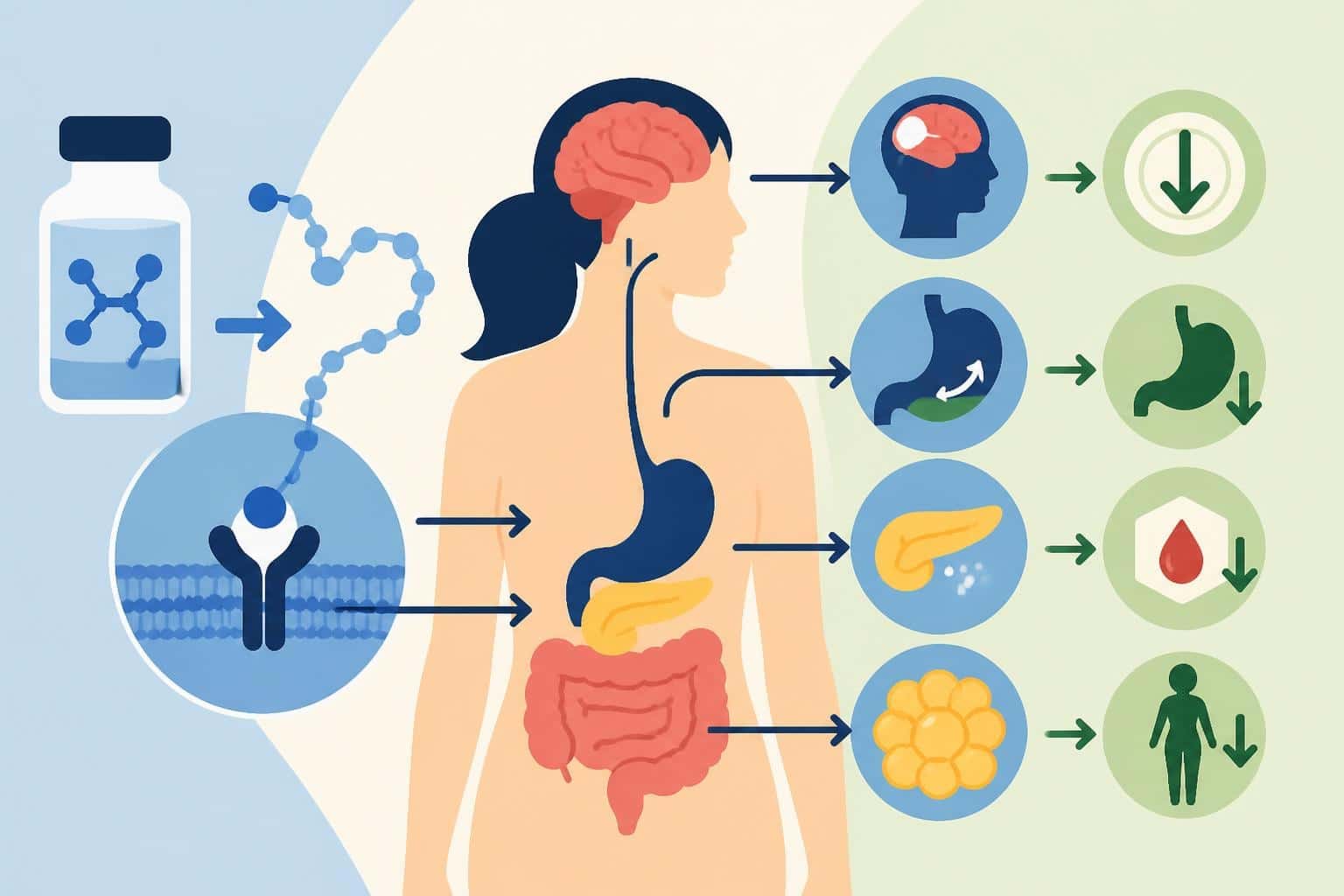
Semaglutide belongs to the glucagon-like peptide-1 (GLP-1) receptor agonist class, functioning by mimicking naturally occurring incretin hormones. These hormones play crucial roles in metabolic regulation and glucose homeostasis.
The peptide's primary mechanism involves binding to GLP-1 receptors throughout the body, particularly in pancreatic tissue, the brain, and gastrointestinal system. This activation triggers multiple physiological responses simultaneously.
Key biological actions include:
- Enhanced insulin secretion in response to elevated blood glucose
- Suppression of glucagon release, preventing excess hepatic glucose production
- Delayed gastric emptying, extending satiety duration
- Direct appetite reduction through hypothalamic signaling pathways
- Cardiovascular protective effects through multiple pathways
Research demonstrates that semaglutide’s effects on beta cell function and glycemic control contribute significantly to its therapeutic benefits. The peptide enhances pancreatic beta cell responsiveness while protecting these insulin-producing cells from degradation.
Pharmacokinetic Properties
Semaglutide's modified structure provides exceptional stability compared to natural GLP-1, which degrades within minutes. The peptide incorporates an acylation side chain that facilitates albumin binding, dramatically extending its half-life to approximately one week.
This prolonged duration enables once-weekly administration, a significant advantage over daily injection protocols required for many peptide therapies. Studies including pharmacokinetic assessments in diverse populations confirm consistent absorption and bioavailability across demographic groups.

Quality Standards for Semaglutide Peptide Products
When searching for semaglutide peptide for sale, purity verification stands as the most critical consideration. Pharmaceutical-grade semaglutide should meet or exceed 98% purity through validated testing methods.
Testing and Certification Requirements
Reputable suppliers provide comprehensive analytical documentation with each batch. High-performance liquid chromatography (HPLC) serves as the gold standard for peptide purity verification, separating compounds with exceptional precision.
| Testing Method | Purpose | Acceptable Range |
|---|---|---|
| HPLC | Purity verification | ≥98.0% |
| Mass Spectrometry | Molecular weight confirmation | ±0.01% of theoretical |
| Amino Acid Analysis | Sequence verification | 100% match |
| Bacterial Endotoxin | Contamination screening | <1.0 EU/mg |
| pH Testing | Stability indicator | 7.0-8.5 |
Mass spectrometry confirms the exact molecular weight matches theoretical calculations for authentic semaglutide. Any deviation suggests impurities, degradation, or incorrect synthesis.
Advanced suppliers employ additional verification through amino acid sequencing, ensuring the complete 31-amino acid chain maintains proper configuration. This level of scrutiny prevents distribution of ineffective or potentially harmful analogues.
Storage and Handling Standards
Proper storage conditions directly impact peptide stability and efficacy. Lyophilized (freeze-dried) semaglutide maintains stability at room temperature for limited periods but requires refrigeration for extended storage.
Optimal storage guidelines:
- Lyophilized powder: 2-8°C (refrigeration) for up to 24 months
- Reconstituted solution: 2-8°C for maximum 28 days
- Avoid freezing reconstituted solutions
- Protect from direct light exposure
- Maintain sterile handling throughout preparation
Those seeking information about safe handling practices can reference comprehensive injection guidelines that cover preparation, administration sites, and storage protocols.
Dosing Protocols and Administration
Clinical research establishes clear dosing frameworks for semaglutide peptide therapy. The standard protocol involves gradual dose escalation to minimize gastrointestinal side effects while optimizing therapeutic benefits.
Standard Escalation Schedule
Medical literature supports beginning with minimal doses and incrementally increasing over several weeks. This approach allows physiological adaptation while identifying individual tolerance levels.
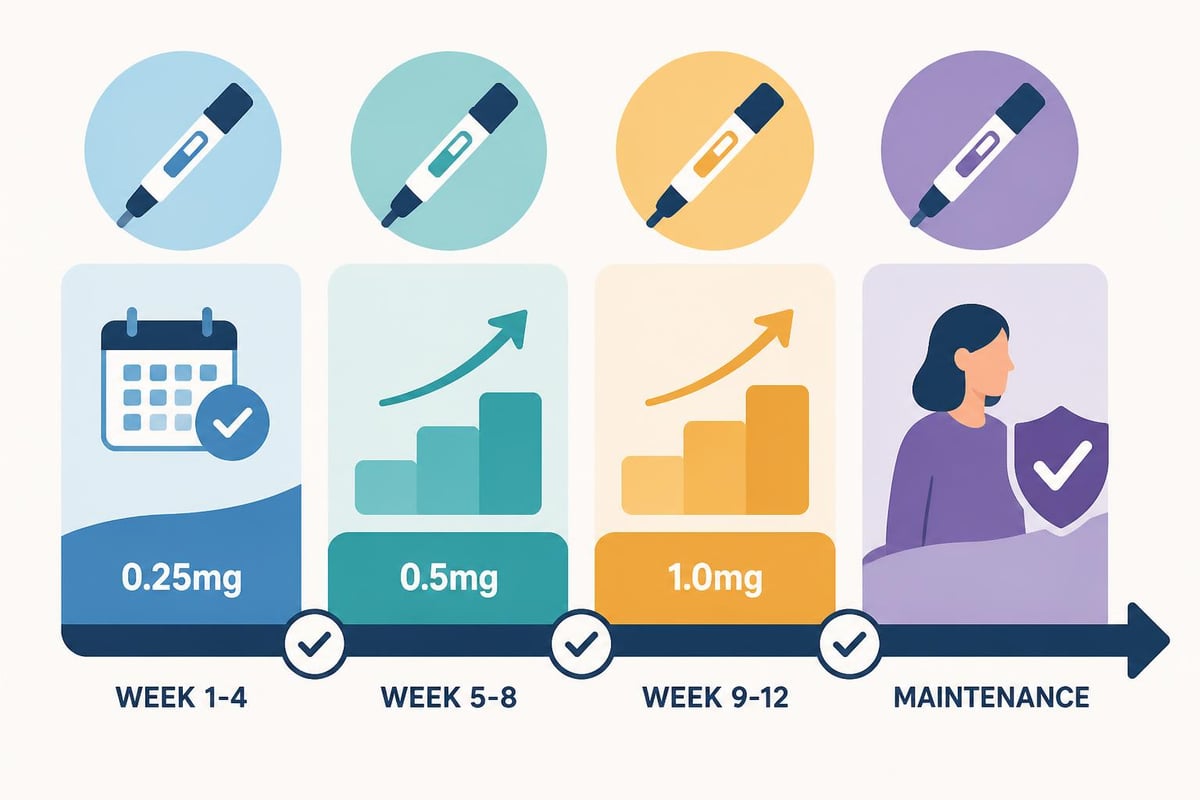
Typical escalation progression:
- Weeks 1-4: 0.25 mg once weekly (adaptation phase)
- Weeks 5-8: 0.5 mg once weekly (initial therapeutic dose)
- Weeks 9-12: 1.0 mg once weekly (standard maintenance)
- Weeks 13+: Up to 2.4 mg once weekly (maximum therapeutic dose)
Each increase should occur only after confirming tolerance at the current level. Some individuals maintain excellent results at lower doses and never require maximum levels.
Subcutaneous injection into the abdomen, thigh, or upper arm provides consistent absorption. Rotation of injection sites prevents localized irritation and maintains optimal uptake patterns.
Monitoring and Adjustments
Regular assessment of both desired effects and potential side effects guides appropriate dose optimization. Weight changes, appetite suppression, and glycemic control (when applicable) serve as primary efficacy markers.
Comparing Semaglutide Sources and Pricing
The market for semaglutide peptide for sale includes various supplier categories, each with distinct characteristics regarding quality assurance, pricing, and reliability.
Research-Grade versus Pharmaceutical-Grade
Understanding grade classifications helps buyers make informed decisions aligned with their requirements and safety standards.
| Characteristic | Research-Grade | Pharmaceutical-Grade |
|---|---|---|
| Purity Level | 95-98% | ≥98% |
| Testing Documentation | Basic HPLC | Comprehensive (HPLC, MS, AA) |
| Sterility Guarantee | Variable | USP standards |
| Price Range | Lower | Premium |
| Regulatory Status | Research only | Clinical application |
Premium suppliers like those offering high-quality peptide products typically provide pharmaceutical-grade compounds with complete batch documentation and transparent testing results.
Price Considerations and Value Assessment
Pricing for semaglutide peptide for sale varies considerably based on purity, testing rigor, and supplier reputation. As of 2026, market rates typically range from $150 to $400 per vial for pharmaceutical-grade products.
Extremely low pricing often signals compromised purity, inadequate testing, or counterfeit products. The adage "you get what you pay for" applies particularly to peptide purchases where quality directly impacts both safety and effectiveness.
Factors influencing legitimate pricing:
- Manufacturing scale and facility certifications
- Comprehensive testing protocols and documentation
- Cold chain logistics and proper storage
- Customer support and educational resources
- Batch-to-batch consistency guarantees
Experienced users recognize that investing in verified quality prevents wasted resources on ineffective products while minimizing health risks associated with contaminated or degraded peptides.
Safety Considerations and Side Effect Management
While semaglutide demonstrates excellent safety profiles in clinical trials, understanding potential adverse effects enables proactive management and appropriate expectations.
Common Gastrointestinal Effects
The most frequently reported side effects involve the digestive system, particularly during initial weeks of therapy. These typically diminish as physiological adaptation occurs.
Expected gastrointestinal responses include:
- Nausea (most common, especially in weeks 1-4)
- Occasional vomiting with rapid dose escalation
- Diarrhea or constipation as motility changes
- Reduced appetite (therapeutic effect)
- Mild abdominal discomfort
Analysis of self-reported experiences in online communities reveals valuable real-world perspectives on managing these effects, though individual responses vary considerably.
Starting with conservative doses and advancing slowly dramatically reduces severity and frequency of gastrointestinal symptoms. Adequate hydration and smaller, more frequent meals also support better tolerance.
Serious Considerations
While rare, certain populations require additional caution or medical supervision when considering semaglutide therapy. Personal or family history of medullary thyroid carcinoma represents a contraindication based on rodent studies.
The peptide's impact on liver health has been studied extensively, with current evidence suggesting generally favorable safety profiles when used appropriately. However, individuals with existing hepatic conditions should pursue medical consultation before initiation.
Populations requiring enhanced caution:
- Individuals with history of pancreatitis
- Those with severe gastrointestinal disease
- Pregnant or breastfeeding women
- Patients with diabetic retinopathy
- Anyone with thyroid nodules or family history of thyroid cancer
Integration with Comprehensive Wellness Strategies
Semaglutide peptide for sale represents one component of effective metabolic optimization rather than a standalone solution. Maximum benefits emerge when peptide therapy integrates with lifestyle modifications.
Nutritional Optimization
The appetite suppression effects create opportunities for improved nutritional choices rather than simply reduced caloric intake. Prioritizing nutrient density becomes especially important when consuming smaller volumes.
Strategic nutritional approaches:
- Emphasize protein intake (1.2-1.6g per kg body weight) to preserve lean mass
- Include fibrous vegetables for micronutrients and digestive health
- Maintain adequate hydration (minimum 2.5-3 liters daily)
- Supplement electrolytes, particularly sodium, potassium, and magnesium
- Consider targeted vitamins if food variety decreases substantially
Some individuals explore complementary peptides for additional benefits. Products like BPC-157 and TB-500 blends support recovery and tissue repair, while other options address specific wellness goals.
Physical Activity Synergy
Exercise amplifies semaglutide's metabolic benefits through multiple mechanisms. Resistance training preserves muscle tissue during weight reduction phases, while cardiovascular activity enhances insulin sensitivity.
The peptide's effects on energy availability may require temporary adjustment of training intensity or volume during adaptation phases. Most users report energy normalization within 4-6 weeks as metabolic adaptation occurs.

Regulatory Landscape and Purchasing Considerations
The regulatory environment surrounding semaglutide peptide for sale continues evolving as usage expands beyond traditional diabetes treatment. Understanding current classifications helps buyers navigate legal and safety considerations.
Current Regulatory Status
In the United States, prescription semaglutide products (Ozempic, Wegovy) carry FDA approval for specific indications. Research-grade peptides occupy different regulatory territory, typically marketed for scientific investigation rather than human consumption.
Buyers should recognize distinctions between pharmaceutical products requiring prescriptions and research compounds available through specialized suppliers. Each category serves different purposes within different legal frameworks.
Verifying Supplier Legitimacy
The expanding market attracts both ethical suppliers and opportunistic vendors selling substandard products. Several verification strategies help identify trustworthy sources.
Supplier credibility indicators:
- Transparent Testing: Complete COA (Certificate of Analysis) for each batch
- Business Longevity: Established operations with verifiable history
- Educational Resources: Comprehensive information demonstrating expertise
- Responsive Support: Knowledgeable staff addressing technical questions
- Customer Feedback: Authentic reviews from verified purchasers
Legitimate suppliers welcome questions about testing methods, purity standards, and proper usage. Reluctance to provide detailed information suggests potential quality concerns.
Long-Term Considerations and Sustainability
Sustained benefits from semaglutide therapy require thoughtful planning regarding duration, potential tolerance development, and transition strategies.
Duration of Use
Clinical trials demonstrate safety profiles extending multiple years with continuous use. However, individual goals and responses guide optimal therapy duration.
Some users implement semaglutide for defined periods (6-12 months) to achieve specific weight targets, then transition to maintenance strategies incorporating lifestyle modifications. Others prefer ongoing therapy for continuous appetite regulation and metabolic support.
Tolerance and Effectiveness Maintenance
Research suggests semaglutide maintains effectiveness over extended periods without significant tolerance development. The peptide's mechanism differs from stimulant-based approaches where receptor downregulation commonly occurs.
Weight stabilization after initial reduction represents successful metabolic adaptation rather than diminished effectiveness. Adjusting expectations helps maintain realistic perspectives on long-term outcomes.
Strategies for sustained results:
- Regular assessment of nutritional adequacy and meal composition
- Continued emphasis on resistance training for metabolic rate support
- Periodic evaluation of dose requirements (some reduce over time)
- Integration of behavioral modifications for automatic healthy choices
- Consideration of peptide cycling if plateaus occur
Individuals exploring multiple peptide options can reference resources like information on CJC peptides or Ipamorelin to understand complementary compounds supporting different aspects of health optimization.
Reconstitution and Preparation Techniques
Proper reconstitution ensures semaglutide peptide for sale maintains stability and delivers accurate dosing. Lyophilized peptides require specific preparation procedures before administration.
Step-by-Step Reconstitution
Sterile technique throughout preparation prevents contamination and maintains peptide integrity. All supplies should be pharmaceutical-grade and appropriate for injection use.
- Gather supplies: Bacteriostatic water, alcohol swabs, sterile syringes (insulin or 1ml)
- Sanitize workspace: Clean surface area with alcohol or antibacterial solution
- Calculate requirements: Determine total volume based on desired concentration
- Inject diluent slowly: Add bacteriostatic water along vial wall, never directly onto powder
- Gentle mixing: Swirl gently until completely dissolved (never shake vigorously)
- Transfer to storage: Label with reconstitution date and concentration
- Refrigerate immediately: Store at 2-8°C away from light
Tools like a peptide calculator simplify concentration calculations, ensuring accurate dosing based on vial size and desired administration amounts.
Concentration Optimization
Standard concentrations balance ease of measurement with practical injection volumes. Most users prepare solutions delivering their desired dose in 0.3-0.5ml injection volumes for comfort and accuracy.
| Vial Size | Diluent Volume | Resulting Concentration | Dose Example (0.5mg) |
|---|---|---|---|
| 2mg | 1ml | 2mg/ml | 0.25ml injection |
| 5mg | 2ml | 2.5mg/ml | 0.20ml injection |
| 5mg | 1ml | 5mg/ml | 0.10ml injection |
Higher concentrations reduce injection volumes but require more precise measurement. Beginners often prefer moderate concentrations for easier dose accuracy.
Combination Therapies and Synergistic Approaches
Advanced users frequently explore strategic peptide combinations addressing multiple wellness objectives simultaneously. Understanding interaction profiles and complementary mechanisms optimizes results while maintaining safety.
Complementary Peptide Options
Several peptides demonstrate synergy with semaglutide through non-overlapping mechanisms. Growth hormone secretagogues, recovery peptides, and cognitive enhancers each address distinct physiological systems.
Popular combination categories:
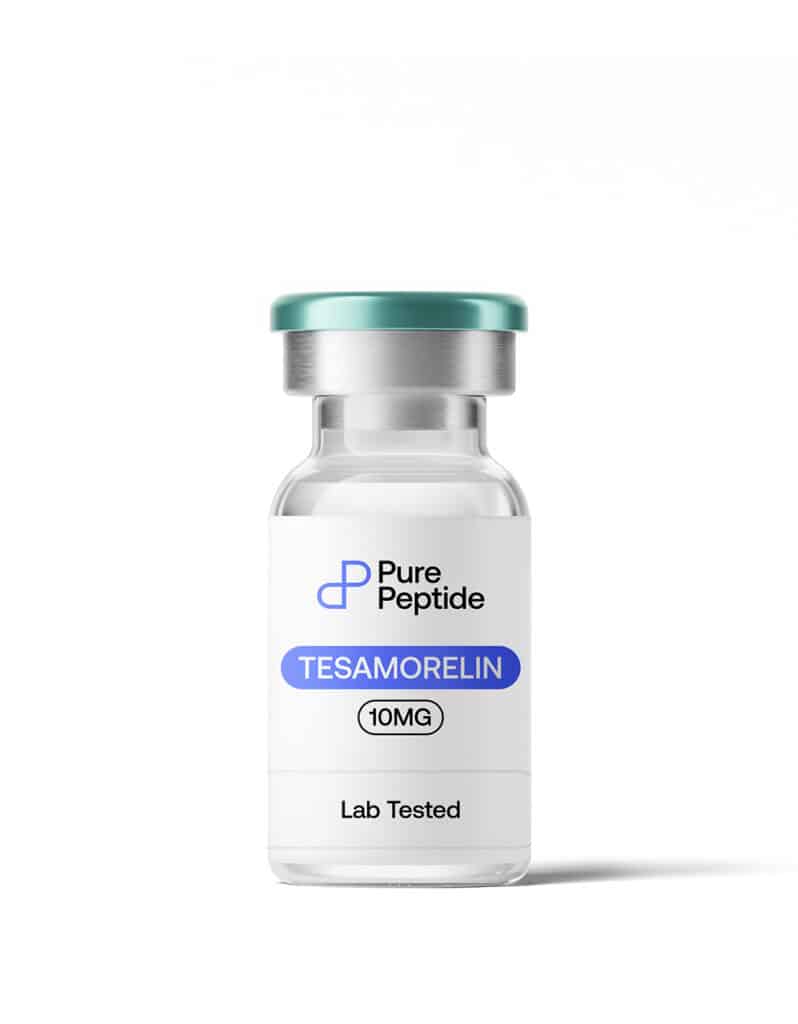
- Metabolic enhancement: Tesamorelin or other growth hormone peptides supporting lipolysis
- Recovery optimization: BPC-157 for tissue repair and gut health maintenance
- Cognitive support: Selank or Semax for mental clarity
- Cellular health: NAD+ supplementation for metabolic efficiency
When implementing combinations, introduce one compound at a time to assess individual tolerance and effects. This systematic approach identifies optimal protocols while minimizing confusion about response attribution.
Timing and Administration Strategies
Strategic timing of multiple peptides prevents interference while maximizing individual compound effectiveness. Semaglutide's weekly administration schedule simplifies integration with daily-dosed peptides.
Most experienced users separate injections of different peptides by several hours when same-day administration occurs. Morning and evening splits accommodate multiple compounds without requiring excessive injection frequency.
Understanding quality standards, proper protocols, and safety considerations empowers informed decisions when exploring semaglutide peptide for sale. Success requires commitment to verified sourcing, appropriate dosing, and integration with comprehensive wellness strategies. Soma Peptide provides pharmaceutical-grade semaglutide and complementary compounds backed by rigorous testing, transparent documentation, and expert support to help you achieve your health optimization goals safely and effectively.