


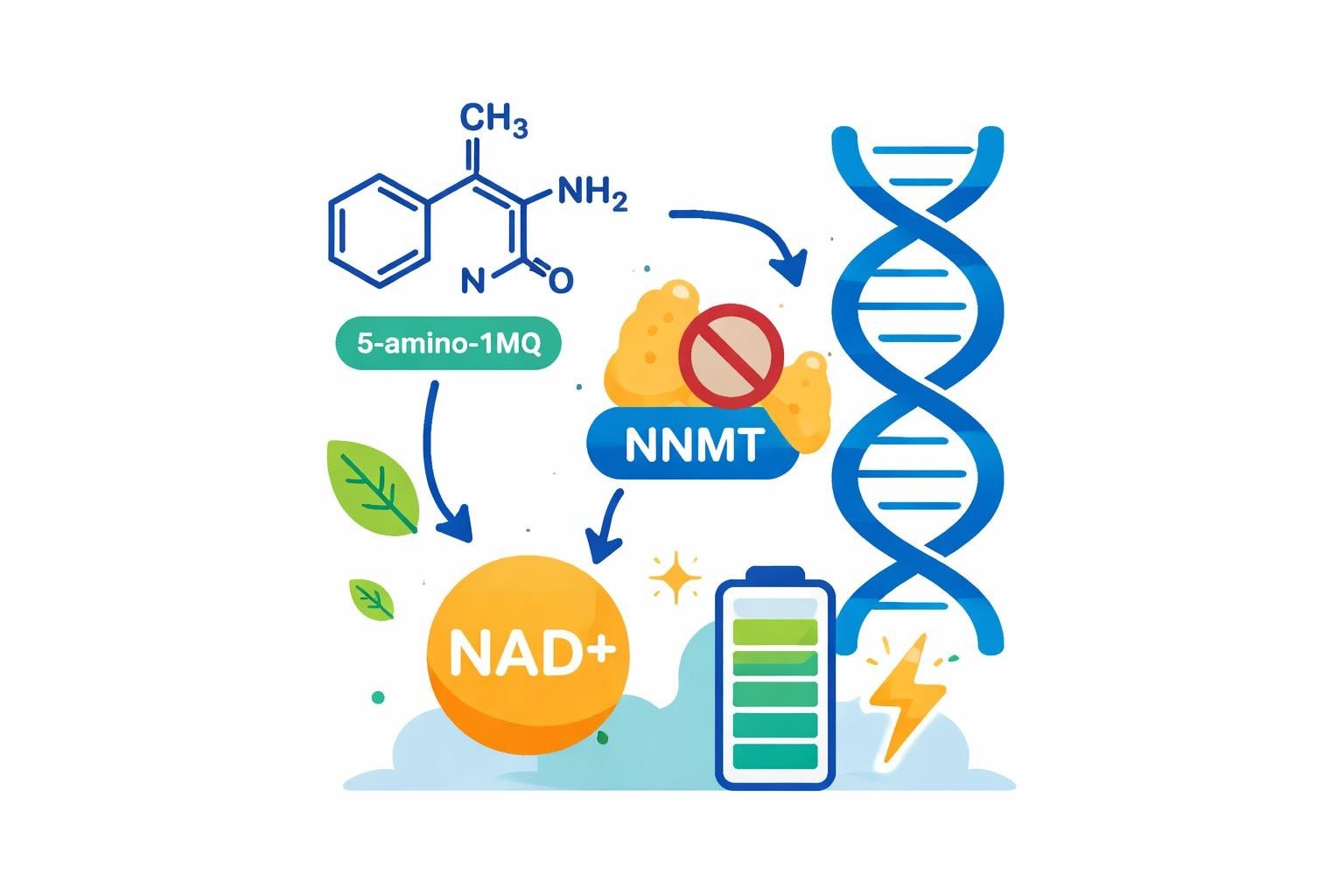
The landscape of metabolic health research has experienced remarkable evolution in recent years, with researchers identifying novel compounds that address cellular dysfunction at its source. Among these discoveries, 5 amino 1mq has emerged as a particularly promising molecule for its unique ability to modulate nicotinamide N-methyltransferase (NNMT) activity. This small molecule inhibitor has captured the attention of researchers and health professionals alike due to its potential applications in weight management, metabolic optimization, and cellular energy production. As we advance further into 2026, the scientific community continues to uncover new insights into how this compound influences fundamental metabolic pathways.
Understanding the Biochemical Foundation of 5 Amino 1MQ
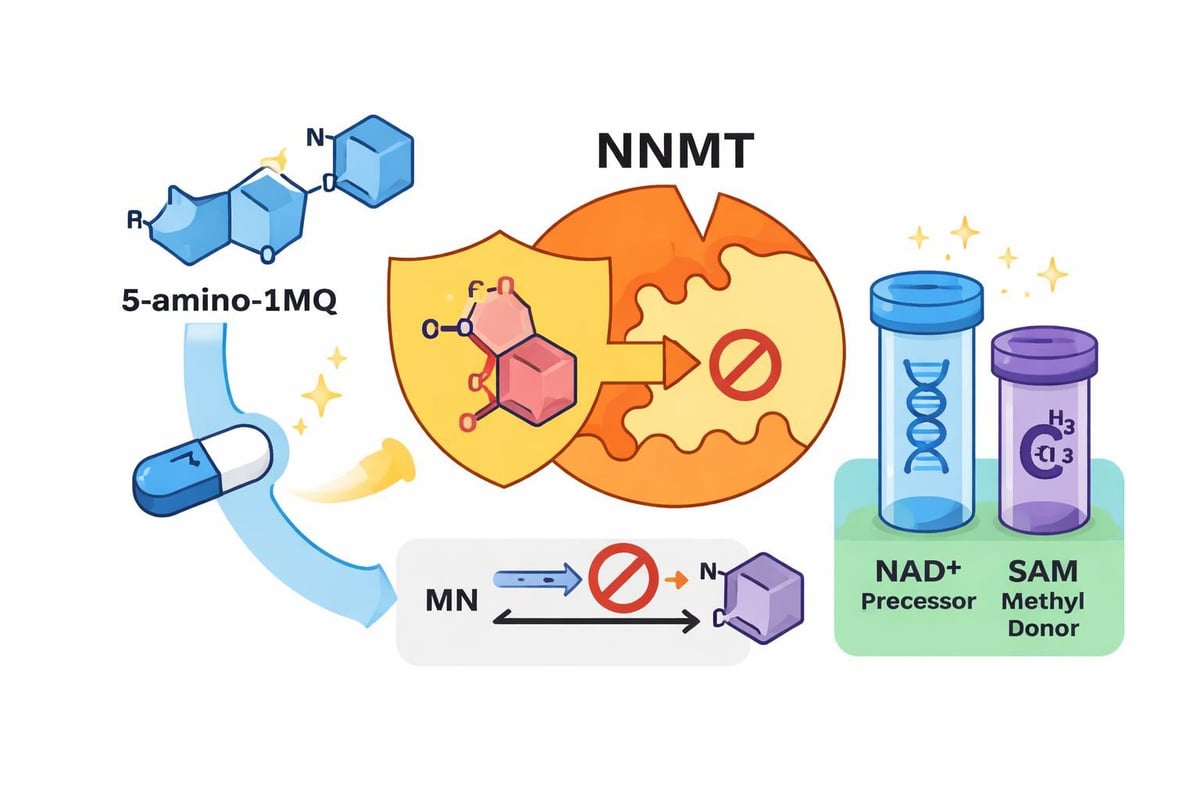
5 amino 1mq functions as a selective inhibitor of the NNMT enzyme, which plays a critical role in cellular metabolism and energy regulation. NNMT catalyzes the methylation of nicotinamide, converting it into 1-methylnicotinamide while consuming S-adenosylmethionine (SAM) as a methyl donor. This enzymatic activity has significant downstream effects on two crucial cellular resources: nicotinamide adenine dinucleotide (NAD+) and methylation capacity.
The NNMT Enzyme and Metabolic Dysfunction
Research has demonstrated that NNMT expression becomes elevated in various metabolic conditions, including obesity and insulin resistance. When NNMT activity increases beyond optimal levels, it creates a metabolic bottleneck by depleting both NAD+ precursors and methyl donors. The biochemical mechanisms of 5-Amino-1MQ reveal how this compound addresses these imbalances by reducing NNMT activity.
Key metabolic impacts of elevated NNMT include:
- Decreased availability of nicotinamide for NAD+ synthesis
- Depletion of SAM, the universal methyl donor
- Impaired epigenetic regulation through reduced methylation capacity
- Altered adipocyte function and energy storage patterns
The compound's molecular structure allows it to bind competitively to the NNMT active site, effectively reducing the enzyme's capacity to process nicotinamide. This mechanism preserves nicotinamide availability for the NAD+ salvage pathway, a critical process for maintaining cellular energy homeostasis.
Metabolic Effects and Weight Management Applications
The relationship between 5 amino 1mq and metabolic function extends beyond simple enzyme inhibition. By modulating NNMT activity, this compound influences multiple interconnected pathways that govern energy expenditure, fat storage, and insulin sensitivity. Preclinical research on 5-Amino-1MQ has documented significant changes in adipocyte metabolism and whole-body energy balance.
Impact on Adipose Tissue Function
Adipose tissue serves as more than simple energy storage; it functions as an active endocrine organ that regulates metabolic homeostasis. Studies examining 5 amino 1mq have revealed its capacity to alter how fat cells process and store energy.
| Metabolic Parameter | Observed Effect | Mechanism |
|---|---|---|
| Fat oxidation | Increased | Enhanced mitochondrial function |
| Adipocyte size | Reduced | Decreased lipid accumulation |
| Insulin sensitivity | Improved | Optimized glucose uptake |
| Energy expenditure | Elevated | Increased metabolic rate |
The compound appears to shift adipocytes from a storage-focused phenotype toward a more metabolically active state. This transformation involves changes in gene expression patterns that favor energy utilization over accumulation. Researchers have observed that treated adipocytes demonstrate enhanced mitochondrial activity and increased expression of thermogenic markers.
NAD+ Restoration and Cellular Energy
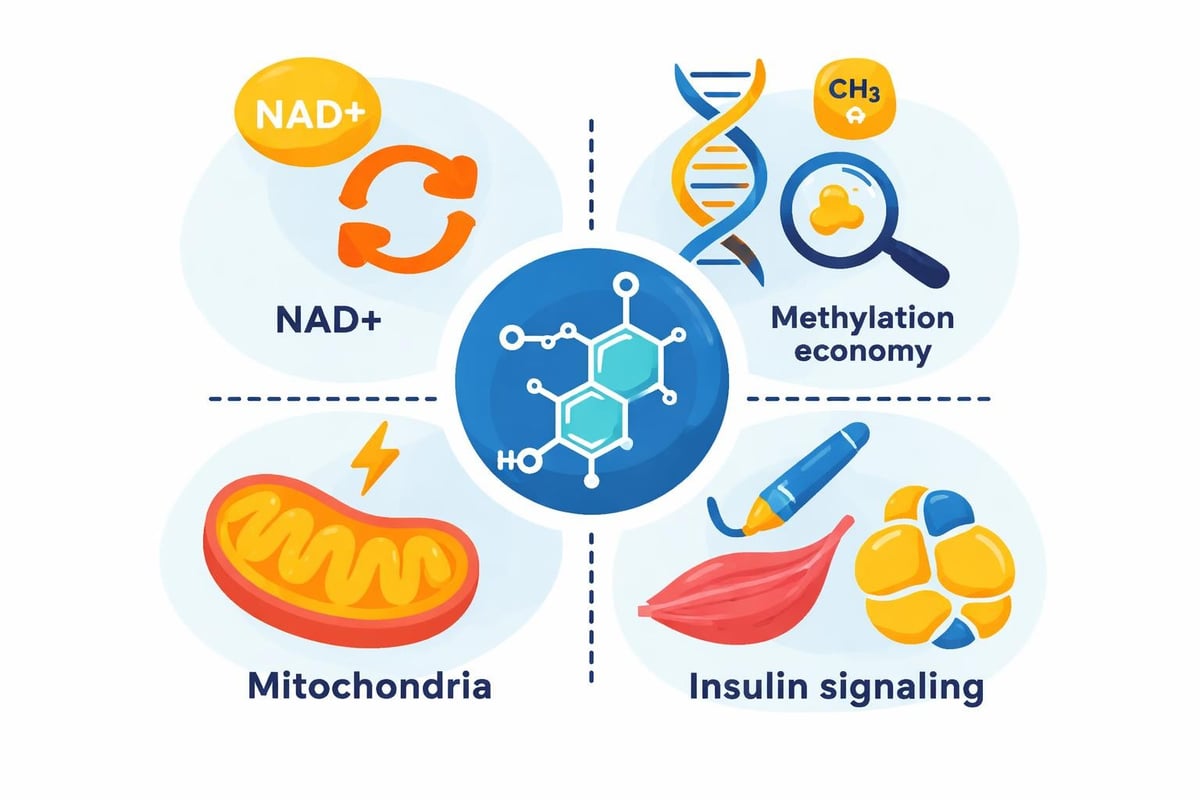
One of the most significant effects of 5 amino 1mq involves its impact on NAD+ availability. NAD+ serves as an essential coenzyme for hundreds of metabolic reactions, including those catalyzed by sirtuins and poly(ADP-ribose) polymerases. The role of 5-Amino-1MQ as an NNMT inhibitor demonstrates how preserving nicotinamide can support overall NAD+ levels throughout the body.
When NNMT activity decreases, more nicotinamide remains available for conversion to NAD+ through the salvage pathway. This effect becomes particularly relevant in aging and metabolic disease, where NAD+ levels naturally decline. Maintaining robust NAD+ pools supports:
- Mitochondrial function and ATP production
- DNA repair mechanisms
- Cellular stress response pathways
- Circadian rhythm regulation
- Metabolic flexibility between fuel sources
Soma Peptide maintains rigorous quality standards for metabolic compounds, ensuring that researchers and practitioners have access to materials meeting the highest purity specifications.
Research Insights on Muscle Health and Physical Performance
Beyond its effects on adipose tissue and weight management, 5 amino 1mq has demonstrated interesting properties related to muscle function and physical performance. Muscle tissue represents the largest insulin-sensitive organ in the body and serves as a primary site for glucose disposal and energy expenditure.
Muscle Metabolism and Insulin Sensitivity
The effects of 5-Amino-1MQ on adipocyte metabolism extend to skeletal muscle, where NNMT expression also occurs. Research indicates that inhibiting NNMT in muscle tissue may enhance insulin signaling and glucose uptake capacity.
Muscle-specific benefits observed in research:
- Enhanced glucose utilization during activity
- Improved mitochondrial density and function
- Better maintenance of lean tissue during caloric restriction
- Optimized recovery markers following exercise stress
The preservation of muscle mass during weight loss represents a critical concern for individuals pursuing body composition improvements. Studies suggest that 5 amino 1mq may help maintain muscle tissue even when overall body weight decreases, potentially through its effects on protein synthesis pathways and cellular energy status.
Quality Considerations and Compound Stability
The effectiveness of any research compound depends critically on its purity, stability, and proper handling. 5 amino 1mq requires specific storage conditions and quality control measures to maintain its bioactive properties.
Purity Standards and Testing Methods
High-quality 5 amino 1mq should undergo multiple analytical testing procedures to verify its identity and purity. Standard quality control protocols include:
- High-performance liquid chromatography (HPLC) for purity verification
- Mass spectrometry for molecular weight confirmation
- Nuclear magnetic resonance (NMR) spectroscopy for structural analysis
- Microbial testing to ensure sterility
- Endotoxin testing for safety verification
| Test Method | Purpose | Acceptable Standard |
|---|---|---|
| HPLC | Purity determination | ≥98% pure |
| MS | Molecular weight | Within 0.1% theoretical |
| NMR | Structure confirmation | Matches reference spectrum |
| LAL Assay | Endotoxin levels | <1.0 EU/mg |
Companies like Soma Peptide that prioritize advanced purification methods ensure that each batch meets or exceeds these stringent quality benchmarks. This attention to detail becomes particularly important when compounds are used in research settings where consistency and reproducibility are paramount.
Storage and Handling Recommendations
Proper storage of 5 amino 1mq ensures that it retains its potency throughout its shelf life. The compound should be stored at temperatures between 2-8°C when in powder form, protected from light and moisture. Once reconstituted, solutions require refrigeration and should be used within specified timeframes to prevent degradation.
Current Research Directions and Future Applications
The scientific investigation of 5 amino 1mq continues to expand as researchers explore its potential applications across various areas of metabolic health. The key benefits and research insights published in 2025 and 2026 have opened new avenues for understanding how NNMT inhibition might address complex metabolic challenges.
Emerging Research Areas
Recent studies have begun examining 5 amino 1mq in contexts beyond basic weight management. These include investigations into:
- Metabolic syndrome components – Research exploring how NNMT inhibition affects multiple risk factors simultaneously, including blood pressure, lipid profiles, and glucose regulation
- Aging and longevity pathways – Studies examining the compound's effects on markers associated with cellular aging, given its impact on NAD+ metabolism
- Gut microbiome interactions – Preliminary research suggesting that NNMT activity may influence microbial composition and metabolic byproduct production
- Cognitive function – Investigations into how improved NAD+ status might support neurological health and cognitive performance
The educational overview of 5-Amino-1MQ emphasizes its classification as a metabolic modulator rather than a simple weight loss agent, reflecting this broader understanding of its mechanisms.
Integration with Other Metabolic Interventions
Researchers have shown particular interest in how 5 amino 1mq might complement other metabolic interventions. The compound's unique mechanism of action suggests potential synergies with:
- Caloric restriction protocols that naturally elevate NAD+ demand
- Exercise programs that benefit from enhanced mitochondrial function
- Other peptides targeting complementary pathways, such as NAD+ precursors
- Compounds supporting growth hormone optimization like Ipamorelin
The comprehensive research guide published in early 2026 provides detailed protocols for researchers investigating these combination approaches.

Practical Considerations for Research Applications
For researchers and practitioners interested in working with 5 amino 1mq, understanding proper research protocols and considerations is essential. The compound's structure and biochemical mechanism inform how it should be utilized in various research contexts.
Dosing Frameworks in Research Settings
Published studies have employed various dosing strategies for 5 amino 1mq, typically based on body weight and specific research objectives. Most preclinical research has utilized doses ranging from 50-100mg per kilogram of body weight, though optimal parameters continue to be refined as new data emerges.
Factors influencing research protocols:
- Duration of the investigation period
- Primary endpoints being measured
- Combination with other interventions
- Baseline metabolic status of subjects
- Measurement frequency for biomarkers
The detailed information on 5-Amino-1MQ includes references to dosing frameworks used in published studies, providing valuable context for designing new research protocols.
Monitoring and Assessment Markers
When evaluating the effects of 5 amino 1mq in research settings, multiple biomarkers can provide insight into its metabolic impact. Comprehensive assessment typically includes:
| Marker Category | Specific Measurements | Assessment Frequency |
|---|---|---|
| Body composition | Body weight, fat mass, lean mass | Weekly to biweekly |
| Metabolic function | Glucose, insulin, HOMA-IR | Baseline and endpoint |
| Energy metabolism | NAD+ levels, metabolic rate | Baseline and endpoint |
| Lipid profile | Triglycerides, cholesterol, HDL/LDL | Baseline and endpoint |
| Performance | Strength, endurance, recovery metrics | Weekly |
These measurements help researchers understand not just whether changes occur, but the specific pathways through which 5 amino 1mq exerts its effects. The multifaceted nature of NNMT inhibition means that changes may manifest across multiple systems simultaneously.
Safety Profile and Preclinical Observations
The safety profile of 5 amino 1mq represents an important consideration for anyone working with this compound. Preclinical research has generally reported favorable tolerability, though comprehensive long-term safety data in humans remains limited as of 2026.
Observed Safety Parameters
Studies examining 5 amino 1mq have monitored various safety markers including liver function, kidney function, cardiovascular parameters, and general adverse event reporting. Most research has not identified significant safety concerns at typical research doses, though individual responses can vary.
Researchers should remain aware of potential considerations including:
- Regular monitoring of liver enzymes during extended use
- Assessment of methylation status through homocysteine levels
- Evaluation of cardiovascular function in populations with existing risk factors
- Consideration of individual variations in NNMT expression levels
The commitment to quality demonstrated by providers like Soma Peptide extends beyond purity testing to include comprehensive documentation and support for safe research practices.
Contraindications and Special Populations
Certain populations may require additional consideration before utilizing 5 amino 1mq in research contexts. These include individuals with pre-existing liver conditions, those taking medications affecting methylation pathways, and populations with altered NAD+ metabolism due to genetic factors.
Research protocols should account for these variables through appropriate screening and monitoring procedures. The evolving understanding of NNMT's role in various physiological states continues to inform best practices for compound utilization.
Understanding how 5 amino 1mq modulates NNMT activity and influences metabolic pathways provides valuable insights for anyone interested in metabolic optimization and cellular health. This compound represents a sophisticated approach to addressing energy metabolism at its source through enzyme modulation and NAD+ preservation. For those seeking premium quality peptides backed by rigorous testing and quality control, Soma Peptide offers comprehensive solutions for research and wellness applications with the highest standards of purity and efficacy.