


The world of therapeutic peptides has expanded dramatically over the past decade, with research compounds demonstrating remarkable potential across multiple health domains. Among these investigational molecules, the cjc peptide has emerged as a subject of significant scientific interest due to its unique mechanism for enhancing growth hormone secretion. Originally developed as a modified version of growth hormone releasing hormone (GHRH), this synthetic peptide has captured attention for its potential applications in muscle development, metabolic optimization, and overall recovery processes. Understanding the science behind this compound requires examining its structure, pharmacological properties, and the growing body of research that continues to define its role in peptide therapy.
Understanding CJC Peptide Structure and Variants
The cjc peptide exists primarily in two distinct forms, each with different pharmacokinetic profiles and clinical applications. The fundamental difference between these variants lies in the presence or absence of a Drug Affinity Complex (DAC).
CJC-1295 with DAC
This form incorporates a chemical modification that extends the peptide's half-life significantly. The DAC component allows the molecule to bind to albumin in the bloodstream, protecting it from rapid degradation and enabling sustained release over several days. According to research on CJC-1295 DAC, this modification transforms the compound from a rapidly metabolized peptide into one with extended bioavailability.
Key characteristics include:
- Half-life extending up to 8 days
- Weekly or bi-weekly administration protocols
- Steady-state growth hormone elevation
- Reduced injection frequency compared to non-DAC variants
CJC-1295 without DAC (Modified GRF 1-29)
The non-DAC version functions as a more immediate-acting growth hormone secretagogue. Without the albumin-binding complex, this variant clears the system more rapidly, producing acute pulses of growth hormone that more closely mimic natural physiological patterns.
This formulation typically demonstrates:
- Half-life of approximately 30 minutes
- Multiple daily administrations for optimal effect
- Pulsatile growth hormone release patterns
- Often combined with other peptides for synergistic benefits

| Feature | CJC-1295 with DAC | CJC-1295 without DAC |
|---|---|---|
| Half-life | 6-8 days | ~30 minutes |
| Dosing frequency | 1-2x per week | 1-3x daily |
| GH release pattern | Sustained elevation | Pulsatile spikes |
| Typical dose range | 2-4mg per week | 100-200mcg per dose |
| Clinical applications | Long-term protocols | Acute stimulation |
Mechanism of Action and Physiological Effects
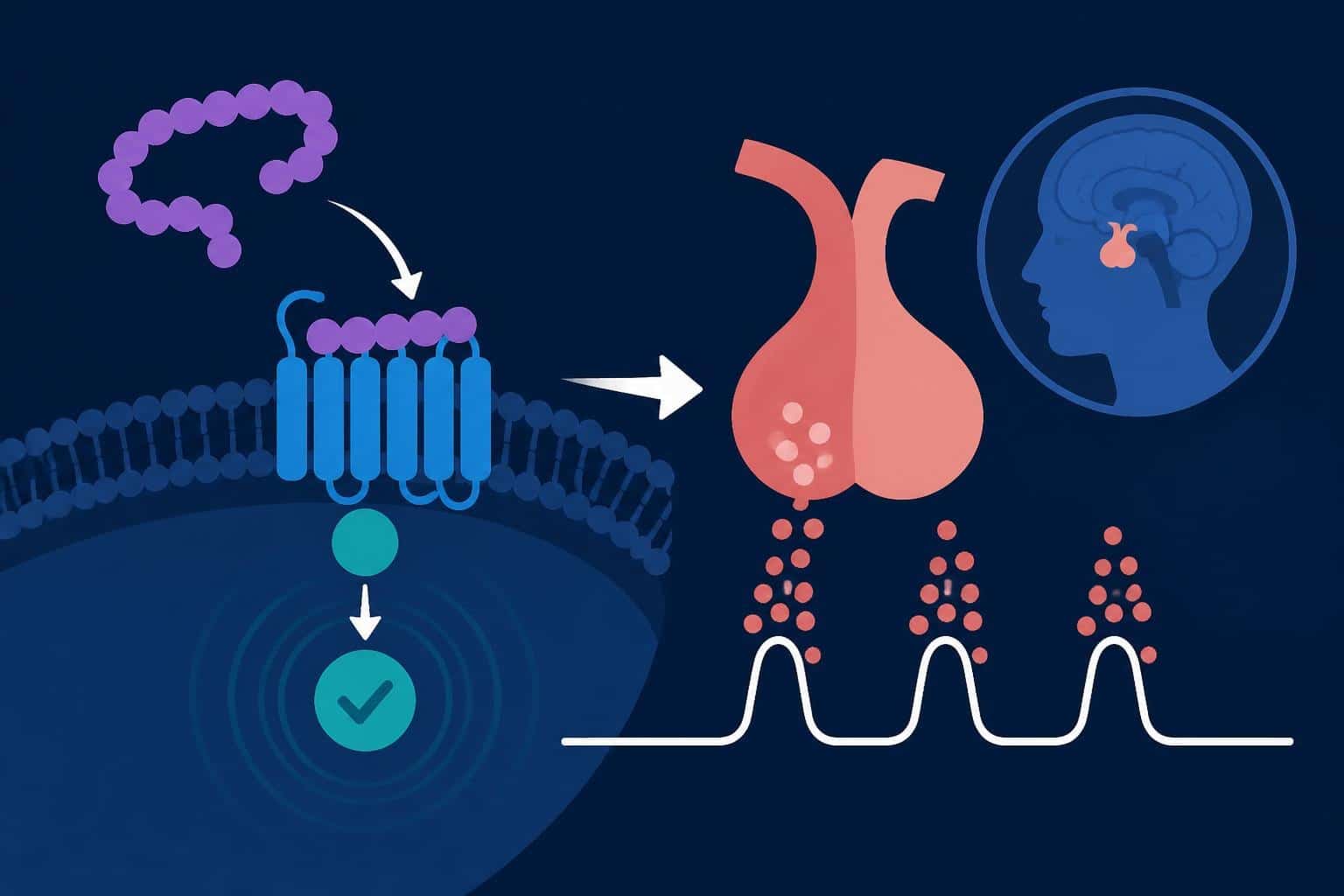
The cjc peptide operates through a well-defined pathway that targets the anterior pituitary gland. By binding to growth hormone releasing hormone receptors, it stimulates the secretion of endogenous growth hormone without suppressing the body's natural production mechanisms.
This fundamental difference distinguishes peptide therapy from exogenous growth hormone administration. Rather than introducing external hormones, the peptide encourages the body to optimize its own production patterns, potentially reducing the risk of negative feedback loops.
The downstream effects involve increased insulin-like growth factor 1 (IGF-1) production in the liver. Comprehensive research on CJC-1295 demonstrates measurable increases in both growth hormone and IGF-1 levels following administration, with effects varying based on individual baseline levels and overall health status.
Metabolic and Anabolic Processes
Growth hormone plays numerous roles in human physiology that extend far beyond simple muscle building. The elevation triggered by cjc peptide influences:
- Protein synthesis: Enhanced muscle tissue repair and growth
- Lipolysis: Increased fat breakdown for energy utilization
- Glucose metabolism: Improved insulin sensitivity in many individuals
- Bone density: Potential support for skeletal health through IGF-1 mediation
- Connective tissue: Collagen synthesis supporting joint and ligament integrity
These mechanisms explain why researchers and clinicians have explored this peptide across diverse applications, from athletic performance optimization to age-related decline mitigation.
Clinical Research and Evidence Base
The scientific literature on cjc peptide continues to evolve, with studies examining both efficacy and safety parameters. While current FDA regulatory status indicates this remains an investigational compound without therapeutic approval, research has provided valuable insights into its biological activity.
Human Clinical Studies
Early-phase clinical trials established the peptide's ability to elevate growth hormone levels in a dose-dependent manner. Participants showed sustained increases in both growth hormone and IGF-1 measurements, with minimal impact on other hormonal systems.
One particularly notable aspect involves the peptide's selectivity. Unlike compounds that broadly affect multiple endocrine pathways, cjc peptide demonstrates targeted action on the growth hormone axis, potentially reducing unintended hormonal disruptions.
Research Gaps and Future Directions
Despite promising preliminary data, several areas require additional investigation:
- Long-term safety profiles beyond 12-month administration
- Optimal dosing protocols for specific health objectives
- Interaction effects with concurrent therapies or medical conditions
- Demographic variations in response and tolerability
- Comparative effectiveness against other growth hormone secretagogues
Ongoing peptide research initiatives continue to address these knowledge gaps, with new studies emerging regularly throughout 2026.

Quality Standards and Purity Considerations
The therapeutic potential of any peptide depends critically on manufacturing quality and molecular purity. For compounds like cjc peptide, even minor impurities or degradation can significantly impact both efficacy and safety profiles.
Manufacturing and Purification Methods
Advanced synthesis techniques have evolved to produce highly Soma Peptide formulations. Modern production typically involves solid-phase peptide synthesis (SPPS) followed by multiple purification steps using high-performance liquid chromatography (HPLC).
Soma Peptide employs rigorous quality control standards that ensure each batch meets stringent purity thresholds. These processes include:
- Multi-stage HPLC purification to remove synthesis byproducts
- Mass spectrometry verification confirming molecular weight and structure
- Sterility testing to eliminate microbial contamination
- Endotoxin screening ensuring product safety
- Certificate of Analysis documentation for transparency and traceability
The difference between pharmaceutical-grade and lower-quality peptides can be substantial. Impurities may trigger immune responses, reduce effectiveness, or introduce unknown variables into therapeutic protocols.
Storage and Stability Requirements
Maintaining peptide integrity extends beyond initial manufacturing. Proper storage conditions preserve molecular structure and biological activity:
| Storage phase | Temperature | Duration | Considerations |
|---|---|---|---|
| Lyophilized (unopened) | 2-8°C (refrigerated) | 12-24 months | Protect from light and moisture |
| Lyophilized (unopened) | -20°C (frozen) | 24+ months | Extended stability option |
| Reconstituted | 2-8°C (refrigerated) | 14-30 days | Depends on reconstitution solution |
| During transport | Ice pack maintenance | 24-48 hours | Avoid temperature extremes |
For detailed guidance on proper handling, injection protocols and storage best practices provide comprehensive information for maintaining peptide quality throughout the usage period.
Practical Applications and Protocols
While cjc peptide remains investigational, understanding theoretical application frameworks helps contextualize its potential role in various health optimization strategies.
Muscle Development and Athletic Recovery
The peptide's ability to enhance growth hormone secretion positions it as a compound of interest for individuals focused on body composition improvements. Increased protein synthesis supports muscle tissue development, while enhanced recovery mechanisms may reduce downtime between training sessions.
Athletes and fitness enthusiasts exploring peptide options often consider cjc peptide for:
- Accelerated recovery from intense training
- Lean muscle mass development
- Improved sleep quality (via growth hormone's effects on sleep architecture)
- Enhanced connective tissue repair following injury
Metabolic Optimization and Weight Management
Growth hormone influences numerous metabolic pathways, including fat metabolism. By promoting lipolysis, the peptide may support fat loss efforts when combined with appropriate nutrition and exercise interventions.
The metabolic effects extend to:
- Improved insulin sensitivity in some populations
- Enhanced energy utilization from fat stores
- Preservation of lean tissue during caloric restriction
- Potential improvements in metabolic rate
Anti-Aging and Longevity Applications
Age-related growth hormone decline represents a natural phenomenon, with levels decreasing progressively after peak production in early adulthood. Some researchers have explored whether supplementing this decline through peptides like cjc peptide might mitigate certain aging-associated changes.
Comprehensive peptide information suggests potential benefits may include improved skin elasticity, enhanced bone density maintenance, better cognitive function, and overall vitality improvements, though long-term human data remains limited.

Combination Protocols and Synergistic Approaches
The cjc peptide rarely exists in isolation within research protocols. Its mechanism of action complements other peptides and compounds, leading to combination approaches designed to maximize specific outcomes.
Common Peptide Stacks
CJC-1295 + Ipamorelin: This combination represents one of the most frequently discussed pairings. While cjc peptide amplifies growth hormone release, ipamorelin acts as a ghrelin mimetic that further stimulates secretion through a complementary pathway. The synergy between these mechanisms may produce more robust effects than either compound alone.
CJC-1295 + GHRP-2 or GHRP-6: Growth hormone releasing peptides (GHRPs) work through different receptor mechanisms than GHRH analogs. Combining these pathways can potentially generate additive or synergistic growth hormone pulses.
Multi-peptide protocols: Advanced protocols might incorporate additional compounds targeting specific objectives:
- BPC-157 for tissue repair and gut health
- Thymosin Beta-4 for inflammation modulation
- Epithalon for cellular health and telomere support
Those interested in exploring various peptide categories can review bioregulator peptides and other specialized formulations.
Timing and Administration Strategies
Optimal results with cjc peptide often depend on strategic timing relative to physiological rhythms and lifestyle factors.
For DAC variants:
- Typically administered 1-2 times weekly
- Timing less critical due to extended half-life
- Often given before sleep to align with natural growth hormone pulses
For non-DAC variants:
- Multiple daily doses (often 2-3 times)
- Pre-workout for potential performance benefits
- Before bed to enhance overnight recovery
- On an empty stomach for optimal absorption
Safety Considerations and Monitoring
As with any bioactive compound, cjc peptide use involves certain considerations regarding safety, tolerability, and appropriate medical oversight.
Reported Side Effects
Research and anecdotal reports have identified potential adverse effects, though serious complications appear relatively uncommon in healthy individuals using appropriate dosing. Safety profiles from clinical reviews note the following possibilities:
Common mild effects:
- Injection site reactions (redness, minor discomfort)
- Temporary water retention
- Mild headaches during initial administration
- Flushing or warmth sensations
- Increased hunger due to elevated growth hormone
Less common concerns:
- Numbness or tingling in extremities
- Joint discomfort (typically temporary)
- Changes in glucose metabolism
- Mood or energy fluctuations
Medical Supervision and Contraindications
The investigational status of cjc peptide necessitates medical oversight for appropriate use. Certain populations should avoid or carefully consider peptide therapy:
- Individuals with active cancer or cancer history (growth factors may theoretically affect tumor growth)
- Those with diabetes or significant metabolic disorders
- Pregnant or nursing women
- People with pituitary disorders or growth hormone-related conditions
- Anyone taking medications that might interact with growth hormone pathways
Current peptide research guidelines emphasize the importance of medical supervision, regular monitoring, and individualized protocols based on health status and objectives.
Laboratory Testing and Monitoring
Responsible peptide use includes baseline and follow-up testing to ensure safety and efficacy:
| Test | Purpose | Timing |
|---|---|---|
| IGF-1 levels | Measure peptide effectiveness | Baseline, 4-8 weeks, ongoing |
| Fasting glucose/HbA1c | Monitor metabolic effects | Baseline, quarterly |
| Comprehensive metabolic panel | Assess organ function | Baseline, 6-12 months |
| Complete blood count | General health screening | Baseline, annually |
| Thyroid panel | Ensure hormonal balance | Baseline, as needed |
Regulatory Status and Legal Considerations
Understanding the regulatory landscape surrounding cjc peptide remains essential for informed decision-making. As of 2026, this compound maintains investigational status with the FDA, meaning it has not received approval for therapeutic use outside research contexts.
Detailed regulatory information clarifies that while peptides can be obtained for research purposes, they should not be marketed or used for human consumption without appropriate oversight and documentation.
The distinction between research-grade and pharmaceutical-grade compounds matters significantly. Research peptides exist in a regulatory gray area where quality standards may vary considerably between suppliers.
Sourcing and Quality Verification
Given the importance of purity and authenticity, selecting reputable peptide suppliers represents a critical decision. The market contains significant variation in product quality, with some sources offering substandard or mislabeled compounds.
Evaluating Supplier Credentials
When assessing potential peptide sources, consider these quality indicators:
- Third-party testing: Independent laboratory verification of purity and composition
- Certificate of Analysis availability: Transparent documentation for each batch
- Manufacturing standards: GMP-compliant facilities and processes
- Customer support: Access to knowledgeable staff who can answer technical questions
- Industry reputation: Track record and customer reviews over time
For those seeking comprehensive peptide options beyond cjc peptide, exploring resources like Soma Peptide’s product range provides access to various compounds manufactured to consistent quality standards.
Reconstitution and Preparation
Most peptides, including cjc peptide, arrive in lyophilized (freeze-dried) form requiring reconstitution before use. The process involves:
- Using bacteriostatic water or sterile water for injection
- Adding liquid slowly down the vial side to minimize foaming
- Gentle swirling (never shaking) to dissolve the peptide
- Storing reconstituted solution properly as outlined earlier
Proper technique ensures maximum peptide stability and effectiveness throughout the usage period.
The Future of CJC Peptide Research
The trajectory of peptide science continues accelerating, with new discoveries regularly expanding our understanding of these therapeutic molecules. For cjc peptide specifically, several research directions show particular promise.
Emerging Applications
Investigators are exploring potential applications beyond traditional muscle and metabolic domains:
Cognitive function: Growth hormone's role in neuroplasticity and cognitive maintenance
Immune system support: Potential immunomodulatory effects through growth hormone pathways
Bone health: Long-term skeletal benefits in aging populations
Cardiovascular function: Effects on heart muscle and vascular health
Technological Advances
Innovations in peptide delivery systems may enhance the practical application of compounds like cjc peptide. Researchers are developing:
- Extended-release formulations beyond current DAC technology
- Alternative delivery methods (oral, transdermal, nasal)
- Precision dosing systems for optimized protocols
- Combination products with complementary compounds
Recent peptide research overviews highlight how scientific understanding continues evolving, with each study contributing to a more comprehensive picture of therapeutic potential and limitations.
The cjc peptide represents a fascinating intersection of endocrinology, peptide chemistry, and therapeutic innovation. While research continues to define optimal applications and long-term effects, the compound's ability to enhance natural growth hormone production positions it as a valuable tool for those pursuing muscle development, metabolic optimization, and overall health enhancement. For individuals interested in exploring peptide therapy with confidence in product quality and purity, Soma Peptide offers premium formulations manufactured to the highest standards, ensuring you receive compounds that meet rigorous quality benchmarks for your health optimization journey.