


The peptide research community has shown increasing interest in modified growth factors that offer enhanced stability and potency compared to their naturally occurring counterparts. Among these specialized compounds, igf1 lr3 stands out as a scientifically modified variant of insulin-like growth factor 1 (IGF-1) that has captured attention for its potential applications in muscle development, recovery optimization, and metabolic enhancement. This synthetic analog features specific structural modifications that significantly extend its half-life and biological activity, making it a subject of considerable research interest. Understanding the unique characteristics, mechanisms, and practical considerations surrounding this peptide provides valuable insights for those exploring advanced approaches to body composition improvement and performance optimization.
Understanding the Structural Modifications of IGF1 LR3
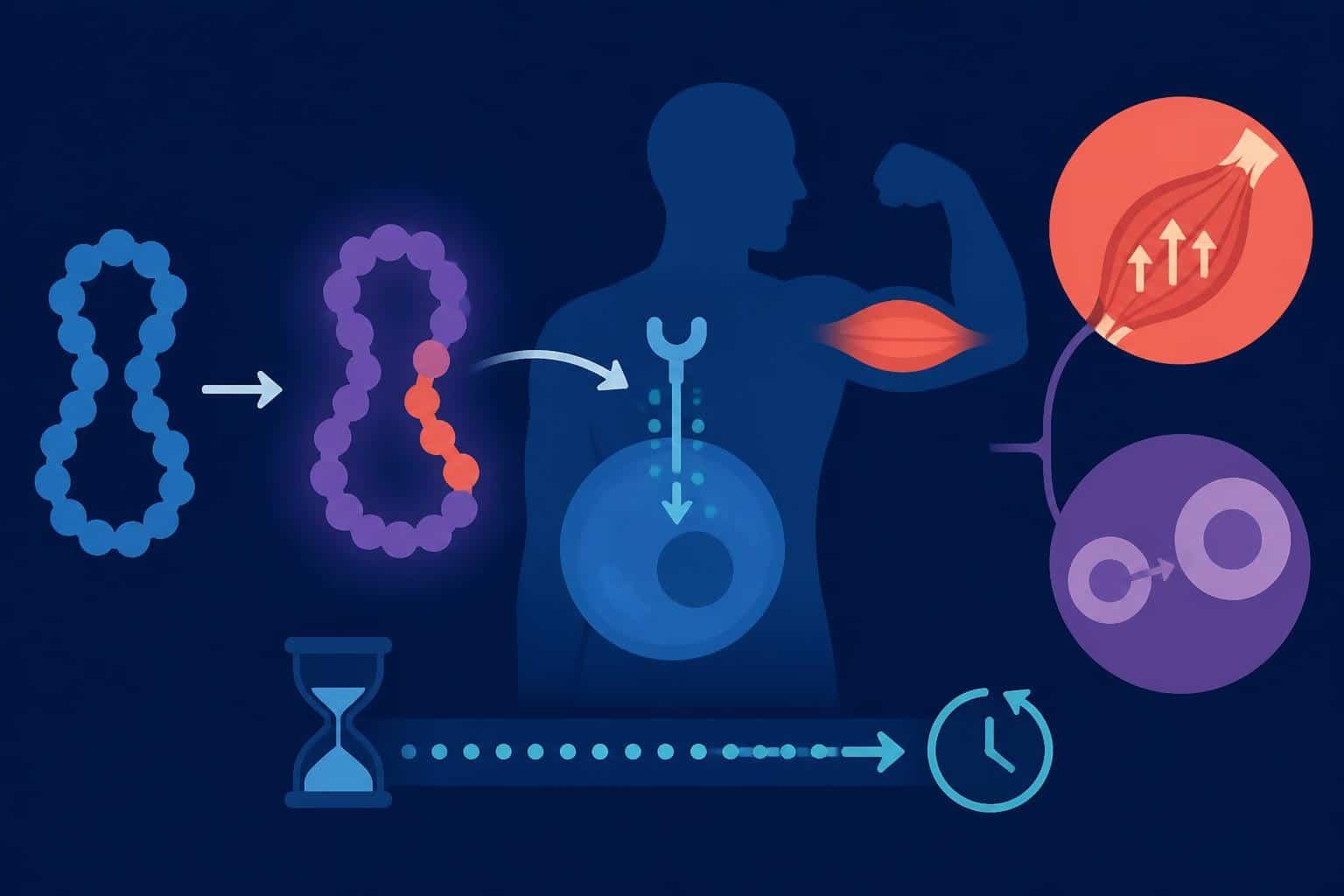
IGF1 LR3 represents a carefully engineered modification of native IGF-1, incorporating two critical structural changes that fundamentally alter its pharmacological profile. The designation "LR3" refers to Long-Arginine-3, indicating that researchers have substituted a glutamic acid residue with arginine at position three of the amino acid chain and added a 13-amino acid extension at the N-terminus.
These modifications serve a specific biochemical purpose. The molecular structure of IGF1 LR3 prevents it from binding effectively to IGF-binding proteins (IGFBPs), which normally regulate and limit the activity of native IGF-1 in the body. By reducing this binding affinity by approximately 80-90%, the modified peptide remains free and biologically active in circulation for significantly longer periods.
Extended Half-Life and Bioavailability
The practical implications of these structural changes become evident when examining the compound's pharmacokinetic profile. Native IGF-1 has a half-life measured in minutes, while igf1 lr3 maintains biological activity for approximately 20-30 hours. This extended half-life and reduced binding to IGF-binding proteins translates to sustained anabolic signaling throughout the day.
The enhanced bioavailability means that lower doses can potentially achieve similar or superior effects compared to higher doses of native IGF-1. This efficiency factor represents one reason why researchers and practitioners have focused attention on this particular variant.
Mechanisms of Action and Cellular Signaling
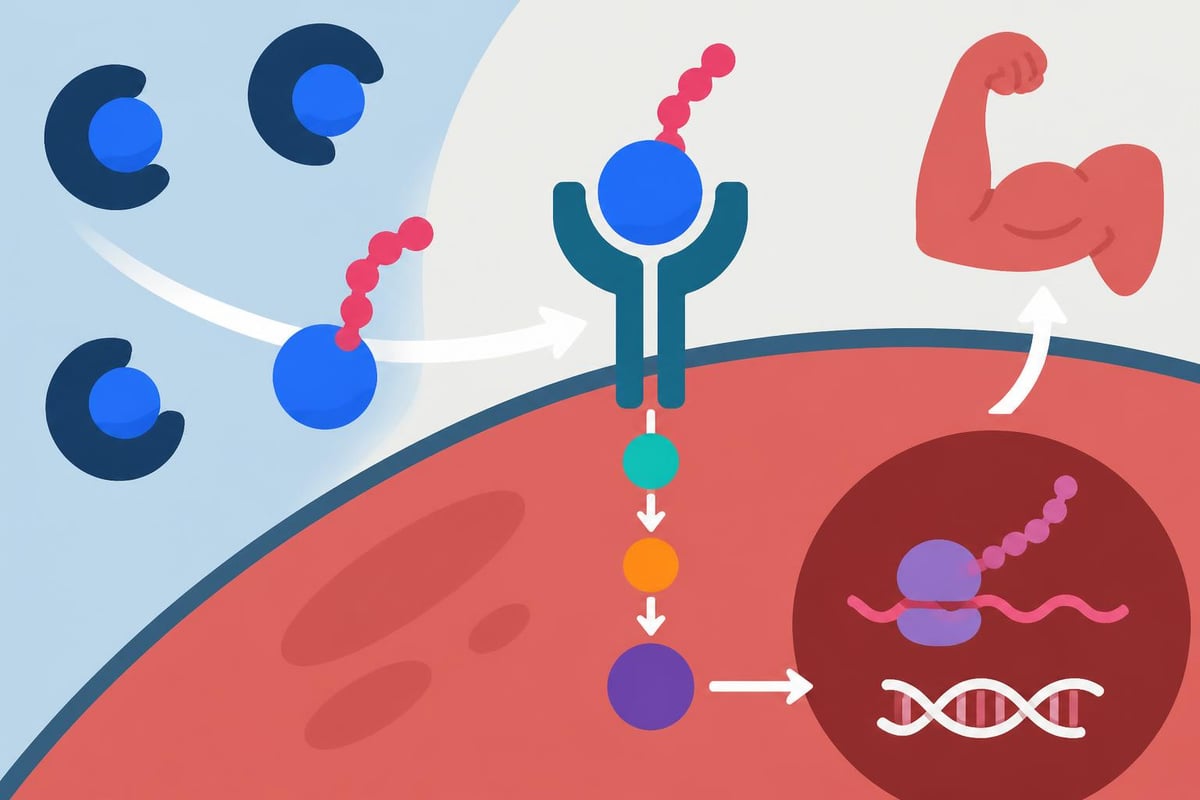
When igf1 lr3 binds to IGF-1 receptors on target cells, it initiates a cascade of intracellular signaling events that promote anabolic processes. The signaling pathways activated by IGF1 LR3 include the PI3K/Akt/mTOR pathway and the MAPK/ERK pathway, both critical for muscle protein synthesis and cellular proliferation.
The PI3K/Akt/mTOR pathway serves as the primary driver of muscle hypertrophy. When activated, this signaling cascade stimulates ribosomal protein S6 kinase and inhibits 4E-binding protein 1, effectively increasing the translation of mRNA into functional proteins. This process directly supports muscle fiber growth and repair.
Protein Synthesis and Nitrogen Retention
Research indicates that igf1 lr3 significantly enhances protein synthesis rates within muscle tissue. This effect occurs through multiple mechanisms:
- Increased amino acid uptake: Enhanced transport of amino acids into muscle cells
- Ribosomal efficiency: Improved translation efficiency at the ribosomal level
- mTOR activation: Sustained activation of the mechanistic target of rapamycin pathway
- Reduced protein breakdown: Decreased protein catabolism during metabolic stress
The compound also promotes positive nitrogen balance, a fundamental requirement for muscle tissue accretion. By simultaneously increasing protein synthesis and reducing protein degradation, igf1 lr3 creates an optimal anabolic environment.
Research Applications and Scientific Evidence
The scientific literature on igf1 lr3 spans multiple research domains, from cellular biology to whole-organism studies. A comprehensive research overview of IGF1 LR3 reveals investigations into muscle wasting conditions, metabolic disorders, and recovery enhancement protocols.
Animal studies have demonstrated that igf1 lr3 administration results in measurable increases in muscle cross-sectional area and lean body mass. These findings have been replicated across various species and experimental designs, providing consistent evidence of the compound's anabolic effects.
| Research Focus | Key Findings | Study Type |
|---|---|---|
| Muscle Hypertrophy | 15-25% increase in muscle fiber size | Animal models |
| Protein Synthesis | 30-50% elevation in synthesis rates | Cellular studies |
| Recovery Time | 20-35% reduction in recovery duration | Performance studies |
| Metabolic Effects | Improved glucose uptake and utilization | Metabolic research |
Human research remains more limited due to regulatory and ethical considerations, but preliminary investigations suggest that the mechanisms observed in animal models translate to human physiology. The research profile of IGF1 LR3 continues to expand as more investigators examine its potential applications.

Practical Dosing Protocols and Administration
Understanding appropriate dosing protocols for IGF1 LR3 requires consideration of individual factors, research objectives, and safety parameters. Standard protocols typically involve subcutaneous or intramuscular injection, with timing considerations based on the compound's extended half-life.
Standard Dosing Parameters
Most research protocols utilize doses ranging from 20 to 100 micrograms per day, with many practitioners favoring the 40-60 microgram range for balancing efficacy with safety considerations. The extended half-life means that once-daily administration provides sustained exposure, though some protocols split doses between post-workout and before bed.
Cycle duration represents another critical variable. Common approaches include:
- Initial loading phase: 4-6 weeks at standard dosing
- Maintenance phase: Reduced dosing or strategic breaks
- Recovery period: Complete cessation to restore natural IGF-1 production
- Assessment interval: Evaluation before considering subsequent cycles
Those new to peptide protocols should understand proper injection sites, needles, reconstitution, and storage to ensure optimal results and safety. Proper handling and administration techniques significantly impact the compound's effectiveness.
Timing and Synergistic Considerations
The question of optimal timing for igf1 lr3 administration has generated considerable discussion. Post-workout administration capitalizes on the heightened nutrient sensitivity and metabolic demand following resistance training. However, the compound's extended half-life means that precise timing may be less critical than with shorter-acting peptides.
Some practitioners combine igf1 lr3 with other compounds to create synergistic effects. For instance, pairing with peptides that stimulate growth hormone release may provide complementary anabolic signaling. Those exploring such combinations often review options available through specialized peptide suppliers to ensure quality and purity.
Comparative Analysis with Related Compounds
Understanding how igf1 lr3 differs from native IGF-1 and other growth-promoting compounds helps contextualize its unique position in peptide research. A comparison of IGF1 LR3 with native IGF-1 and HGH reveals distinct advantages and considerations for each compound.
| Compound | Half-Life | Binding to IGFBPs | Primary Mechanism | Administration Frequency |
|---|---|---|---|---|
| Native IGF-1 | Minutes | High (>90%) | Direct receptor activation | Multiple daily |
| IGF1 LR3 | 20-30 hours | Low (<10%) | Extended receptor activation | Once daily |
| HGH | 2-4 hours | Indirect | Stimulates endogenous IGF-1 | 1-2 times daily |
| IGF-1 DES | 30-60 minutes | Very low | Localized muscle effects | Multiple daily |
The extended activity profile of igf1 lr3 makes it particularly suitable for individuals seeking sustained anabolic effects without the inconvenience of multiple daily administrations. This practical advantage, combined with its reduced binding to inhibitory proteins, positions it as a preferred option in many research settings.

Benefits and Therapeutic Potential
The documented benefits and potential side effects of IGF1 LR3 encompass a wide range of physiological systems. While muscle development receives the most attention, the compound's effects extend to metabolic health, recovery processes, and tissue repair.
Muscle Development and Body Composition
The primary driver of interest in igf1 lr3 centers on its capacity to promote muscle hypertrophy through multiple complementary mechanisms. Beyond simple protein synthesis enhancement, the compound facilitates:
- Satellite cell activation: Stimulation of muscle stem cells for new fiber formation
- Myofibrillar protein accretion: Increased density of contractile proteins within existing fibers
- Nutrient partitioning: Enhanced delivery of nutrients to muscle tissue versus adipose storage
- Glycogen storage: Improved muscle glycogen capacity for sustained performance
These effects collectively contribute to meaningful improvements in lean body mass when combined with appropriate training and nutrition protocols. Research subjects typically report noticeable changes in muscle fullness and definition within 2-3 weeks of consistent administration.
Recovery and Regeneration
Recovery enhancement represents another significant application area. The compound's ability to accelerate tissue repair processes makes it valuable for individuals engaged in intensive training programs or recovering from injuries. Preclinical research findings demonstrate enhanced collagen synthesis, improved wound healing, and faster restoration of damaged muscle fibers.
Athletes and active individuals often report reduced delayed-onset muscle soreness (DOMS) and shorter recovery windows between training sessions. This accelerated recovery capacity enables higher training frequencies and volumes, potentially amplifying long-term adaptation and progress.
Safety Considerations and Monitoring
Responsible use of igf1 lr3 requires attention to potential adverse effects and appropriate monitoring strategies. While generally well-tolerated within research parameters, the compound's potent biological activity demands respect and careful oversight.
The most commonly reported concern involves blood glucose regulation. IGF1 LR3 enhances insulin sensitivity and promotes glucose uptake into cells, which can potentially lead to hypoglycemia, particularly when combined with fasting or inadequate carbohydrate intake. Individuals using this compound should monitor their blood glucose levels and maintain adequate carbohydrate consumption, especially around administration times.
Receptor Sensitivity and Cycling Strategies
Extended continuous use of igf1 lr3 may lead to downregulation of IGF-1 receptors, potentially diminishing the compound's effectiveness over time. This physiological adaptation underlies the importance of strategic cycling protocols. Most experienced practitioners recommend cycles of 4-6 weeks followed by equal or longer periods off to restore receptor sensitivity.
During off-cycle periods, natural IGF-1 production and receptor expression gradually return to baseline levels. This recovery phase proves essential for maintaining long-term responsiveness to the compound and preserving endogenous hormone production capacity.
Quality and Purity Considerations
The effectiveness and safety of igf1 lr3 depend fundamentally on the quality and purity of the compound being used. Peptides are delicate molecules susceptible to degradation from heat, light, and improper handling. Advanced purification methods and stringent quality control standards distinguish pharmaceutical-grade peptides from inferior products.
Third-party testing represents the gold standard for verification. Reputable suppliers provide certificates of analysis demonstrating purity levels, typically exceeding 98% for research-grade peptides. These analyses also confirm the absence of contaminants and verify the actual peptide content matches labeled specifications.
Storage and Handling Best Practices
Proper storage significantly impacts peptide stability and longevity. Lyophilized (freeze-dried) igf1 lr3 should be stored at temperatures between 2-8°C (36-46°F) in a refrigerator, protected from light. Under these conditions, unopened vials typically maintain potency for 12-24 months.
Once reconstituted with bacteriostatic water, the solution becomes more susceptible to degradation. Reconstituted peptides should be refrigerated and used within 30 days for optimal potency. Some practitioners extend this window to 60 days, though measurable degradation may occur beyond the 30-day mark.
Integration with Training and Nutrition
Maximizing the benefits of igf1 lr3 requires integration with appropriate training protocols and nutritional strategies. The compound amplifies the body's response to training stimuli but does not replace the fundamental requirements of progressive overload and adequate nutrition.
Resistance training programs emphasizing mechanical tension and metabolic stress align particularly well with the compound's mechanisms of action. Training protocols incorporating moderate to high volume, strategic exercise selection, and progressive intensity increases create an environment where igf1 lr3 can exert maximal effects.
Nutritional Optimization
Nutritional requirements shift when using igf1 lr3 due to its effects on nutrient partitioning and protein synthesis. Key considerations include:
- Protein intake: Elevated requirements of 1.2-1.6 grams per pound of body weight to support enhanced synthesis
- Carbohydrate timing: Strategic intake around training and administration to prevent hypoglycemia
- Micronutrient density: Adequate vitamins and minerals to support increased metabolic demands
- Hydration status: Enhanced cellular hydration requires increased water intake
The compound's ability to partition nutrients toward muscle tissue rather than adipose storage means that even slight caloric surpluses can result in favorable body composition changes, with minimal fat accumulation accompanying muscle growth.
Future Research Directions
The scientific understanding of igf1 lr3 continues to evolve as researchers explore new applications and refine existing protocols. Emerging areas of investigation include its potential role in age-related muscle loss (sarcopenia), metabolic syndrome management, and tissue regeneration following injury.
The detailed mechanism of action continues to reveal new insights into cellular signaling and growth regulation. As analytical techniques become more sophisticated, researchers can map the compound's effects with increasing precision, potentially identifying optimal protocols for specific outcomes.
Long-term safety data remains an area requiring additional investigation. While short-term research protocols demonstrate favorable safety profiles within defined parameters, comprehensive data on extended use patterns and potential long-term effects would further inform best practices and risk-benefit assessments.
IGF1 LR3 represents a scientifically advanced approach to optimizing muscle development, recovery, and body composition through targeted cellular signaling pathways. Understanding its mechanisms, proper administration protocols, and integration with training and nutrition enables informed decision-making for those exploring peptide-based optimization strategies. For those seeking premium quality peptides manufactured to the highest purity standards, Soma Peptide offers rigorously tested compounds backed by comprehensive quality assurance protocols and expert guidance to support your research and wellness objectives.