

The intersection of peptide science and anti-aging research has produced few compounds as versatile and well-studied as copper tripeptide. This naturally occurring molecule, found in human plasma and tissue, has captured the attention of researchers, skincare formulators, and wellness professionals for its remarkable ability to support tissue regeneration and cellular repair. Understanding the mechanisms behind copper tripeptide's effects offers valuable insights into how targeted peptide therapy can enhance recovery, promote healthy aging, and optimize skin health.
Understanding the Molecular Structure and Function
Copper tripeptide, scientifically known as GHK-Cu, consists of three amino acids-glycine, histidine, and lysine-bound to a copper ion. This specific configuration creates a complex that demonstrates exceptional bioavailability and biological activity within human tissue.
The copper-binding property distinguishes this peptide from other regenerative compounds. Copper ions play essential roles in numerous enzymatic reactions throughout the body, including those involved in collagen synthesis, antioxidant defense, and cellular energy production. When bound to the tripeptide sequence, copper becomes more bioavailable and can be delivered more effectively to target tissues.
Biological Mechanisms of Action
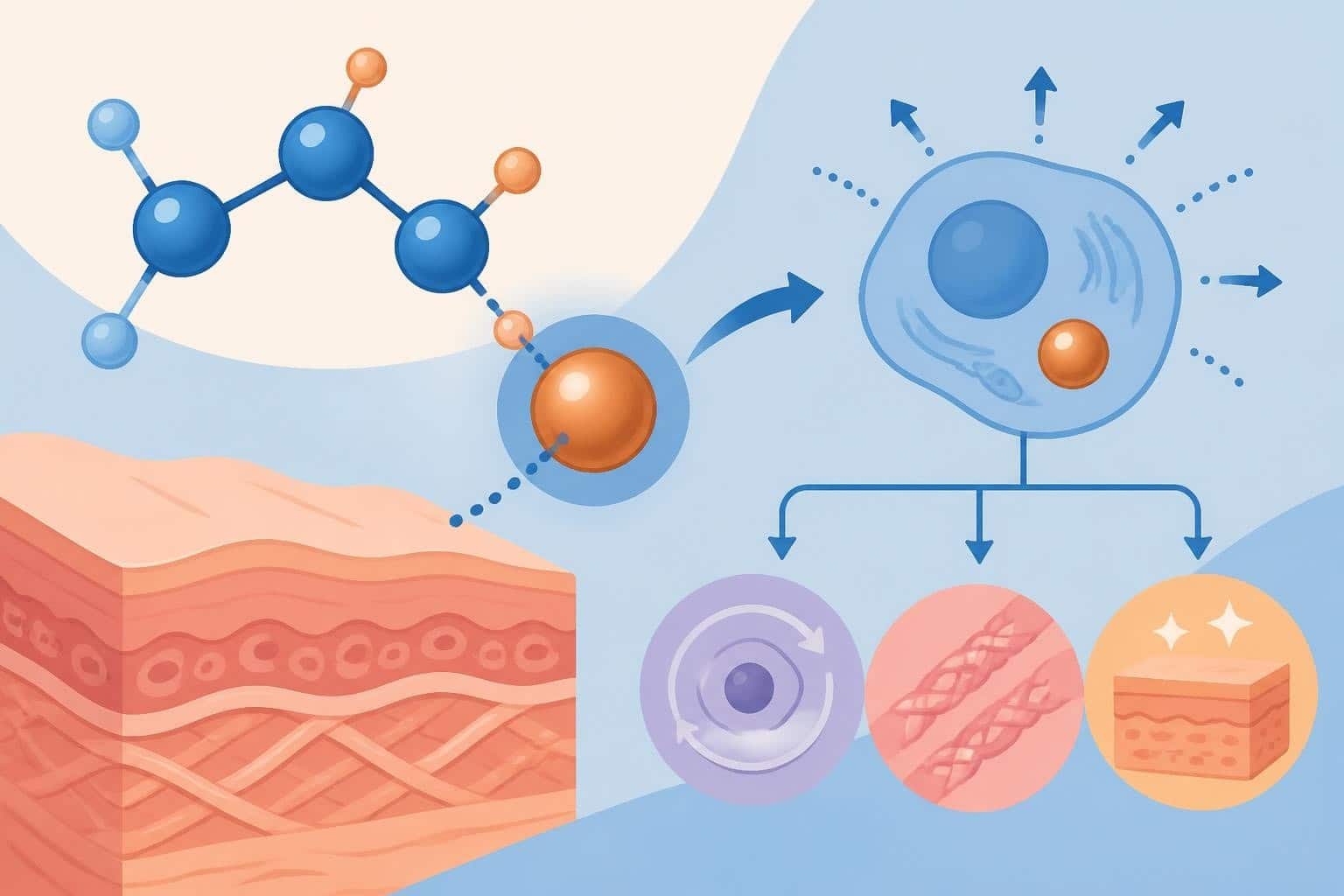
Research indicates that copper tripeptide influences multiple cellular pathways simultaneously. The compound activates tissue remodeling genes while suppressing inflammatory markers, creating an environment conducive to repair and regeneration. Studies examining skin penetration characteristics have demonstrated that copper tripeptide can effectively reach deeper tissue layers when applied topically.
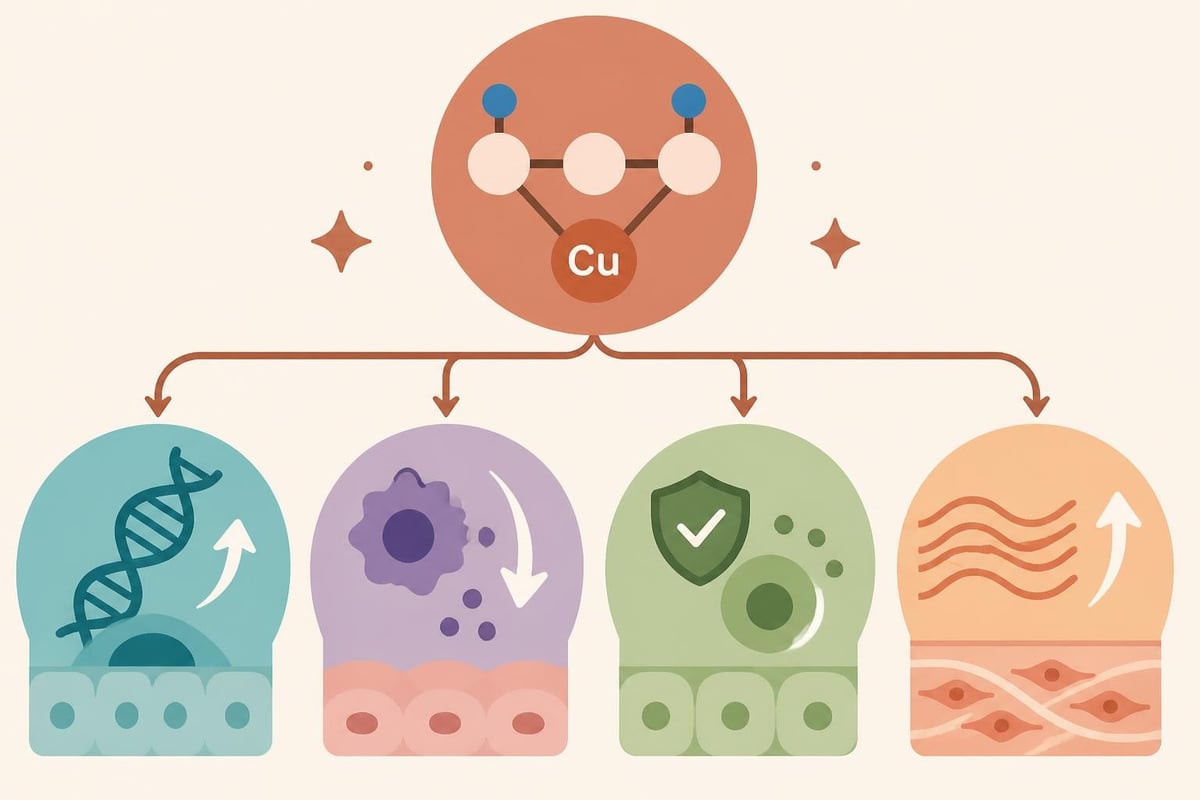
The peptide's influence on collagen production represents one of its most significant functions. Type I and Type III collagen synthesis increases in response to copper tripeptide exposure, supporting structural integrity in skin, tendons, and other connective tissues. This effect extends beyond simple collagen quantity-the peptide also promotes proper collagen organization and cross-linking, which determines the functional quality of new tissue.
Skin Regeneration and Anti-Aging Applications
The cosmetic and dermatological applications of copper tripeptide have generated substantial interest in both clinical and consumer markets. Multiple mechanisms contribute to its effects on skin appearance and health.
Collagen and Elastin Production
Declining collagen synthesis represents a primary factor in visible skin aging. As collagen density decreases with age, skin loses firmness, elasticity, and resilience. Copper tripeptide addresses this concern by stimulating fibroblast activity-the cells responsible for producing collagen and elastin in the dermal layer.
Clinical observations suggest that regular application of copper tripeptide formulations can lead to measurable improvements in skin thickness and density. The peptide doesn't merely increase collagen production temporarily; it appears to support sustained improvements in the skin's regenerative capacity over time.
Wound Healing and Tissue Repair
Beyond aesthetic applications, copper tripeptide demonstrates significant potential in wound healing contexts. The peptide accelerates the closure of skin injuries by promoting angiogenesis (new blood vessel formation), supporting immune cell function at injury sites, and enhancing the migration of keratinocytes across wound surfaces.
Research on copper-binding peptides has explored various synthetic analogs and natural forms, revealing distinct differences in their biological activities and therapeutic potential. The natural GHK-Cu sequence appears particularly effective due to its optimal binding affinity and stability.
Comparative Analysis with Other Regenerative Peptides
Understanding how copper tripeptide compares to other regenerative compounds helps clarify its unique value proposition and appropriate applications.
| Peptide Type | Primary Mechanism | Best Application | Bioavailability |
|---|---|---|---|
| Copper Tripeptide (GHK-Cu) | Collagen stimulation, anti-inflammatory | Skin regeneration, tissue repair | High (topical and systemic) |
| BPC-157 | Angiogenesis, growth factor modulation | Digestive and musculoskeletal healing | Moderate (injection preferred) |
| TB-500 | Actin upregulation, cell migration | Muscle and tendon repair | Moderate to high |
| Matrixyl (palmitoyl peptides) | Collagen signaling | Surface-level skin improvement | Moderate (topical only) |
This comparison reveals that copper tripeptide occupies a distinctive niche in the regenerative peptide landscape. While compounds like BPC-157 excel in systemic tissue repair applications, copper tripeptide demonstrates particular efficacy for skin-specific regeneration and localized tissue remodeling.

Synergistic Combinations
The concept of peptide stacking-combining multiple peptides to achieve complementary effects-has gained traction among researchers and clinicians. Copper tripeptide pairs particularly well with other regenerative peptides because its mechanisms don't directly overlap with most other compounds.
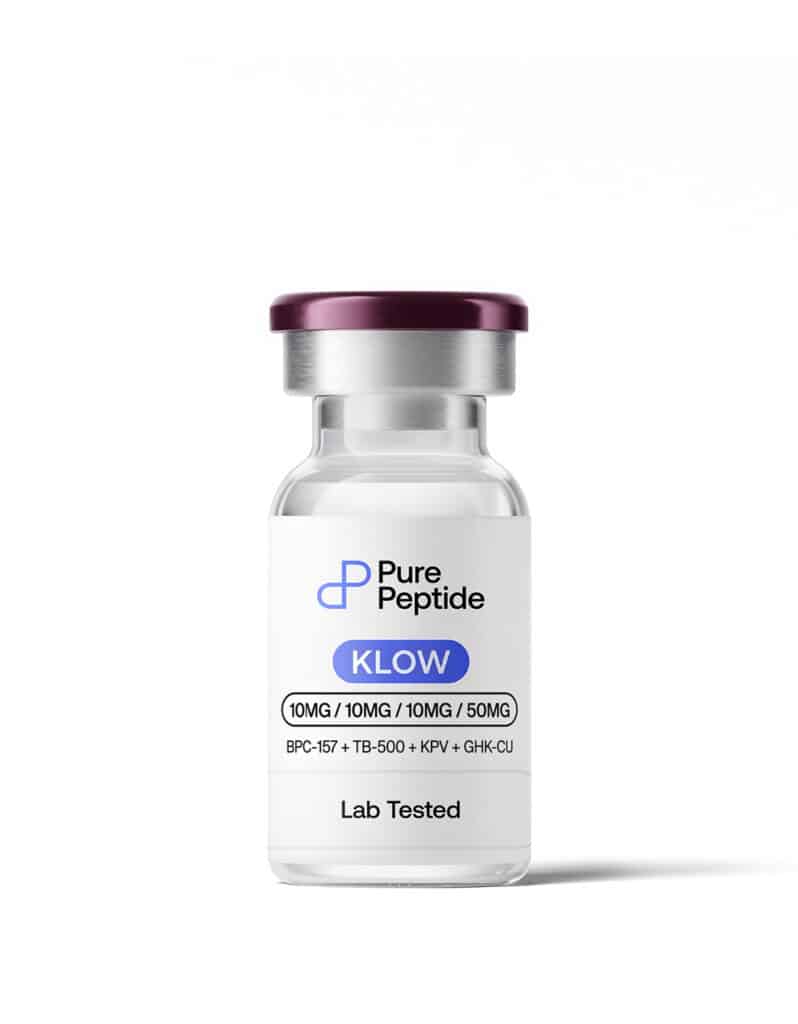
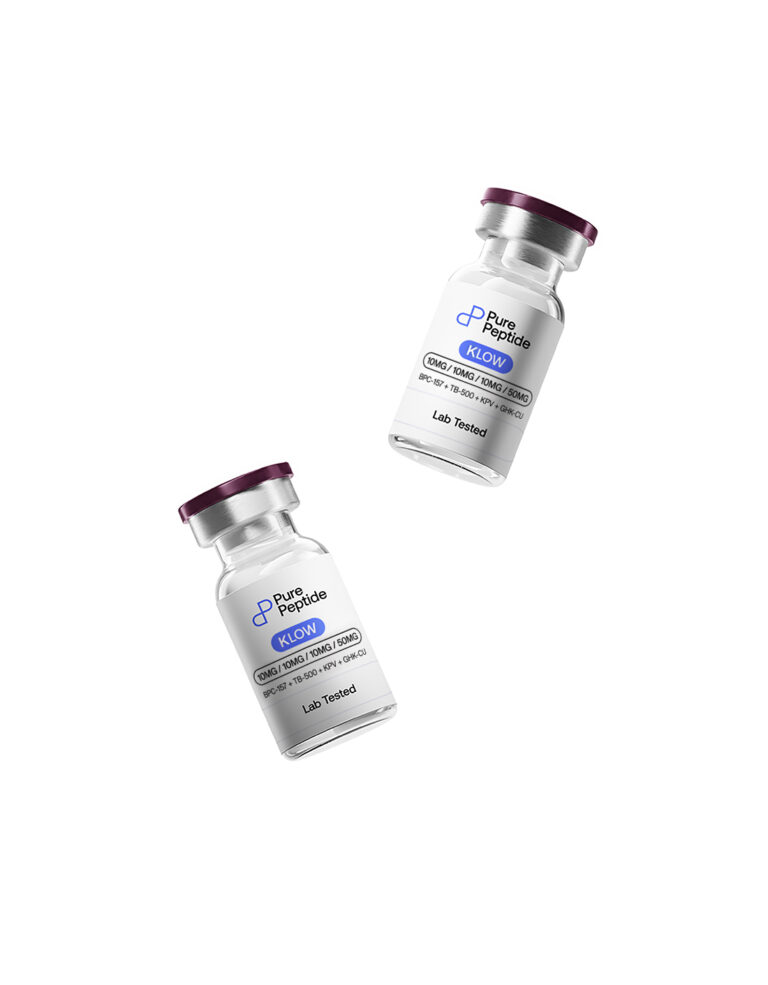
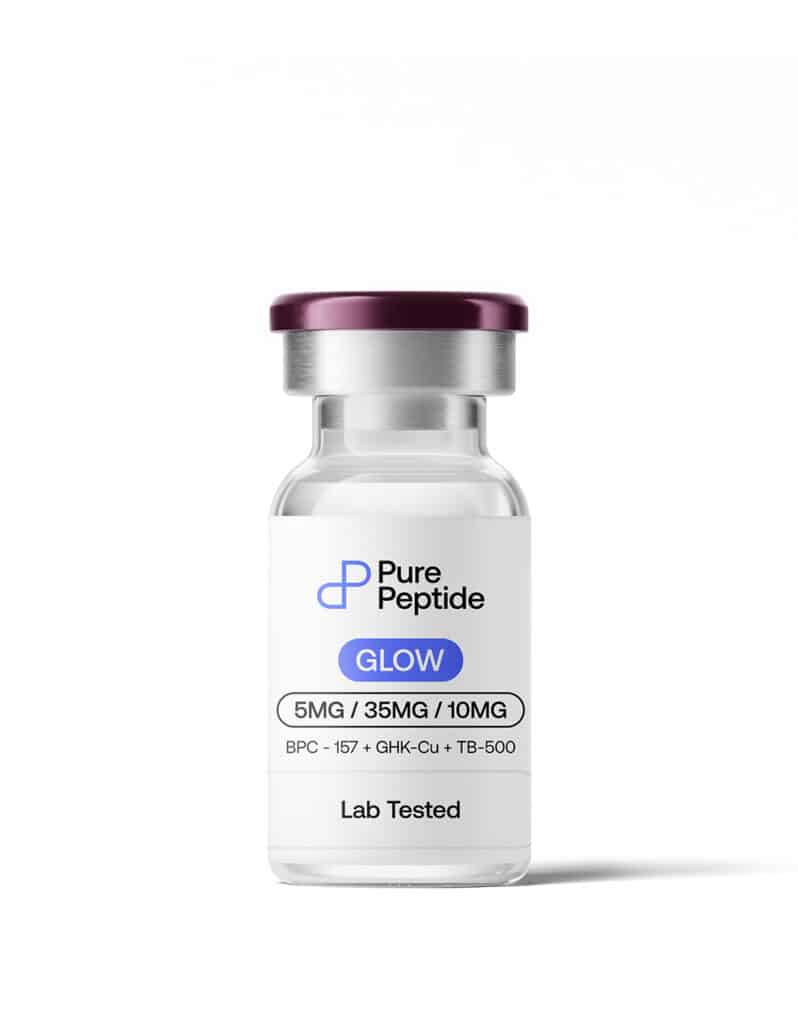
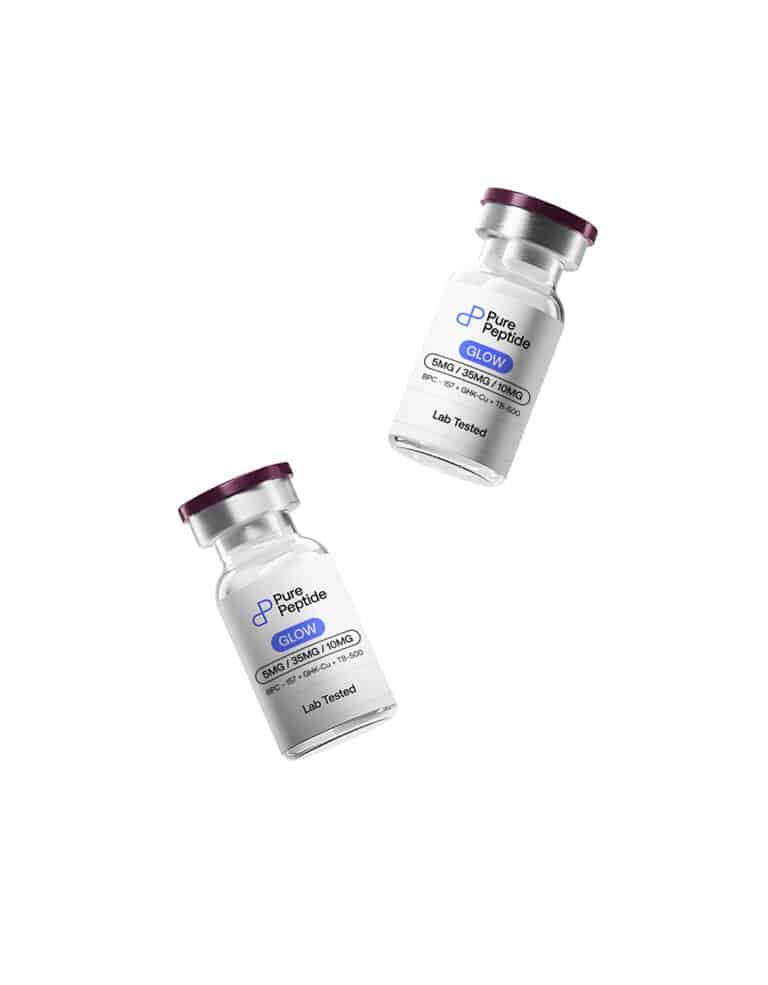
For comprehensive skin and tissue regeneration protocols, formulations containing GHK-Cu alongside other peptides offer potential advantages. The copper tripeptide addresses collagen synthesis and antioxidant defense, while complementary peptides may target inflammation reduction, growth factor signaling, or cellular energy metabolism.
Clinical Research and Evidence Base
The scientific literature on copper tripeptide spans several decades, with research accelerating significantly in recent years as interest in peptide therapeutics has grown.
Human Clinical Trials
Multiple human studies have evaluated copper tripeptide's effects when applied topically to facial skin. These trials typically measure outcomes including:
- Wrinkle depth and density reduction through digital imaging analysis
- Skin thickness changes via ultrasound measurement
- Elasticity improvements using cutometry devices
- Patient-reported satisfaction with appearance changes
Results across these studies consistently show measurable improvements in treated groups compared to placebo controls. Comprehensive research compilations provide access to the full scope of clinical evidence supporting copper tripeptide applications.
Safety Profile and Tolerability
One significant advantage of copper tripeptide lies in its favorable safety profile. As a naturally occurring compound found in human tissue, it demonstrates minimal toxicity and low incidence of adverse reactions. Most reported side effects involve mild, transient skin irritation in sensitive individuals.
The peptide's safety extends across different delivery methods, including topical application, subcutaneous injection, and oral administration. However, optimal absorption and efficacy vary considerably by route, with topical and injectable methods generally producing more predictable results for skin-related applications.
Formulation Considerations and Delivery Methods
The effectiveness of copper tripeptide depends significantly on proper formulation and delivery. Several factors influence how well the peptide reaches target tissues and maintains biological activity.
Stability and pH Requirements
Copper tripeptide exhibits pH sensitivity, with stability and activity optimized in slightly acidic to neutral environments (pH 5.5-7.0). Formulations outside this range may experience reduced efficacy or accelerated degradation of the active compound.
Manufacturers must also address the peptide's susceptibility to oxidation. Proper packaging-including opaque containers and airless pump dispensers-helps preserve potency throughout the product's shelf life. Studies examining transdermal penetration demonstrate that formulation vehicles significantly impact how effectively copper tripeptide reaches the dermis.
Concentration Guidelines
Research suggests effective concentrations of copper tripeptide typically range from 0.05% to 2% in topical formulations. Lower concentrations may produce measurable effects with extended use, while higher concentrations accelerate visible improvements but may increase the risk of irritation in sensitive individuals.
Professional-grade formulations often utilize concentrations at the upper end of this range, while consumer products typically contain lower percentages balanced with complementary active ingredients.
Integration into Comprehensive Recovery Protocols
While copper tripeptide demonstrates impressive standalone benefits, its value multiplies when integrated into broader recovery and regeneration protocols.
Synergy with Nutrition and Lifestyle Factors
The peptide's effects on collagen synthesis depend partly on adequate nutritional support. Vitamin C serves as an essential cofactor for collagen production, while adequate protein intake provides the amino acid building blocks necessary for new tissue formation.
Similarly, lifestyle factors including sleep quality, stress management, and ultraviolet protection influence how effectively copper tripeptide can support skin regeneration. The peptide provides tools for enhanced recovery, but optimal results require comprehensive attention to factors affecting tissue health.
Combining with Other Recovery Modalities
Progressive recovery protocols often combine copper tripeptide with complementary interventions:
- Red light therapy to stimulate mitochondrial function and enhance cellular energy
- Topical vitamin C serums to support collagen cross-linking
- Growth factor serums to amplify regenerative signaling
- Retinoid treatments to increase cell turnover (with appropriate timing to avoid irritation)
Those seeking comprehensive regenerative support might explore broader peptide options that address multiple aspects of tissue repair and metabolic optimization.
Purity Standards and Quality Considerations
The therapeutic value of any peptide depends fundamentally on its purity and proper synthesis. Copper tripeptide formulations vary considerably in quality across manufacturers.
Analytical Testing Requirements
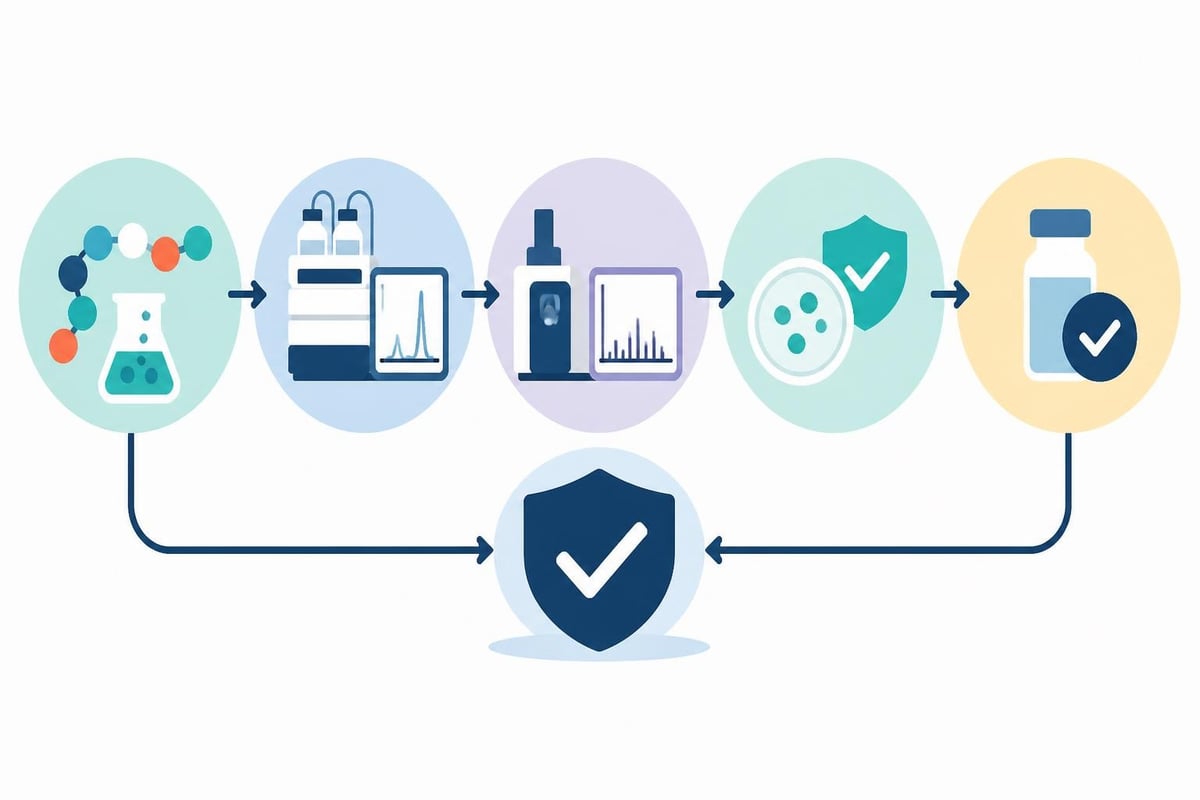
High-quality copper tripeptide undergoes multiple analytical tests to verify:
| Test Method | Purpose | Quality Threshold |
|---|---|---|
| HPLC (High-Performance Liquid Chromatography) | Purity verification | ≥98% purity |
| Mass Spectrometry | Molecular weight confirmation | Exact mass match |
| UV Spectroscopy | Concentration verification | Within 2% of stated amount |
| Microbiological Testing | Contamination screening | Below detection limits |
These testing standards ensure that products contain the stated amount of active peptide without harmful contaminants or degradation products that could reduce efficacy or safety.
Source and Synthesis Methods
Copper tripeptide can be produced through several synthesis pathways, with solid-phase peptide synthesis representing the most common commercial method. This approach allows precise control over amino acid sequence and copper binding, producing consistent, high-purity products.
Some manufacturers source copper tripeptide from biological fermentation processes, which may offer cost advantages but require rigorous purification to remove cellular debris and unwanted metabolites.
Emerging Research Directions
Current research continues to uncover new applications and mechanisms for copper tripeptide beyond its established uses in skin regeneration.
Neurological Applications
Preliminary research suggests copper tripeptide may influence neurological function through several mechanisms. The peptide demonstrates neuroprotective properties in laboratory models, potentially supporting cognitive function and neural tissue health. While this research remains in early stages, it represents an intriguing direction for future therapeutic development.
Metabolic and Systemic Effects
Beyond localized tissue regeneration, emerging evidence indicates copper tripeptide may influence broader metabolic processes. Some studies suggest effects on glucose metabolism and insulin sensitivity, though these findings require additional research to establish clinical relevance.
Evidence reviews and research summaries track the expanding body of literature on copper tripeptide applications, helping researchers and clinicians stay current with the latest findings.
Practical Application Guidelines
For individuals considering copper tripeptide supplementation or topical use, several practical considerations optimize results while minimizing potential issues.
Dosing and Frequency
Topical applications typically involve daily use, with products applied to clean, dry skin before moisturizers or sunscreen. Consistency matters more than quantity-regular application at appropriate concentrations produces better results than intermittent use of higher doses.
For injectable or oral applications, dosing protocols vary based on specific goals and individual factors. Professional guidance helps determine appropriate regimens for systemic use.
Expected Timeline for Results
Realistic expectations support sustained commitment to copper tripeptide protocols. Typical timelines include:
- 2-4 weeks: Initial improvements in skin texture and hydration
- 6-8 weeks: Measurable changes in fine lines and skin firmness
- 12+ weeks: Significant improvements in deeper wrinkles, skin density, and overall appearance
These timelines assume consistent use of properly formulated products at effective concentrations. Individual results vary based on age, baseline skin condition, and complementary lifestyle factors.
Potential Side Effects and Precautions
While generally well-tolerated, copper tripeptide may cause:
- Mild skin irritation or redness (typically resolves with continued use)
- Temporary purging as cellular turnover increases
- Sensitivity to sunlight (making daily sunscreen use essential)
Individuals with copper metabolism disorders should consult healthcare providers before using copper-containing supplements. Pregnant or nursing women should similarly seek professional guidance before starting copper tripeptide regimens.
Quality Sourcing and Product Selection
The proliferation of peptide products in consumer markets makes careful sourcing critical for achieving desired results safely and effectively.
Verification Standards
When selecting copper tripeptide products, priority indicators of quality include:
- Third-party testing verification through certificates of analysis
- Clear concentration disclosure on product labels
- Proper storage and packaging to maintain stability
- Manufacturer transparency regarding synthesis methods and testing protocols
Products meeting these standards demonstrate commitment to efficacy and safety, distinguishing them from lower-quality alternatives that may contain inadequate peptide concentrations or contamination.
Formulations that combine copper tripeptide with other regenerative peptides should clearly disclose all active ingredients and their respective concentrations. The GHK-Cu peptide exemplifies this transparency, providing detailed information about composition and quality standards.
Professional vs. Consumer Formulations
Professional-grade copper tripeptide products typically offer higher concentrations and more sophisticated delivery systems compared to consumer alternatives. While both can produce benefits, professional formulations often achieve faster, more dramatic results.
Working with knowledgeable providers ensures appropriate product selection based on individual skin type, goals, and any contraindications. Professional guidance becomes particularly valuable when integrating copper tripeptide into broader anti-aging or recovery protocols.
Understanding Limitations and Realistic Outcomes
While copper tripeptide demonstrates impressive regenerative properties, understanding its limitations helps set appropriate expectations and avoid disappointment.
What Copper Tripeptide Can and Cannot Do
The peptide excels at supporting natural regenerative processes, particularly for skin tissue. It can:
- Stimulate collagen and elastin production
- Reduce inflammation and oxidative stress
- Support wound healing and tissue repair
- Improve skin texture, firmness, and appearance
However, copper tripeptide cannot:
- Reverse severe photoaging or deep structural damage instantly
- Replace comprehensive skincare routines or sun protection
- Compensate for poor nutrition, inadequate sleep, or chronic stress
- Eliminate the need for other evidence-based anti-aging interventions
Realistic understanding positions copper tripeptide as a powerful tool within a comprehensive approach rather than a standalone solution to complex aging or tissue damage.
Individual Response Variation
Genetic factors, age, baseline tissue health, and lifestyle variables all influence how individuals respond to copper tripeptide. Some people experience dramatic improvements within weeks, while others observe more modest changes over longer periods.
This variability doesn't reflect product quality issues but rather the complex interplay of factors affecting tissue regeneration. Research resources examining copper tripeptide mechanisms help explain why response patterns differ across individuals.
The Future of Copper Tripeptide Research
As peptide science advances, copper tripeptide research continues expanding into new territories. Several promising directions deserve attention.
Novel Delivery Systems
Researchers are developing advanced delivery technologies to enhance copper tripeptide penetration and stability. These innovations include:
- Liposomal encapsulation for improved cellular uptake
- Microneedle patches for enhanced dermal delivery
- Sustained-release formulations for prolonged activity
- Nanoparticle carriers for targeted tissue distribution
These technologies may significantly improve copper tripeptide efficacy while reducing required concentrations and application frequency.
Combination Therapies
Future protocols will likely emphasize synergistic combinations of copper tripeptide with complementary compounds. Research on testosterone optimization and other peptide applications suggests that strategic combinations often produce superior results compared to single-agent approaches.
Understanding which peptides work synergistically and which might compete for the same biological pathways will refine clinical protocols and improve outcomes.
Copper tripeptide represents a scientifically validated tool for supporting skin regeneration, tissue repair, and healthy aging through multiple complementary mechanisms. Its natural occurrence in human tissue, favorable safety profile, and well-documented effects make it a valuable component of comprehensive recovery and anti-aging protocols. Whether you're seeking to optimize skin health, support tissue repair, or enhance overall regenerative capacity, Soma Peptide provides rigorously tested, high-purity peptides backed by advanced quality control standards to help you achieve your wellness goals with confidence.