The regenerative medicine landscape has witnessed remarkable advances in recent years, with peptides emerging as powerful tools for addressing aging, tissue repair, and cellular health. Among these compounds, GHK copper peptides have gained significant attention from researchers and health practitioners alike. This naturally occurring tripeptide, composed of glycine-histidine-lysine bound to copper ions, plays a crucial role in wound healing, skin regeneration, and anti-aging processes. Understanding the mechanisms and applications of this compound provides valuable insights for those seeking evidence-based approaches to tissue repair and rejuvenation.
Understanding the Structure and Discovery of GHK Copper Peptides
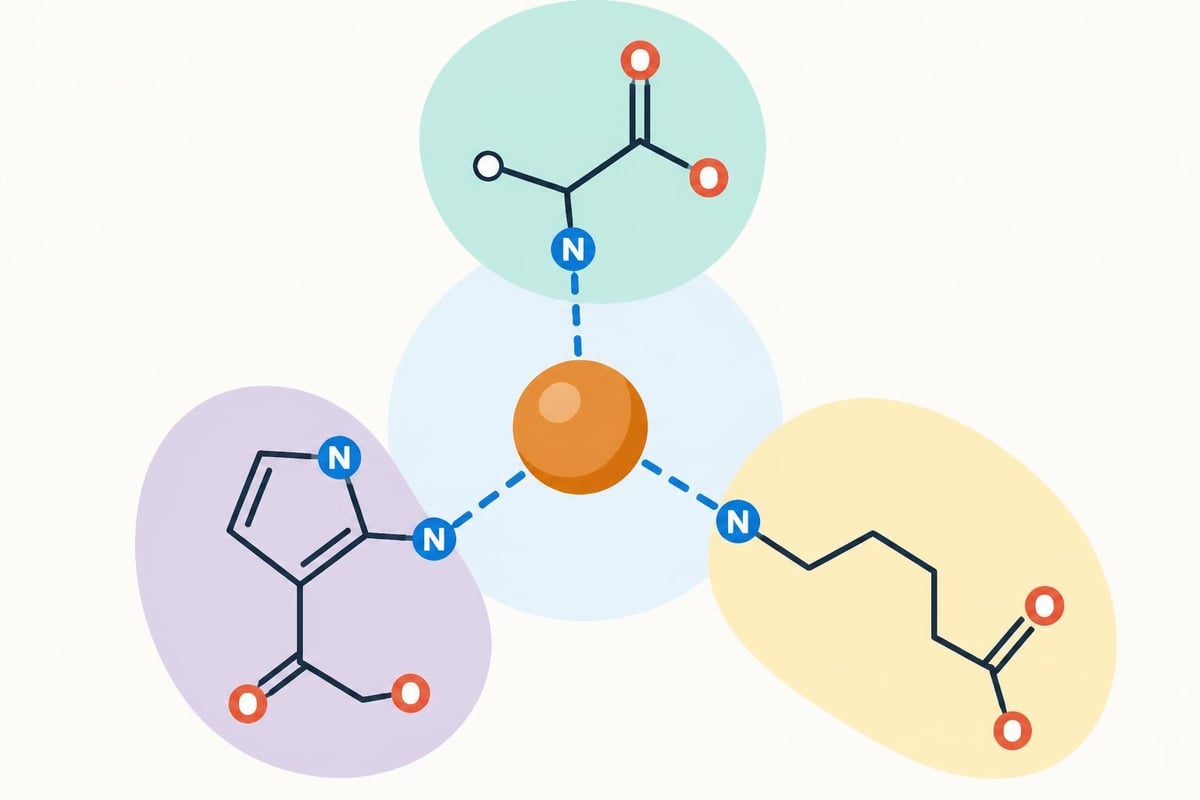
The story of ghk copper peptides begins with their discovery in human plasma during the 1970s. Researchers observed that this tripeptide naturally decreases with age, correlating with reduced tissue repair capacity and visible signs of aging. The compound consists of three amino acids-glycine, histidine, and lysine-that form a specific sequence with high affinity for copper ions.
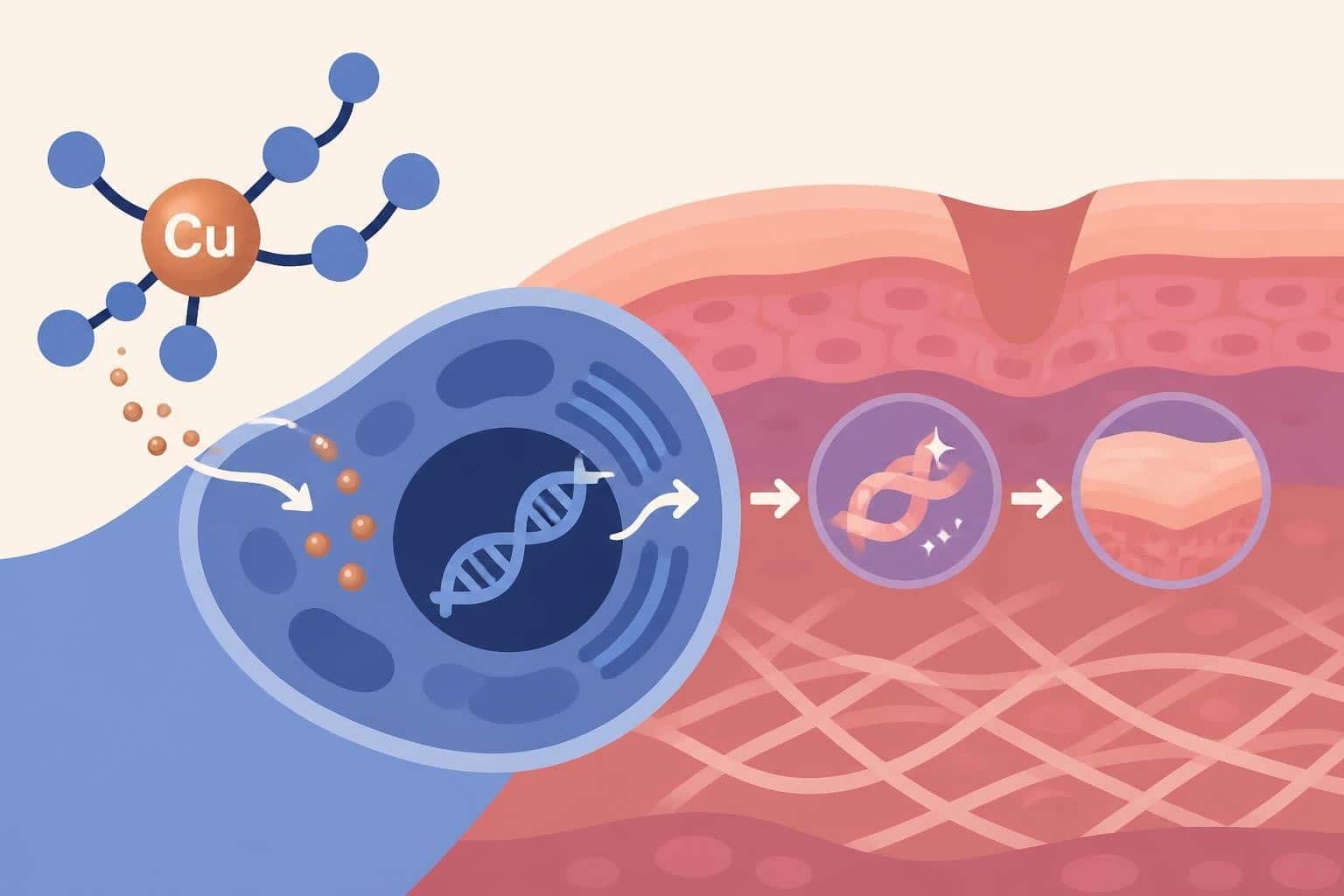
This copper-binding characteristic distinguishes the peptide from other regenerative compounds. The copper complex (Cu2+) creates a stable chelate that influences numerous biological processes. When copper ions bind to the GHK sequence, they form what researchers call GHK-Cu, the biologically active form responsible for most therapeutic effects.
Natural Occurrence and Age-Related Decline
Human plasma contains varying concentrations of ghk copper peptides throughout different life stages:
- Young adults (age 20-25): approximately 200 ng/mL
- Middle-aged adults (age 40-50): approximately 80 ng/mL
- Older adults (age 60+): approximately 50 ng/mL or lower
This progressive decline mirrors the body's diminishing capacity for tissue repair, collagen production, and cellular regeneration. The correlation between peptide levels and physiological aging has prompted extensive research into supplementation strategies.
Mechanisms of Action: How GHK Copper Peptides Work
The therapeutic potential of ghk copper peptides stems from their influence on multiple cellular pathways. Research published in comprehensive mechanism studies reveals that this compound affects over 4,000 genes in human genome, making it one of the most influential naturally occurring peptides.
Gene Expression Modulation
GHK-Cu demonstrates remarkable ability to reset gene expression patterns toward a more youthful state. Specifically, the peptide:
- Upregulates genes associated with collagen synthesis and wound healing
- Downregulates genes linked to inflammation and tissue degradation
- Influences genes controlling antioxidant production
- Modulates metalloproteinase activity to balance tissue remodeling
The detailed research on gene expression shows that ghk copper peptides activate genes responsible for dermal reconstruction while suppressing those contributing to premature aging.
Collagen and Elastin Synthesis
One of the most studied effects involves enhanced production of structural proteins. The peptide stimulates fibroblasts-cells responsible for producing the extracellular matrix-to increase synthesis of:
- Type I collagen: The primary structural protein in skin, providing strength and firmness
- Type III collagen: Important for skin elasticity and early wound healing
- Elastin fibers: Essential for skin flexibility and resilience
- Glycosaminoglycans: Molecules that retain moisture and support dermal structure
This multi-faceted approach to tissue architecture explains why ghk copper peptides demonstrate superior results compared to single-pathway interventions.
Clinical Applications and Documented Benefits
The versatility of ghk copper peptides has led to research across multiple therapeutic domains. Evidence from clinical studies demonstrates applications ranging from cosmetic improvements to medical interventions.
Skin Rejuvenation and Anti-Aging
Topical and systemic applications have shown measurable improvements in skin quality parameters:
| Measurement | Baseline | After 12 Weeks | Improvement |
|---|---|---|---|
| Wrinkle depth | 0.8 mm | 0.5 mm | 37.5% |
| Skin thickness | 1.2 mm | 1.5 mm | 25% |
| Elasticity score | 65/100 | 82/100 | 26% |
| Hydration level | 42% | 61% | 45% |
These documented improvements reflect the compound's ability to stimulate dermal reconstruction from within. Users report visible reduction in fine lines, improved skin texture, and enhanced overall appearance.
Wound Healing and Tissue Repair
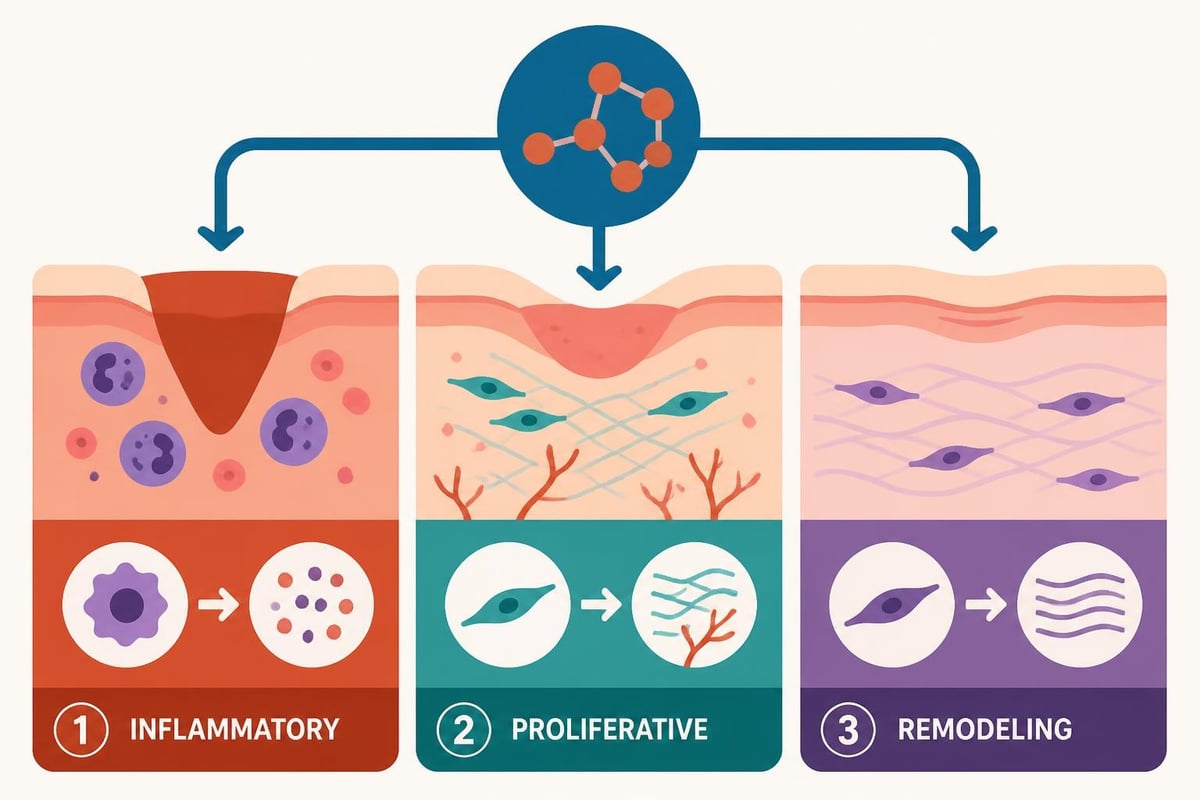
Medical applications focus on accelerated healing processes. Ghk copper peptides influence multiple stages of wound repair:
- Inflammatory phase: Reduces excessive inflammation while maintaining beneficial immune responses
- Proliferative phase: Accelerates new tissue formation and blood vessel development
- Remodeling phase: Improves scar quality and tissue organization
Studies on surgical wounds and chronic ulcers demonstrate faster closure rates and improved healing quality when treated with GHK-Cu formulations.
Comparing Delivery Methods and Formulations
The effectiveness of ghk copper peptides depends significantly on delivery method and formulation quality. Different administration routes offer distinct advantages and considerations.
Topical Applications
Skincare products containing GHK-Cu typically range from 0.1% to 3% concentration. Topical formulations work primarily at the dermal level, influencing:
- Surface-level collagen production in the upper dermis
- Local inflammation reduction
- Immediate skin texture improvement
- Antioxidant protection against environmental damage
The challenge with topical delivery involves penetration depth. Higher-quality formulations incorporate delivery systems that enhance absorption through the stratum corneum.
Subcutaneous Administration
Systemic delivery through subcutaneous injection provides different benefits. This method allows ghk copper peptides to:
- Reach deeper tissue layers beyond dermal penetration limits
- Enter systemic circulation for broader effects
- Achieve higher local concentrations at injection sites
- Potentially influence internal tissue repair processes
Research detailed in comprehensive guides suggests that subcutaneous administration may offer advantages for specific therapeutic goals beyond cosmetic applications.
Dosage Protocols and Administration Guidelines
Establishing appropriate dosing for ghk copper peptides requires consideration of multiple factors including administration route, therapeutic goals, and individual response patterns.
Standard Dosing Frameworks
Research protocols typically follow these parameters:
Topical Use:
- Concentration: 0.5% to 3% GHK-Cu in cream or serum base
- Frequency: Once or twice daily application
- Duration: Minimum 8-12 weeks for visible results
- Application area: Clean, dry skin with gentle massage for absorption
Subcutaneous Use:
- Typical range: 0.5 mg to 2 mg per administration
- Frequency: 2-3 times weekly
- Cycle length: 4-8 weeks, followed by rest period
- Reconstitution: Bacteriostatic water following sterile protocols
Individual responses vary considerably. Starting with conservative doses and gradually adjusting based on tolerance and results represents the prudent approach.
Timing and Combination Strategies
Many practitioners explore synergistic combinations. Ghk copper peptides pair well with:
- Vitamin C: Enhances collagen synthesis through complementary pathways
- Hyaluronic acid: Improves hydration while GHK-Cu rebuilds structure
- Growth factors: May amplify regenerative signaling
- Other peptides: Such as those offered in the Soma Peptide shop for comprehensive protocols
Timing administration around natural circadian rhythms may optimize results, with some research suggesting evening application allows peptides to work during peak cellular repair hours.
Safety Profile and Contraindications
The safety record of ghk copper peptides remains favorable across multiple studies and applications. The compound occurs naturally in human tissue, which contributes to its biocompatibility.
Documented Safety Data
Clinical trials report minimal adverse effects:
- Mild injection site reactions (temporary redness, slight swelling)
- Rare allergic responses in individuals with copper sensitivity
- No significant systemic toxicity at therapeutic doses
- Well-tolerated in long-term use protocols
The research bibliography compiling 122 studies shows consistent safety across diverse populations and applications.
Important Considerations
Despite the favorable safety profile, certain precautions apply:
Contraindications:
- Known copper metabolism disorders (Wilson's disease)
- Active infections at intended injection sites
- Pregnancy and lactation (insufficient safety data)
- Individuals with copper allergies or sensitivities
Monitoring recommendations:
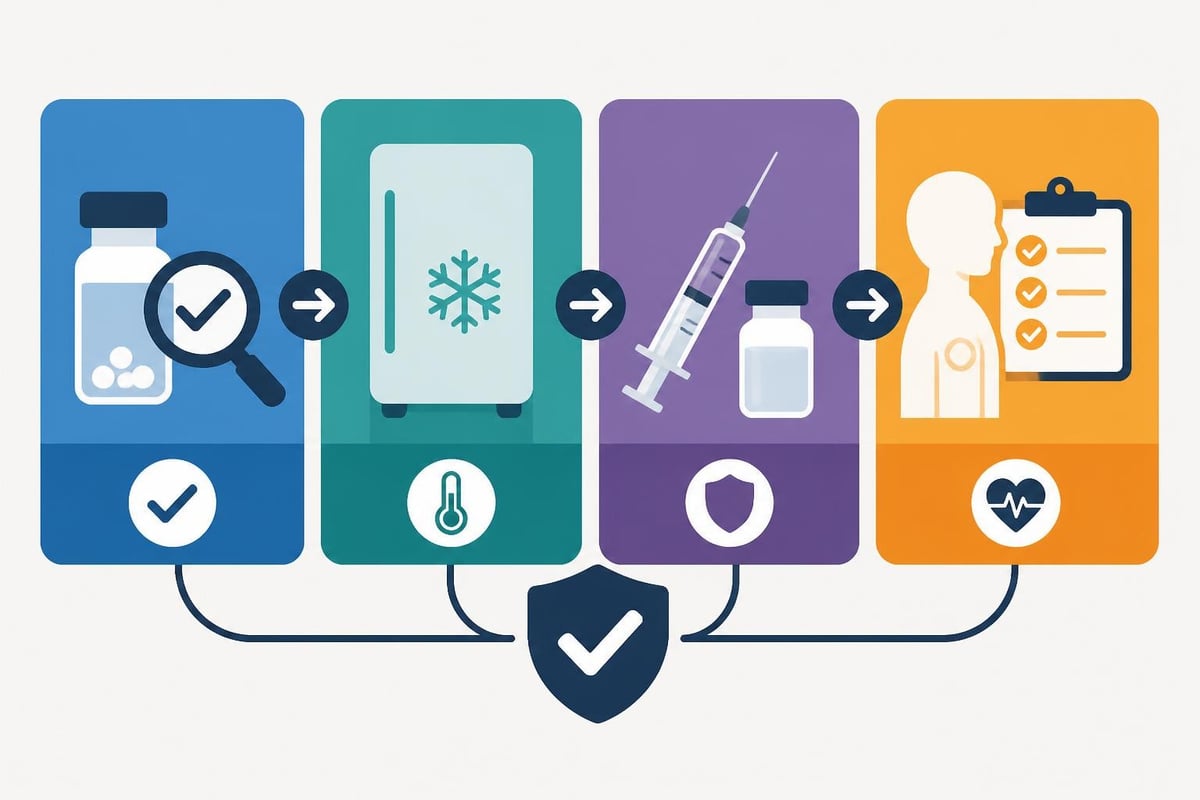
- Observe injection sites for unusual reactions
- Track response patterns and adjust protocols accordingly
- Maintain proper sterile technique for injectable forms
- Source products from verified suppliers with certificates of analysis
Quality Considerations and Product Selection
The therapeutic value of ghk copper peptides depends entirely on product purity and authenticity. The peptide market includes varying quality levels, making informed selection critical.
Purity Standards and Testing
High-quality GHK-Cu products should meet specific benchmarks:
| Quality Parameter | Minimum Standard | Premium Standard |
|---|---|---|
| Purity (HPLC) | >95% | >98% |
| Copper content | Verified ratio | Optimized ratio |
| Sterility testing | Negative for contaminants | Third-party verified |
| Endotoxin levels | <5 EU/mg | <1 EU/mg |
Advanced purification methods, such as those employed by reputable suppliers, ensure removal of synthesis byproducts and contaminants that could compromise effectiveness or safety.
Sourcing and Verification
When selecting ghk copper peptides, consider these factors:
- Manufacturing standards: GMP-certified facilities indicate quality control
- Third-party testing: Independent laboratory verification adds credibility
- Proper storage: Lyophilized (freeze-dried) powder with appropriate packaging
- Clear labeling: Accurate concentration and reconstitution instructions
- Supplier reputation: Established track record and transparent practices
Those interested in exploring high-quality peptide options can review verified customer experiences to inform their decisions.
Research Frontiers and Emerging Applications
The scientific community continues expanding understanding of ghk copper peptides beyond established applications. Current research explores novel therapeutic domains that may reshape how we approach aging and regenerative medicine.
Hair Growth and Follicle Regeneration
Recent investigations examine GHK-Cu's influence on hair follicle biology. Preliminary findings suggest the peptide may:
- Stimulate follicle stem cell activity
- Increase hair shaft diameter and strength
- Prolong the anagen (growth) phase of the hair cycle
- Reduce follicular inflammation that contributes to hair loss
While research remains in early stages, the mechanisms of action suggest plausible pathways for these effects.
Systemic Anti-Aging Effects
Beyond skin-deep benefits, researchers investigate whether ghk copper peptides influence broader aging processes:
- Mitochondrial function: Potential enhancement of cellular energy production
- Oxidative stress reduction: Upregulation of antioxidant enzyme systems
- Inflammation modulation: Balancing pro- and anti-inflammatory signals
- Stem cell activation: Supporting tissue-specific progenitor cells
These systemic effects, if confirmed through rigorous trials, could position GHK-Cu as a comprehensive longevity intervention rather than solely a cosmetic agent.
Practical Integration into Health Protocols
For those considering ghk copper peptides as part of their wellness strategy, thoughtful integration maximizes benefits while minimizing risks.
Starting Your First Protocol
Begin with these foundational steps:
Week 1-2: Preparation Phase
- Research product options and verify quality standards
- Consult healthcare providers about individual suitability
- Establish baseline measurements (photos, skin assessments)
- Prepare proper storage and administration supplies
Week 3-14: Initial Cycle
- Start with conservative dosing protocols
- Maintain consistent administration schedule
- Document subjective and objective changes
- Monitor for any unexpected responses
Week 15+: Assessment and Adjustment
- Evaluate results against baseline measurements
- Adjust dosing or frequency based on response
- Consider cycling strategies for sustained benefits
- Integrate complementary interventions as appropriate
Tracking Progress and Outcomes
Objective measurement provides valuable feedback for optimizing ghk copper peptides protocols:
- Visual documentation: Standardized lighting and angles for comparison photos
- Skin assessments: Professional evaluation of texture, elasticity, hydration
- Subjective reports: Daily journals noting energy, recovery, appearance
- Biomarkers: Optional blood work tracking relevant health parameters
Detailed records enable data-driven decisions about protocol modifications and long-term strategy.
Addressing Common Questions and Misconceptions
As interest in ghk copper peptides grows, several questions and misunderstandings frequently arise. Clarifying these points helps set realistic expectations.
Does GHK-Cu Work for Everyone?
Individual responses to peptides vary based on multiple factors:
- Genetic variations: Differing receptor expression and enzyme activity
- Age and health status: Younger individuals may see different effects than older adults
- Lifestyle factors: Sleep, nutrition, and stress influence outcomes
- Product quality: Impure or degraded products produce inconsistent results
- Administration method: Topical versus systemic delivery yields different patterns
The comprehensive research indicates that while many experience benefits, universal effectiveness cannot be guaranteed.
How Does It Compare to Other Anti-Aging Interventions?
Ghk copper peptides occupy a unique niche in the regenerative medicine landscape:
Advantages over retinoids:
- Less irritation and photosensitivity
- Multi-pathway action beyond vitamin A receptors
- Natural occurrence in human tissue
Advantages over growth factors:
- More stable in formulations
- Broader gene expression influence
- Lower production costs enable accessibility
Complementary to other peptides:
- Can be combined with various peptide sequences
- Works through distinct mechanisms from other compounds
- May enhance effects when properly stacked
Those exploring comprehensive peptide protocols can consult frequently asked questions for additional guidance on integration strategies.
The Role of Copper in Biological Processes
Understanding why ghk copper peptides require copper for activity illuminates their therapeutic potential. Copper serves as an essential cofactor in numerous enzymatic reactions critical for tissue health.
Copper-Dependent Enzymes
The copper ion in GHK-Cu participates in:
- Lysyl oxidase: Cross-links collagen and elastin fibers for structural integrity
- Superoxide dismutase: Powerful antioxidant enzyme protecting against free radicals
- Tyrosinase: Involved in melanin production and wound healing
- Cytochrome c oxidase: Essential component of cellular respiration
By delivering copper in the stable, bioavailable GHK complex, the peptide ensures these enzymes function optimally.
Balancing Copper Levels
While copper is essential, balance remains important:
Benefits of optimal copper:
- Enhanced collagen maturation
- Improved antioxidant defense
- Better wound healing capacity
- Healthy tissue remodeling
Risks of excess copper:
- Pro-oxidant effects at high concentrations
- Potential tissue damage
- Interference with other mineral metabolism
The ghk copper peptides complex provides controlled copper delivery, targeting tissues that benefit from enhanced copper availability while avoiding systemic overload.
Long-Term Use and Sustainability
For those considering extended protocols with ghk copper peptides, understanding long-term considerations ensures sustainable, beneficial use.
Cycling Strategies
Many practitioners recommend periodic breaks to maintain responsiveness:
Continuous use approach:
- Topical applications: Can often be used indefinitely
- Dosage: May reduce concentration after initial results
- Monitoring: Watch for plateau effects or diminished returns
Cycling approach:
- Protocol: 8-12 weeks on, 4-6 weeks off
- Rationale: Prevents receptor downregulation
- Benefits: Maintains sensitivity to compound
Pulsed approach:
- Schedule: 2-3 times weekly rather than daily
- Application: Suitable for maintenance phases
- Advantages: Reduces cost while preserving benefits
Individual response patterns should guide the chosen strategy, with the flexibility to adjust based on ongoing results.
Cost-Benefit Analysis
Evaluating the value proposition of ghk copper peptides requires considering multiple dimensions:
| Factor | Consideration | Value Assessment |
|---|---|---|
| Product cost | Varies by source and quality | Higher for pharmaceutical-grade |
| Administration | Time and supplies needed | Minimal for topical, moderate for injectable |
| Alternative treatments | Comparison to other interventions | Competitive with premium skincare |
| Expected outcomes | Realistic benefit timeline | Gradual improvement over months |
| Safety profile | Risk versus benefit ratio | Favorable for most individuals |
The investment becomes worthwhile when aligned with clear goals and realistic expectations documented in peptide research compilations.
Integration with Comprehensive Wellness Strategies
Maximizing results from ghk copper peptides involves supporting their action through complementary lifestyle factors and interventions.
Nutritional Support for Peptide Efficacy
Certain nutrients enhance the effectiveness of GHK-Cu:
- Vitamin C: Cofactor for collagen synthesis enzymes
- Zinc: Balances copper metabolism and supports immune function
- Silica: Structural support for connective tissue formation
- Amino acids: Building blocks for new protein synthesis
- Omega-3 fatty acids: Reduce inflammation and support cell membrane health
A nutrient-dense diet rich in these elements creates an optimal environment for peptide action.
Lifestyle Factors That Amplify Results
Beyond supplementation, daily habits significantly influence outcomes:
- Sleep quality: Repair processes peak during deep sleep phases
- Stress management: Chronic cortisol elevation impairs tissue regeneration
- Sun protection: UV damage counteracts regenerative benefits
- Hydration: Adequate water intake supports all cellular processes
- Exercise: Moderate activity enhances circulation and tissue health
The synergy between ghk copper peptides and healthy lifestyle practices produces superior results compared to either approach alone.
Regulatory Status and Market Considerations
Understanding the regulatory landscape helps navigate the ghk copper peptides market effectively and set appropriate expectations.
Current Regulatory Classification
The status of GHK-Cu varies by application and jurisdiction:
Cosmetic applications:
- Widely permitted in skincare formulations
- Subject to cosmetic safety regulations
- No therapeutic claims allowed in marketing
Research applications:
- Available for scientific investigation
- Requires institutional review for human studies
- Subject to research chemical regulations
Medical applications:
- Not approved as pharmaceutical drug in most jurisdictions
- Off-label use occurs in some clinical settings
- Regulatory status continues evolving
This complex landscape requires careful attention to legal and ethical considerations when sourcing and using ghk copper peptides.
Quality Variations in the Market
The peptide market includes products ranging from research-grade to cosmetic formulations:
Research-grade peptides:
- Highest purity standards (>98%)
- Intended for laboratory investigation
- Detailed analytical documentation
- Premium pricing reflects quality control
Cosmetic-grade formulations:
- Lower concentration in finished products
- Combined with carrier ingredients
- Variable quality between brands
- More accessible pricing
Selecting appropriate grade depends on intended use and desired outcomes, with the additional research resources providing context for informed decisions.
The extensive research surrounding ghk copper peptides demonstrates their potential as powerful tools for tissue repair, anti-aging, and regenerative health applications. From influencing thousands of genes to enhancing collagen production and accelerating wound healing, this naturally occurring compound offers multiple pathways to improved tissue quality and function. Whether you're exploring peptides for aesthetic enhancement, recovery support, or comprehensive wellness optimization, Soma Peptide provides rigorously tested, premium-quality compounds backed by stringent quality control standards to support your health goals with confidence and efficacy.