
The peptide research community has long sought reliable sources for high-quality compounds, and blue sky peptides emerged as one of the notable names in this space. As researchers and health-conscious individuals explore peptide therapies for applications ranging from muscle recovery to anti-aging interventions, understanding vendor quality, regulatory compliance, and industry standards becomes paramount. The landscape has evolved significantly, requiring careful evaluation of suppliers against rigorous benchmarks for purity, testing protocols, and customer service excellence.
Understanding the Blue Sky Peptides Market Position
Blue sky peptides established itself within a competitive marketplace by offering research-grade peptides to various customer segments. The vendor's approach centered on providing compounds for investigational purposes, though the regulatory environment surrounding peptides has shifted considerably in recent years.
Historical Context and Industry Evolution
The peptide supply industry experienced rapid growth between 2015 and 2025, with numerous vendors entering the market to meet increasing demand. Blue sky peptides operated during a period when regulatory oversight was less stringent, allowing greater flexibility in product offerings and marketing approaches. However, as regulatory scrutiny intensified around unproven peptides, the entire industry faced pressure to improve transparency and compliance standards.
During this evolution, customers became increasingly sophisticated in their evaluation criteria. Rather than simply seeking the lowest prices, researchers began prioritizing:
- Third-party testing verification with certificates of analysis
- Transparent sourcing practices and manufacturing standards
- Responsive customer support for technical questions
- Consistent product availability across compound types
- Clear labeling regarding intended use and limitations

Vendor Evaluation Frameworks
When examining blue sky peptides or any supplier, researchers should apply systematic evaluation frameworks. A comprehensive vendor assessment examines multiple dimensions beyond product catalog breadth.
| Evaluation Category | Key Metrics | Industry Standards |
|---|---|---|
| Product Purity | HPLC testing results | ≥98% purity minimum |
| Testing Transparency | COA availability | Per-batch documentation |
| Shipping Efficiency | Delivery timeframes | 3-7 business days |
| Customer Service | Response times | <24 hours typical |
| Pricing Structure | Competitive positioning | Mid-range premium |
The most reliable vendors maintain consistent performance across all categories rather than excelling in one area while underperforming in others. This balanced approach indicates operational maturity and customer-focused priorities.
Quality Control Standards in Peptide Manufacturing
Premium peptide suppliers implement rigorous quality control protocols throughout the production process. Understanding these standards helps researchers make informed decisions when comparing vendors.
Purification Methods and Testing Protocols
Advanced purification techniques determine the final quality of peptide products. High-performance liquid chromatography (HPLC) represents the gold standard for both purification and analytical testing. This methodology separates target peptides from impurities, producing compounds with exceptional purity levels.
Mass spectrometry provides complementary verification, confirming molecular weight and composition. Together, these techniques create a comprehensive quality assurance framework. Suppliers who publish detailed testing results demonstrate commitment to transparency and scientific rigor.
When evaluating blue sky peptides or alternative sources, researchers should verify:
- Batch-specific testing rather than generic certificates
- Multiple analytical methods confirming purity claims
- Proper storage conditions documented throughout the supply chain
- Sterility testing for injectable preparations
- Endotoxin screening meeting pharmaceutical standards
Regulatory Compliance Considerations
The regulatory landscape for peptides remains complex and dynamic. While some compounds have established medical applications with FDA approval, many peptides exist in a gray zone where regulatory challenges persist.
Responsible vendors clearly label products as intended for research purposes only, avoiding therapeutic claims that would trigger regulatory action. This distinction protects both suppliers and customers from compliance violations while supporting legitimate scientific investigation.
The distinction between research-grade peptides and pharmaceutical-grade products significantly impacts quality expectations and pricing. Research-grade compounds meet high purity standards suitable for laboratory work, while pharmaceutical-grade products undergo additional validation required for human therapeutic use.
Product Categories and Application Areas
Blue sky peptides and comparable vendors typically organize their catalogs around specific application categories that align with research interests and wellness goals.
Performance Enhancement and Recovery
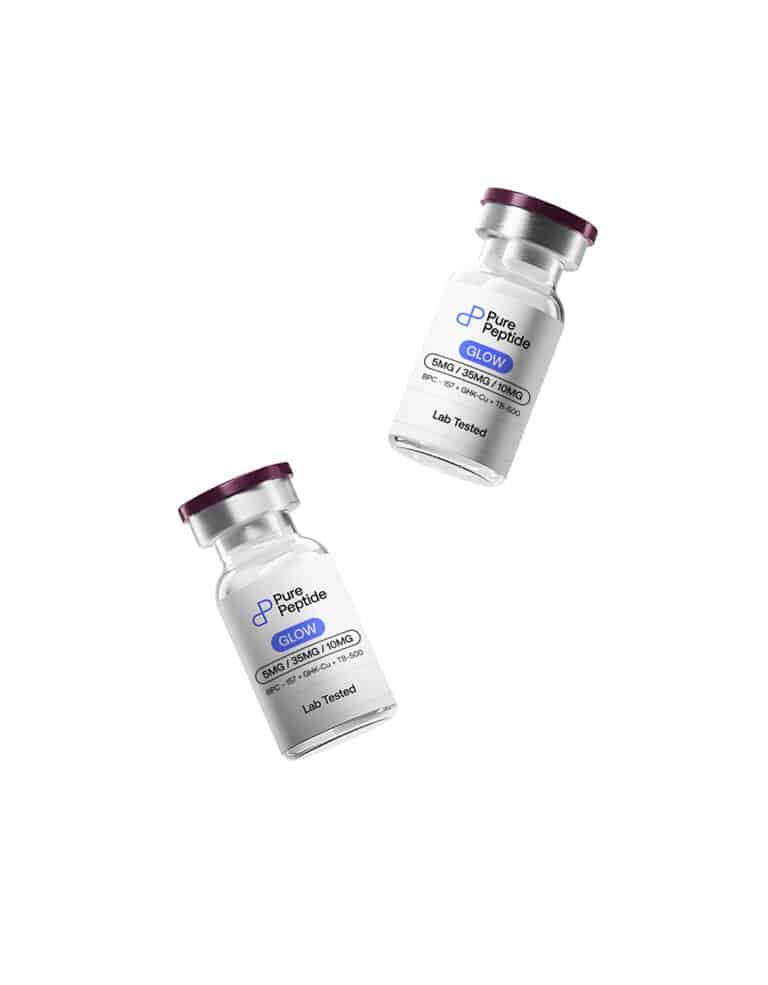
Peptides targeting muscle growth, recovery acceleration, and athletic performance represent a major product category. Compounds like BPC-157 and TB-500 have gained attention for their potential tissue repair properties.
A BPC-157/TB-500 blend combines complementary mechanisms that researchers believe may support healing processes. Such formulations address multiple biological pathways simultaneously, though clinical evidence for many applications remains limited.
Recovery-focused peptides appeal to athletes, fitness enthusiasts, and individuals recovering from injuries. The research supporting these applications varies considerably in quality and scope, requiring careful evaluation of claims against available evidence.
Metabolic and Weight Management Compounds
The metabolic peptide category has experienced explosive growth, driven by compounds that influence appetite regulation, insulin sensitivity, and fat metabolism. Semaglutide and similar GLP-1 agonists represent the most prominent examples, though these compounds carry specific regulatory considerations.

Weight management peptides operate through various mechanisms:
- Appetite suppression via central nervous system signaling
- Enhanced insulin sensitivity improving glucose metabolism
- Increased energy expenditure through thermogenic effects
- Fat oxidation promotion supporting body composition changes
Researchers exploring these compounds should understand that metabolic peptides often require careful dosing protocols and medical supervision, particularly for individuals with pre-existing health conditions.
Anti-Aging and Longevity Research
The anti-aging peptide category encompasses compounds targeting cellular repair, oxidative stress reduction, and age-related decline mitigation. Epitalon, NAD+, and similar compounds have attracted attention within longevity research circles.
These peptides theoretically influence telomere length, mitochondrial function, and cellular senescence pathways. However, most evidence derives from animal studies or preliminary human trials, requiring cautious interpretation.
Resources like Professor Peptides provide evidence-based profiles linking claims to peer-reviewed research, helping researchers distinguish between speculative applications and those with substantial scientific support.
Sourcing Strategies and Vendor Selection
Selecting a peptide supplier requires systematic evaluation beyond surface-level factors like pricing or website presentation. A strategic approach considers multiple variables that impact long-term satisfaction and research outcomes.
Comparative Analysis Methodology
When comparing blue sky peptides against current market alternatives, researchers should develop structured comparison matrices. This approach prevents decision-making based on isolated factors while revealing patterns across vendor portfolios.
| Vendor Attribute | Weight | Evaluation Criteria | Verification Method |
|---|---|---|---|
| Testing Rigor | High | Third-party COAs, multiple analytical methods | Review batch certificates |
| Product Range | Medium | Catalog breadth, specialty compounds | Browse product listings |
| Pricing Transparency | High | Clear pricing, no hidden fees | Request quotes |
| Educational Resources | Medium | Research support, dosing information | Review knowledge base |
| Community Reputation | High | Independent reviews, researcher feedback | Check multiple platforms |
Independent review platforms offer valuable insights into vendor performance across time. A detailed vendor review examining multiple operational dimensions provides perspective that individual customer testimonials cannot match.
Information Resources for Informed Decisions
The peptide research community benefits from numerous educational resources that support informed decision-making. Evidence-based peptide information grounds discussions in peer-reviewed research rather than marketing claims or anecdotal reports.
Comprehensive databases like PepGuide document hundreds of peptides with extensive citations, enabling researchers to verify mechanisms of action and application areas. These resources help separate scientifically supported uses from speculative applications.
Academic resources also contribute valuable context. Research on peptide database development demonstrates the computational approaches supporting modern peptide characterization and analysis.
Practical Considerations for Peptide Research
Beyond vendor selection, successful peptide research requires attention to practical factors influencing outcomes and safety.
Storage and Handling Protocols
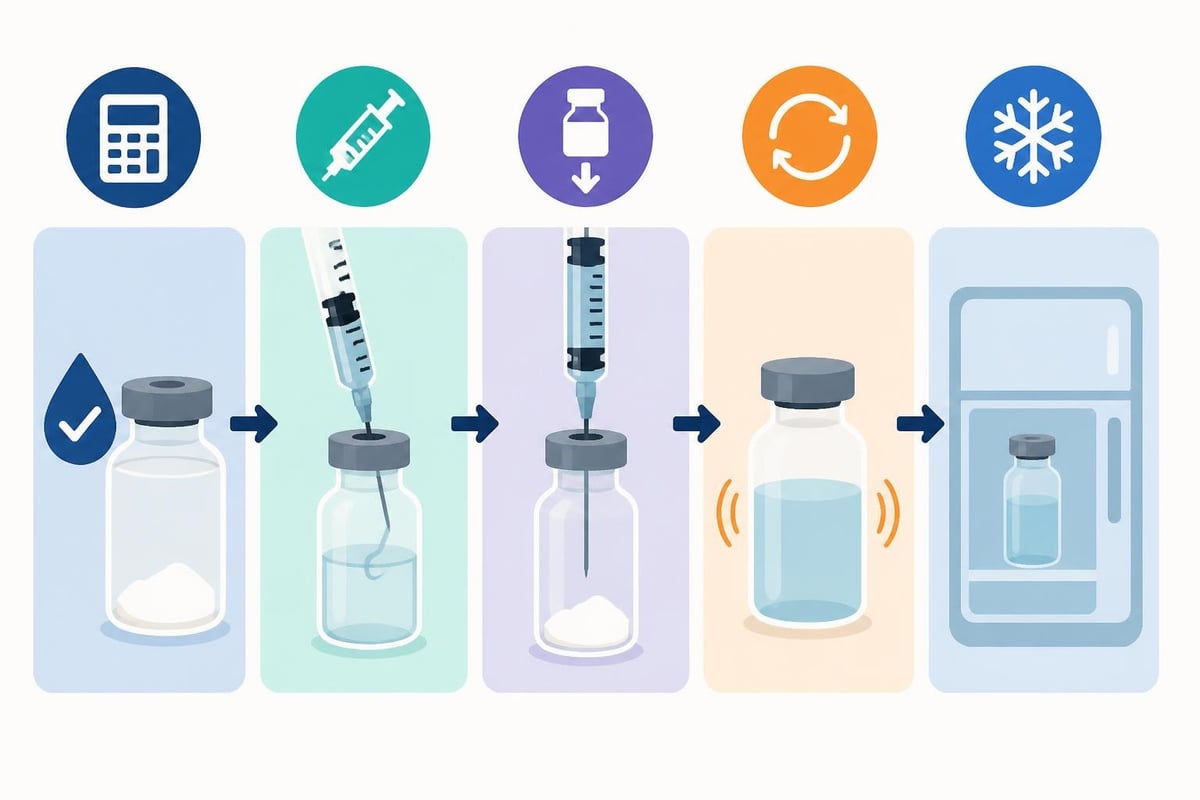
Peptides are sensitive biological molecules requiring specific storage conditions to maintain stability and potency. Most lyophilized peptides remain stable at room temperature for short periods but require refrigeration or freezing for extended storage.
Once reconstituted with bacteriostatic water, peptides typically require refrigeration and use within specific timeframes. Reconstitution protocols significantly impact stability, with improper mixing potentially degrading delicate molecular structures.
Proper handling includes:
- Sterile technique during reconstitution to prevent contamination
- Appropriate syringes for accurate dosing and administration
- Temperature monitoring throughout storage periods
- Light protection for photosensitive compounds
- Rotation practices using older inventory before newer batches
Dosing Calculations and Administration
Accurate dosing requires understanding concentration calculations and proper reconstitution volumes. A peptide calculator simplifies these computations, reducing errors that could compromise research or safety.
Administration routes vary by compound and application. Subcutaneous injection represents the most common method for research peptides, though some compounds may utilize intramuscular, intranasal, or oral routes depending on bioavailability and stability characteristics.
Current Market Landscape and Alternatives
The peptide vendor landscape in 2026 differs substantially from previous years, with increased consolidation, regulatory scrutiny, and customer sophistication shaping market dynamics.
Emerging Quality Standards
Premium suppliers now implement quality standards that exceed basic purity testing. Comprehensive approaches include environmental monitoring during manufacturing, validated analytical methods, and stability testing demonstrating product longevity under specified conditions.
Third-party audits provide additional credibility, with some vendors pursuing certifications that verify manufacturing practices and quality systems. These investments signal commitment to excellence beyond minimum compliance requirements.
The Soma Peptide shop exemplifies modern quality standards, offering products backed by rigorous testing protocols and transparent documentation. This approach addresses customer demands for verifiable quality and consistent performance.
Specialty Compound Availability
Beyond common peptides, specialized compounds serve niche research applications. Semax and Selank represent nootropic peptides with unique mechanisms, while GHK-Cu serves skin health and tissue repair research.
The availability of specialty compounds distinguishes comprehensive suppliers from limited vendors. Researchers pursuing specific investigations require access to diverse peptide types without constantly switching suppliers.
Therapeutic research also demands specialized compounds. Organizations like RETA Research focus specifically on regenerative and therapeutic applications, providing detailed information linking claims to clinical evidence.
Customer Experience and Support Infrastructure
Vendor performance extends beyond product quality to encompass the entire customer experience, from initial inquiry through post-purchase support.
Communication and Transparency
Responsive customer service resolves technical questions, shipping concerns, and product inquiries efficiently. Blue sky peptides and similar vendors compete partially on service quality, with communication responsiveness influencing customer satisfaction significantly.
Transparency regarding product limitations, intended uses, and regulatory status builds trust and supports informed decision-making. Vendors who clearly communicate what their products can and cannot do demonstrate ethical practices that benefit the entire industry.
Educational content including frequently asked questions and blog resources helps customers understand complex topics without requiring direct support interaction. This self-service approach scales efficiently while maintaining information quality.
Shipping and Logistics Performance
Reliable shipping ensures peptides arrive in optimal condition, maintaining cold chain requirements when necessary. Domestic vendors typically offer faster delivery than international sources, though both face challenges during extreme weather conditions.
Discrete packaging addresses privacy concerns while protective materials prevent physical damage during transit. Temperature monitoring devices in premium shipments verify that cold chain integrity remained intact throughout the journey.
Order tracking and proactive communication regarding shipping delays prevent frustration and demonstrate customer-focused operations. These seemingly minor details significantly impact overall satisfaction and vendor loyalty.
Verification and Authentication Practices
Sophisticated customers implement verification practices ensuring received products match vendor claims and quality specifications.
Certificate of Analysis Interpretation
Reading and interpreting certificates of analysis requires understanding analytical chemistry terminology and acceptable variance ranges. HPLC purity percentages should align with product specifications, while mass spectrometry confirms molecular identity.
Batch numbers on certificates should match product labels, indicating the documentation specifically applies to received inventory rather than representing generic historical testing. This verification prevents vendors from recycling outdated or irrelevant test results.
Access to a comprehensive certificate of analysis repository allows customers to verify documentation authenticity and review testing methodologies in detail.
Community Feedback Integration
Independent reviews from fellow researchers provide practical insights into vendor performance beyond marketing claims. While individual experiences vary, patterns emerging across multiple reviews reveal consistent strengths or weaknesses.
Checking customer reviews helps assess whether vendor promises align with delivered experiences. Discrepancies between marketing and reality often surface through aggregated feedback rather than vendor-controlled testimonials.
Community forums and discussion groups also offer valuable perspective, though researchers should critically evaluate information sources and consider potential biases or conflicts of interest.
Navigating the peptide vendor landscape requires balancing quality expectations, regulatory awareness, and practical research requirements. While blue sky peptides represented one option within this market, the industry continues evolving with increasing emphasis on transparency, testing rigor, and customer education. Researchers benefit from applying systematic evaluation frameworks that assess vendors across multiple dimensions rather than focusing solely on pricing or convenience factors. For those seeking premium quality peptides backed by rigorous testing and responsive customer support, Soma Peptide offers comprehensive solutions spanning weight management, muscle growth, recovery, and anti-aging applications, ensuring researchers access the compounds they need with confidence in purity and efficacy.