
The decision to ghk cu peptide buy represents a significant investment in regenerative medicine research and anti-aging protocols. As one of the most extensively studied copper peptides, GHK-Cu has demonstrated remarkable potential across multiple applications, from skin rejuvenation to neurological support. Understanding the quality markers, safety considerations, and sourcing criteria becomes essential for researchers and practitioners seeking optimal results. This comprehensive guide explores the critical factors that should inform your purchasing decisions in 2026.
Understanding GHK-Cu Peptide Quality Standards
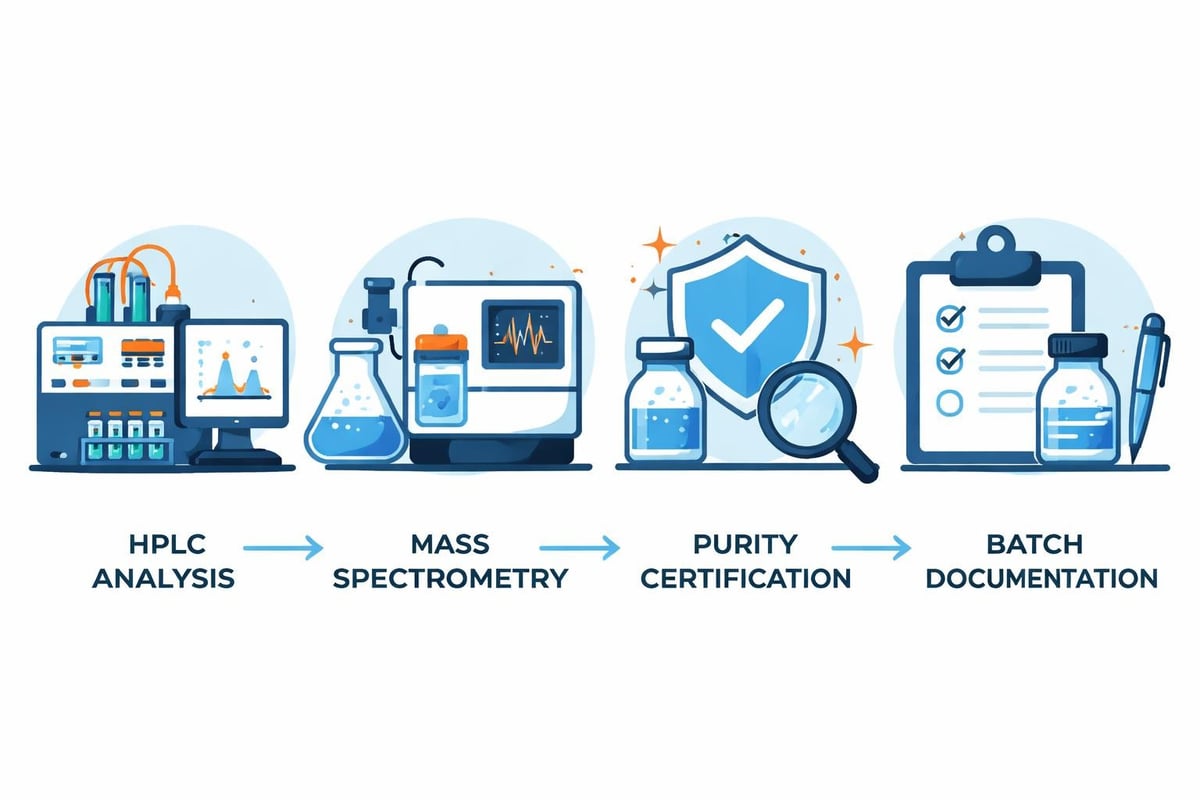
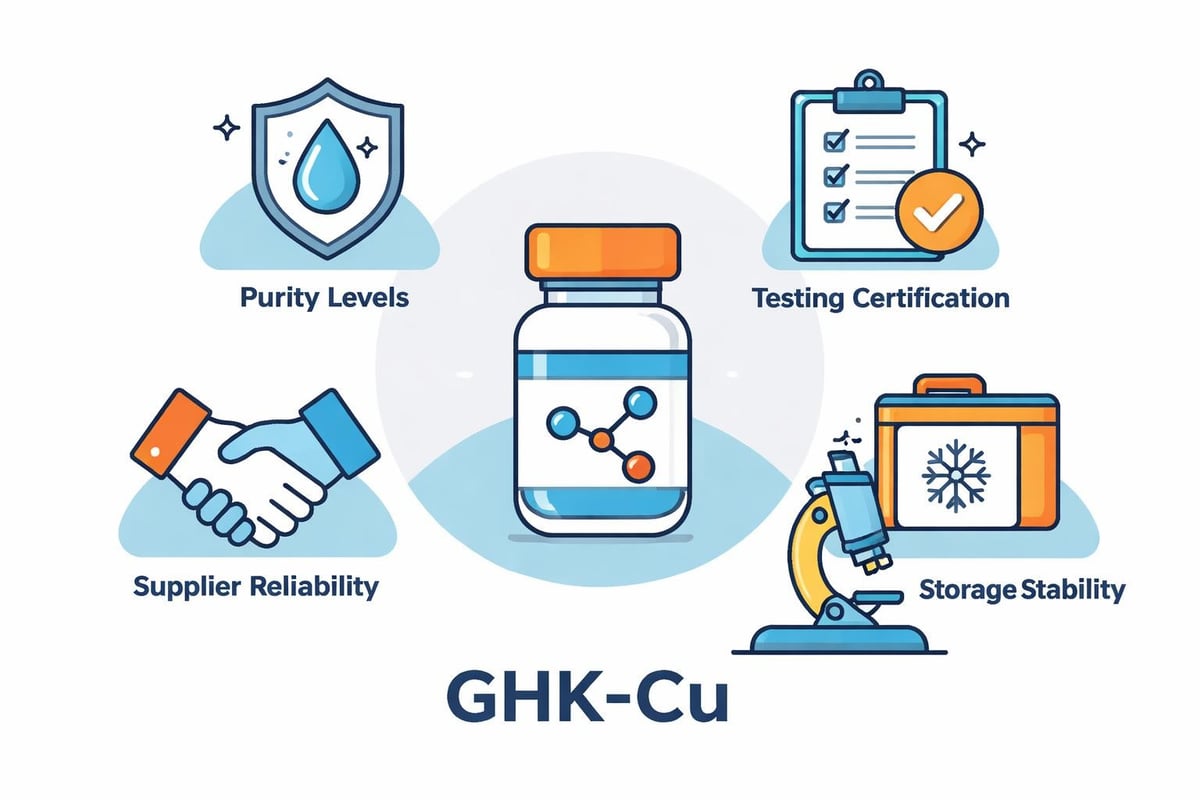
Quality represents the foundational element when you ghk cu peptide buy from any supplier. The peptide industry has evolved substantially, with advanced purification methods now standard among reputable manufacturers. Premium quality GHK-Cu typically achieves purity levels exceeding 98%, verified through high-performance liquid chromatography (HPLC) and mass spectrometry analysis.
Purity Verification Methods
Multiple analytical techniques confirm peptide quality and composition. HPLC testing separates molecular components to identify impurities, while mass spectrometry determines exact molecular weight. Third-party testing adds another verification layer, ensuring manufacturers meet advertised specifications.
Key quality indicators include:
- Certificate of Analysis (COA) from independent laboratories
- Batch-specific purity percentages
- Sterility testing documentation
- Endotoxin level verification
- Proper molecular weight confirmation
Manufacturing environments also impact final product quality. GMP-certified facilities maintain strict contamination controls, temperature regulation, and handling protocols throughout production cycles.
Safety Profile and Research Considerations
Safety data provides crucial context when making a ghk cu peptide buy decision. Comprehensive toxicology studies demonstrate GHK-Cu's favorable safety profile across various research applications. The peptide occurs naturally in human plasma, declining with age from approximately 200 ng/mL at age 20 to 80 ng/mL by age 60.
Research protocols consistently report minimal adverse events at standard dosing ranges. The peptide's copper-binding properties contribute to its regenerative effects while maintaining safety through controlled metal ion delivery. Clinical observations indicate excellent tolerability across diverse study populations.
Documented Safety Parameters
| Parameter | Finding | Research Significance |
|---|---|---|
| Acute Toxicity | No adverse effects at research doses | High safety margin |
| Chronic Exposure | Well-tolerated over extended periods | Suitable for long-term protocols |
| Cellular Impact | Promotes beneficial gene expression | Regenerative potential |
| Systemic Effects | No organ toxicity observed | Broad application safety |
Research applications span multiple domains, including dermatological studies, wound healing protocols, and neurological research. Understanding these safety parameters helps researchers design appropriate protocols and set realistic expectations.
Sourcing Criteria for Research-Grade Peptides
Supplier selection significantly influences research outcomes and safety. When you ghk cu peptide buy, evaluating vendor credentials protects your investment and ensures reproducible results. Established suppliers maintain rigorous quality control standards, transparent testing practices, and comprehensive documentation systems.
Premium peptide suppliers distinguish themselves through several characteristics. They provide batch-specific certificates of analysis, maintain consistent product quality across shipments, and offer knowledgeable customer support for protocol questions. Soma Peptide exemplifies these standards through advanced purification methods and stringent quality control measures.
Vendor Evaluation Checklist
- Documentation Standards: Request COAs and verify third-party testing
- Storage Protocols: Confirm proper handling and shipping procedures
- Customer Reviews: Assess reputation through independent feedback
- Technical Support: Evaluate knowledge base and responsiveness
- Regulatory Compliance: Verify adherence to industry standards
Storage and handling practices before delivery matter considerably. Peptides require specific temperature ranges during shipping, typically utilizing cold chain logistics for stability preservation. Suppliers should clearly communicate storage requirements and provide guidance for post-delivery handling.
Dosing Protocols and Application Methods
Research protocols vary substantially based on study objectives and application routes. Before you ghk cu peptide buy, understanding standard dosing frameworks helps determine appropriate quantities and formulations. Detailed dosage guidelines provide valuable reference points for various research applications.
Topical applications typically utilize concentrations between 0.01% and 1% in carrier solutions. Injectable protocols commonly employ doses ranging from 0.5 mg to 3 mg per administration, depending on specific research parameters. Frequency and duration align with study design requirements and observed response patterns.
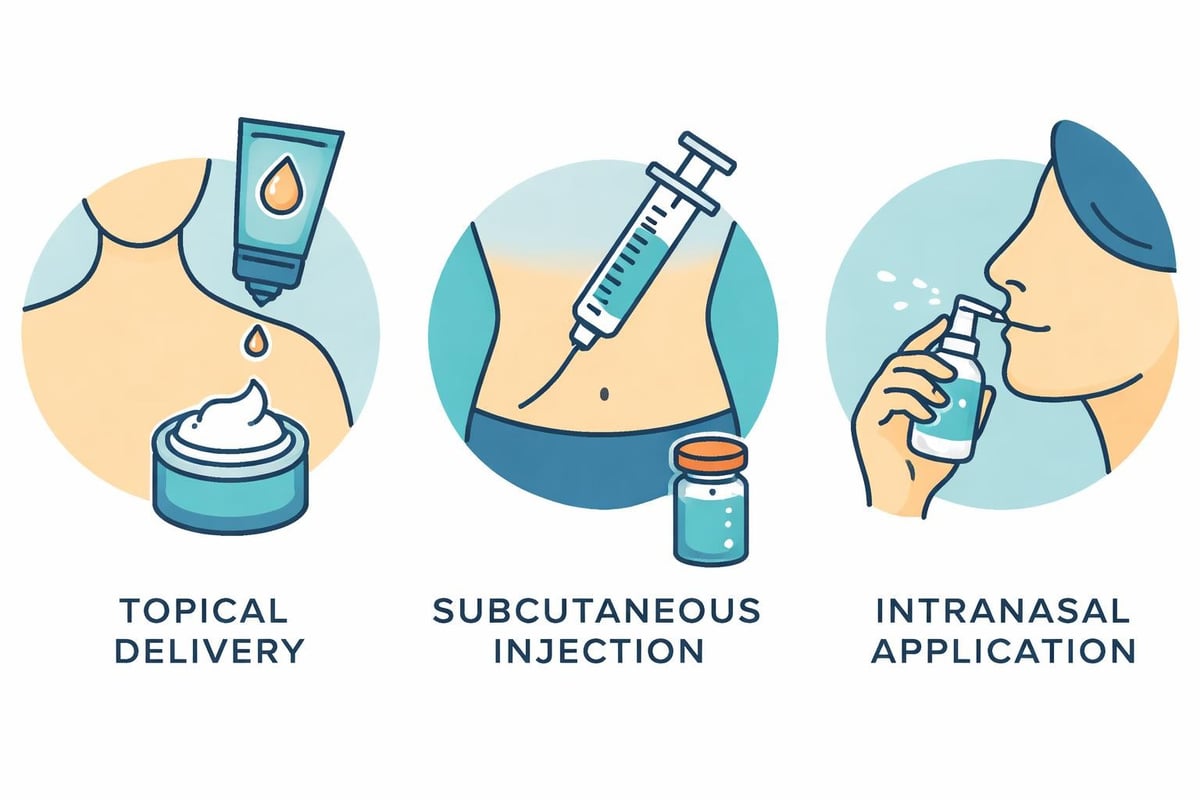
Application Route Comparison
| Route | Typical Concentration | Primary Research Focus | Bioavailability Considerations |
|---|---|---|---|
| Topical | 0.01% – 1% | Skin regeneration, collagen synthesis | Local tissue penetration |
| Subcutaneous | 0.5 – 3 mg | Systemic effects, wound healing | Direct bloodstream access |
| Intranasal | 0.1 – 0.5 mg | Neurological applications | Blood-brain barrier bypass |
Reconstitution requires specific considerations for optimal stability. Bacteriostatic water serves as the standard reconstitution medium, providing antimicrobial protection for multi-dose vials. Proper reconstitution techniques prevent degradation and maintain peptide integrity throughout the research period.
Mechanisms of Action and Research Applications
Understanding how GHK-Cu functions at the molecular level informs appropriate research design and expected outcomes. The peptide influences multiple cellular pathways simultaneously, creating synergistic effects across tissue types. When you ghk cu peptide buy for specific research purposes, mechanism awareness helps align product selection with study objectives.
GHK-Cu modulates gene expression affecting over 4,000 genes, with particular influence on those governing collagen production, inflammation response, and oxidative stress management. The copper component facilitates enzymatic activities essential for tissue remodeling and matrix synthesis.
Primary mechanisms include:
- Activation of metalloproteinases for matrix remodeling
- Stimulation of angiogenesis through growth factor signaling
- Enhancement of antioxidant enzyme systems
- Promotion of stem cell migration and differentiation
- Modulation of inflammatory cytokine production
Collagen synthesis represents one of the most extensively documented effects. Research demonstrates increased Type I and Type III collagen production in fibroblast cultures, with corresponding improvements in tissue architecture and mechanical properties. These effects translate across various tissue types, from dermal applications to internal organ regeneration studies.
Storage and Stability Considerations
Proper storage directly impacts peptide efficacy and research reproducibility. Before you ghk cu peptide buy, planning storage infrastructure ensures product longevity and maintains quality throughout the research timeline. Technical specifications provide detailed requirements for both lyophilized powder and reconstituted solutions.
Storage Requirements by Form
Lyophilized powder remains stable when stored between -20°C and -80°C in sealed containers. This form typically maintains potency for 24-36 months under optimal conditions. Desiccant packets help control moisture exposure, while amber vials protect against light-induced degradation.
Reconstituted solutions require refrigeration at 2-8°C and show optimal stability for 30-45 days. Some protocols extend viability through freezing aliquots at -20°C, though freeze-thaw cycles should be minimized to prevent aggregation. Single-use aliquots eliminate repeated freeze-thaw exposure, preserving peptide structure.
Storage best practices:
- Maintain consistent temperature ranges
- Minimize light exposure through amber containers
- Avoid repeated temperature fluctuations
- Use desiccants for powder storage
- Create single-use aliquots when possible
- Document storage dates and conditions
Environmental factors beyond temperature affect stability. Humidity control prevents moisture absorption in powder forms, while pH monitoring ensures reconstituted solutions remain within optimal ranges. These considerations become particularly important for extended research protocols requiring long-term peptide storage.
Cost Analysis and Value Assessment
Price variations across suppliers reflect differences in purity, testing rigor, and customer support quality. When planning to ghk cu peptide buy, evaluating cost against quality metrics provides better value assessment than price comparison alone. Premium suppliers typically charge higher per-milligram costs but deliver superior purity and consistency.
Bulk purchasing often reduces per-unit costs while ensuring supply consistency across research phases. However, storage capacity and stability timelines should inform quantity decisions. Smaller quantities suit exploratory research, while established protocols benefit from volume purchasing strategies.
| Purchase Quantity | Typical Price Range | Best Application | Storage Consideration |
|---|---|---|---|
| 5-10 mg | Premium per-mg cost | Protocol development, initial testing | Short-term storage adequate |
| 50-100 mg | Moderate per-mg cost | Ongoing research projects | Medium-term planning required |
| 500+ mg | Lowest per-mg cost | Large-scale studies, multiple protocols | Long-term storage infrastructure |
Hidden costs include shipping requirements for temperature-controlled delivery, storage equipment for proper handling, and potential waste from degraded product. Factoring these elements into total cost calculations provides realistic budget projections and prevents unexpected expenses.
Regulatory Landscape and Compliance
Regulatory frameworks governing peptide research and sales continue evolving in 2026. Understanding these requirements protects researchers and ensures compliant purchasing practices. When you ghk cu peptide buy, verifying supplier compliance with applicable regulations prevents legal complications and ensures product legitimacy.
Research peptides fall under specific regulatory categories depending on intended use and jurisdiction. Most suppliers clearly label products "for research purposes only," distinguishing them from therapeutic goods requiring different regulatory pathways. This designation carries specific obligations for both suppliers and purchasers regarding use documentation and handling protocols.
Compliance Considerations
Documentation requirements vary by region and institution. Research facilities typically maintain detailed records of peptide acquisitions, including supplier information, batch numbers, and intended research applications. These records support institutional review processes and regulatory audits when applicable.
Import regulations affect international purchases, with some jurisdictions requiring additional permits or declarations. Domestic sourcing often simplifies compliance while ensuring faster delivery and reduced customs complications. Researchers should consult institutional guidelines and legal counsel regarding specific compliance requirements for their situations.
Integration with Other Research Compounds
Combination protocols utilizing multiple peptides or compounds represent common research approaches. Before you ghk cu peptide buy as part of a broader study design, understanding potential synergies and interactions informs protocol development. GHK-Cu's diverse mechanisms allow compatibility with numerous research compounds across different therapeutic targets.
Antioxidant compounds may enhance GHK-Cu's protective effects against oxidative stress, while growth factors could amplify regenerative responses. Some researchers combine GHK-Cu with other regenerative peptides for comprehensive tissue remodeling studies. Browse available compounds to explore complementary options for integrated research protocols.
Common combination approaches:
- Pairing with collagen-stimulating peptides for enhanced matrix synthesis
- Combining with anti-inflammatory compounds for wound healing studies
- Integrating with neuroprotective agents for neurological research
- Coordinating with growth factors for stem cell differentiation protocols
Timing considerations affect combination protocol effectiveness. Sequential administration may target different phases of tissue response, while simultaneous delivery could create synergistic effects. Research design should account for individual compound pharmacokinetics and mechanism timelines when developing combination protocols.
Quality Control Throughout the Supply Chain
Supply chain integrity influences final product quality from manufacturing through end-user delivery. When you ghk cu peptide buy, understanding quality control touchpoints helps identify reliable suppliers and verify product authenticity. Multi-stage verification processes characterize premium peptide suppliers committed to consistent quality delivery.
Manufacturing quality control begins with raw material verification, ensuring starting components meet purity specifications. Synthesis monitoring tracks reaction completion and identifies potential impurities during production. Post-synthesis purification removes unwanted byproducts, while final testing confirms specifications before packaging.
Packaging and shipping introduce additional quality considerations. Proper sealing prevents contamination and moisture exposure during transport. Temperature monitoring throughout shipping ensures peptides remain within stability ranges. Documentation accompanying shipments should include handling instructions and storage recommendations for post-delivery care.
Selecting the right source when planning to ghk cu peptide buy requires careful evaluation of quality standards, safety data, and supplier credentials. Armed with knowledge about purity verification, storage requirements, and application protocols, researchers can make informed decisions supporting successful outcomes. Soma Peptide provides the premium quality peptides, rigorous testing standards, and expert support necessary for advancing your research goals with confidence in 2026.