



Tirzepatide has emerged as one of the most studied peptides in metabolic research, demonstrating remarkable potential in clinical trials for weight management and metabolic health applications. As researchers and institutions increasingly seek access to this compound, understanding the landscape of tirzepatide peptide for sale becomes crucial. The demand for research-grade tirzepatide has grown substantially since the FDA’s approval of tirzepatide for weight loss, leading to an expanded market with varying quality standards and sourcing options.
Understanding Tirzepatide's Unique Mechanism
Tirzepatide represents a novel class of dual glucose-dependent insulinotropic polypeptide (GIP) and glucagon-like peptide-1 (GLP-1) receptor agonist. This dual-action mechanism distinguishes it from single-receptor agonists, creating broader metabolic effects.
The peptide's structure consists of 39 amino acids with specific modifications that enhance its binding affinity and duration of action. GIP receptor activation contributes to improved insulin sensitivity and energy expenditure, while GLP-1 receptor stimulation promotes satiety and regulates glucose homeostasis.
Comparative Research Findings
Recent studies have provided compelling data on tirzepatide's efficacy compared to other peptide therapies. Clinical trials demonstrate that tirzepatide outperformed semaglutide in head-to-head comparisons, showing superior results in metabolic parameter improvements.

Research applications for tirzepatide extend beyond basic metabolic studies:
- Cardiovascular research: Investigating effects on heart failure with preserved ejection fraction
- Metabolic syndrome studies: Examining improvements in insulin resistance markers
- Body composition analysis: Measuring changes in fat mass versus lean tissue
- Neurological research: Exploring potential neuroprotective properties
- Hepatic function studies: Assessing impacts on fatty liver conditions
The comprehensive tirzepatide research database provides extensive documentation of ongoing studies and published findings across these diverse applications.
Quality Standards for Research-Grade Tirzepatide
When evaluating tirzepatide peptide for sale, understanding quality metrics becomes paramount for ensuring research integrity. Premium suppliers implement multiple verification stages throughout the synthesis and purification process.
Purity specifications should meet or exceed 98% as determined by high-performance liquid chromatography (HPLC). This analytical method separates and quantifies the target peptide from potential impurities, degradation products, and synthesis byproducts.
| Quality Parameter | Minimum Standard | Premium Standard |
|---|---|---|
| Purity (HPLC) | 95% | 98%+ |
| Sterility Testing | Required | Double-verified |
| Endotoxin Levels | <5 EU/mg | <1 EU/mg |
| Heavy Metals | USP limits | Below detection |
| pH Range | 4.0-5.5 | 4.5-5.0 |
Advanced Purification Methods
The manufacturing process directly impacts the final product quality. Solid-phase peptide synthesis (SPPS) serves as the foundation for tirzepatide production, allowing precise control over amino acid sequence assembly.
Following synthesis, multiple purification steps remove unwanted materials:
- Preparative HPLC: Separates the target peptide from truncated sequences and deletion products
- Lyophilization: Freeze-drying process that preserves peptide stability during storage
- Sterile filtration: Removes microbial contamination using 0.22-micron filters
- Quality verification: Third-party testing confirms specifications before release
Suppliers offering tirzepatide peptide for sale should provide comprehensive certificates of analysis (COA) documenting these quality parameters. Soma Peptide maintains rigorous testing protocols to ensure every batch meets stringent purity standards.
Dosing Protocols in Research Settings
Research involving tirzepatide requires careful attention to dosing parameters, reconstitution methods, and administration protocols. Understanding these elements ensures consistent experimental conditions and reliable data collection.
Reconstitution Guidelines
Lyophilized tirzepatide requires reconstitution with bacteriostatic water before use. The standard concentration typically ranges from 2.5 mg/mL to 10 mg/mL, depending on research requirements.
Reconstitution steps include:
- Calculate the desired final concentration based on research protocol
- Use appropriate sterile diluent (bacteriostatic water recommended)
- Add diluent slowly along the vial wall to avoid foaming
- Gently swirl (never shake) until completely dissolved
- Store reconstituted solution at 2-8°C and use within 28 days
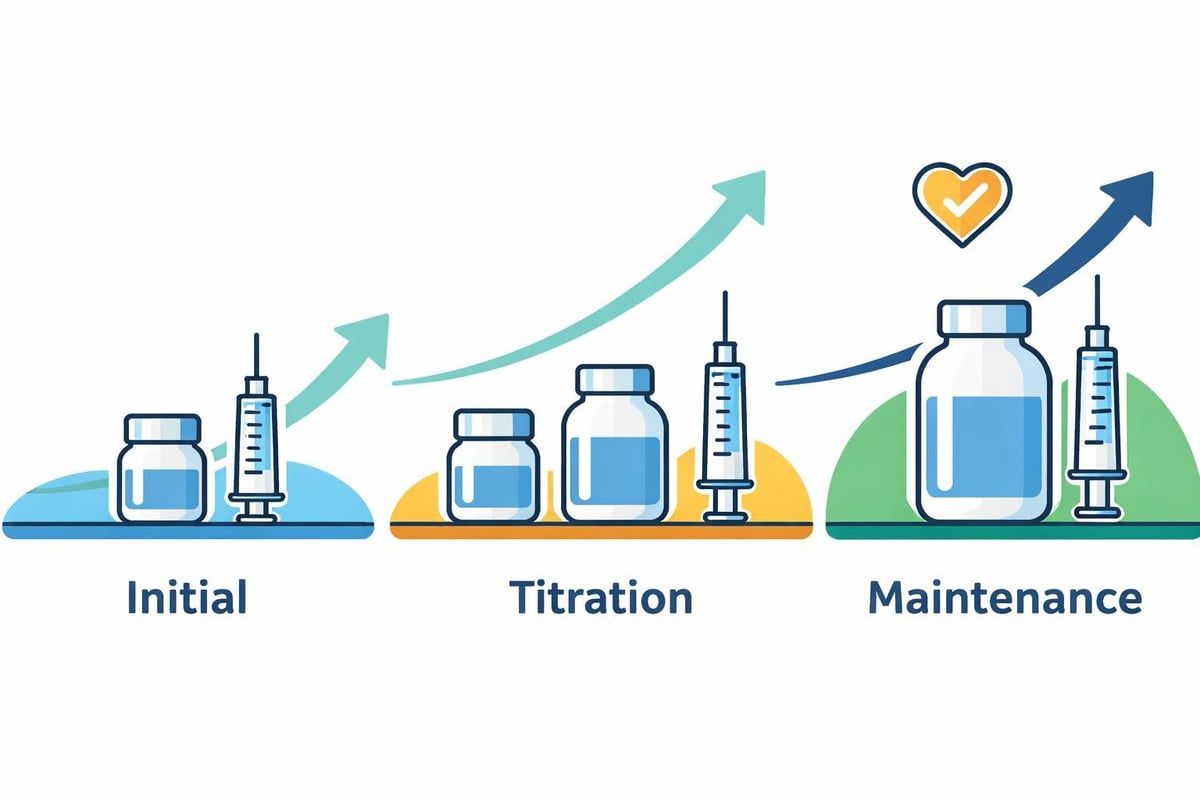
The titration approach used in clinical research typically begins with lower doses and gradually increases to minimize potential adverse effects. This methodology allows for observation of dose-dependent responses across multiple parameters.
Administration Considerations
Research protocols generally employ subcutaneous administration, which provides consistent absorption and sustained plasma levels. The pharmacokinetic profile shows a half-life of approximately 5 days, supporting once-weekly dosing schedules in most studies.
Researchers should have proper supplies available, including injection syringes and alcohol pads for maintaining sterile technique throughout experimental procedures.
Sourcing Considerations and Market Landscape
The growing interest in metabolic peptide research has expanded the market for tirzepatide peptide for sale. However, this expansion brings challenges regarding product authenticity and quality verification.
Warnings from the World Health Organization about counterfeit versions highlight the importance of selecting reputable suppliers with documented quality control processes. These counterfeit products pose significant risks to research integrity and potentially to research subjects.
Supplier Evaluation Criteria
Researchers should assess potential suppliers across multiple dimensions:
Documentation and Transparency
- Availability of complete certificates of analysis
- Clear manufacturing process descriptions
- Batch-to-batch consistency records
- Chain of custody documentation
Testing and Verification
- Third-party laboratory testing results
- Mass spectrometry confirmation
- Sterility and endotoxin testing
- Stability data under various storage conditions
Regulatory Compliance
- Adherence to good manufacturing practices (GMP)
- Proper licensing and registration
- Transparent sourcing of raw materials
- Quality management system certification
Soma Peptide implements comprehensive quality assurance protocols, ensuring that tirzepatide and other peptides meet the highest standards for research applications.
Storage and Stability Protocols
Maintaining peptide integrity from receipt through final use requires proper storage conditions and handling procedures. Tirzepatide exhibits specific stability characteristics that inform best practices.
Temperature Management
| Storage State | Temperature | Duration | Stability |
|---|---|---|---|
| Lyophilized (unopened) | 2-8°C | 24 months | Excellent |
| Lyophilized (unopened) | -20°C | 36+ months | Optimal |
| Reconstituted | 2-8°C | 28 days | Good |
| Reconstituted | Room temp | 24 hours | Acceptable |
Light exposure should be minimized, as peptides can degrade when exposed to direct light or UV radiation. Storage in amber vials or opaque containers provides additional protection.
Freeze-thaw cycles represent a critical concern for peptide stability. Each freeze-thaw event can reduce potency by 5-10%, making aliquoting strategies essential for preserving research material quality.
Best Practices for Long-term Storage
Researchers working with tirzepatide peptide for sale should implement these preservation strategies:
- Divide into single-use aliquots immediately after reconstitution to avoid repeated freeze-thaw cycles
- Label thoroughly with reconstitution date, concentration, and batch number
- Maintain temperature logs to document storage conditions throughout the research period
- Test periodically for concentration verification if storing for extended periods
- Inspect visually before each use for signs of precipitation or discoloration

Complementary Peptides in Research Protocols
Many research applications combine tirzepatide with other peptides to examine synergistic effects or comparative outcomes. Understanding the broader peptide landscape enhances research design and interpretation.
Related GLP-1 Pathway Peptides
Researchers often compare tirzepatide's dual-agonist approach with single-mechanism compounds. Retatrutide, a triple-agonist peptide, represents the next evolution in multi-receptor targeting, activating GLP-1, GIP, and glucagon receptors simultaneously.
Growth hormone secretagogues like CJC-1295 and Ipamorelin offer different metabolic effects through growth hormone pathway stimulation. Some protocols examine how these mechanisms interact with GLP-1/GIP activation.
Body Composition Research
Studies focusing on body composition changes may incorporate additional peptides targeting specific pathways:
- Tesamorelin: Growth hormone-releasing hormone analog for visceral adipose tissue reduction
- BPC-157: Body protection compound studied for tissue repair and recovery
- TB-500: Synthetic version of thymosin beta-4 examined for cellular regeneration
These combinations allow researchers to dissect the individual contributions of different pathways to overall metabolic outcomes.
Clinical Trial Insights and Future Directions
The success of tirzepatide in clinical settings continues to drive research interest. Eli Lilly’s phase 3 study results in heart failure patients with obesity demonstrate the peptide's expanding applications beyond traditional metabolic research.
Emerging Research Areas
Current investigation trends reveal several promising directions:
Cognitive function studies explore whether metabolic improvements translate to neurological benefits. The brain expresses both GIP and GLP-1 receptors, suggesting potential direct central nervous system effects.
Aging research examines tirzepatide's impact on metabolic decline associated with advancing age. Some researchers combine it with Epitalon to investigate comprehensive anti-aging approaches.
Athletic performance applications focus on body composition optimization while preserving lean tissue. Unlike traditional weight loss interventions, tirzepatide appears to preferentially reduce fat mass.
The breadth of applications reflects tirzepatide's fundamental role in metabolic regulation, making tirzepatide peptide for sale increasingly relevant across diverse research fields.
Regulatory Landscape and Research Compliance
Understanding the regulatory framework surrounding peptide research ensures compliance and protects research integrity. Tirzepatide's prescription status in approved formulations creates specific considerations for research applications.
Research Exemptions and Requirements
Research-grade peptides fall under different regulatory categories than pharmaceutical preparations. Institutions conducting studies must typically:
- Obtain institutional review board (IRB) approval for any human subject research
- Maintain detailed records of peptide acquisition, storage, and use
- Follow good laboratory practices for handling and administration
- Report adverse events according to institutional protocols
- Ensure informed consent when applicable to research design
Researchers should verify that suppliers of tirzepatide peptide for sale provide appropriate documentation supporting research use designation.
International Considerations
Peptide regulations vary significantly across jurisdictions. Some countries classify certain peptides as controlled substances, while others maintain more permissive research frameworks. Cross-border shipments require attention to:
- Import licensing requirements in destination countries
- Customs documentation and declarations
- Temperature-controlled shipping methods
- Compliance with international shipping regulations for biological materials
For researchers requiring guidance on regulatory compliance, connecting with Soma Peptide can provide clarity on jurisdiction-specific requirements.
Cost Considerations and Value Assessment
Budget planning for peptide research requires understanding pricing structures, quantity requirements, and quality-cost relationships. Tirzepatide peptide for sale varies considerably in price based on purity grades, quantity ordered, and supplier overhead.
| Purchase Quantity | Typical Price Range (per mg) | Break-even Purity Requirement |
|---|---|---|
| 5-10 mg | $8-15 | 95% minimum |
| 10-25 mg | $6-12 | 97% recommended |
| 25-50 mg | $5-10 | 98% optimal |
| 50+ mg | $4-8 | 98%+ essential |
Value assessment extends beyond simple per-milligram pricing. Higher purity products reduce the variability introduced by impurities, potentially decreasing the sample sizes needed for statistical significance.
Hidden Costs in Research Planning
Complete budget analysis should account for:
- Reconstitution supplies and sterile handling materials
- Storage equipment (dedicated refrigerator/freezer space)
- Analytical testing to verify product specifications
- Waste disposal for expired or contaminated materials
- Time investment in supplier vetting and quality verification
Premium suppliers offering tirzepatide peptide for sale at higher initial costs often provide value through consistent quality, comprehensive documentation, and responsive technical support.
Technical Support and Research Resources
Access to knowledgeable technical support can significantly impact research success. Suppliers should offer more than just product delivery, providing guidance on optimal use protocols and troubleshooting assistance.
Essential Support Services
Researchers benefit from suppliers who provide:
Protocol Development Assistance
- Reconstitution calculators for desired concentrations
- Dosing schedule templates based on research objectives
- Storage optimization recommendations
- Compatibility information for combination protocols
Quality Documentation
- Batch-specific certificates of analysis
- Stability data under various conditions
- Amino acid sequence confirmation
- Mass spectrometry reports
Troubleshooting Support
- Guidance on unexpected results
- Reconstitution problem-solving
- Shelf-life extension strategies
- Contamination prevention protocols
Soma Peptide provides comprehensive technical resources to support researchers working with tirzepatide and complementary peptides, ensuring optimal outcomes in diverse research applications.
Sourcing high-quality tirzepatide peptide for sale requires careful evaluation of supplier credentials, quality documentation, and support services to ensure research integrity. Soma Peptide combines rigorous quality control standards with advanced purification methods to deliver research-grade peptides that meet the demanding requirements of metabolic research. Whether you're investigating metabolic pathways, body composition changes, or novel therapeutic applications, Soma Peptide offers the quality, consistency, and support needed for successful research outcomes.